Bali death rituals feel unreal—until you see them. This 8-hour day trip pairs Trunyan’s bamboo-cage burial traditions and Bayung Gede’s hanging placenta ritual with the famous Kehen Temple steps. I love how the guide translates Balinese spiritual ideas in plain, human terms. The cemetery stop can be emotionally heavy, so don’t book it if death rituals make you tense.
Second, I like that this tour isn’t just photo stops. You get a real sense of how communities handle the seen and the unseen—Bali Sekala and Niskala—and why these practices matter to families. I especially appreciated the explanation around Taru Menyan, the tree tied to Trunyan’s unique approach to scent and burial.
You’ll ride in a comfortable air-conditioned car, learn along the way, and spend the day moving between villages and temples with clear guidance. Bring modesty (shoulders and knees covered), comfortable shoes for uneven paths, and some cash in case cards aren’t accepted.
In This Review
- Key moments that make this tour worth your time
- Trunyan and Bayung Gede: Bali’s rituals that don’t feel like a show
- The Batur-area drive: why the road talk matters
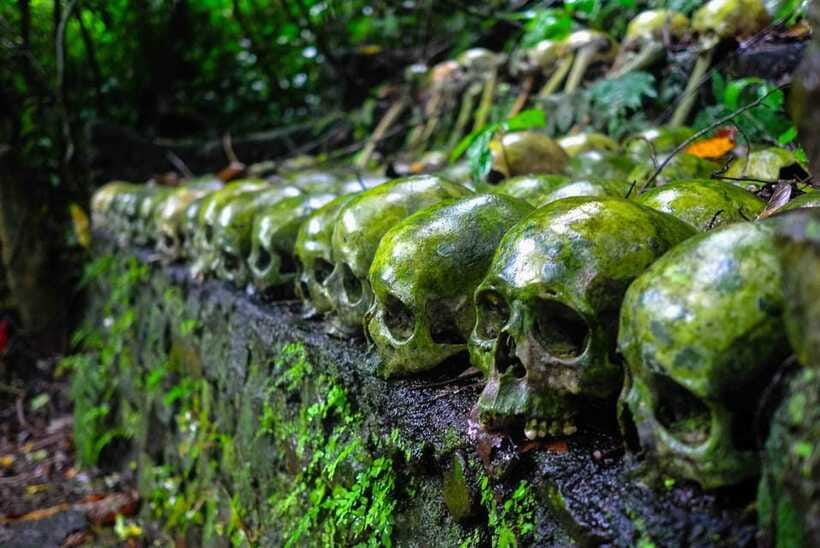
- Trunyan Village cemetery: bamboo cages, cleansing, and real emotional load
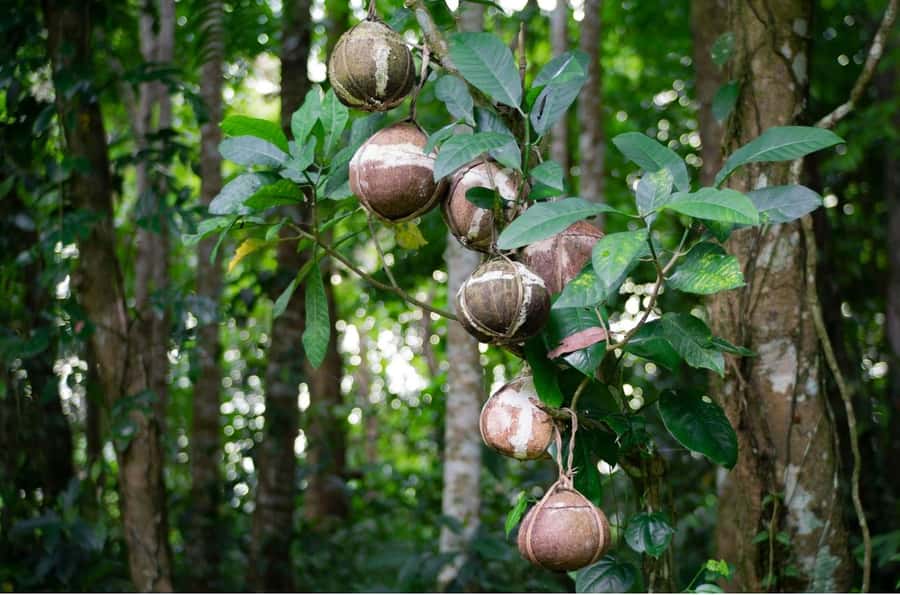
- Bayung Gede: the hanging placenta trees and the idea of ancient village roots
- Kehen Temple on Bukit Bangli: the steps of heaven and the banyan bell
- Price and boat-fee math: what you’re really paying for
- What to bring and how to stay respectful in sacred places
- Add-ons: turn this cultural day into your ideal Bali mix
- Who should book this and who should skip it
- Should you book the Mystical & Burial Rituals Tour with Kehen Temple?
- FAQ
- What is included in the tour price?
- Is lunch included?
- Do I have to pay extra for the boat to Trunyan?
- How much is the boat charter to Trunyan?
- How long is the tour, and what kind of transport do I get?
- What languages are the tour guides?
- What should I wear and how should I behave in the villages and temples?
- Is the Trunyan cemetery visit okay for everyone?
Key moments that make this tour worth your time
- Trunyan Cemetery’s bamboo cages under Taru Menyan: how the ritual works and why the tree plays a key role.
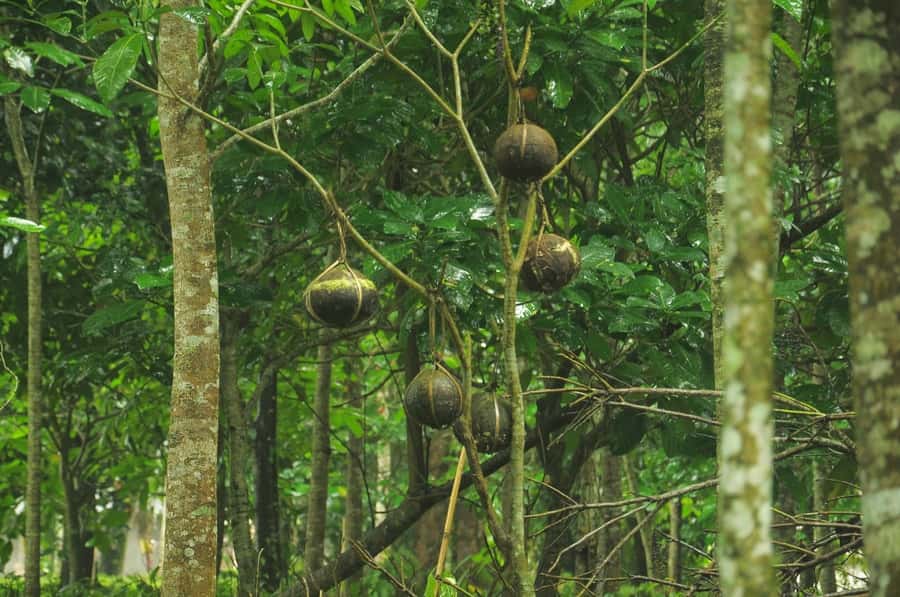
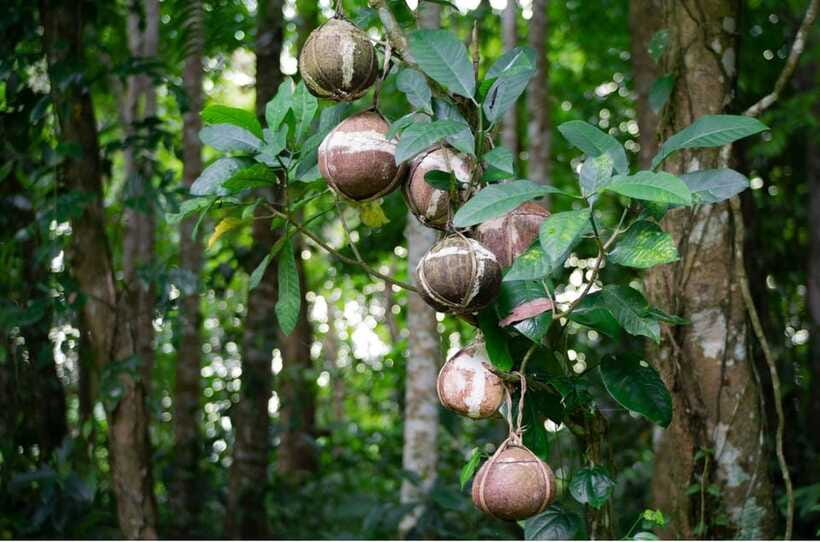
- Bayung Gede’s hanging newborn placentas: an unusual practice tied to ancient village roots.
- Kehen Temple’s Steps of Heaven + wooden bell on a banyan: spiritual architecture you can feel in your legs as you climb.
- Guides who turn “myth” into meaning: names you might meet include Yogibearwithnohair, Raka, Kar, Karba John, Sana, and Dwipa.
- Optional add-ons that fit different moods: from Luwak coffee to massages, swings, rafting, ATV, and hot springs.
Trunyan and Bayung Gede: Bali’s rituals that don’t feel like a show
This tour takes you away from the usual Bali script. Instead of focusing on beaches or crowds, you’re looking at the island’s living spiritual logic—how people honor life, family ties, and death as part of the same circle.
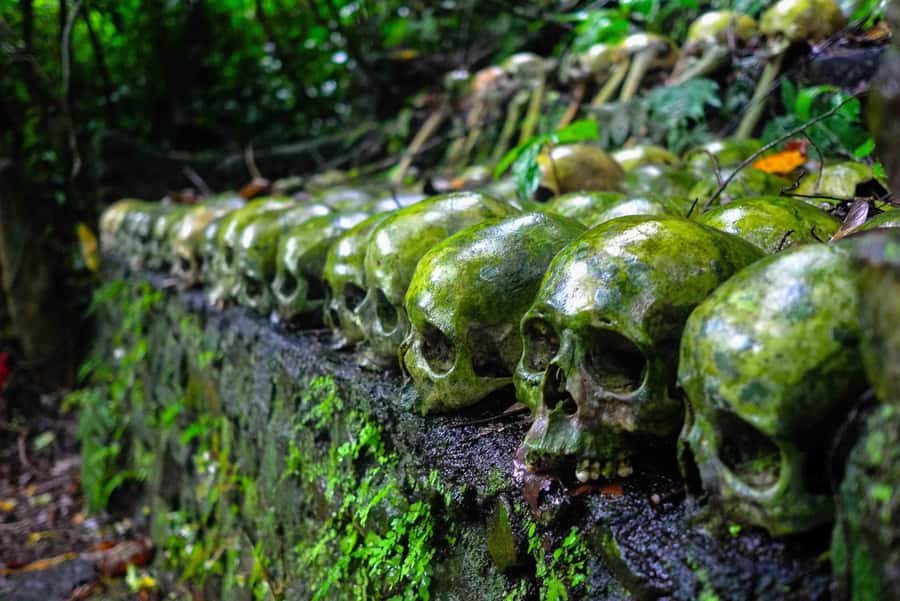
The two village experiences are different on purpose. Trunyan centers on what happens to the body after death, with cleansing steps and bamboo cages. Bayung Gede focuses on birth and the follow-up rite tied to newborn placentas, which hang in a way most of us have never seen.
If you’re the type who likes culture that’s not polished for visitors, this is the kind of day that sticks in your memory for years.
You can also read our reviews of more tours and experiences in Bali.


The Batur-area drive: why the road talk matters
You’ll be collected from your accommodation and taken by comfortable A/C car, with time spent learning from your guide on the drive. The route is part of the experience—volcano-country scenery plus countryside views—without forcing you into a long hike.
What I value here is context. Your guide sets up Bali Sekala (the seen world) and Niskala (the unseen) so the rituals at Trunyan and Bayung Gede don’t come off like spooky stories. It makes the day feel less like shock-and-awe and more like understanding.
And yes, you’ll be moving at a village pace. Expect a full day, not a quick hit-and-run.
Trunyan Village cemetery: bamboo cages, cleansing, and real emotional load
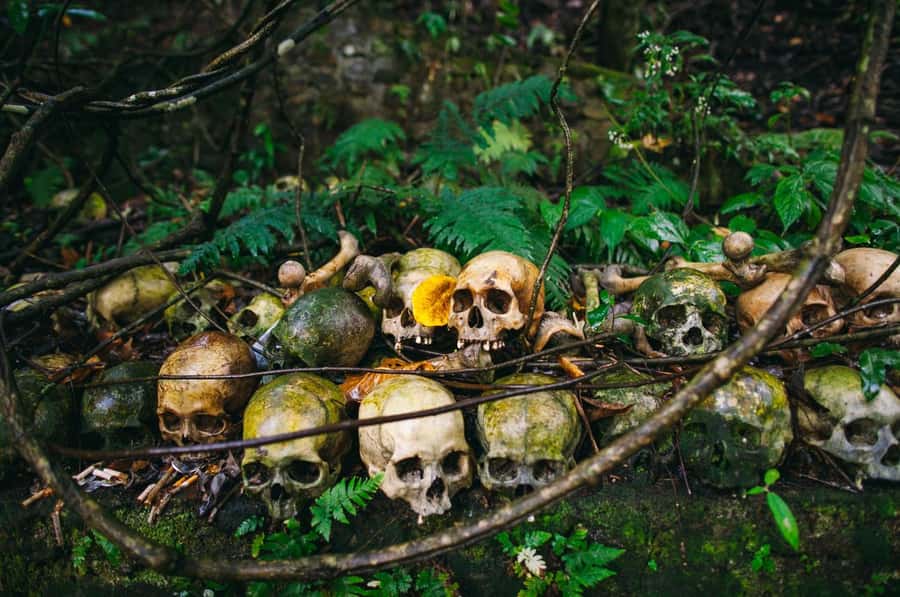
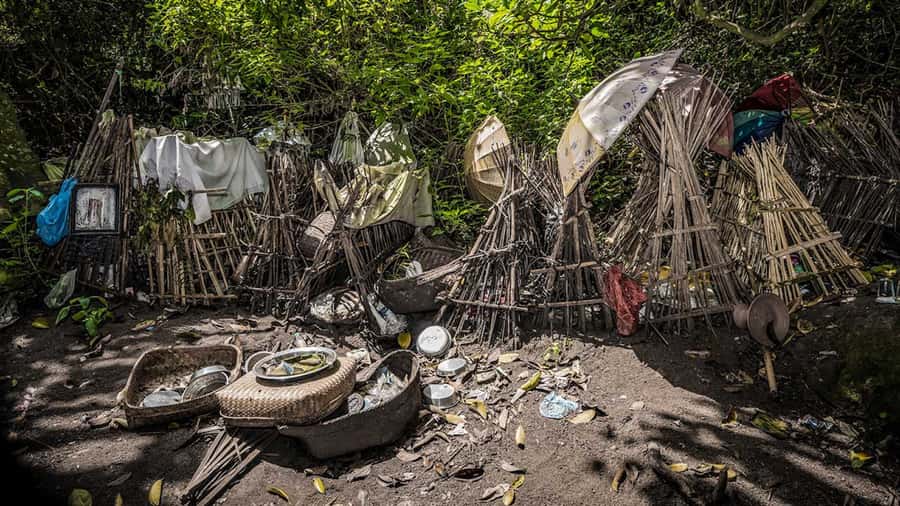
Trunyan Village is the centerpiece for many people—and for good reason. The locals don’t cremate their dead. After a cleansing ritual, the body is placed in a bamboo cage called ancak saji, then positioned under the Taru Menyan tree.
Taru Menyan is described as a nice-smelling tree, and it’s said to release a scent that neutralizes the smell of rotting bodies. The name Trunyan is tied to this tree, and the connection is part of why the whole setup feels intentional rather than accidental.
A detail I think you should know before you go: the practice described here is only for the bodies of married people, placed in these bamboo cages. That means the ritual isn’t just “a cemetery thing.” It’s woven into family structure and life-stage.
Here’s the drawback to plan for. This visit includes exposure to real human burial sites, and it can be emotionally sensitive. I’d treat the day like a museum visit where you can’t look away—you should be ready for that level of reality.
Practical tips for the Trunyan portion:
- Wear shoes you can trust on uneven ground and when you board the boat.
- Expect that photography may be restricted in certain sacred areas, so ask your guide before shooting.
- If you’re the kind of person who gets overwhelmed fast, give yourself permission to step back and take breaks.
Also, if access changes on the day, your guide may adjust. One guest noted the cemetery wasn’t visited when it wasn’t open for tourists—so have a flexible mindset, and rely on your guide to handle it.
Bayung Gede: the hanging placenta trees and the idea of ancient village roots
Bayung Gede is often described as a parent of the ancient villages in Bali. That’s more than a tagline—it signals that you’re walking into a community that treats tradition like daily life, not a performance.
The headline here is the hanging newborn placentas. People come specifically to see this unique practice, presented as one of the most distinctive burial-life rituals in Indonesia. In Trunyan, bodies are handled in bamboo cages; in Bayung Gede, it’s the placenta that’s treated in a similarly “unburied” way.
One of the reasons I like this stop is how it balances the day. Trunyan forces you to confront death. Bayung Gede brings you back to birth and the rituals that follow it, so the day becomes less about dread and more about continuity.
If you’re a detail-oriented traveler, ask your guide to explain the difference between what’s done in one village versus the other. The contrast is the lesson.
Kehen Temple on Bukit Bangli: the steps of heaven and the banyan bell
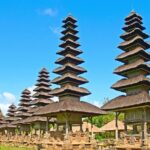
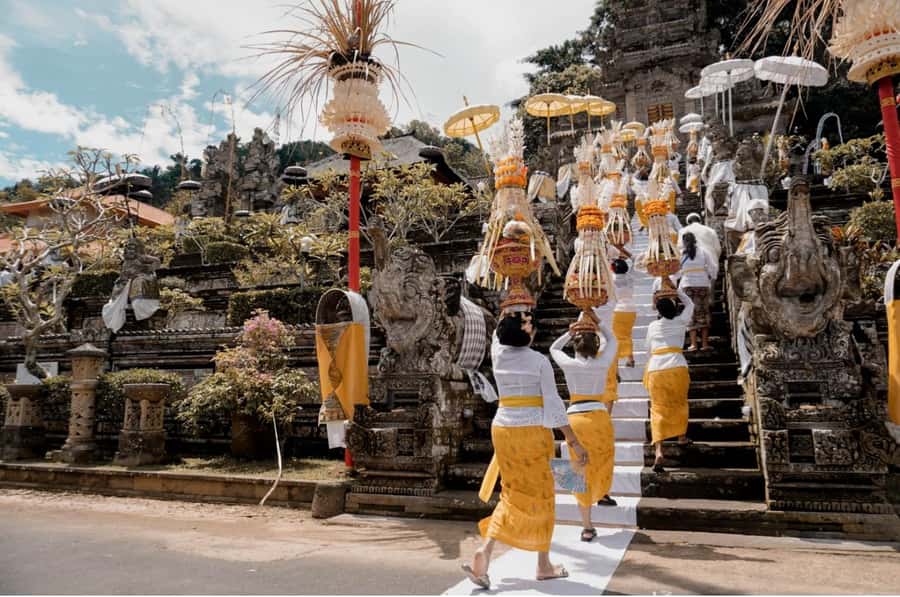
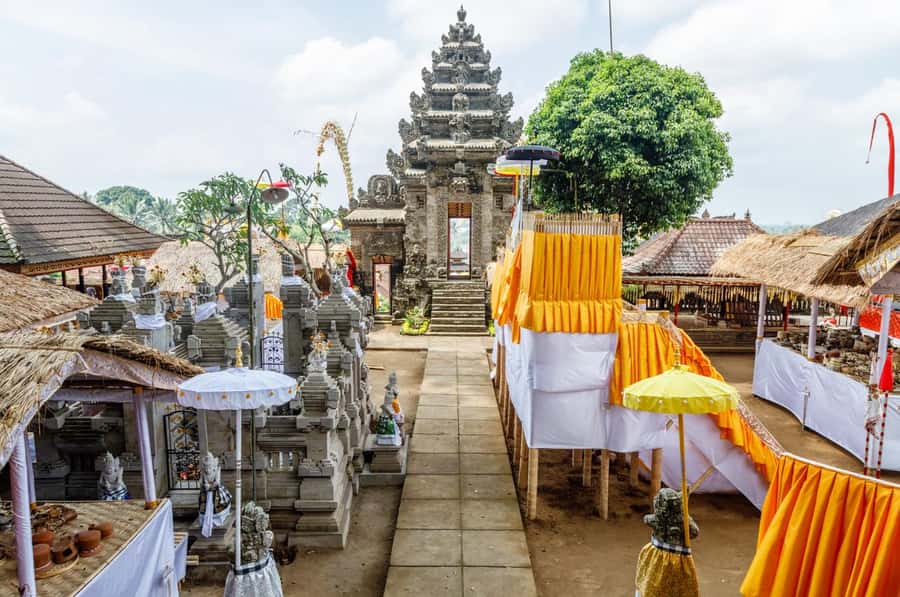
After the villages, Kehen Temple gives your eyes a different kind of work. It’s located on the slope of Bukit Bangli, and it’s described as the mother temple of Bangli.
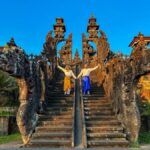
What you’ll notice right away is the staircase style people call the Steps of Heaven. It’s the kind of temple design that turns a walk into a slow climb—your body gets involved, not just your camera.
Another specific detail: there’s a wooden bell hanging on an old banyan tree. It’s one of those features you remember because it looks like something that has been waiting centuries for visitors to finally look up.
This stop works well even if the cemetery part feels intense. You’ll shift from life-and-death rituals to sacred space and Hindu temple symbolism, while still staying within the same spiritual conversation your guide started on the road.


Price and boat-fee math: what you’re really paying for
At $35 per person for an 8-hour day, you’re getting real transportation time plus a guide who organizes the day around sacred places. In practical terms, that price can be good value when it includes hotel pickup and drop-off, tour guidance, mineral water, and entrance fees if you choose the option that covers them.
Here’s where you need to pay attention, because this tour can be packaged differently:
- Lunch is not included.
- Polaroid photos are an add-on.
- The boat to Trunyan may or may not be included depending on your selected entry option. If you don’t have the boat ticket option, you may need to pay the boat charter directly.
The boat charter cost is listed as IDR 600,000 per boat (for up to 5 people). If you’re traveling solo or as a small group, that cost can feel “big per person,” simply because boats run per boat, not per head.
My advice: when you’re comparing options, check what you’re covered for—entrance fees and the boat ticket—before assuming the final total is the $35 sticker price.
What to bring and how to stay respectful in sacred places
This is the kind of day where small behavior choices matter. The tour includes village and temple visits with sacred customs, so you’ll want to follow local rules and your guide’s instructions.
Before you even leave:
- Dress modestly: shoulders and knees covered.
- Avoid getting casual with sacred objects; don’t touch ceremonial items or step into restricted areas.
- Bring cash. Local villages may not accept cards.
During the day:
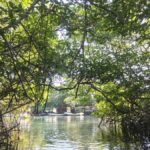
- Expect walking on uneven paths and a boat ride to reach Trunyan.
- Ask your guide about photography rules before you start shooting in sensitive areas.
- If you’re unsure how to act, copy what the locals and your guide do. Simple beats clever.
A note on safety and comfort: the tour isn’t recommended for pregnant women, people with mobility impairments, or wheelchair users. If that applies to you, look for a different Bali day.
Add-ons: turn this cultural day into your ideal Bali mix
One of the best parts of this tour is that it lets you customize your schedule. The add-ons listed include:
- buffet lunch
- polaroid camera photographs
- traditional massages
- Luwak coffee tasting (and other coffee tasting)
- jungle swings
- rafting
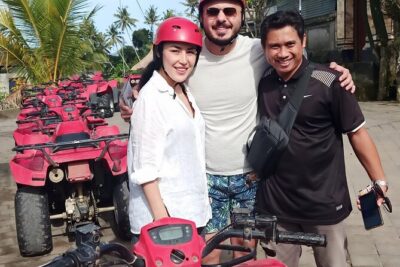
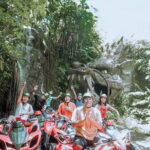
- ATVing
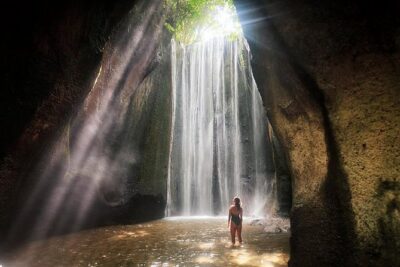
- hot springs visit
- a German-speaking guide (for some options)
My favorite add-on logic here is simple. If you want a softer landing after the emotional cemetery stop, add a massage or a hot springs visit. If you want to keep the day light and sensory, add Luwak coffee tasting—it’s a straightforward, local-flavor reward.
If you choose the polaroid option, it can be a great way to remember the day without overloading your phone storage. One guest specifically praised a polaroid package as a way to make lasting memories.
For active add-ons like rafting or ATV, plan your timing carefully. One guest suggested starting earlier than 10am if you add extras, since return traffic around Ubud can get messy later. The takeaway: don’t stack high-intensity add-ons too close to evening.
Also, be alert with lunch expectations. A review mentioned the lunch stop felt touristy and pricey compared to other places. So if lunch matters to you, ask where you’re going and aim for something local when possible.
Who should book this and who should skip it
This tour is a strong match if you want:
- Authentic Bali village culture beyond temples-with-a-gift-shop
- A guide who explains why rituals exist, not just what you’re seeing
- A day built around spirituality, death customs, and family tradition
It’s also ideal if you’re curious about the Batur area but don’t want volcano tracking or jeep-style tours. You still get the region’s vibe and a full cultural day.
Skip it if:
- You’re pregnant.
- You have mobility challenges and can’t handle uneven paths and a boat ride.
- You’re not comfortable with ritual death practices. Trunyan involves real burial sites, and the emotional hit is real.
And if you’re easily distressed by scent, reality, or the visual side of burial customs, consider whether you’ll be able to stay present.
Should you book the Mystical & Burial Rituals Tour with Kehen Temple?
If you want Bali in its more human form—where spirituality shows up in village life—you should book it. The combination of Trunyan’s burial tradition, Bayung Gede’s hanging placenta ritual, and Kehen Temple’s Steps of Heaven creates a day that feels coherent, not random.
I’d book it especially if you care about being guided well. The standout reviews consistently praise guides like Yogibearwithnohair, Raka, Kar, Karba John, Sana, Dwipa, and Agus for bringing calm explanations and thoughtful care to sensitive moments.
But book with eyes open. This is not a casual stroll. You’re stepping into sacred practices that can be emotionally intense, and you’ll need to follow modesty rules and respectful behavior.
If that sounds like your kind of Bali, go for it—then take a deep breath before Trunyan and let the day teach you what it’s trying to teach.
FAQ
What is included in the tour price?
Hotel pickup and drop-off, a tour guide, entrance fees if you select an option that includes them, mineral water, and boat ticket access to Trunyan cemetery if you select an option that includes entry.
Is lunch included?
No. Lunch is not included, but a buffet lunch may be available as an add-on.
Do I have to pay extra for the boat to Trunyan?
It depends on your selected option. If you choose the option that includes the boat ticket, it’s covered. If you choose an option that excludes entry tickets, you may need to pay for the boat separately.
How much is the boat charter to Trunyan?
The cost is listed as IDR 600,000 per boat, and a boat can take up to 5 people.
How long is the tour, and what kind of transport do I get?
The tour runs for 8 hours. You’ll be picked up from your accommodation and driven in a comfortable air-conditioned car.
What languages are the tour guides?
The guide is listed as English and Korean.
What should I wear and how should I behave in the villages and temples?
Dress modestly with shoulders and knees covered. Follow local rules and your guide’s instructions, and don’t touch ceremonial items or enter restricted areas.
Is the Trunyan cemetery visit okay for everyone?
The cemetery visit includes exposure to real human burial sites and may be emotionally sensitive. It’s also not recommended for pregnant women or for travelers with mobility issues or wheelchair users.