Bali culture, minus the cookie-cutter stops. This private door-to-door day tour from Nusa Dua strings together village crafts, a museum with royal funeral relics, and the Kintamani views over Mt. Batur and Lake Batur. I especially like the Blahbatuh stop, where you can watch makers shape the instruments behind Bali’s gamelan tradition. One thing to consider: the day can feel a bit set in order, so if you need big changes, say so early.
You’ll get door-to-door pickup from major areas like Kuta, Seminyak, Sanur, Jimbaran, and Nusa Dua, with an English-speaking licensed guide. I also like that the tour includes admission for the museum and Penglipuran, then finishes with afternoon tea or coffee plus a Balinese snack. Lunch isn’t included, so plan for that extra cost.
In This Review
- Key Highlights You’ll Actually Care About
- A Nusa Dua Private Day That Jumps Time From Crafts to Volcano Views
- Pickup Windows, Travel Time, and How the Day Really Feels
- Blahbatuh Village Workshop: Watching Gamelan Instruments Take Shape
- Arca Building Archaeological Museum: Royal Funeral Relics and Ancient Periods
- Sri Batu to Kintamani: Cloves, Eastern Coffee, and an Active-Volcano Day
- Lunch With a View at Kintamani: Plan for the Buffet Cost
- Penglipuran Village Walk: Bamboo Forest Paths and Carvers at Work
- Bukit Jati in Gianyar: Tea and Coffee With Ocean Views
- The Guide Matters: Sandy, Ray, and Kana as a Good Sign
- Price and Value: What $71.80 Buys You in Real Terms
- Who Should Book This Private Bali Heritage Tour?
- Should You Book This Bali Cultural Heritage Tour?
- FAQ
- What time does the tour start?
- Where can I be picked up?
- How long does the tour last?
- Is lunch included?
- What’s included with the afternoon tea or coffee?
- Are entrance tickets included?
- Is this a private tour?
- Does it include an English-speaking guide?
- Are there extra charges for cruise passengers?
- Can I cancel for a full refund?
Key Highlights You’ll Actually Care About
- Blahbatuh instrument workshop: watch artisans make gamelan-style musical instruments used in ceremonies
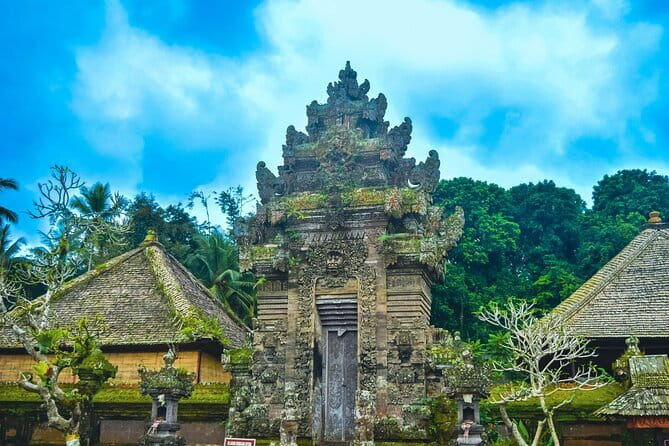
- Arca Building Archaeological Museum: Bronze/Stone Age artifacts plus royal funeral totems
- Kintamani crater views: Mt. Batur is active; you may spot black lava running down toward the valley
- Penglipuran bamboo village: a walk through bamboo and time to observe bamboo carvers at work
- Bukit Jati tea break in Gianyar: tea or coffee with a Balinese traditional snack and ocean views in the distance
- Private, hotel-to-hotel pacing: you’re not sharing the van with strangers, so the guide can set the tempo
A Nusa Dua Private Day That Jumps Time From Crafts to Volcano Views
This is the kind of Bali day that feels like two islands at once. One side is human-made: villages where skills get passed down, and local objects connect directly to worship and community life. The other side is pure geology: Kintamani’s active-volcano area and Lake Batur, with a view that makes Bali feel bigger than you expected.
What makes it work well is the mix. You’re not just getting one highlight photo. You’re getting a chain of stops where each place explains the next one—craft traditions lead into cultural artifacts, then the drive turns into a crater-and-lake viewpoint day.
If you like culture that’s still practiced (not just staged), you’ll enjoy the tone here. The stops also come with a guided layer, so you’re not left guessing what you’re looking at.
You can also read our reviews of more tours and experiences in Nusa Dua.


Pickup Windows, Travel Time, and How the Day Really Feels
The tour starts around 8:30 am from the meeting point area, and pickup can be earlier depending on where your hotel is. With Bali traffic and the mountain roads heading toward Kintamani, this is a full-day outing—listed at about 10 hours in one place and described as closer to 8 hours elsewhere. Either way, plan for a long day on the road.
Practical tip: wear shoes you’re happy to walk in on village paths and inside/outside museum spaces. Also, if you get motion sick easily, request a comfortable seat with the smoothest ride your vehicle can offer.
Because it’s door-to-door service (from Kuta, Seminyak, Sanur, Jimbaran, and the Nusa Dua area), you lose less vacation time to logistics. That’s a big part of the value, especially if you’re staying in the southern resorts.
Blahbatuh Village Workshop: Watching Gamelan Instruments Take Shape
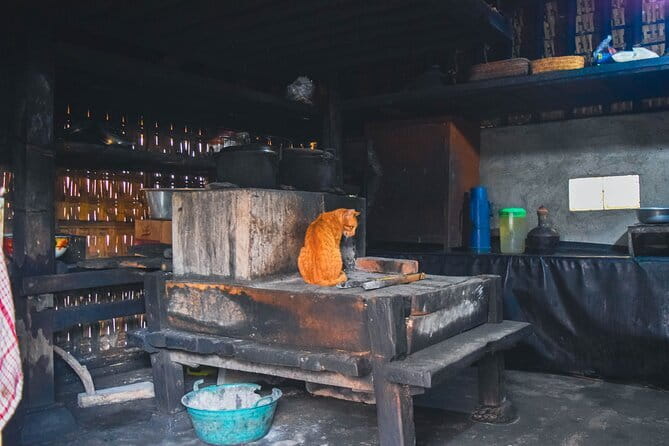
Blahbatuh (often written Blahbatuh/Blahbatuh village) is where this tour earns its “cultural heritage” label. You’ll visit a village known for artisan traditions, then watch craftsmen as they shape typical Balinese instruments used in gamelan—the percussion-based music heard across religious ceremonies and special events.
This isn’t the usual “gift shop first” story. The point is craft in motion: tools, hands, and the patience behind sound. You’ll get a clearer sense of how music is tied to daily culture and spiritual events, not just entertainment.
If you’re the type who likes to ask questions, this is your moment. Ask what’s being made, how long it takes, and what the instruments are used for. A good guide will connect the workshop back to the cultural sites you’ll see later in the day.
Arca Building Archaeological Museum: Royal Funeral Relics and Ancient Periods
Next comes the Arca Building Archaeological Museum, a 1-hour stop with admission included. This is where the day shifts from “how things are made” to “what Bali remembers.”
You’ll be able to look at artifacts spanning Bronze and Stone Age periods, and you’ll also see funeral totems tied to Bali’s royal family. There are history exhibits too, including elements about the island’s Dutch settlers and Indian merchants.
Why this works: the museum gives you context. When you later see villages that still follow traditional customs, you’re not just seeing routines—you understand there’s a long thread connecting belief, objects, and community identity.
A practical note: museums can feel warm and crowded depending on the day, so pace yourself. If your energy dips, ask your guide to focus you on the specific pieces that match your interests.
Sri Batu to Kintamani: Cloves, Eastern Coffee, and an Active-Volcano Day
Before you reach the big viewpoint area, you pass through an agricultural setting called Sri Batu, where farmers grow fruit and spice crops like cloves. You may also see cultivation tied to Eastern coffee.
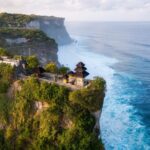
Then the route climbs into Kintamani, the mountain region where the real show begins. You’ll get views of Mt. Batur, an active volcano. The highlight here is that black lava sometimes runs down from the peak toward the valley floor—whether you see it clearly depends on conditions, but it’s part of what makes this area feel alive rather than purely scenic.
Just below Mt. Batur sits Lake Batur, the largest body of water on Bali’s island. The views are built around the contrast: crater rim, valley drop, and water stretching out below.
If you’re visiting in cloudier weather, don’t assume the day is ruined. Ask your guide where the best viewing angles usually are at that time of day. Even with partial views, you’ll still get a sense of scale.



Lunch With a View at Kintamani: Plan for the Buffet Cost
Lunch is at your own expense, and it’s served at a local eatery with an Indonesian buffet plus “magnificent vistas.” In other words: you’re paying for convenience and location, not just food.
Here’s how to get the most out of it:
- Go hungry, because buffet stops can turn into a time sink if you wait too long
- Use lunch as a rest break before Penglipuran, where you’ll be walking and moving around village areas
- If you’re picky about spice, tell your guide before ordering so they can help you avoid guessing wrong
Also, because Kintamani is elevated, it can feel cooler than the coast even when the air is sunny. Bring a light layer if you run cold.
Penglipuran Village Walk: Bamboo Forest Paths and Carvers at Work
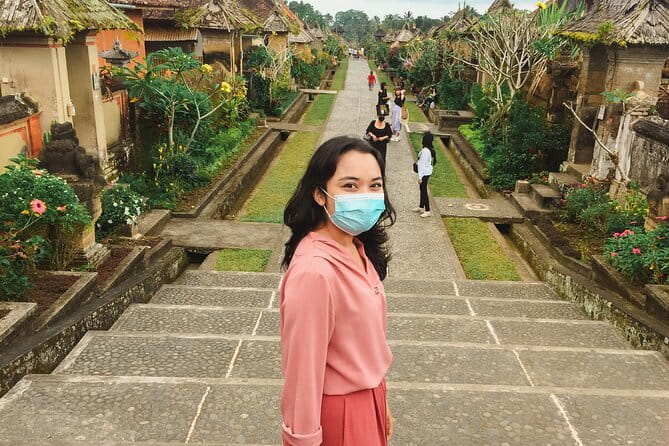
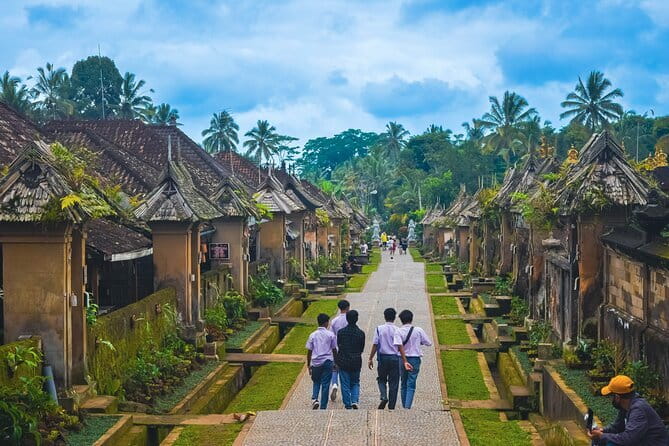
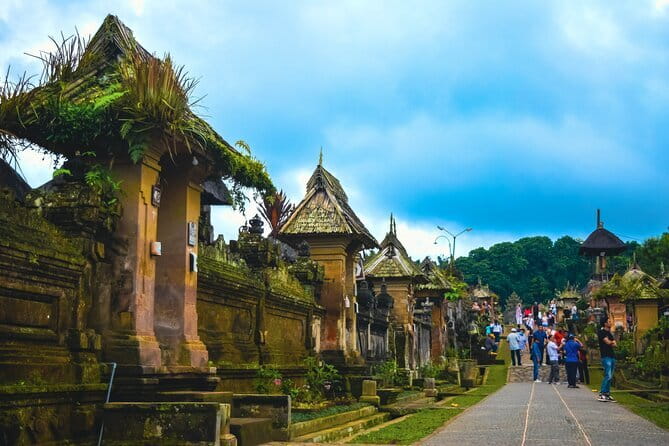
After lunch, you head to Penglipuran Village, a traditional Balinese village in the interior that remains largely untouched by modern development. This is a 1-hour stop with admission included.
You’ll stroll with your guide through a bamboo plantation near the village. You’ll also have a chance to observe village carvers making bamboo goods such as wind chimes and everyday household items.
What I like about Penglipuran is the rhythm. You’re not in a rush trying to tick off landmarks. You’re moving at walking speed, and your guide can point out the customs and beliefs that locals maintain. That guided context matters here because the village is designed around living traditions, not visitor photo spots.
Potential drawback: if you’re not a fan of short walks or you prefer fewer moving parts in a day, this stop can feel a bit “just keep walking.” In that case, lean into the bamboo workshop element—watching the making process is usually the most rewarding part.
Bukit Jati in Gianyar: Tea and Coffee With Ocean Views
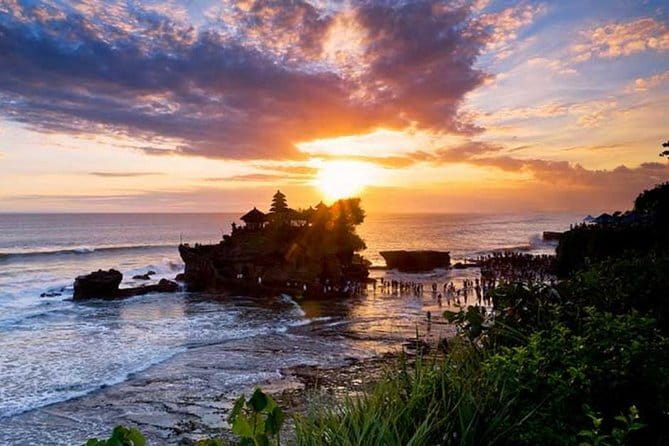
The day ends at Bukit Jati for afternoon tea or coffee, served with a Balinese traditional snack. This stop is 1 hour, and it’s listed as free of additional ticket cost.
What makes this part worth waiting for is the mood shift. After museums and village walking, you get a slower, sitting-style finish. You’ll have views of rice fields and, on clear days, the blue sea in the distance.
This is the moment to ask follow-up questions too—especially if you skipped one topic earlier. A good guide can explain how what you saw earlier ties into daily life now.
If you like coffee more than tea, you’ll still be covered. The key included items are tea/coffee plus the snack, so you don’t lose time hunting for a late caffeine fix.
The Guide Matters: Sandy, Ray, and Kana as a Good Sign
This kind of tour lives or dies on the person behind the wheel and the person behind the words.
In past runs, guides connected to this experience include Sandy, Ray, and Kana. When the guide is strong, you don’t just get facts—you get clear explanations of what you’re seeing and why it matters. That’s especially true in places like the museum, where context turns artifacts into stories.
One caution from real-world experience: there’s at least one case where a tour director was described as too inflexible, without adapting the plan to customer requests. So here’s my advice:
- Tell your guide what you care about most at the start (crafts vs. museum vs. volcano views)
- Ask how much room there is for adjustments
- If you have constraints (timing, energy level), say it early, not mid-day
Private tours usually give you more control—but only if you communicate like you mean it.
Price and Value: What $71.80 Buys You in Real Terms
At $71.80 per person, this isn’t trying to be the cheapest option. It’s pricing itself as a full cultural day with real inclusions.
Here’s where the value shows up:
- Private, English-speaking licensed guide service
- Pickup and drop-off from major resort areas (Kuta, Seminyak, Sanur, Jimbaran, Nusa Dua area)
- Admission included for the archaeological museum (1 hour) and Penglipuran Village (1 hour)
- Afternoon tea or coffee plus a Balinese traditional snack at Bukit Jati (1 hour)
The one clear “no” is lunch: it’s not included, and you’ll pay for it at the local restaurant.
If you split the cost across a small group, private value tends to improve quickly because you’re not paying for the same guide time that larger shared tours spread across strangers. Even as a solo traveler, you’re getting built-in entry tickets for key cultural stops, which removes one common hassle.
Also, it includes a mobile ticket and you should receive confirmation at booking.
Who Should Book This Private Bali Heritage Tour?
Book it if you want a day that feels off the main tourist circuit but still includes landmark-grade scenery. This suits:
- Couples and small groups who want a private pace
- People who like both culture and viewpoints (not just one or the other)
- Travelers on a first full day in Bali who want context fast
- Anyone who enjoys watching crafts in action, especially music-related making
Skip it (or rethink it) if:
- You hate any fixed order and need frequent rerouting
- You want fewer stops and more time at just one place
- You’d rather handle the volcano and villages on your own, instead of letting a guide connect the dots
Should You Book This Bali Cultural Heritage Tour?
I’d book this tour if you’re craving a Bali day that mixes craft, artifacts, villages, and an active-volcano viewpoint without turning the whole day into a shopping loop. The included museum and village admissions plus the tea finish make the pricing feel more solid than tours that nickel-and-dime you at every step.
My final nudge: if flexibility is important to you, bring it up early and be specific about what you’d trade or add. With the right guide, you’ll get a day that feels thoughtful, practical, and genuinely connected to how Bali lives.
FAQ
What time does the tour start?
The tour start is listed as 8:30 am at the meeting point area, though your pickup may occur earlier depending on where you’re staying.
Where can I be picked up?
Pickup is offered from major hotels in Kuta, Seminyak, Sanur, Jimbaran, and the Nusa Dua area.
How long does the tour last?
The tour is listed at about 10 hours (approx.), though the description also references an 8-hour private guided exploration. Expect a full day.
Is lunch included?
No. Lunch is not included, and you’ll stop for lunch at a local restaurant where you pay your own cost.
What’s included with the afternoon tea or coffee?
Afternoon tea or coffee is included, along with a Balinese traditional snack.
Are entrance tickets included?
Yes. Admission tickets are included for the Arca Building Archaeological Museum and for Penglipuran Village.
Is this a private tour?
Yes. It’s a private tour/activity, meaning only your group participates.
Does it include an English-speaking guide?
Yes. The tour includes an English-speaking licensed guide service.
Are there extra charges for cruise passengers?
The information notes additional charges may apply for cruise passengers.
Can I cancel for a full refund?
Yes. You can cancel up to 24 hours in advance for a full refund. If you cancel less than 24 hours before the start time, you won’t be refunded.