Smell the spices before you even start eating. This half-day Ubud tour ties Balinese Hindu food traditions to market stalls and countryside views, so you taste your way from paddies to the plate.
I love the 7–8 food tastings packed into about five hours, which is enough variety to actually understand the cuisine. I also like that your local foodie guide connects what you eat to ingredients, preparation, and everyday culture.
One thing to watch: hotel pickup and drop-off are described both as included and not included in different parts of the details, so confirm clearly when you book—especially if you don’t want to rely on taxis.
In This Review
- Quick take: what makes this food tour work
- Ubud Heritage Food Tour: where the morning starts and how the day moves
- Market morning: spices, traditional dishes, and food you can actually explain later
- Countryside ingredient origins: seeing farming while you connect flavors
- What you’ll eat: 7–8 types of foods that leave you satisfied
- Small-group value: up to 8 people, shared transport, less chaos
- Price and value: is $69.75 worth a heritage food loop?
- Who should book this Ubud food tour—and who might want a different style
- Should you book? My practical take on whether it’s worth your time
- FAQ
- What time does the Half-Day Ubud Heritage Food Tour start?
- How long is the tour?
- How many food tastings are included?
- Is the tour small-group?
- Do they offer vegan or vegetarian options?
- Is hotel pickup and drop-off included?
- Are alcoholic drinks included?
- What is the cancellation policy?
- Is a mobile ticket provided?
Quick take: what makes this food tour work
- Small group (up to 8) keeps questions easy and lines short at tastings
- Market-to-countryside flow shows where ingredients come from, not just what’s on the menu
- 7–8 tastings in 5 hours means you’ll leave full, not hungry
- Vegan and vegetarian options available if you tell them your needs
- Breakfast-time start in Ubud is a smart way to beat heat and crowds
Ubud Heritage Food Tour: where the morning starts and how the day moves
This tour runs as a morning experience starting at 8:00 am in Ubud. You’ll meet at Ubud Palace (Jl. Raya Ubud No.8, Ubud, Kecamatan Ubud, Kabupaten Gianyar, Bali 80571) and the experience ends back at that same meeting point.
The total “on-paper” duration is about 5 hours, but that time excludes any pickup/drop-off you may have. The good part of the half-day format is simple: you get a full food education without burning an entire day of sightseeing. And because it’s a morning start, you’re less likely to feel cooked before the tastings even begin.
You’ll also want to dress for easy walking and hot weather. The tour specifically asks for comfortable, relaxed clothing, which makes sense because you’ll be moving through a local market and out toward the countryside.
The group size cap matters here. This is limited to 8 people or fewer, so your guide can slow down for questions like how certain spice mixes are used or what makes one satay style different from another.
Finally, a practical note: the tour is described as having hotel pickup and drop-off, yet other details say pickup/drop-off may not be included. I’d treat that as a “confirm before you go” situation so you can plan your arrival and return without stress.
You can also read our reviews of more tours and experiences in Ubud.



Market morning: spices, traditional dishes, and food you can actually explain later
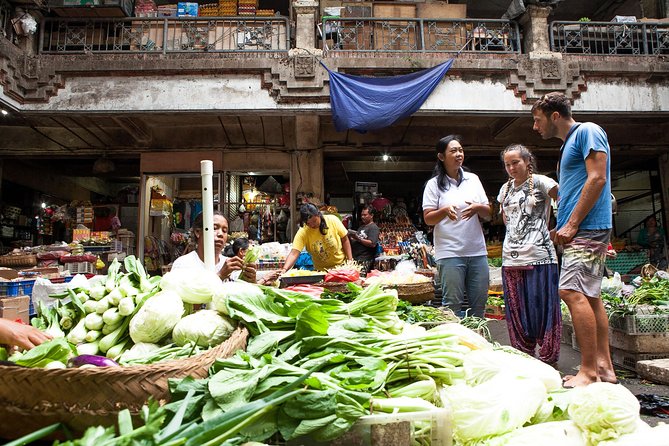
The market stop is the heart of the “heritage” part of this tour. The whole idea is that you don’t just sample food—you learn how Balinese spices travel from trading stalls to real meals. The guide frames it around Balinese traditions and the fact that food is woven into daily life for a predominantly Hindu community.
Here’s what you should expect in the market: you’ll see Balinese food seasonings being traded, and you’ll get tastings tied to those ingredients. It’s the kind of lesson that sticks because you taste while you learn. Instead of reading about spice blends later, you’ll remember how they smelled and why they’re used.
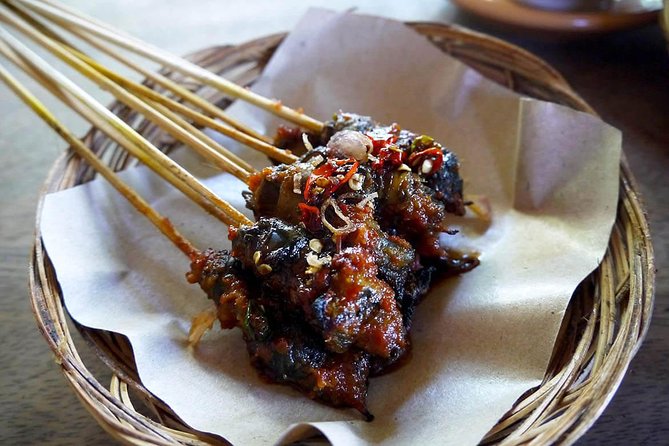
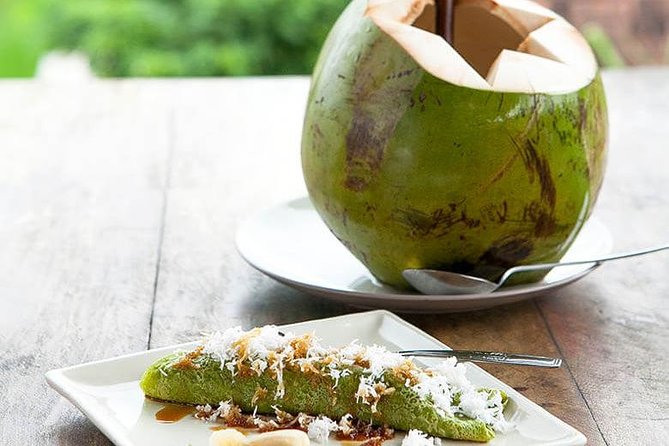
You’ll also sample regional favorites that connect to what you’re seeing in the market. The details mention a mix of savory items like shredded chicken and stir-fried noodles, plus traditional sweets such as cakes, and satay. Even if you don’t know the names of everything at first, the guide’s job is to translate the flavors into something you can carry with you—what to look for, what to expect, and how the cooking methods change the final taste.
A smart way to get more from the market segment: ask about what you’re about to eat before the bite happens. If the guide mentions that a spice mix is used for a specific texture or flavor goal, you can use that as a filter as you taste. It turns “snacking” into real comprehension.
One more thing: alcohol isn’t included, though it can be purchased. So if you’re planning to pair drinks with your tastings, budget extra time and money.
Countryside ingredient origins: seeing farming while you connect flavors
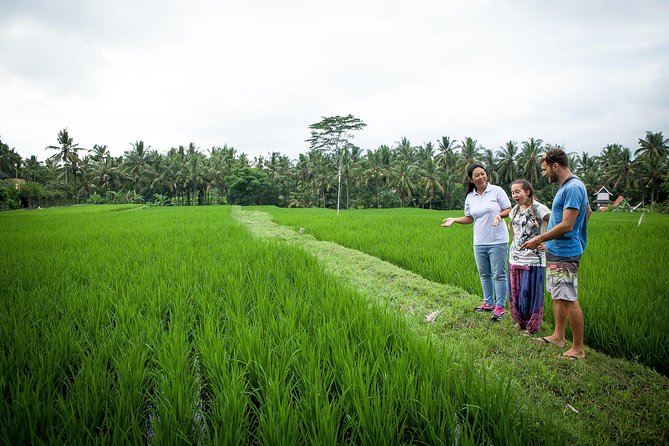
After the market, the tour heads out toward the countryside. This is where the “ingredients originated here” concept becomes real in front of your eyes. You’ll be looking at local farming and enjoying scenery that includes panoramic rice paddies.
Why this part matters: Balinese cuisine isn’t just a list of dishes. The flavors connect to crops, land, and how ingredients are used in everyday cooking. When you’ve just been tasting spiced foods and then you see the farming side of the system, you understand why certain ingredients show up again and again.
The tour also leans into the cultural angle—Balinese Hindu life and tradition influence how food is made and served. Even if you’re mostly there for the food, this context helps you appreciate the choices behind the scenes, like why certain flavors are stronger or why preparations are so tied to tradition.
As with any countryside portion, the practical takeaway is comfort. Wear clothes that can handle walking, and keep your pace casual. You’re not on a hike; you’re on a taste-and-learn circuit.
What you’ll eat: 7–8 types of foods that leave you satisfied
You’re promised 7–8 types of foods in about 5 hours, and the tour is designed so you leave feeling satisfied. That’s a key difference between a “light tasting” and an actual food tour. You’re not just tasting a crumb here and there. You should plan for a meal-level experience.
The details specifically mention dishes such as:
- savory shredded chicken
- stir-fried noodles
- traditional cakes
- satay (described as rare on the tour’s side of things)
And the market tastings include traditional snacks linked to the seasonings you see being traded.
Because the tour includes meals and multiple tastings, your stomach can handle going from savory to sweet without feeling like you’re rushing. Also, the pace is built for a small group, which helps you avoid the worst part of food tours: waiting around while someone finds the right stall.
Vegetarian and vegan options are available, but you’ll need to inform the operator about restrictions. Don’t wait until the day-of to mention dietary needs. Get it in early so your tasting plan can match what you can eat.
If alcohol matters to you, plan on purchasing it separately. Alcoholic drinks aren’t included in the tour details, and that’s helpful to know upfront so you can keep the math simple.
Small-group value: up to 8 people, shared transport, less chaos
This tour caps at 8 travelers per booking. That’s not just a comfort detail—it changes the whole experience. With fewer people, your guide can actually guide the conversation instead of juggling a group that needs constant repeating.
You’ll also use shared transportation for moving between stops (the details say shared transportation to visit one eateries and another). Translation: you’ll get quick transfers instead of long, complicated routes. It also means the tour stays focused on food and learning rather than logistics.
Group discounts are mentioned as a feature. If you’re traveling with friends or family, that’s one of the few “extra value” points that can make the price easier to justify.
And because the tour is near public transportation, it can be easier to reach the meeting point if you’re not using hotel pickup. Still, given the pickup/drop-off contradiction in the details, it’s worth confirming what you personally will get.






Price and value: is $69.75 worth a heritage food loop?
At $69.75 per person, this is positioned as a guided, structured food experience rather than a casual market wander. The value comes from what’s included: a local foodie guide, meals, and 7–8 tastings within roughly five hours.
For me, the pricing makes sense when you think about time and expertise. You’re paying for someone to translate Balinese cooking culture while you eat, plus you’re paying for the organization that keeps tastings moving in the right order. Without a guide, you’d spend more time figuring out where to go and what to order—especially in a market where it’s easy to miss the best stalls.
Where the budget can creep up is in the “not included” category: alcohol, other entrance fees, extra meals, drinks, and shopping unless stated. If you plan to drink much or shop heavily, you’ll want to add extra funds.
One more cost-related tip: this tour is often booked in advance (the details note an average booking window of about 40 days). If your dates are fixed, check availability early so you don’t end up scrambling for a different time slot.
Who should book this Ubud food tour—and who might want a different style
This is a great fit if you want Balinese food with context. You’ll enjoy it if you like learning how ingredients and preparation connect to culture, not just chasing new dishes.
It’s also a solid choice for people who want variety without over-planning. You get multiple tastings across savory and sweet categories, plus the countryside ingredient-origin piece that gives the food meaning.
A couple of practical fit notes:
- The tour says most people can participate, and kids must be accompanied by an adult.
- Vegan and vegetarian options exist, but you must tell the operator about food restrictions.
- Comfortable clothing is important since you’ll be walking through a market and moving between stops.
If you’re the type who hates groups or prefers total freedom to roam and pick your own stalls, this small-group format may still feel structured. But if you like guided pacing, it’s a smart way to get more out of a Ubud morning.
Should you book? My practical take on whether it’s worth your time
Book this tour if you want a focused way to understand Balinese cuisine through tasting, especially if you’d like to see the countryside side of where ingredients come from. The small-group cap and the number of tastings help you feel like you got your money’s worth instead of just “sampling.”
Skip it (or choose a different option) if you mainly want independent wandering and you don’t care about learning spice-and-preparation stories. Also, confirm what you’ll get regarding pickup/drop-off so the day doesn’t start with surprises.
If you’re planning Ubud for a few days, this kind of heritage food tour is a strong anchor experience—one that gives your other meals extra meaning.
FAQ
What time does the Half-Day Ubud Heritage Food Tour start?
The tour starts at 8:00 am. The meeting point is at Ubud Palace on Jl. Raya Ubud No.8 in Ubud.
How long is the tour?
It’s about 5 hours. The stated duration excludes any pickup and drop-off time.
How many food tastings are included?
You’ll receive 7–8 types of foods during the tour, with meals included.
Is the tour small-group?
Yes. It’s limited to a maximum of 8 people per booking.
Do they offer vegan or vegetarian options?
Yes. Vegan and vegetarian options are available, but you need to inform the operator about any food restrictions.
Is hotel pickup and drop-off included?
The information lists hotel pickup and drop-off as included in the overview, but other details say hotel pickup and drop-off are not included. Confirm this clearly when you book so you know what applies to your reservation.
Are alcoholic drinks included?
No. Alcoholic drinks are not included, but they may be available to purchase.
What is the cancellation policy?
Cancellation is free up to 24 hours before the experience’s start time for a full refund.
Is a mobile ticket provided?
Yes. The tour lists mobile ticket as a feature.