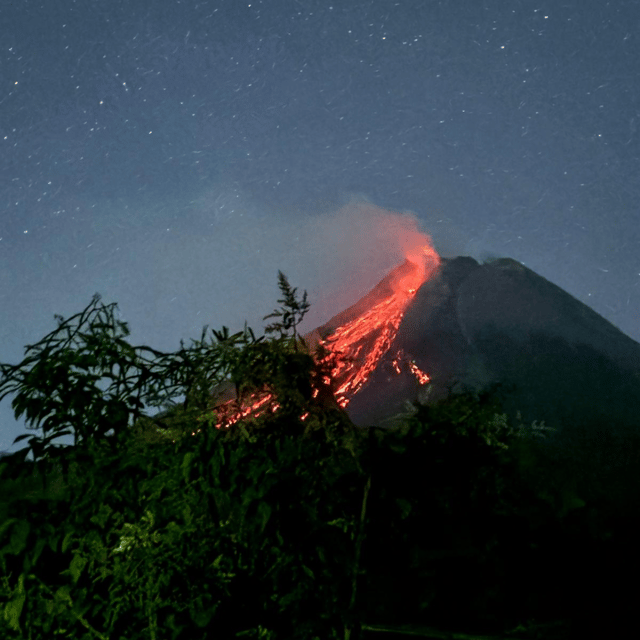
Merapi glows against the night sky. I love the safe viewpoints set up for lava viewing and how the Turgo area can stretch your view over Yogyakarta at night. The catch: weather can hide the glowing flows.
You can go two ways: a gentler ride-and-look option, or the more active night/sunrise hike up to Turgo Hill (about 1,700 steps). In my research, guides like Tito and Sharla get repeatedly called out for keeping the experience relaxed while you wait for the sky to cooperate.
This tour is best when you’re ready for cool air, real stairs, and a bit of waiting. When the clouds thin, the sight of lava working its way down the volcano slope feels like something you can’t learn from photos.
In This Review
- Key moments that make this Merapi night tour worth it
- Turgo Hill and Merapi at night: the simple reason it works
- Timing and what a 5–6 hour evening feels like
- Pickup to first stops: what you’ll do before you see the lava
- Bunkers and observation towers: the safer-feeling part of the story
- The non-hiking option: how the relaxed viewing works
- Night hike to Turgo Hill: 1,700 steps and the best odds of a clear view
- Sunrise hike at 3:00 AM: when you trade lava glow for the whole panorama
- What to pack for Merapi: practical basics that keep you comfortable
- Price and value: what $23 buys you (and what you should compare)
- Small-group energy and guide quality: why the vibe matters here
- Who should book this Merapi lava viewing (and who shouldn’t)
- Should you book this tour?
- FAQ
- How long is the Merapi lava viewing experience?
- What are the available options?
- How many steps is the Turgo Hill hike?
- What should I bring for the tour?
- Is a guide provided, and what languages are available?
- What isn’t allowed during the experience?
Key moments that make this Merapi night tour worth it
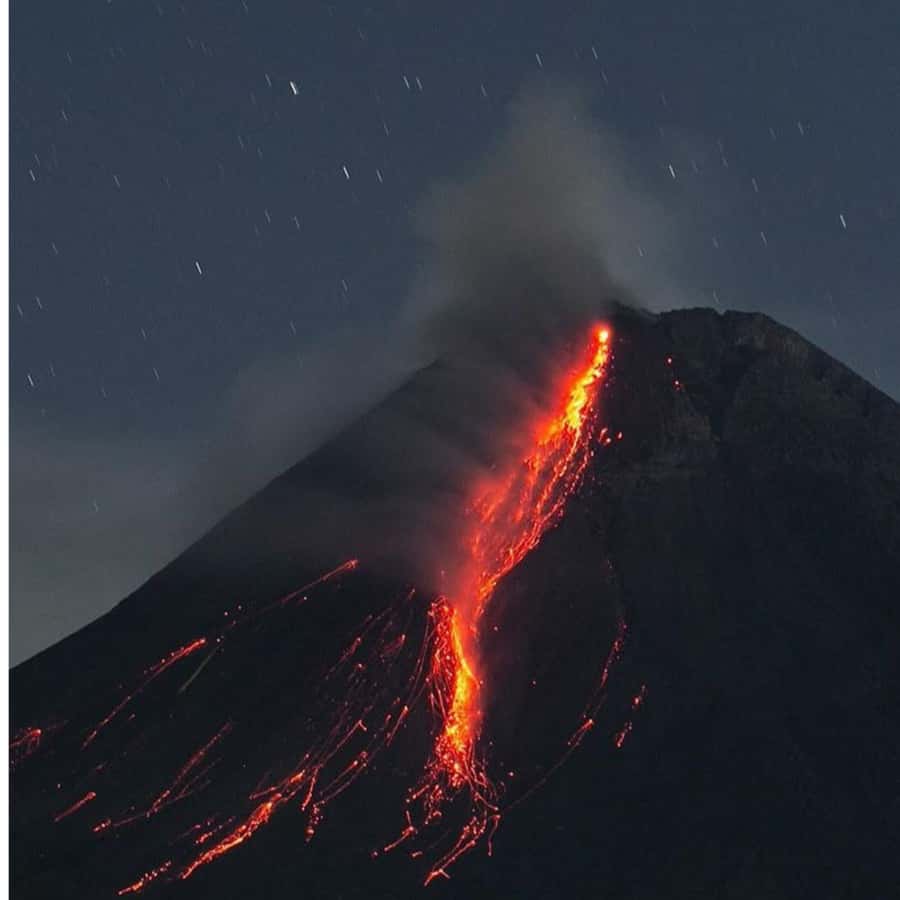
- Turgo Hill views: a higher vantage point where you can see lava trails more clearly
- Bunkers and observation towers: former eruption-era monitoring spots add a real-world feel to the volcano story
- Waiting time becomes part of the fun: guides explain what you’re seeing and keep you engaged while you watch the crater area
- Warm drinks and local snacks: practical comfort while you stand/sit and scan the darkness
- Two hike intensities: a relaxed option or a 40–60 minute stair climb (night or sunrise)
Turgo Hill and Merapi at night: the simple reason it works
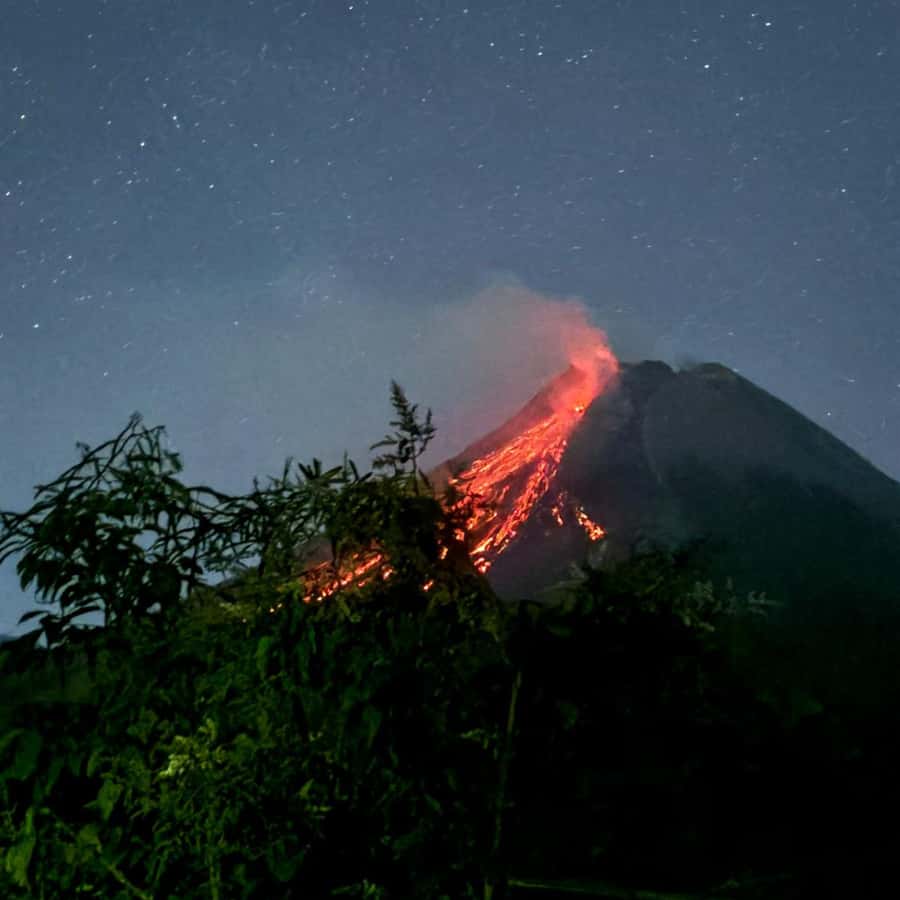
Merapi is one of Indonesia’s most active volcanoes, and the most dramatic part isn’t just the volcano itself. It’s the timing—the glow, the occasional spit, and the way lava can move down the slope fast enough to make you feel like you’re watching a live process, not a spectacle.
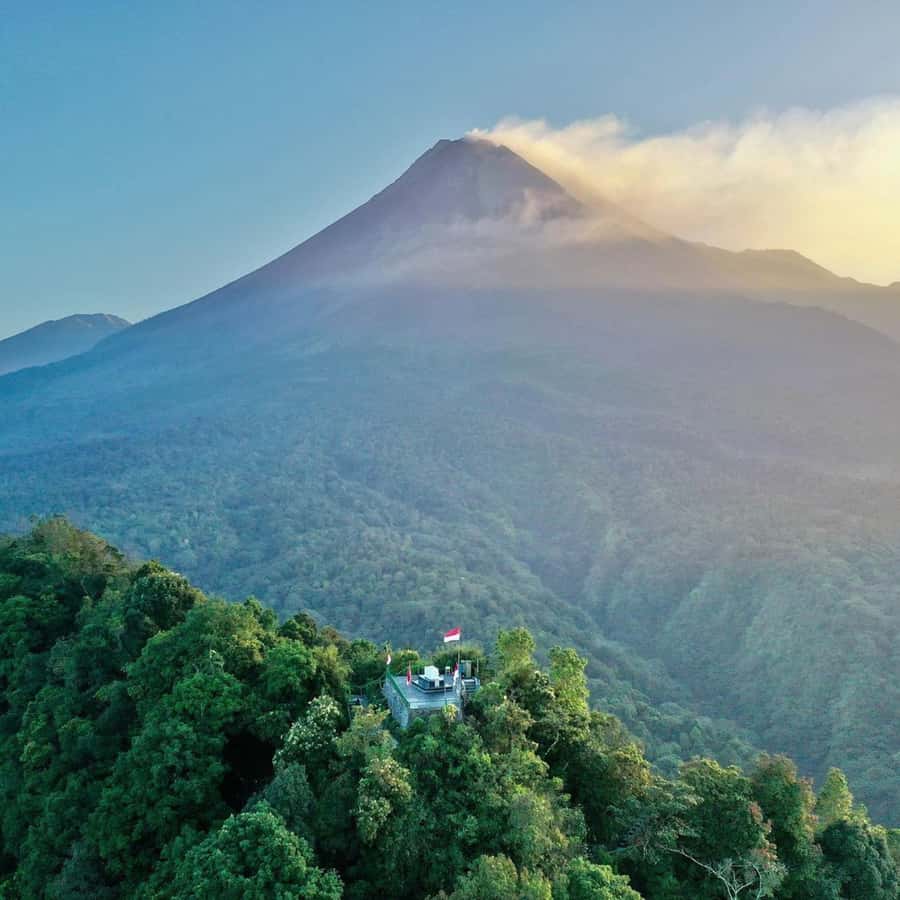
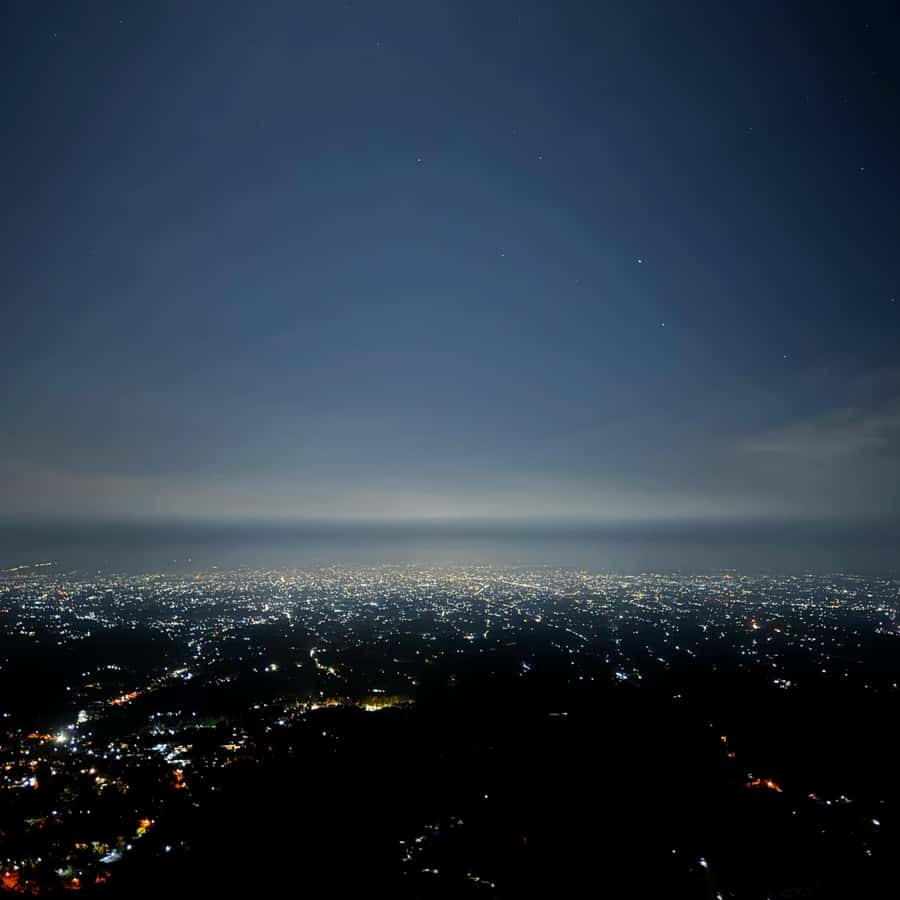
The Turgo Hill viewpoint area is popular because it’s built for watching from a safer distance, and the wider outlook helps when weather shifts. When the sky clears even a little, you often get a layered view: dark crater region up top, glowing movement mid-slope, and (if you’re hiking) the city lights of Yogyakarta below.
I also like how the tour keeps you out of “chaos mode.” Instead of running around a crowded viewpoint, you’re guided to established observation spots and then given time to watch. That approach matters because Merapi doesn’t perform on a schedule.
You can also read our reviews of more tours and experiences in Yogyakarta.

Timing and what a 5–6 hour evening feels like
This experience runs about 5–6 hours, so it’s long enough to do two meaningful things—get to the viewing zone and then wait for lava—but not so long that it eats your whole night.
Here’s the rhythm you should expect:
- You start with hotel pickup from either Yogyakarta City or Sleman Regency.
- You ride out with a professional driver in an air-conditioned car.
- You stop at volcano-related observation points, then reach the main viewing area.
- You spend meaningful time there—usually the part where clouds either cooperate or don’t.
One detail I’d highlight: pickup is coordinated through hotel lobby contact and then WhatsApp messaging. That’s useful if you’re trying to keep things low-stress after a long day in Yogyakarta.
Pickup to first stops: what you’ll do before you see the lava
Your tour begins with a car ride out of the city area into quieter hillside terrain. That alone can feel like a mini-reset—less traffic noise, more night air, and a calmer build-up to the viewpoint.
Depending on your option, the early part usually includes:
- A photo stop
- A guided walk/stop at volcano observation points
- Coffee and tea along the way (plus snacks at the viewing area)
This is also where guide style shows. In the feedback I read, guides like Odi, Mario, Bagas, and Lois were praised for making the drive and early stops feel like conversation, not a script. If you’re the type who asks questions about what makes Merapi different from other volcanoes, this part is where you can get answers before you stare into the dark for an hour.
Bunkers and observation towers: the safer-feeling part of the story
One of the strongest draws here is that you don’t only “go see a volcano.” You visit iconic monitoring spots—including bunkers and an observation tower—connected to earlier eruption responses.
That matters for two reasons:
- It puts the spectacle into context. You’re reminded that volcano watching is about observation and preparedness, not just excitement.
- It adds something to do even if visibility is limited. If clouds are heavy, the bunker/tower stops keep the tour from feeling empty.
In some situations, you might find doors or access points closed (guards locking areas was mentioned once). It’s not a deal-breaker, but it’s worth knowing that you’re going to a working safety zone, not a museum with guaranteed access.
The non-hiking option: how the relaxed viewing works
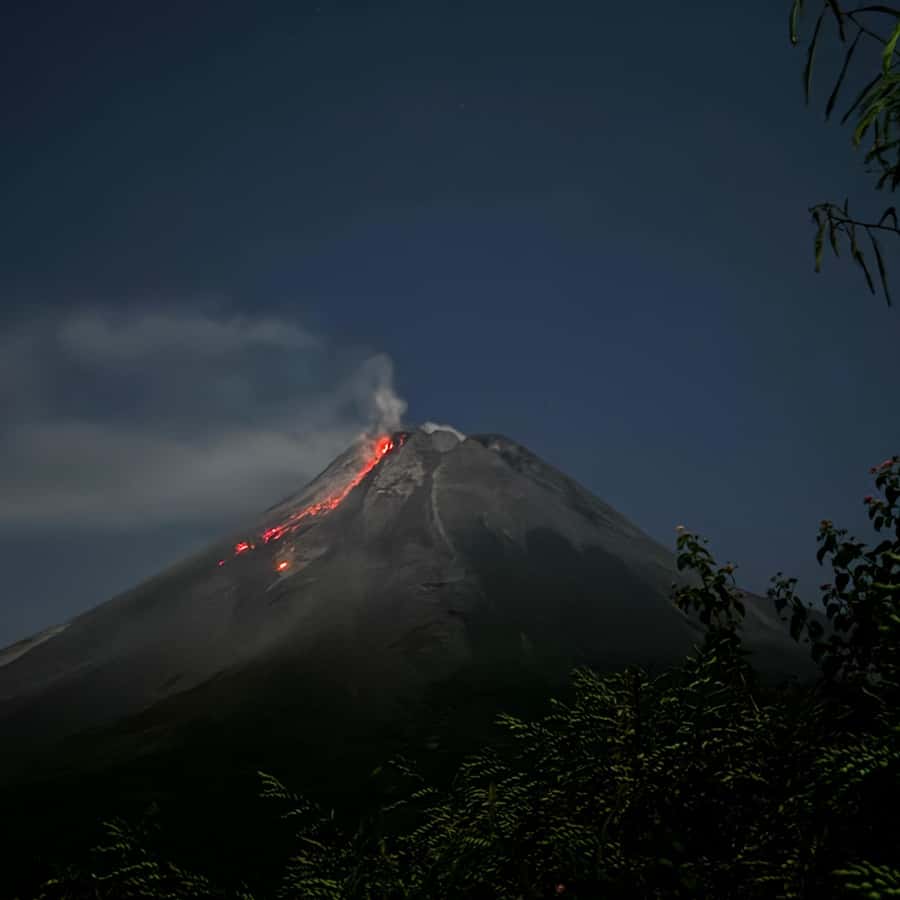
If you pick the non-hiking option, the goal is simple: enjoy Merapi’s lava from a safe location without a steep climb. You still get the early stops (including bunker and tower viewing) and then you move to the main panorama spot.
What makes this option work well is that it matches how volcano viewing actually goes. You don’t control the sky. You control your comfort and your patience.
At the main viewpoint, you’re likely to have:
- Local snacks
- Warm drinks (coffee/tea)
- Time to look, wait, and photograph
This option is a great fit if:
- you’re visiting with parents or older relatives,
- you want the lava experience but don’t love night hiking,
- you’re short on energy after other Yogyakarta activities.
Possible drawback: night visibility can be limited by clouds, and some artificial light around the viewpoint area can make it harder to judge details at certain angles. That doesn’t stop the experience, but it changes what you can expect from photos.
Night hike to Turgo Hill: 1,700 steps and the best odds of a clear view
If you want the closest, most dramatic feel, choose the hiking option to Turgo hill. The hike is about 40–50 minutes through roughly 1,740 steps (the total is also described as around 1,700 in other places). It’s mostly stairs, and the route is through cool hillside air at night.
What you’ll get from climbing is not just cardio. You’re changing the viewing geometry:
- Higher vantage point can make lava trails stand out more.
- You may see Yogyakarta’s lights shimmering from above.
- The atmosphere feels more alive because the environment is quieter and darker.
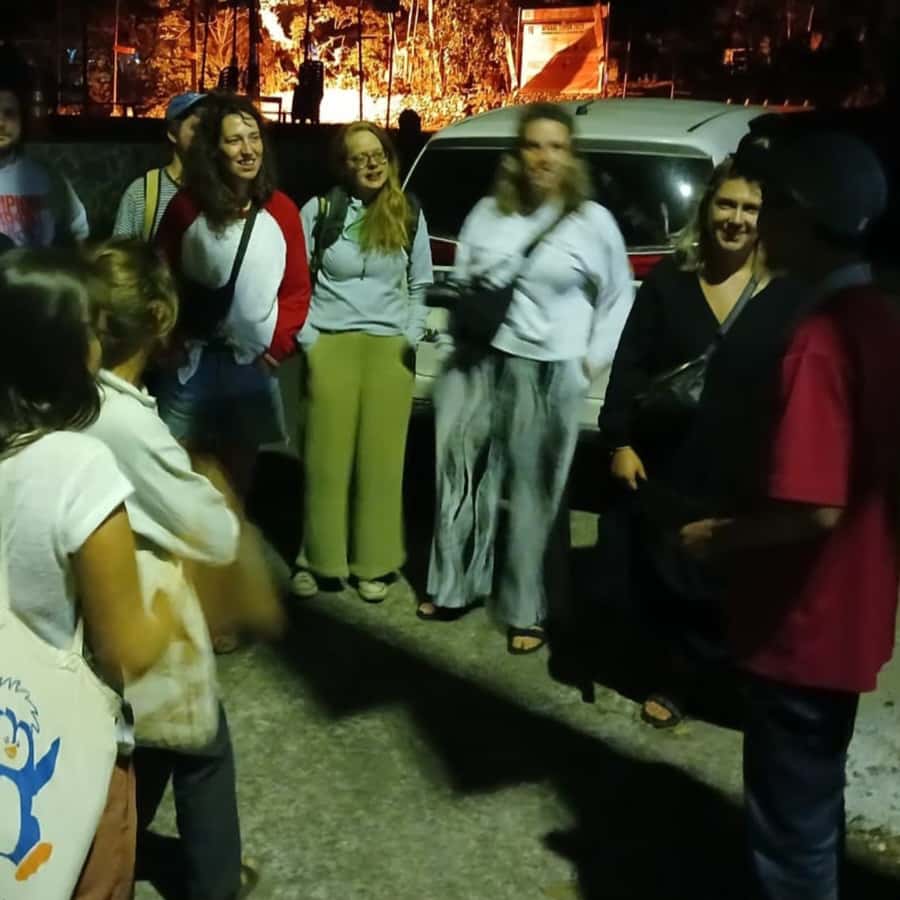
From the praise I saw, guides pay attention during the wait at the top. People credited guides for creating a calm, fun “waiting game,” especially when clouds come in and out. That’s key: the tour can feel long if nobody helps you understand what you’re looking for.
If you go hiking, take the “tired but doable” seriously. Wear comfortable shoes, bring a jacket, and expect cool conditions at the top. Water is also a smart call, since the climb is real and the night can be damp.
Sunrise hike at 3:00 AM: when you trade lava glow for the whole panorama
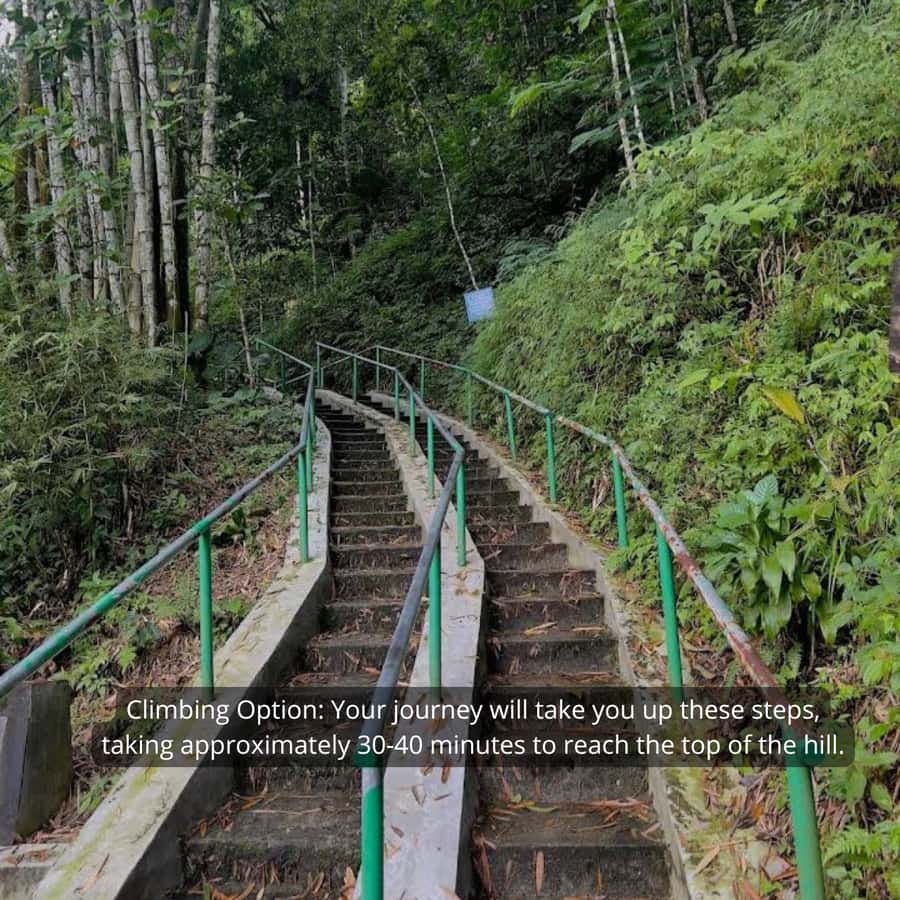
The sunrise option starts at 3:00 AM. It follows the same Turgo Hill route as the night hike, but it gives you a different payoff: you might catch lava activity before sunrise, and then you get the wider morning view of Yogyakarta as the sky brightens.
This is a great choice if you:
- like early starts and crisp air,
- want a more panoramic “Yogyakarta from above” moment,
- prefer a structured plan rather than waiting for night clouds.
A couple of details from the experience descriptions stand out:
- A soft volcanic rumble can sometimes be heard.
- Wild birds are often spotted around the area.
- You’re watching the sky change, not just watching the volcano.
The obvious consideration is the timing. 3:00 AM is not romantic if you’re already worn out. But if you handle early mornings, this option can feel like getting two views in one.
What to pack for Merapi: practical basics that keep you comfortable
This isn’t a tour where you can wing it with flip-flops. You’re either doing a night stair climb or standing around at a hilltop, so comfort matters.
Bring:
- Comfortable shoes (closed-toe, good grip)
- A jacket (it can feel cool at the top, especially at night)
- Comfortable clothes for the climb
- Bottle of water (especially for hiking options)
They provide:
- Raincoats if it rains
- Sometimes that raincoat is what keeps the night enjoyable instead of miserable
Not allowed:
- Fireworks
- Making fire
Also, since you’re in a volcanic viewing zone, your best photos come from patience, not from rushing. Give your eyes a few minutes to adjust to darkness, and stay flexible if fog rolls in.
Price and value: what $23 buys you (and what you should compare)
At $23 per person for a 5–6 hour outing, the value is strongest when you compare it to what it would cost you to DIY:
- A guided experience with a driver and pickup/drop-off
- All entry fees and parking fees
- A tour guide (English and Indonesian)
- A comfort layer via air-conditioned transport and raincoats
This price also covers the “hard part” logistically: getting out to the right vantage areas safely and having someone manage timing while you wait for possible lava visibility.
What you shouldn’t expect: lava on cue. Merapi visibility is weather-dependent. When clouds roll in, the payoff can shrink to occasional glowing moments, or sometimes none at all. Still, you can end up with a memorable night because the viewing spots, bunker/tower stops, and guided context give the tour meaning even when visibility is imperfect.
Small-group energy and guide quality: why the vibe matters here
Because this is a volcano night tour, the group size and guide vibe change the experience more than you’d think. Waiting on a hilltop can feel either awkward or fun.
In the praise I saw, guides repeatedly got credit for:
- being friendly and reassuring when visibility is unclear,
- sharing stories about Merapi and daily life in Java/Indonesia,
- keeping the group comfortable with snacks and warm drinks,
- guiding patiently during the climb and at the viewpoint.
Names that came up often included Tito, Odi, Mario, Sharla, Bagas, Lois, and Rico. Even if your guide isn’t one of these, the lesson is clear: pick the tour knowing you’ll likely spend a lot of time together in the dark. A good guide makes that time feel like a shared mission instead of a long wait.
Who should book this Merapi lava viewing (and who shouldn’t)
This is a good fit for:
- people who want a once-in-a-lifetime natural phenomenon with a guided structure,
- couples and small groups who like night experiences,
- travelers who can handle stairs if choosing the hiking option,
- anyone visiting Yogyakarta and looking for something outside temples and museums.
It’s not suitable for:
- children under 10
- pregnant women
- people with heart problems
- wheelchair users
- people over 309 lbs (140 kg)
Also, if you’re easily frustrated by waiting or low-visibility conditions, you’ll want to mentally prepare. Volcano viewing isn’t a guaranteed fireworks show. It’s a “show up and be ready” experience.
Should you book this tour?
Book it if you want the best odds of a memorable Merapi evening and you’re okay with the weather factor. The safety-minded viewpoints, bunker and tower stops, and the choice between a relaxed visit and a Turgo hike give you options that match different energy levels.
Skip it if:
- you hate early starts (sunrise is 3:00 AM),
- you can’t handle stairs or cool night conditions,
- you need guaranteed “see lava clearly” results no matter what the sky does.
If you’re flexible, bring the right shoes and jacket, and let your guide manage the waiting, you’re setting yourself up for a night (or sunrise) that feels genuinely different from anything else around Yogyakarta.
FAQ
How long is the Merapi lava viewing experience?
The tour lasts about 5–6 hours, depending on the option you choose and how long you spend at the viewpoints waiting for visibility.
What are the available options?
You can choose a non-hiking night viewing option, a hiking option to Turgo Hill at night, or a sunrise hike that starts at 3:00 AM.
How many steps is the Turgo Hill hike?
The hike involves around 1,700–1,740 steps. It usually takes 40–60 minutes and can feel a bit tiring at night.
What should I bring for the tour?
Bring comfortable shoes and comfortable clothes, plus a jacket. For hiking options, bring a bottle of water since it can be cool at the top.
Is a guide provided, and what languages are available?
Yes. You’ll have a live tour guide, with English and Indonesian available.
What isn’t allowed during the experience?
Fireworks are not allowed, and you also can’t make fire during the tour.