Temple day in Central Java, with a plan. This full-day small-group tour strings together Radya Pustaka Museum and two major stops—Sukuh and Cetho—with a guide who keeps the stories straight as you move. What I like most is the mix: you’re not just ticking off temples, you’re getting context first, then seeing the sacred stuff up close.
I also like the format. With a small group limited to 12 and round-trip hotel transport from Yogyakarta, you lose less time to logistics and more time to the views, the carvings, and the explanations. One real caution: this is a long day, so if you hate car time, you’ll feel it.
In This Review
- Key Highlights You’ll Feel During the Day
- Getting From Yogyakarta to Sukuh and Cetho Without Stress
- Radya Pustaka Museum: Old Objects, Clear Context
- Mangkunegaran Palace: A Royal Detour in Solo
- Sukuh Temple: A Hindu Temple With a Totally Different Personality
- Cetho Temple: Hilltop Beliefs and the Story of Disappearing
- Temple Time vs. Road Time: The 10–12 Hours Reality Check
- Price and Value: Is $155 Worth a Full-Day Temple Run?
- Who This Tour Suits Best (and Who Might Not Love It)
- Should You Book This Sukuh and Cetho Temple Tour?
- FAQ
- What does the tour include?
- How long is the tour?
- Is this a small-group tour?
- Does the tour offer hotel pickup?
- How much time is spent at each temple?
- Are admission tickets included?
- What physical fitness level is needed?
- Can I cancel for free?
- Is it private?
Key Highlights You’ll Feel During the Day
- Small-group feel (up to 12 people) with personalized guide attention
- Two temple experiences that are different in style, setting, and story
- Radya Pustaka Museum adds context before the sacred sites
- Mangkunegaran Palace offers royal-history insight in a manageable stop
- Admission tickets included for Mangkunegaran Palace, Sukuh Temple, and Cetho Temple
Getting From Yogyakarta to Sukuh and Cetho Without Stress
This tour runs 10 to 12 hours, and it’s set up for convenience from the start: pickup is offered, and round-trip transport from your Yogyakarta hotel is included. You’re not left juggling ride-hailing, entrances, and timing. You just show up, get in the vehicle, and let the day unfold.
Now, the trade-off. The schedule is built around time in transit. The info you get says the whole driving and duration take about 5 to 6 hours, which means the day is roughly half “on the move” and half “at stops.” That’s normal for Sukuh and Cetho, but it’s still a lot. Bring snacks you can tolerate in a car, and plan for a slower pace than a half-day temple loop.
The small-group limit matters here. When you’re not packed in like a bus tour, the guide can actually manage the flow at each site. That’s how you end up with more time to read what you’re seeing and ask questions, instead of constantly being hurried along.
And yes, it’s a private tour/activity in the sense that only your group participates. So it feels like a guided day with your own people, not a free-for-all with strangers.
You can also read our reviews of more tours and experiences in Yogyakarta.

Radya Pustaka Museum: Old Objects, Clear Context
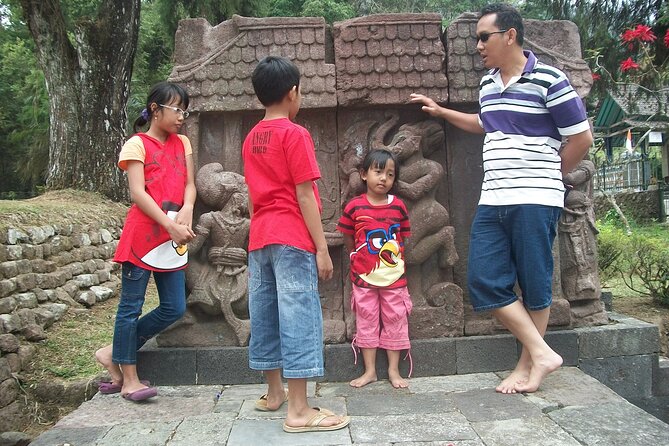
Before you climb into temple territory, you start at Radya Pustaka Museum. The big idea is simple: get your bearings in Java’s cultural story before you start looking at carved stone and sacred symbolism.
The museum stop focuses on an extensive antique collection. You’ll browse old objects, and the purpose isn’t just browsing for the sake of browsing. It gives your brain something to anchor to. When you later see Hindu temple design choices and temple “characters” that don’t look like what you might expect, context helps you interpret rather than just stare.
Practical tip: museums can be tiring if you feel rushed. Since this is a full-day tour, try to keep your museum pace steady. Don’t sprint through the first rooms; spend a little time on the pieces that catch your eye. That’s the kind of paying attention that makes the temple stops more rewarding later.
Also, museum + palace + temples means you’ll move through different environments in one day. So keep an eye on weather and dress for sun and shade. Java can be warm, and you’ll be outdoors soon enough.
Mangkunegaran Palace: A Royal Detour in Solo
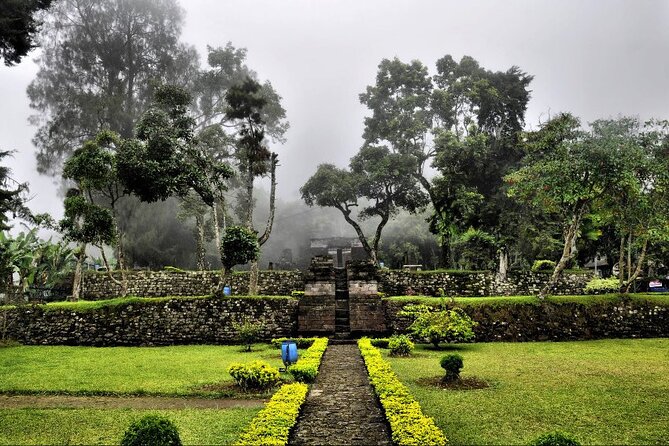
Mangkunegaran Palace is the next stop, and it’s described as a small palace—but with plenty to make it worth the time. You spend about 2 hours here, and you’ll see many old collections. The guide also explains the story of the royal family in Solo, which is a key link between the modern region you’re traveling through and the older cultural layers you’ll keep encountering.
Why I think this stop works: it’s not just “look at buildings.” It’s a human story. Royal patronage, court culture, and how traditions were maintained (and changed) are easier to understand when you’re given a clear narrative. That’s what the guide contribution adds here.
Possible drawback: if you’re the type who only wants temples and nothing else, a palace stop can feel like detour fuel. But the timing is reasonable—2 hours—and it sets up a sense of how Javanese heritage isn’t only about sacred sites. There’s politics, art collecting, and storytelling too.
If you want to make the most of it, ask your guide what connects the palace story to the broader cultural landscape you’re traveling through that day. Even one good answer can make the rest of the tour click.
Sukuh Temple: A Hindu Temple With a Totally Different Personality
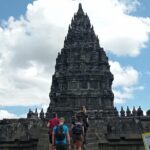
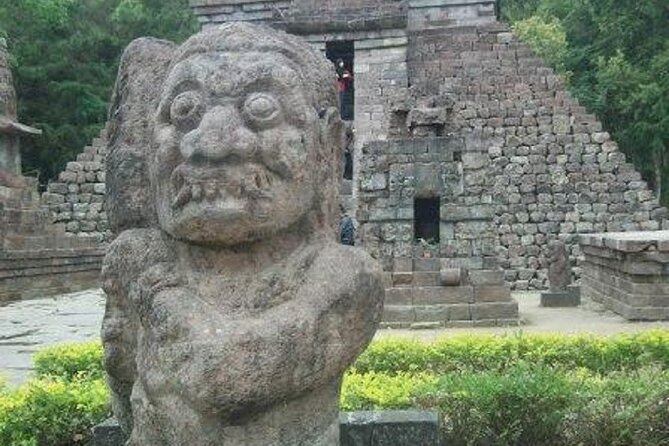
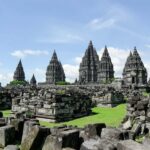
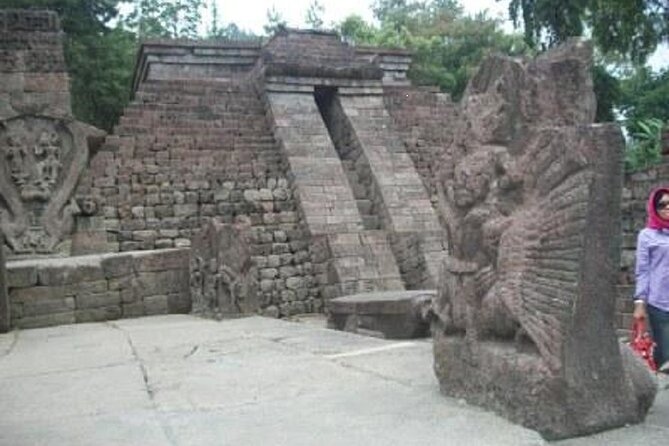
Then you get to Sukuh Temple, and this is where the tour earns its name. Sukuh is described as a unique Hindu temple in Central Java, with different characters and architecture compared to other temples on Java island.
That “different” part matters. Many first-time visitors expect temples to look a certain way based on what they’ve seen elsewhere. Sukuh doesn’t always follow those expectations. Instead of feeling like a copy of a familiar style, it can feel more eccentric, more locally shaped, and more worth slowing down to study.
You get about 2 hours here, which is enough time to do three useful things:
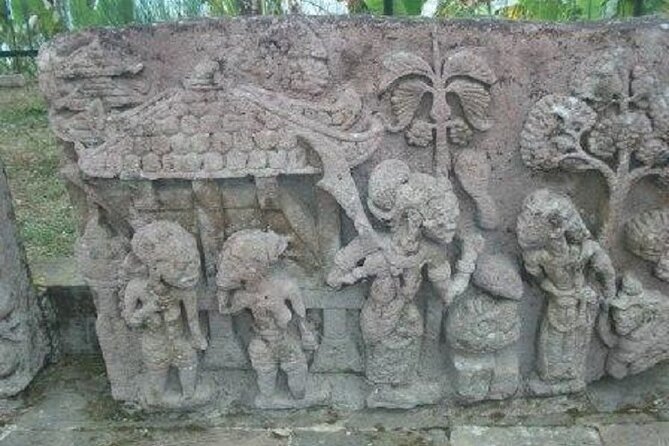
- Look closely at carved details and temple forms
- Step back for overall views and composition
- Ask your guide how the temple’s symbolism and design fit into the bigger story you’re learning
This is also a place where imagination helps, but you don’t have to fake it. Let the guide’s commentary do the heavy lifting. The point isn’t to become an expert. The point is to leave with a clearer understanding of why Sukuh looks the way it does and how people interpret its sacred role.
One consideration: temples on routes like this often involve uneven ground and outdoor time in direct sun. The tour info notes moderate physical fitness is recommended. That doesn’t mean “hardcore trekking,” but it does mean you should be comfortable walking and standing.
Cetho Temple: Hilltop Beliefs and the Story of Disappearing
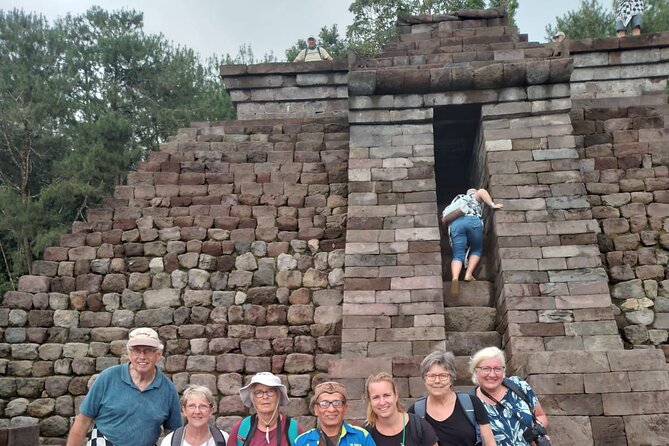
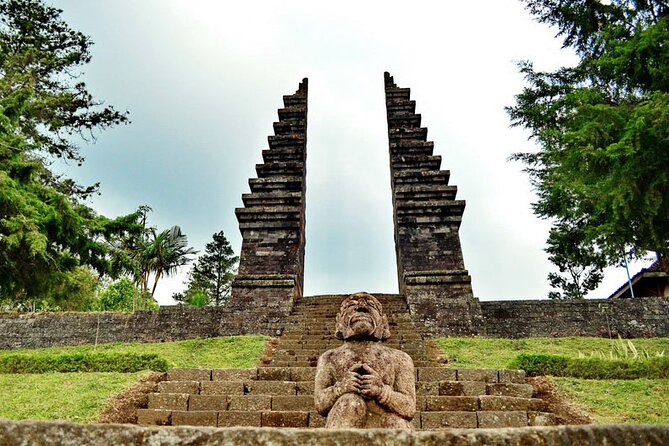
Cetho Temple is the longer temple stop at about 3 hours, and it’s described as a Hindu temple where people believe it was the last place for a king’s enlightenment. There’s also a legend connected to disappearing from enemy attack.
Even if you don’t know the full mythology before you arrive, the way your guide frames the story helps. Cetho isn’t just “a temple on a hill.” It has meaning tied to belief, survival, and spiritual transformation. That’s why your time here feels different from a quick photo stop.
The setting also does its job. Cetho is a hilltop temple area, so you’ll likely notice how the view and elevation change your perspective. Think of it like the temple’s setting is part of the message. Your guide commentary adds the human layer to what you’re seeing.
The 3-hour slot is generous for a reason. You can take your time without feeling you’re falling behind. For me, that’s the difference between a tour that feels rushed and one that feels like a real visit. When you have time, you can re-check details, watch how light shifts, and actually read what you’re looking at instead of only capturing it on your camera.
Practical consideration: if you’re sensitive to heat or sun exposure, Cetho’s outdoor time can be tiring. Plan for water and shade breaks where possible. And keep your energy steady, because you still have a whole day ahead of you once you finish the temples.

Temple Time vs. Road Time: The 10–12 Hours Reality Check
Let’s be honest about the day shape. You’re doing two temples (Sukuh and Cetho), one palace stop, and a museum stop, all from Yogyakarta. That naturally creates long driving windows. The tour information says the whole driving and duration takes about 5 to 6 hours, and the total day is 10 to 12 hours.
So you’ll likely spend the morning traveling, then settle into stops for a few hours at a time. The temples themselves give you 2 hours at Sukuh and 3 hours at Cetho. Those are your anchors. Everything else supports those.
What you should do to make the most of it:
- Wear comfortable shoes you don’t mind getting dusty
- Bring water and a light snack you can manage in traffic
- Keep your phone charged and your batteries calm (meaning: don’t drain them on short clips all morning)
- Expect slower pace during outdoor portions
One small advantage of the long day: it allows you to actually experience the temples rather than just “arrive, snap, leave.” A review of this tour’s feel points to how worthwhile it is even with many hours traveling in the car. The key is that the guide and driver help you keep the day smooth, and the temples aren’t treated like an assembly line.
Price and Value: Is $155 Worth a Full-Day Temple Run?
The price listed is $155.13 per person for a full-day tour, and it’s structured like a guided experience rather than a DIY day. For that money, you’re getting:
- Round-trip transport from your Yogyakarta hotel
- A guide with commentary and attention in a group limited to 12
- Admission tickets included for Mangkunegaran Palace, Sukuh Temple, and Cetho Temple
- A mobile ticket (so you’re not stuck printing or hunting confirmations)
Here’s how I think about value on a day like this: the biggest cost isn’t only the admission fees. It’s your time and mental load. In exchange for the $155, you remove a pile of friction—driving decisions, route planning, ticket queues, and the stress of managing a tight schedule across multiple sites.
Is it expensive for Indonesia? It can be, depending on your travel style. But compared to piecing together separate drivers and separate entrances, the bundled structure starts to make sense—especially when your day includes multiple stops with different themes.
Also, booking is listed as averaging about 20 days in advance. That tells you this is a popular itinerary. If you wait too long, you may find fewer choices.
Who This Tour Suits Best (and Who Might Not Love It)
This tour is built for people who want a guided, structured day across multiple sites—museum, palace, then temples—without managing logistics.
It’s a good fit if:
- You like temples with stories, not just scenery
- You prefer small-group pacing over crowded tours
- You want your guide to explain what you’re seeing at each stop
- You’re okay with a long day in return for meaningful temple time
It may not be the right choice if:
- You hate sitting in a vehicle for half the day
- You only care about temples and would rather skip museum/palace stops
- You’re looking for a short, low-effort outing
The tour also notes moderate physical fitness. That means comfortable walking and time outdoors, not a technical hiking plan. If that’s you, you’ll likely do fine.
And the type of traveler who will love the day is the one who enjoys seeing “Java in layers.” Sukuh and Cetho alone are worth something, but the museum and palace stops help you feel less like you’re visiting random landmarks and more like you’re tracking cultural threads.
Should You Book This Sukuh and Cetho Temple Tour?
If you want a single day that balances culture, architecture, and explanation, I’d book it. The best reason is the pairing: Sukuh’s unique design and Cetho’s sacred legends are different enough that you don’t feel bored after one temple. Add in the guided context at the museum and the palace story, and you get a day that feels more complete than a temple-only run.
But be honest with yourself about the long format. If your ideal day is short, quiet, and low-transport, this may feel like too much. If you can handle a big day, this tour is a strong value because it bundles transport, small-group guiding, and admissions into one plan.
If you do book, pack smart for a full outdoors-and-car day. Comfortable shoes, water, and a calm attitude about timing will make the experience feel smooth rather than exhausting.
FAQ
What does the tour include?
You get full-day visits to Radya Pustaka Museum, Mangkunegaran Palace, Sukuh Temple, and Cetho Temple, plus round-trip transport from your Yogyakarta hotel. Admission tickets are included for Mangkunegaran Palace, Sukuh Temple, and Cetho Temple.
How long is the tour?
The duration is about 10 to 12 hours.
Is this a small-group tour?
Yes. It’s limited to a small group of up to 12 people.
Does the tour offer hotel pickup?
Pickup is offered, and round-trip transport from your Yogyakarta hotel is included.
How much time is spent at each temple?
You’re scheduled for about 2 hours at Sukuh Temple and about 3 hours at Cetho Temple. Mangkunegaran Palace is about 2 hours.
Are admission tickets included?
Admission tickets are included for Mangkunegaran Palace, Sukuh Temple, and Cetho Temple.
What physical fitness level is needed?
Moderate physical fitness is recommended.
Can I cancel for free?
Yes. You can cancel up to 24 hours in advance for a full refund.
Is it private?
It’s private in the sense that only your group participates.