Surf practice on Gili Trawangan starts fast. Sunny Surf School turns a first-timer try into a real learning session, with small-group coaching and a setup that keeps you moving toward your first rides. I also like the fact that gear is included, so you do not need to hunt for a wetsuit or borrow a board before you even get to the water.
The main thing to consider is supervision quality. One lower rating raised concern about whether instructors constantly monitored positioning and wave timing closely enough, so if you are very safety-focused, ask how they manage spacing and who gets sent first.
The session runs about two hours, with short land basics and a planned break so your arms and focus stay fresh while the tide is doing its thing.
In This Review
- Key things to know before you book
- Entering the learning flow: how the 2-hour session actually works
- Small-group coaching on Gili T: what private really means here
- Stop 1: Gili Trawangan water time, in plain English
- Gear you do not have to buy: wetsuit and surfboard included
- Safety and tide timing: why the schedule can shift
- What you learn on land first: theory and beach drills
- The coaching style: Sunny, Randi, and quick feedback that helps you progress
- Price and value: is $55 fair for a beginner private lesson?
- Who should book this, and who might want a different setup
- Practical tips for getting the most out of your surf lesson
- Book it or skip it: my recommendation for Sunny Surf School on Gili T
- FAQ
- How long is the Sunny Surf School lesson?
- Is the surfboard and wetsuit included?
- How many students are in the group?
- Where do we meet for the lesson?
- Do I need to bring my own transportation?
- What if the weather is bad?
Key things to know before you book
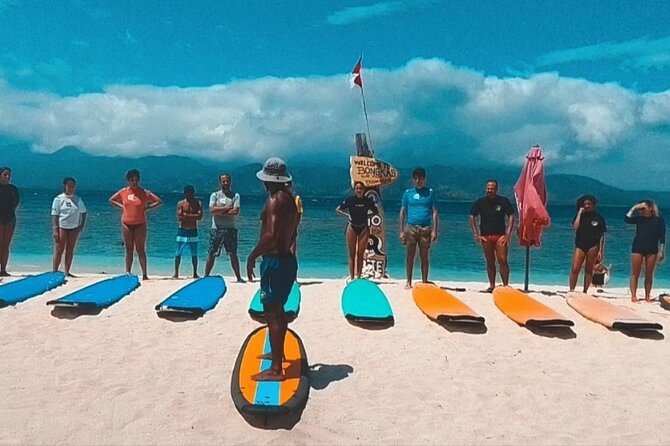
- Small group private feel: 1 instructor pair with up to 4 students, built for quick feedback.
- Full surf gear provided: wetsuit and surfboard are included, so you travel lighter.
- Tide and wave aware: the schedule can shift to match safer beginner conditions.
- Structured pacing: theory, beach drills, two surf blocks with a mid-lesson break.
- Meet at Sunny Surf School: start at their Gili Indah location and finish back there.
- Weather matters: the lesson depends on good conditions to run safely.
Entering the learning flow: how the 2-hour session actually works
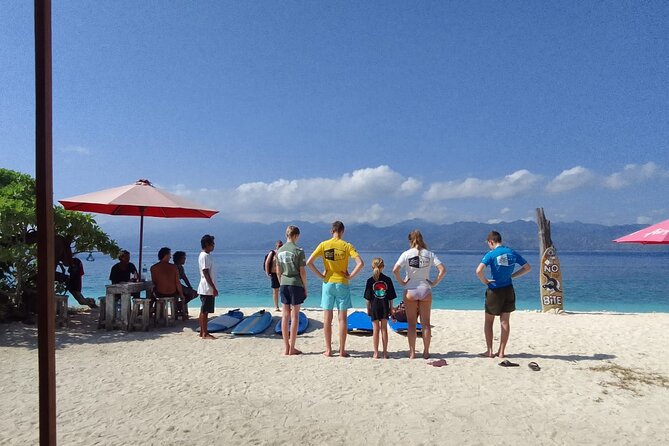
This is not a long beach walk, then a quick shove into the waves. The lesson is built like a simple progression: you learn a few basics, practice them on land, then get time in the water in two chunks.
You start by heading to the surf spot by bicycle, about 15 minutes from the central area. Once you reach the water, the coaches take around 5 minutes for basic theory. The goal is to get you thinking about what to do once you are on the board, not just how surfing looks in videos.
Then you move to the beach for roughly 10 minutes of practical drills. This matters because it gives you a chance to get your stance and balance sorted before you deal with currents, waves, and nerves. After that, you get about 60 minutes of surfing time.
Next comes a 15-minute break. That break is a big deal on a small island: you get to reset, cool down, and listen better for the second surf block. Then you go back in for another 60 minutes. By the end, you usually feel like you are improving, not just surviving.
You can also read our reviews of more tours and experiences in Gili Trawangan.


Small-group coaching on Gili T: what private really means here
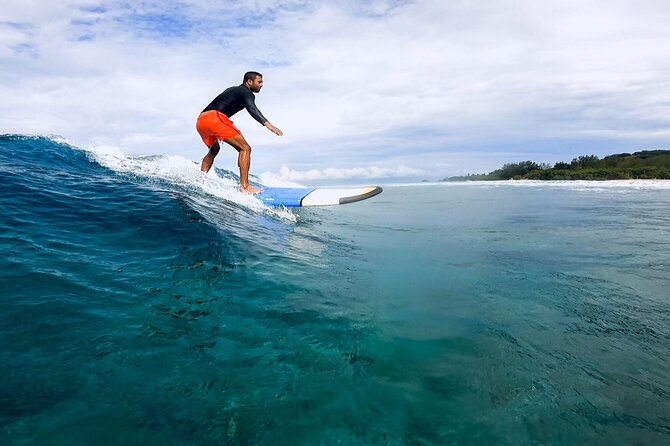
The company describes this as a private lesson, but the real value is the ratio. You get 1 instructor pair for 4 students, which is a sweet spot for beginners. You are not stuck watching someone else go while you wait your turn.
In practice, this setup is great for immediate corrections. When you mess up your stance or pop-up timing, you do not want to hear the advice 30 minutes later. Small-group coaching increases the chance that you get the fix while the feeling is still fresh.
One theme from the positive feedback is that staff help you get started quickly. First-timers often worry that they will be handed a board and left to figure it out. Here, the teaching style is aimed at helping you get it fast, then apply it right away.
There is also a nice human touch. One reviewer specifically called out instructors they linked to Sunny and Randi (names may vary by session), and said they guided them in the water wave-by-wave. That kind of hands-on guidance is what makes beginner lessons worth it.
The drawback to watch for is consistency. A lower rating complained that the instruction felt like being taken near the waves and having the board pushed closer, with insufficient checking on where the learner ended up. That is exactly the kind of issue you can avoid by asking questions before you start, especially if you have any mobility limits or you are anxious about safety.
Stop 1: Gili Trawangan water time, in plain English
The entire lesson is centered on Gili Trawangan, with the surf time as the main event. You start at the school, then get moved to the surf spot area and start working.
Because the instruction is tied to conditions, the coaches will use the tide and wave situation to choose beginner-friendly opportunities. The schedule can change to chase the safest waves for new surfers, which is a very practical approach. Surfing on an island is not a theme park. The ocean decides what you get, so a smart school adapts.
What makes this location especially good for a beginner is that you can focus on learning without turning it into a travel day. You stay on Gili Trawangan, so you avoid the stress of crossing an entire island system just to reach the water.
Also, the lesson rhythm fits real life on Gili. You get enough time on the board to feel progress, then you step back before exhaustion takes over. That 15-minute mid-session break helps you stay alert for the second attempt, when form can start to click.
Gear you do not have to buy: wetsuit and surfboard included
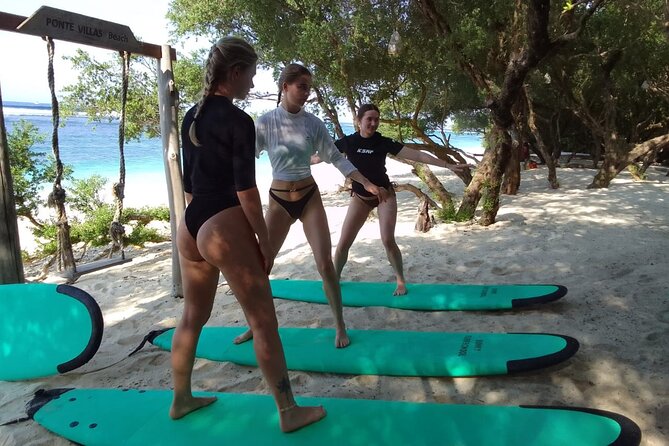
For $55, the value starts with the essentials. You get a wetsuit and a surfboard. That means you do not need to rent anything separately or spend your first day on Gili juggling equipment.
This is especially helpful if you are traveling light. Many first-timers arrive on Gili without surf gear, assuming they will sort it out later. Instead, the lesson handles it. You focus on learning, not shopping.
One more small win: when you use the same board type and wetsuit provided by the school, you spend less time experimenting and more time practicing. Beginners benefit when the variables stay steady.
One practical note: since you are provided a wetsuit, wear something that is easy to slip under it. If you know you get cold easily, you might also want to bring a light layer for after the lesson, because the ocean can feel cooler once you are done.
Safety and tide timing: why the schedule can shift

The lesson is designed for beginners, and that includes wave selection. The school notes that the lesson schedule can change in order to find the best tide and a safer beginner wave.
That flexibility is not a gimmick. It is a sign the coaches are trying to match what you can handle with what the ocean is offering. When you choose the right moment, you get more standing up and less frustration.
Still, this is where you should be alert. A lower rating raised concerns about how closely instructors monitored where learners were going during the session. That does not mean it is typical, but it does mean you should pay attention to the coaching style in the water.
Before you get in, ask a simple question:
- How do you manage spacing so students are not getting in each other’s way?
- How do you decide who rides which wave?
If the answer is clear and the instructors actively watch you, that is a good sign. Good surf coaching is not just about sending you out. It is about reading conditions and keeping you in the safest learning zone.





What you learn on land first: theory and beach drills
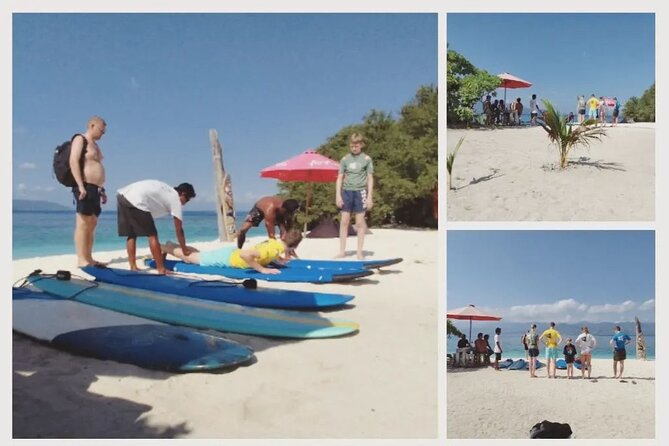
A lot of surfing lessons skip the basics and jump straight into chaos. Here, the pacing includes two on-shore steps: basic theory and beach practicals.
Theory is short, about 5 minutes. That is intentional. Beginners do not need a lecture on board physics. You need a few instructions you can actually remember.
Then the beach practicals get you moving. About 10 minutes of drills helps you practice the stance and pop-up pattern. Even if the lesson is only 2 hours, that warm-up can make the water time more productive.
Why this matters: when you get it right once on shore, you are more likely to repeat it under pressure. The beach drills also reduce the fear factor. You walk into the surf block knowing what you are trying to do.
The best part is that the lesson keeps changing as you improve. The coaches are there for feedback, not just a tour of the ocean.
The coaching style: Sunny, Randi, and quick feedback that helps you progress
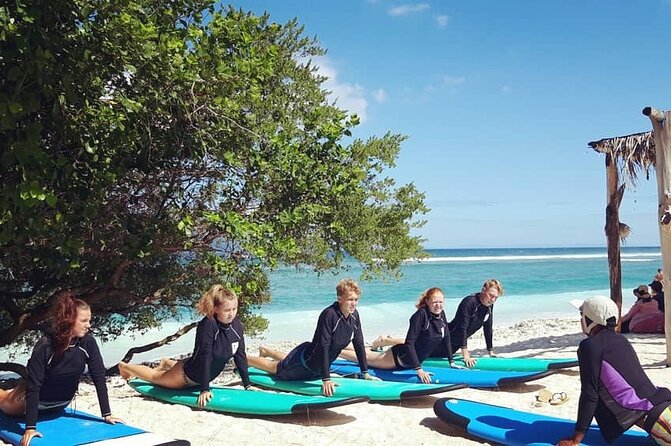
The positive feedback centers on teaching that feels practical and fast. People reported that staff made it easy to get started, then showed what you needed to know to surf safely and improve quickly.
One reviewer highlighted the experience as a trip highlight and specifically praised the instructors as great for first-timers. Another called the lesson superb for beginners, with strong assistance and support. That theme matters because beginner lessons live or die on communication. You need instructions that you can understand while balancing on a board.
Names mentioned included Sunny and Randi. Since surf schools can have different staff on different days, you may encounter different instructors. But the teaching promise stays the same: you should get ongoing feedback while you are in the water.
If you care about getting photos, one parent mentioned receiving souvenir photos from the last session. That is not guaranteed in the basic inclusions list, but it suggests some sessions can include photo support. If photos are important to you, ask the day of the lesson.
Price and value: is $55 fair for a beginner private lesson?

At $55 per person, this lesson sits in the middle of the range you might expect for Gili surf instruction, especially for beginner coaching that includes gear.
Here is what you are paying for, in real terms:
- Wetsuit and surfboard are included, so you avoid separate rentals.
- You get 1 instructor pair for up to 4 students, which increases feedback.
- The session is structured for beginners, with theory, beach drills, two surf blocks, and a break.
So the value is not just the wave time. It is the teaching system around the wave time.
Two costs to keep in mind:
- Private transportation is not included. If you are not near the meeting point, you may need your own way to get there.
- Alcoholic beverages are not included, so plan accordingly if you are budgeting for snacks or drinks before or after.
If you are comparing options, think in terms of coaching quality and equipment included. A cheaper lesson that makes you rent gear and gives limited attention can end up costing more in frustration.
Who should book this, and who might want a different setup
This lesson is a strong match for:
- First-time surfers on Gili Trawangan
- People who want personal feedback without paying for true 1-on-1 instruction
- Families and kids who can follow basic safety directions (one review mentioned a 9-year-old doing the lesson)
It may be less ideal if:
- You need guaranteed tight, second-by-second monitoring because you are very safety anxious
- You want a lesson that feels more like coaching drills on land for a longer time
If you fall into the second category, you still might enjoy it. Just go in with one goal: find out how instructors supervise learners in the lineup and how they manage spacing and wave timing.
Practical tips for getting the most out of your surf lesson
You can boost your results fast with a few simple moves:
- Wear something comfortable under your wetsuit so it is easy to change afterward.
- Arrive ready to move. The lesson includes land practice, so you will not just be standing around.
- Listen carefully during the theory and beach drills. That is where you learn what to do when the board starts moving.
- Use the mid-lesson break to reset. Take a moment, drink water if needed, then go back in with a clear focus.
Also, since the schedule can shift to chase the best beginner conditions, be flexible. If you want a certain time slot, keep your plans nearby so you are not stressed if the sea changes the plan.
Book it or skip it: my recommendation for Sunny Surf School on Gili T
I think this is a great first surf lesson option on Gili Trawangan if you want a structured beginner session with included gear and small-group coaching. The pacing makes sense for a 2-hour window, and the focus on tide-aware beginner waves is exactly what helps first-timers stand up more often and learn faster.
I would book it if:
- You are new to surfing and want quick, practical instruction
- You want wetsuit and board handled for you
- You like the idea of short theory plus beach drills before you hit the water
I would pause and ask a few questions before you commit if:
- You are very safety-sensitive and want a clear explanation of how instructors monitor students in the lineup
- You expect a certain level of friendliness from the staff and that matters to you
If you go in with curiosity and you communicate what you need, you are set up for a fun, skill-building day on the waves.
FAQ
How long is the Sunny Surf School lesson?
The lesson is about 2 hours.
Is the surfboard and wetsuit included?
Yes. You get a wetsuit and a surfboard, and a guide/instructor is included.
How many students are in the group?
The lesson uses a small setup: 1 instructor pair with 4 students.
Where do we meet for the lesson?
You start at Sunny Surf School Gili Trawangan, located in the Gili Indah area. The activity ends back at the meeting point.
Do I need to bring my own transportation?
Private transportation is not included. The start point is near public transportation, so you may need to arrange your way to the meeting location.
What if the weather is bad?
This experience requires good weather. If it is canceled due to poor weather, you are offered a different date or a full refund.