Stone gods and Ramayana scenes start at dawn. This private half-day outing from Yogyakarta takes you to the UNESCO Prambanan Temple complex (Loro Jonggrang), then continues to nearby sacred sites where the carvings connect the dots fast.
I love the private English-speaking guide who turns stone wall scenes into a story you can actually follow. I also love the practical setup: round-trip hotel transport by private vehicle plus entrance fees handled, so you spend less time figuring out logistics and more time looking closely.
One consideration: it can feel a bit tiring. You’ll be walking and standing through several temple areas, and the tour runs only in the morning at 7:30am, so come prepared for heat and sun.
In This Review
- Key highlights worth getting excited about
- Prambanan at 7:30am: when the day starts and why it matters
- The UNESCO complex: Trimurti temples and Loro Jonggrang
- What you’ll see first: main temples and the feeling of sacred geometry
- Ramayana carvings: where the story becomes readable
- Jalan Candi Plaosan Lor: carvings, shrines, and the bigger temple neighborhood
- Transportation and timing: private vehicle, hotel pickup limits, and pacing
- Price and value: what $123.08 really covers
- What to pack and how to dress for temple visits
- Who this tour suits best (and who might rethink it)
- Should you book The Hindu Realms of the Prambanan?
- FAQ
- What’s included in the tour price?
- What’s the pickup situation in Yogyakarta?
- What will I see during the tour?
- How long is the tour, and when does it start?
- Is there a dress code?
- Can I cancel for a full refund?
Key highlights worth getting excited about
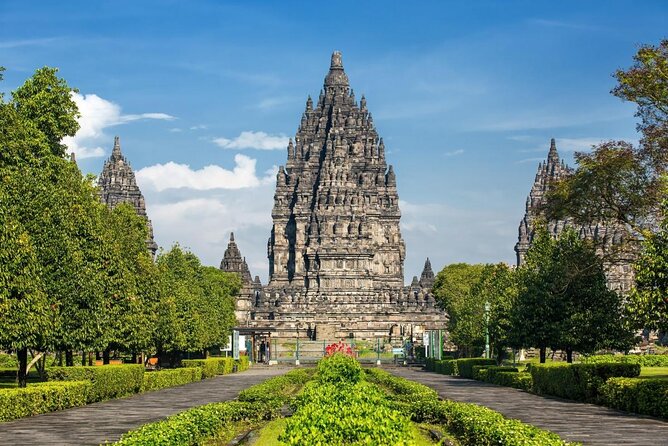
- Prambanan’s Trimurti temples: Shiva, Vishnu, and Brahma in one major compound
- Ramayana wall carvings explained by your private guide, not just pointed at
- UNESCO World Heritage protection for a complex dating back to the Sanjaya Dynasty era
- Neighboring shrines like Candi Plaosan and Candi Sewu, with both Hindu and Buddhist connections
- Private, air-conditioned transport with hotel pickup included for downtown Yogyakarta
- Mobile ticket included, so you can keep things simple once you arrive
Prambanan at 7:30am: when the day starts and why it matters
This tour is morning-only, starting at 7:30am. Meeting your guide at your downtown Yogyakarta hotel means you skip the awkward, stressful part where you’re hunting for the right driver and hoping you’re on the right road.
The drive is about 45 minutes in an easterly direction from Yogyakarta. That travel time matters because it sets the rhythm: you arrive ready to focus, not already cooked by the sun or distracted by mid-morning decisions.
Also, plan for walking. Even though the tour is a half-day style outing, you’ll spend real time moving through temple areas. If you’re the type who hates long stands, build in breaks with your guide rather than trying to sprint between viewpoints.
You can also read our reviews of more tours and experiences in Yogyakarta.
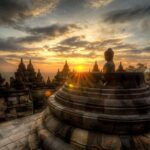

The UNESCO complex: Trimurti temples and Loro Jonggrang
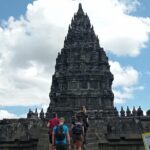
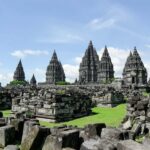
Prambanan is often described as the largest Hindu temple in Indonesia, and the scale really shows once you’re inside the compound. The complex is dedicated to the Trimurti—Shiva, Vishnu, and Brahma—and it was erected around the 9th century, during the Hindu Sanjaya Dynasty rule on Java.
It’s also known locally as Loro Jonggrang, which helps you understand why Prambanan feels like more than a museum stop. It’s a living temple landscape tied to ongoing Hindu festivals and events for the Indonesian population.
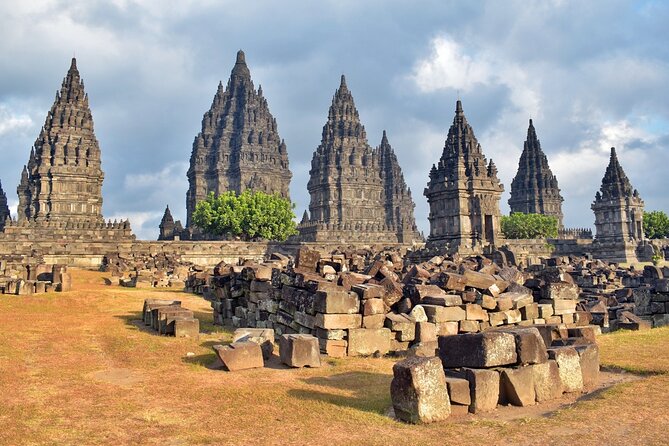
One of the best parts of visiting with a guide is that the site stops being a collection of buildings. Instead, you understand it as a structured “religious map.” The larger Prambanan area is said to include over 200 separate temple structures, and even if many are no longer in their original form, you can still see plenty.
Your time at Prambanan also includes a formal entrance experience. The tour’s ticket is included, so you’re not scrambling for payment or lining up when the day is already moving.
What you’ll see first: main temples and the feeling of sacred geometry
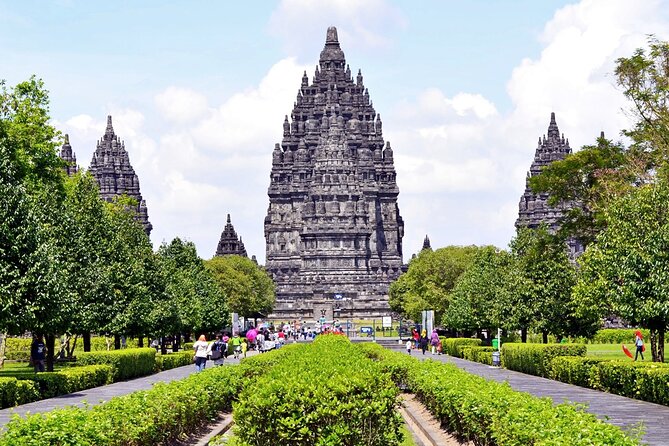
Your visit begins with the main Prambanan temples. These are the headline structures you came for: the big, symmetrical forms built to honor the three deities.
As you walk around, keep an eye on how the compound “layers” space. You’re not just looking at one temple facade. You’re watching how sightlines, courtyards, and smaller shrines relate to the big three.
In practical terms, this is where having a guide pays off. Without explanation, it’s easy to treat carvings like decorative wallpaper. With a guide, you start seeing the carvings as part of the temple’s meaning—almost like a visual Bible for people who would gather here.
Ramayana carvings: where the story becomes readable
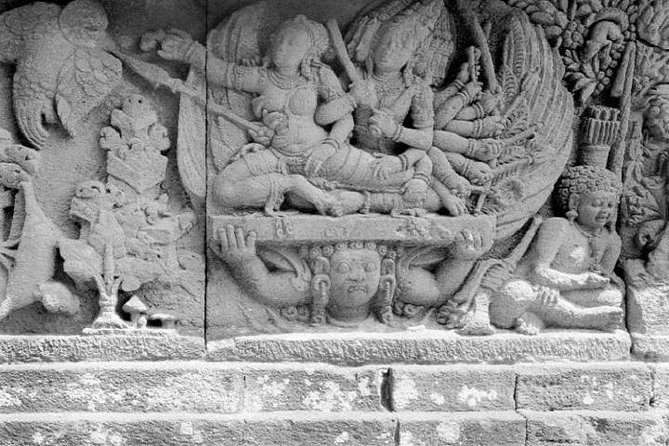
Here’s the magic trick of Prambanan when you go guided: the wall carvings connect you to the Ramayana epic. The tour is built around learning what you’re seeing, not just standing in front of stone and hoping it will explain itself.
Your guide points out details tied to the stories carved into the temple walls. That matters because many visitors miss the narrative thread—especially when you’re moving quickly or only catching wide-angle views.
A strong example: one of the English-speaking guides (Sophia) was praised for being wonderful and especially good at helping guests understand the myths, facts, and stories around Prambanan in full context. That’s exactly the difference between seeing carvings and understanding them.
Even if you’ve heard of Ramayana before, the carvings at Prambanan make the episode-based storytelling feel more concrete. You begin to spot patterns: scenes grouped for a reason, symbols placed intentionally, and design choices meant to guide interpretation.
This is also where your pace matters. Give yourself moments to slow down and look straight at the carvings, not just from across the court. If you rush, you’ll see the shapes, not the story.
Jalan Candi Plaosan Lor: carvings, shrines, and the bigger temple neighborhood
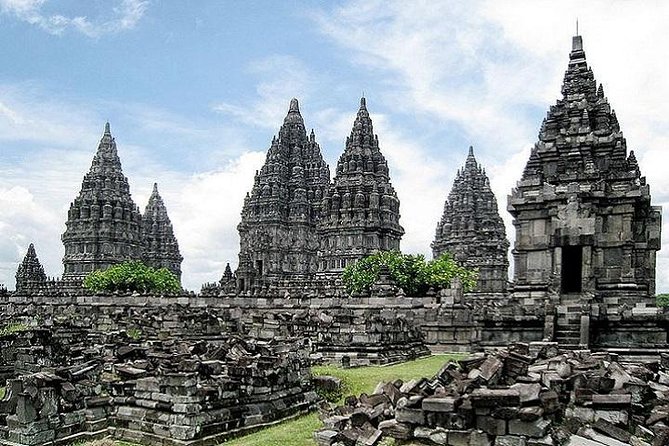
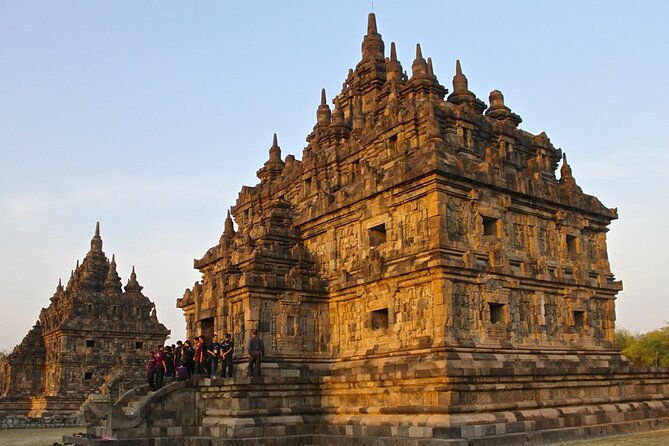
After Prambanan, you head to Jalan Candi Plaosan Lor, where the experience expands from the main Trimurti complex into surrounding sacred ground. This is where you start feeling the Prambanan area as a network, not a single attraction.
You’ll admire exquisite carvings that have endured through time. The theme remains the Ramayana and symbolic storytelling, but the focus widens: you’re also learning how Prambanan connects to nearby temples with both Hindu and Buddhist origins.
The tour mentions an area with over 240 recorded temples and buildings, plus a highest point around 47 metres above ground level. That’s a hint that you’re not just looking at one “big” site. You’re in a region shaped by centuries of religious architecture.
This part of the visit includes time to stroll and appreciate neighboring shrines, specifically Candi Plaosan and Candi Sewu. If you like variety—different layouts, different vibes, different carving styles—this is the part that often feels freshest.
The stop is listed at about 1.5 hours, and the admission at this area is marked as free in the tour description. Translation: you can spend your mental energy on the sights instead of the ticket math.


Transportation and timing: private vehicle, hotel pickup limits, and pacing
The transport is a big practical win. You’ll travel by air-conditioned vehicle with a professional driver, and the tour includes round-trip transfer from downtown Yogyakarta hotels.
That “downtown only” detail matters. The description notes that areas including the Borobudur and Prambanan regions and Yogyakarta International Airport are excluded from included transfers. If you’re staying outside downtown, you’ll likely need a supplement or meet-up arrangement.
Also, pickup may not be guaranteed for private residences or non-registered accommodation. In those cases, you may be asked to meet at a nearby hotel. Before you go, send your hotel details correctly, because changes made outside 24 hours may be handled with extra steps.
In terms of energy, expect a half-day that still feels like a day. You’ll have travel time, temple time, and walking time. One review summary called the experience a bit tiring but worthwhile, which is a fair read: Prambanan rewards patience and attention, but it’s not a sit-and-sip excursion.
If your group is mixed in mobility, you can ask your guide to pace you. Since it’s private, you can usually adjust where you linger, as long as you still respect the overall timing.
Price and value: what $123.08 really covers
At $123.08 per person for a roughly 6-hour total experience, this isn’t a bargain-bin tour. But it’s also not “buying the scenery” with extra fees tacked on later.
Here’s what you’re paying for, based on what’s included:
- A private half-day tour with a professional English-speaking guide
- Air-conditioned private vehicle transport
- Entrance fees for visits described in the itinerary
- Applicable taxes and service charges
You’re also getting a mobile ticket and the chance for group discounts (depending on your booking setup).
For value, I think the biggest win is the guide. Prambanan works best when someone explains what you’re looking at—especially the Ramayana carvings and how Prambanan relates to neighboring temples. Without that, you can still enjoy the site, but the experience becomes more about “cool stones” than meaning.
If you’re traveling solo, the price can feel steep compared to joining a larger group. If you’re traveling as a pair (or small family), private transport + guide usually becomes a smarter cost.
What to pack and how to dress for temple visits
Prambanan is a sacred site, and the dress code is strict. You’ll want clothes that cover shoulders and fall below the knees. Don’t rely on “temple clothing rules are flexible” logic here. Bring something suitable.
Sun protection is not optional advice here. The tour info explicitly recommends sunglasses, a hat/cap, and high SPF sunscreen, even if it’s cloudy. In the tropics, clouds don’t mean protection—they just mean the heat can sneak up on you later.
For devices, there’s also a practical note: protect electronics from natural elements. If you’re carrying a phone or camera, keep it wrapped and protected. Temple sites can be breezy and dusty, and you don’t want to gamble with expensive gear.
Who this tour suits best (and who might rethink it)
This is a great match if you:
- Want a private guide to explain symbolism and story details
- Appreciate UNESCO sites but prefer meaning over just photos
- Like temple complexes with both big set pieces and nearby companion shrines
It may be less ideal if you:
- Want a low-walking, totally relaxed morning
- Are staying outside the included downtown pickup zone and don’t want possible supplements or meet-up changes
- Struggle with early starts, since it’s only operated in the morning
Should you book The Hindu Realms of the Prambanan?
If you care about understanding what you’re seeing, I’d book it. Prambanan can be visually impressive on its own, but the real payoff here is the guided interpretation—especially around the Ramayana wall carvings and the connection between Prambanan and the surrounding temple environment.
The private setup plus air-conditioned transport is a comfortable way to do this region. And because entrance fees are handled, you avoid the small annoyance of on-the-spot payment issues.
My bottom-line advice: if you’re willing to walk a bit, dress properly, and show up with sunscreen and a hat, this tour is a smart use of your Yogyakarta time. You’ll leave knowing the temple complex as more than a landmark.
FAQ
What’s included in the tour price?
The price includes a half-day tour with a professional English-speaking guide, transportation by air-conditioned vehicle with a professional driver, all entrance fees for visits mentioned in the description, and all applicable taxes and service charges.
What’s the pickup situation in Yogyakarta?
Pickup and drop-off are included for customers staying in downtown Yogyakarta. Transfers outside that area (including Borobudur and Prambanan regions and Yogyakarta International Airport) are excluded, and supplements may apply. If your accommodation is private or not a registered tourism lodging, you may be asked to meet at a nearby hotel.
What will I see during the tour?
You’ll visit Prambanan Temple (Loro Jonggrang), learn about the meaning of wall carvings and the Ramayana epic, and also explore neighboring shrines such as Candi Plaosan and Candi Sewu.
How long is the tour, and when does it start?
The tour duration is approximately 6 hours, and it starts at 7:30am. It’s only operated in the morning.
Is there a dress code?
Yes. You’ll need to dress appropriately by wearing clothes that cover shoulders and fall below the knees.
Can I cancel for a full refund?
Yes. Free cancellation is available if you cancel up to 24 hours in advance of the experience start time for a full refund. If you cancel less than 24 hours before, the amount paid isn’t refunded.