Bali looks best before the crowds wake up. What I like most is the early-morning start plus a route that targets real daily life in Ubud, not just postcard views. I also love the max-4 group size, which means your guide can actually adjust advice to what your camera or phone is doing. One thing to consider: you’ll begin at 5:30 a.m., so if you hate early starts, this may feel like a push.
You get round-trip pickup from Ubud-area hotels and an air-conditioned vehicle, which matters on mornings when the heat and scooter traffic can quickly drain your energy. The payoff is simple: you’ll spend a few focused hours learning where to stand, when to shoot, and how to frame Balinese life with confidence.
In This Review
- Key Highlights You’ll Care About
- 5:30 a.m. Lighting and a Max-4 Photo Walk from Ubud
- The Route That Builds a Story: Rice Fields, Portrait Market, Then Tirta Empul
- Sunrise over rice fields and Mt. Agung direction
- Traditional market portraits for real character
- Arriving for ceremony atmosphere at Tirta Empul
- Tirta Empul Temple: Photographing Purification Without Making It About You
- What You Learn Beyond the Photos: Framing, Light, and Calm Direction
- Transfers, Timing, and How This Fits Into Your Bali Plan
- Price and Value: Why $164.11 Can Make Sense Here
- Who This Tour Is Best For (And Who Should Skip It)
- Should You Book This Bali Half Day Photography Tour?
- FAQ
- What time does the Bali Half Day Photography Tour start?
- How long is the tour?
- Where does the tour take place?
- Is pickup included?
- How big is the group?
- What stops are included in the itinerary?
- Is temple admission included?
- What should I eat before the tour?
- What is included in the tour price, and what is not?
- What is the cancellation policy?
Key Highlights You’ll Care About
- 5:30 a.m. lighting designed for soft sunrise color around Mt. Agung and rice fields
- Max 4 people for patient, hands-on coaching (not generic tips)
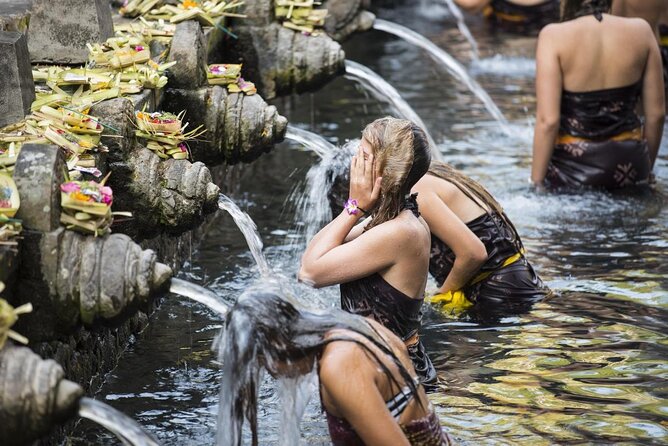
- Real subject matter: market portraits, ceremony moments, and purification at Tirta Empul
- Temple entry included so you can focus on photos instead of logistics
- Transfers included with air-conditioned transport from Ubud-area hotels
- Smartphone-friendly guidance alongside camera tips
5:30 a.m. Lighting and a Max-4 Photo Walk from Ubud
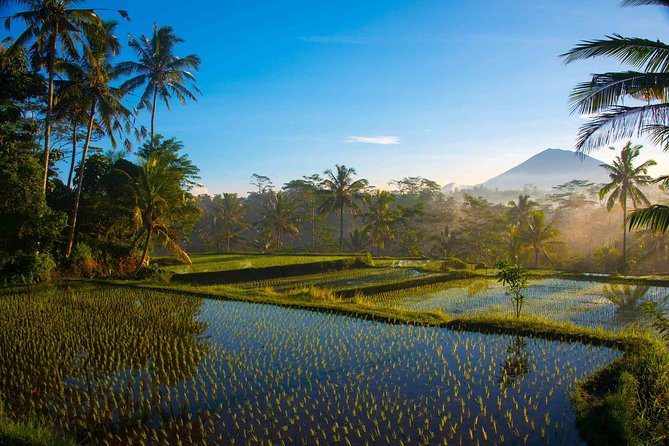
This tour is built around one smart idea: if you care about photos, the start time matters as much as the locations. Departing at 5:30 a.m. puts you in front of harsh midday light and gives you that gentle sunrise glow over the rice fields and toward Mt. Agung. Even if you only have a phone, the difference in contrast and skin tones is usually huge at this hour.
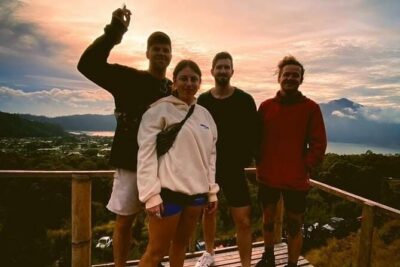
The second big value piece is the group limit. With a maximum of 4 participants, you’re not competing with a big cluster for attention or struggling to hear directions over a noisy pack. In practice, that helps a lot when you’re trying to learn framing, camera angles, or how to react fast when a moment appears (a gesture, a reaction during a ceremony, or someone pausing in the market).
The trade-off is time. This is a half-day experience, around 4 hours, so you’ll move with purpose. That’s great for focused shooting, but it’s not the format for slow, meandering sightseeing.
You can also read our reviews of more tours and experiences in Ubud.

The Route That Builds a Story: Rice Fields, Portrait Market, Then Tirta Empul
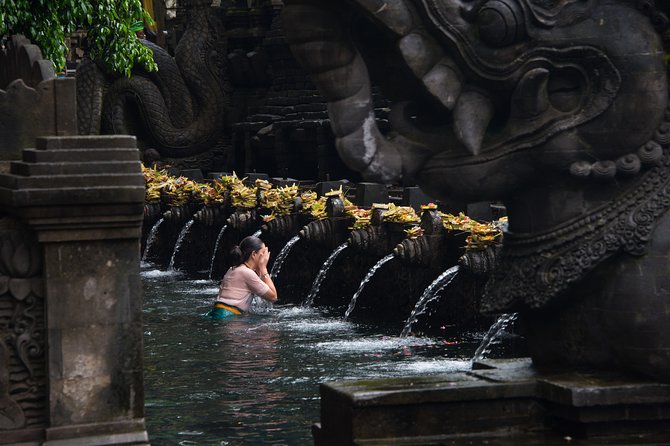
Your morning has a clear photo flow: start with sunrise and scenery, shift to people and portraits, then finish at a place where ritual and water create intense visual opportunities.
Sunrise over rice fields and Mt. Agung direction
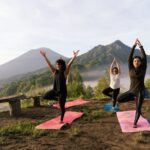
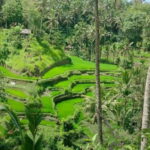
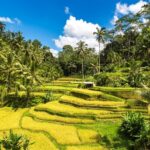
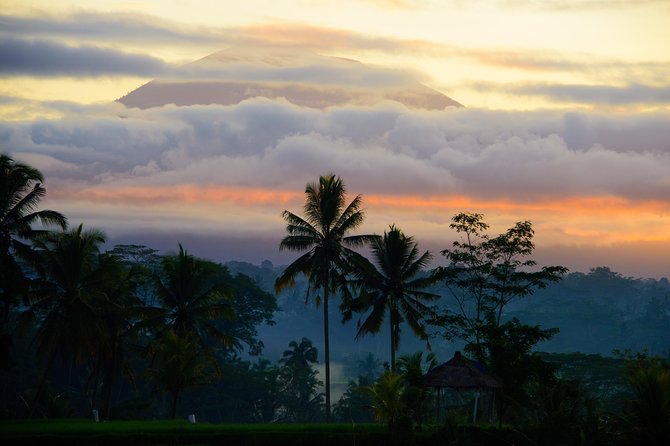
Early on, you’ll aim for sunrise views with Mt. Agung in mind and the rice fields surrounding you. This first stretch is about learning how light changes minute-to-minute. You’ll get a chance to practice what your guide teaches—how to position yourself, what to include in the frame, and how to use the background without turning every shot into the same wide composition.
Traditional market portraits for real character
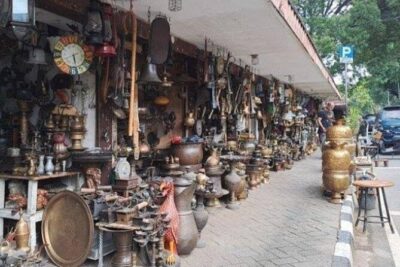
After the sunrise phase, you’ll head to a traditional market area for local portrait photography. This is where a lot of photo tours either rush or get awkward. Here, the plan is more structured: you’re going for portraits that feel human, not staged. That means you’ll likely spend more time thinking about expression, body angle, and simple background control than you would if you were wandering alone.
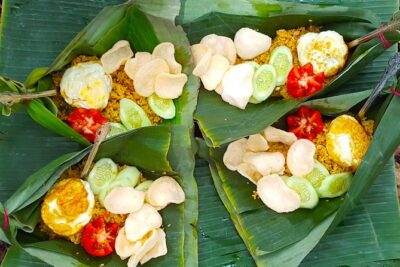
One practical note: the tour includes small snacks and coffee at the market, and you’re encouraged to bring a breakfast box from your hotel. That’s helpful because starting at 5:30 a.m. usually means you’ll want something in your stomach before you’re out chasing the best light.
Arriving for ceremony atmosphere at Tirta Empul
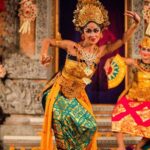
Your big finish is Tirta Empul. The tour description specifically points to the chance to photograph a ceremony and purification activity, depending on the temple schedule. That’s important. Ritual photography can be sensitive, so timing and respect matter. When the ceremony is happening, you’ll get moments with water movement, concentration in people’s faces, and a strong sense of place.
If the schedule means the ceremony timing is different that day, you’ll still be in a major cultural site with strong photographic texture—just expect the exact intensity of ceremony action to vary.
Tirta Empul Temple: Photographing Purification Without Making It About You
Tirta Empul is the kind of setting that challenges you as a photographer—in a good way. Water, stone, and faces create layered scenes fast. One minute you’re photographing reflections and droplets; the next you’re working with people moving through steps of purification.
The tour includes admission ticket for this stop, so you’re not doing any of that on-your-feet scramble. That matters here because the best moments in ceremony photography don’t wait for ticket lines.
The photography goal is also clear: you’re not just trying to shoot the architecture. You’re trying to capture what’s happening—the purification process and the atmosphere around it. From the coaching perspective, this is where framing tips start to click. Tight portraits can work when you keep the background simple. Wider frames can work when you use the water and ritual elements to create depth. Either way, you’ll want to be ready to react quickly, because ceremony moments don’t pose on schedule.
What You Learn Beyond the Photos: Framing, Light, and Calm Direction
The reviews on this tour point to a common theme: the guides teach people how to see. Two different guide names show up repeatedly in the experience feedback—David Metcalf and Nyoman—and both are described as patient, skilled with photography, and focused on helping people improve.
What I love about the way this is set up is that it’s not only about visiting places. The tour is also a short, practical training session for:
- Framing (what to include, what to leave out, how to manage backgrounds)
- Light (how to handle sunrise conditions and changing shadows)
- Camera settings or smartphone adjustments (the description explicitly mentions tips for both)
In a small group, coaching can be specific. If you’re shooting with a phone, you might be advised on angles and how to avoid blown highlights. If you’re using a camera, you might get guidance that’s more technical—yet still in a way that’s usable right away.
Also, pace matters. One review mentioned capturing thousands of photos on a similar schedule, and the key wasn’t luck—it was time spent choosing spots with good light and direction. That’s what you’re buying here: local timing plus practical advice so your results improve without wasting half the morning guessing.
Transfers, Timing, and How This Fits Into Your Bali Plan
Logistics sound boring, but they can make or break a photo day. This one covers the big friction points: round-trip transfers from Ubud-area hotels and an air-conditioned vehicle, with parking fees included.
That means you can show up ready to shoot instead of negotiating transport every time you want to stop. It also helps because early mornings in Bali can include traffic and heat concerns once the day warms up.
Start time is 5:30 a.m., and the tour is about 4 hours. That format is ideal if you want your best-photo morning but still want time to rest after. It also pairs well with other Ubud plans that run later in the day—because you’re not stuck in a full-day tour schedule.
One small caution: since you’re visiting a market and a temple, wear and pack like you’ll be walking. The data doesn’t list dress code details, but temples typically require respectful attire. If you’re unsure, plan to bring something that covers appropriately.
Price and Value: Why $164.11 Can Make Sense Here
At $164.11 per person for a roughly 4-hour experience, this doesn’t look like a cheap ticket. But in photography tours, price is rarely just about transportation—it’s about instruction time, access, and how much the guide helps you get results.
Here’s the value math as it’s actually structured:
- You get pickup + round-trip transfers from Ubud-area hotels
- You get an air-conditioned vehicle and parking fees included
- You get entry ticket included for Tirta Empul
- You get a max-4 group, which is a big deal if you want coaching instead of crowd navigation
Add in the early-morning timing for better lighting, plus the guide’s job is to help you shoot faster and better in real settings. For many people, that’s worth paying for because it can replace trial-and-error time.
What’s not included matters too. Breakfast isn’t included, but you can bring your own breakfast box, and the market includes small snacks and coffee. Camera equipment isn’t included, so you’ll need to bring your own gear or be ready to shoot on your phone.
Who This Tour Is Best For (And Who Should Skip It)
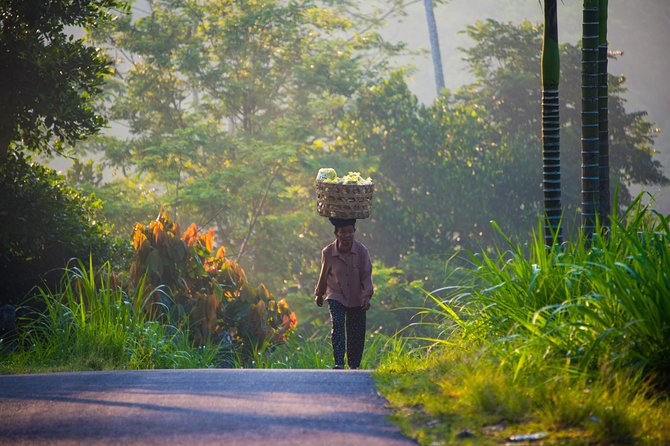
This is a strong fit if:
- You want photo coaching with specific framing and light tips
- You enjoy sunrise shooting and want better conditions without needing local knowledge
- You want cultural subjects beyond scenery—especially portraits and ritual atmosphere
- You like a small group and a guide who pays attention to individual results
It may be less ideal if:
- You hate starting at 5:30 a.m.
- You want a long, slow tour with lots of downtime
- You’re only looking for casual snapshots and don’t care about technical or compositional guidance
It’s also worth noting that the experience says most travelers can participate, but there’s no detailed breakdown of physical demands. If you have mobility concerns, think about walking in market areas and temple grounds.
Should You Book This Bali Half Day Photography Tour?
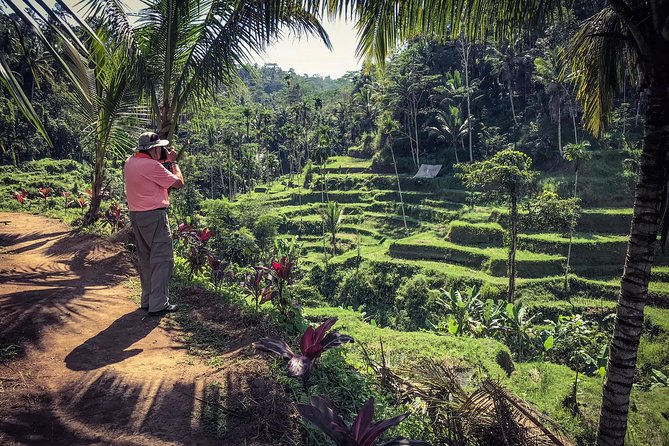
I’d book it if you want a focused photo morning with smart timing, a human-sized group, and coaching that helps your pictures improve quickly. The combination of sunrise light, market portrait practice, and Tirta Empul ceremony/purification potential is exactly the kind of route that can turn a camera-shy trip into confident shooting.
I’d skip or reconsider if early mornings feel impossible for you. Also, if you’re expecting a tour where the temple ceremony timing is guaranteed at a specific moment, the schedule-based nature of what you’ll photograph is a real factor.
If you’re the type who likes to learn—how to frame, how to use light, and how to get better results from what you see—this one is built for you.
FAQ
What time does the Bali Half Day Photography Tour start?
The tour starts at 5:30 am.
How long is the tour?
The duration is about 4 hours.
Where does the tour take place?
The tour is based in Ubud, Indonesia.
Is pickup included?
Yes. Round-trip transfers from Ubud-area hotels are included.
How big is the group?
The group is capped at a maximum of 4 travelers.
What stops are included in the itinerary?
You’ll photograph sunrise over rice fields and Mt. Agung, visit a traditional market for portrait photography, and then go to Tirta Empul Temple.
Is temple admission included?
Yes. Admission ticket included for Tirta Empul Temple.
What should I eat before the tour?
Breakfast is not included, but you can bring a breakfast box from your hotel. The plan also includes small snacks and coffee at the market.
What is included in the tour price, and what is not?
Included: air-conditioned vehicle and parking fees, plus the temple admission ticket. Not included: camera equipment and breakfast.
What is the cancellation policy?
There is free cancellation up to 24 hours in advance for a full refund. Changes made less than 24 hours before the start time aren’t accepted.