Traditional archery in Java feels oddly calming. You get jemparingan coaching, plus the story of how the tools are used in Javanese tradition, and you practice for real instead of just watching. I especially love two things: the chance to learn directly from the master of jemparingan, and the way the instructor explains what you are doing before you shoot. One possible drawback: this is hands-on and takes some stamina, so if you expect a totally passive, sightseeing-style activity, you may find it a bit more active than you planned.
This class also works well because it stays personal. It runs about 2 hours and caps at a small group of 10, so you are not lost in a crowd. After your first shooting round, you get a break with local coffee or tea, plus a snack to help you reset and keep shooting with better focus.
In This Review
- Key Things That Make This Jemparingan Class Worth Your Time
- Traditional Jemparingan Archery Near Prambanan: What You’re Actually Signing Up For
- Getting There: Prambanan Pickup and Where the Class Starts
- Meet Your Instructor and Learn the Tool Basics First
- Practice Time: How the Session Feels When You’re Shooting
- The Break With Coffee, Tea, and Local Snack
- What You Learn Beyond Shooting: Jemparingan as a Skill and a Culture
- Price and Value: Is $23 Worth a 2-Hour Jemparingan Class?
- Who Should Book This Class (and Who Might Skip It)
- Practical Tips So Your Session Goes Smoothly
- Should You Book the Traditional Archery Class (Jemparingan) Near Prambanan)?
- FAQ
- Where is the Jemparingan class located?
- How do I find the meeting point?
- Is pickup included?
- How long is the class?
- How much does it cost?
- Is bow and arrow rental included?
- Do you offer coffee or tea?
- Who teaches the class?
- What languages are available?
- Is it suitable for young children or seniors?
- What group size should I expect?
Key Things That Make This Jemparingan Class Worth Your Time
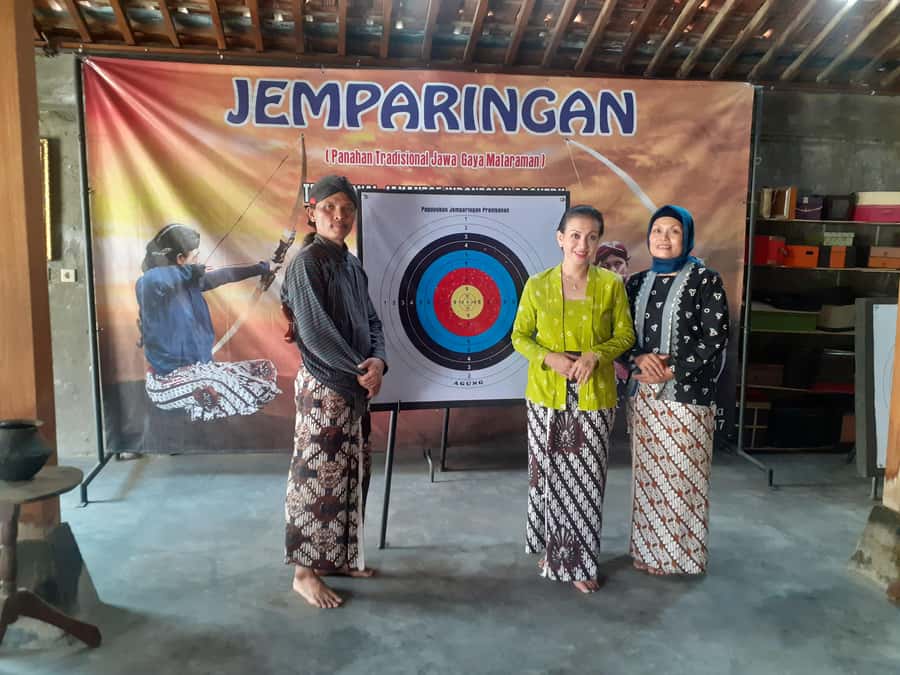
- Master-led jemparingan training: You learn the correct way to handle traditional archery tools, not just casual aiming.
- History explained before practice: You get context for what you are doing, so technique feels meaningful.
- Bow and arrow rental included: You do not need to hunt down gear in advance.
- Small group coaching (up to 10): Better feedback and faster corrections when your form drifts.
- Coffee/tea break with local snacks: A real pause after shooting so you can recharge.
- Beginner-friendly, but not boring for experienced shooters: The class supports both novices and people who already shoot.
Traditional Jemparingan Archery Near Prambanan: What You’re Actually Signing Up For
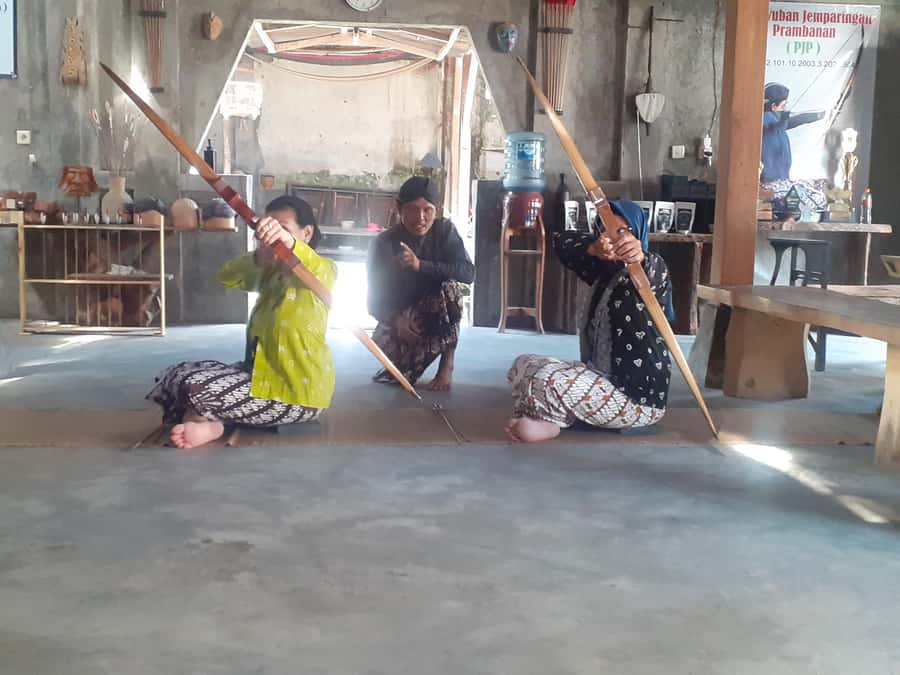
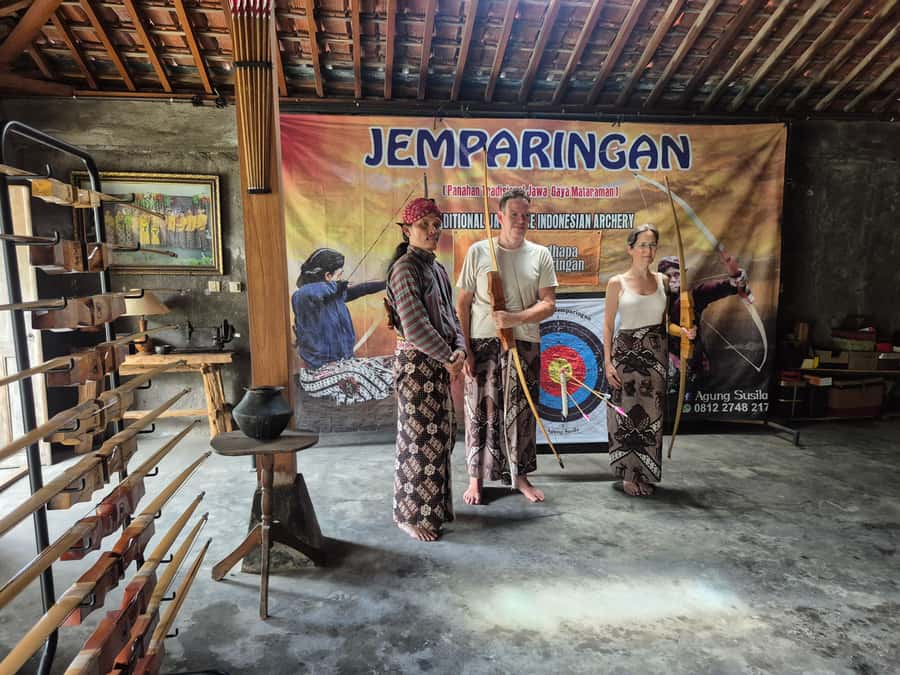
If you are in the Prambanan area, this is one of those activities that swaps a photo stop for a skill. The traditional archery class teaches jemparingan, a Javanese style of archery that comes with both technique and meaning. The structure is simple: you learn the tools and the basics, you practice, and you get coached so your shots improve as you go.
This is not a show. You are not standing on the edge while someone else does all the work. You’ll be taught by a professional traditional Javanese archer and trained directly by the master of jemparingan, then you shoot using rented bow and arrows.
The value here is not just the novelty. It is the mix of instruction + repetition. You get enough time to try, adjust, and feel your own progress. In the end, you walk away with muscle memory and a clearer sense of how traditional archery is practiced—rather than just a quick try-and-forget moment.
You can also read our reviews of more tours and experiences in Yogyakarta.



Getting There: Prambanan Pickup and Where the Class Starts
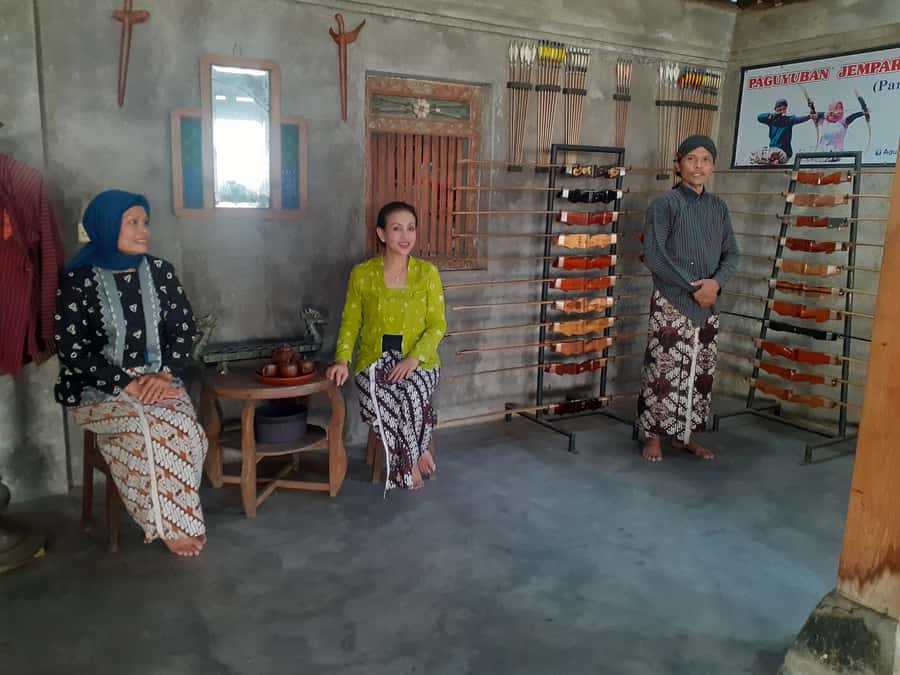
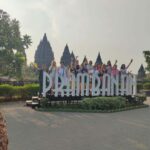
The class location is about 4 km north of Prambanan Temple. Your meeting point is in that northern area, and you can be picked up in the Prambanan area.
Here’s the practical part: after you book, you’ll receive the meeting location via WhatsApp. The activity also notes that you should include your WhatsApp number on your booking, which makes the whole handoff smoother. If you are in Indonesia and WhatsApp is your main communication app (it usually is), this setup is easy.
If you are already using Prambanan as your base, this is convenient. You do not need to travel far across town to find an archery range experience. It’s tied to the area, and pickup keeps you from dealing with uncertain local directions.
Meet Your Instructor and Learn the Tool Basics First
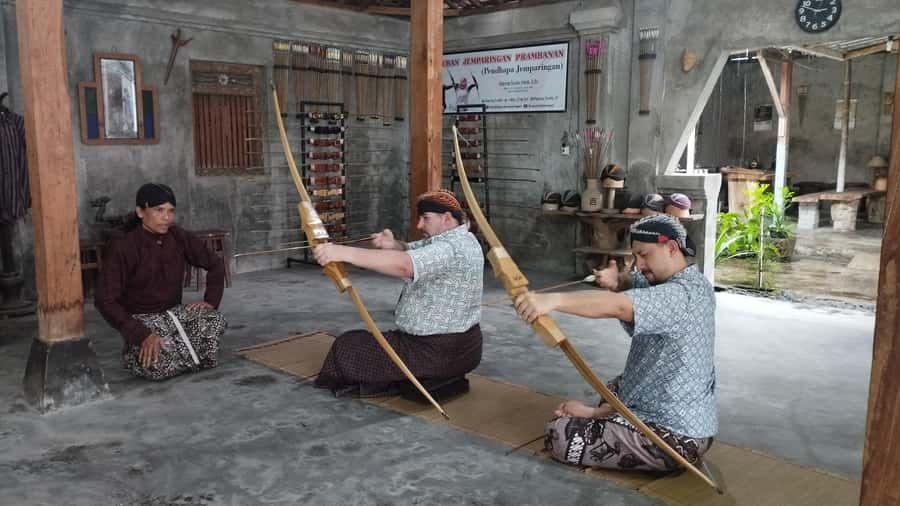
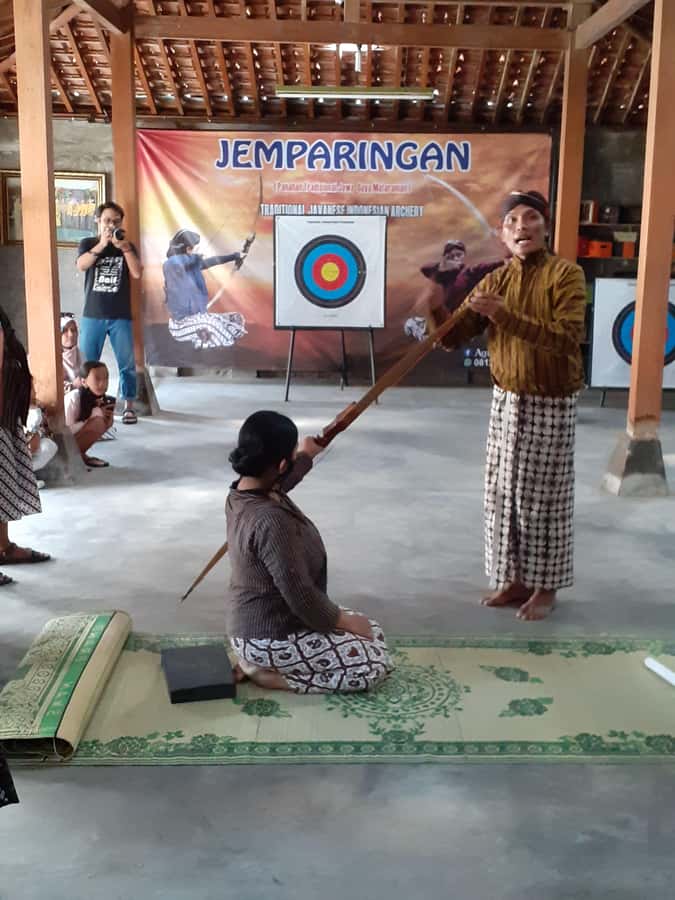
The class starts with instruction. Before anyone shoots, you get an explanation of how to use the traditional archery tools properly. You also get history and background for jemparingan, so the activity has context, not just mechanics.
I like this sequence. Most short cultural activities rush straight into the hands-on part. Here, you learn the basics first, which matters because archery is one of those activities where small mistakes can snowball. You will have fewer frustrating moments if you understand what the trainer wants from the start.
The instructor communicates in Indonesian and English, so you should be able to follow along even if your Indonesian is still in the early learning stage. The class also runs as a small group of up to 10 participants, which usually means the trainer can notice common issues quickly and correct them before they become bad habits.
Practice Time: How the Session Feels When You’re Shooting
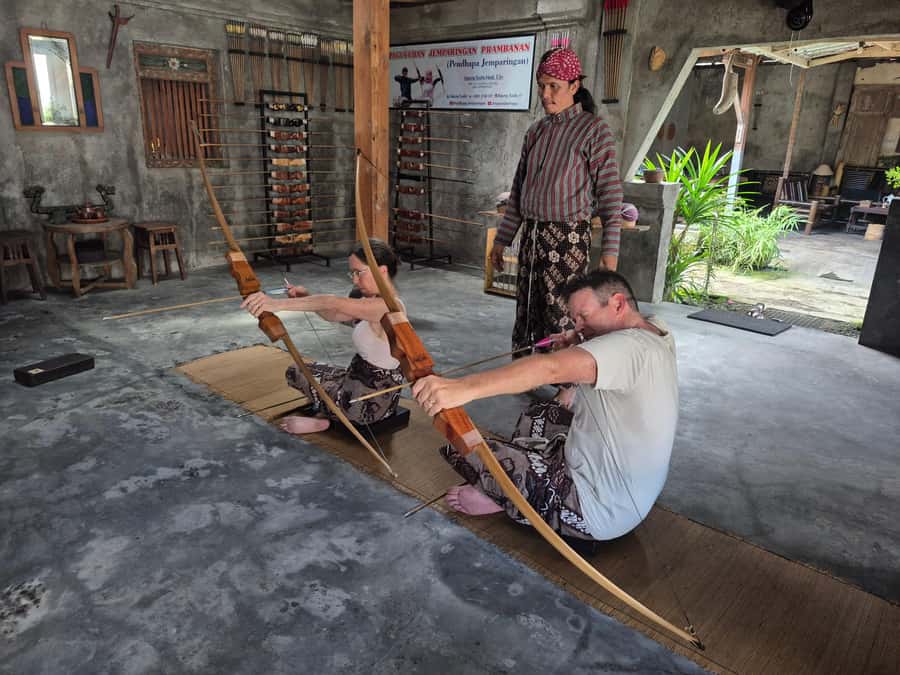
Once training is done, you move into practice. You’re renting bow and arrow, so you can focus on learning instead of organizing equipment. The training is guided, and the goal is improvement through repetition.
What I find reassuring is the coaching style implied by the structure: you practice, and there’s a natural break point during the session. The class includes a break after the first “season” or round of shooting. That timing matters, because archery form changes when you get tired. Your strength and focus drop. The break helps you reset and keep shooting rather than simply powering through.
Also, this class isn’t only for one type of person. People report it works well for both complete novices and seasoned archers. So if you are totally new, you’re not expected to already have the basics. If you have shot before, you still get enough structure to compare what you already know with a traditional approach.
One more detail to keep in mind: the session stops when participants are tired and shots get worse and worse. That tells me the pacing is practical. It’s not about forcing the same performance level for everyone. It’s about learning while you’re still capable of making clean attempts.
The Break With Coffee, Tea, and Local Snack
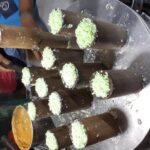
This class builds in a break after an initial shooting round. You can enjoy local coffee or tea along with a local snack.
This might sound like a small add-on, but it’s actually part of why the experience feels comfortable. Archery demands concentration. A short pause gives your mind time to reset, and it gives your body a moment to recover. Then you can go back to shooting with better control.
It also makes the class feel more grounded. You’re not just doing a sport. You’re in a local routine, with a simple, everyday break included. For many people, that’s the difference between an activity that feels like a workshop and one that feels like a quick transaction.


What You Learn Beyond Shooting: Jemparingan as a Skill and a Culture
The class is built around two learning goals: how to use the tools properly and the history of jemparingan. Even if you only understand the basics, the history piece gives your technique more meaning. Instead of thinking of archery as a random target game, you start to understand how traditional archery practice fits into Javanese culture.
I also think that instruction-before-practice changes your relationship to the activity. When you learn the background, you usually pay closer attention to the trainer’s corrections. You are less likely to treat it as a try-it-once experience.
And because the coaching is tied to a traditional archer and a master, you are getting a perspective that is not watered down. You might not catch every detail, especially if language is part of the challenge, but the goal stays clear: shoot properly using the traditional approach.
Price and Value: Is $23 Worth a 2-Hour Jemparingan Class?
At $23 per person for 2 hours, this is priced like a focused cultural workshop rather than a premium private experience. The real value comes from what’s included.
You get:
- Pickup service in the Prambanan area
- A trained archery trainer (Indonesian, English)
- Bow and arrow rental
- Coffee/tea plus a local snack
When you factor in gear rental and instruction, the cost starts to make more sense. You are paying for coaching and equipment handling guidance, not just access to a bow. For many visitors, that combination is the sweet spot: affordable enough to try while you are nearby, structured enough to feel like you learned something, and personal enough to get feedback in a group capped at 10.
If you’ve been doing a lot of temple time, this is also good value because it adds a hands-on cultural moment. It breaks the sightseeing rhythm with an activity that is memorable in a different way.
Who Should Book This Class (and Who Might Skip It)
This jemparingan class is ideal if you want to:
- Try a traditional sport with real coaching
- Learn in a small group
- Get a mix of practice and cultural context
- Enjoy a simple break with local coffee or tea during the session
It also seems to work for a wide skill range. People have noted it’s great for both novices and experienced archers, which is what you want in a short class.
The only clear limits stated are:
- Not suitable for babies under 1 year
- Not suitable for people over 70 years
Beyond those limits, I’d consider your expectations. If you want a totally restful activity, archery is still a physical practice. If you want a hands-on challenge with guidance, this will likely fit nicely.
Practical Tips So Your Session Goes Smoothly
You’ll enjoy this more if you show up ready to learn, not just ready to watch. A few practical thoughts:
- Bring your WhatsApp number to booking and keep your phone charged. The meeting location is sent there after booking.
- Wear clothing that lets you move comfortably. Archery requires stance and upper-body control.
- Expect instruction first, then practice. Listen closely at the beginning; it will save you time and frustration later.
- If you’re new, don’t try to copy every detail perfectly on your first shots. Focus on the trainer’s main correction and build from there.
- If you already shoot, go in with a respectful attitude toward the traditional method. You might adjust more than you expect.
Also, the class is in English and Indonesian. If your Indonesian is limited, it can still be manageable. But try to learn a few simple cues in advance if you have time. Even basic effort helps you follow instructions faster.
Should You Book the Traditional Archery Class (Jemparingan) Near Prambanan)?
I think you should book it if you want a short, skill-based cultural experience that goes beyond photos. The master-led training, the history explanation before shooting, and the fact that gear is handled for you make this feel like a complete package, not a vague cultural sampler.
Skip it if you are looking for a relaxing, low-effort activity. This is practice-heavy, and it’s built around shooting rounds and a break during the session.
If you’re staying around Prambanan and you like hands-on learning, the class offers strong value for $23 and a real chance to walk away with something you can remember and talk about.
FAQ
Where is the Jemparingan class located?
It’s in Java, Indonesia, around 4 km north of Prambanan Temple.
How do I find the meeting point?
Your meeting location is sent to you via WhatsApp after booking. You may also be picked up from the Prambanan Temple parking area.
Is pickup included?
Yes. Pickup service is included in the Prambanan area.
How long is the class?
The duration is 2 hours.
How much does it cost?
The price is $23 per person.
Is bow and arrow rental included?
Yes. Renting bow and arrow is included.
Do you offer coffee or tea?
Yes. Coffee or tea is provided, along with a local snack during the class.
Who teaches the class?
The class is led by an Indonesian archery trainer, and you are trained directly by the master of jemparingan.
What languages are available?
The instructor can communicate in Indonesian and English.
Is it suitable for young children or seniors?
It is not suitable for babies under 1 year and not suitable for people over 70 years.
What group size should I expect?
It’s a small group with a maximum of 10 participants.