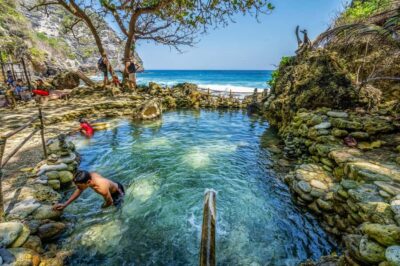
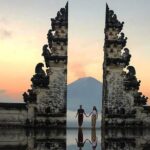
A holy spring changes your pace. In Ubud, Bali, this Tirta Empul experience turns culture into action: you dress up, make offerings, pray, and then spend time in the holy water as a guide walks you through each step at Tirta Empul.
I loved two things: Wayan guiding the ritual step by step so you always know what comes next, and the included Indonesian lunch right after the purification. One consideration: if you’re menstruating, you cannot enter the temple area, and you’ll be in water—so come ready with a towel and changing clothes.
In This Review
- Key highlights you’ll feel right away
- Tirta Empul Purification: The real experience is the ritual flow
- Getting picked up and staying calm before the temple
- Dressing for the ceremony: sarongs, costume rules, and comfort
- Offerings and permission prayers before you enter the holy water
- The 1–1.5 hour purification process: follow the guide, not your phone
- After the springs: thanks, optional holy water, and changing back
- Lunch and the ride back: how the tour keeps you comfortable
- Price and value: why $65 can feel fair for what’s included
- Who should book this Tirta Empul purification ritual
- Should you book this Bali Purification Ritual at Tirta Empul?
- FAQ
- What is the duration of the Bali purification ritual at Tirta Empul?
- Where does the tour take place?
- Is hotel pickup and drop-off included?
- Is lunch included?
- What should I bring with me?
- Are sarongs or temple clothing provided?
- Can women participate during menstruation?
- How long do you spend in the purification process?
- What if the weather is bad?
- What is the cancellation rule?
Key highlights you’ll feel right away
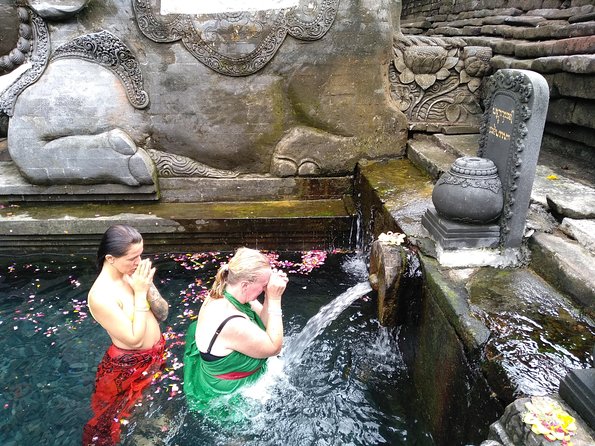
- A guide leads every step so you are not guessing what to do
- Traditional dress + sarong are handled for the ceremony
- Permission prayer and offerings come before you enter the holy springs
- About 1–1.5 hours in the purification process with clear, follow-along instructions
- A gratitude prayer after, with the option to take holy water home
Tirta Empul Purification: The real experience is the ritual flow
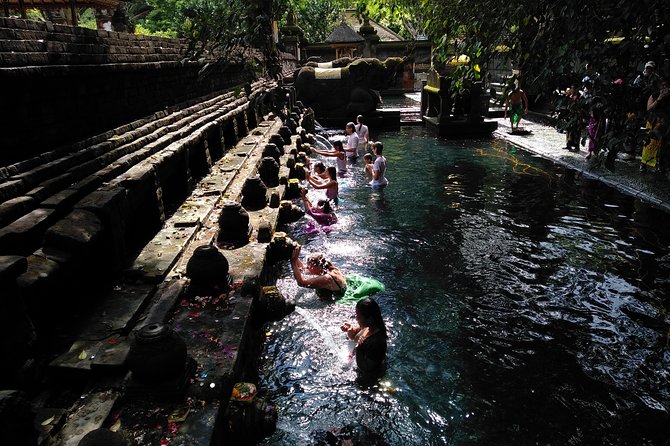
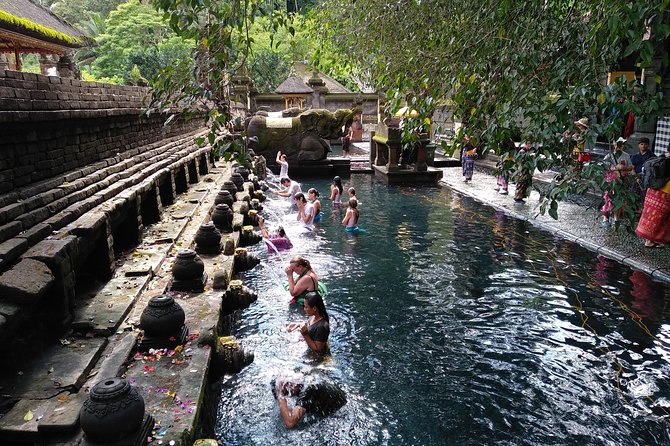
Tirta Empul is not a quick photo stop. The power here is the rhythm: pray first, prepare offerings, then enter the sacred springs in the right way, and finish with thanks. The whole setup makes it feel like a living Balinese Hindu practice, not a staged performance for tourists.
What I find most moving is how practical it all is. You are not asked to perform some complicated choreography. You follow what you are shown, one step at a time. Then, during the bathing portion, you’re guided through the purification process with the idea that it helps wash off bad feelings and reset your mindset.
Also, the tour design supports that mood. You get a full morning to focus, plus a relaxed meal afterward so you can come down from the intensity of the ceremony.
You can also read our reviews of more tours and experiences in Ubud.



Getting picked up and staying calm before the temple
This trip is built around an easy day plan. You’ll be picked up from your hotel around 8:00am, and you’ll return by around 1:00pm (typical timing for that morning slot). If you need a different start time, the provider is flexible with other pickups like 9am, 11am, 1pm, or 5pm.
That door-to-door flow matters more than you might think. Tirta Empul is in a temple complex where timing and respectful behavior count. Having a vehicle, a driver, and a guide handling the schedule means you can spend your energy on the ritual instead of logistics.
The ride is in an air-conditioned vehicle, and you’ll have bottled water for the day. With a max group size of 25, you’re usually not stuck in a giant crowd, which helps keep the ceremony feeling personal.
Dressing for the ceremony: sarongs, costume rules, and comfort
One of the smartest parts of this tour is what happens before you step into the ceremonial area. You change into a Balinese Hindu costume, and you’re provided a sarong for the temple and purification.
Your job is simple: follow the dressing instructions when you arrive. You don’t need to figure out how to wear everything correctly on the spot. A guide handles it, and that takes away a lot of stress—especially if you are not used to temple dress.
Your “homework” is practical: bring changing clothes and a towel. The purification involves sacred springs, which means you’ll be wet. The tour also includes time to change after the purification and before heading to lunch, but you’ll still want to be prepared with something dry to switch into.
If you’re sensitive to humidity or prefer to stay comfortable, pack a small bag you can keep close. Even if the tour provides what you need, you’ll enjoy the day more if your wet-to-dry transition feels smooth.
Offerings and permission prayers before you enter the holy water
The ritual portion doesn’t start when you hit the water. It starts with intention.
Before the purification process, you’ll go through prayers and a permission step to ask the gods to bless the ceremony. The guide prepares ritual offerings for you, and you’ll also see how the prayer sequence leads into the bathing portion.
This is where the guide’s role shines. Wayan’s explanations (and the translator support you may receive, depending on your group) help you understand what you are doing and why. Instead of copying motions blindly, you can connect to the meaning of the steps.
For me, this is the difference between doing a ritual and understanding a ritual. The offering and permission prayers frame the experience as sacred and deliberate. Even if you have never practiced anything like this before, the structure makes it easier to respect the moment.
The 1–1.5 hour purification process: follow the guide, not your phone
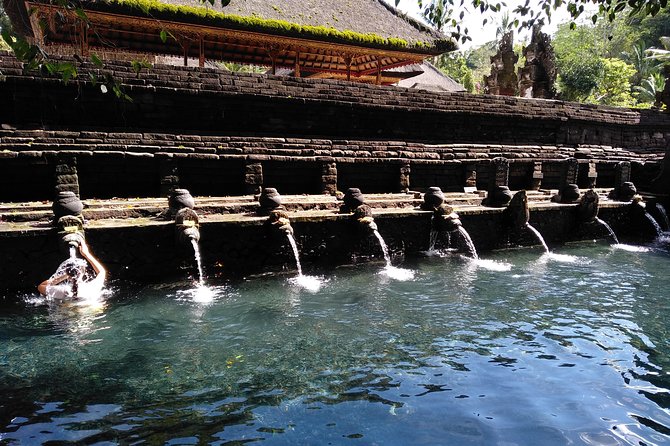
The purification processing takes about 1 to 1.5 hours. During that time, you’ll enter the holy water and follow the ritual steps step by step, while the guide explains what to do and in what order.
This is the part that can feel intense—not because it’s unsafe or confusing, but because it’s a sustained, focused act. You’ll want to put away distractions. If you’re the type who likes to document every second, I’d still suggest saving photos for after the main steps. The goal is to participate, not perform.
Expect to feel physically changed by the water and spiritually reframed by the process. The tour description talks about spiritual energy and cleansing negativity; in practical terms, what you can take away is a stronger sense of calm and a clearer head afterward—especially if you go in expecting to be present.
If you’re worried about how you’ll handle the time in water, remember: you’re not doing it alone. You’re guided. That companionship matters in any ritual, and it’s one reason this tour earns strong scores.




After the springs: thanks, optional holy water, and changing back
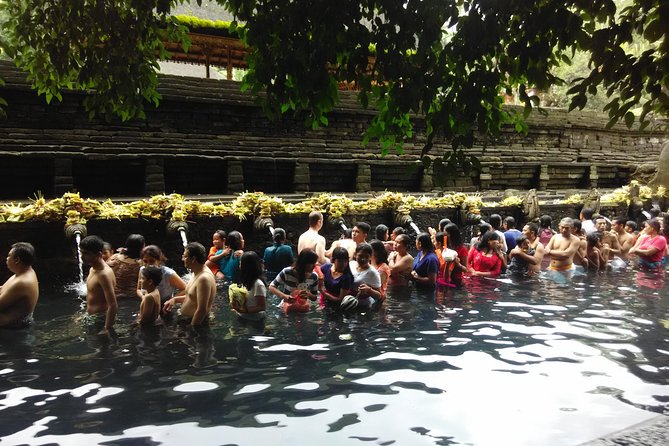
Once the purification portion ends, you’ll change from your wet temple outfit. Then comes a second prayer phase: a thanks-giving prayer to the gods for blessing the ceremony.
A nice extra is that you may be able to take some holy water to your place or home after the ritual. This gives the experience a sense of continuity. It’s not only something you do in the temple; it’s something you can carry forward, even if the real impact is mostly mental and emotional.
The tour then shifts back toward comfort. Lunch comes next, and the schedule keeps you from feeling rushed or dropped back too early.
Lunch and the ride back: how the tour keeps you comfortable
This is one of those tours where lunch isn’t an afterthought. You get an Indonesian lunch, plus bottled water, and the overall day is planned so you finish the ritual and then have time to reset.
If you’re doing this early in your Bali trip, the timing helps. You go from temple intensity to a full meal, then head back to your hotel around 1:00pm. That leaves your afternoon open for something easy: a nap, a spa session, a slow walk, or a casual meal elsewhere.
The vehicle and door-to-door setup are part of the “value” equation too. Paying for transport separately often adds up fast in Bali. Here, the air-conditioned transfer plus pickup/drop is bundled with the day’s main activities.
Price and value: why $65 can feel fair for what’s included
At $65 per person, this isn’t a bargain, but it also doesn’t feel overpriced when you look at what’s included. You’re getting:
- Hotel pickup and drop-off (door-to-door)
- Air-conditioned transport
- Lunch
- Bottled water
- All fees and taxes
- Sarongs for temple and purification
- Ritual offerings
- A maximum group size of 25
- A mobile ticket, which keeps things simple on the day
The biggest value driver is that you’re not just paying to enter a temple. You’re paying for guided ritual support plus the elements that make participation possible (dress changes, offerings, and step-by-step instruction).
Also, this tour tends to book ahead—on average 78 days in advance. That’s a clue it’s a popular way to experience Tirta Empul without having to figure out the details yourself. If you want your preferred pickup time, booking earlier is smart.
Who should book this Tirta Empul purification ritual
This experience fits best if you want a hands-on cultural activity with structure. You’ll probably enjoy it if you like:
- guided steps you can follow without stress
- respectful participation in Balinese Hindu ceremony
- a full morning plan that includes lunch and transportation
It’s also a good choice if you want an experience that feels authentic rather than purely sightseeing, especially because the ritual process includes prayer and offerings, not just access to the water.
There’s one clear hard stop: it’s not possible for women during menstruation, because in Bali you’re not allowed to enter the temple during that time. If that applies to you, don’t plan around it.
Should you book this Bali Purification Ritual at Tirta Empul?
Yes, if you want a structured, guided ritual at one of Bali’s best-known sacred spring sites—and you’re okay with getting wet. The step-by-step guidance (including support from guides like Wayan) plus the included sarongs, offerings, and lunch make it feel like more than a standard temple visit.
Skip or reconsider if you’re not comfortable with being in water for about 1–1.5 hours, or if you know you can’t participate due to the temple rule about menstruation. Also keep weather in mind: this experience requires good weather, and if it’s canceled for poor conditions, you’ll be offered a different date or a full refund.
If you’re looking for a meaningful way to experience Balinese Hindu practice in Ubud without wrestling with details, this is a solid pick.
FAQ
What is the duration of the Bali purification ritual at Tirta Empul?
The tour runs about 5 hours (approx.), including pickup, the ritual, lunch, and the ride back.
Where does the tour take place?
It takes place at Tirta Empul Temple in Bali, with the purification ceremony happening at the temple’s sacred springs.
Is hotel pickup and drop-off included?
Yes. Door-to-door round-trip transfers are included, using an air-conditioned vehicle.
Is lunch included?
Yes. Lunch is included as part of the package.
What should I bring with me?
Bring your changing clothes and a towel, since you will be in the sacred springs and need to change afterward.
Are sarongs or temple clothing provided?
Yes. Sarongs are provided for the temple and for the purification ritual.
Can women participate during menstruation?
No. Women during menstruation are not allowed to enter the temple and cannot participate.
How long do you spend in the purification process?
The purification processing takes about 1 to 1.5 hours.
What if the weather is bad?
This experience requires good weather. If it’s canceled due to poor weather, you’ll be offered a different date or a full refund.
What is the cancellation rule?
You can cancel for a full refund if you cancel at least 24 hours before the experience’s start time. If you cancel less than 24 hours before, the amount paid is not refunded.