Ubud in one efficient day loop. This private tour strings together ARMA Museum of Art and the Sacred Monkey Forest Sanctuary with palace gardens, an art market, and the classic Ceking Tegalalang rice terraces. I like how it mixes art and animals without feeling like a shopping crawl. You’ll also spend most of the day with your own guide and driver, so the stops actually connect.
The trade-off: it’s a long stretch (about 7 to 10 hours) packed with multiple ticketed places, so you’ll want comfortable shoes and a bit of patience for traffic and transitions.
In This Review
- Quick hits before you go
- How the day flows: pickup, private driving, and a smart schedule
- ARMA Museum of Art: more than one style of art in one beautiful building
- Sacred Monkey Forest Sanctuary: temples, trees, and the real charm (and chaos) of monkeys
- Puri Saren Palace and Ubud’s traditional art market: a central base for photos and souvenirs
- Ceking Tegalalang rice terrace: where the viewpoints make the extra drive worth it
- Guides like Yos, Didi, and Adi: the difference between seeing and understanding
- Price and value: what $59 covers (and what you still need)
- Things to plan for: weather, time pressure, and comfort basics
- Should you book this Ubud art, Monkey Forest, and rice terrace tour?
- FAQ
- How long is the Ubud Art, Monkey Forest and Rice Terrace tour?
- Is hotel pickup and drop-off included?
- Are entrance tickets included?
- Is lunch included in the price?
- Is the tour wheelchair and stroller accessible?
- What’s the cancellation policy?
Quick hits before you go
- Private guide + AC pickup: Start at 9:00 am with round-trip hotel pickup and a driver who keeps the day moving.
- ARMA Museum of Art included: Admission is part of the price, with traditional and contemporary works plus Balinese architecture.
- Monkey Forest Sanctuary included: See long-tailed monkeys and three sacred temple sites inside the reserve.
- Ubud Palace + Traditional Art Market: One central area for photography and souvenir time.
- Tegalalang rice terraces included: A dedicated stop for those iconic layered views in Ceking/Tegallalang.
- Good-weather dependent: The tour requires decent conditions, so plan to be flexible if it’s rainy.
How the day flows: pickup, private driving, and a smart schedule
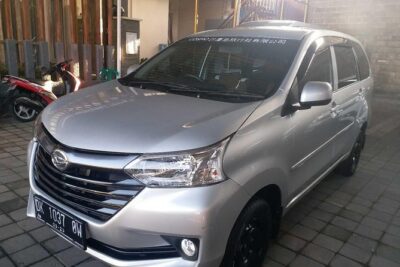
This is a true private driving tour around Ubud, which matters more than it sounds. Instead of catching separate buses or waiting on a group, you get a single car with your own guide/driver, plus bottled water and air-conditioning for the in-between moments. That turns a day with five different sights into something you can actually enjoy, not just survive.
The day starts at 9:00 am, and the listed stops add up to a full long outing. ARMA and Monkey Forest each get about 2 hours, then the palace and the traditional art market get about 1 hour each, and the rice terraces also get about 1 hour. In real life, that extra time comes from travel and pacing, so build your expectations around a full cultural-wildlife circuit.
Two practical notes I’d take seriously:
- Ubud traffic can be slow. Having pickup and drop-off handled saves your energy for the sights that need your attention.
- It’s a weather-dependent experience. If conditions are poor, you may be offered a different date or a full refund, so don’t plan a critical last-minute timeline.
If you’re traveling with a stroller or you need wheelchair access, the tour is listed as wheelchair and stroller accessible. That’s a big deal in Ubud, where some sidewalks can be uneven.
You can also read our reviews of more tours and experiences in Ubud.

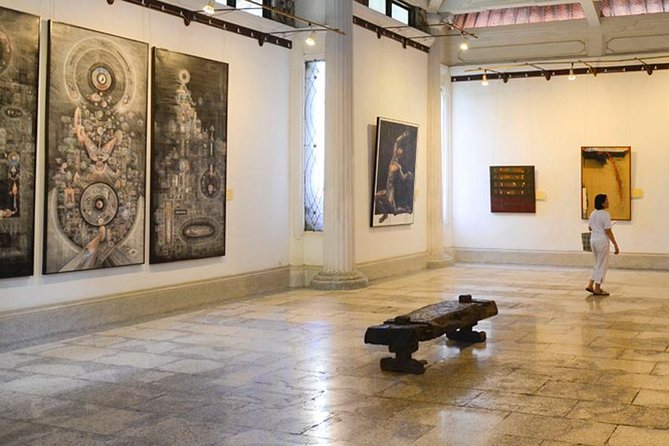
ARMA Museum of Art: more than one style of art in one beautiful building
Your first major stop is the Agung Rai Museum of Art, often called ARMA. What I like about this starting point is the way it sets a cultural tone without requiring you to rush into the busiest parts of town right away.
ARMA focuses on selected artwork collections that mix traditional and contemporary pieces, from artists connected to Ubud as well as international artisans. You’re not just seeing one category of art—you’re seeing the museum’s idea of how Balinese culture can speak through different artistic eras.
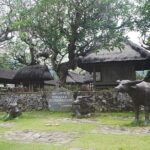
You’ll also notice the setting is part of the experience. ARMA uses Balinese architecture, which helps the whole place feel like more than a box holding artworks. The museum also has cultural workshops mentioned in the tour description, so you might find you get more context than you expected from a typical museum stop.
Time-wise, the tour gives you about 2 hours here, and that feels about right. If you only skim museums, you’ll be done quickly; if you actually read and look, you’ll still have enough time to move on without feeling trapped.
One consideration: museum pacing is personal. If you’re not into art, you might feel 2 hours is long. But even if art isn’t your main interest, ARMA’s architecture and the way the museum frames local vs international works make it worth the time on a first Ubud day.
Sacred Monkey Forest Sanctuary: temples, trees, and the real charm (and chaos) of monkeys
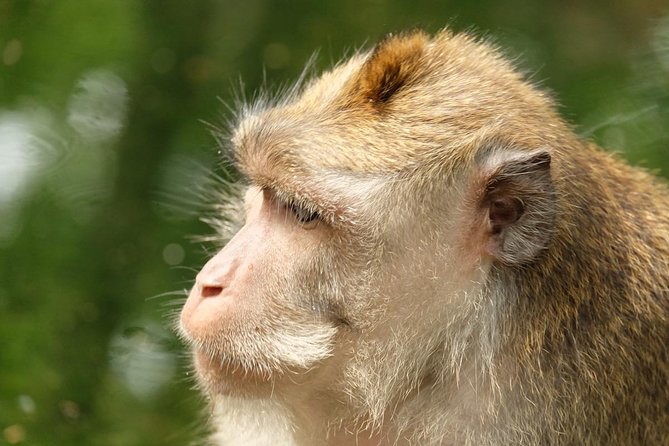
Next up is Sacred Monkey Forest Sanctuary, a nature reserve that’s home to about 600 long-tailed monkeys and 115 species of trees. That blend is what makes this stop more interesting than just a monkey viewing area. You’re walking through a green reserve where the animals share space with tall trees and built-in sacred sites.
Inside the reserve are three sacred Balinese temples. That detail changes the feel of the place. You’re not only looking at wildlife; you’re also seeing how religion and daily Balinese landscape traditions overlap with a sanctuary-like environment.
The time allotment here is about 2 hours, which is useful because it gives you room for the two big variables:
- Monkey behavior can be unpredictable.
- The pace of your visit depends on how often you pause for photos or just watch.
A practical way to enjoy this stop: stay aware of your surroundings and keep your belongings secure. Even “friendly” monkeys are still monkeys. If you get too focused on photos, you can lose track of where they’re moving through walkways and near people.
If you’re sensitive to crowds or you want a calmer experience, this could be a bit much at peak times. But if you enjoy wildlife watching—even with a few surprises—this is one of the most memorable parts of a classic Ubud itinerary.
Puri Saren Palace and Ubud’s traditional art market: a central base for photos and souvenirs
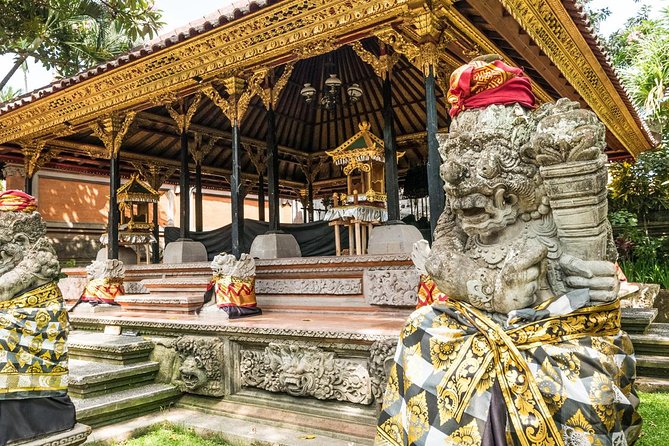
After the reserve, you’ll head into the Ubud city core. The tour stop here is Puri Saren Agung, commonly referred to as Ubud Royal Palace. It’s on Ubud’s main street area and is known for Balinese architecture plus a garden landscape.
I like this pairing with the market because it’s efficient. Palace first gives you that iconic Ubud visual: gates, pavilions, garden views, and places where your camera naturally finds good angles. The palace visit is about 1 hour, which gives you time to see the key views without turning it into a half-day commitment.
Right afterward is the Ubud Traditional Art Market, located in front of the palace. This is the part where you can slow down and browse: handicrafts, paintings, sculptures, and other Bali souvenir signatures. If you want local activity energy—people moving, bargaining, pointing out items—this is where you’ll see it.
One thing to keep realistic: art markets are built for sales. If you hate negotiating, you’ll want to browse first, decide what you like, then commit later. If you’re bargaining, do it politely and keep your offers reasonable, because the charm of a market visit is as much about the interaction as it is about the purchase.
This stop is about 1 hour, so it works well as a “choose a few things” window rather than a deep shopping marathon.
Ceking Tegalalang rice terrace: where the viewpoints make the extra drive worth it
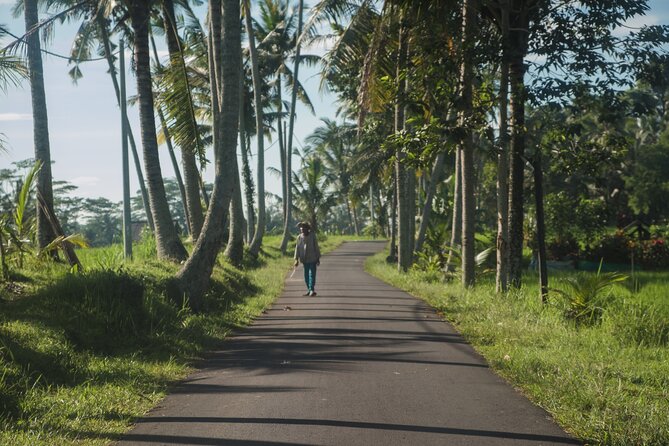
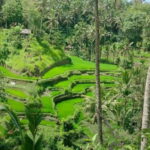
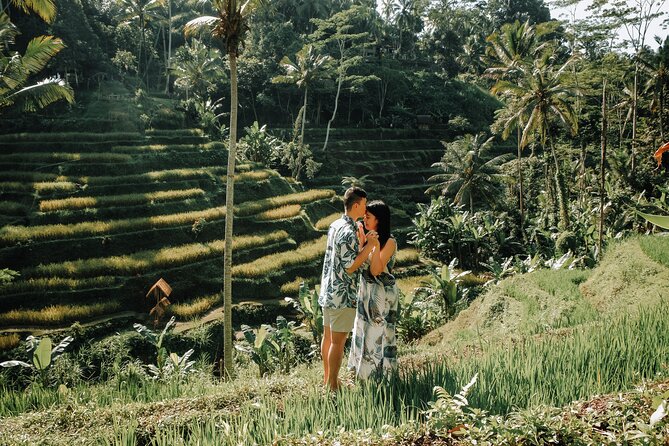
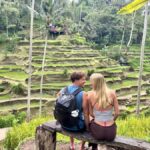
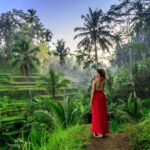
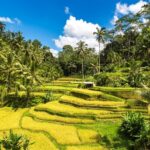
The final destination is Tegalalang Rice Terrace in Ceking Tegallalang. Rice terraces are one of those places where the visuals do the heavy lifting. From the way this stop is positioned in the itinerary, you can expect classic terrace views—layered fields and a landscape that looks made for photography.
This stop gets about 1 hour. That duration is smart. A longer time can mean you end up waiting for the light or repeating viewpoints. A shorter time can feel rushed. At 1 hour, you can usually do both:
- find a few good viewing points
- take a break without needing to plan your entire evening around the terraces
Since your tour includes entrance ticket access for this stop, you won’t be scrambling at the last minute for payment or timing.
My simple advice: wear shoes you can walk in comfortably on uneven ground. Terraces often mean steps, slopes, and paths that feel fine until you add real-world footing.
And because this tour requires good weather, it’s worth remembering that rice terraces look best when skies are at least decent. If clouds roll in, you might still enjoy the shapes and textures, but plan mentally for photos to be less dramatic than the ideal day.

Guides like Yos, Didi, and Adi: the difference between seeing and understanding

A big part of why people rate this kind of private tour highly is the guide. The tour information includes real examples of guide impact, and they follow the same theme: good guides turn a list of stops into a story.
One guide named Yos is described as teaching history and culture, making the day feel more meaningful than just sightseeing. Another guide named Didi is called awesome, and the visit is framed as a great way to make the most of a single full day in Ubud. A third guide named Adi is praised for being nice and for making the day extra fun.
What this means for you as a decision-maker: if your goal is understanding—why these places look the way they do—pick a tour where your guide has room to explain things. In a private setup, you can ask questions on the spot:
- What should I notice first at this museum?
- How did these temples fit into local life?
- What’s the practical story behind the terraces?
Even if you only ask one or two questions per stop, it can change how you remember the day later.
Price and value: what $59 covers (and what you still need)
At $59 per person, this tour is priced like a value package, not a splurge tour. The key reason: the admission tickets and entrance fees are included, along with private transportation, a private guide/driver, bottled water, and hotel pickup/drop-off in an AC vehicle.
In practical terms, that means fewer hidden costs and less time wasted. You’re not juggling ticket lines or paying separately for each attraction. It also reduces the risk of the day slowing down because of paperwork or last-minute payment issues.
What’s not included is lunch. That’s a small drawback, but it’s also normal for tours that pack in multiple stops. Plan either:
- a simple meal break on your own, or
- a lightweight snack you’re comfortable with during transitions
If you compare this to DIY touring, the real win is time and simplicity. DIY can work, but Ubud is a place where route planning and timing can eat your energy. This tour trades your planning effort for a smooth day under one schedule.
Things to plan for: weather, time pressure, and comfort basics
This experience requires good weather. Since at least three major stops are outdoors-heavy (Monkey Forest and terraces especially), you should treat weather as a real factor, not a minor inconvenience. If weather forces a change, the tour info says you’ll be offered a different date or a full refund.
Time is the other factor. Because this is a packed itinerary, you’ll want to set your expectations for pacing:
- 7 to 10 hours total
- back-to-back attractions
- a schedule that leaves limited time for long breaks
Comfort basics go a long way:
- bring water (you do get bottled water, but you’ll still drink more than you think in Bali)
- wear closed-toe shoes for uneven paths
- keep a small bag for essentials you don’t want to juggle around monkeys
If you don’t like the idea of a full-day sprint, you may prefer a shorter tour focused on only one or two highlights. But if you want a complete Ubud snapshot—art, wildlife, culture, and terraces—this plan hits the major themes.
Should you book this Ubud art, Monkey Forest, and rice terrace tour?
I’d book this if you want a private, efficient Ubud day that covers the big-name experiences with tickets handled and transportation taken care of. The strongest reason is the combination: ARMA for culture, Monkey Forest for wildlife and temples, palace and market for Ubud street energy, and Tegalalang rice terraces to close on a visual payoff.
I’d skip or rethink it if you hate long schedules or you want plenty of free time to wander without structure. Also consider the weather requirement—if your trip is tight and rain would break your plans, you’ll want flexibility.
If you’re the kind of traveler who likes to learn as you go, this is one of those itineraries where the guide can make the difference. And with names like Yos, Didi, and Adi showing up in real experiences, it’s a safe bet that you’ll get more than just directions.
FAQ
How long is the Ubud Art, Monkey Forest and Rice Terrace tour?
It runs about 7 to 10 hours, with a 9:00 am start. The main stops include set time blocks at ARMA, Monkey Forest, the palace, the market, and the rice terraces.
Is hotel pickup and drop-off included?
Yes. Round-trip hotel pickup and drop-off are included, and transportation is provided in an AC vehicle.
Are entrance tickets included?
Yes. Entrance tickets and admission fees are included for the listed stops.
Is lunch included in the price?
No. Lunch is not included.
Is the tour wheelchair and stroller accessible?
Yes, the tour is listed as wheelchair and stroller accessible.
What’s the cancellation policy?
You can cancel for free up to 24 hours in advance for a full refund. If weather is poor and the experience is canceled, you’ll be offered a different date or a full refund.