Ubud has a way of turning history into a stroll. This guided walk strings together classic landmarks—starting at Gunung Lebah Temple, then moving through viewpoints, art, and palace courtyards—so the story of Bali feels connected instead of chopped into separate tickets. You’ll cover it at a calm, human pace with a local guide who explains what you’re seeing and why it matters.
Two things I really like: the tour pairs iconic sights with clear context (Hinduism’s arrival, Balinese royal life, and how Dutch colonial influence shows up in local places). I also like the scale: it runs with a maximum of 8 people, so the vibe stays personal and interactive rather than rushed.
One thing to think about: the route includes historic stairs and uneven temple steps, plus steep bits and patchy sidewalks. If you’re not comfortable with that kind of walking for about 3 hours, you may find it tiring.
In This Review
- Key Highlights Worth Booking
- Meeting at Cantina Rooftop and Walking Into Ubud’s Rhythm
- Gunung Lebah Temple: Where the Tour Starts With Hinduism in Bali
- Campuhan Ridge Walk and the Dutch-Era Bridge Story
- Museum Puri Lukisan: Art History You Can Actually Follow
- Ubud Palace Courtyards and Cremation Rituals in Plain Sight
- Puri Kantor: Exclusive Palace Access and Modern Influence
- Guides, Group Size, and the Real Reason This Feels Personal
- Price and Value: Why $28.36 Can Make Sense Here
- Weather, Water, and How to Walk Comfortably for 3 Hours
- Who This Ubud Guided Walk Is Best For
- Should You Book? The Decision Shortcut
- FAQ
- How long is the Ubud guided walking tour?
- What is the price per person?
- Is the tour run with a small group?
- Where does the tour start and where does it end?
- What stops are included in the itinerary?
- What’s included in the ticket price?
- Are meals included?
- Do I need to arrange my own transport to the meeting point?
- What should I do about weather?
- Is the tour wheelchair-friendly or easy on uneven ground?
- Do I need to bring a water bottle?
Key Highlights Worth Booking

- Small group of up to 8 keeps explanations easy to ask and answer
- Gunung Lebah Temple (20 min) with admission included and a clear start to Bali’s story
- Campuhan Ridge Walk connects Ubud scenery with Dutch-era history
- Museum Puri Lukisan (45 min) focuses on the back-and-forth between Balinese and Western artists
- Ubud Palace and cremation rituals (15 min) adds context beyond photos
- Exclusive access at Puri Kantor (20 min) to the prince’s palace and modern influence via Pitamaha Foundation
Meeting at Cantina Rooftop and Walking Into Ubud’s Rhythm
You’ll start at Cantina Rooftop Restaurant (Ubud Sayan area). It’s a useful place to begin because you’re already in the Ubud flow, not stuck figuring out where the tour starts while the day is moving. Expect to gather, meet your guide, then set off on foot right away.
The walk is designed as one linked circuit. That matters because Ubud’s landmarks aren’t all close enough to “wander between” comfortably in the time you have. With a guide, you get the pacing, the route logic, and the explanations you would otherwise miss while darting for photos.
Also note the practical side: the tour does not include pickup or drop-off. You’re responsible for getting yourself to the meeting point, and the walk ends at Puri Kantor. If you’re using public transit, that can still work well since the meeting area is described as near public transportation.
You can also read our reviews of more tours and experiences in Ubud.


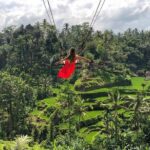
Gunung Lebah Temple: Where the Tour Starts With Hinduism in Bali
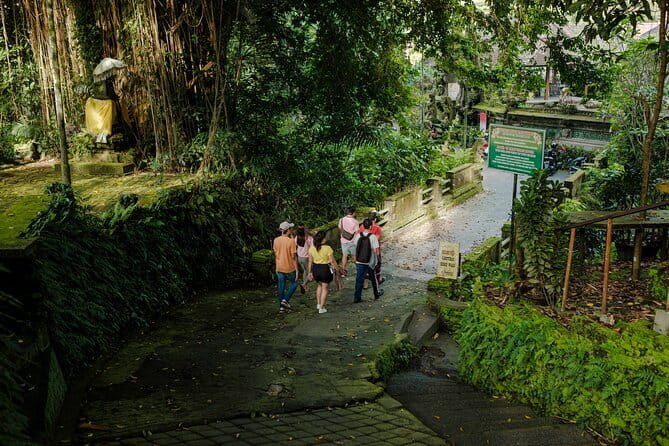
The first stop is Gunung Lebah Temple, for about 20 minutes, with an admission ticket included. You’ll start outside the oldest temple setting and get grounded in the arrival of Hinduism in Bali—then connect that to temple architecture and the way temples function as community spaces.
This is a smart opening stop. Instead of saving cultural context for later, the guide builds a foundation early. When you’re walking from temple to temple afterward, you’re not just seeing stone and gates—you’re listening for how beliefs shape the space.
The main caution here is physical comfort. Temple areas often mean uneven steps and areas where the ground is not flat. Wear shoes you can trust, not sandals that slide on stone.
Campuhan Ridge Walk and the Dutch-Era Bridge Story
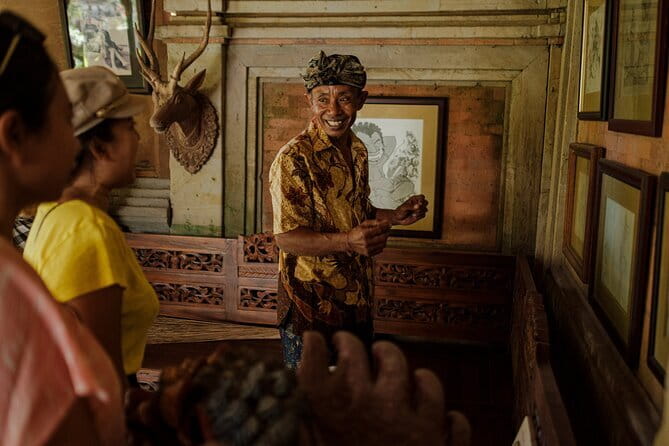
Next up: Campuhan Ridge Walk, roughly 20 minutes. This includes a modest bridge associated with the Dutch colonial era, and the guide uses the setting to talk about the Dutch East India Company’s role in colonization and the wider effects that shaped local life.
Even if you don’t care about colonial dates, the ridge walk helps you “read” the landscape. Ubud’s hills and paths aren’t just pretty—they’re part of how communities moved, traded, and settled over time. A short stop like this keeps the pace moving while still giving you something you can’t get from a random viewpoint pass.
Because this is outdoors, think weather. The tour runs rain or shine. If conditions get severe, the provider will contact you before the start time.
Museum Puri Lukisan: Art History You Can Actually Follow

Stop 3 is Museum Puri Lukisan for about 45 minutes, with admission included. This is Ubud’s oldest art museum, and the focus is on a specific cultural exchange: the collaboration between 20th-century Balinese and Western artists.
I love museum stops on walking tours when they act like an anchor. Here, it does that. The museum helps you connect Ubud’s reputation for art to real interaction rather than vague reputation-building. You come out of it with a clearer sense of why Ubud developed a unique artistic identity.
This is also a good time buffer. If the morning is hot or rainy, an indoor pause can reset your energy. The trade-off is simple: if you only want outdoors and minimal indoor time, this stop may feel heavier than the others.
Ubud Palace Courtyards and Cremation Rituals in Plain Sight

You’ll then reach Ubud Palace, about 15 minutes, again with admission included. The emphasis is on the outer courtyards and what they reveal about historical and modern roles of Balinese royalty. The guide also explains palace architecture and traditional cremation rituals.
This stop is valuable because it fills a gap a lot of photos miss. Palace architecture and ceremonies aren’t just aesthetic—they show how roles, customs, and community responsibilities play out in real life. The outer courtyards also tend to give you a better sense of space and layout without forcing you into an all-day commitment.
The short duration is a plus for most people. You get the context without feeling trapped. Still, keep in mind that palace areas can have steps and uneven surfaces, so the same footwear logic applies.






Puri Kantor: Exclusive Palace Access and Modern Influence
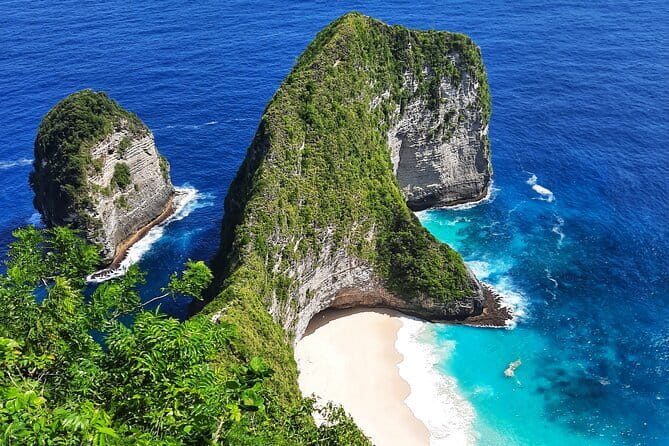
The final stop is Puri Kantor, about 20 minutes. This is the standout access point: you get special access to the palace of Tjokorde Gede Raka Sukawati, the Prince of Ubud, and you’ll hear how he helped shape Ubud into what it is today. The tour also mentions his connection to the Pitamaha Foundation.
This is where the walk turns from sightseeing into something closer to a cultural conversation. Exclusive access matters because it usually means you see more than what’s typically on general public routes. It also fits the tour’s theme: understanding how people, not just places, shaped the city.
One practical note: since this is palace access, there may be moments where movement is restricted or you’ll wait briefly for the group. That’s normal for special-access spaces, and it’s worth it.
The tour ends at Puri Kantor (Jl. Suweta No.1, Ubud, Kecamatan Ubud, Kabupaten Gianyar, Bali 80571). Plan your next activity with the end point in mind, since there’s no included transport to your hotel.
Guides, Group Size, and the Real Reason This Feels Personal
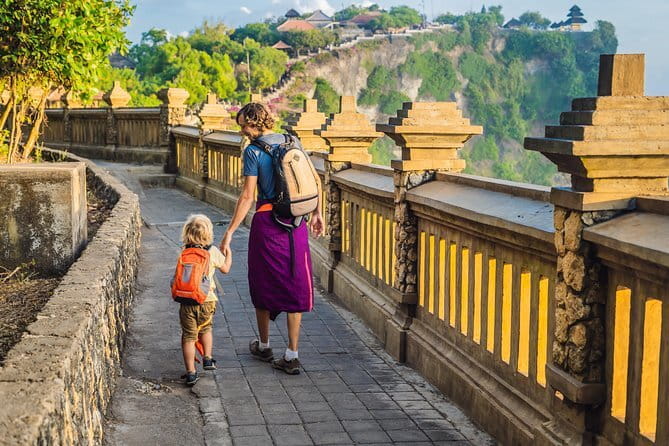
This walk is led by a local English-speaking guide. Indonesian guidance is also available, depending on the run. What really pushes this tour into the high-value category is the guide-to-guest ratio created by the maximum of 8 people.
In the past, I’ve seen names come up like Ira, Windari, Ilia, and Win. Even when guides differ in style, the consistent pattern is the same: the tour doesn’t just list facts. It answers questions and connects sights to story beats you can remember later.
If you like guided tours where you can ask what something means without feeling rushed, this format works. You’re not just following a route—you’re learning how to look.
Price and Value: Why $28.36 Can Make Sense Here
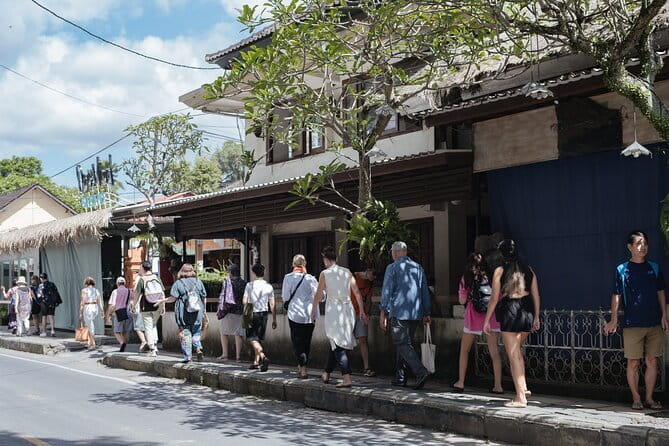
At $28.36 per person for about 3 hours, this isn’t an all-admissions-included mega-deal like you’d see in big museum complexes. But it is priced to cover the core value: a guided circuit plus multiple ticketed sites.
Here’s what you get included:
- Guide and walking tour
- Museum Puri Lukisan entrance ticket (Rp 95,000)
- Admission tickets at Gunung Lebah Temple and Ubud Palace
- Special access at Puri Kantor
- Local discounts
That combination is what makes the math feel fair. If you tried to do this solo, you’d likely spend time figuring out where to go, then pay entry fees on top, and still miss context. This tour packages those costs into a single price and saves your time.
Also, the walking format itself keeps costs down. You’re paying for guidance and access, not a vehicle.
Weather, Water, and How to Walk Comfortably for 3 Hours
The tour operates rain or shine, but severe weather may change timing—if it’s an intense downpour, you’ll be contacted before the start. That matters in Bali because rain can shift quickly.
The provider also flags a specific environmental goal: they want to reduce plastic in Bali’s rivers. Bring a reusable bottle so you can refill water during the experience.
For comfort, I’d plan around the terrain. The tour explicitly notes uneven temple stairs, steep gradients, and patchy sidewalks. You’re walking around an urban environment and historic landmarks for up to about 3 hours, so pack practical footwear and expect uneven ground.
If you’re traveling with limited mobility or you hate stairs, this may not be the right match. If you’re generally comfortable with a few challenging sections, it’s very doable.
Who This Ubud Guided Walk Is Best For
This tour fits best if you want:
- A guided route that ties together temples, art, and palace life
- Explanations that make Ubud’s development feel logical
- A small group experience that doesn’t feel like a conveyor belt
It also suits you if you’re the type who likes learning the “why” behind what you see. The stops are built to answer that: Hinduism’s role in temple culture, colonial-era influence on place names and structures, and the art-world connections that shaped Ubud’s reputation.
On the other hand, if you’re only interested in maximizing pure sightseeing photos and you don’t care about cultural context, you may find the pacing less rewarding. It’s not a speedrun through five locations.
Should You Book? The Decision Shortcut
Book it if you want Ubud to feel understandable fast. The tour’s strength is that it gives you a storyline: beliefs → landscape and colonial influence → art collaboration → royal life and rituals → special palace access with modern impact. At $28.36 with entrances included, it’s also an efficient use of time.
Skip or consider alternatives if you dislike stairs and uneven surfaces. This walk is upfront that the route includes temple steps and gradients.
If you’re comfortable walking for about 3 hours and you like your Ubud with context, this is the kind of tour that helps the rest of your trip make more sense. It also ends at Puri Kantor, so you’ll want to plan your next move from there rather than expecting to hop straight back to your hotel.
FAQ
How long is the Ubud guided walking tour?
It lasts about 3 hours.
What is the price per person?
The price is $28.36 per person.
Is the tour run with a small group?
Yes. The group size has a maximum of 8 travelers.
Where does the tour start and where does it end?
It starts at Cantina Rooftop Restaurant in Ubud Sayan and ends at Puri Kantor on Jl. Suweta No.1, Ubud.
What stops are included in the itinerary?
The tour includes Gunung Lebah Temple, Campuhan Ridge Walk, Museum Puri Lukisan, Ubud Palace, and Puri Kantor.
What’s included in the ticket price?
Included items are the local English-speaking guide, the guided walking tour, Museum Puri Lukisan entrance, admission tickets for listed stops, special access to a Balinese compound, and local discounts. A mobile ticket is also used.
Are meals included?
No. Personal expenses such as food or drink purchased outside the tour are not included.
Do I need to arrange my own transport to the meeting point?
Yes. There’s no pickup or drop-off from your accommodation.
What should I do about weather?
The tour runs rain or shine. If conditions are severe (like an intense downpour), the provider will contact you before the start.
Is the tour wheelchair-friendly or easy on uneven ground?
The tour involves uneven temple stairs, steep gradients, and patchy sidewalks. You should be physically capable of climbing steps and walking around for up to about 3 hours. Service animals are allowed.
Do I need to bring a water bottle?
It’s recommended to bring a reusable bottle for water refills, as part of the environmental commitment to reduce plastic.