Ubud can feel like one long postcard. This day turns it into four different vibes, from Monkey Forest to holy water temple and a real chance to cool off at a waterfall.
Two things I really like: the baby monkey chaos at the Sacred Monkey Forest Sanctuary, and the easygoing nature stop at Ulu Petanu where you can actually swim. The main catch is simple: entry fees and food are not included, so you’ll want a little extra cash ready.
One more consideration: women on their period can’t enter the main part of Tirta Empul, due to religious rules. If that applies to you, you’ll need a plan that respects the temple process.
In This Review
- Key takeaways before you go
- Four Different Ubud Moments, In One Solid Day
- Price and What You’re Really Paying For
- Pickup, Timing, and How the Day Stays Comfortable
- Sacred Monkey Forest: Baby Play, Staff Feeding, and Photo Time
- A practical monkey rule
- Tegalalang Rice Terraces: More Than a Scenic Walk
- What to do for better photos
- Tirta Empul: Watching the Temple Structure and Understanding Purification
- Important rule to know about menstruation
- Ulu Petanu Waterfall: Jungle Views and a Swim-Friendly Stop
- Small reality check
- Coffee Plantation in Ubud: A Short Manual Process With Tasting
- What to Pack So the Day Feels Easy
- Guides Make This Route Feel Smooth
- Who This Tour Is Best For
- Should You Book This Ubud Monkey Forest and Waterfall Tour?
- FAQ
- How long is the tour?
- What’s included in the price?
- What isn’t included?
- Where are pickup and drop-off available?
- Can women enter Tirta Empul during menstruation?
- Is the tour guide available in English?
Key takeaways before you go
- Baby monkey energy: you’ll watch playful young monkeys while staff feed the monkeys three times a day
- Rice terraces with irrigation views: see how water management feeds the terraces, not just the photo spots
- Tirta Empul is a UNESCO-style cultural stop: see the temple layout and learn what purification rituals mean
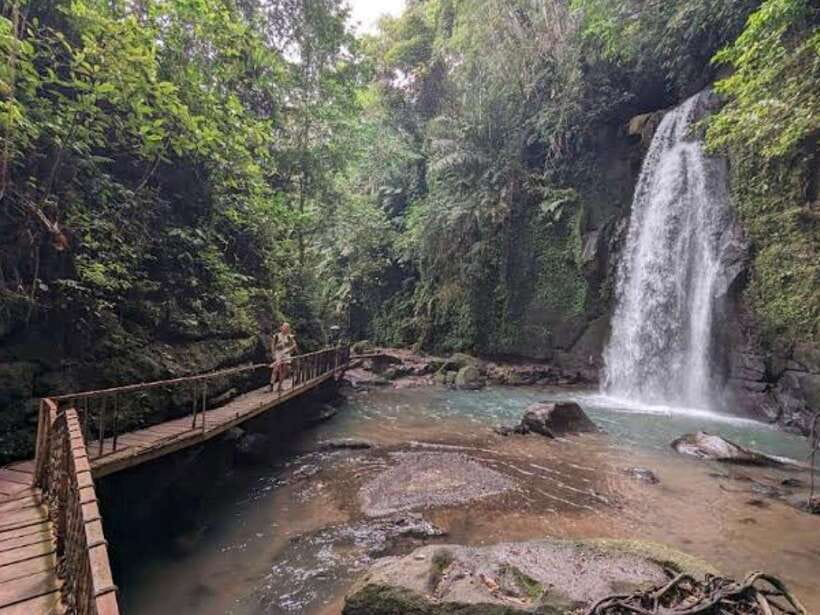
- Ulu Petanu is the swim-friendly waterfall: fewer stairs than many nearby waterfalls, plus lush jungle views
- Coffee plantation stop includes tasting: a short manual process and a chance to try local coffee and tea flavors
- Your guide matters: many guides (like Ngurah, Nyoman, Pande, Bayu, Santanu, Dama, and Restu) are praised for making stops feel smooth and conversational
Four Different Ubud Moments, In One Solid Day
Ubud is the kind of place where you can spend a week and still feel like you only scratched the surface. This tour makes the most of a single day by grouping together the things people come to Ubud for—wildlife, rice terraces, a major Hindu temple, and a waterfall that doesn’t punish you with endless stairs.
What I like about this kind of route is the variety. You’re not just bouncing between viewpoints. You’re switching between living culture (temple rituals), farming life (rice terraces), and nature (waterfall, coconut shade, and jungle greenery).
And because it’s planned as a full day—scheduled around a 9-hour total runtime—you can actually slow down at the stops you care about. If you love photos, you’ll have time. If you care more about explanations, your guide has room to talk without rushing you out.
You can also read our reviews of more tours and experiences in Ubud.


Price and What You’re Really Paying For

At $29 per person, this is one of the more budget-friendly ways to string together multiple big-ticket Ubud sights. The value comes from what’s bundled: private air-conditioned transportation, a driver/guide, parking fees, and bottled water.
The one thing that changes the math: entry fees at each destination and food aren’t included. That’s not unusual in Bali, but it matters. Your total cost will depend on the temple and wildlife/attraction fees once you arrive, plus any meals you choose to buy during the day.
If you’re traveling with a group or you’re done paying for separate half-day tours, this format can save you money and stress. You get one day, one pickup window, and one route built around Ubud’s key highlights.
Pickup, Timing, and How the Day Stays Comfortable
The tour runs for about 9 hours, with starting times that you’ll need to check when you book. Pickup is included, and there are several hotel zones covered—Sanur, Denpasar, Gianyar, Ubud, Kuta, and Canggu are listed among the options.
Plan to be ready in the lobby about 5 minutes before your scheduled pickup time. Ubud traffic can be slow, especially during busier hours, so starting on time helps the day stay balanced.
Also, the transport is private and air-conditioned. That’s a big deal in Bali heat, because several stops involve walking outdoors. A cooled car at the start and between attractions helps you stay comfortable rather than drained.
Sacred Monkey Forest: Baby Play, Staff Feeding, and Photo Time
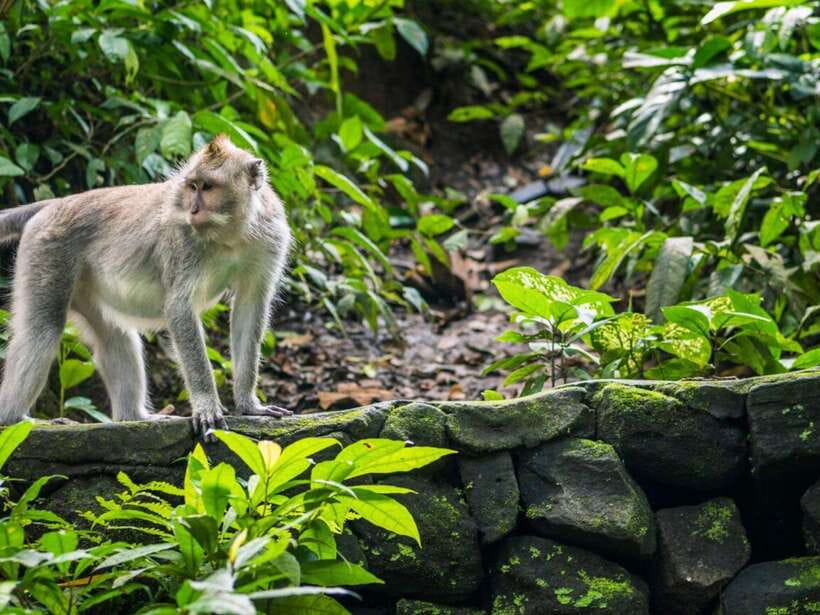
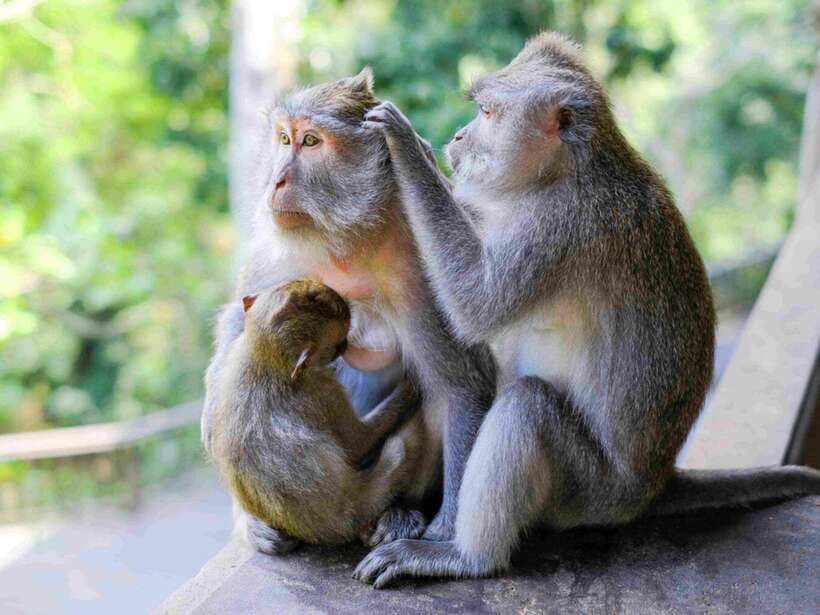
The Sacred Monkey Forest Sanctuary is the wildlife stop that sets the tone for the whole day. You’re looking at monkeys of the species Macaca fascicularis, and the forest has thousands of them.
Here’s what makes it different from a chaotic zoo-style experience: the staff feed the monkeys three times a day. That routine is part of why the monkeys tend to be less frantic around tourists. You’ll still see the usual monkey behavior—jumping, chasing, grabbing attention—but it feels calmer than you might expect.
You’ll spend about 40 minutes to 1 hour here with your guide, walking and sightseeing. And yes, the tour notes that you can take a selfie with the monkeys—something that can feel surprisingly easy when the guide knows how to manage it safely.
A practical monkey rule
Do not treat the monkeys like props. Keep your movements slow and controlled. If one decides to investigate you, don’t panic and don’t sprint. One helpful tip I’d follow from experience-based advice is to keep walking steadily; they usually move along when they realize you’re not a snack or a distraction.


Tegalalang Rice Terraces: More Than a Scenic Walk
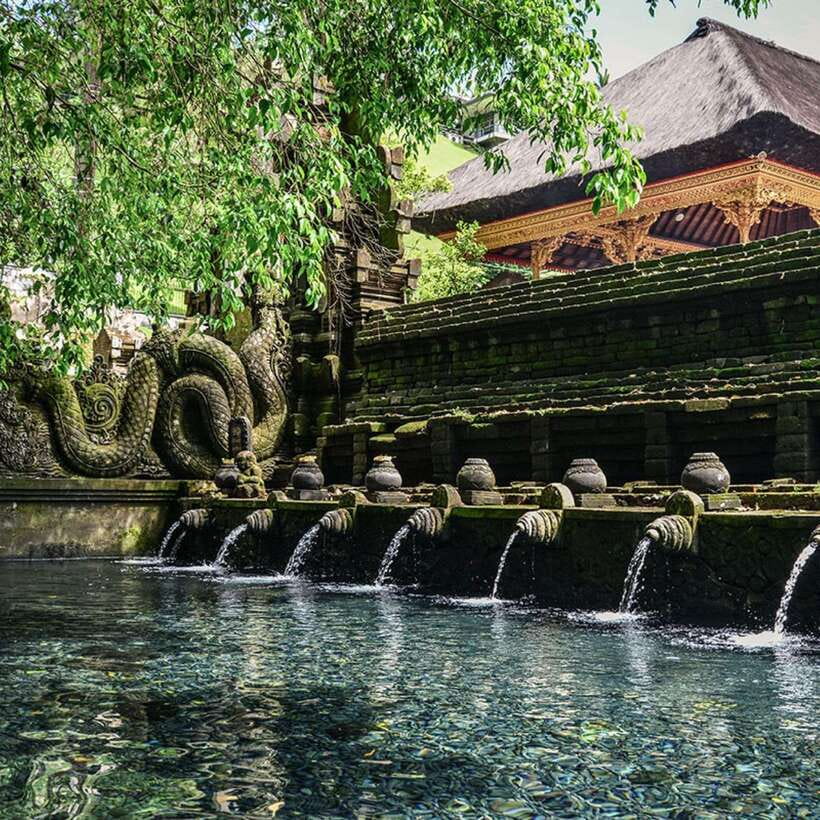
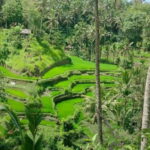
Next comes the Tegalalang Rice Terraces, one of Ubud’s most famous farming landscapes. This is the stop that rewards curiosity, not just a good camera.
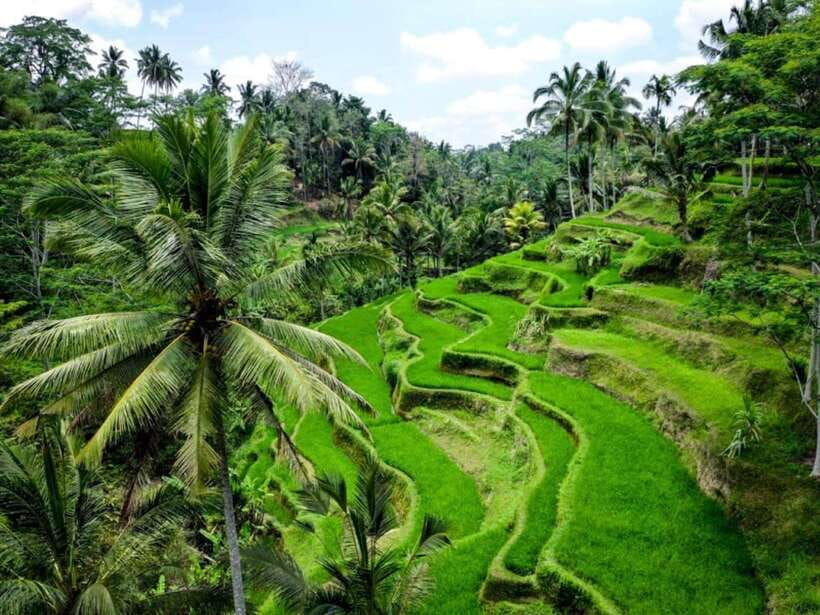
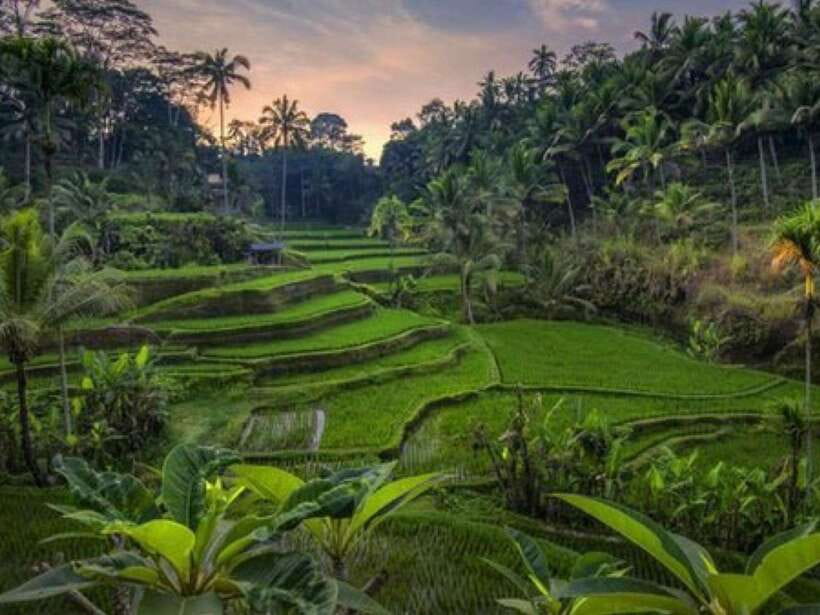
You’ll spend about 40 minutes to 1 hour exploring with your guide. The point isn’t only to admire the neat stacked fields. You also get to see real farming elements: farmers at work, rice plants, and the irrigation water system that helps the terraces keep growing.
That matters, because rice terraces are not just “pretty rows.” They’re a working water-and-land system. Seeing irrigation and learning how the fields are managed gives the terraces context instead of making them feel like background scenery.
The area also has plenty of coconut trees and cooler shade. It makes the walking section easier to enjoy, especially if you’re visiting during a warmer part of the day.
What to do for better photos
Look for photo spots, but also look away from the obvious angles. A good guide can point out where terraces align with natural light and where the water and plants show depth. Even a simple change in where you stand can turn a flat photo into a layered one.
Tirta Empul: Watching the Temple Structure and Understanding Purification
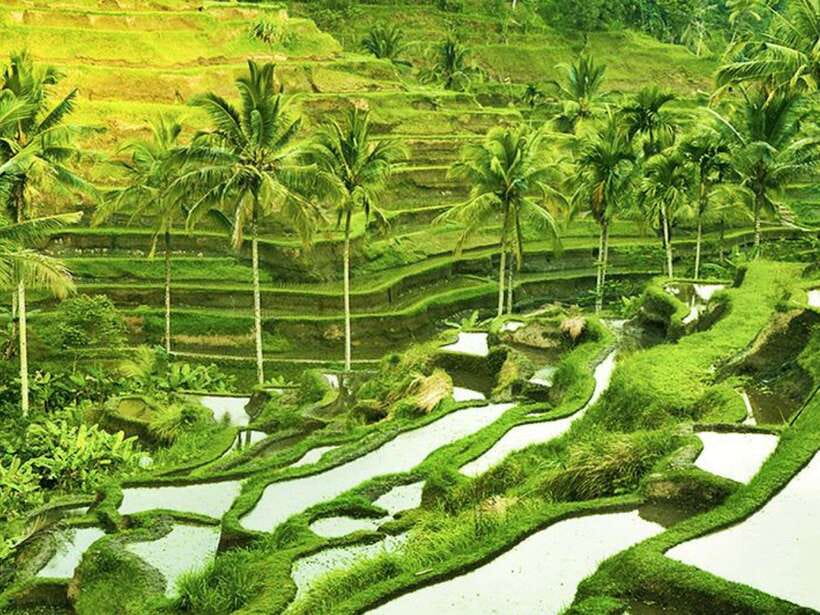
After the rice terraces, you switch from farming life to one of Bali’s most culturally important temple experiences: Pura Tirta Empul (often called the Holy Water Temple). This is described as a UNESCO destination, and it’s popular for good reason.
You’ll spend about 40 minutes to 1 hour at Tirta Empul, walking and sightseeing with your guide. The key cultural idea here is that the temple is used by Balinese Hindus for prayer and rituals. Tourists are welcome, and the experience notes that people can participate in purification/cleansing rituals.
Your guide will explain the temple structure and offer guidance. The purification ritual is optional, which is useful if you prefer to observe and learn rather than jump into the process.
Important rule to know about menstruation
Due to religious reasons, women who are on their period are not allowed entry until the main part of the Tirta Empul Temple. If you’re booking for a mixed group, check in advance so the day stays respectful and smooth.
Ulu Petanu Waterfall: Jungle Views and a Swim-Friendly Stop
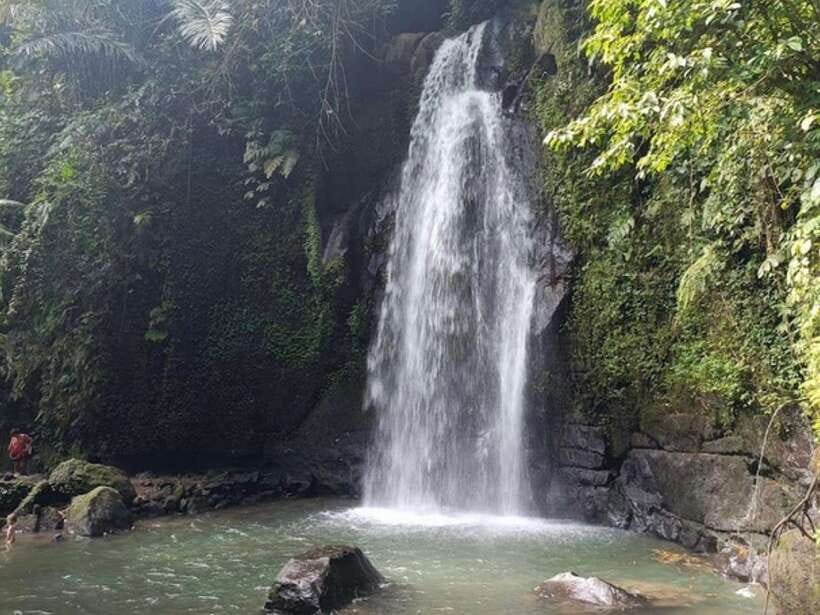
Now you get to exhale. Ulu Petanu Waterfall is described as the most natural waterfall compared to other nearby Ubud options, and what I like in that description is the focus on comfort.
The tour notes that there aren’t too many stairs, so you won’t feel wiped out before you reach the water. You’ll get about 40 minutes to 1 hour here, with a chance to take in lush trees and the cool waterfall environment.
Even better: you can swim. That turns the waterfall from a “look at it, take photos, leave” stop into a real refresh moment. If you’re sweating after rice terraces and monkey forest heat, this is the kind of place that makes the day feel worth it.
Small reality check
Water areas can be slippery. Go slow, watch footing, and follow any on-site guidance. A guide can help with where it feels safest to step in.
Coffee Plantation in Ubud: A Short Manual Process With Tasting
Next up is an easier-paced stop: the Ubud coffee plantation (often paired with tea tasting). You’ll spend around 30 to 45 minutes here.
The experience focuses on how the local coffee is made using a manual process, plus what coffee and tea plantations look like. Then you get to do tasting.
This stop works best for two kinds of travelers:
1) those who like food and small cultural processes
2) those who want a break from more intense walking and climbing
I think it’s a smart pacing choice in a long day. You get to sit, smell, taste, and reset while still getting some local insight.
What to Pack So the Day Feels Easy
This day includes outdoor walking, temple time, a waterfall area, and a monkey forest. You’ll enjoy it more if you prep for those realities.
I’d bring:
- Comfortable walking shoes with grip (you’ll move through uneven paths)
- Sunscreen and a hat or cap
- Swimwear if you want to take advantage of the waterfall swimming option
- A small towel (helpful after swimming)
- Cash or card for entry fees and food (since they’re not included)
- A light dry bag or waterproof pouch if you plan to swim
Also, keep your phone secure around monkeys. The selfie part is fun, but monkeys love attention, movement, and easy-to-snatch items.
Guides Make This Route Feel Smooth
This tour puts a lot of famous sights into one day, and that’s where a good guide becomes the difference between “busy” and “enjoyable.”
Many guides associated with this experience—like Ngurah, Nyoman, Pande, Bayu, Santanu, Dama, and Restu—are praised for being punctual, communicating clearly, and helping with photos, including for solo travelers. That matters because you’ll spend real time walking, and you want someone to help you get your bearings fast.
You’ll also hear explanations at the temple and rice terraces. When the guide connects what you’re seeing to the cultural or farming meaning, the stops feel less like checkboxes.
Who This Tour Is Best For
This day tour fits well if you want an all-in-one Ubud hit:
- You’re new to Bali and want a balanced mix of wildlife + culture + nature
- You like guided walking with photo opportunities
- You want an easy way to see Ubud without planning multiple transport legs yourself
- You’re comfortable with short stops that still feel complete (roughly 30–60 minutes each)
It’s also a good choice for families with kids, as long as everyone can handle monkey forest walking and the stairs/wet area at the waterfall.
If you want a slow, deep cultural day with fewer places and longer stays, you might find this schedule slightly packed. But if you’re optimizing for a first-time Ubud visit, it’s a strong match.
Should You Book This Ubud Monkey Forest and Waterfall Tour?
If your goal is a classic Ubud day—monkeys, terraces, a major temple, and a waterfall swim—this is a smart booking. The $29 price is attractive because it includes private air-conditioned transport, a guide/driver, parking, and bottled water. You’re paying for convenience and a connected route, not just for access to a single attraction.
Book it if:
- you want multiple highlights without doing logistics yourself
- you care about learning what temple structure and rituals mean
- you’ll take the waterfall swim option seriously
- you’re ready to add budget for entry fees and food
Skip or adjust if:
- you (or a group member) needs special accommodations for Tirta Empul’s menstruation restriction
- you dislike monkeys and the idea of a selfie/close interaction makes you uneasy
Overall, this is the kind of day that lets you leave Ubud with more than photos. You’ll have scenes: monkey play, irrigation life, temple ritual space, and a cool waterfall break that actually cools you down.
FAQ
How long is the tour?
The total duration is listed as 9 hours. Starting times vary, so you’ll need to check availability for the specific slot you choose. Individual stops are typically 30 to 60 minutes each.
What’s included in the price?
The tour includes hotel pickup and drop-off (if the private option is selected), private air-conditioned transportation, a driver/guide, parking fees, and bottled water.
What isn’t included?
Entry fees for the destinations and food are not included. You can purchase food during the day.
Where are pickup and drop-off available?
Pickup is offered from multiple Bali areas including Bali, Sanur, Denpasar, Gianyar, Ubud, Kuta, and Canggu. Drop-off is offered in Ubud, Denpasar, Kuta, Canggu, Gianyar, Sanur, and Bali.
Can women enter Tirta Empul during menstruation?
No. Due to religious reasons, women on their period are not allowed entry until the main part of Tirta Empul Temple.
Is the tour guide available in English?
Yes. The tour includes a live tour guide in English.