Holy water and shaman healing in Ubud. This private tour pairs Mengening Temple melukat purification with a traditional healing session in the Batuan area, then layers in Balinese culture through silver craft and temple architecture. It’s also one of those tours where the guide matters a lot: I saw the names Jana, Made Sutama, De Putro, and Edy come up again and again for being warm, organized, and good at explaining what you’re seeing.
My favorite part is that the day doesn’t feel like a checklist. Instead, you get a spiritual start, a body-focused healing component, and then a gentler tour rhythm with Celuk silver work, Batuan Temple, Tegalalang rice terraces, and a coffee break. The one possible drawback: the schedule can feel full, and Ubud traffic can make the day feel rushed if you’re sensitive to timing—one past guest noted a late start plus too many stops in a tight window.
In This Review
- Key things that make this tour worth your time
- Why this Ubud healing-and-culture day feels personal
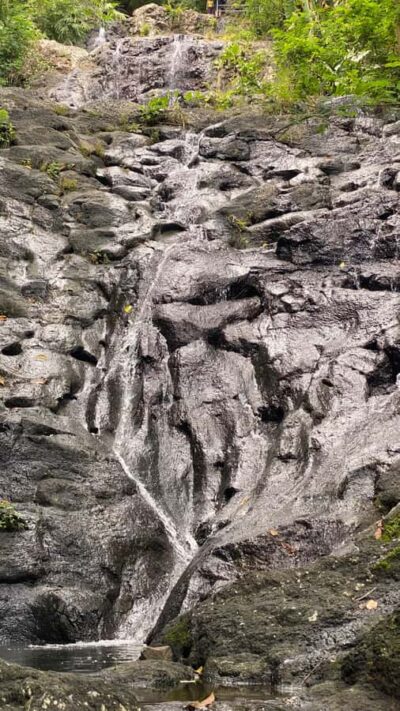
- Mengening Temple melukat: holy water purification basics
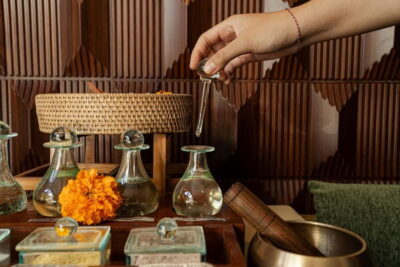
- Shaman healing in Batuan: massage plus a holy room
- Celuk silver village: a craft stop that’s not just window-shopping
- Batuan Temple: Balinese architecture you can spot immediately
- Tegalalang rice terraces: the viewpoint break that resets the mood
- Coffee and tea at Lumbung Sari Agroo
- Lunch at Tebasari: downtime with a jungle-view setting
- Price and value: what $74 really buys you in Ubud
- Timing, traffic, and when the schedule can feel tight
- What to pack so you’re comfortable in temples and healing
- Who should book this, and who might want a different kind of day
- Should you book this Ubud healing-and-purification tour?
- FAQ
- What time does the tour start?
- How long does the tour take?
- Is this tour private?
- Is pickup from my hotel included?
- What’s included in the price?
- Do I need to buy temple or admission tickets?
- What should I bring for the temple purification?
- Does the tour run in bad weather?
- Is there a cancellation option if my plans change?
Key things that make this tour worth your time

- Mengening Temple melukat with sarong provided and time built in for the ritual
- Shaman healing in Batuan starting with body massage (legs/toes/back/head/stomach) and continuing in a holy room
- Craft and temple variety: Celuk silver making, Batuan Temple, plus Tegalalang viewpoints
- A guide who explains: names like Jana, Made Sutama, and De Putro show up for a reason
- Private setup: hotel pickup/return in an air-conditioned car and your own group pacing
Why this Ubud healing-and-culture day feels personal
This is a private tour, so you’re not stuck following a big herd. That matters on days like this, because melukat and healing rituals run on their own tempo—you want flexibility to slow down, ask questions, and sit with what’s happening.
The other thing I like is how the day has layers. You start with self-cleansing at a temple, then move into healing with a shaman approach, and only after that do you shift into the more typical sightseeing flow. If you’re drawn to culture beyond temples-at-sunset photos, that order helps everything connect.
In the guides’ stories from previous guests, you’ll notice a pattern: people liked the way the guide handled them. Jana, Made Sutama, De Putro, and Edy are specifically named for being attentive and sharing context, which is exactly what you want when part of the day is spiritual and physical at the same time.
You can also read our reviews of more tours and experiences in Ubud.


Mengening Temple melukat: holy water purification basics
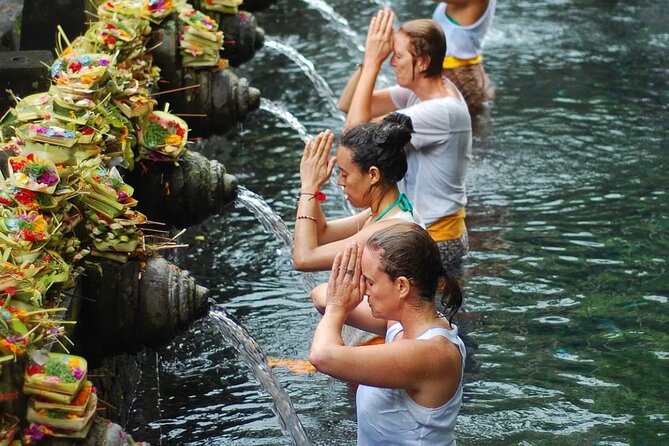
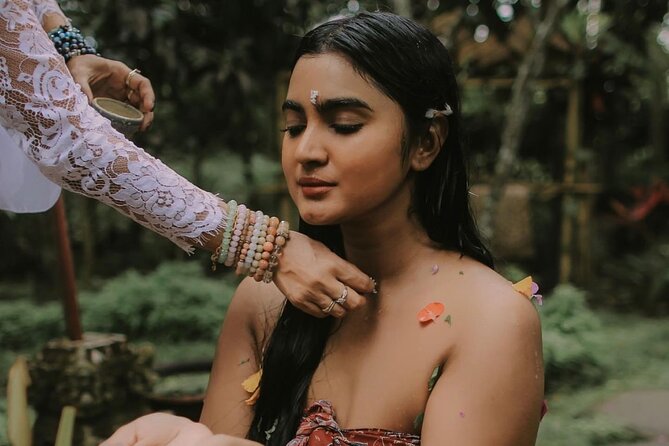
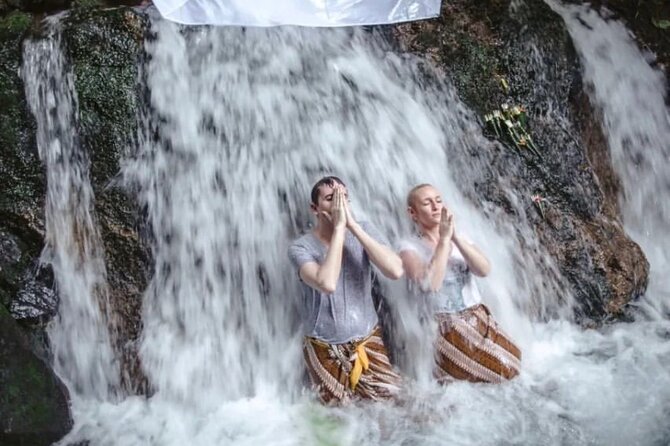
Your first stop is Mengening Temple for melukat, described as spiritual self-cleansing in holy water. The tour includes admission, and the stop is scheduled for about 1 hour, which is long enough to take it seriously without turning into a half-day commitment.
A few practical notes help you get ready:
- You’ll have a sarong provided for visiting the healer and the temple.
- You should bring extra clothes and towels for the water purification part, because you’ll likely end up wet.
- The experience is presented as a way to refresh your mind and reduce stress, tied to the belief that holy water can remove negative energy from the body.
One thing to keep in mind: melukat is not the same vibe as a sightseeing stop. It’s quieter, more deliberate, and you’ll get more out of it if you treat it like a ritual moment rather than a performance. If you’re hoping for that calm, more personal feeling, this is the part of the day where you’ll notice it most.
Shaman healing in Batuan: massage plus a holy room
After the temple, you head to the healer in the Batuan village area. This part is billed as Balinese healing, with the process explained in two main stages.
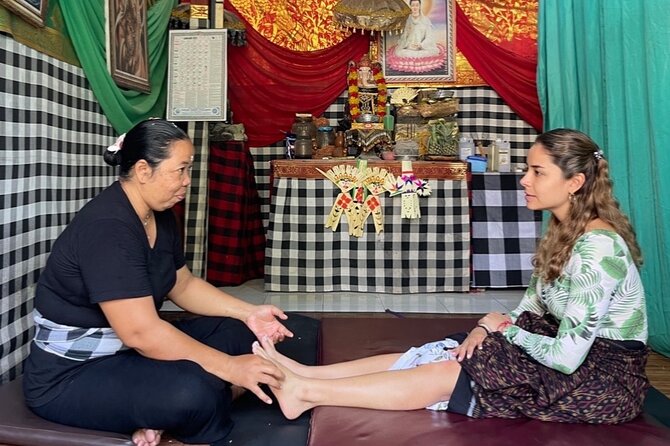
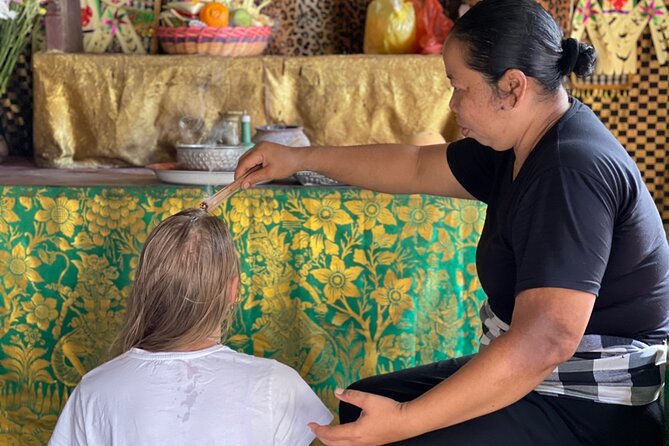
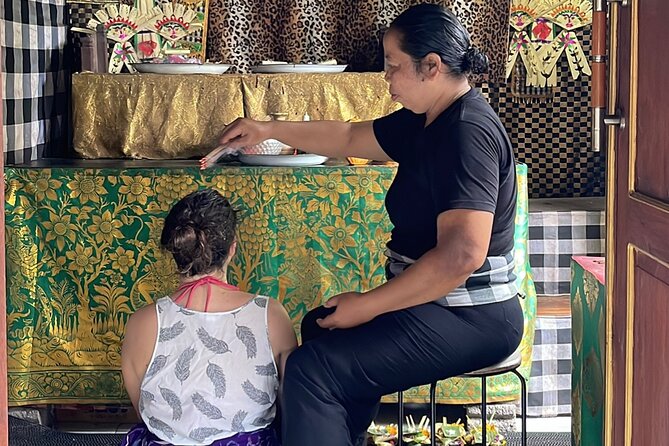
First, the healing begins with massage targeting important parts of the body: legs, toes, back, head, and stomach. The tour description links this to improving blood circulation and helping treat certain illnesses. That might sound clinical, but in this context it’s done through a traditional body-and-spirit approach.
Second, the session continues in a holy room. In some reports from guests, this included a prayer setting with smoke and palm oil applied over the hand and head. Even if details vary by healer and session, the “temple-like prayer room” feel is the key takeaway: you’re moving from physical touch into a more spiritual focus.
How should you prepare mentally and physically?
- Go in expecting light massage rather than intense sports therapy, but still take it seriously.
- If you’re not sure what will happen next, rely on your guide to translate and guide you through the flow.
- If you have any sensitivities (touch, smell from incense/smoke, getting wet earlier in the day), you’ll feel better if you communicate calmly before the session starts.
This is also the part guests often call memorable or magical. Part of that is the setting. Part of it is that your guide usually stays close enough to help you feel grounded when the ritual gets personal.
Celuk silver village: a craft stop that’s not just window-shopping
Next up is Celuk Village, known as the center of silver craft in Bali. Your stop here is about 30 minutes, and admission is included.
This is the kind of place where you can actually watch the process of silver jewelry being made manually. The tour framing isn’t just shopping—it’s seeing the steps and the work behind the pieces, plus time to look at samples or a gallery.
For value, this stop does something important: it breaks the day into “active seeing” without being tiring. After temple and healing, you might appreciate a craft environment where the rules are simpler and you can browse at your own pace while still learning something real.
Batuan Temple: Balinese architecture you can spot immediately
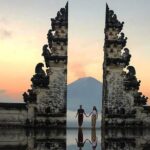
Then you move on to Batuan Temple, scheduled for about 1 hour with admission included. This temple is described as part of Tri Kahyangan, and it’s noted for Balinese architectural features like split gates and stone details.
Batuan Temple is also framed as one of the popular village temples. The reason that matters for your experience: popular doesn’t always mean crowded, but it does usually mean you’ll get a better “why it matters” explanation from your guide, because it’s a meaningful example of local temple design.
If you like architecture more than big museum energy, this stop hits a sweet spot. You get a temple setting, you get recognizable Balinese elements, and you’re not asked to rush through it.





Tegalalang rice terraces: the viewpoint break that resets the mood
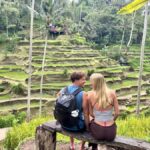
By the time you arrive at Tegalalang Rice Terrace, you’re back in scenery mode. The tour includes a stop of about 1 hour, with admission included.
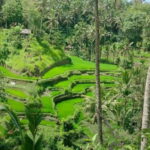
Tegallalang is set in a valley, with terraces and surrounding greenery visible from lookouts. In practical terms, this is your “reset” stop: after spiritual cleansing and healing, your brain needs a visual breath.
Two tips so this part feels good instead of chaotic:
- Wear comfortable footwear. Even if the route is short, terraces often mean uneven ground.
- Keep an eye on weather. The tour notes that it requires good weather, and if visibility is poor, the viewpoint part can feel less rewarding.
Coffee and tea at Lumbung Sari Agroo
Between temples and terraces, you’ll stop at Lumbung Sari Agroo for a coffee and tea break. The scheduled time is about 30 minutes, and admission is included.
This is one of those small stops that can be genuinely useful on a long day. You get a break from movement, you refuel, and you slow down before the last stretch. If you’re trying to make the day feel less exhausting, this is the stop that helps.
Lunch at Tebasari: downtime with a jungle-view setting
Next is a lunch break at Tebasari Resto, Bar & Lounge. The stop is about 1 hour, and lunch is included in the tour package.
The setting is described as a local Balinese warung style with a natural jungle view. Translation: you get food plus a breather, not just a quick meal on the run.
Even though the day is planned around major stops, the lunch time is where you can genuinely reset. If you’re the type who gets overstimulated by nonstop movement, treat lunch like your decompression block.
Price and value: what $74 really buys you in Ubud
At $74 per person, the big value here isn’t just the activities. It’s the logistics and the “all-in” approach.
You’re getting:
- Private hotel pickup and return in an air-conditioned car
- An English-speaking driver/guide
- Admission tickets and fees/taxes included for each stop
- Mineral water and lunch
- A sarong for the temple and healer visit
For many people, this matters because Bali traffic and distance can eat up a full day fast. A private car with pickups smooths out the heavy lifting. You’re not spending time figuring out routes or dealing with multiple separate tickets.
You might also notice a nice trade-off: you’re paying for convenience and explanation, not just “getting to places.” If you want your day organized and meaningful—especially for the spiritual parts—that cost can feel fair.
The tour also offers group discounts, but it’s still a private setup for your party, so you shouldn’t feel lumped into a crowd.
Timing, traffic, and when the schedule can feel tight
Start time is 8:00 am. The total duration is listed as 1 to 8 hours (approx.), which basically tells you to plan for a flexible day length.
In theory, the stops are spread out. In real life, Ubud traffic happens. One past guest specifically mentioned stress from a late arrival plus a packed program, saying they felt rushed.
So here’s my practical advice: if you hate uncertainty, build in flexibility. If you’re okay with that, the private nature of the tour will usually help you smooth things out on the ground because your guide can often manage pacing inside your schedule.
Also, the tour requires good weather. If conditions are poor and it’s canceled, you’ll be offered another date or a full refund.
What to pack so you’re comfortable in temples and healing
This is one of those tours where what you bring affects how calm the day feels.
Bring:
- Extra clothes and towels for water purification at the temple
- Anything you need to stay comfortable after you’ve gotten wet earlier in the morning
You’ll already have:
- A sarong provided for visiting the temple and healer
- Mineral water included, plus lunch during the day
If you’re going for comfort, add:
- Comfortable walking shoes
- A light layer if you get chilled after being in and out of different indoor/outdoor spaces
Who should book this, and who might want a different kind of day
You’ll likely love this tour if you:
- Want a spiritual and cultural day rather than only scenic photo stops
- Are curious about Balinese traditions and how people practice self-cleansing and healing
- Appreciate a guide who can explain what you’re seeing and help you feel at ease
You might want to think twice if you:
- Don’t feel comfortable with ritual touch or getting wet during purification
- Prefer a purely sightseeing-style schedule with minimal spiritual elements
The tour notes that most travelers can participate, but that doesn’t remove personal preference. If your body and comfort are your top priority, ask yourself honestly what you’re comfortable experiencing before booking.
Should you book this Ubud healing-and-purification tour?
If you want a day that feels more personal than a typical Ubud sightseeing loop, I think this tour is a strong candidate. The mix is unusual in a good way: melukat self-cleansing at Mengening Temple, healing in Batuan, and then craft and temple stops that keep the cultural theme going.
Here’s the decision shortcut I’d use:
- Book it if you want meaning, guided context, and a structured private day with temple and healing included.
- Consider another option if you’re sensitive to schedule pressure, dislike wet rituals, or want only mainstream sights.
With guides named like Jana, Made Sutama, De Putro, Edy, and others popping up in past feedback, the “guide quality” factor seems to be part of the value, not an accident. For many people, that turns a spiritual practice into something you can understand, respect, and actually enjoy.
FAQ
What time does the tour start?
The tour starts at 8:00 am.
How long does the tour take?
It’s listed as 1 to 8 hours (approx.), depending on how the day runs with your pace and the planned stops.
Is this tour private?
Yes. It’s private, and only your group participates.
Is pickup from my hotel included?
Yes. Private hotel pickup and return are included, using an air-conditioned car.
What’s included in the price?
The tour includes mineral water and lunch, private pickup/return, all fees and taxes, sarong clothing for the temple/healer visit, and an English-speaking driver/guide. Admission tickets for the stops are also included.
Do I need to buy temple or admission tickets?
No. Admission tickets are included for the scheduled stops.
What should I bring for the temple purification?
Bring extra clothes and towels for water purification in the temple.
Does the tour run in bad weather?
The experience requires good weather. If it’s canceled due to poor weather, you’ll be offered a different date or a full refund.
Is there a cancellation option if my plans change?
Yes, you can cancel for free up to 24 hours in advance for a full refund. If you cancel less than 24 hours before the start time, the amount paid is not refunded.