Coconut oil starts with a market walk. In Ubud, this 4-hour workshop links a traditional market visit to a family-style cooking session, where you learn virgin coconut oil and Balinese green curry from start to finish. I love how practical it feels, because you’re buying real ingredients first, then cooking them yourself. I also love the cultural context you get along the way, with guides such as Kar and Sanaa sharing what coconuts mean in daily Balinese life.
One possible drawback: this class uses lots of herbs, spices, and coconut oil, and it can be strong-smelling if you’re sensitive.
In This Review
- Key Things I’d Prioritize in This Ubud Class
- Ubud Market to Home Kitchen: The Real Pace of a 4-Hour Workshop
- Walking Through a Traditional Bali Market for Your Green Curry Ingredients
- Virgin Coconut Oil in Plain Language: Coconuts, Hot Process, and Why It Matters
- Balinese Green Curry Cooking: Chopping, Grinding, and Getting the Aroma Right
- The Included Meal and the Take-Home That Feels Like Value
- Add-Ons That Fit How You Want to Spend the Rest of Your Day
- Price and Value: Is $36 Worth It in Ubud?
- Who Should Book This Coconut Oil and Green Curry Class (and Who Should Skip It)
- Should You Book This Ubud Virgin Coconut Oil and Green Curry Class?
- FAQ
- How long is the Ubud virgin coconut oil and green curry experience?
- What’s included in the price?
- Is the class taught in English?
- Do I need to bring cash?
- What should I bring for the tour?
- Is this class hands-on or watch-only?
- Does the class accommodate allergies or dietary restrictions?
- Is it suitable for wheelchair users or mobility impairments?
Key Things I’d Prioritize in This Ubud Class
- Market-first shopping: you choose the ingredients you’ll actually cook with
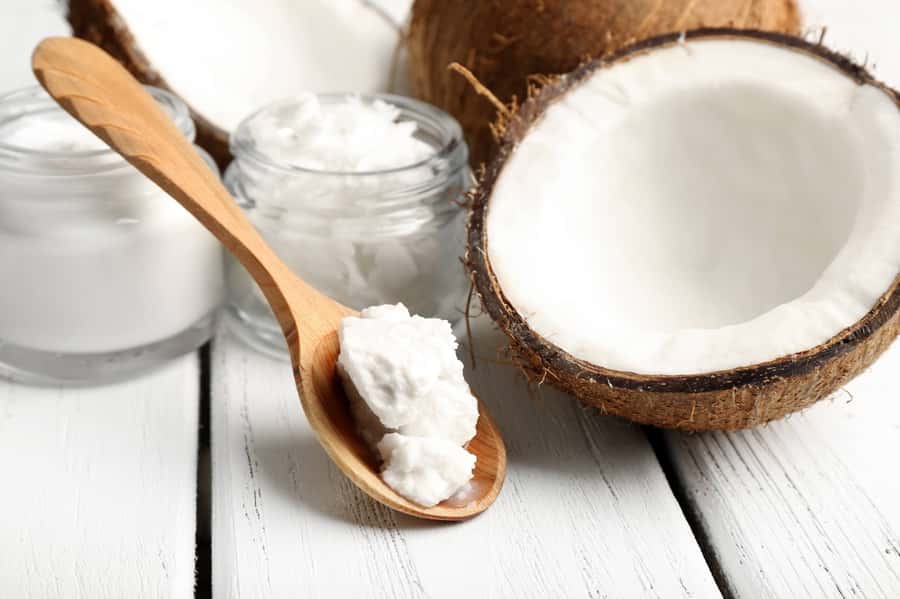
- Hands-on virgin coconut oil steps: you learn the hot-process basics, not just watch
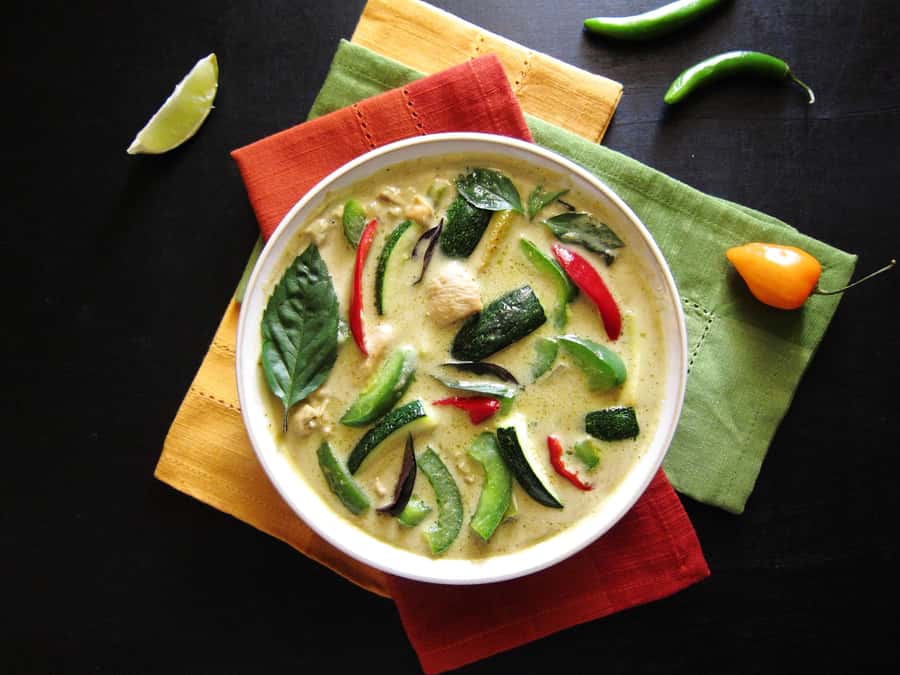
- Real Balinese green curry method: you grind, chop, mix, and taste what you make
- Family home energy: you cook inside a local chef’s house for a more authentic feel
- Take-home payoff: you end up with what you made (not just a recipe)
- Add-on flexibility: coffee tasting and traditional massage are common upgrades, depending on options
Ubud Market to Home Kitchen: The Real Pace of a 4-Hour Workshop
This is one of those Ubud experiences that feels “small” in a good way: you start with local food shopping, then you shift into a home kitchen where the focus is cooking technique. The time window is about 4 hours, which means you don’t lose your day to long transfers—but you also get enough time to learn, cook, and eat what you made.
Hotel pickup is included, but only for hotels in the Ubud area. You’ll also be walking during the market portion, often along narrow or uneven paths, so comfortable shoes aren’t optional—they’re smart.
What makes this work for many people is the balance: you’re learning two things (virgin coconut oil and green curry), yet the flow stays relaxed and informal. English-speaking instruction is part of the package, and you’ll get step-by-step guidance while you handle herbs, spices, and raw ingredients.
You can also read our reviews of more tours and experiences in Bali.



Walking Through a Traditional Bali Market for Your Green Curry Ingredients
The market stop isn’t just a photo break. It’s where you learn how Balinese cooking starts: with fresh produce and the specific ingredients used for flavor depth. You’ll see stalls, get explanations along the way, and learn how different items fit into the dishes you’re making later.
This is also where the day becomes more personal. Instead of memorizing a list of ingredients back at home, you connect the spice, herb, and produce you saw to the smell and taste you’ll make in a few hours. That connection matters if you want to recreate the curry later.
Practical notes for your visit:
- Wear shoes you can walk in comfortably on irregular surfaces.
- Bring cash, since some vendors may not take cards.
- If you have allergies or dietary restrictions, tell your instructor before the class begins. You’ll be working with herbs and spices, so clarity early helps a lot.
Virgin Coconut Oil in Plain Language: Coconuts, Hot Process, and Why It Matters
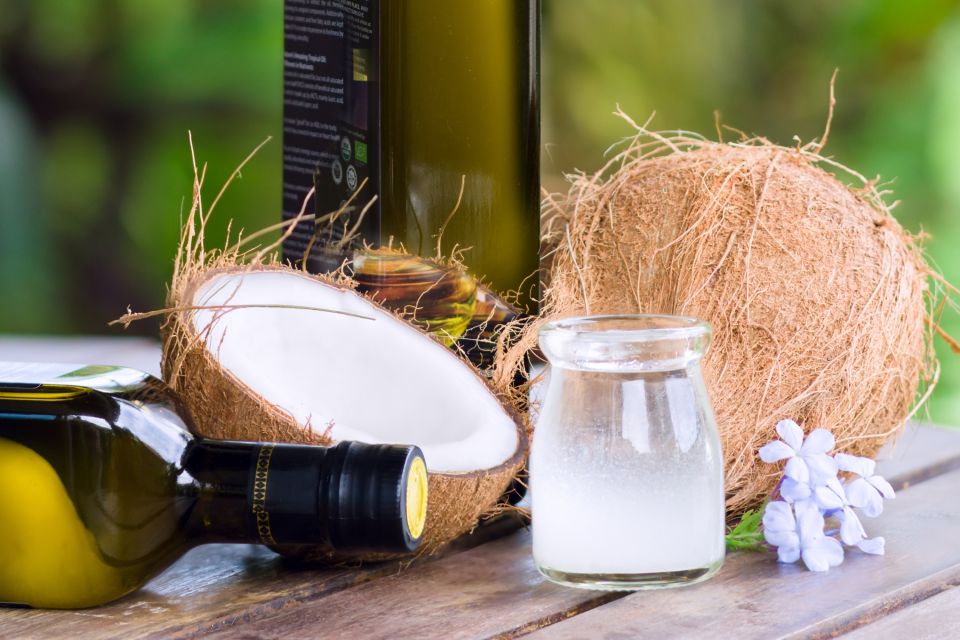
Virgin coconut oil is the star of the first half of the lesson, and you’ll learn it as a process—starting with the coconut itself. You’ll hear about types of coconuts grown in Bali and how coconuts are used in Balinese daily life, not just as an ingredient but as part of everyday culture.
Then comes the part you can’t fake: making virgin coconut oil involves heating and working with hot oil. You’re not just tasting at the end; you’ll follow the safety instructions from your guide and participate in the work as the steps unfold.
A few things to keep in mind before you go:
- This isn’t a “watch and relax” class. It’s hands-on, and you should expect heat, steam, and strong coconut/spice aromas.
- If strong smells make you feel uncomfortable, be cautious. The class uses natural, locally sourced ingredients with no MSG, and that emphasis on fresh, raw aromatics means your senses notice everything.
For me, the value here is that you learn the logic of the method: what happens as the coconut is processed and why it results in virgin coconut oil. That’s useful even if you never become a full-on coconut-oil hobbyist—you’ll understand what you’re buying back home and what makes it different.
Balinese Green Curry Cooking: Chopping, Grinding, and Getting the Aroma Right
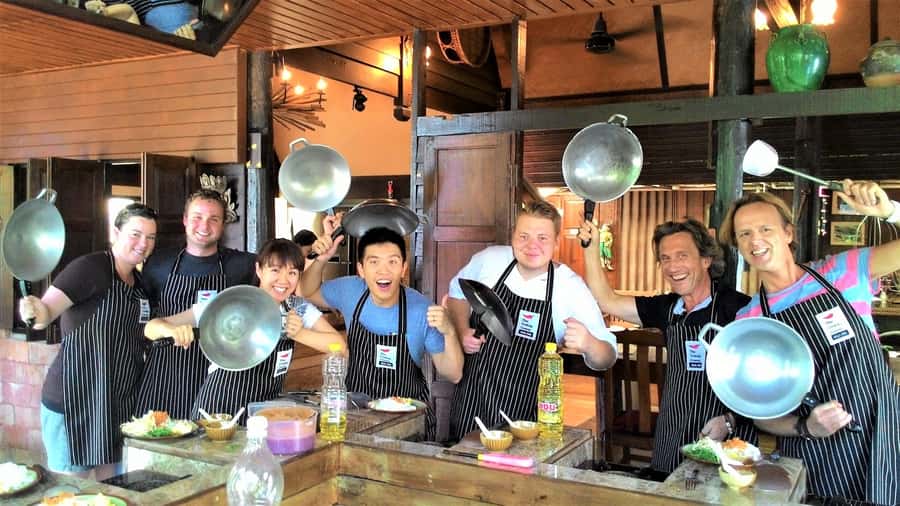
After the oil part, you switch to cooking Balinese-style green curry. This is where most people feel the “hands-on” part clearly: you chop, grind, cook, and mix until the curry comes together.
The class structure is built around step-by-step coaching. Some guides—like Kar and Sanaa from past participants—are known for teaching with clarity and cultural storytelling along the drive and during cooking. You’ll also get a relaxed pace where you can ask questions and adjust what you’re doing as you go.
A big plus: the curry is made using natural, locally sourced ingredients and the class emphasizes no MSG. That matters for two reasons:
- Your curry tastes more like ingredients and technique, not shortcuts.
- If you’re sensitive to certain additives, you have transparency on what’s being used.
Also, don’t show up stuffed. You’ll taste the curry you cook, and while the meal you make is included, the tasting is part of the learning process. Eating a big meal right before can blunt that “wow, this is what I made” moment.
The Included Meal and the Take-Home That Feels Like Value
By the time you sit down, you’ll be eating the results of your work. The meal you cook in the class is included, along with a bottle of water and a recipe book.
The recipe book is more than paperwork. It’s your bridge from “I did this today” to “I can repeat this at home.” In my view, that’s where hands-on classes pay off best: you get the skill memory, plus a written reference.
And if you’re wondering whether you’ll walk away with something tangible beyond a good story—the answer is yes. Several people have mentioned bringing home coconut oil they made together, which is a serious value add for a class in this price range.






Add-Ons That Fit How You Want to Spend the Rest of Your Day
This tour lets you customize with add-ons. The options mentioned include coffee tasting and traditional massage, and some add-ons are only available for certain choices.
In practice, coffee tasting can be a natural follow-up: you already spent the morning learning about natural ingredients, and then you get a guided sampling. Massage works well if your day includes walking on uneven paths and you want recovery time.
Some guides have also layered in extra local stops like coffee plantation tastings or other nearby workshop-style activities (for example, a salt-making stop has popped up for some groups). You’re not guaranteed these extra moments, but they fit the overall spirit of the day: local, practical, and rooted in real daily work.
Price and Value: Is $36 Worth It in Ubud?
At $36 per person for about 4 hours, this is priced like a real small-class activity, not a generic buffet-style cooking demo. You’re paying for:
- Hotel pickup (within Ubud)
- A market walk and ingredient shopping
- Hands-on instruction for both virgin coconut oil and green curry
- The meal you cook
- A recipe book
- Water
If you only cared about eating curry, you could find cheaper meals in Ubud. But if you want the method—how the coconut oil is made and how the curry gets its flavor—you’re getting skills, not just taste. The “take-home” coconut oil aspect (when provided in the way guests describe) makes the value even more convincing.
My take: it’s a good buy if you enjoy cooking, spices, and learning how food is built. It’s less ideal if you’re hoping for a short, low-smell activity where you mostly watch.
Who Should Book This Coconut Oil and Green Curry Class (and Who Should Skip It)
This is a strong match for you if:
- You want hands-on cooking with real ingredients
- You like traditional Bali food culture and want the context behind it
- You’re comfortable with spices, herbs, and coconut oil aromas
- You’d like a skill you can recreate later with the recipe book
You should think twice if:
- You’re sensitive to strong aromas (herbs, spices, coconut oil are all part of the process)
- You have mobility impairments or use a wheelchair. The experience isn’t suitable for wheelchair users, and the market portion involves walking on uneven or narrow paths
- You prefer a fully passive activity. This one involves chopping, grinding, and cooking work
If you’re traveling solo, the structure helps: you get pickup, a guide who can explain culture and cooking, and a clear flow from market to home kitchen. That said, you still need to be comfortable with the heat-and-aroma side of cooking.
Should You Book This Ubud Virgin Coconut Oil and Green Curry Class?
If you’re in Ubud and you want an authentic, practical food experience that goes beyond tasting, this is worth booking. The best version of this day is for you if you like being active in the kitchen, enjoy market shopping, and want to understand how coconut oil and Balinese green curry are made with natural ingredients.
Skip it only if strong smells will bother you, or if mobility is a concern. Otherwise, you’ll likely leave with two things that matter: a new cooking skill and a recipe you can actually use back home.
FAQ
How long is the Ubud virgin coconut oil and green curry experience?
It lasts about 4 hours.
What’s included in the price?
You get hotel pickup and drop-off within Ubud hotels, a market tour, a hands-on cooking class, a recipe book, water, and the meal you cook.
Is the class taught in English?
Yes, the instructor provides English guidance.
Do I need to bring cash?
Yes. Some market vendors may not accept cards, so bringing cash for personal purchases is recommended.
What should I bring for the tour?
Bring comfortable shoes and a camera. Cash is also recommended.
Is this class hands-on or watch-only?
It’s hands-on. You should expect to chop, grind, cook, and mix ingredients.
Does the class accommodate allergies or dietary restrictions?
You should inform the instructor of any allergies or dietary restrictions before the class begins.
Is it suitable for wheelchair users or mobility impairments?
No. It is not suitable for people with mobility impairments or wheelchair users.