Three waterfalls plus a temple ritual is a powerful mix. This Ubud small-group day pairs Tirta Empul’s holy spring purification with real jungle travel—river paths, slippery steps, and photo stops that feel earned, not rushed.
I also love the contrast with the Tegalalang Rice Terrace portion—big views, a guided wander, and a coffee tasting break that keeps the day from turning into one long sweat. The main thing to plan around is physical comfort: you’ll walk uneven, sometimes muddy or wet paths, and modest clothing matters at the temple.
In This Review
- Key things that make this tour worth your time
- From Ubud pickup to a full day with breathing room
- Tirta Empul: the holy water purification ritual (and what to wear)
- Tukad Cepung Waterfall: where the footing gets real
- Kanto Lampo: a short hike with big photo energy
- Tibumana: the quieter swim-and-views moment
- Lunch and the coffee tasting pause you’ll appreciate
- Price vs. what you’re actually getting
- What to pack so the day feels fun, not stressful
- Physical demands and who should skip this one
- Who this tour fits best (and why)
- Should you book this Ubud waterfalls and temple tour?
- FAQ
- How long is the Ubud waterfalls and temple with rice terrace tour?
- Where do I meet the tour if I’m not doing hotel pickup?
- Is hotel pickup available from my area?
- What’s included in the price?
- Is lunch included?
- Do I need to bring swimwear and a towel?
- Is this tour suitable for people with mobility issues or back problems?
Key things that make this tour worth your time
- Tirta Empul purification ritual at a real sacred spring with guidance so you know what’s going on
- Three different waterfall experiences: river-and-rock scramble at Tukad Cepung, plus two shorter hike-to-view stops
- Tegalalang Rice Terrace + coffee tasting to balance nature with a cultural pause
- A guide who talks through the meaning (and helps with photos, too, based on how guides are described)
- Wet-season friendly, but bring the right gear for slippery ground and possible rain
From Ubud pickup to a full day with breathing room
This is an 8–9 hour Ubud itinerary designed to maximize daytime without feeling like you’re sprinting from one place to the next. Morning pickup is part of the deal, and the tour starts early enough that you can enjoy the waterfalls and temple before the day gets too punishingly hot.
If you’re staying in the wider Bali area, hotel pickup is listed for zones like Kuta, Jimbaran, Uluwatu, Seminyak, Nusa Dua, Legian, Canggu, Sanur, and Ubud. If you’re already based in central Ubud, you can also meet at Ubud Palace (Puri Saran Ubud) by Eat Me! Cafe. Either way, you should plan to be ready and waiting at least 5 minutes early.
One practical reason I like tours that operate like this: the logistics are handled. You’re not arranging separate drivers for temple + three waterfall stops + rice terrace. The transport portion also scores very well, which matters in Bali traffic—your day feels less fragile when the rides are smooth.
You can also read our reviews of more tours and experiences in Ubud.


Tirta Empul: the holy water purification ritual (and what to wear)
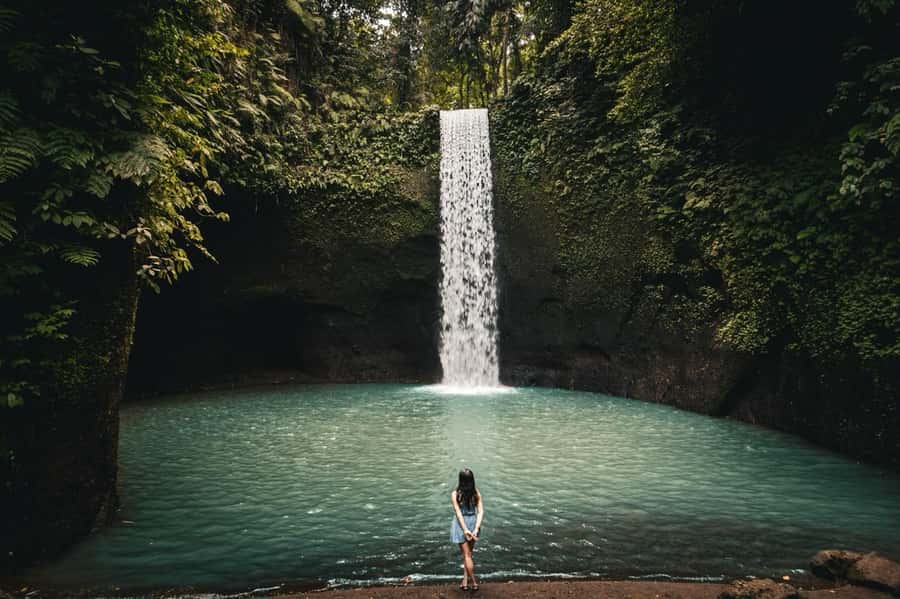
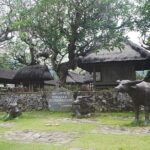
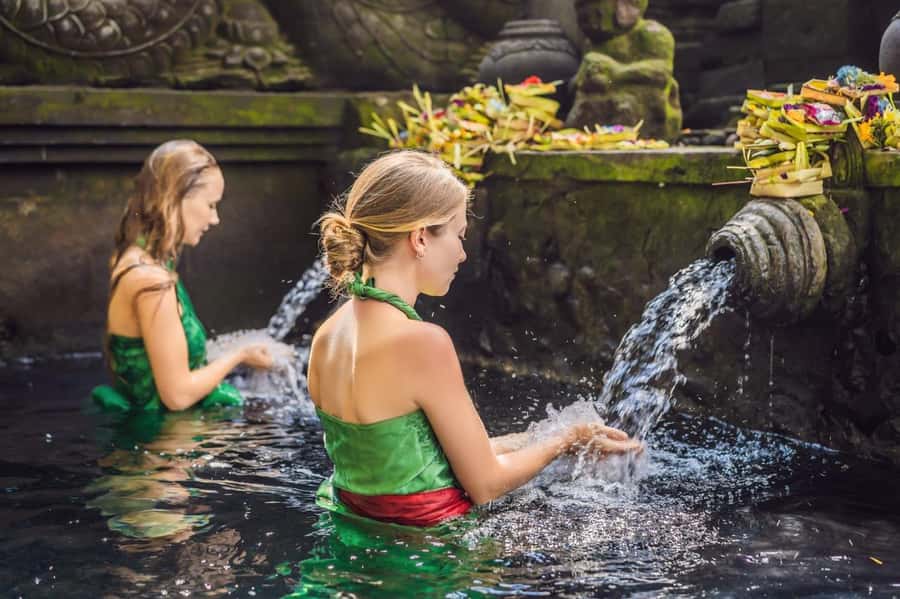
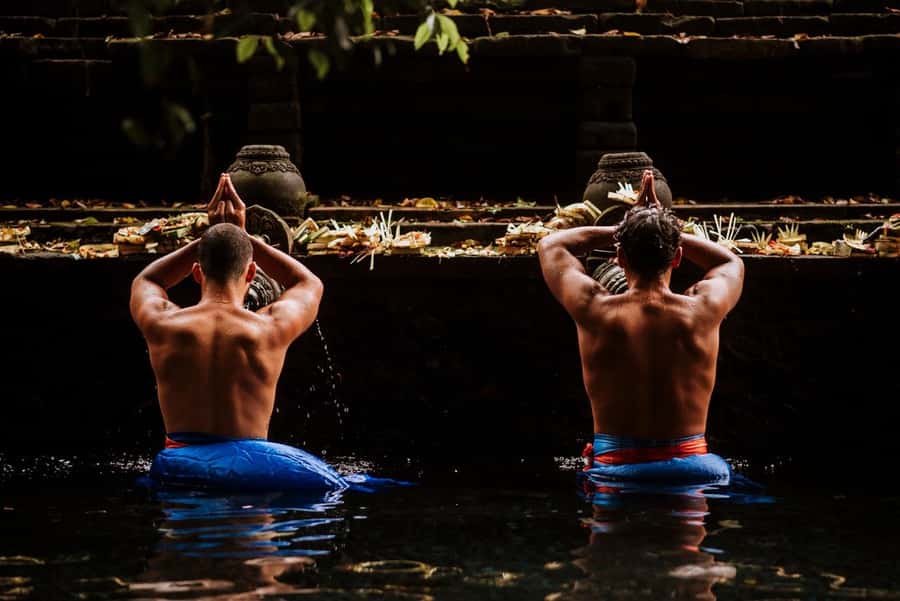
Tirta Empul is the cultural anchor of the day, and it’s not just a sightseeing stop. You’re invited to take part in a holy water purification ritual at the temple’s spring basins. The value here is obvious: this is one of those chances to witness a living practice, not just pose near a landmark.
Your guide plays a big role in making this feel understandable and respectful. People highlight guides who explain local customs and help you follow what’s happening during purification. If it rains (it can), it can even make the whole ritual feel more atmospheric and less staged.
Now the practical part. You must dress modestly at Tirta Empul. Shoulders and knees should be covered. Sarongs are usually provided, but bringing your own is never a bad idea if you prefer control and comfort. Also, bring a change of clothes and a towel if you plan to participate in the purification with water exposure.
A good tip: treat this stop like a mini event. Dry your hands, take a moment to look around, and listen to your guide’s instructions before you step into the ritual area. You’ll feel less rushed and more confident, especially if you’re doing this as a first-timer.
Tukad Cepung Waterfall: where the footing gets real
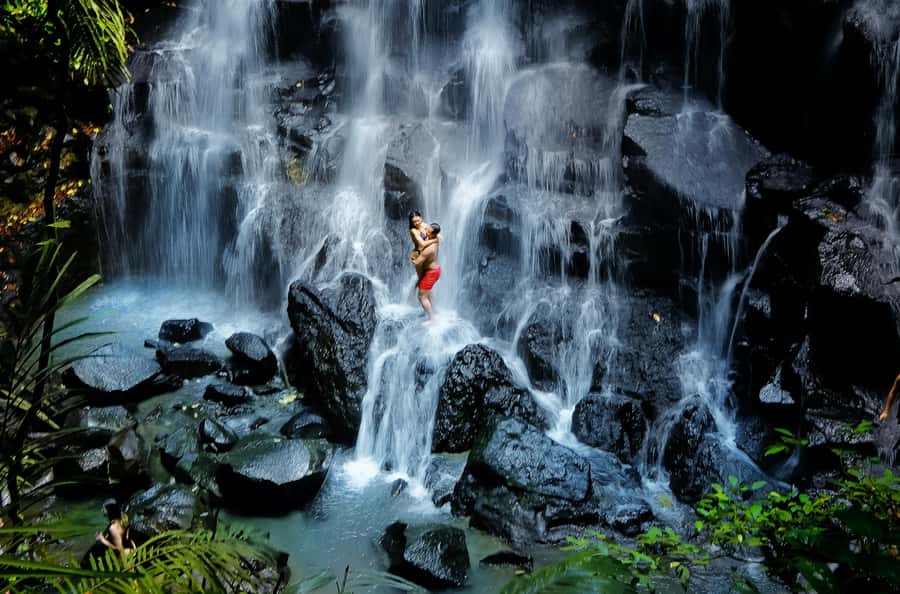
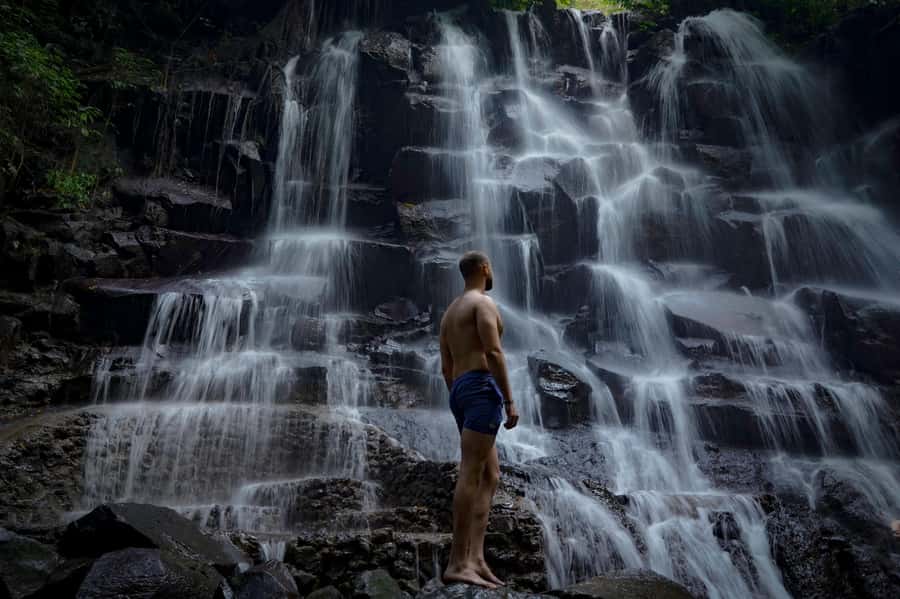
Tukad Cepung is the waterfall stop that feels most like an adventure. You don’t just arrive at the view—you walk there. Expect a riverside path and rocky sections, and yes, it can mean slippery ground and a few stairs. In wet season, water flow can be great, and the experience may feel extra dramatic. But your shoes need to be up to the job.
This is where you’ll want the basics: comfortable footwear, a waterproof bag or protection for your phone/camera, and a plan for getting wet. The itinerary builds in time for photo stops and guided sightseeing, so you’re not constantly running to the next spot. Still, keep your expectations realistic: you’re moving through uneven terrain to earn the best angles.
If you want to swim, this area is one of the most likely to make it worthwhile—yet it’s also where safety depends most on your own attention. The tour info specifically warns about wet, slippery surfaces, so slow down at transitions from rock to steps to wet sand.
And don’t forget towels and a change of clothes. Even if you only get splashed, you’ll be glad you brought them for the next hike and the ride back.
Kanto Lampo: a short hike with big photo energy
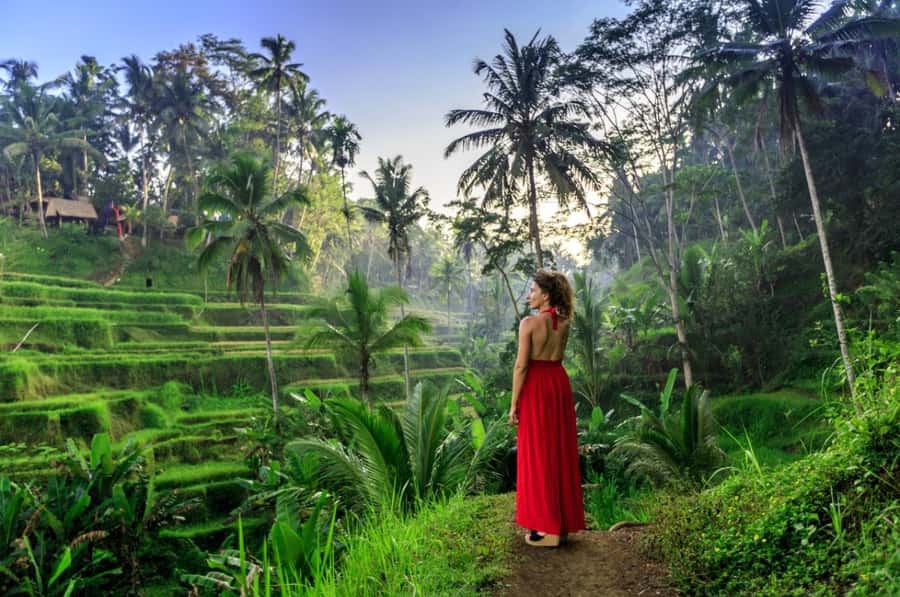
Kanto Lampo is a different style of waterfall stop than Tukad Cepung. It’s still a visit with a short scenic hike, but the path is typically more about getting to the view than a river-and-rock scramble.
You should expect uneven or muddy sections on the way in. That means: wear shoes that grip and you can trust. Water shoes are a smart move if you plan to get close to the water, and they’re mentioned as useful for the waterfall swims across the day.
What I like about this stop is the balance it creates. You’ve already done the temple. You’ve already handled wet footing at Tukad Cepung. Kanto Lampo gives you another waterfall hit without turning the day into a nonstop slog.
Photo-wise, it’s the kind of place where your guide can help you position for better angles. Several guide stories in the data mention guides who also act like photographers—taking time so you’re not stuck with blurry shots you take while exhausted.
Tibumana: the quieter swim-and-views moment
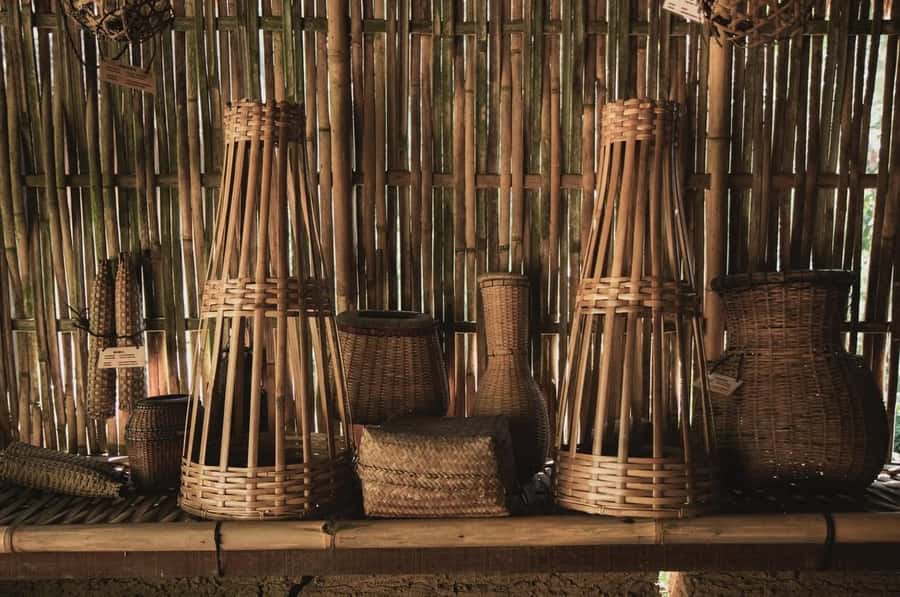
Tibumana rounds out the waterfall trio with another hike through lush scenery and a chance to stop for photos and (if you want) a swim. The path can be uneven or muddy, so treat it like the previous waterfall stops: steady steps, watch the ground, and bring water shoes if you’re planning to get in.
This stop is also a good mental breather. After Tukad Cepung’s rocky approach and Kanto Lampo’s short trail, Tibumana can feel like your last chance to slow down a bit. You’ll still be walking, but the schedule includes a guided sightseeing window that gives time to absorb the place rather than just move through.
From a traveler-experience standpoint, I like ending with a waterfall that feels like it’s letting you reset. By now, you’ve warmed up to the pace, and you know what you need to do to stay comfortable.



Lunch and the coffee tasting pause you’ll appreciate
After the waterfalls, you’ll have lunch at a local restaurant. Lunch isn’t included, but the schedule gives you about an hour. This is a key piece of pacing. You’re not stuck eating a sad snack at a random roadside stop. You get a real break before the rice terraces portion of the day, and that makes the final section more enjoyable.
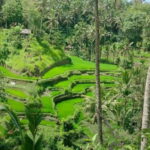
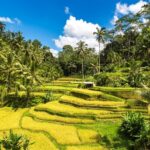
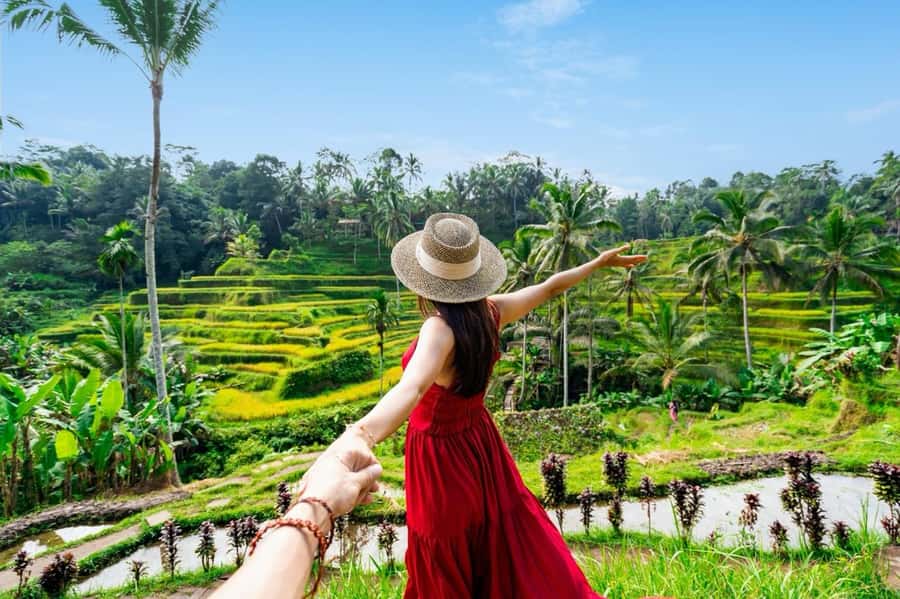
Then comes Tegalalang Rice Terrace, the classic Ubud view that lives up to its reputation. Expect panoramic rice-field scenery and a guided visit around the terrace area. There’s a photo stop and a guided tour time built in, so you’re not just looking from one spot and leaving.
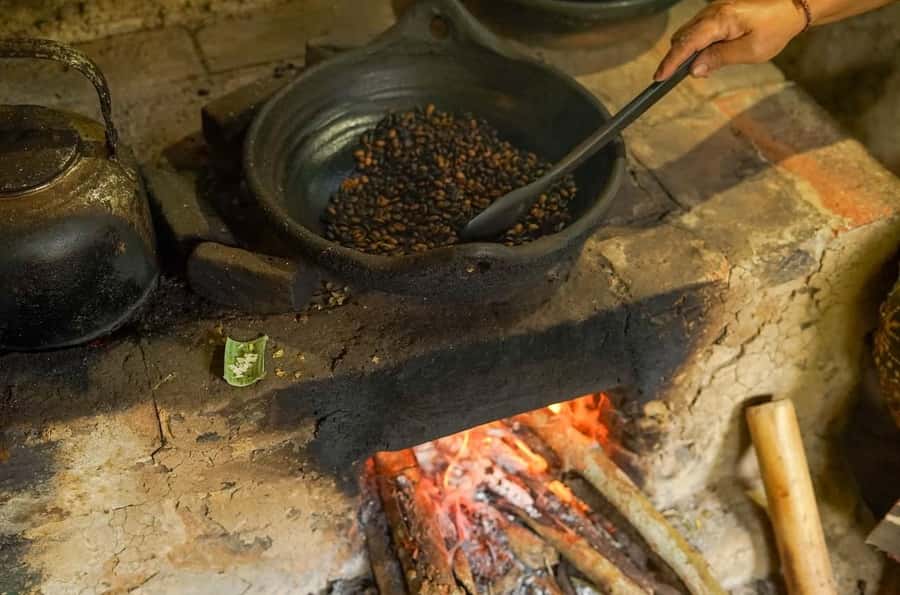
The tour also includes a complimentary coffee tasting here. That part matters more than it sounds: it’s your civilized hydration-and-caffeine moment, and it keeps the late-afternoon energy from crashing. If you like coffee tastings, you’ll probably enjoy this. If you don’t, it still works as a break where you can sit, cool off, and refocus.
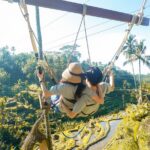
There’s also an optional rice terrace swing experience mentioned as extra fee. If you want the thrill photo, do it. If not, you’ll still get plenty of viewpoint time without committing.
Price vs. what you’re actually getting
At $20 per person for an 8–9 hour day, the value comes from the combination, not any single stop. You’re getting pickup and drop-off, mineral water, guiding, parking, and entry tickets if the options include them. On top of that, there’s the coffee tasting included.
Lunch is the main item not included. That’s normal for tours like this, and it also gives you flexibility—choose something you’ll actually like instead of being locked into one meal.
My practical take: for this price, you’re paying for convenience and interpretation. The guiding matters at Tirta Empul, where modest clothing and the ritual steps can be confusing if you’re on your own. The guiding also matters on the waterfalls, where the path surfaces and right timing change what you can enjoy.
Given that the transport quality is scored very highly in the provided data, you’re also buying a smoother ride rhythm. In Bali, that can be the difference between a relaxed day and one where you’re tense the whole time.
What to pack so the day feels fun, not stressful
This tour is simple in theory but wet and physical in practice. I’d pack like you’re going on a day hike that also happens to include a sacred temple.
Bring:
- Comfortable shoes with grip
- Swimwear, if you plan to participate in waterfall swims
- Change of clothes and a towel (especially for Tirta Empul ritual participation and waterfall wetness)
- Sunscreen, sunglasses, and a sun hat
- A camera (and a waterproof way to carry it)
- A reusable water bottle
- A waterproof bag for electronics
The tour info also calls out water shoes and a waterproof bag as helpful for the swim-ready parts. Even if you’re not planning to swim, they can save you from the most annoying discomfort: soaked shoes and cold, heavy socks for the rest of the ride.
Dress for comfort and respect. For Tirta Empul: shoulders and knees covered. For the rest: breathable clothes you don’t mind getting wet.
Physical demands and who should skip this one
This is not built for everyone. The tour is listed as not suitable for pregnant women, people with back problems, mobility impairments, epilepsy, people with low fitness, and people over 70.
Even if you consider yourself “okay on hikes,” the key is the combination: rocky river paths at Tukad Cepung, slippery and muddy sections at multiple waterfalls, and walking that adds up over the day.
Also consider how you handle heat. Bali weather can be hot and humid, with occasional rain. Rain doesn’t cancel the experience, so you need to be comfortable with wet conditions and changing plans on the fly.
If you want a day that’s more about gentle walking and museum-style pacing, you might choose something else. If you’re happy with moderate hiking plus cultural immersion, this tour fits well.
Who this tour fits best (and why)
This tour is especially good for three types of people:
- Nature-and-culture lovers who want a day that’s more than selfies and viewpoints. Tirta Empul gives you the spiritual side. The waterfalls deliver the outdoors side. Tegalalang gives you the iconic Bali scenery side.
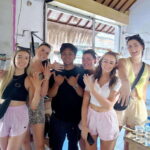
- People who like a guide with personality and context. The data emphasizes guides like Karba John, Sana, Tirta, Bobby, Joe, Adrian, Gusde, Arsana, and others who explain customs, help with photos, and keep the group comfortable. If you enjoy understanding what you’re seeing, this kind of guiding makes the day feel more meaningful.
- Active-but-not-extreme travelers who can handle short hikes and uneven ground without needing a wheelchair-level flat route.
If your goal is a single, well-structured day from Ubud that hits major highlights—temple ritual, three waterfalls, and rice terraces—this is that day.
Should you book this Ubud waterfalls and temple tour?
I’d book it if you want a full Ubud day that mixes Tirta Empul’s purification ritual, three distinct waterfall stops, and the Tegalalang Rice Terrace payoff with a coffee break included.
I wouldn’t book it if you’re sensitive to slippery footing, don’t handle uneven/muddy trails well, or need an entirely low-walking day. The temple is doable for most healthy adults with the right clothing, but the waterfall approaches are the real test.
My final advice: if you go, go prepared. Bring water shoes (or at least grippy footwear), pack a towel and change of clothes, and wear modest temple attire. Do those things, and you’ll feel like you’re part of the day instead of battling it.
If that sounds like your kind of Ubud—good plan.
FAQ
How long is the Ubud waterfalls and temple with rice terrace tour?
The tour runs about 8 to 9 hours.
Where do I meet the tour if I’m not doing hotel pickup?
You can meet at Ubud Palace (Puri Saran Ubud) next to Eat Me! Cafe. You should arrive at least 5 minutes before the tour begins.
Is hotel pickup available from my area?
Hotel pickup is available from select areas including Kuta, Jimbaran, Uluwatu, Seminyak, Nusa Dua, Legian, Canggu, Sanur, and Ubud.
What’s included in the price?
Included are pickup and drop-off, mineral water, guiding, parking, entry tickets (if the selected options include them), and a coffee tasting.
Is lunch included?
No. Lunch is available at a local restaurant, but it is not included in the price.
Do I need to bring swimwear and a towel?
If you want to participate in the waterfall swim moments, yes. The tour recommends swimwear, a towel, and water shoes for comfort.
Is this tour suitable for people with mobility issues or back problems?
No. It’s listed as not suitable for pregnant women, people with back problems, mobility impairments, epilepsy, people with low level of fitness, and people over 70.