Four days in West Sumatra moves fast and feels personal. You get a culture-and-scenery route built around Minangkabau daily life, with homestay time and hands-on moments, all starting and ending in Bukittinggi.
I especially like how smoothly organized the days feel, from pickup-style coordination to scheduled meal stops and included entrance fees.
My second favorite thing is the way this tour turns watching into doing. You’ll see traditional processes like brown sugar making and Minang pancake preparation, not just pass by from the roadside. One possible drawback: key highlights depend on timing and nature, like a bull race only if the trip starts on Saturday and a Raflesia Arnoldi bloom that only happens when it’s blooming.
In This Review
- Key highlights worth knowing
- A 4-day Minangkabau route that connects people, food, and scenery
- Bukittinggi and Padang Panjang: where the story starts
- A practical tip for day one
- The bull race if it fits your day, plus Harau Valley views
- Harau trek and the Tok-Tok return: active, but managed
- What to consider before booking the trek
- Raflesia Arnoldi in Batang Palupuah: a nature highlight with a big timing variable
- Why the brown sugar stop is valuable
- Taruko Village, Pasar Bawah, and Minang pancakes: the day for daily life
- What I’d prioritize in your attention
- Price and logistics: what $400 really buys you
- My budgeting advice
- Accommodation at the homestay level: cozy, but vary by where you end up
- Who this tour suits best (and who should skip it)
- Should you book this West Sumatra Cultural Tour?
- FAQ
- Where does the tour start and end?
- What is the duration of the tour?
- What time does the tour start?
- What is the price per person?
- What’s included in the tour price?
- Are entrance fees and meals covered?
- Is pickup available?
- Are there any extra costs not included?
- FAQ
- Does the bull race depend on the day of the trip?
- What about Raflesia Arnoldi—will you definitely see it?
- What should I expect on the Harau trek?
- Is the tour group size limited?
- Is there a cancellation option?
- What happens if weather is bad?
Key highlights worth knowing
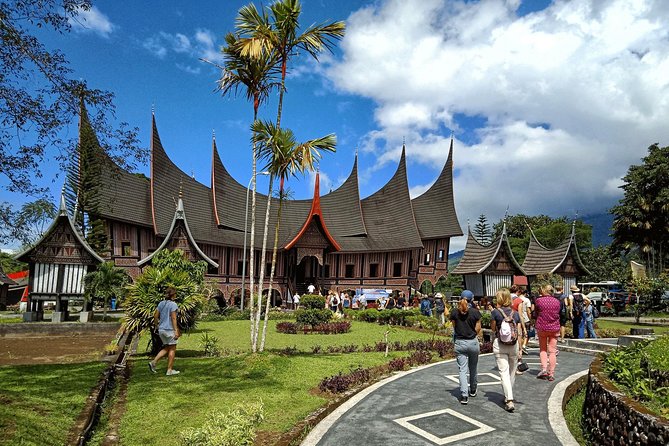
- Homestay-friendly pacing that mixes viewpoints with slower cultural stops
- Harau Valley trekking with local-style lunch mid-trek or at a nearby home
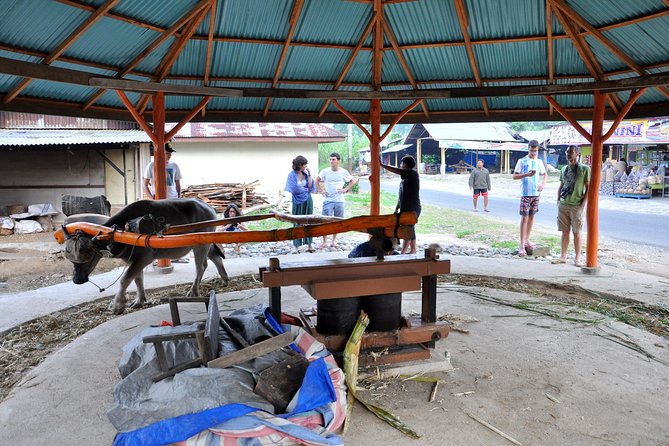
- Traditional crafts you can observe up close, including brown sugar and Minang pancake making
- Wildcard nature moments like Raflesia Arnoldi blooms and season-dependent events
- Practical transportation with AC and door-to-door pickup coordination in the Bukittinggi area
A 4-day Minangkabau route that connects people, food, and scenery
West Sumatra can feel big and spread out, especially if you’re trying to piece together Bukittinggi, Padang Panjang, Harau, and the nearby countryside on your own. This tour does the hard part for you: it threads the key cultural stops with nature time, then returns you to Bukittinggi for the most practical logistics.
The core idea is Minangkabau culture through daily rhythms. You’re not just looking at temples or monuments. You’re seeing how people eat, work, and make everyday items the old way. And because the tour includes hotel/homestay plus meals, you spend less time budgeting and more time actually paying attention.
There’s also a strong “no stress” vibe in how the plan is structured. The day-to-day timing is built for real movement—drives between areas, short guided stops, and set meal breaks—so you’re not left scrambling for transport or food.
You can also read our reviews of more tours and experiences in Bukittinggi.
Bukittinggi and Padang Panjang: where the story starts
Most of your experience begins around Bukittinggi, with the tour anchored at a central starting point in the city. The day kicks off with pickup-style coordination (including airport welcome if you’re arriving by air), then heads toward Padang Panjang for the Minangkabau Documentation and Information Center (PDIKM).
PDIKM matters because it sets context. Without it, Minangkabau culture can feel like a set of random interesting facts. With it, you start noticing patterns in how people live—family structure, local identity, and the everyday meaning behind traditions.
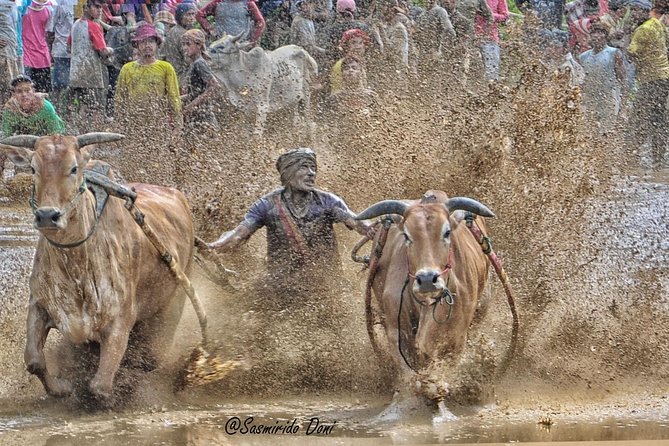
From there, you’ll have lunch at a local restaurant and continue toward Batusangkar and Harau Valley. One thing to note: the bull race stop is only scheduled if your tour starts on Saturday. That’s a great chance to catch something culturally specific, but it’s also a reminder that this tour is partly shaped by the calendar.
A practical tip for day one
If you really care about the bull race, double-check your departure day before booking. If you miss it, you’re not left with nothing—the itinerary still pushes you toward Harau Valley quickly, which can be a highlight on its own.
The bull race if it fits your day, plus Harau Valley views
Batusangkar is where the Saturday timing comes into play, with a bull race visit slotted in as a standout cultural event. If the timing lines up, it’s the kind of experience that feels local and immediate rather than staged for tourists.
Then the route heads toward Harau Valley. Harau is one of those places where scenery does the talking, especially around the granite formations that rise dramatically from the area. Even when you don’t go all-in on trekking, the viewpoints and surrounding countryside help you understand why people plan time here.
For many travelers, day one is the “arrival and wow” day: cultural context, then an immediate shift to dramatic natural scenery. It’s a smart way to prevent the trip from starting too dry.
Harau trek and the Tok-Tok return: active, but managed
Day two is where you get movement. After breakfast, the schedule shifts into Harau trekking time. The wording in the plan emphasizes that lunch will be prepared either in the middle of the jungle or at a local person’s house, depending on the flow of the day.
That detail is more than logistics. It means you’re not treating food as an afterthought. You’re eating as part of the experience, not just fueling up between stops. And because the tour includes lunch, you don’t need to hunt down a café mid-activity.
When you finish trekking, you’ll return by motorcycle or by becak (often called tok-tok). This is one of those practical cultural connectors: the same simple transport systems you’d see locally become your return ride from the trail.
In the group experience, you also get time to slow down in the afternoon. The plan includes a relaxed stop at Abdi Homestay with coffee or tea. It’s an easy way to recover from walking without turning the day into a rush-rush-sit-rush loop.
What to consider before booking the trek
A trekking fee in Harau is not included, so you should budget for that extra cost. Also, trekking is part of the core experience, so bring shoes you trust on uneven ground. If you’re sensitive to long walks, ask the operator about pace and options when you book.
Raflesia Arnoldi in Batang Palupuah: a nature highlight with a big timing variable
Day three brings you back toward Bukittinggi, with a nature stop that can be unforgettable: Raflesia Arnoldi in Batang Palupuah, but only if it’s blooming.
This is the big “nature timing” factor of the whole trip. Raflesia blooms depend on conditions you can’t control. The upside is that when it’s available, it’s a standout event rather than a generic photo stop. The downside is that if it’s not blooming, you still spend time in the area expecting the possibility.
So go in with the right mindset. Treat it as a chance, not a guaranteed viewing.
After that, you’ll visit Lawang Top, and then watch the process of making brown sugar through traditional methods. That craft stop is a strong contrast to the earlier nature focus. One moment you’re thinking about living things in the wild; the next, you’re watching how people create a daily staple.
Why the brown sugar stop is valuable
Food crafts tell you more than ingredients. They reveal how people plan, work, and make use of local resources. Brown sugar isn’t just something to buy—it’s a process with steps, timing, and technique. If you like food culture, this is one of the places where the tour pays off.
After dinner, you check in again at a homestay for a continued cultural rhythm.
Taruko Village, Pasar Bawah, and Minang pancakes: the day for daily life
Day four is your “daily culture” finale. After breakfast and leaving Bukittinggi again, you visit Taruko Village. Then you move on to the traditional market in Pasar Bawah.
Markets can be a hit-or-miss on tours, but this one is paired with cooking culture through Minang pancake preparation. You see the process, which makes the market visit feel purposeful rather than like a quick look around.
Then you have lunch and head to the airport to end the tour back at the meeting point.
What I’d prioritize in your attention
At the market, resist the urge to only hunt souvenirs. Focus on how people sell and prepare food, what’s fresh, and how vendors interact. Then connect that with the Minang pancake process you’ll see after. You’ll start noticing the same ingredients and flavors showing up across different parts of daily life.
Price and logistics: what $400 really buys you
At $400 per person for about four days and three nights, this is positioned as a value-focused cultural route. The big question is always: what’s included, and what costs can surprise you?
Included:
- AC transportation between stops
- Hotel/homestay stays
- Entrance fees
- Meals: breakfast (4), lunch (4), dinner (3)
Not included:
- Airport tax and flight ticket
- Extra meals or drinks beyond the scheduled ones
- Guide and driver tips
- Trekking fee in Harau
When you add it up, the price feels reasonable because you’re paying for the “glue” that makes remote areas practical: transport plus lodging plus most meals. You’re not coordinating every drive and entry ticket yourself.
My budgeting advice
Assume you’ll spend a little extra for:
- the Harau trekking fee
- tips for guide/driver (not included)
- any snacks or drinks outside the scheduled meals
If you like structured days with fewer moving parts, this fits well. If you’re the type who wants full freedom to roam at your own pace, you might find the schedule tight.
Accommodation at the homestay level: cozy, but vary by where you end up
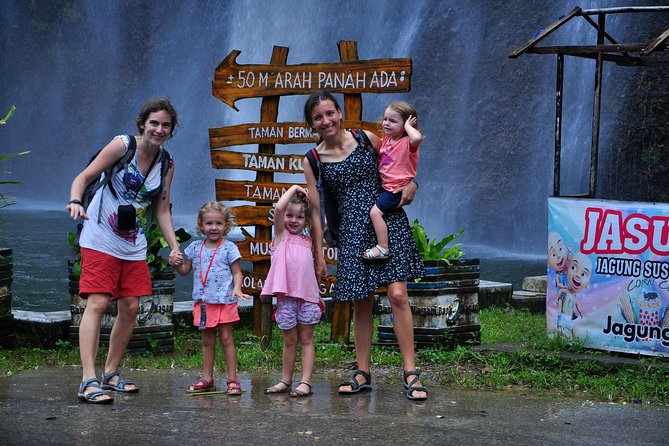
A homestay is part of the pitch here, and the experience depends on the specific place. One review mentioned an ideally located home-stay at the foot of what looked like a 100-meter-high waterfall, which suggests some stays can be visually stunning or at least well positioned.
That’s great news if you like waking up near nature rather than in a big commercial hotel. The tradeoff is that homestays can vary in comfort level and view depending on the booking assignment.
If you care most about room style, ask ahead about what kind of homestay you’ll likely get. If you’re focused on culture and don’t need luxury, you’re already aligned with what this tour aims to deliver.
Who this tour suits best (and who should skip it)
This is a good match if you:
- want Minangkabau culture through food crafts, markets, and daily routines
- like a mix of short nature stops plus at least one meaningful trek
- prefer organized transport so you’re not wrestling maps and drivers
- enjoy homestay-style evenings and slower cultural pacing
Consider a different approach if you:
- can’t handle trekking or uneven ground
- need guaranteed Raflesia viewing or guaranteed bull race viewing (both depend on timing and conditions)
- dislike days that involve long drives between regions
Should you book this West Sumatra Cultural Tour?
I’d book it if your ideal West Sumatra trip is practical and hands-on: watch brown sugar being made, see how Minang pancakes come together, taste and observe market life, and spend real time in Harau. The smooth organization and included meals/transport do a lot of heavy lifting for you, and the cultural focus is specific enough to feel more than a generic sightseeing loop.
I’d hesitate only if you’re strict about guarantees. Raflesia and the bull race are timing-based. Add the extra Harau trekking fee, plus tips and personal snacks, and it’s best to treat the trip as a cultural experience where nature gives chances, not promises.
If you want a well-managed introduction to the Minangkabau region with a good value balance, this one makes a lot of sense.
FAQ
Where does the tour start and end?
The tour starts in Bukittinggi, West Sumatra, Indonesia, and it ends back at the meeting point in Bukittinggi.
What is the duration of the tour?
It runs for about 4 days (3 nights).
What time does the tour start?
The start time is 9:00 am.
What is the price per person?
The price is $400.00 per person.
What’s included in the tour price?
Included are AC transportation, hotel/homestay, entrance fees, and meals: 4 breakfasts, 4 lunches, and 3 dinners.
Are entrance fees and meals covered?
Yes. Entrance fees are included, and the schedule includes breakfast, lunch, and dinner as listed (with extra meals/drinks not included).
Is pickup available?
Yes. Pickup is offered, and the guide will welcome you at the airport.
Are there any extra costs not included?
Yes. Airport tax, flight ticket, guide and driver tips, extra meals/drinks, and the trekking fee in Harau are not included.
FAQ
Does the bull race depend on the day of the trip?
Yes. The bull race visit is planned only if the tour starts on Saturday.
What about Raflesia Arnoldi—will you definitely see it?
It’s scheduled if Raflesia Arnoldi is blooming in Batang Palupuah. Since blooming depends on conditions, it isn’t guaranteed by the itinerary.
What should I expect on the Harau trek?
You’ll do trekking in Harau, have lunch prepared in the jungle or at a local house, then return by motorcycle or becak (tok-tok). A trekking fee applies separately.
Is the tour group size limited?
Yes, the tour has a maximum of 24 travelers.
Is there a cancellation option?
Free cancellation is offered. You can cancel up to 24 hours in advance for a full refund.
What happens if weather is bad?
This experience requires good weather. If it’s canceled due to poor weather, you’ll be offered a different date or a full refund.