Shopping for spices, then cooking them, feels personal. This Yogyakarta market-to-meal experience mixes a local fresh food market, a rice plantation visit, and a hands-on cooking class in a traditional village—so you’re not just learning recipes, you’re learning the ingredients that make them work.
I especially love how the market stop is practical: you get to choose vegetables, herbs, meat, and spices yourself, not just watch someone else do it. Then the cooking class brings it home in a small, peaceful setting with expert English guidance from chefs like Arma and hosts like Desy.
One thing to consider: the tour can run as a morning or afternoon class, and the afternoon option is shorter because it doesn’t include the market tour—so if ingredients shopping matters to you, pick the morning.
In This Review
- Key Things You’ll Notice on This Yogyakarta Cooking Tour
- A Half-Day Cooking Adventure That Starts Where Food Begins
- Hotel Pickup and the Pace of Your Day (Without the Stress)
- The Fresh Food Market Stop: Picking Ingredients Like a Local
- Rice Plantation Visit: Understanding Java’s Staple Crop
- Traditional Villages of Bantul and Laplapan: A Different Kind of Welcome
- Inside the Cooking Class: What You’ll Actually Cook
- How the Chef Teaching Style Makes a Difference
- The Meal You Create: The Best Part Is Eating It
- Recipes and Notes: Why This Tour Is Worth More Than One Meal
- Price and Value: Is $33 a Good Deal in Yogyakarta?
- Duration and Logistics: Morning vs Afternoon, What Changes
- Who This Cooking Class Fits Best
- Who Might Want to Choose Another Option
- Should You Book This Yogyakarta Cooking Class?
- FAQ
- Is hotel pickup included in the tour?
- How long does the experience take?
- What time of day are the classes offered?
- Does the market visit happen on both morning and afternoon options?
- Is the cooking class taught in English?
- What kinds of dishes will I cook?
- Can I choose vegetarian dishes?
- Is the tour wheelchair accessible?
- What should I wear or bring?
- Are pets allowed?
- Is there cancellation flexibility?
Key Things You’ll Notice on This Yogyakarta Cooking Tour
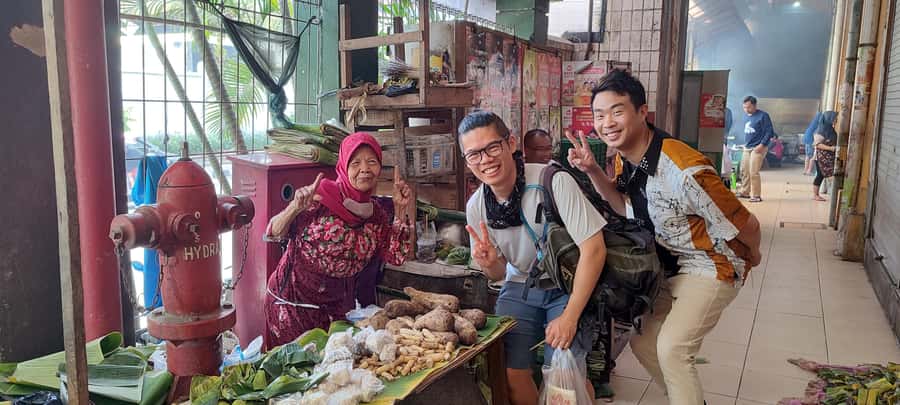
- You shop for ingredients at a local fresh food market before you cook, then use what you picked in your dishes
- Warm village welcomes in traditional areas like Bantul and Laplapan set a friendly, low-stress tone
- English instruction helps you understand what you’re doing and why, with hands-on support
- Rice plantation time connects the dots between Java’s staple crop and everyday meals
- You cook a full spread (starter, multiple mains, and dessert), with a choice of meat or vegetarian
- You leave with recipes and notes so you can recreate what you learned back home
A Half-Day Cooking Adventure That Starts Where Food Begins
This tour works because it builds food knowledge in the right order. You start with ingredients, you see how rice is grown, and then you cook in a traditional village setting. That sequence matters: when you understand where key ingredients come from, the cooking steps stop feeling random.
I also like the vibe. The best moments here aren’t flashy—they’re familiar. You’ll sit down for a meal you made yourself, and the whole thing feels more like spending an afternoon with local hosts than attending a show.
It’s a 3–4 hour commitment with hotel pickup options, which makes it a smart add-on when you’re balancing temple time, streets, and food hunts around Yogyakarta.
You can also read our reviews of more tours and experiences in Yogyakarta.



Hotel Pickup and the Pace of Your Day (Without the Stress)
You’ll have a couple of ways to start. If you choose pickup, the driver meets you 15 minutes before the activity begins at your Yogyakarta hotel lobby. If you don’t, you’ll find your guide standing at the front gate of the traditional market, who will contact you one day before the trip.
Either way, aim to wear comfortable clothes you can move around in. Cooking takes you from chopping to mixing to tasting, and you’ll be happier if you don’t arrive wearing anything fussy.
Group pace is half-day paced, not slow-travel paced. Expect a steady flow from one stop to the next, with enough time to shop, learn, and cook without feeling rushed in every single moment.
The Fresh Food Market Stop: Picking Ingredients Like a Local
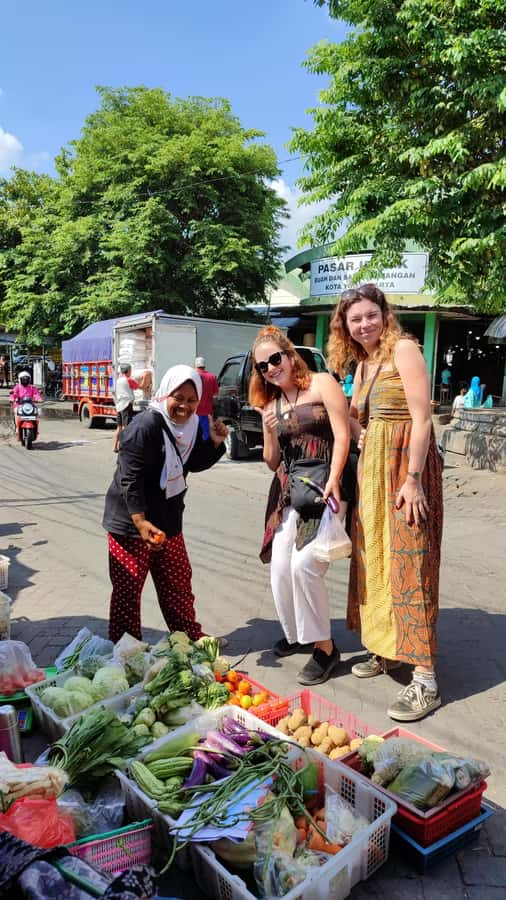
The market visit is where this tour gets real. You spend about 30 minutes choosing ingredients for your class. And it’s not vague shopping—you’re selecting from vegetables, herbs, meat, and spices laid out for you to see and pick.
This matters because Javanese cooking leans hard on balance: aromatics, fresh herbs, and spice depth. If you’ve ever tried to cook a dish later and wondered why it tasted slightly off, it usually comes down to ingredient choices—what kind of chili, which herb, what cut of meat, and how fresh everything is.
Practical tip: bring a curious attitude. If your instructor (or chef, in many cases) explains what a spice is used for, take it seriously. You’ll be cooking those flavors later.
Also, there’s a trade-off depending on your time slot. Morning classes include the market tour. If you pick an afternoon option, you’ll skip this market ingredient-shopping step, so your dishes will feel more like a cooking workshop than a sourcing adventure.
Rice Plantation Visit: Understanding Java’s Staple Crop
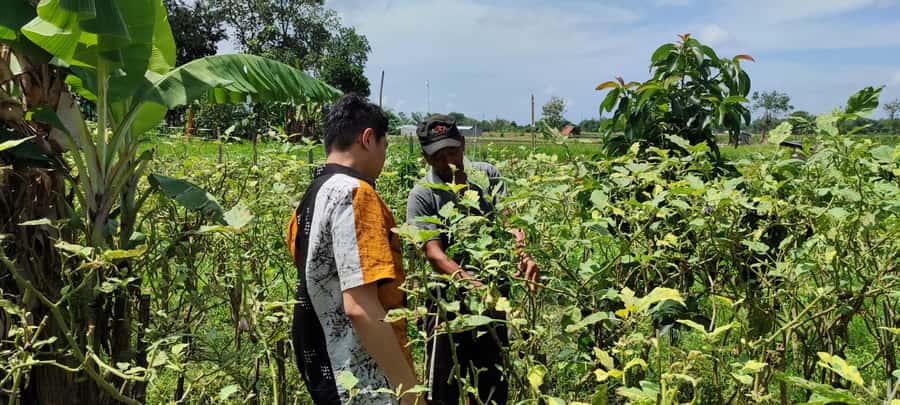
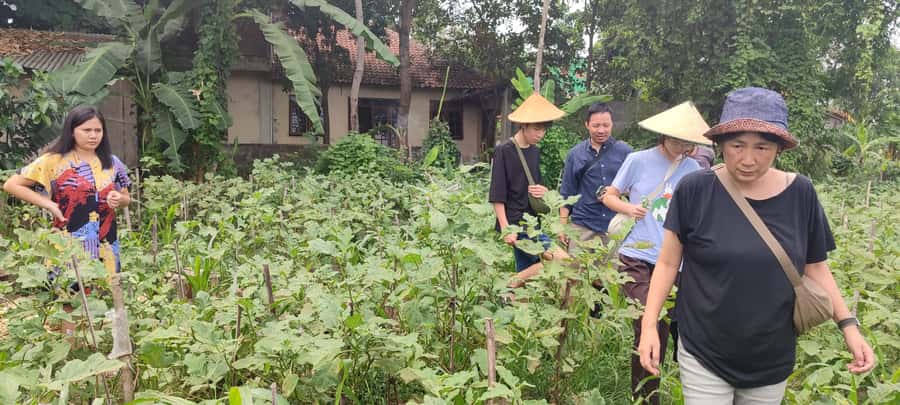
After the market, the tour shifts from ingredients to origin. You’ll visit a rice plantation and learn how the staple crop is cultivated and prepared. You’ll also get scenic views along the way.
Even if you’ve never studied farming, rice is at the center of everyday Indonesian meals. Seeing it in context helps you understand why rice texture, cooking methods, and pairing sauces show up again and again.
This part of the tour also offers a useful break from hands-on activity. After the market’s sensory overload, a calmer stop with views helps reset your focus before you start chopping and stirring.
Traditional Villages of Bantul and Laplapan: A Different Kind of Welcome
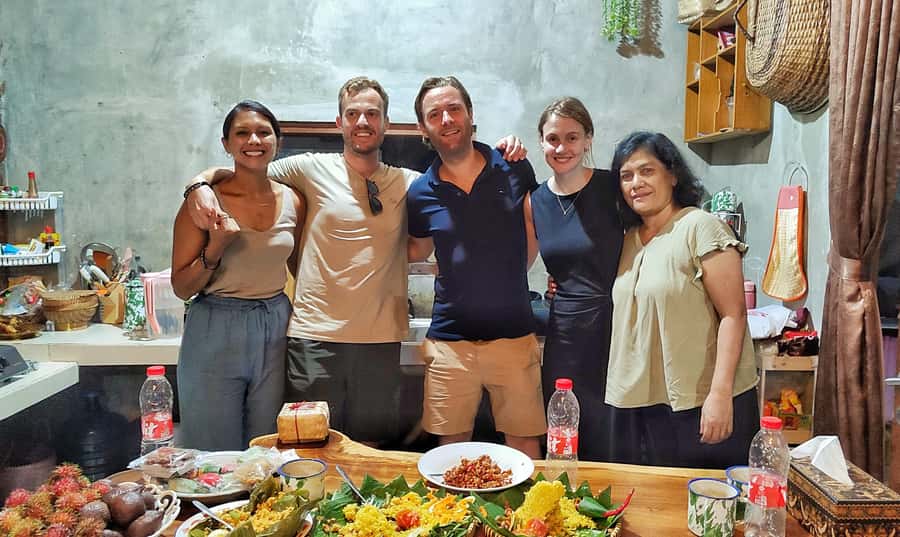
You’ll continue to traditional village areas like Bantul and Laplapan, where you’re greeted warmly when you arrive. This isn’t just a photo stop. The cooking class takes place in a small, homey environment, and that matters for how you learn.
When the setting feels relaxed, you ask more questions. And when you can ask questions, you end up remembering techniques instead of just collecting recipes.
Some of the most positive feedback I’ve seen about this experience centers on the home-like atmosphere. People tend to feel at ease—like they’re cooking with friends rather than being managed like a ticket.




Inside the Cooking Class: What You’ll Actually Cook
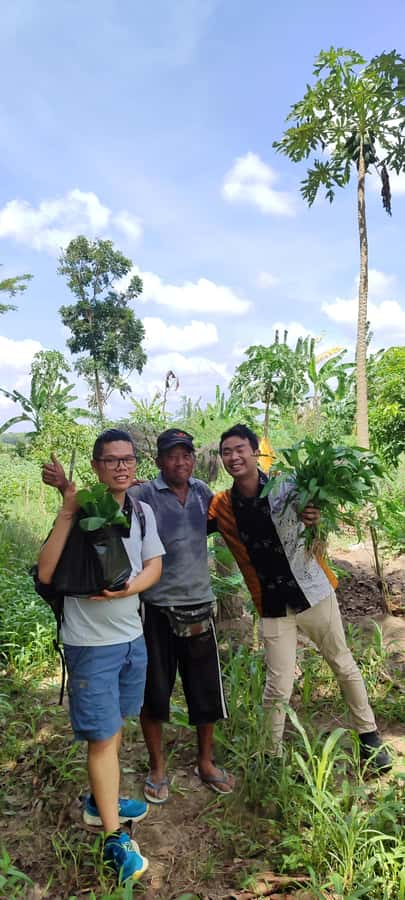
The cooking class is the heart of the tour, and it’s structured enough that you finish with a full meal—even though you’re learning as you go.
You’ll cook in a traditional village with an instructor and/or chef who guides you in English. Your guidance should feel hands-on, not lecture-heavy. The goal is that you can repeat the food later.
You’ll prepare:
- 1 starter
- 4 main courses
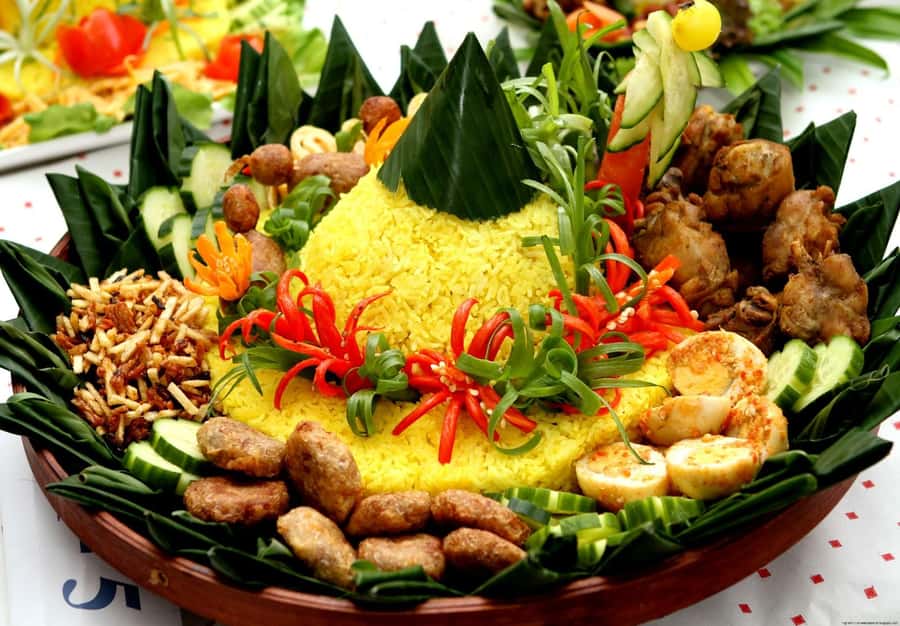
- 1 authentic dessert
You’ll also have a choice of dishes depending on your preference—there’s an option for meat or vegetarian.
One detail I appreciate: the dessert doesn’t just sit on the side. It’s part of the experience, and you’ll eat it after your cooking session, as part of the meal.
How the Chef Teaching Style Makes a Difference
A cooking class can range from strict step-by-step to totally freestyle. This one leans toward coaching. In past sessions, chefs like Arma and hosts like Desy have been noted for explaining ingredients and even sharing cultural context, including Indonesian history and how certain products fit into local life.
That teaching style helps you learn faster because you’re not only copying steps—you’re understanding why steps happen. For example, knowing how an ingredient’s flavor behaves in a sauce makes it easier to adjust later when you’re cooking with what you can find at home.
If you have food allergies or dietary restrictions, you should notify the operator in advance. That’s especially important on a class that includes both meat and vegetarian choices.
The Meal You Create: The Best Part Is Eating It
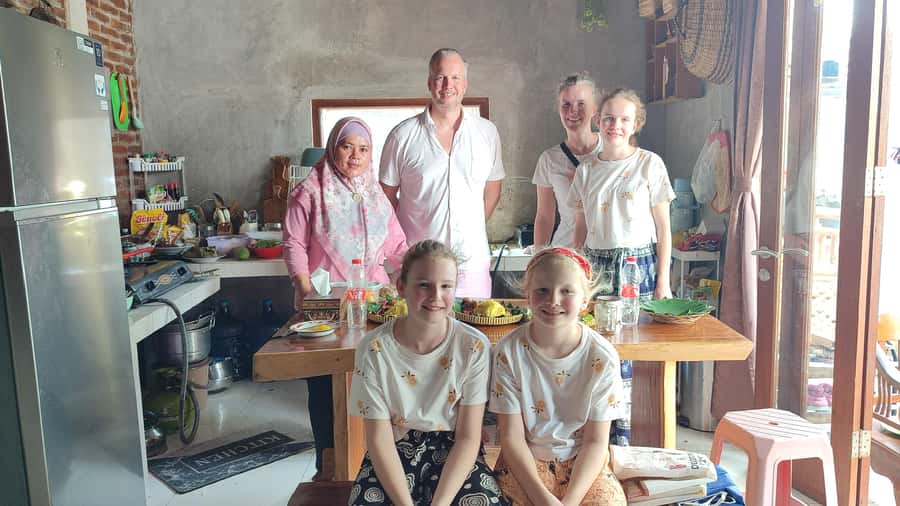
After all the chopping, mixing, and tasting, you sit down to enjoy what you made. This is when the tour clicks. You can tell immediately if the flavors feel balanced and if you learned what you needed.
It also helps that you cook multiple dishes, not just one. That variety makes the meal feel like a real spread, which is what you want from a class in the first place.
And yes, you’ll get to enjoy local fruit as part of the broader experience, which keeps things interesting beyond just the cooked dishes.
Recipes and Notes: Why This Tour Is Worth More Than One Meal
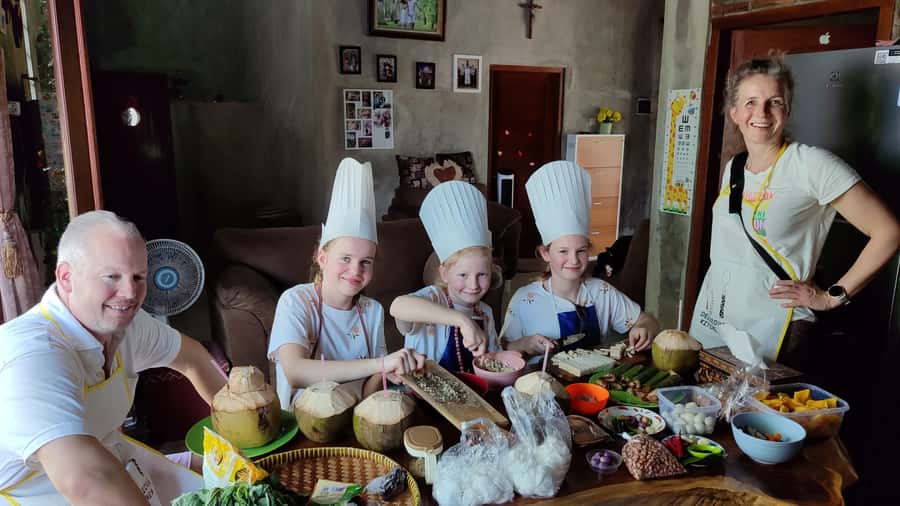
The best souvenir here isn’t a fridge magnet. It’s information. You’ll receive recipes and notes you can keep, so you’re not stuck trying to remember every step later.
I love tours where the goal is repeatable learning. When the chef gives you notes you can follow, you can rebuild the dishes at home instead of treating the cooking class as a one-off memory.
A small practical point: keep your notes organized on the same day you take them. Your brain will thank you later when you’re cooking from memory.
Price and Value: Is $33 a Good Deal in Yogyakarta?
At about $33 per person for a half-day with pickup, a market stop, a plantation visit, and a multi-dish cooking class with a meal, this is strong value—especially if you’re the type of traveler who wants both learning and food.
Here’s what you’re really paying for:
- guided ingredient selection at the fresh food market
- structured cooking help in English
- multiple dishes (starter, mains, dessert) instead of a single dish
- hotel pickup/drop-off for convenience
If you were to do the market sourcing yourself, then book a standalone class, you’d likely spend more in time and money. This tour compresses the work into one well-paced block.
The only value “warning” is the time slot choice. If you book the afternoon option, you lose the market tour. That can still be a great class, but it’s a different experience. Choose based on what you want most: cooking practice or ingredient shopping.
Duration and Logistics: Morning vs Afternoon, What Changes
Both morning and afternoon options are about half a day, generally landing in the 3–4 hour window.
What changes most is this:
- Morning class: includes the market tour (fresh market ingredient choosing)
- Afternoon class: shorter and does not include the market tour
So when you plan your Yogyakarta schedule, think about what you’re optimizing. Morning slots pair nicely with temple plans later. Afternoon slots are easier if you want to sleep in a bit or you already did a food market earlier.
Who This Cooking Class Fits Best
This is a great pick if you:
- want a hands-on food experience instead of just eating out
- like learning by doing and want recipes afterward
- enjoy market walks where you choose ingredients yourself
- want a cultural day that still centers on food
It’s also a good match for travelers who appreciate small, calm settings. If loud tourist groups drain your energy, you’ll likely prefer this quieter village-style setup.
Who Might Want to Choose Another Option
If you love markets but prefer cooking only, you should still consider this—because the morning version is the best match for market lovers. But if you book the afternoon class, you miss the market ingredient-shopping piece, and the tour becomes more purely cooking-focused.
Also, it’s not a “bring your own food” style. The class includes ingredients, so plan around that rather than expecting to prepare everything from scratch.
Should You Book This Yogyakarta Cooking Class?
Yes, I’d book it if you want a practical, local-feeling food day that teaches you more than just a single dish. The combination of market selection, village cooking, and a meal you create is exactly the kind of experience that’s hard to recreate without a guide.
But choose your timing carefully. If ingredient shopping is part of why you’re in Yogyakarta, book the morning class so you get the market. If your priority is simply cooking with expert help and eating what you make, the afternoon option still works—just know it’s shorter because it skips the market stop.
FAQ
Is hotel pickup included in the tour?
Yes. The tour includes hotel pick-up and drop-off in Yogyakarta. Pickup is optional, and if you choose it, the driver picks you up 15 minutes before the activity start at your hotel lobby.
How long does the experience take?
It lasts about 3 to 4 hours.
What time of day are the classes offered?
You can choose either a morning or afternoon class.
Does the market visit happen on both morning and afternoon options?
No. The fresh market tour is included in the morning class. The afternoon class is shorter and does not include the market tour.
Is the cooking class taught in English?
Yes. The instructor is English-speaking.
What kinds of dishes will I cook?
You’ll prepare 1 starter, 4 main courses, and 1 dessert. You’ll cook enough to sit down and eat a meal afterward.
Can I choose vegetarian dishes?
Yes. There is a choice of meat or vegetarian dishes.
Is the tour wheelchair accessible?
Yes, it is wheelchair accessible.
What should I wear or bring?
Wear comfortable clothes suitable for cooking. The activity information also says ingredients, but the class provides the ingredients as part of the experience.
Are pets allowed?
No, pets are not allowed.
Is there cancellation flexibility?
Yes. You can cancel up to 24 hours in advance for a full refund.