Street food with a serious cultural payoff. This 8-hour Bali tour pairs hotel pickup with small-group stops at local markets and eateries, built around Balinese flavors instead of tourist menus. You’ll also get guided stories along the way, including the island classic Babi Guling.
What I love most is how the food keeps moving. You’re set up to try a lot in one day (up to 15 dishes), and the route ends with the energy of Gianyar Night Market where street food and dessert are part of daily life.
One heads-up: it’s non-halal and not suitable for vegetarians, so expect meat-heavy plates and ask about ingredients early if you have allergies.
In This Review
- Key Highlights Worth Planning Around
- Bali’s Street Food Tour: Why This Format Works
- The 12:00 PM to 8:00 PM Timing: What the Day Feels Like
- Hotel Pickup and Transport: Getting There Without Stress
- What You’ll Eat: Roast Meats, Spices, and Up to 15 Samples
- Babi Guling and Roast-Meat Stops: How to Order in Your Head
- Coconut Water and Cooking Traditions: Small Stops With Big Meaning
- Gianyar Night Market: Street Food Energy, Then Dessert
- Luwak Coffee and Other Add-Ons: Pick Your Comfort Level
- Luwak coffee tasting
- Massage add-ons
- Jungle swing and coffee
- Rafting & buffet
- Guide Quality: The Real Reason People Feel Like They Won the Day
- Price and Value: What $53 Buys You (and What It Doesn’t)
- Who Should Book This Tour (and Who Should Skip It)
- Practical Tips Before You Go
- Should You Book It?
- FAQ
- How long is the Bali authentic culinary street food experience?
- Is hotel pickup included?
- How many dishes will I sample?
- Is Babi Guling included?
- Is Luwak coffee included?
- Is this tour vegetarian-friendly?
- Is the tour halal?
- What about food allergies?
- Are massages included?
- Are alcoholic beverages included?
- What languages are available for the guide?
Key Highlights Worth Planning Around
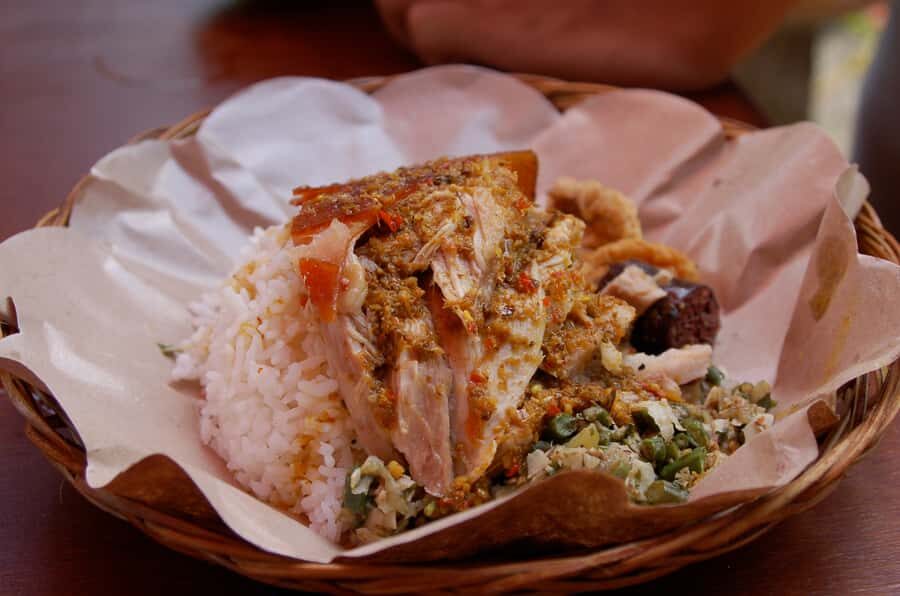
- Babi Guling focus: roasted suckling pig that’s basically Balinese comfort food in one bite.
- Gianyar Night Market at sunset: street eats plus sweet treats when the stalls really start cooking.
- Up to 15 dish samples: less guessing for you, more variety for your taste buds.
- Coconut water moment: fresh coconut as a cooling break mid-day.
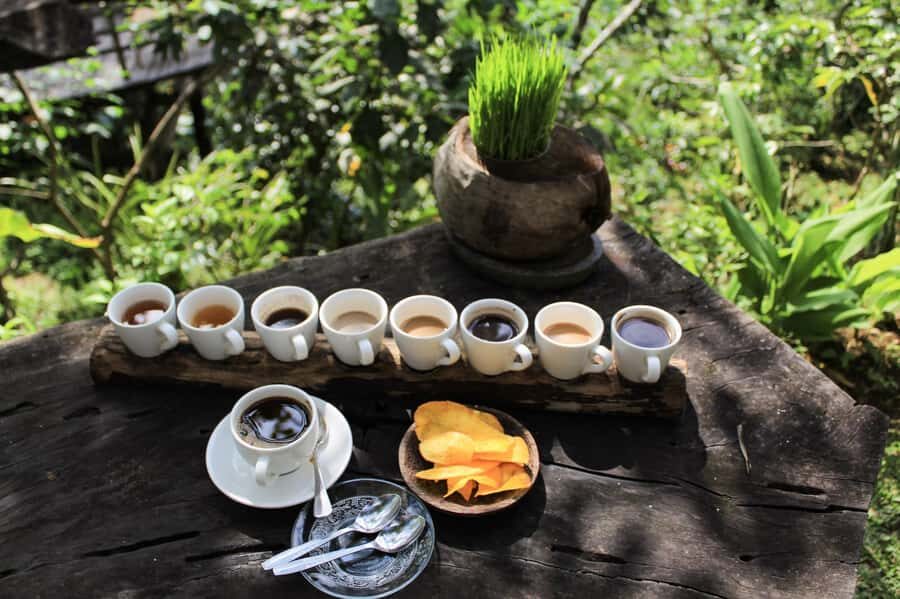
- Optional Luwak coffee tasting: a chance to add a famous coffee stop without forcing it on everyone.
- Guide-led flexibility: many guides adjust based on your tastes and pace.
Bali’s Street Food Tour: Why This Format Works
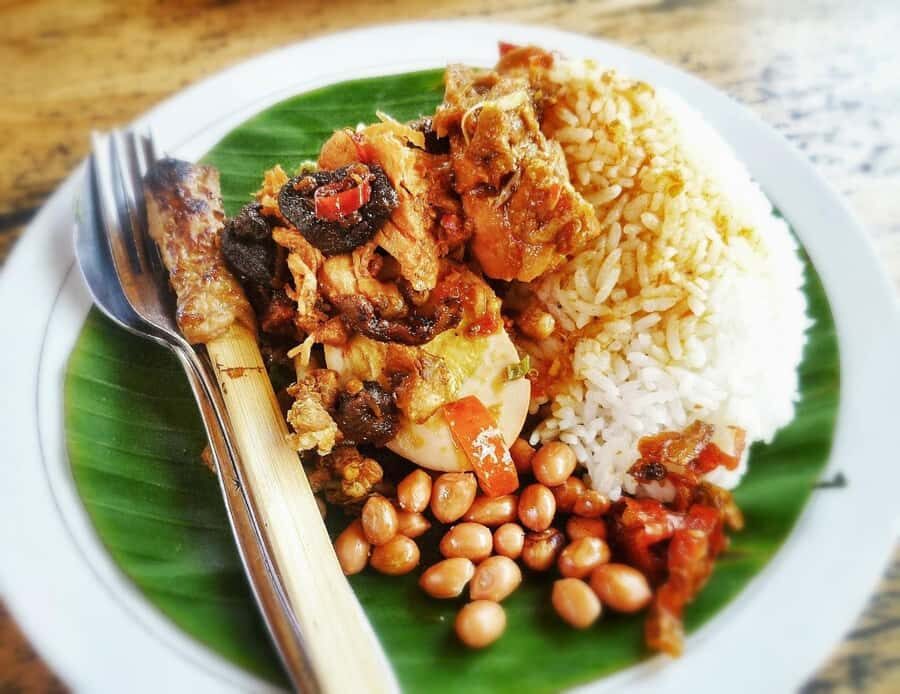
Bali is easy to tourist-ify with the usual restaurant circuit. This tour is different because it builds the day around eating the way locals actually eat: at markets, at open-air counters, and at the kind of places you’d never stumble into by accident.
The whole structure is simple: you’re guided from stop to stop, you taste repeatedly, and you get context for what you’re eating. That matters because Balinese cuisine isn’t just about flavor. It’s about spices, ceremony food, and family-style meals that show up in everyday life too.
The best part for you is that you’re not stuck ordering one dish and hoping it’s good. Sampling up to 15 dishes means the day feels like a guided tasting menu, with room for variety and course-correction if something isn’t your thing.
You can also read our reviews of more tours and experiences in Bali.



The 12:00 PM to 8:00 PM Timing: What the Day Feels Like
Starting at 12:00 PM and finishing around 8:00 PM, this is a full afternoon-to-night outing, not a quick half-day snack run. That timing is practical in Bali’s heat: you’re not dragging yourself out at dawn, and you’re guaranteed a proper night market stop once the evening crowds show up.
The walking is described as leisurely, but it’s still walking. You’ll want comfortable shoes, plus a plan for thirst and spice tolerance. The day is paced around food stops, so it doesn’t feel like a forced march. It does mean you should come hungry and be ready to slow down for photos, stories, and the odd side stop.
Also, think of it as an eating day. Multiple guides and descriptions point to lots of tasting, not just one or two samples. If you’re the type who normally grazes, you’ll likely be surprised by how quickly you fill up.
Hotel Pickup and Transport: Getting There Without Stress
This tour includes hotel pickup and drop-off plus transportation, which is a big value piece at this price point. In Bali, drive times can swing based on traffic and the area you’re staying in, and having pickup removes the mental load of coordinating taxis between scattered food stops.
Transport gets strong marks for comfort, with many reviewers giving it perfect scores. That doesn’t guarantee the same for every day, but the overall message is consistent: you spend more energy eating and asking questions, and less energy figuring out logistics.
You’re also in a small group, which helps with the rhythm. Bigger groups can turn food tasting into a conveyor belt. Small-group tours tend to let the guide steer the day, which shows up in the reviews as guides adjusting based on your preferences.
What You’ll Eat: Roast Meats, Spices, and Up to 15 Samples
The core promise is simple: up to 15 dish samples. That’s your main “value per minute” driver. Instead of hunting menus, translating spice names, and guessing which stall is best, you get the guide’s selection and pacing.
From the tour highlights and descriptions, expect a mix of Balinese dishes built around roast meats, aromatic spices, and traditional preparations. The big centerpiece is Babi Guling, the iconic roasted suckling pig. Even if you don’t eat pork often, this is the dish people come to Bali for, because it represents a whole Balinese flavor approach: savory, spiced, and deeply seasonal in how it’s prepared.
You’ll also encounter classic street-food styles such as:
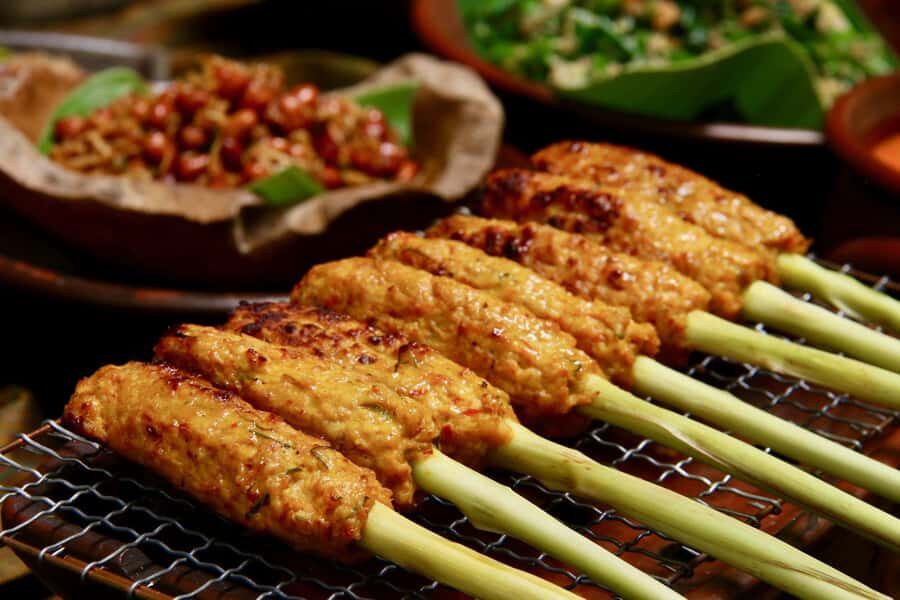
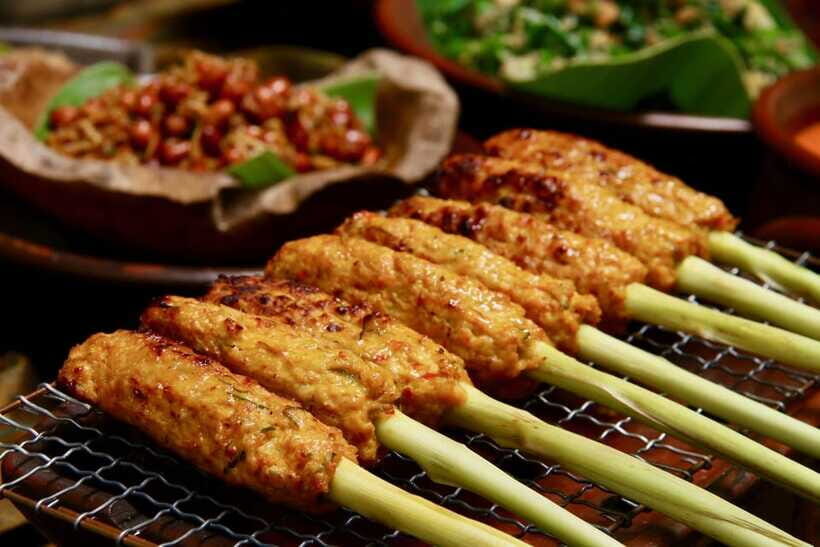
- satay-style bites
- soups and hearty plates
- curries
- desserts (including night market sweets)
One thing to keep in mind: this isn’t a polished, white-tablecloth version of Balinese food. It’s street-level eating—so tastes can be bold, portions can vary by stall, and some dishes may be outside your usual comfort zone. If you’re adventurous with food, you’ll likely enjoy that freedom.
Babi Guling and Roast-Meat Stops: How to Order in Your Head
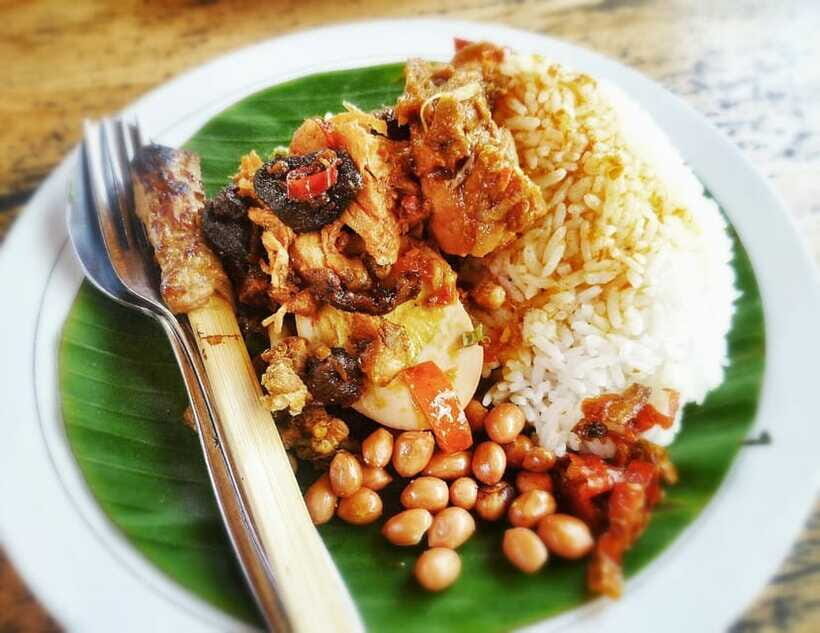
Babi Guling isn’t just one flavor. It’s a system: spiced meat, sides, and accompaniments that make the final bite work. When you’re eating it on a tour, you don’t have to figure out how to build the meal. You just follow the guide and sample what’s offered.
A good strategy for you is to treat the first few tastings as calibration. Try one savory bite, then a second with a different component, then decide where your taste falls—more spice, more sweetness, more broth, more crunch.
Also, the tour is noted as non-halal and not for vegetarians, so the meat-forward focus isn’t a surprise. If you love pork and you want the full cultural experience, this is the right structure.
If you have allergies, this is where you need to be proactive. The information says to mention food allergies while booking. Don’t assume a guide can read your mind on spice blends or mixed sauces. Tell them clearly before the first stop.






Coconut Water and Cooking Traditions: Small Stops With Big Meaning
You’re not only eating. There are also stops connected to the way Balinese food is made and served—traditional cooking methods and ingredients that show up in daily life.
A standout included moment is fresh coconut water, plucked fresh and served as a refreshing break. That’s more than a nice photo op. It’s also a practical pause when you’ve been sampling spice-heavy food and your palate needs a reset.
Cooking traditions matter because Balinese street food usually comes from the same logic as home cooking: spices treated with care, ingredients layered for flavor, and meals tied to community gatherings. You’ll likely hear explanations along the way about why certain dishes appear at ceremonies and family meals, which turns tasting into understanding.
Gianyar Night Market: Street Food Energy, Then Dessert
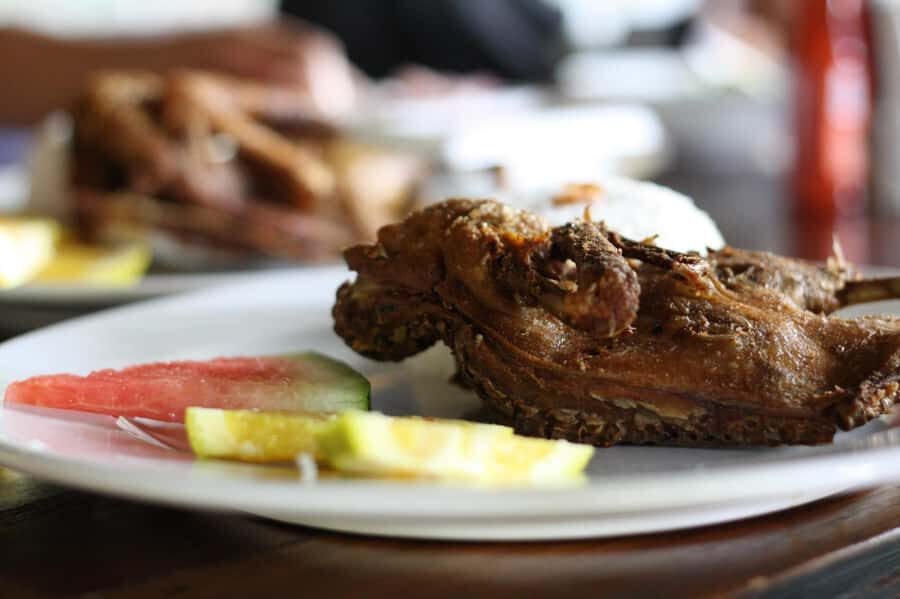
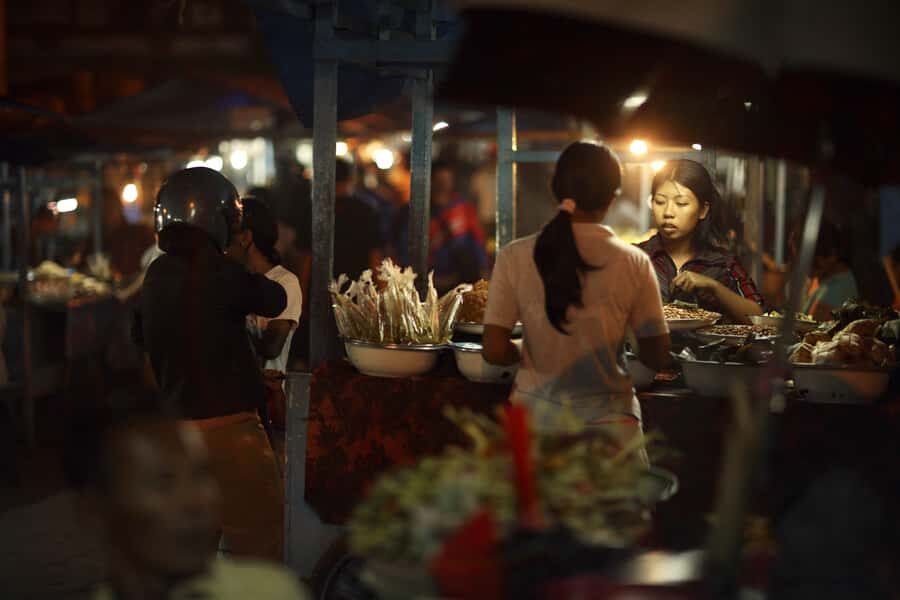
The late-day highlight is the Gianyar Night Market, where you can sample Balinese street food as the evening scene ramps up. This is where the tour shifts from daytime tasting to a more lively, social food culture.
Why the night market stop is worth it: market food is often designed for quick enjoyment. You can try multiple stalls, compare flavors, and still keep moving without committing to a full plate in a sit-down restaurant.
Expect options like spicy grilled meats and sweet treats. The exact stall mix can vary by day, but the theme stays consistent: street food and dessert are part of the rhythm of the evening, not an add-on.
If you’re the kind of person who wants to plan your last meal carefully, you’ll need to adjust here. By the time night market opens, you may be getting stuffed from earlier tastings. That’s not a problem—just plan for smaller bites and let your guide help you choose what to prioritize.
Luwak Coffee and Other Add-Ons: Pick Your Comfort Level
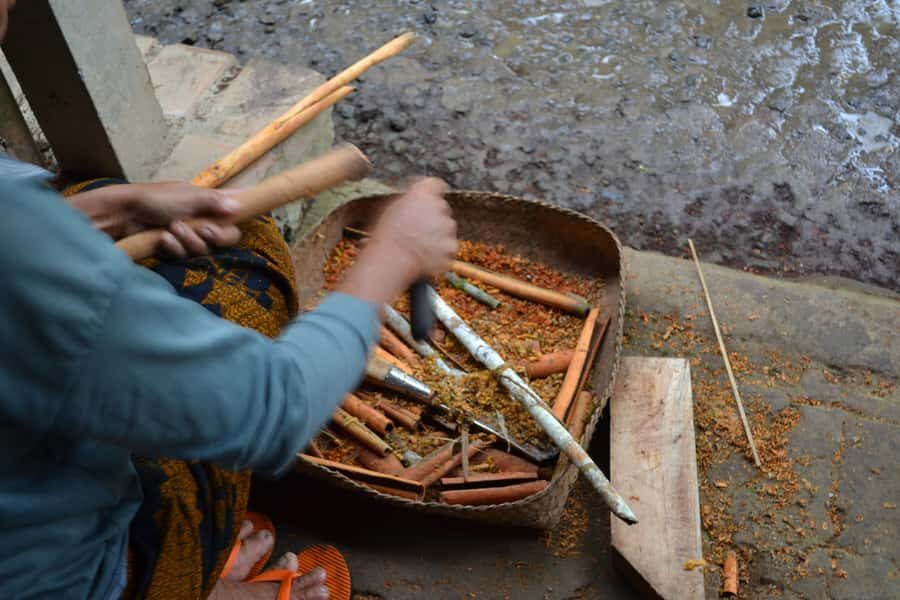
Not everything is included by default. Some of the best-known experiences are available as optional add-ons, which is good for you if you want control over cost and what kind of day you’re building.
Luwak coffee tasting
Luwak coffee tasting is listed as an add-on. If you care about trying it, you’ll want to add it in advance so it fits your schedule and doesn’t turn into a last-minute scramble.
Massage add-ons
A 1-hour massage or 2-hour massage can also be selected as add-ons. After a long afternoon of walking, eating, and sampling, this can be a smart balancing move. It’s also a way to stretch the day into something more than just food.
Jungle swing and coffee
There’s an add-on that combines jungle swing and coffee. That’s more experience-shopping than pure food, so it suits you if you like action activities and photos more than another tasting stop.
Rafting & buffet
A 3-hour rafting & buffet option exists too. That’s the biggest time commitment of the add-ons, so it’s best if you want an adventure day stacked onto the food tour.
A note on guides and language add-ons: there’s an option for German, Japanese, or Korean speaking guides and also a female guide. If language comfort is important to you, these add-ons can improve the whole day because you’ll catch more details from the explanations.
Guide Quality: The Real Reason People Feel Like They Won the Day
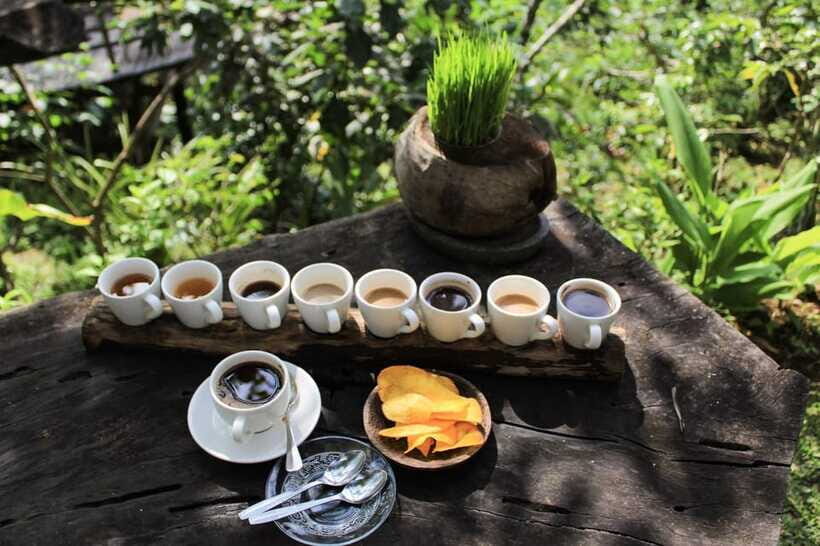
If you want the strongest signal from the reviews, it’s this: the guides make the difference. People consistently praise guides for being friendly, energetic, and willing to adjust the tour to match your tastes and pace.
Names that come up repeatedly include Bonito, Yuma, Sumadi, Febri, Uidu, Popo, Ardana, Dwipa, Tawan, Gooday, Wayan, Adi, and Tirta. The common thread isn’t just that they’re nice. It’s that they pick good food stops and explain what you’re eating so the day feels meaningful instead of random.
One review also highlighted guides keeping you hydrated and helping personalize the day. That’s a big practical advantage in Bali because spice and heat add up fast.
If you book, I’d suggest you use the guide’s strengths: ask questions about what you’re tasting, ask what’s worth repeating at the night market, and tell them if you prefer milder flavors. The tour is built to handle that kind of steering.
Price and Value: What $53 Buys You (and What It Doesn’t)
At $53 per person for an 8-hour tour with pickup, transport, and up to 15 dish samples, the value is strong for Bali. You’re paying for convenience and a guide’s “taste decisions,” not just for food.
What’s included:
- guided tasting samples up to 15 dishes
- pickup/drop-off and transportation
- admission fees
- a Polaroid photo option if selected (via add-on)
- and the optional add-ons listed earlier (depending what you choose)
What’s not included:
- alcoholic beverages
- other food and beverage expenses
So your best money move is to plan for non-alcoholic ordering on your own if needed, and trust the included tasting structure. If you want extra experiences—massage, swing, rafting, Luwak coffee—factor those add-ons into your final budget.
Who Should Book This Tour (and Who Should Skip It)
This tour fits best if you:
- love street food and want variety in one day
- want a guide to help you understand Balinese flavors and how dishes relate to culture
- like night markets and dessert stops
- don’t mind meat-heavy tasting
You should skip it if you:
- are vegetarian
- want halal options (it’s noted as non-halal)
- have serious allergies you’re not comfortable explaining clearly in advance
If you’re traveling solo, this also looks like a strong fit. Several reviews mention solo travelers feeling safe and accommodated, which is exactly what you want from a guide-led day.
Practical Tips Before You Go
Bring these and your day will feel smoother:
- Wear comfortable shoes. Even leisurely walking adds up.
- Come with a flexible attitude about spice. Your guide can help with choices.
- If you have allergies, mention them while booking and remind your guide before eating.
- If you’re choosing add-ons, think about timing and energy. Massage can be perfect after a food-heavy day.
- If you’re nervous about street food, start with smaller bites and let your comfort grow.
And yes, this is the kind of tour where you might end up saying you have reached your limit. That’s not failure. That’s Bali doing Bali.
Should You Book It?
Book this tour if you want a true Balinese food-focused day with guide help, a serious night market stop, and a schedule that’s built around tasting rather than sightseeing checklists. The combination of up to 15 dishes, Babi Guling, and the Gianyar Night Market makes it a solid way to understand Bali through what people actually eat.
Skip it if you’re vegetarian or halal-sensitive, or if you hate the idea of tasting many dishes across multiple stops. Otherwise, it’s one of those days where you leave with full plates of flavor memory and a better sense of how Balinese life ties into food.
FAQ
How long is the Bali authentic culinary street food experience?
The tour runs for 8 hours, starting at 12:00 PM and finishing around 8:00 PM.
Is hotel pickup included?
Yes. Hotel pickup and drop-off in Bali are included.
How many dishes will I sample?
The tour includes samples of up to 15 dishes.
Is Babi Guling included?
Babi Guling is highlighted as a key experience, so you can expect to taste it as part of the tour.
Is Luwak coffee included?
Luwak coffee tasting is listed as an add-on option, so it depends on what you select.
Is this tour vegetarian-friendly?
No. The tour is noted as not suitable for vegetarian.
Is the tour halal?
The tour is noted as non-halal.
What about food allergies?
The instructions say to mention allergies while booking so the guide can help you manage what you eat.
Are massages included?
Massage time options are available as add-ons (1-hour or 2-hour), not included by default.
Are alcoholic beverages included?
No. Alcoholic beverages are not included.
What languages are available for the guide?
The tour guide is listed as English. There are also optional add-ons for German, Japanese, or Korean speaking guides.