Pedal past real farming life. This Yogyakarta countryside ride is built around food-making you can watch up close and the daily rhythm of village farms, led by guides like Kiki, Nana, or Zuhal.
I love how the route stays relaxed and human-scaled, with stops that don’t feel rushed. You get real context for why Indonesian pantry staples taste the way they do, not just a quick photo stop.
What I like most is the mix of bike time and family-run workshops. The bikes are older, well-known brands like Gazelle, Fongers, Batavus, BSA, Triumph, Humber, Raleigh, and more—so the focus stays on the journey, not equipment worries.
One possible drawback: this is countryside and village life, not major monuments, so if you’re only after big sightseeing hits, you might find it slower.
In This Review
- Key Highlights You’ll Feel Right Away
- Starting in Yogyakarta: Pickup, Timing, and That Quiet Before the Ride
- Vintage Bikes and Countryside Rhythm Through Java
- The Traditional Village Stop: Watching Daily Life Close-Up
- Tempeh From Soybeans: Banana Leaves, Patience, and Hands-On Food Traditions
- Emping Melinjo Cracker Making: Traditional Furnace Heat Up Close
- Riding Through Different Planting Seasons and Crop Types
- Snacks, Drinks, and the Stuff You’ll Actually Remember
- Guide Names You’ll Hear: Why the Right Translation Changes Everything
- Price and Logistics: Is $46 Worth It for a 5-Hour Countryside Ride?
- Who Should Book This Tour (and Who Might Want Something Else)
- Should You Book? My Practical Take
- FAQ
- How long is the countryside cycling tour?
- How big is the group?
- What’s included in the price?
- What do we see and learn during the tour?
- What languages is the guide available in?
- What should I bring?
- Is pickup and drop-off included?
- Is the tour flexible with the cycling time?
Key Highlights You’ll Feel Right Away
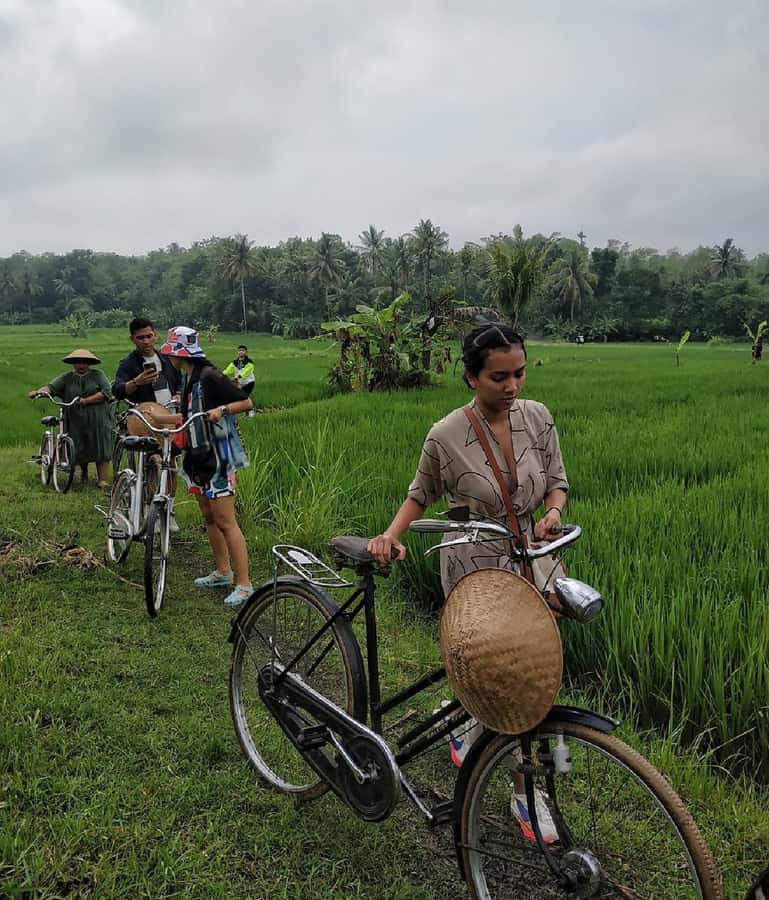
- Small-group ride (up to 10 people) keeps the guide focused and conversation easy.
- Tempeh-making from soybeans—watching beans become food wrapped in banana leaves.
- Emping melinjo (cracker) sessions with the traditional furnace style.
- Relaxed cycling window (2.5–3 hours) with a flexible pace that suits stops and questions.
- Old bikes from famous brands make the tour feel classic and sturdy, not “tour-bus mechanical.”
Starting in Yogyakarta: Pickup, Timing, and That Quiet Before the Ride
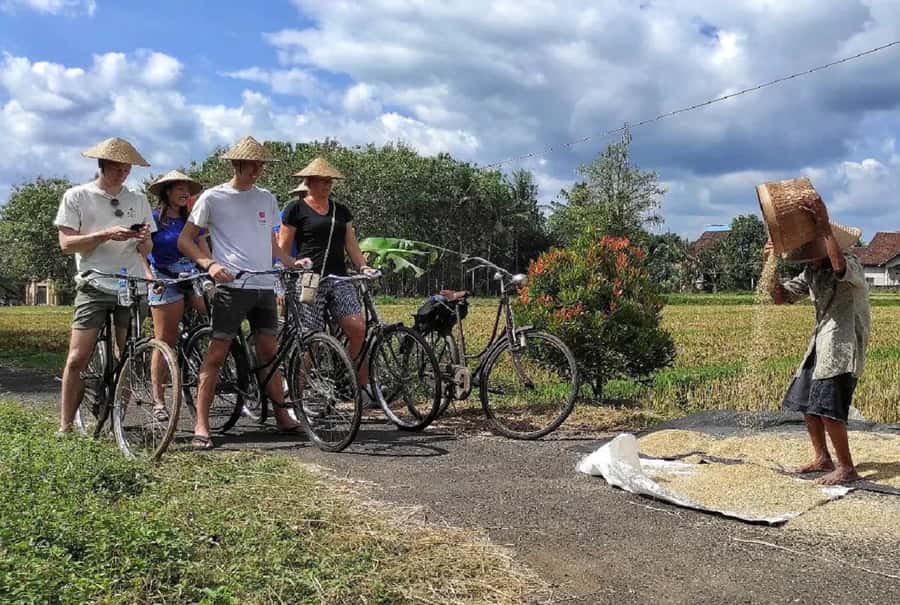
Most of your day flows from Yogyakarta with hotel pickup and drop-off, so you’re not hunting for a meeting point or juggling extra transport. The whole tour runs about 5 hours, but the actual cycling portion is usually 2.5–3 hours, which matters because it keeps the experience from turning into a sprint.
I like this timing. It gives you enough time to ride through farmland, yet still leaves room for the work behind the scenes—food production, village activity, and short interactions with locals. If you prefer tours that don’t feel like a checklist, this format fits.
The tour also includes a welcome drink, plus snack and mineral water during the activity. That’s practical in the Java heat: you’ll stay comfortable while you’re watching hands-on processes that don’t happen in a quick showroom.
You can also read our reviews of more tours and experiences in Yogyakarta.


Vintage Bikes and Countryside Rhythm Through Java
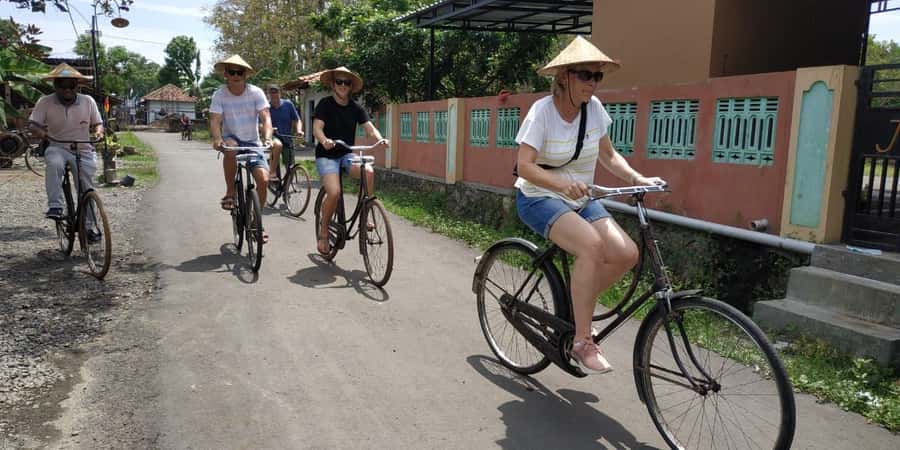
Your bike isn’t a modern rental clone. You’ll ride old bikes—and the list is part of the charm: Gazelle, Fongers, Batavus, BSA, Triumph, Humber, Releigh, and more. That variety means the ride has personality, like you’re borrowing a piece of the town’s everyday bicycle culture.
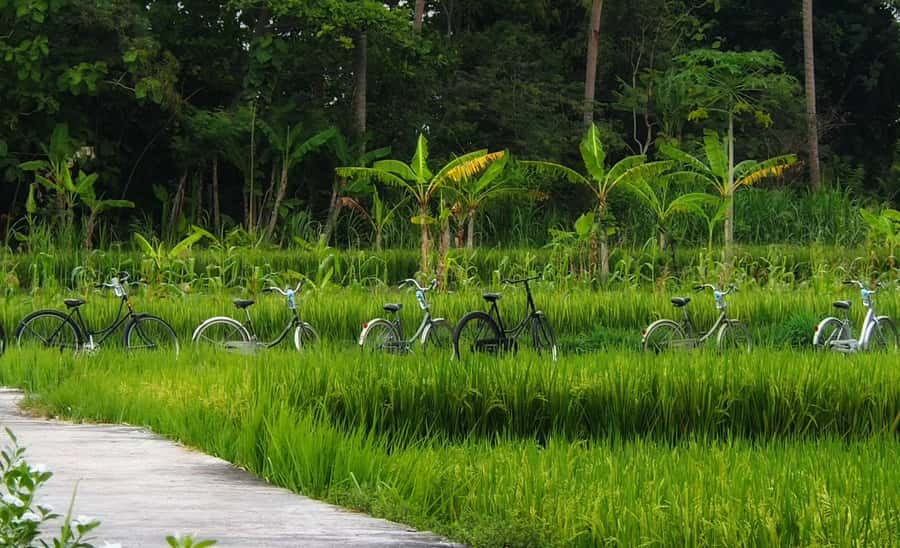
The countryside loop runs along agricultural areas that stretch widely. You get planting-season variety, so the landscape isn’t one uniform green wall. You might see crops changing across the journey—rice, corn, chili, green beans, peanuts, sugarcane, and more—depending on what’s growing when you go.
The pace is meant to be relax and flexible. That’s important for two reasons. First, it gives you time to stop and look at how villagers work. Second, it makes cycling feel approachable even if you’re not training for a long ride.
The Traditional Village Stop: Watching Daily Life Close-Up
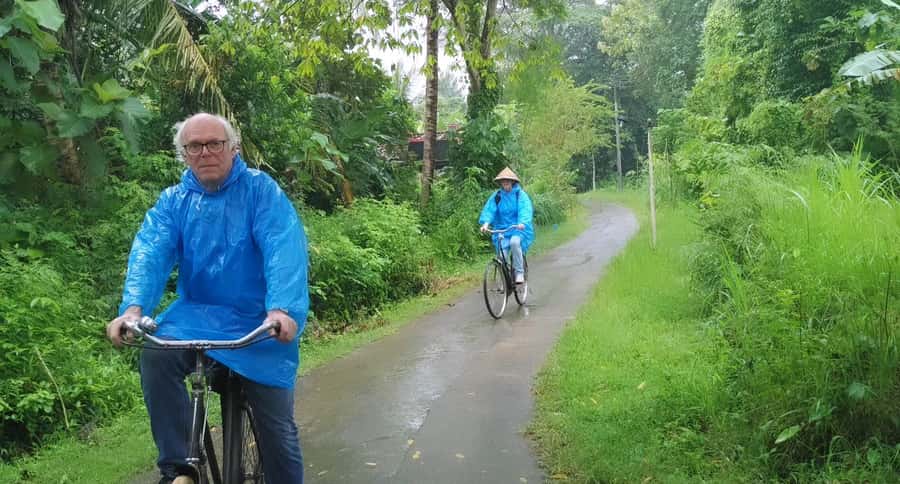
Early on, you’ll arrive at a traditional village area where you can observe daily routines. This is where the tour becomes more than “ride and snack.” You’ll see how community life is organized around practical needs—cooking, farming, producing food, and keeping households running.
You’re not dropped into a performance. The point is the closeness: watching how people live and work, then asking questions. Since the group is limited to 10 participants, your guide can keep things moving without losing the human details.
A note on expectations: because this is village life, the sights are more “real daily work” than “pretty postcard.” If you’re the type who likes to understand what people do before you judge it, you’ll enjoy this part a lot.
Tempeh From Soybeans: Banana Leaves, Patience, and Hands-On Food Traditions
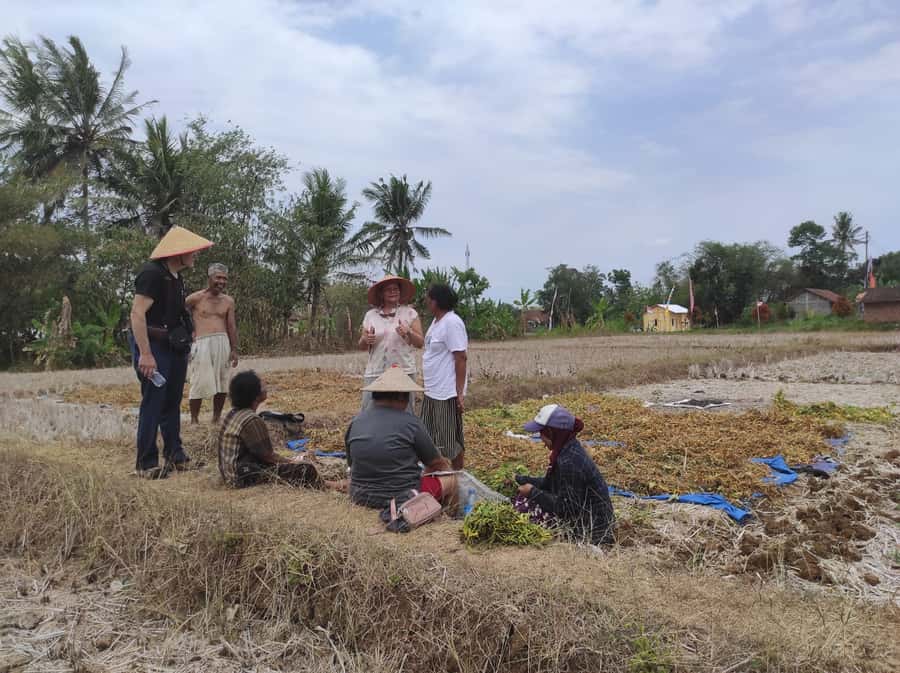
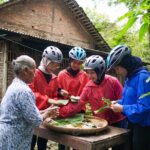
One of the standout experiences is seeing tempeh-making from soybeans. You’ll learn the process of turning soybeans into tempeh, including how it’s handled and prepared—especially the step where soybeans are wrapped in natural banana leaves.
Tempeh is one of those foods that can taste “simple” in a supermarket, but here it becomes specific and earned. You get to connect the final product to the work behind it: preparation, timing, and the careful handling that comes from families making the same food repeatedly for years.
This stop also gives you a stronger appreciation for why Indonesian cuisine is so tied to local production. Food doesn’t arrive magically. It’s made through choices about ingredients, tools, and storage—choices shaped by what’s nearby and what’s done well.
Emping Melinjo Cracker Making: Traditional Furnace Heat Up Close
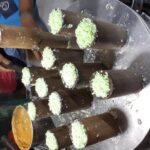
After tempeh, you’ll interact with people making emping melinjo—crackers made from the melinjo fruit (Gnetum gnemon). You won’t just watch from a distance. You’ll be able to interact directly with the cracker makers, and you’ll see the traditional furnace style used in the process.
This part is fascinating because it’s practical cooking technology, not “kitchen theater.” A furnace setup is designed to produce consistent heat and timing for drying or cooking, and the workflow reflects that. You get to see how a household food tradition turns into a repeatable process.
In my view, this is where the tour earns its cultural value. Food-making isn’t only about taste. It’s about community skills and how knowledge gets passed down.

Riding Through Different Planting Seasons and Crop Types
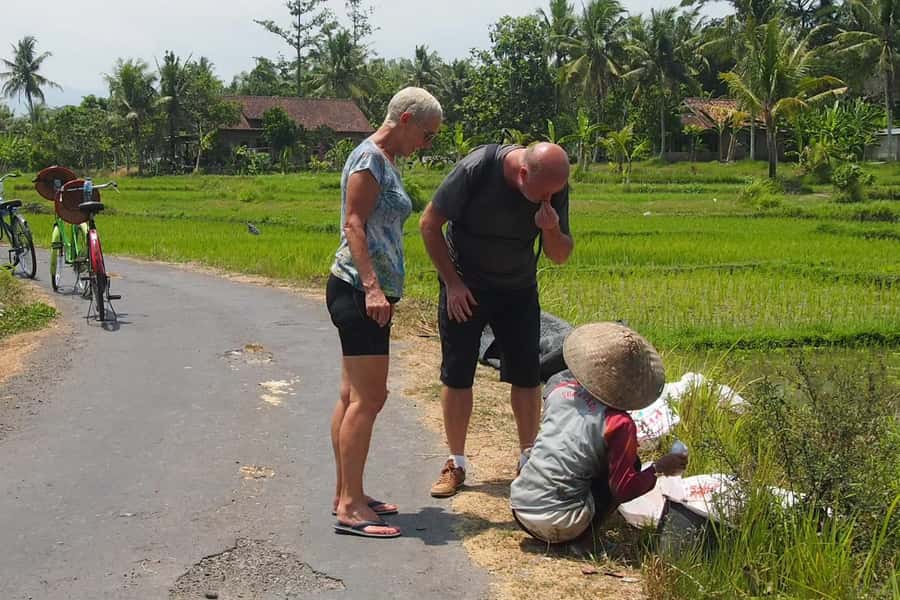
As you cycle along the agricultural areas, one theme becomes obvious: Java farms run on seasons. The route passes through planting zones where different crops are in different stages—rice, corn, chili, green beans, peanuts, sugarcane, and more.
That matters because it changes what you’ll see from ride to ride. Even if you already know what rice looks like, you’re not just viewing “a field.” You’re seeing agriculture as a timeline: what’s planted now, what’s harvested later, and how work changes when seasons shift.
If you like learning through observation, this section will stick with you. It turns the countryside into a living classroom, and it also makes the food stops feel less random. Your snack isn’t separate from the landscape—it’s part of the same system.
Snacks, Drinks, and the Stuff You’ll Actually Remember
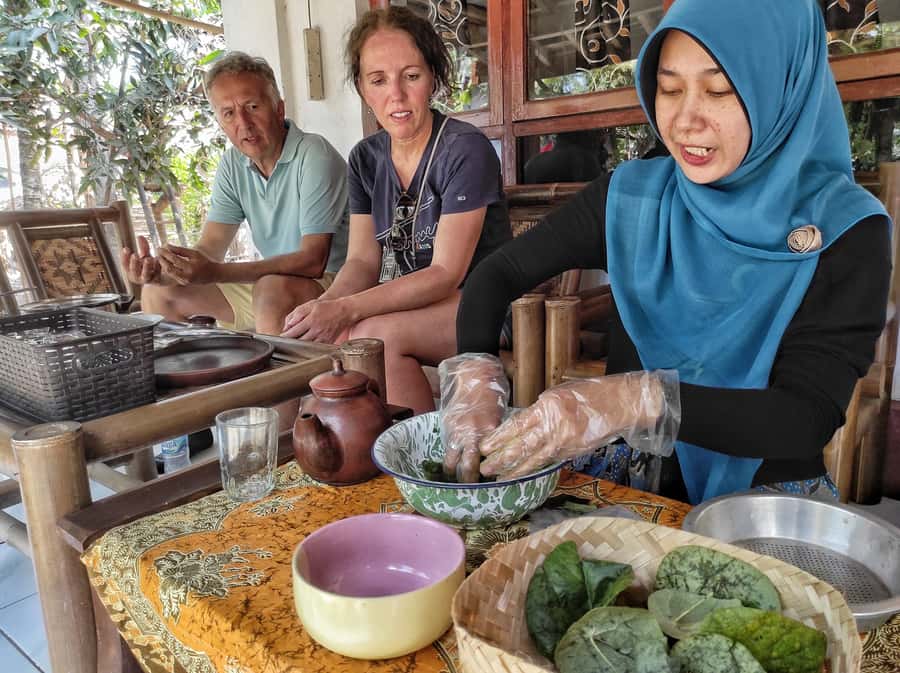
This tour doesn’t claim to be a full meal experience, but it covers the important basics so you stay comfortable while you’re out watching. You’ll get a welcome drink, plus snack and mineral water during the activity.
I like this approach. It’s enough to keep your energy steady, without turning the experience into a long dining block. And because the stops are tied to food production, you’re likely to understand what you’re eating in context.
You also come away with a few mental “anchors.” When you picture tempeh or emping later, you’ll remember that banana-leaf wrapping step and the traditional furnace setup. Those details help you connect memory to culture, not just food.
Guide Names You’ll Hear: Why the Right Translation Changes Everything
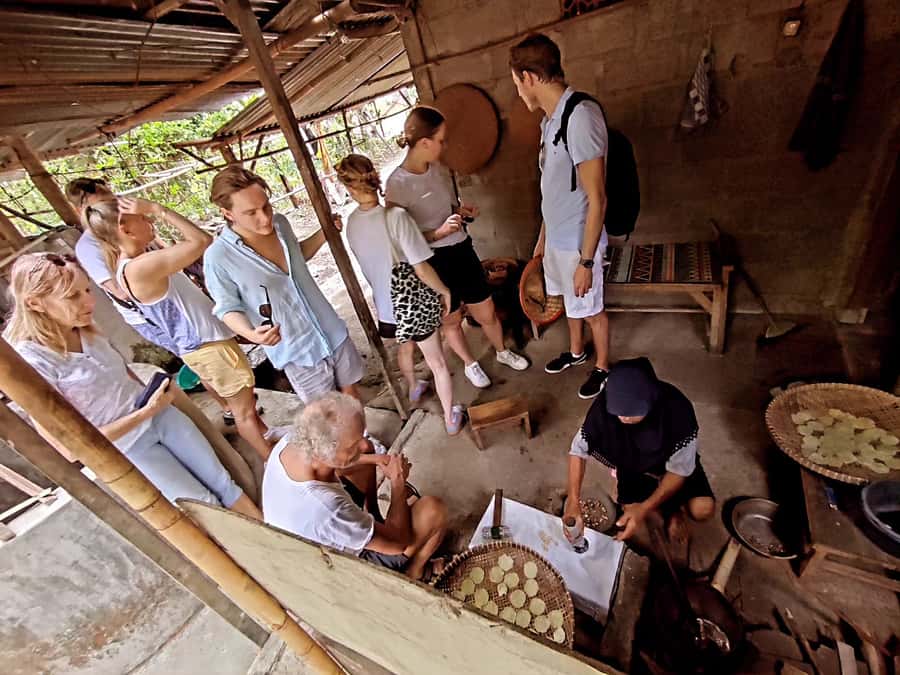
The guide experience is a big part of why this tour works. The tour runs with a live tour guide in English and Indonesian, and the small group format helps the guide adapt to your questions.
In the real-world feel of the tour, guides can make the difference between polite nodding and real learning. Guides like Kiki, Nana, and Zuhal have a reputation for explaining processes clearly and helping translate questions so locals can respond more directly.
You’ll notice how conversations get easier when the guide is comfortable with both sides: village life and your curiosity. That’s how you learn the real story behind everyday routines, including why certain foods and methods are still used.
Price and Logistics: Is $46 Worth It for a 5-Hour Countryside Ride?
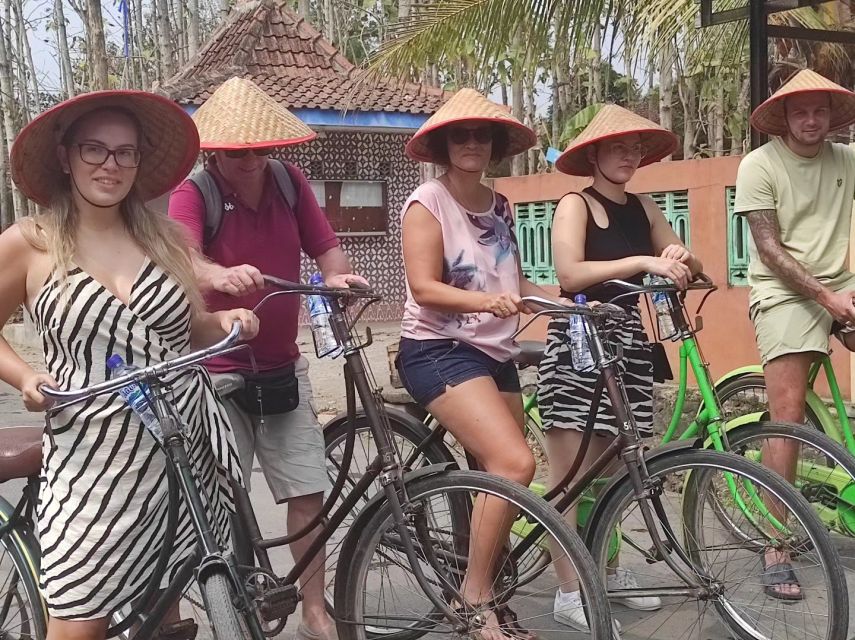
At $46 per person for a 5-hour experience, you’re paying for more than a bicycle. You’re paying for guided access to food-making work, transportation from Yogyakarta, and the community contribution included in the tour.
Here’s what makes the value feel solid: you get bicycle rental + guide, hotel pickup and drop-off, a local donation, and included refreshment (welcome drink, snack, mineral water). The cycling portion is only part of the time, which is exactly the point—this isn’t trying to maximize miles.
So if your idea of value is “see something real, learn from people, leave with stories and context,” this price makes sense. If you measure value purely by distance cycled or number of big sights, it might feel like a mismatch. Different tours serve different cravings.
Who Should Book This Tour (and Who Might Want Something Else)
This is ideal if you want a break from the busier side of Yogyakarta. The countryside format is peaceful, with a rhythm built around farms and families. You’ll likely enjoy it if you like food culture and don’t mind that the scenery is agricultural rather than monument-heavy.
It’s also a good fit if you’re traveling with low tolerance for long, exhausting days. The ride is designed to be relax and flexible, and the tour runs about 5 hours total with a shorter cycling block.
If you’re hoping for steep mountain climbs, action-focused cycling, or a lineup of major tourist sights, you may be disappointed. This tour is about everyday tradition: how tempeh and emping are made, what farms look like through the seasons, and how local people live.
Should You Book? My Practical Take
Yes, book it if you want a countryside experience that feels personal and hands-on. The standout reasons are straightforward: tempeh from soybeans with banana leaves, emping melinjo cracker making with traditional furnace heat, and the chance to learn through a small group with a guide who can translate your questions.
If you only want “Instagram landmarks,” skip it. This tour is for people who like texture: farm work, food processes, and conversations that make the day feel grounded instead of performed.
Before you go, bring what the tour asks for—sunglasses and sunscreen—and plan on a day that favors observation over speed. If that sounds like your kind of travel, you’ll probably love this.
FAQ
How long is the countryside cycling tour?
The full experience lasts about 5 hours, with the main bike time typically around 2.5–3 hours.
How big is the group?
The group is small, limited to a maximum of 10 participants.
What’s included in the price?
You get bicycle rental and a guide, a local donation, a welcome drink, snack and mineral water, and hotel pickup and drop-off.
What do we see and learn during the tour?
You’ll cycle through the countryside, observe daily village activities, see traditional food making including tempeh from soybeans (wrapped in natural banana leaves), and interact with emping melinjo cracker makers using a traditional furnace style.
What languages is the guide available in?
The guide speaks English and Indonesian.
What should I bring?
Bring sunglasses and sunscreen.
Is pickup and drop-off included?
Yes, the tour includes hotel pickup and drop-off.
Is the tour flexible with the cycling time?
Yes, it’s described as relax and flexible, with the cycling portion lasting about 2.5–3 hours.