Sunrise temples make this day feel epic. I like that this private Borobudur to Prambanan trip starts at about 3:30am and gets you to Punthuk Setumbu for an early look at the sky, because that sunrise timing is the whole point. I also like the comfort of hotel pickup and a private AC car, so you’re not squeezed with strangers before the climbing and crowds. The one catch: entrance fees and meals cost extra, so you’ll want a little buffer money.
I also appreciate the practical setup: bottled water is included, and you get a mobile ticket style of access to keep things moving early. The overall feedback is strong, with a 100% recommendation rate and a 5/5 average from 11 ratings, which usually means good pacing and reliable people behind the wheel.
In This Review
- Key highlights worth knowing
- The 3:30am pickup: why early really matters
- Punthuk Setumbu at sunrise: the view before the walking
- Borobudur in the morning: what to look for (and why Syailendra matters)
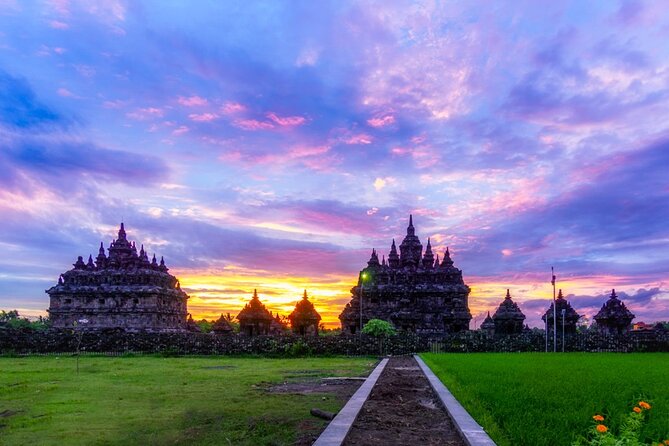
- Mendut and Plaosan: the short stops that add texture
- Prambanan in the afternoon: 240 temples and the big three
- Private guide + English driver: the difference you feel
- Price and logistics: what $40 covers (and what to budget next)
- When this tour makes the most sense
- Should you book: my honest take
- FAQ
- FAQ
- How long is the Yogyakarta day trip to Borobudur and Prambanan?
- What time does the pickup happen?
- Is this tour private or shared?
- What’s included in the tour price?
- Are entrance fees included?
- Are meals included?
- Do I get a hotel pickup and drop-off?
- Is a mobile ticket used?
- Is bottled water provided?
- Can I cancel for a full refund?
Key highlights worth knowing
- Punthuk Setumbu sunrise gives you a dramatic start, before the main temple heat and crowds
- Private transportation and hotel pickup/drop-off keep the day smooth
- English-speaking driver who can explain the significance behind what you’re seeing
- Borobudur and Prambanan context tied to the Syailendra and Sanjaya dynasties
- Bottled water included (meals are not), so plan where you’ll eat
- Guides named like Wedha and Rio often get praised for being careful, punctual, and helpful with logistics
The 3:30am pickup: why early really matters
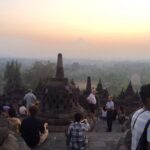
This tour is built around an early start. You’ll be collected from your hotel at about 3:30am, then driven to Punthuk Setumbu for sunrise views. That means you’re watching the temples in the cool part of the day, not in the late-morning crush.
Why I think that timing is worth it: Borobudur and Prambanan are famous for a reason, and they can get busy. When the day begins early, you spend more time seeing details and less time waiting around.
A practical note: sunrise is early for a reason, so try not to overplan the night before. If you’re coming from another town the same day, build in extra travel slack the day prior if you can.
You can also read our reviews of more tours and experiences in Yogyakarta.

Punthuk Setumbu at sunrise: the view before the walking
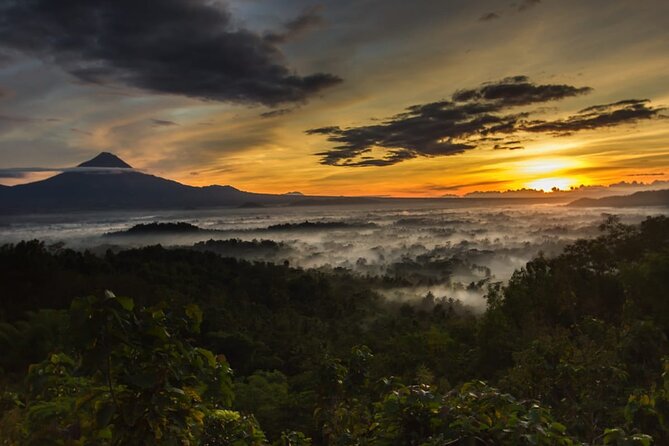
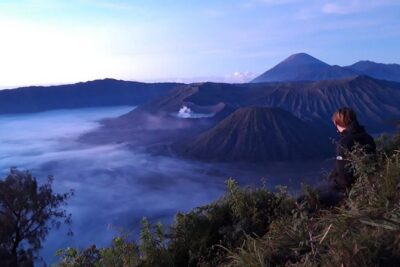
Punthuk Setumbu is your sunrise stop, and it sets the tone for everything that follows. You’re going before most people are awake, which makes the experience feel more focused, even if it’s still a popular viewpoint.
As the sky brightens, you’ll also get the story behind the temples and the broader Hindu context in the region. This is one of those moments where hearing the significance actually makes the carvings and layout easier to read later.
If you’re sensitive to early mornings, this is the one part you’ll feel most. But if you can handle the wake-up call, sunrise is where the day earns its keep.
Borobudur in the morning: what to look for (and why Syailendra matters)
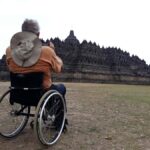
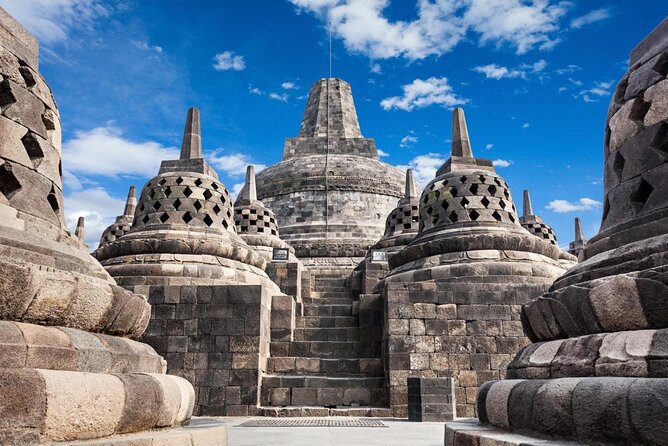
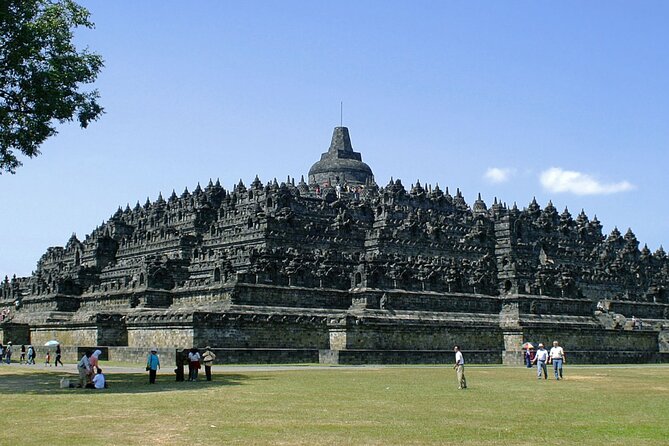
Borobudur is the first major temple experience, and it’s tied to the Syailendra dynasty. When a tour explains the dynasty link, it changes how you view the site. You’re not just looking at a famous monument; you’re looking at a specific historical period with a cultural agenda.
In practical terms, the tour gives you time to experience the complex in the early part of the day. That helps in two ways: the light is better for seeing textures, and you’re less likely to feel rushed as you move from point to point.
Here’s how I’d approach Borobudur during the day: don’t try to memorize everything at once. Pick a few areas you want to understand, then let the guide’s explanations help you connect the “what” to the “why.” If you do that, the hours feel meaningful instead of like a checklist.
Mendut and Plaosan: the short stops that add texture
After the main sunrise experience at Borobudur, the plan continues with other temple stops in the area, including Mendut and Plaosan. These aren’t just filler. In my view, they help you build a more complete picture of how the temple landscape functions as a whole.
The value here is pacing. You’re not doing one huge block of sightseeing. Instead, you’re spreading temple time across multiple stops, which makes the day feel less exhausting while still packing in the big names.
If you like getting “layers” on a destination, these intermediate stops are a bonus. You also get more chances to take photos when the light angle changes.
Prambanan in the afternoon: 240 temples and the big three
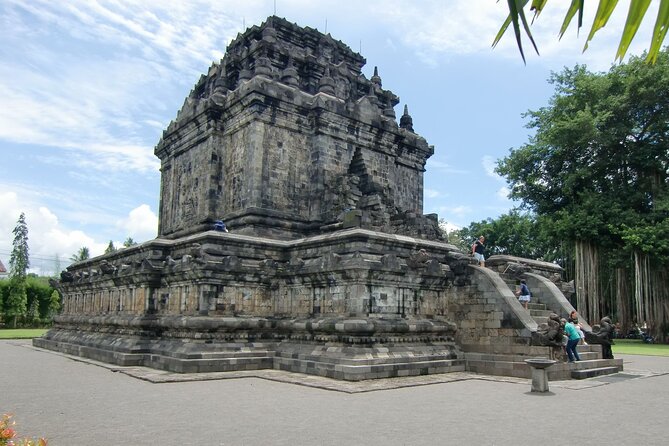
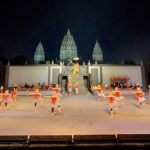
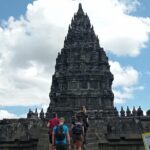
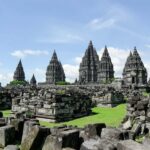
Prambanan is the second major stop, and it’s where the Hindu story becomes very visual. The complex dates to the 9th century under the Sanjaya dynasty, and it’s known for having 240 temples in the broader area.
What makes Prambanan special is the way it’s designed to communicate the Hindu worldview. The guide highlights the Trimurti: Siwa as the destroyer, Brahma as the creator, and Wishnu as the preserver. Even if you don’t know Hindu terms today, the explanations you get on the tour help you place the temples in a clear framework.
Look at Prambanan as more than architecture. It’s an organized statement of belief, built to guide your attention through meaning as well as scale.
And yes, it’s famous for a reason. But you’ll enjoy it more if you go in with one job: connect what you see with what the guide explains. When you do that, Prambanan becomes easier to follow instead of just impressive in a vague way.

Private guide + English driver: the difference you feel
This is a private tour, meaning you’ll be traveling only with your group, with private transportation. That matters at sunrise. It reduces waiting, reduces confusion, and gives your driver and guide flexibility to keep your day on track.
You also get an English-speaking driver who helps with the temple context. In the feedback, names like Wedha and Rio show up with praise for being attentive, punctual, and helpful with practical stuff. Some guides are described as safe and responsible with driving, and a couple of accounts mention help with logistics like arranging tickets and even sorting out SIM-card needs.
Even when you can’t remember every historical detail, a good guide does two things: they explain what’s relevant, and they keep your time from slipping away.
Price and logistics: what $40 covers (and what to budget next)
At $40 per person for about 8 hours, this tour can feel like a good value if you care about comfort and not wasting time. Here’s what you’re paying for that’s actually useful:
- Private, air-conditioned vehicle
- Hotel pickup and drop-off
- Bottled water
- Parking fees and fuel surcharge
- English-speaking driver
- Mobile ticket handling
What’s not included is the part you should budget for early: entrance fees and meals. So the real cost is $40 plus those site fees and your food. The tour’s value still holds, but your wallet will feel the gap if you assume the price covers everything.
Meals being extra also means you get some freedom. You can choose food that matches what you like, rather than being locked into a set meal plan.
When this tour makes the most sense
This trip is best if you want two icons—Borobudur and Prambanan—without the hassle of coordinating transport yourself. The private setup is especially nice if you have your own pace, early-start sensitivity, or a small group that wants a dedicated schedule.
I’d also put it on your short list if you enjoy learning while you look. The tour includes explanations about Hindu temples and temple significance, including the Trimurti themes at Prambanan and the dynasty context at both major sites.
If you’re the type who hates early mornings, you might feel the wake-up more than the payoff. But if you can handle 3:30am, the day is built around that trade-off.
Should you book: my honest take
Yes, I’d consider booking this tour if you want a well-structured day with private transportation, a serious sunrise start, and a guide who connects temple scenes to meaning. The combination of Borobudur and Prambanan is already a strong draw, and the private format keeps the day from turning into a stressful transportation puzzle.
I’d hesitate only if you’re strict about budgeting and want entrance fees and meals to be fully included in one flat price. Because meals and tickets cost extra, you’ll need to add that to your plan.
One more reason to feel confident: the feedback pattern is very strong, with a 100% recommendation rate and a perfect 5/5 average from 11 ratings, and many notes focus on punctuality and dependable driving—exactly what you want on a long, early-day schedule.
FAQ
FAQ
How long is the Yogyakarta day trip to Borobudur and Prambanan?
It’s listed at about 8 hours (approx.).
What time does the pickup happen?
Pickup is around 3:30am.
Is this tour private or shared?
It’s a private tour, with private transportation. Only your group participates.
What’s included in the tour price?
Included are private transportation, an air-conditioned vehicle, bottled water, parking fees, fuel surcharge, and an English-speaking driver.
Are entrance fees included?
No. Entrance fees are not included.
Are meals included?
No. Meals are an additional cost.
Do I get a hotel pickup and drop-off?
Yes, hotel pick up and drop off is included.
Is a mobile ticket used?
Yes, the tour includes a mobile ticket.
Is bottled water provided?
Yes, bottled water is provided.
Can I cancel for a full refund?
Yes. There is free cancellation, and you can cancel up to 24 hours in advance for a full refund.