A bike ride through Bali’s real backroads beats crowds. You start in the Kintamani volcano area, pedal mostly downhill, and spend the day meeting locals at a school, an organic farm, and a priest’s compound. It’s a full 8-hour cultural loop, not just a scenic spin.
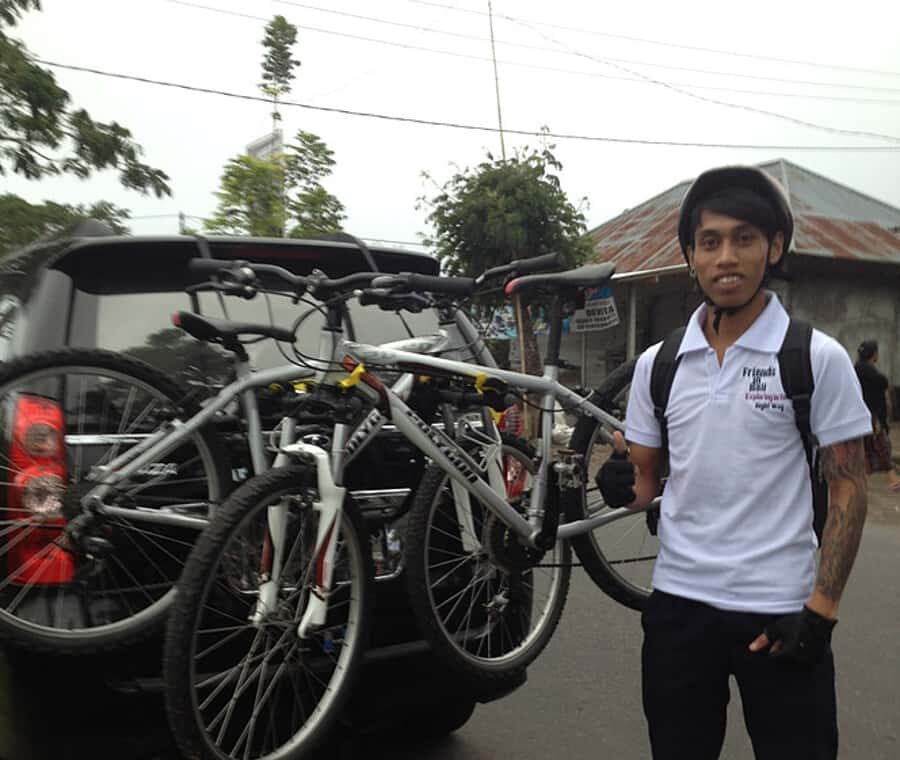
I love the school charity stop and the feeling of putting your money into real, specific needs. I also love how the ride is explained as you go, with guides like Agus, Ari, Dika, and Nyomah noted for strong English and clear answers.
One thing to know: you’ll be on country roads more than you might expect, and there can be at least one short uphill section where you may need to walk the bike.
In This Review
- Key things that make this tour work
- Downhill cycling in Bali, with culture built in
- Kintamani start and the breakfast view you’re hoping for
- The downhill ride: mostly easy, still pay attention
- Rural school charity visit: the most meaningful stop
- Coffee plantation stop and tastings that aren’t just sales talk
- Visiting a priest compound and talking through real family life
- Rice-field walk and the “why” behind the farming
- Lunch at Padi Organic in Laplapan
- Price and what $45 buys you in real value
- Who this tour is best for (and who should skip it)
- Practical tips so you enjoy it more
- Should you book this Bali Downhill Cultural Cycling Tour?
- FAQ
- How long is the Bali Downhill Cultural Cycling Tour?
- Is this cycling tour difficult?
- What’s the main cycling route time?
- What does the tour include?
- What is not included in the price?
- Do I get hotel pickup?
- What language is the guide?
- What should I bring?
- Is the tour suitable for wheelchair users or pregnant women?
Key things that make this tour work
- Charity at a rural school: you can see how supplies are distributed, and you can bring small extra items if you want
- A priest compound visit: family conversation + a cup of coffee makes the culture feel human, not staged
- Organic plantation coffee tastings: several tastings are included, with classic Bali coffee and tea options
- A downhill ride that’s “easy” with one test: mostly descending, but you should be ready for a short uphill
- Lunch in the rice paddies at Padi Organic: the meal is part of the day’s atmosphere, not an afterthought
Downhill cycling in Bali, with culture built in
This tour is built around one simple idea: make the best parts of Bali easier to reach. You get hotel pickup, a drive up to the hills near Kintamani, then a long downhill ride that drops you toward Ubud. Along the way, stops turn the day into a cultural tour you can feel with your legs—rice fields, homes, farms, and a local school.
What makes it different from a standard cycling day is the way the stops are woven into the ride. You aren’t just getting photos of Bali. You’re meeting people and learning the basics of how life works there—schooling, family structure, and farming rhythms—while you’re moving through the countryside.
The tone is also practical. Past riders point out that pacing isn’t frantic, and your guide will explain what you’re seeing as you roll. If you want time for photos, you’ll usually get it without feeling like you’re slowing everyone down.
You can also read our reviews of more tours and experiences in Bali.

Kintamani start and the breakfast view you’re hoping for
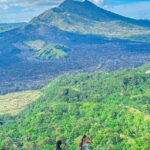
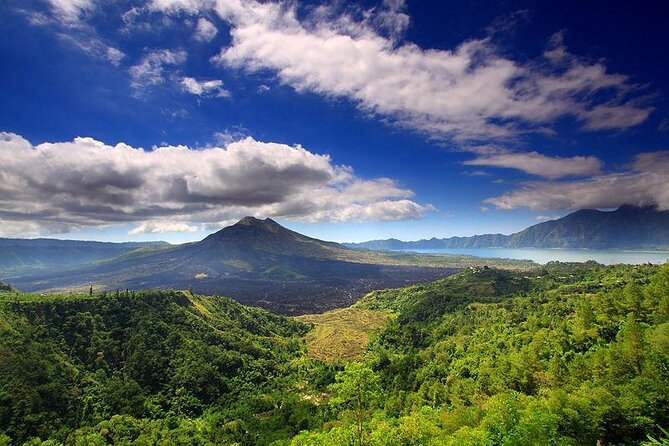
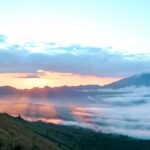
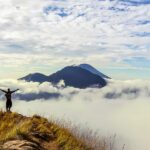
You begin with hotel pickup and then a drive to the Kintamani volcano area. The morning starts with a light breakfast, described as overlooking Mount and Lake Batur. In real life, views can depend on weather and visibility—so treat it as a bonus when it’s clear, not something you can control.
Breakfast matters here because it sets you up for a downhill day. You’ll be eating early, then cycling several hours. Even if you’re an experienced rider, that combo—cooler morning air plus a long pedal—feels better when you’ve started with something light and filling.
Dress in layers. Kintamani mornings can feel cooler than later in the day, and you’ll want something flexible for changing temperatures once you start descending.
The downhill ride: mostly easy, still pay attention
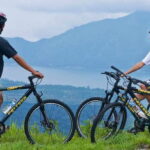
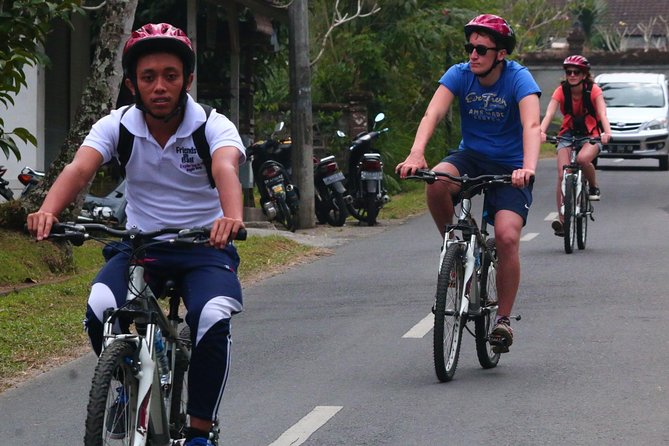
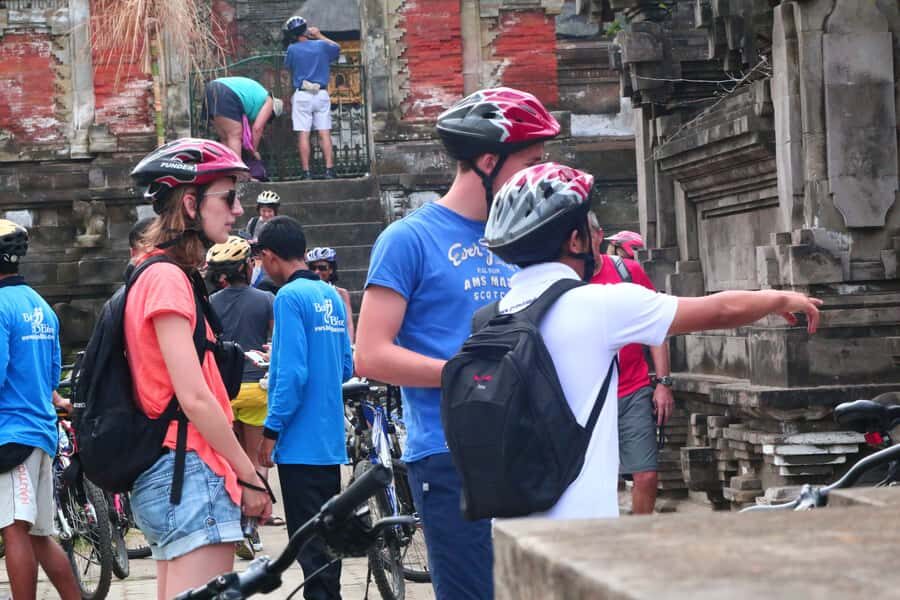
After breakfast, you begin the main downhill section from Kintamani toward Ubud, about 3.5 hours of cycling. The style is “easy pedaled downhill,” meaning you’ll still pedal, but gravity does most of the heavy lifting. Many riders note the route is manageable for average fitness levels, and one steep uphill section may be walkable.
In practice, this is the kind of ride where technique matters more than strength. Keep a steady cadence. Don’t rush downhill just because you can coast. Your guide is there for timing and safety, and past groups appreciated how the team handled traffic in busier road stretches.
You should expect village roads, farms, and long views as you descend. One rider specifically pointed out that roads can be more important than hopping directly into the densest parts of the paddies. That’s not bad—just calibrates expectations. You’ll see rural Bali at a moving pace, but you won’t be off-roading through wet rice every minute.
Rural school charity visit: the most meaningful stop
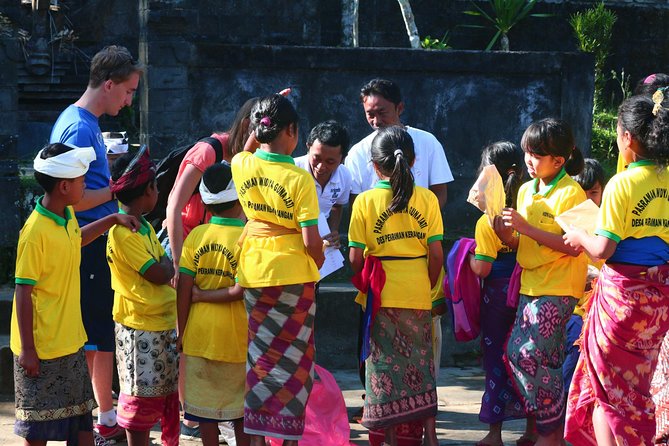
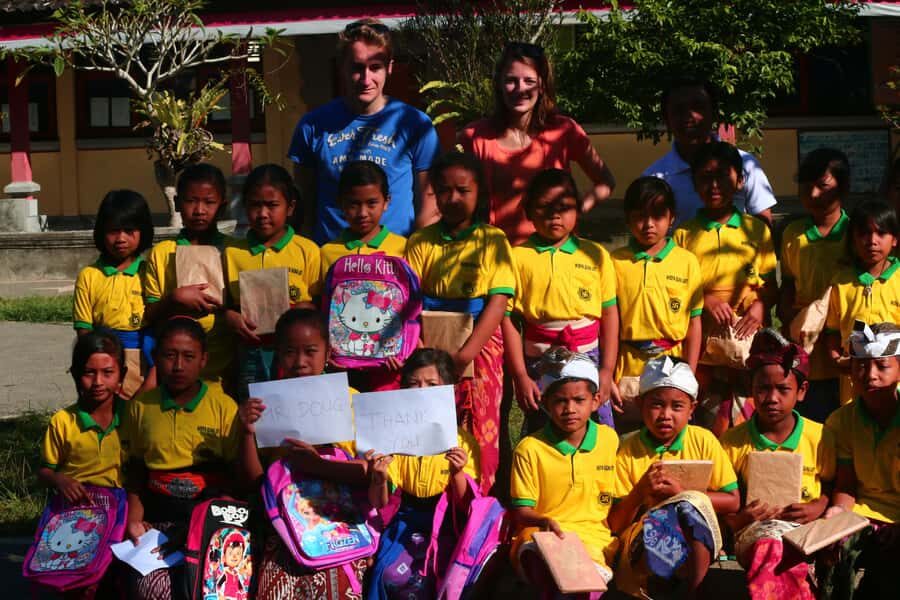
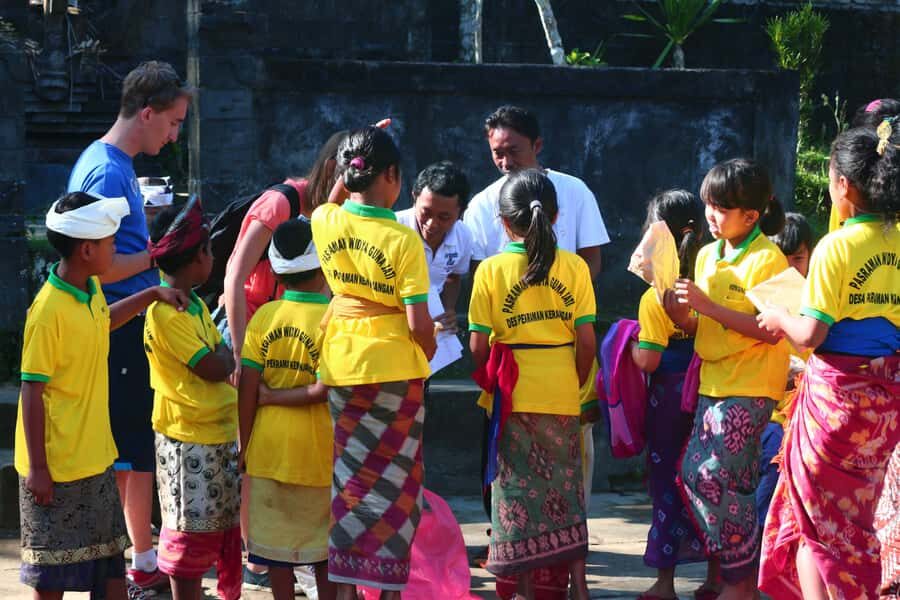
One of the most praised parts of this tour is the local school visit. You stop at a village school before the cycling begins, meet the students, and see how the charity component works. The supplier donates part of your tour cost to purchase essential school supplies, and those items are distributed during your visit.
This is where the day gets real. You’re not just paying for experiences; you’re funding something concrete. If you want to bring extra items, the best approach is to think in small classroom sets, not random single gifts. A helpful tip: bring supplies in quantities that can cover a whole class rotation (pencils and drawing books are the classic examples mentioned), because distribution can happen across multiple classes during your visit.
It’s also worth bringing cash along. Even if you’re not planning to buy supplies on-site, cash makes it easier to handle small add-ons your guide might suggest. And if you do bring extra items, closed-toe shoes and sportswear are still smart—school visits tend to involve walking around.
Coffee plantation stop and tastings that aren’t just sales talk
After the cycling portion begins, you’ll visit a local organic plantation. This stop includes free coffee tastings, and it’s more interesting than a quick flavor sampling if your guide explains what you’re tasting and how the growing process works.
Coffee in Bali isn’t one drink. It’s a set of flavors and processing styles, plus teas and other extras at the plantation shop. Some past riders noted tastings including luwak (civet) coffee, along with teas, and even a look at the small animals involved in the coffee seed process. You’ll also likely find plenty of opportunities to buy higher-end items—so go in knowing this can be a shopping moment if you’re a coffee person.
If you’re not a coffee enthusiast, don’t panic. The tastings are still a fun way to learn about local agriculture and understand why certain plantations are proud of being organic. It’s a break from cycling that keeps you moving toward the cultural theme of the day.

Visiting a priest compound and talking through real family life
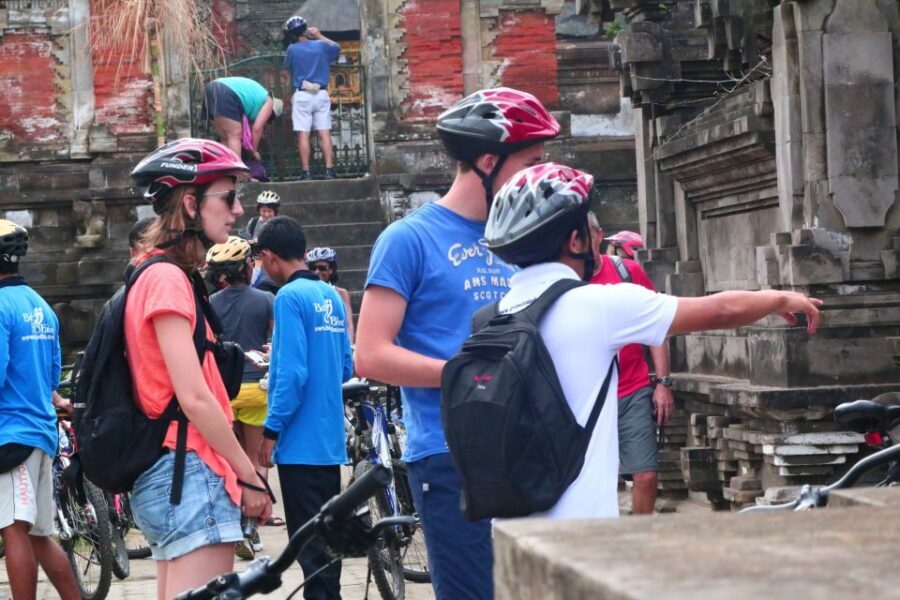
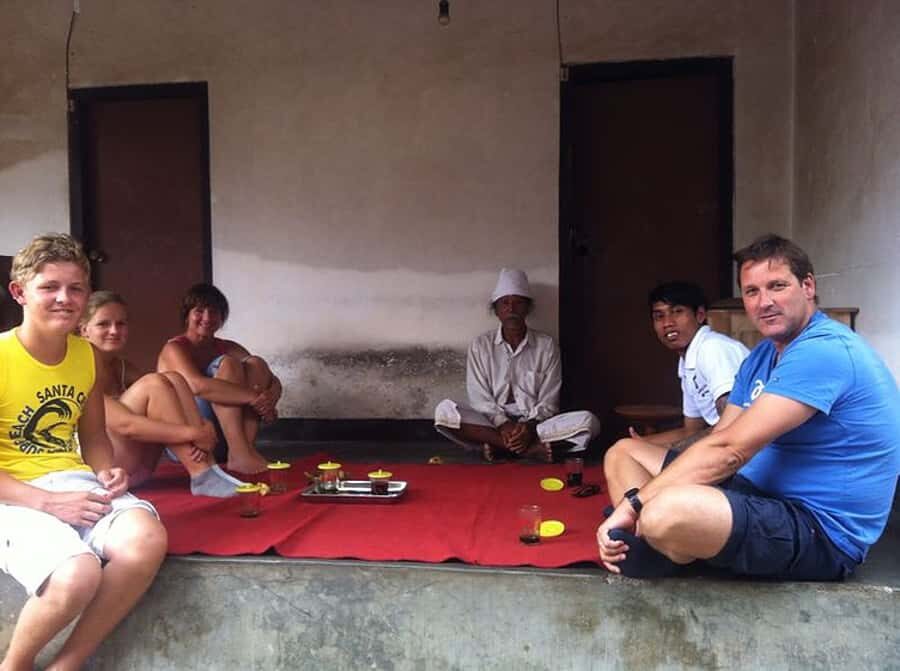
Next comes a stop that feels like a behind-the-scenes look at Balinese family life: a visit to a local family compound where you interact with locals, including time with a local priest. The priest accompanies the group with coffee, and the conversation happens with your guide translating.
This is the kind of visit that works best when you treat it like a conversation, not a photo session. Ask simple questions about what you’re seeing—how the compound works, what roles family members play, and what daily life looks like. Your guide’s job is to translate, but your job is to show curiosity.
Several past riders highlighted how guides like Agus and Nyomah handled these moments with care and clarity. That matters, because a visit like this can go from interesting to awkward fast if the group rushes or if people treat it like a performance. In this tour, the rhythm tends to stay calm and conversational.
Rice-field walk and the “why” behind the farming
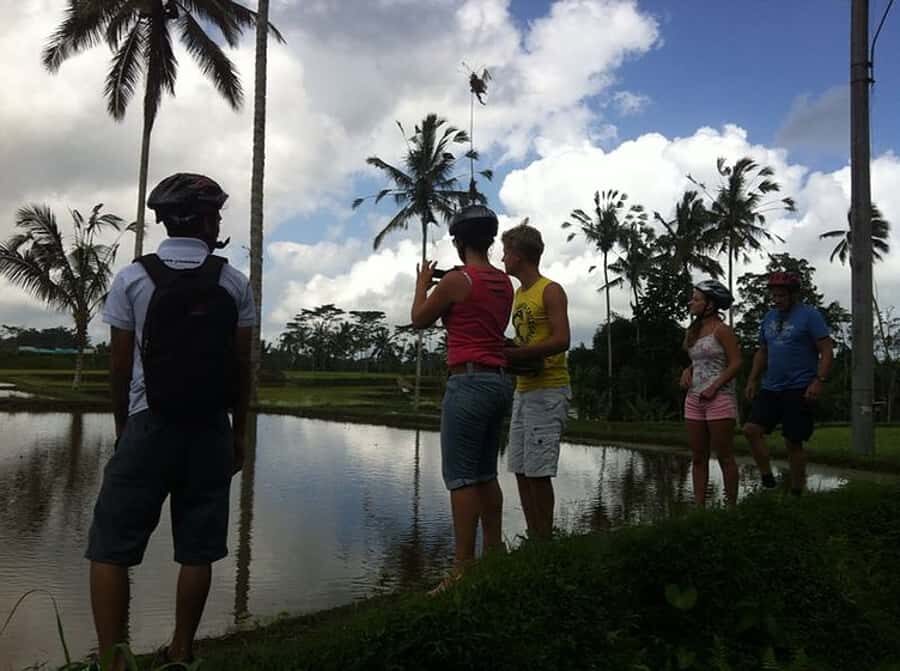
You’ll also take a short walk through rice fields where your local guide explains Balinese rice planting culture. This isn’t a long trek. It’s more like a guided primer while you’re already in the right place to understand it.
What makes this stop valuable is that it connects the countryside to the people. You learn the basics of how rice planting fits into Balinese life—how the landscape is managed, how timing and tradition affect farming, and why these fields aren’t just scenery. Even if you’ve seen rice paddies before, hearing the cultural side while you walk makes it feel different.
One rider was hoping for more time inside the paddies and found the day leaned more toward roads and villages. Still, the walk gives you a clear human and farming context without turning the day into a hike.
Lunch at Padi Organic in Laplapan
The day ends with Balinese lunch at the Padi Organic restaurant in the village of Laplapan, surrounded by rice paddies. This is not the usual generic “end of tour meal.” It’s part of the scenery and part of the story: a local restaurant using a farm-forward approach.
Past riders called lunch delicious and praised the overall quality. After hours of cycling and cultural stops, the meal feels earned. And since you’re already in the rice-field setting, lunch becomes one more slow moment to watch daily life instead of rushing back to your hotel.
Price and what $45 buys you in real value
At $45 per person for an 8-hour tour, this is one of the more approachable ways to get a lot of different Bali experiences in a single day. The value isn’t only the bike part. You’re also paying for hotel return transfers, cycling gear, mineral water, breakfast, lunch, and a guide—plus the school charity component.
That charity piece is key. It’s not a vague donation you never see. You visit the school and learn what your money helps provide. Even if you don’t bring extra supplies, your ticket is tied to practical school needs.
Personal insurance up to USD 75,000 is also included. You’re still responsible for your own smart choices—like wearing sunscreen and staying aware on the road—but it’s good to know the basic insurance layer is there.
Not included is simpler stuff that you can handle easily on your own: alcoholic drinks, sunscreen, and souvenirs/personal expenses. If you hate surprises, plan to buy sunscreen before you go.
Who this tour is best for (and who should skip it)
This tour fits well if you want an active day that still prioritizes culture. You don’t need to be a serious cyclist, but you should be comfortable riding a bike for several hours and handling some road conditions.
It’s a strong fit for:
- people who like educational travel but want movement instead of museums
- couples and solo travelers who appreciate a calmer pace for photos
- riders who want a rural day near Kintamani and Ubud without spending hours on planning
You should skip it if:
- you’re pregnant (not suitable)
- you need wheelchair access (not suitable)
- you don’t want any traffic exposure at all, since the route uses real roads
Practical tips so you enjoy it more
A few small things make a noticeable difference on this kind of day.
Bring:
- cash
- sportswear
Wear:
- layered clothing
- comfortable, closed-toe walking shoes
Expect:
- mineral water and included equipment
- gratuity is not included (it’s left to your discretion)
And for the stops:
- pack a respectful attitude for school and compound visits
- if you want to bring extra supplies, consider classroom-sized sets rather than random items
Should you book this Bali Downhill Cultural Cycling Tour?
If you want a day that mixes an easy downhill bike ride with real human encounters, this is an easy yes. The strongest reason to book is the blend: charity at a local school, a family/priest compound conversation over coffee, and a rice-field walk that explains farming culture. Add in the organic coffee tastings and the rice-paddy lunch, and you get a full picture of rural Bali without feeling like you’re rushing from one “sight” to the next.
The only real caution is expectations. You’re riding roads through villages and farmland, with a bit of uphill and traffic reality. You might not get maximum time in the paddies like you’d get on a dedicated walk. But for most people, the trade-off is worth it: you cover big distance and still get meaningful culture stops.
FAQ
How long is the Bali Downhill Cultural Cycling Tour?
The tour lasts about 8 hours.
Is this cycling tour difficult?
It’s described as an easy pedaled downhill route, but there can be a short uphill section, and comfortable fitness for several hours on a bike helps.
What’s the main cycling route time?
The downhill cycling from the Kintamani area toward Ubud is about 3.5 hours.
What does the tour include?
It includes hotel return transfers, cycling equipment, mineral water, light breakfast, charity in a local school, a guide, Balinese lunch, and personal insurance up to USD 75,000.
What is not included in the price?
Alcoholic beverages, sunscreen, and souvenirs/personal expenses are not included.
Do I get hotel pickup?
Yes, pickup is included from your hotel, and return transfers are included as well.
What language is the guide?
The guide speaks English and Indonesian.
What should I bring?
Bring cash and sportswear. You should also wear layered clothing and closed-toe shoes, and bring sunscreen.
Is the tour suitable for wheelchair users or pregnant women?
No. It is not suitable for wheelchair users or pregnant women.