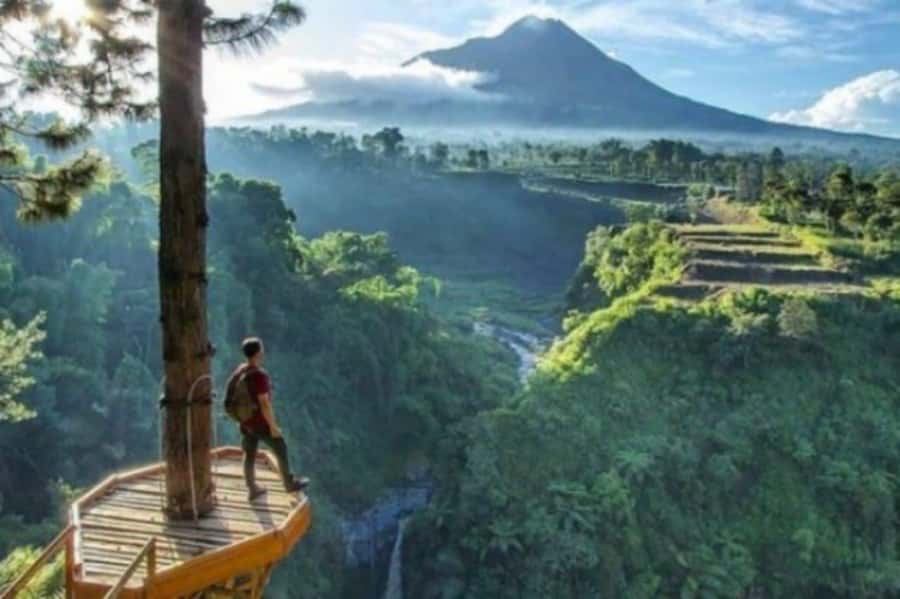
A sky-and-water view changes your whole mood. Kedung Kayang has that unusual sky-mountain-river-waterfall feeling, plus the name itself hints at the vibe: Kedung means waterfall and Kayang means sky. It’s a great Java mix of nature walks and culture stop energy, without feeling like you’re rushing from one postcard to the next.
I especially like the full-on combo of mountain scenery and a real waterfall (40 meters tall), with a long, walkable stretch that gets you moving. The other thing I love is how Selogriyo Temple isn’t just a quick stop—you get context through the guide’s stories, and that makes the place feel understandable, not mysterious for mystery’s sake.
One consideration: the waterfall area can look messy/dirty around the edges, so set expectations that you’re here for the views and atmosphere first, not a spotless Instagram park.
In This Review
- Key Highlights You’ll Feel on the Day
- Hitting the Road: Yogyakarta to Kedung Kayang in Real Time
- Kedung Kayang Waterfall: The Sky-Meaning, 40-Meter Drop
- It stays powerful even when it’s dry
- Facilities so your day doesn’t fall apart
- The local side: springs, guardians, and temple-myth weather
- Rice Terraces After the Falls: Walking That Feels Useful
- What to expect from the walk
- Selogriyo Temple: When Stories Make the Visit Click
- Price and Value: How $16 Works Here
- Practical Tips to Make the Day Smoother
- Wear for traction and damp ground
- Bring your own snacks plan
- Expect beauty, but also accept the real-world condition
- If you’re chasing quiet, time it right
- Use the viewing posts
- Who This Day Trip Suits Best
- Should You Book This Tour?
- FAQ
- How much does the tour cost?
- How long does it take to get from Yogyakarta to Kedung Kayang?
- What is the altitude and height of Kedung Kayang Waterfall?
- Is Kedung Kayang affected by dry season?
- What activities can you do at Kedung Kayang?
- What facilities are available at Kedung Kayang?
- What’s included in the $16 price?
- What is not included?
- Is English support available?
Key Highlights You’ll Feel on the Day
- A 40-meter waterfall at 1,200 meters altitude with year-round flow
- Quiet, low-crowd timing that makes photos and walking feel calm
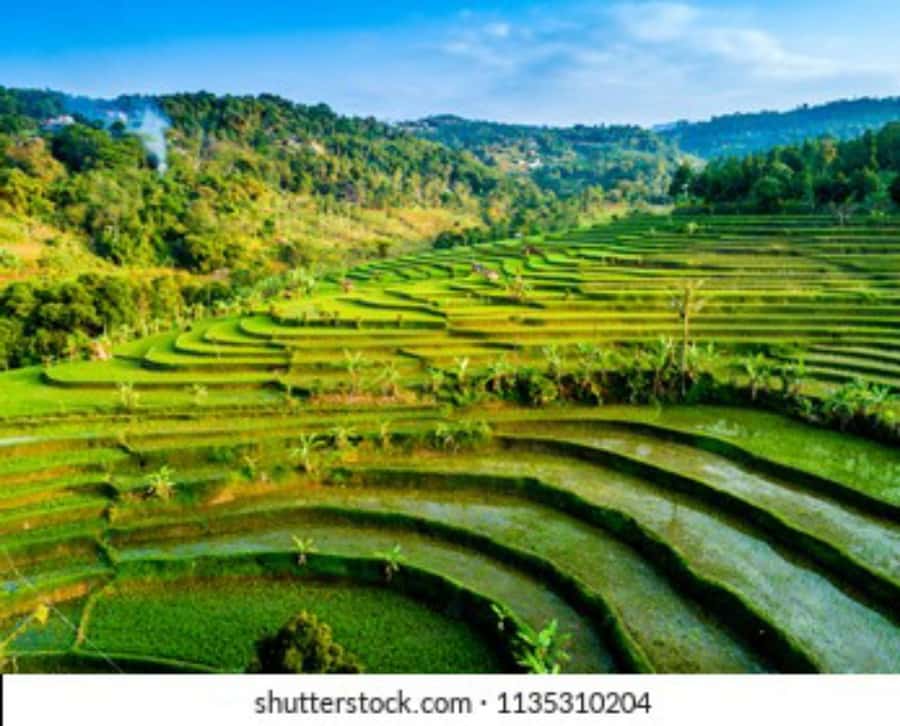
- Terraced rice fields walk where you can actually observe farmer activity
- English-speaking guide (including Mr Tomo) who shares stories and practical advice
- Waterfall facilities nearby such as toilets, parking, a food court, and viewing posts
Hitting the Road: Yogyakarta to Kedung Kayang in Real Time
Most days start with a drive out of central Yogyakarta toward the north side of Merapi. You’re looking at about 1 hour 20 minutes from the city to Kedung Kayang, depending on traffic and your exact pickup point. It’s a straightforward journey, and the shuttle pick-up from your hotel or homestay keeps things simple—no scrambling for transport.
If you’re coming from the Magelang area instead, the route is about 34 kilometers and roughly 1 hour. Either way, the drive matters because it sets you up for the day’s main payoff: you’re heading into cooler, higher ground where the waterfall and mountain views feel more dramatic.
Your guide/driver is there not just to transport you, but to help you make smart calls. That shows up in small ways, like where to pause for photos, how to time your walk, and how to handle the flow of people once you arrive.
You can also read our reviews of more tours and experiences in Candi Selogriyo.
Kedung Kayang Waterfall: The Sky-Meaning, 40-Meter Drop
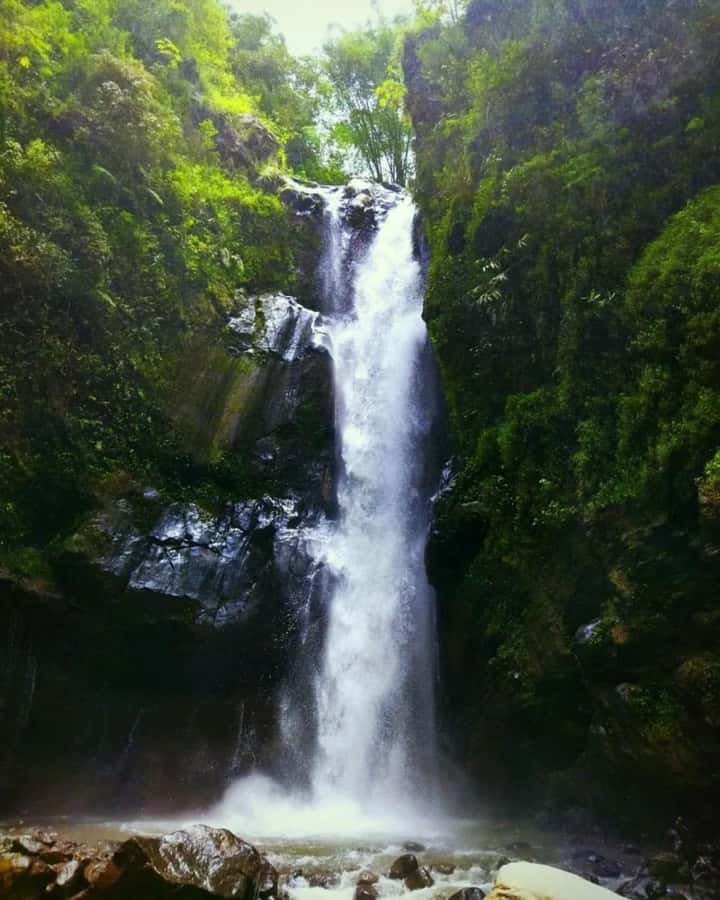
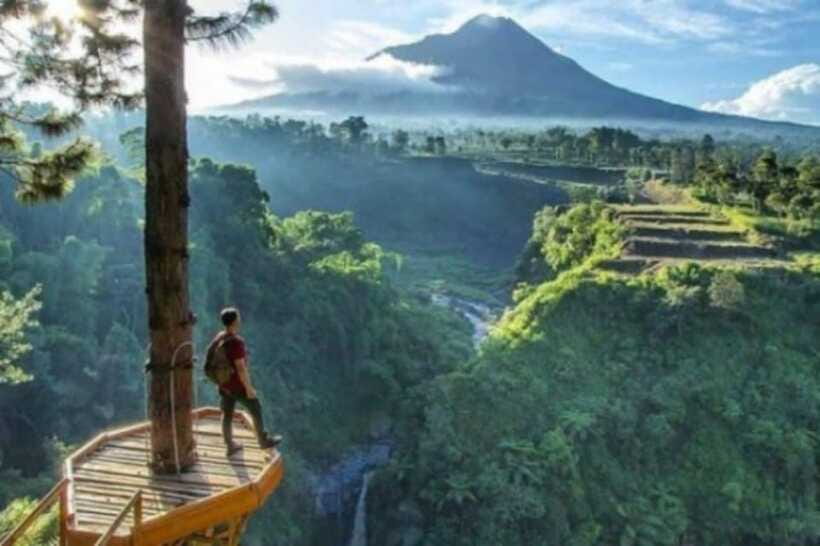
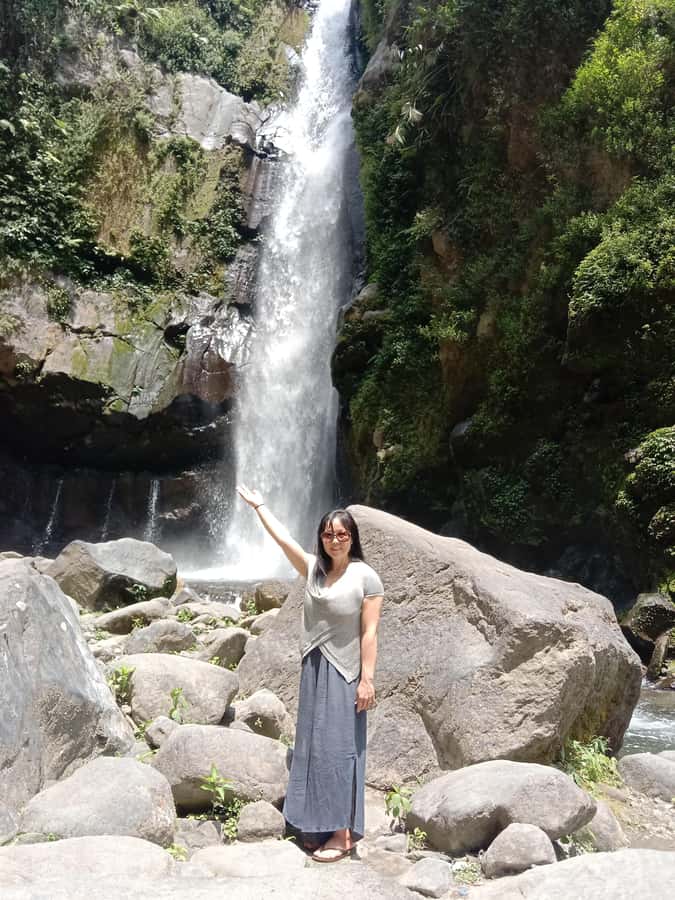
Kedung Kayang is often described as one of the highest waterfalls in Central Java, and the numbers back it up: it sits around 1,200 meters above sea level and the waterfall reaches about 40 meters. The feel is different from many waterfall spots where the view is mostly water and rock. Here, the charm is the larger picture—sky, mountain, river, and the fall all in one viewscape.
The name is more than poetic. Locals use Kedung for waterfall and Kayang for sky, and once you’re there, you see why that phrase sticks. You’re not only looking at a drop—you’re looking into a setting.
It stays powerful even when it’s dry
One practical detail that’s worth caring about: Kedung Kayang is said to never decrease in flow, even in peak dry season. That doesn’t mean it’s a flood movie every day, but it does mean you’re less likely to show up to a sad trickle. If you’re building a day around one big nature moment, this year-round reliability is part of the value.
Facilities so your day doesn’t fall apart
You’ll find a mix of basics that help you stay out longer: parking, toilets, a food court, viewing posts, a campground, and rest areas. That matters because you can plan a comfortable walking pace and still take breaks without needing to track down snacks or improvising everything.
Also, there are multiple activity types built around the waterfall—tracking, selfie time, and water tourism at the falls. Some visitors also come for pre-wedding style photo sessions, so expect more people with cameras at certain angles and times.
The local side: springs, guardians, and temple-myth weather
Kedung Kayang has a deep local belief layer, which you’ll likely hear through your guide’s storytelling. The name is associated with old figures said to have met at the waterfall location, above and below: Empu Stage, Empu Putut, and Empu Khalik from Wonolelo. Guardians are named too: Kyai Gadung Melati and Nyai Widari Welas Asih.
There’s also belief in springs that emerge year-round from cracks in the vertical cliffs, with mystical properties. Even if you don’t treat the myths literally, it helps you understand why locals may behave differently there than at a purely recreational waterfall spot.
And if you’re curious about the legend calendar: during Suro (Muharram) on Friday nights Kliwon, people say you may hear Javanese gamelan sounds. On Thursday Wage, the myth says monkeys gather at the top of the waterfall. Another story says Dewi Nawang Sih and Dewi Nawang Wulan bathe in Kedung Kayang, and that the place has a property of helping you stay young.
Whether or not you catch anything specific, these stories make the waterfall feel like a living place, not just a photo destination.
Rice Terraces After the Falls: Walking That Feels Useful
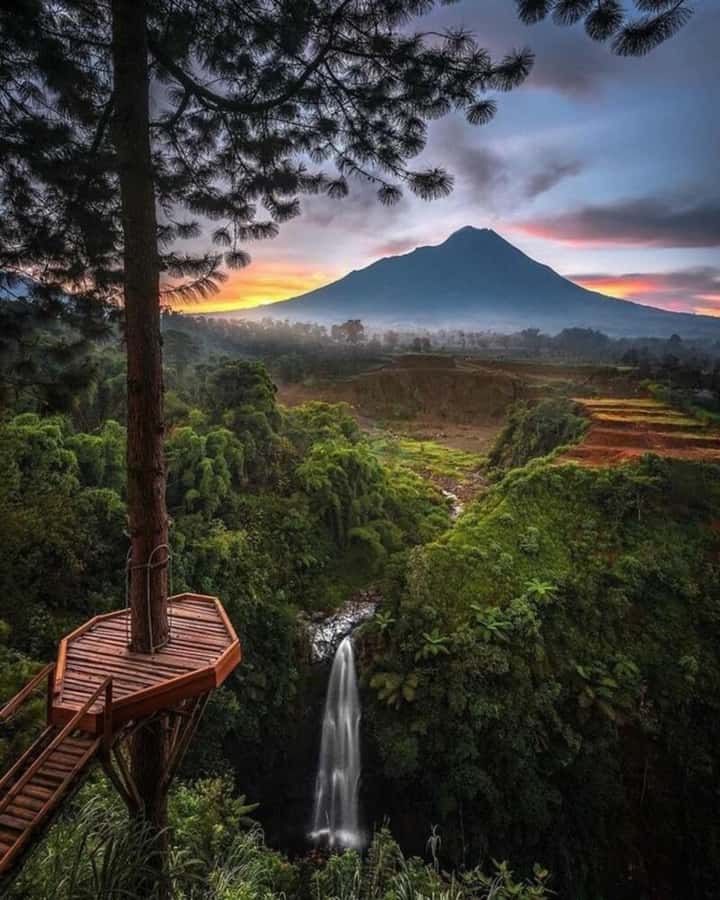
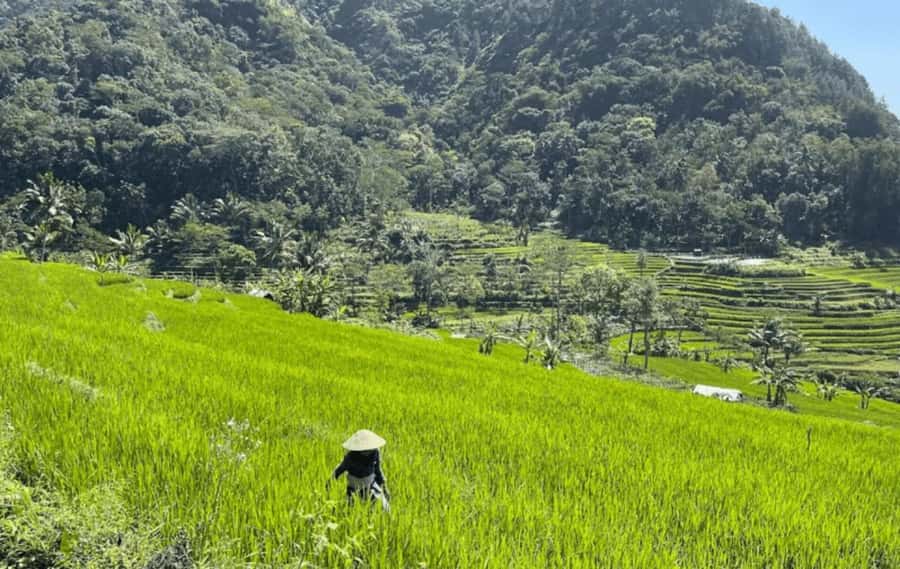
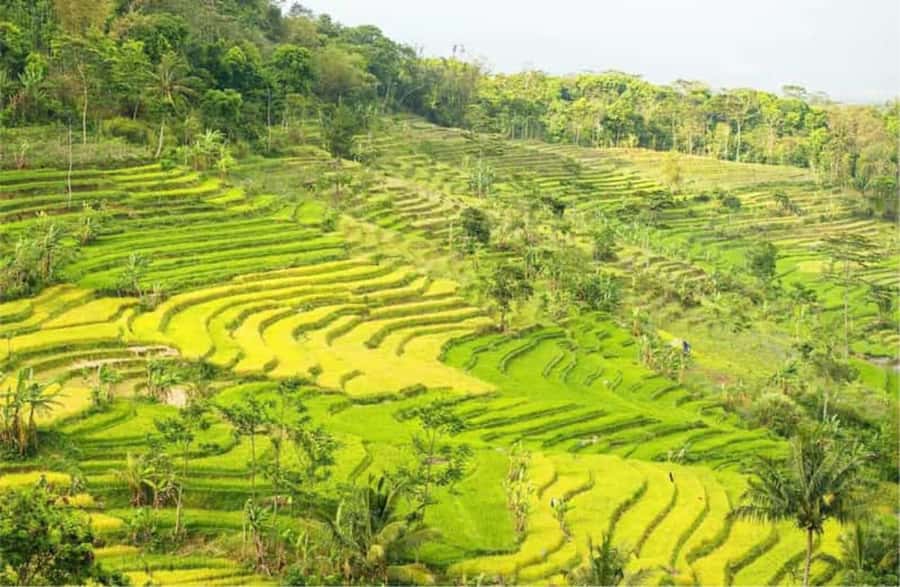
After the waterfall moment, the experience turns into a second kind of reward: terraced rice fields. This isn’t a random “walk around a view.” You get a chance to observe how the landscape works and what people do in it—especially the farmer activity that keeps the terraces alive.
This part is where the day earns its “healthy” tag. You’re not doing a hardcore hike, but you’re on your feet. That’s a smart move in Java because it balances heat, humidity, and the fatigue that can build when you only do driving and sightseeing.
It also helps that the area can be quiet, depending on the time of year. When you don’t have heavy crowds, rice terrace photos look more natural, and the walk feels more like a local landscape pass than a theme-park circuit.
What to expect from the walk
The walk isn’t described with a strict difficulty rating, but it’s presented as tracking-friendly. That means you should plan for uneven ground around the terraces. If you like shoes you can trust on damp patches, bring them. If you’re doing this in the wet season, assume slippery spots near water edges.
Also, expect you’ll be sharing the path with people working their fields. Keep your pace respectful and don’t block access. The reward is worth it: you’ll come away with a stronger sense of place than a quick photo stop alone.
Selogriyo Temple: When Stories Make the Visit Click
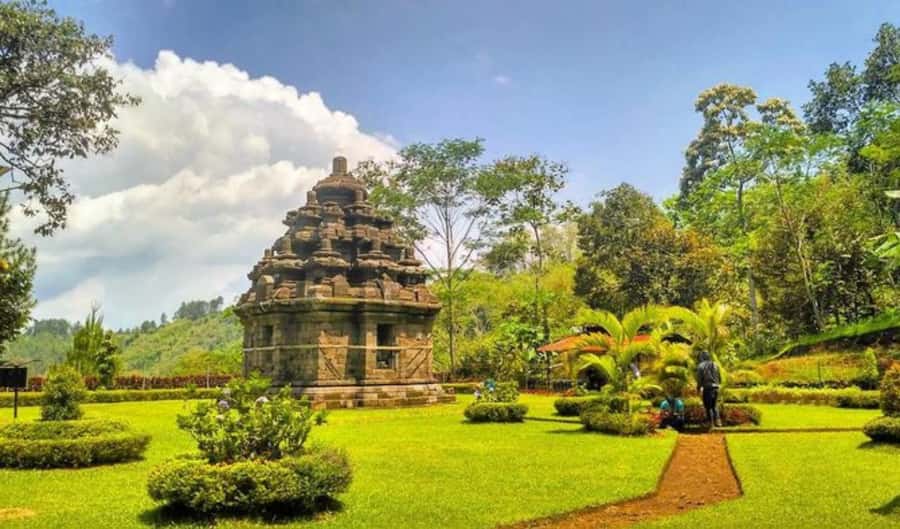
Your day includes Selogriyo Temple, which adds a cultural counterweight to all that water and rice. Even without focusing on architecture details here, the temple stop feels like a breather. It’s a change in rhythm—less stepping around rocks, more standing, looking, and listening.
What makes the temple portion land is the guide. One highlight that stands out is Mr Tomo—friendly, humble, and genuinely knowledgeable in a way that feels practical. His English is strong, and he shares stories and information that give the site meaning quickly. That matters because temples can otherwise feel like you’re staring at carvings without knowing what you’re looking at.
I like these kinds of guide-led stops because they turn passive sightseeing into actual understanding. You’ll likely leave Selogriyo with a clearer sense of how local beliefs and place names connect to the surrounding landscapes you just walked through.
Price and Value: How $16 Works Here
The price is listed at $16 per person, which makes this a rare combo: transport + English-speaking guidance + key site access support, without a big “premium” fee that you often see on multi-stop tours.
Here’s what you’re getting included:
- Shuttle to your hotel or homestay
- Car + fuel
- English speaking driver and guide
- Parking fees
- A bottle of water
And what you should plan to pay separately:
- Meal or snacks
- Location entrance ticket
So the real value question becomes: do you want the convenience of being driven, guided, and set up for the stops, while handling your own food and any entrance costs? For most people doing only one day in the region, yes—that’s a good trade.
Also, the guide piece is not a small detail. Having an English-speaking guide who can offer helpful advice (and in Mr Tomo’s case, lots of stories) is the difference between wandering and enjoying. It helps you spot the best moments for photos and keep the day flowing.
Practical Tips to Make the Day Smoother
This is a nature-first day, so small prep choices matter.
Wear for traction and damp ground
You’ll be doing walking at Kedung Kayang and moving through rice terrace paths. Bring footwear that can handle uneven ground and possible moisture. If you only have flip-flops, you might regret it once the trail gets slick.
Bring your own snacks plan
Meals and snacks aren’t included. There’s a food court on-site at Kedung Kayang, which helps, but you still want your own strategy for the day—especially if you have preferences. At minimum, pack light extras so hunger doesn’t decide your pace.
Expect beauty, but also accept the real-world condition
Even with all that beauty, the waterfall area can be dirty around the surroundings. I’d treat that as part of the reality of outdoor sites. Your job is to focus on the waterfall viewscape, the walk, and the guide-led context—then move on without letting the condition ruin the experience.
If you’re chasing quiet, time it right
The day can feel calm with very few tourists, depending on when you go. If peace matters more than meeting everyone, choose a quieter timing when possible. You’ll get better photos and a calmer walking rhythm.
Use the viewing posts
Since there are viewing posts, make use of them. They can help you frame the waterfall and mountain background without having to fight for the best angle on the move.
Who This Day Trip Suits Best
This tour makes the most sense if you want:
- One strong nature anchor (Kedung Kayang)
- A second atmosphere shift (rice terraces)
- A cultural stop that you can understand quickly (Selogriyo Temple)
- An English-speaking guide who gives helpful advice and stories
It’s a good fit for couples, solo travelers who like guided structure, and families who want a manageable walking day with facilities nearby. If you’re the kind of person who wants ultra-clean surroundings above all else, you may find the setting less polished than you hoped—but the waterfall and rice terrace scenery are the main point.
Should You Book This Tour?
If you’re staying in Yogyakarta and want a day that mixes dramatic nature with local context, I think this is an easy yes. Kedung Kayang’s height, altitude, and the year-round flow make it a dependable centerpiece, and the rice terraces add a real “walk with meaning” feel. Add Selogriyo Temple with an English-capable guide like Mr Tomo, and you get a day that’s not only scenic—it’s interpretable.
Book it if you’re okay handling your own snacks and accepting that the outdoor environment may not be perfectly maintained. Skip it if you only want polished facilities everywhere or if you’re looking for a purely long, strenuous hike.
FAQ
How much does the tour cost?
The tour price is $16 per person.
How long does it take to get from Yogyakarta to Kedung Kayang?
From the city of Yogyakarta, it takes about 1 hour 20 minutes to reach Kedung Kayang.
What is the altitude and height of Kedung Kayang Waterfall?
Kedung Kayang is located at around 1,200 meters above sea level, and the waterfall reaches about 40 meters.
Is Kedung Kayang affected by dry season?
Kedung Kayang is said to never recede or decrease in flow, even at the peak of the dry season.
What activities can you do at Kedung Kayang?
Suitable activities include tracking, selfie photos, water tourism at the waterfall, and pre-wedding style photo sessions.
What facilities are available at Kedung Kayang?
You can find road access, parking, toilets, a food court, viewing posts, a campground, and rest areas.
What’s included in the $16 price?
Included items are shuttle to your hotel or homestay, car and fuel, an English-speaking driver/guide, parking fees, and a bottle of water.
What is not included?
Meals or snacks are not included, and entrance tickets for locations are not included.
Is English support available?
Yes. The tour includes an English-speaking driver and guide.
![Bali Instagram Tour [Private and All-Inclusive] - Tirta Gangga Water Palace: a short stop that pays off](https://assets.indonesiaescapes.com/wp-content/uploads/bali-instagram-tour-private-and-all-inclusive-400x267.jpg)