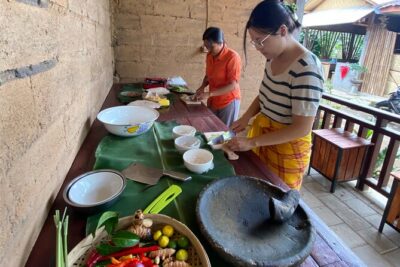
Spices start your day before the stove. This Ubud class mixes a market visit and a chef-led cooking session so you understand Balinese flavors, not just memorize recipes. You’re picked up in Ubud, taken to the traditional morning market, then back to cook and eat.
I love two things in particular. First, the local chef approach: you learn how dishes come together and why key ingredients matter for Balinese cooking. Second, the hotel pickup and drop-off keeps the day simple, especially when you’re trying to fit activities around temple visits or a beach break.
One consideration: this experience isn’t a match if you have serious food allergies or if you’re traveling with children under 12 or are pregnant. Also, it starts early and includes time on your feet in the market.
In This Review
- Key Highlights Worth Your Time
- A Four-Hour Ubud Cooking Lesson That Feels Like a Food Mission
- Ubud Pickup: Starting Easy (Because Mornings Are Busy)
- The Ubud Morning Market: How Ingredients Become Flavor
- Hands-On Cooking With a Local Chef: From Spices to Plates
- What You’ll Eat (And Why It’s a Real Value Add)
- The Recipe Book: Your Shortcut to Repeating the Best Parts
- Dietary Notes: Plan Smart Before You Book
- Price and Value: Is $27 for 4 Hours a Good Deal?
- Small Tips That Make the Day Better
- Who This Ubud Class Suits Best (And Who Should Skip)
- Should You Book This Ubud Cooking Class?
- FAQ
- How long is the cooking class experience?
- Is hotel pickup included in Ubud?
- Do I get to eat the food I cook?
- What language is the guide?
- Is a vegetarian option available?
- Who should not book this activity?
- What should I bring to the tour?
Key Highlights Worth Your Time
- Market-first shopping: learn what you’re buying and why it’s used in Balinese dishes
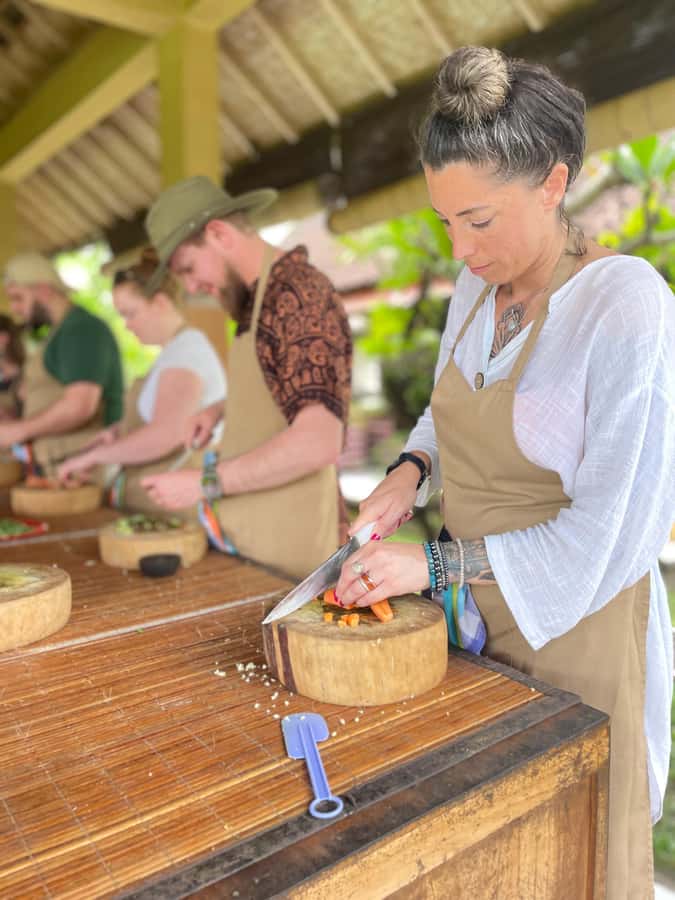
- 2.5-hour hands-on cooking: you cook, not just watch from the sidelines
- English live guide: clear explanations as you go from ingredients to finished plates
- You eat what you cook: the class ends with the meal you helped make
- Recipe book to take home: useful for recreating your favorites later
- Pickup and drop-off in Ubud: fewer logistics hassles in the morning
A Four-Hour Ubud Cooking Lesson That Feels Like a Food Mission
This tour is built around one smart idea: start with ingredients, then cook with them while the flavor logic is still fresh in your head. You get a full morning rhythm in about 4 hours, which is great in Ubud when you want cultural experiences without burning your whole day.
You’ll spend about 2.5 hours actually cooking with a local chef after a market visit. The best part is that the day isn’t just educational. You end up with food you cooked yourself, and based on guest feedback, the end result is genuinely good.
If you’re the type who can’t stand leaving a place without trying the real thing, this fits your style. It’s also a solid way to get comfortable with Balinese staples like curries and sambal-style chili sauces, even if you’ve never cooked Indonesian food before.
You can also read our reviews of more tours and experiences in Ubud.



Ubud Pickup: Starting Easy (Because Mornings Are Busy)
The day runs smoother than you’d expect for a cooking class. You’ll get hotel pickup and drop-off within Ubud, with a driver meeting you at your accommodation. The driver holds a sign with your name or the class name, so you’re not playing guess-the-car.
Pickup times are typically around 7:30 AM, but you should confirm the exact time on your confirmation. The tour starts promptly, so arrive at least 10 minutes before the pickup time. That early start matters because the market experience is designed for the morning flow of ingredients and vendors.
Practical tip: if your hotel has multiple entrances or is hard to spot, coordinate the meeting point ahead of time. Ubud is walkable in some areas, but properties can be tucked back from the road, and you don’t want that to delay your start.
The Ubud Morning Market: How Ingredients Become Flavor
The market stop is the part that turns a cooking class into something you’ll remember. You’re not just checking boxes like buy chilies, buy herbs, done. Your guide helps you notice the essential spices and herbs behind Balinese cooking and connects them to everyday food on the island.
This matters because Balinese flavors often come from a careful balance of heat, aroma, and freshness. When you understand what you’re grabbing—rather than treating everything as a mysterious blur—you can cook more confidently later.
Expect to walk around and look at fresh ingredients in a traditional setting. It’s also a nice cultural break from the more structured tourist zones. You get context: each ingredient isn’t only about taste, it’s tied to local culinary practice.
What to watch for: sun and bugs. The tour recommends a sun hat, insect repellent, and biodegradable sunscreen. Bring a reusable water bottle, and consider wearing breathable clothes you don’t mind getting a little spicy or fragrant.
Hands-On Cooking With a Local Chef: From Spices to Plates
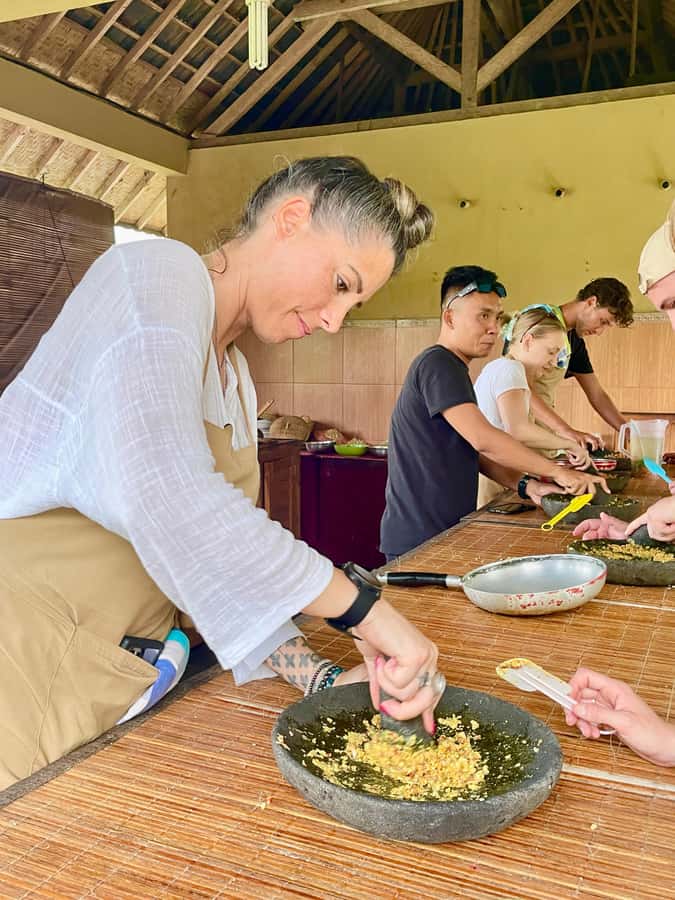
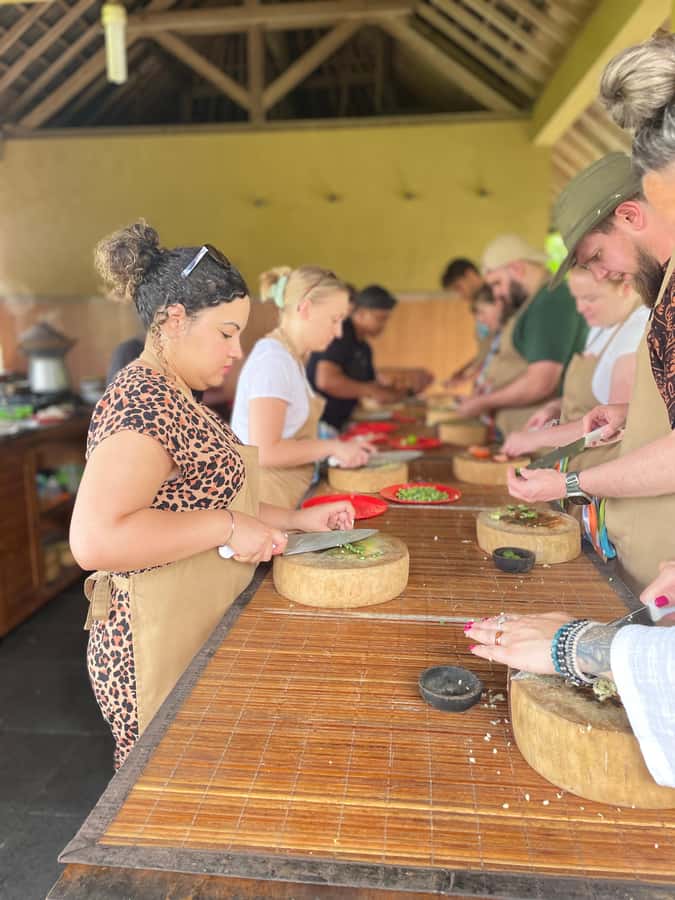
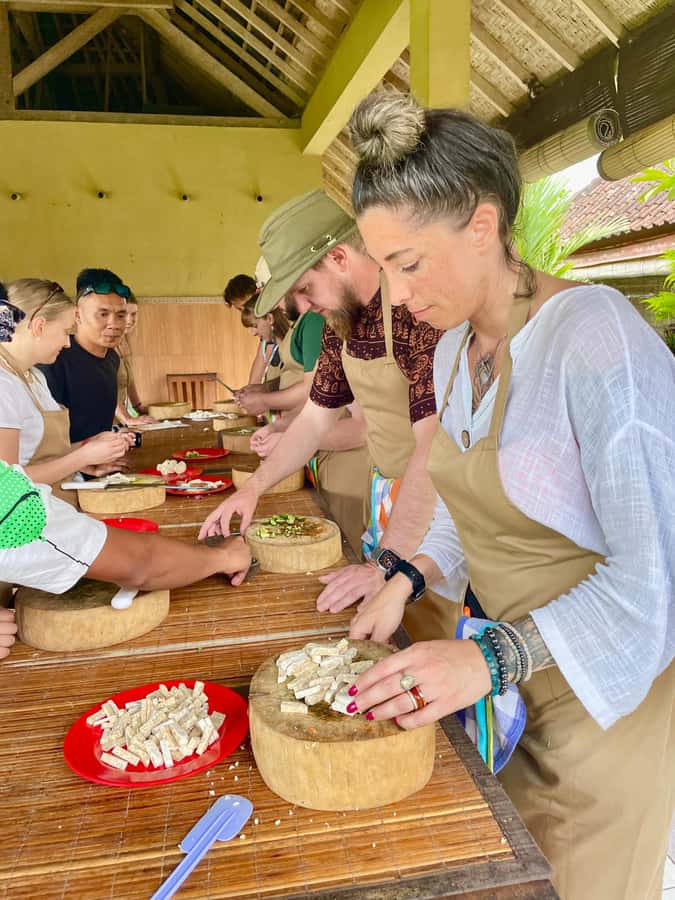
After the market, you head to a local kitchen and roll up your sleeves. The cooking session lasts about 2.5 hours, which is a sweet spot: long enough to learn multiple dishes, not so long that you feel like you’re stuck in a workshop all day.
Your chef guides you step by step, and the goal is simple: make classic Balinese dishes using the ingredients you just saw. Based on reviews, the teaching style is a big win. People highlight that the instructor is patient and the class is well organized—meaning you’re less likely to feel rushed or lost when the heat and chopping start.
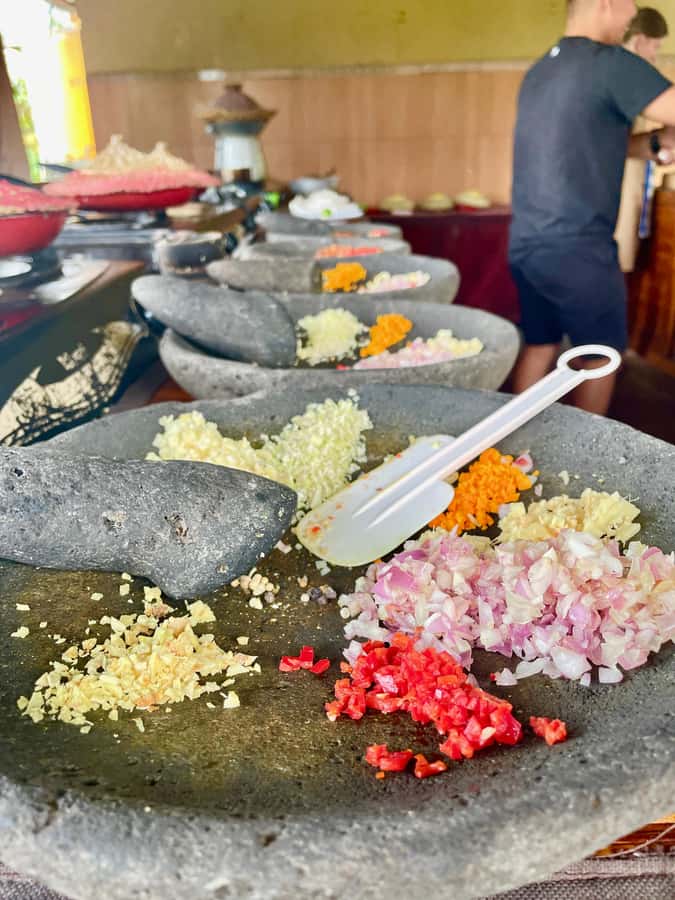
You’ll likely work with common Balinese flavor building blocks like:
- aromatic spice blends used in curries
- chili-based condiments, including sambal-style sauces
- herbs and seasonings that give dishes that signature Balinese aroma
The class includes learning and cooking, but it also includes outcome. You finish by eating what you cooked. That’s not just a nice touch; it’s how you learn. You can taste the difference between what you thought an ingredient would do and what it actually does in a real recipe.
If you’re worried about skill level, don’t overthink it. A big part of the appeal is that the chef explains clearly and keeps you moving. Still, if you’re not comfortable walking in the morning or standing for a couple of hours, wear supportive shoes and take it easy during the market.
What You’ll Eat (And Why It’s a Real Value Add)
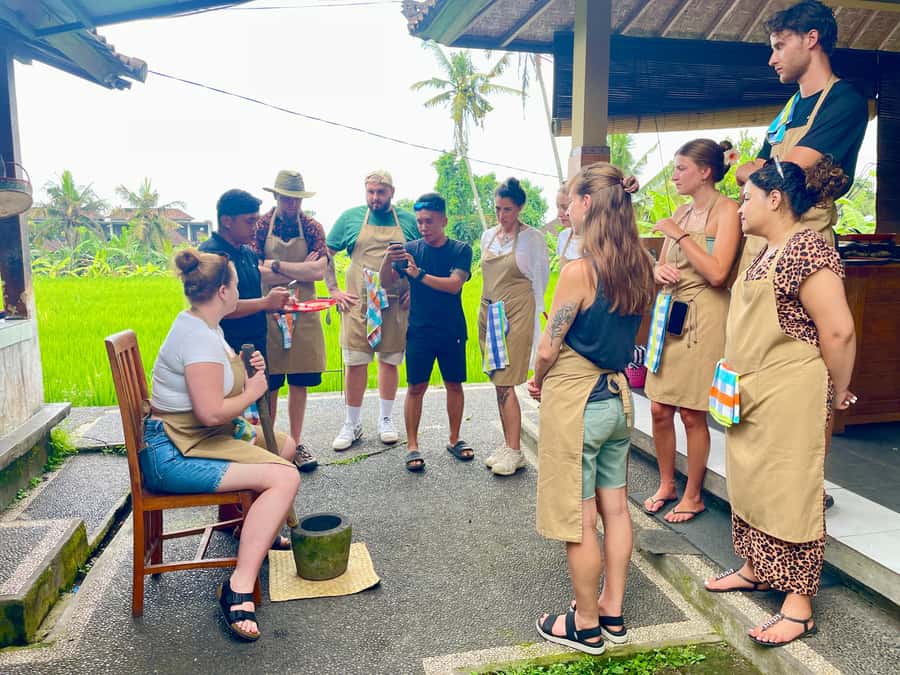
Many cooking classes turn into a demo with a few quick tasks. This one is structured so you actually get to the plates. That means the cooking effort has a payoff: you’re not leaving with only photos and a recipe book—you’re leaving full.
Reviews also point to the food being delicious and the whole experience feeling fun, not stiff. One review notes that they ate the dishes they made, and that point matters. When you taste your own sambal or curry alongside the other dishes from the class, it clicks. You can adjust your own approach for next time, and you’ll remember the flavors more clearly.
Also, because it’s Balinese-focused, you’re not just learning general “Indonesian cooking.” You’re learning the logic behind island classics, which is the part that helps you cook something that tastes right at home.






The Recipe Book: Your Shortcut to Repeating the Best Parts
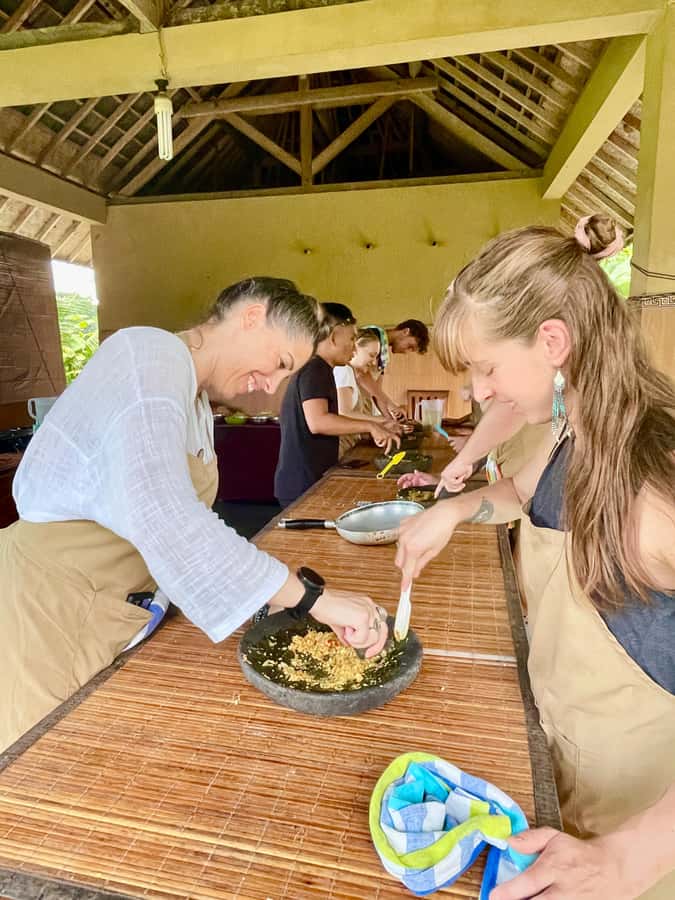
The tour includes a recipe book to take home. For $27 per person, this is a big reason the value adds up. It’s not just a souvenir; it gives you something concrete to recreate what you liked once you’re back in your own kitchen.
Here’s how I’d use it: pick 2 dishes you actually loved (not just the ones you managed to pronounce). Cook those first within a week or two while your memory is fresh. You’ll be able to compare your results and tweak seasoning the next time.
A note from the tour info: cameras are welcome, and you can take photos of your cooking experience. But ask the chef before photographing other participants, which is a respectful detail and saves awkward moments.
Dietary Notes: Plan Smart Before You Book
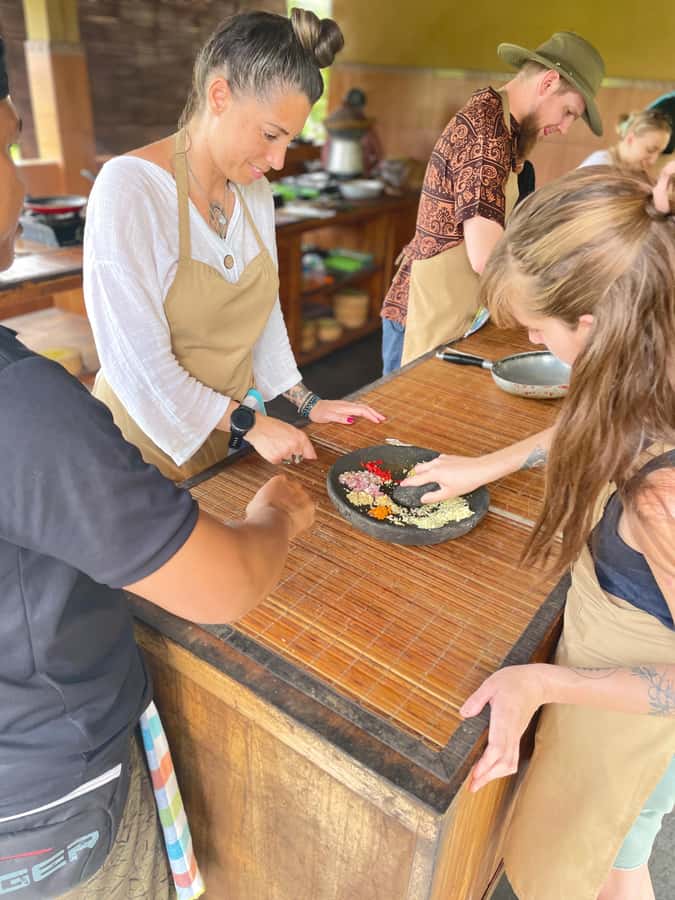
This class can accommodate vegetarian or dietary restrictions with prior notice, but it may involve additional charges for specific needs. People with food allergies are not suitable for this activity, which is a key limitation.
So if you have any serious allergy concerns, be extra careful and don’t assume substitutions will be safe. For vegetarian diets, contact the provider before booking so the team can plan ahead.
Also, bring your own expectations about spice. Balinese cooking often leans toward bold flavor and heat. The tour doesn’t specify spice levels in the info you provided, so if you’re sensitive to chili, you’ll want to communicate that in advance when dietary notes are being discussed.
Price and Value: Is $27 for 4 Hours a Good Deal?
$27 per person for a morning that includes hotel pickup, a traditional market visit, and a hands-on 2.5-hour cooking class is strong value for Ubud. You’re paying for three things that usually cost extra if booked separately:
- transport time and convenience (pickup/drop-off in Ubud)
- a guided market experience that teaches you what you’re buying
- an instructor and kitchen time where you cook and eat
Add in the recipe book and you’ve got take-home value beyond the day itself.
To decide if it’s worth it for you, think about your goal. If you want a low-effort fun activity, this is still enjoyable because the class includes a meal and feedback suggests it’s well organized. But if your goal is learning, this is even better. The market-first format helps you understand the ingredients, which makes your cooking results improve faster later.
Small Tips That Make the Day Better
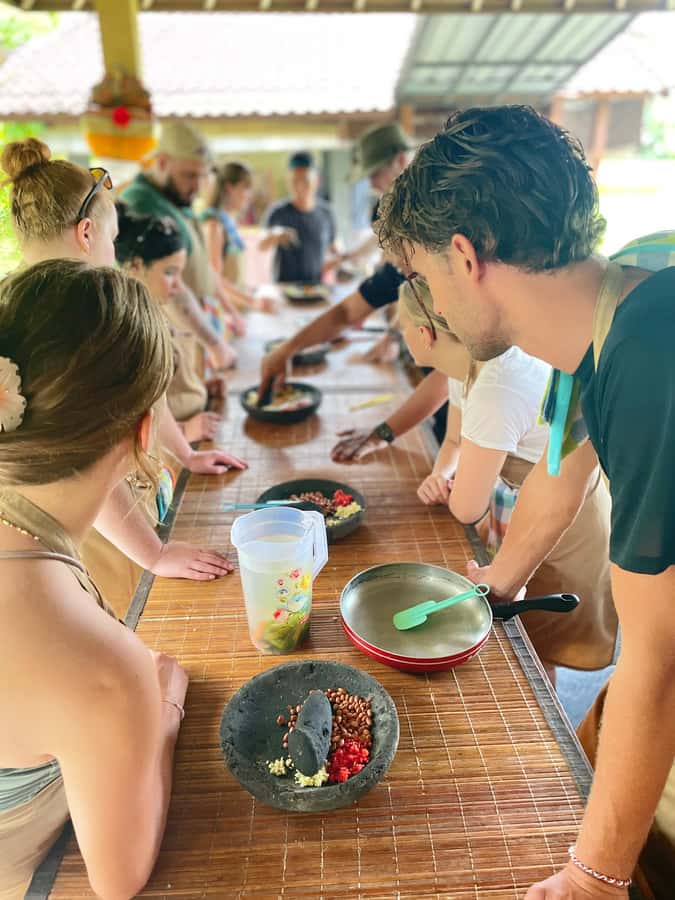
Bring what the tour recommends and you’ll feel more comfortable from start to finish:
- a sun hat and breathable clothing
- biodegradable sunscreen
- insect repellent
- comfortable shoes for market walking
- a reusable water bottle
During the market and cooking, stay practical:
- arrive 10 minutes early so you don’t stress the group
- let the guide know if you’re late
- keep your expectations realistic: you’re working and standing, not sitting in a lecture hall
One more helpful detail: the tour includes rules like no smoking and no alcohol/drugs. That usually helps keep the kitchen environment calm and focused.
Who This Ubud Class Suits Best (And Who Should Skip)
This is a great choice if you want:
- a structured, guided Balinese food experience
- time to learn ingredients and cooking methods, not just eat
- a convenient morning plan in Ubud with pickup and drop-off
It’s also a smart pick if you’re traveling solo or with friends who want something hands-on that everyone can participate in.
However, you should skip it if:
- you have food allergies (not suitable)
- you’re traveling with children under 12
- you’re pregnant (not suitable)
And if you hate early starts, remember pickup is usually around 7:30 AM. The market part is part of the point, so you’re choosing an active morning.
Should You Book This Ubud Cooking Class?
Yes, I’d book it if you want a practical, tasty way to understand Balinese flavors in a short amount of time. The strongest reasons to choose it are the hands-on format, the market ingredient lesson, and the fact that you eat what you cook. Reviews also repeatedly mention patient teaching and great organization, which is exactly what you want when you’re learning in a new cuisine.
I’d think twice if you’re dealing with allergies or if you prefer a slower, sit-down experience. And if you’re extremely heat-sensitive, plan your clothing and hydration accordingly.
If your goal is to leave Bali with more than photos—something you can recreate at home—this is one of the more value-friendly ways to do it in Ubud.
FAQ
How long is the cooking class experience?
The total duration is 4 hours, including a market visit and about 2.5 hours of hands-on cooking.
Is hotel pickup included in Ubud?
Yes. Hotel pickup and drop-off within Ubud are included. If your pickup point is outside Ubud, extra charges may apply.
Do I get to eat the food I cook?
The experience includes cooking and you eat what you prepare during the class.
What language is the guide?
The live tour guide speaks English.
Is a vegetarian option available?
Vegetarian and other dietary restrictions can be accommodated with prior notice, but specific dietary requests may involve additional charges.
Who should not book this activity?
It is not suitable for children under 12, pregnant women, or people with food allergies.
What should I bring to the tour?
Bring a sun hat, camera, biodegradable sunscreen, comfortable clothing, insect repellent, and a reusable water bottle.