Kotagede feels like history you can walk through. This Yogyakarta heritage walk is a smart change of pace from temple-hopping: you’ll trace how the former Mataram Kingdom capital shaped neighborhoods, architecture, and local beliefs, all while moving at an easy rhythm. You’ll also hear the stories behind Kotagede’s legends and its famous “between two gates” style—things you won’t spot from a quick photo stop.
I especially liked how the tour connects royal-era layout to real daily life, not just facts on a sign. The local snack, a brief cultural cloth experience, and the street-food-style tasting make it feel grounded in how people actually live in Kotagede. One thing to consider: English skill can vary by guide, so if you’re relying on English, double-check language expectations when you book, and keep your pace flexible if you want slower explanations.
In This Review
- Key things to know before you go
- Kotagede’s Royal Streets, Without the Big-Tour Energy
- Starting Point at Masjid Gedhe Mataram Kotagede: Good Orientation Fast
- The City Planning Lesson: Why Kotagede’s Layout Feels Intentionally Designed
- Narrow Alleys, Old Houses, and What to Notice in the Neighborhood
- A realistic pacing note
- Local Legends and Folklore: Stories That Explain More Than Just Myths
- Food Moment: Street Food Tasting Without a Busy Market Stampede
- Cultural Cloth Experience: Small, Hands-On, and Likely Easy to Enjoy
- Who This Tour Fits Best (And Who Might Not)
- Price and Value: Why $16 Works If You Like Storytelling
- Language and Guide Quality: The Main Risk to Watch
- What to Bring for a Comfortable Walk
- How to Think About This Tour as Part of Your Yogyakarta Plan
- Should You Book the Yogyakarta Kotagede Walking Tour?
- FAQ
- How long is the Kotagede walking tour?
- Where does the tour meet?
- What languages are available for the guide?
- How big is the group?
- Is the tour wheelchair accessible?
- What’s included in the price?
- Do I need hotel pickup?
Key things to know before you go
- Former Mataram Kingdom capital context: you’ll learn why Kotagede matters in Javanese history.
- Urban layout + architecture stories: the guide explains how neighborhoods formed and what to notice.
- Folklore and local beliefs: legends are woven into the walk, not treated like a side note.
- Small group max 10 people: easier Q&A and less crowd pressure in narrow lanes.
- Food market tasting time: you get a short, casual taste moment during the walk.
- Meet at the mosque terrace: the tour starts in a real community hub, not a tourist office.
Kotagede’s Royal Streets, Without the Big-Tour Energy
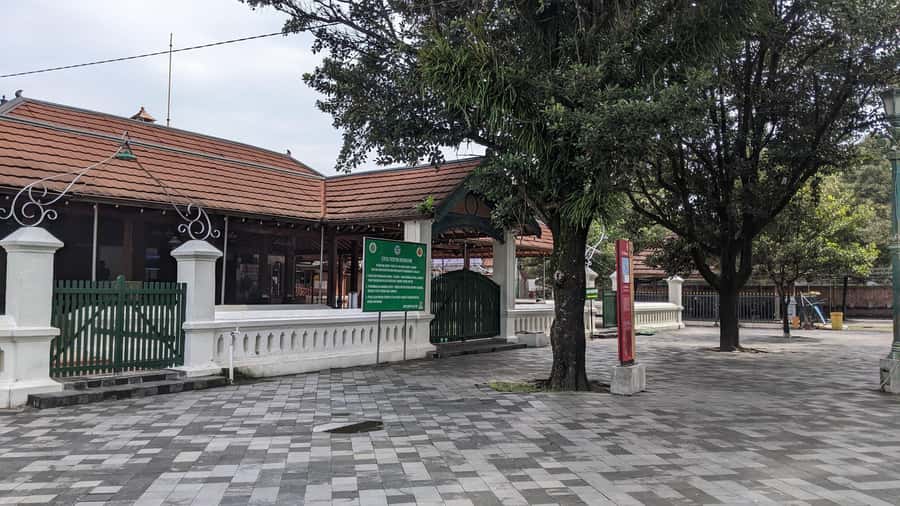
Kotagede is the kind of place where the city feels built for walking—narrow paths, old-looking walls, and homes that seem to keep their rhythm even when you arrive with a camera. What makes this tour worthwhile is that it doesn’t try to cram in every landmark in one go. Instead, you get the logic behind the area: how Kotagede grew as a royal center and how the urban plan still shapes daily life.
You’ll learn about Javanese beliefs and folklore connected to the way people think about space, tradition, and community values. That matters because Yogyakarta’s famous temples can sometimes become the whole story. Here, the story shifts to the district level—how a royal city translates into ordinary life years later.
It’s also good value for travelers who like a guide’s storytelling more than a checklist. With a price around $16 for about 2–3 hours, you’re paying for interpretation: why a lane exists, why a style matters, what locals mean when they talk about old royal traditions.
You can also read our reviews of more tours and experiences in Indonesia.



Starting Point at Masjid Gedhe Mataram Kotagede: Good Orientation Fast
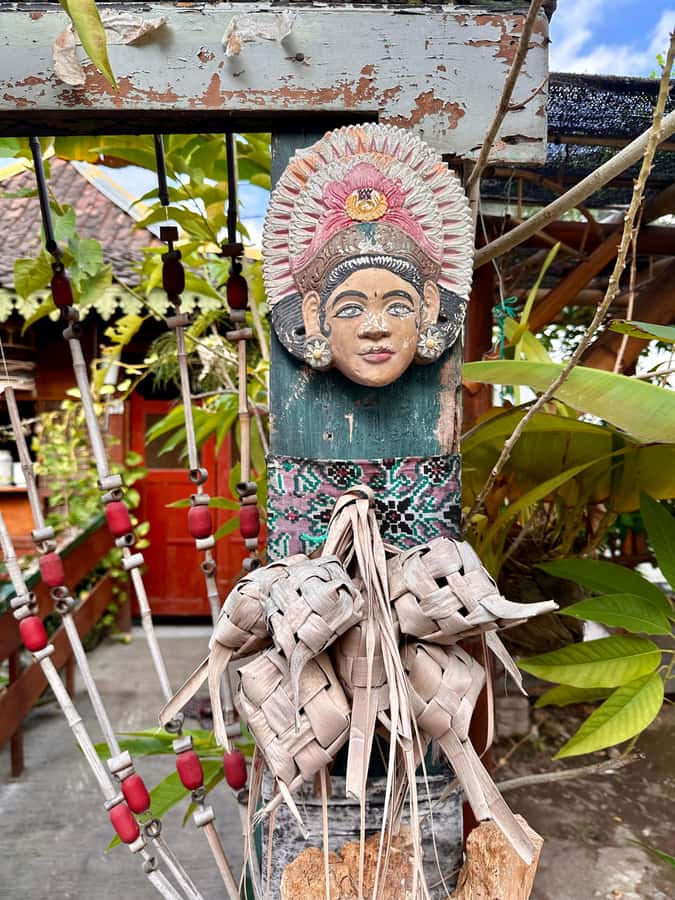
The tour meets your local guide at the mosque terrace at Masjid Gedhe Mataram Kotagede. That’s a smart choice. Mosques act as natural landmarks, and being there first helps you get oriented quickly before you start slipping into smaller streets.
Your guide will contact you to help you find them, which is helpful if you’re arriving a bit late or you’re unsure about the exact meeting spot. The tour also ends back at the mosque, which makes your timing easy to manage and helps you avoid that awkward “now where do we go” feeling.
If you’re the type who hates wandering without direction, this format will suit you. You get a short history intro at the start, then the guide uses the streets as the lesson plan.
The City Planning Lesson: Why Kotagede’s Layout Feels Intentionally Designed
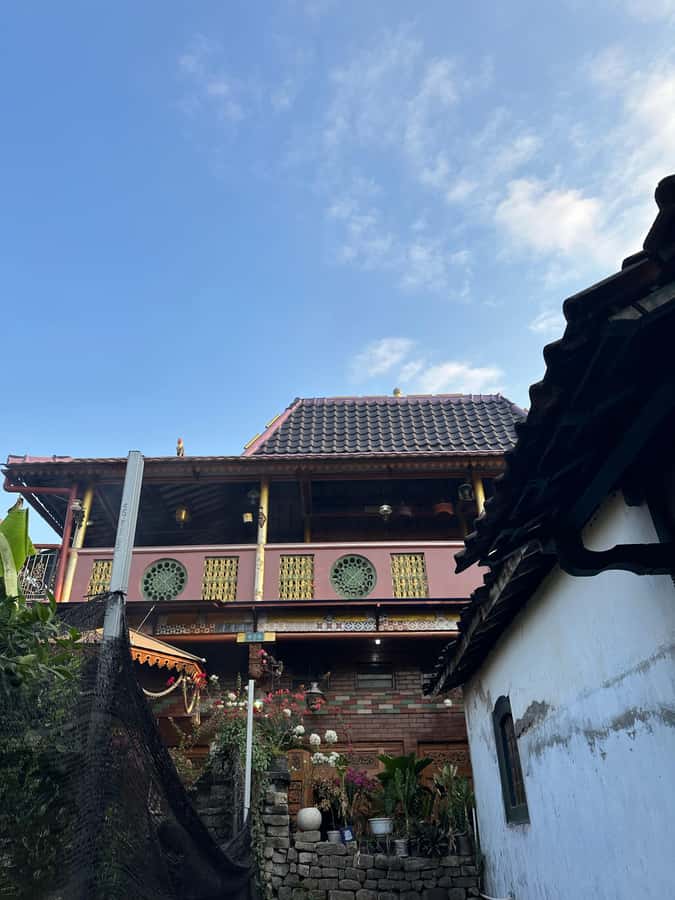
A standout part of the experience is the focus on Yogyakarta urban planning—not just random sights. Your guide talks through how Kotagede developed as the former capital of the Mataram Kingdom, and then you’ll look at the neighborhood layout like it’s a living map.
This is where the tour earns its keep. A lot of walking tours point at buildings and say what they are. Here, you’re nudged to notice how spaces relate: how paths connect, how areas feel organized around community life, and how architecture reflects cultural priorities.
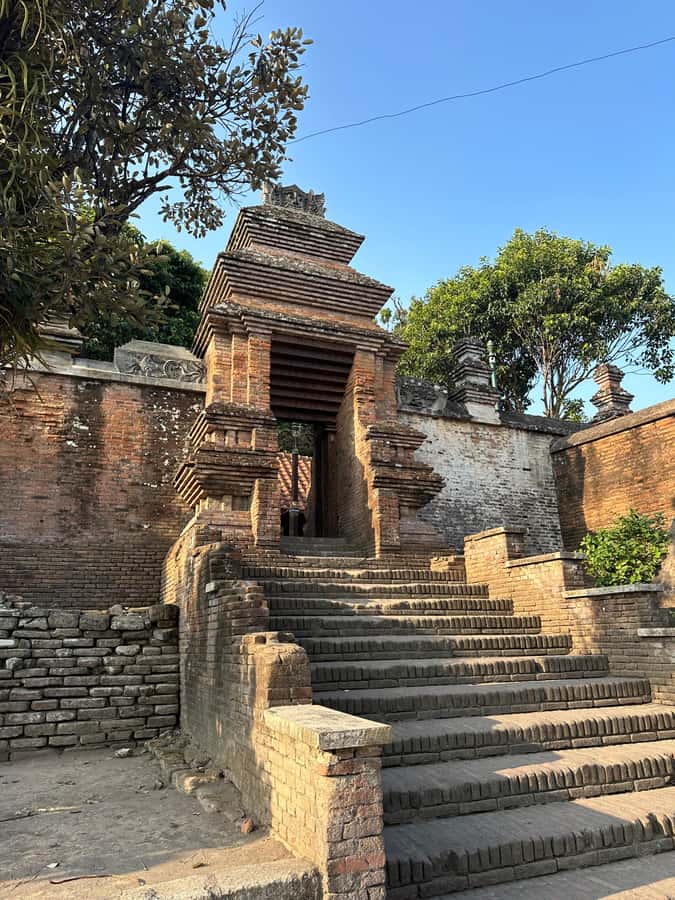
One of the most memorable concepts mentioned is the idea of “between two gates,” tied to the architectural style associated with the kingdom. Even if you don’t memorize every term, you’ll come away understanding that Kotagede has a structure—and the guide explains it in practical, street-level terms.
Narrow Alleys, Old Houses, and What to Notice in the Neighborhood
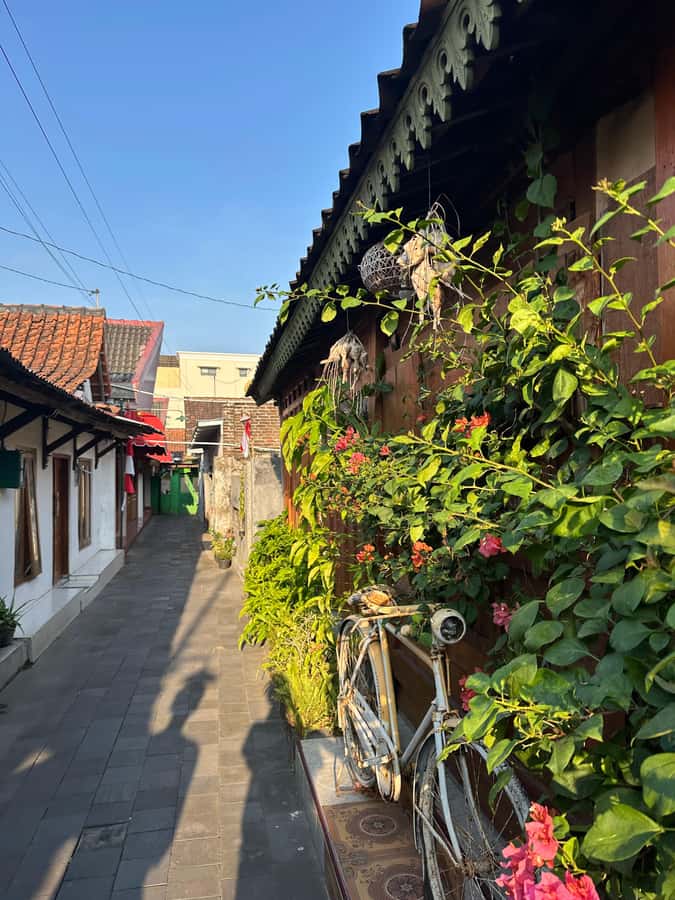
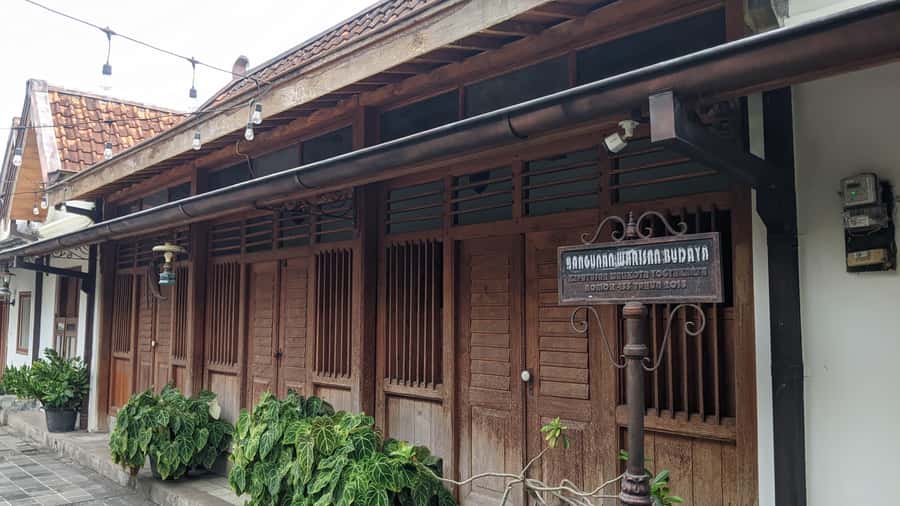
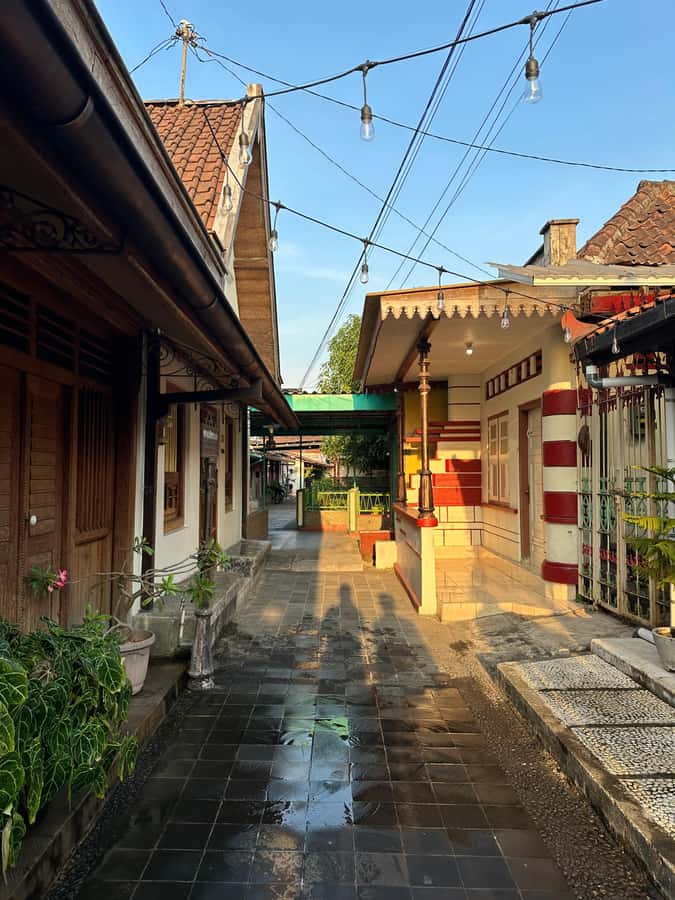
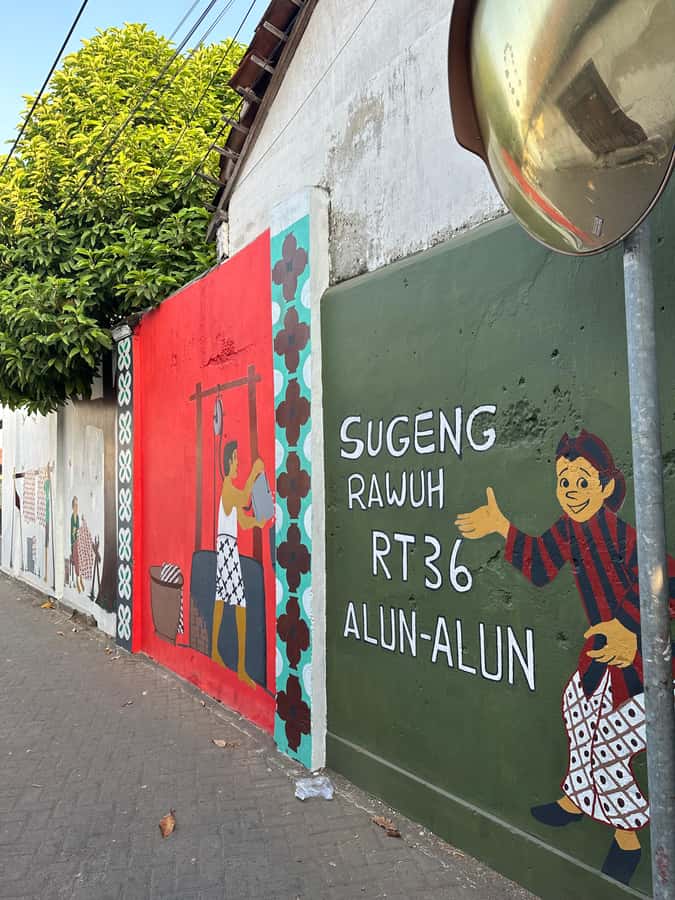
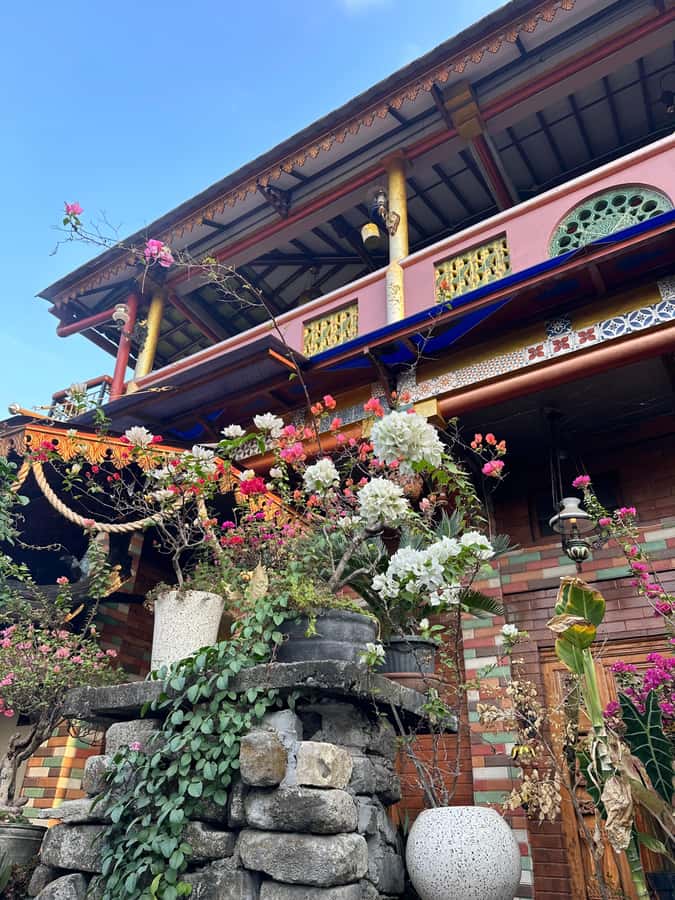
Once you’re moving, the tour shifts from big-picture history to street-level details. You’ll walk through traditional neighborhoods and narrow alleys, spotting old Javanese houses and learning what traditional architecture typically signals in the local context.
This is the part where you learn how to see Kotagede instead of just passing through it. Your guide will point out things you might otherwise ignore: how homes face the street, how the neighborhood feels designed for close community interaction, and how the physical environment supports daily routines.
You’ll also spend time in community areas where daily activities happen naturally. That’s where the tour stops feeling like a staged heritage walk and starts feeling like a window into normal life. Watch how people move through their routines, and you’ll get a better sense of why tradition still matters here.
A realistic pacing note
The walking pace is described as relaxed and suitable for most travelers, but there is still moderate walking on foot. Bring comfortable shoes and plan for some sun exposure. If you’re coming from a long day in Yogyakarta, this is a solid light-to-medium activity, not a full-on marathon.




Local Legends and Folklore: Stories That Explain More Than Just Myths
Kotagede isn’t only about stone and wood. The guide includes urban legend and folklore tied to what locals believe. This is useful because folklore often reveals how communities explain the world—why certain values persist, what people respect, and how they interpret places.
When the stories connect to what you see in front of you (a street, a neighborhood pattern, or a traditional architectural theme), the tour feels more coherent. You’re not just hearing myths; you’re learning the cultural logic behind them.
Even if you’re not a folklore superfan, this approach helps you understand why locals behave the way they do. It also makes the walk more engaging—because you’re listening for meaning, not just facts.
Food Moment: Street Food Tasting Without a Busy Market Stampede
You get a planned stop that includes a visit to a food market area and food tasting time. This is not a long feast. It’s a short, guided taste moment designed to help you sample local flavors while staying part of the tour flow.
I like this setup because it balances two goals: culture + food. You get a taste of the local food scene, and you don’t have to figure out what’s safe or worthwhile on your own in the middle of a walk.
That said, come with an open mindset. The tour includes a snack, and you’ll have additional tasting as part of the experience, but there’s no guarantee it will match every dietary need since the details aren’t specified here. If you have strong dietary restrictions, consider checking with the provider before booking.
Cultural Cloth Experience: Small, Hands-On, and Likely Easy to Enjoy
Included in the tour is a cultural cloth experience. It’s often the kind of stop that sounds minor until you’re there—then you realize it adds context to what you’ve been learning.
Cloth in Javanese culture can carry meaning beyond decoration. Even when the explanation is brief, this kind of inclusion helps connect the walk’s history and beliefs to everyday cultural expression. It’s also a change of pace from walking, which helps you recharge before continuing through the neighborhood.
Who This Tour Fits Best (And Who Might Not)
This is a good fit if you want history beyond the famous temple routes. You’ll get Javanese history context through the lens of daily life, and you’ll see how a former royal capital still shapes neighborhood identity.
It’s also a good match if you enjoy guides who can explain the “why,” not just the “what.” The value here is interpretation: your guide connects architecture, urban layout, folklore, and community routines into one walking story.
It may be less suitable if you’re looking for major-ticket wow moments or if you prefer minimal walking. The tour is also noted as not suitable for people over 80 years old, and it includes restrictions like no high-heeled shoes.
Price and Value: Why $16 Works If You Like Storytelling
At around $16 per person for a 2–3 hour guided walk, the price is reasonable because the core of the experience is labor and expertise: the guide’s storytelling and the time spent interpreting urban layout and local beliefs.
You’re also not paying extra for basic extras. The tour includes entry tickets, mineral water, a local snack, and that cultural cloth experience. Plus, you’ll have skip-the-ticket-line support (when tickets apply). That reduces the time you’d otherwise spend sorting out small hassles.
If you’re traveling with a tight schedule, this is also a practical add-on. You can pair it with other Yogyakarta sightseeing and use the tour as a “local life” balance to the temples.
Language and Guide Quality: The Main Risk to Watch
The tour includes live guidance in English, Arabic, or Indonesian. That’s a strong point. Clear communication makes the whole walk work.
At the same time, guide skill can vary. One booking example highlighted a guide who spoke hardly any English, which would make the experience harder to enjoy if you need detailed explanations in English. So, if English is your key language, I’d treat this like any good plan: confirm language choice at booking and consider bringing a willingness to ask follow-up questions if something gets lost.
On the positive side, there’s a mention of a guide named Nasir who was personable, prepared, and gave lots of history about Kotagede. In that case, the experience sounded like it delivered the kind of interpretive storytelling that makes walking tours feel worth it.
What to Bring for a Comfortable Walk
The basics here are simple, but they matter in Yogyakarta:
- Comfortable shoes for uneven street-level paths
- Sunglasses and sunscreen for strong daylight
- A sun hat
- An umbrella (useful if weather shifts)
You’re also told not to wear high-heeled shoes, and the tour doesn’t allow alcohol and drugs or any nudity. If you dress for comfort, you’ll have an easier time moving through residential areas.
How to Think About This Tour as Part of Your Yogyakarta Plan
If you’re spending time around Yogyakarta’s major sights, this Kotagede walk is a smart counterbalance. Temples can be big, dramatic, and easy to photograph. Kotagede is smaller-scale and more about patterns: the way a royal capital’s structure shapes a neighborhood’s feel today.
I like using experiences like this early in a trip. It gives you cultural context that makes everything else feel less random. After a walk like this, you’ll likely notice you’re reading the city differently.
And because the group is limited to 10 participants, you typically get a more human vibe. In narrow alleys, that difference is real.
Should You Book the Yogyakarta Kotagede Walking Tour?
Book it if you want:
- Local life and neighborhood history, not just monuments
- A relaxed pace with a guide who explains urban layout and beliefs
- A short food tasting moment and an included cultural cloth stop
- A small group experience starting at Masjid Gedhe Mataram Kotagede
Skip or reconsider if:
- You strongly need fluent English explanations and you’re worried about language variation
- You dislike moderate walking or want zero sun exposure
- You’re looking for big-ticket attractions rather than cultural storytelling
If you match the fit—curious, comfortable walking, and open to listening—this is one of those tours that helps you understand Yogyakarta as a lived place, not only a sightseeing checklist.
FAQ
How long is the Kotagede walking tour?
The tour lasts about 2–3 hours, with a relaxed walking pace.
Where does the tour meet?
You meet your local guide at the mosque terrace at Masjid Gedhe Mataram Kotagede.
What languages are available for the guide?
The live tour guide speaks English, Arabic, and Indonesian.
How big is the group?
It’s a small group with a maximum of 10 participants.
Is the tour wheelchair accessible?
Yes, the tour is wheelchair accessible.
What’s included in the price?
Included are entry tickets (as applicable), mineral water, a local snack, and a cultural cloth experience.
Do I need hotel pickup?
Hotel pickup is optional. If you choose pickup, you wait in the hotel lobby and the guide texts you about details about 30 minutes before; otherwise, you meet at the mosque terrace.