Two temples, one smooth day.
This tour is a smart way to see Prambanan (Indonesia’s biggest Hindu temple) and then head to Sukuh Temple, a more unusual Hindu stop that feels less cookie-cutter. I especially like how the team runs the day with calm, practical driving—Andy, the driver, gets praised for traffic navigation and for being flexible with the flow.
I also like that the day includes a tea plantation stop with tasting, so you’re not just “temple-ed out.” The one drawback to plan around is that temple entrance fees and meals are not included, so you’ll want some cash ready and a light budget buffer.
You’ll start with pickup from your Yogyakarta hotel, visit both temples with an English-speaking local guide focus on Prambanan, then finish back at your hotel—simple, efficient, and built for first-timers who want the highlights without too much guesswork.
In This Review
- Key highlights you’ll feel on the ground
- Why Prambanan and Sukuh Temple fit together so well
- Pickup, transport, and the value of a driver who can handle traffic
- Prambanan: Indonesia’s biggest Hindu temple and what to look for
- The Hindu-Buddhist connection and the Ramayana story you’ll hear
- Sukuh Temple: the exotic second stop that changes the pace
- Tea plantation tasting: a smart break between temples
- Price and what you actually get for $95 per person
- What to bring (and what to skip) for a smooth temple day
- Who this day trip suits best
- Should you book this Prambanan, Sukuh & Tea Plantation day trip?
- FAQ
- What is included in the $95 per person price?
- Are temple entrance fees included?
- Are meals included in this day trip?
- Which temples are visited on this tour?
- Is the tea plantation stop included?
- What should I bring with me?
- What language is the tour guide?
Key highlights you’ll feel on the ground
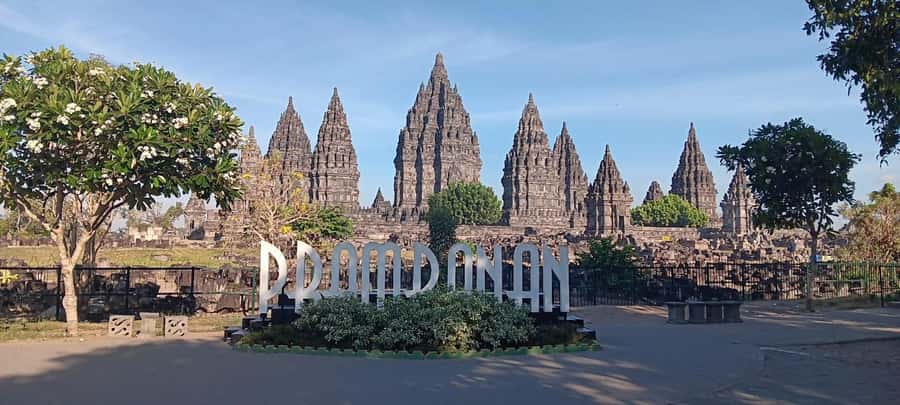
- Prambanan’s scale: Indonesia’s highest Hindu temple and a major 9th-century site tied to King Sanjaya
- Brahma, Siva, Wisnu: three main temple areas you’ll learn to spot, not just wander past
- Ramayana connections: the famous story is part of how the site is explained
- Sukuh Temple: the exotic-feeling second temple stop that changes the vibe fast
- Tea plantation tasting: a breather between temples, with time to taste what you see
Why Prambanan and Sukuh Temple fit together so well
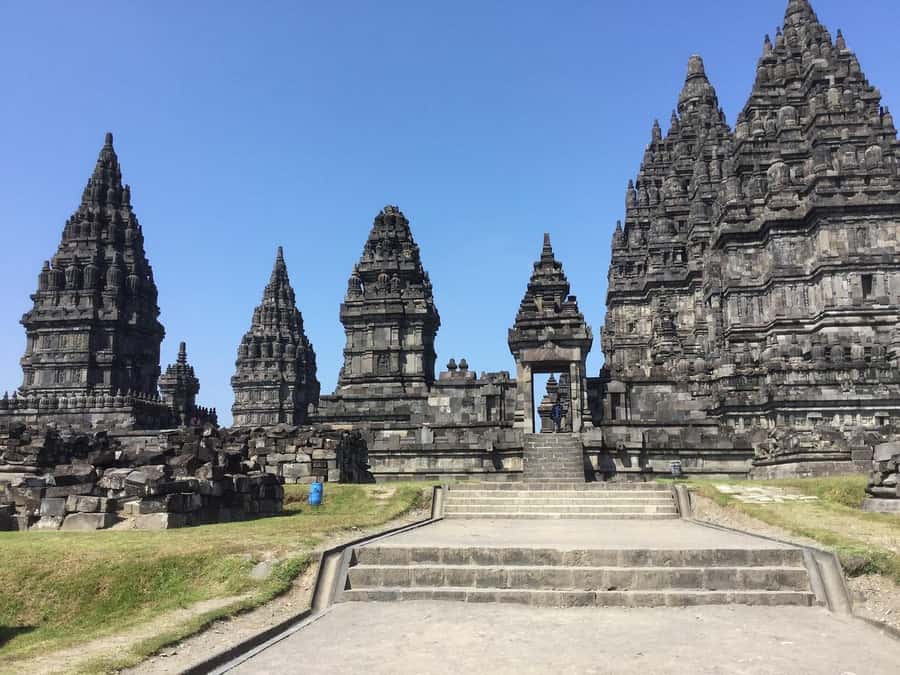
Prambanan and Sukuh give you two different flavors of Hindu architecture in one day. Prambanan is grand and central—built in the 9th century by King Sanjaya—and it’s the kind of place where you want a guide to point out what matters. Sukuh feels more eccentric, and that contrast is exactly why the pair works.
If you’re visiting Yogyakarta with limited time, this is a good match for your schedule. You get a “big landmark” temple first, then a second stop that breaks the pattern and keeps your attention.
And the best part? You’re not just ticking boxes. The guide’s explanation at Prambanan connects the site to the story most people know—Ramayana—and to the way the temples reflect a blend of traditions.
You can also read our reviews of more tours and experiences in Yogyakarta.

Pickup, transport, and the value of a driver who can handle traffic
This is a true day trip setup: pickup from your hotel in Yogyakarta, transport between sites, then drop-off back at your hotel. That matters more than people think. Temple days in Java can get slow fast if you’re trying to coordinate your own rides and timing.
The reviews emphasize that Andy, the driver, handled traffic navigation extremely well and stayed flexible when plans needed adjusting. I’d treat that as a genuine quality signal: when roads get unpredictable, a driver who stays calm keeps the whole day from feeling rushed.
Also included is mineral water and parking fees. Those are small line items, but they add up during tours. It’s one less thing you have to think about mid-day.
Prambanan: Indonesia’s biggest Hindu temple and what to look for
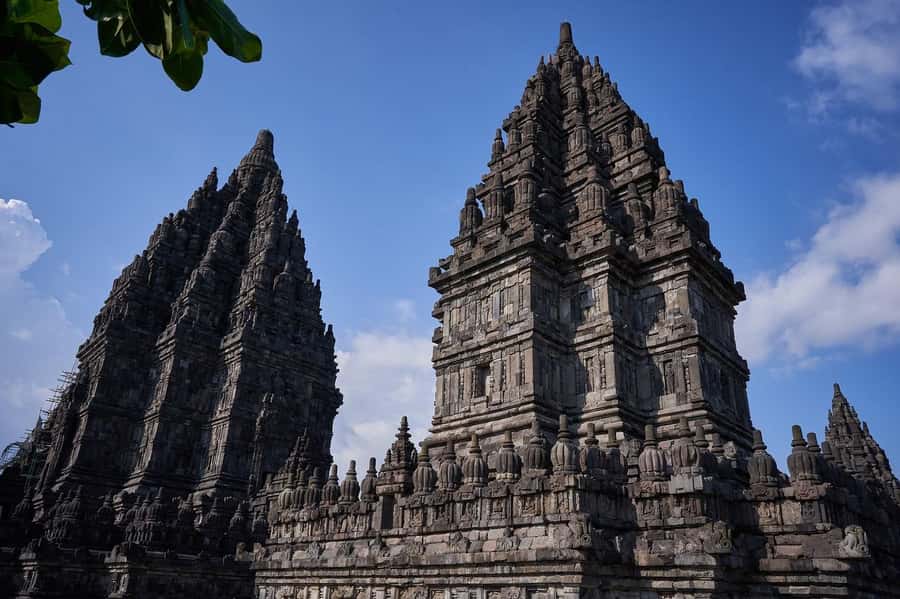
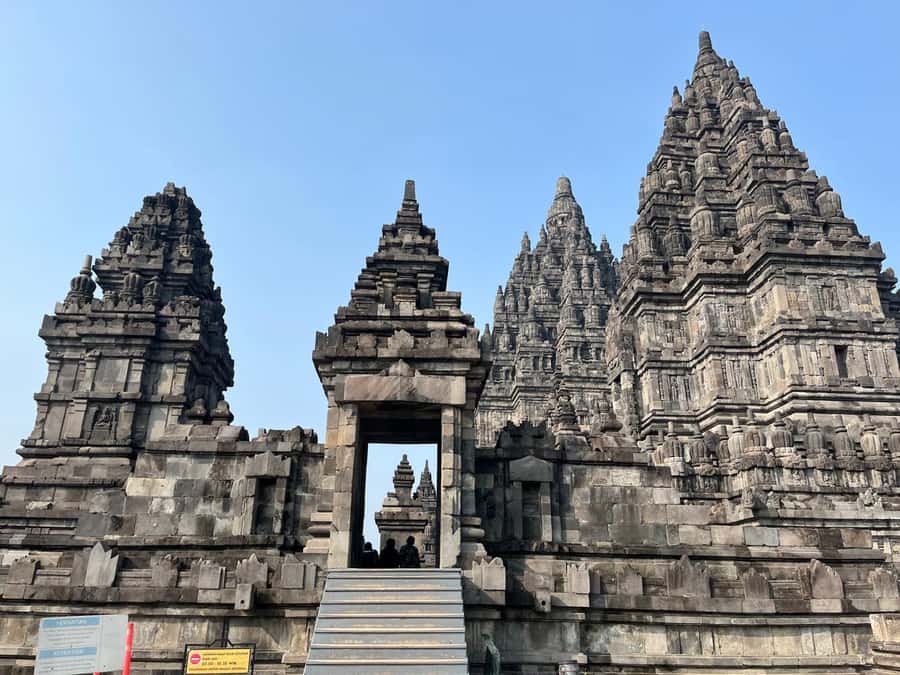
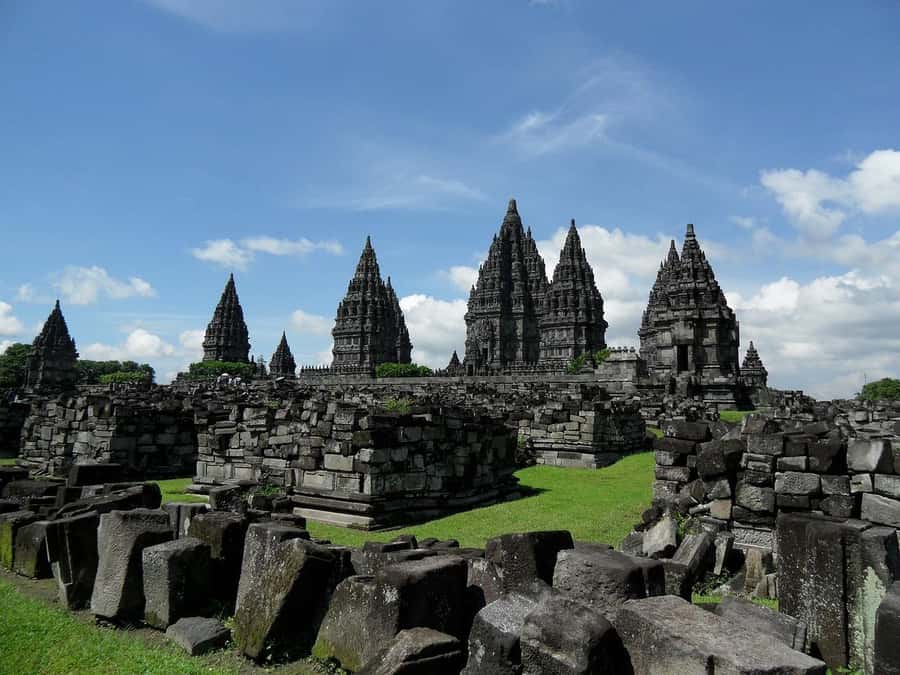
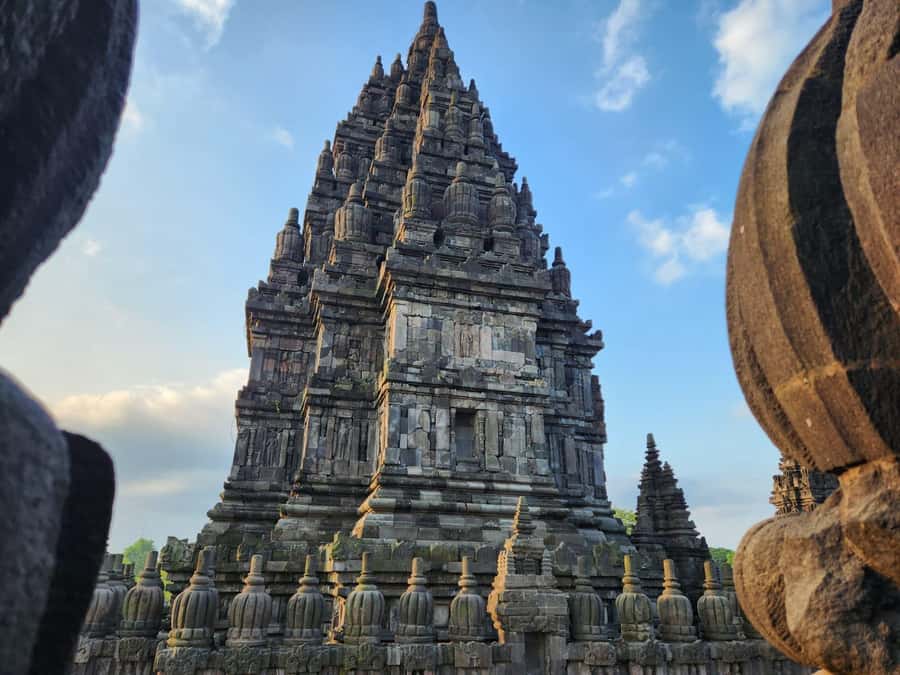
Prambanan is built as a major Hindu complex with three main temples: Brahma, Siva, and Wisnu. Even if you’ve seen photos, standing there is a different experience because the layout pulls your eyes from one focal point to the next. The guide’s job here is key: they help you understand what you’re seeing instead of just letting you wander.
You’ll learn the basics of how the site fits into the story of the region. Prambanan is associated with King Sanjaya, and the tour explanation includes that it was built in the 9th century. You’ll also hear that Prambanan is not just one faith in one box—it’s described as a combination of Hindu and Buddhist elements.
Here’s what that means in practical terms while you’re there: the guide helps you notice that the temple complex is designed with meaning, not just decoration. If you like places where architecture carries ideas, you’ll enjoy the way the explanation turns stone into a story you can follow.
The Hindu-Buddhist connection and the Ramayana story you’ll hear
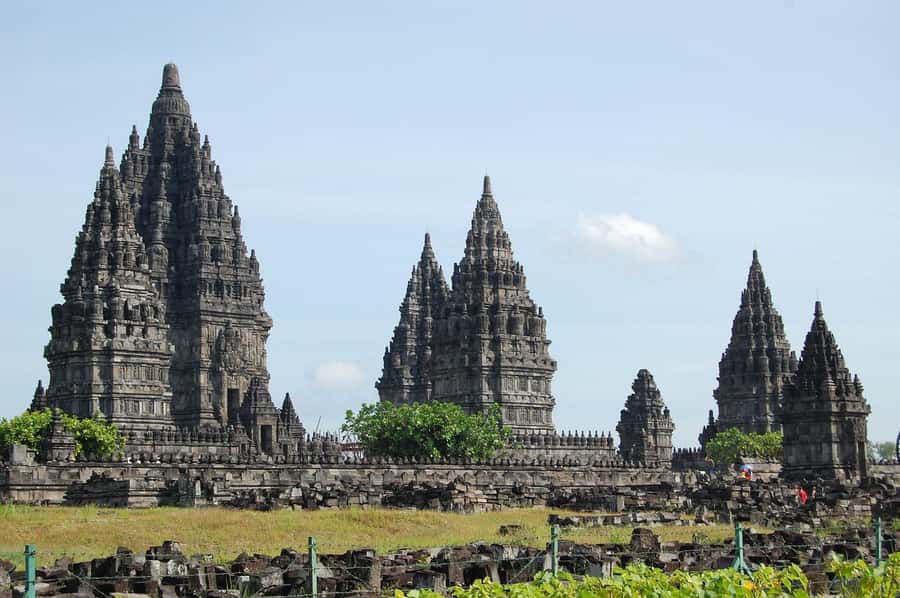
One of the most interesting parts of this tour is the way the explanation links Prambanan to a marriage story and to religious respect. The tour notes that the king created the temple after marrying someone connected with Buddhism, and that to show respect, the temple is made with a mix of Hindu and Buddhist elements.
Is it your job to debate the details? Not really. The useful part for your visit is how it changes your perspective. When you hear that backstory, you’ll look at the complex with a clearer idea of why certain elements might feel related even if they belong to different traditions.
And then there’s the Ramayana connection. This is often the entry point for people who know the story but haven’t connected it to what they’re standing in front of. A guide can turn those familiar names into something spatial—where you are, what parts connect, and why the site is treated like a major cultural landmark.
Sukuh Temple: the exotic second stop that changes the pace
After Prambanan, you continue to Sukuh Temple, described as an exotic Hindu temple. That wording matters because Sukuh tends to feel different from the “big main stage” temple you saw first. Instead of repeating the same viewing experience, it gives your day a second mood.
In a day trip like this, the second temple stop is about variety. You’re not waiting around; you’re moving your attention from the large centerpiece to a different style of expression. That keeps the day feeling active rather than like one long tour queue.
The practical takeaway: if you’re the type of visitor who gets temple fatigue, Sukuh can actually refresh your interest. It’s enough of a change to keep your eyes working.


Tea plantation tasting: a smart break between temples
Some temple days feel like non-stop walking and staring. That’s why I like that this tour includes a tea plantation stop with tasting. You get a change of pace—less stone, more greenery and everyday production you can actually imagine back home.
You’ll see the tea plantation and get the chance to taste. Even if you’re not a tea superfan, tasting turns “seeing a plantation” into something you can remember with your senses. It also gives you a natural pause in the schedule so you can recharge for the final stretch.
If you’re visiting during warm weather, having a food-free reset (no meal is included, but tasting helps) can be a relief. Just plan ahead for water too, since only mineral water is listed as included.
Price and what you actually get for $95 per person
At $95 per person, this is priced like a proper guided day trip with transport and at least one guided site plus extras that tourists often pay separately. Here’s what’s included: hotel pickup and drop-off, transportation, a local guide for Prambanan, mineral water, and parking fees.
What’s not included is just as important: entrance temple tickets, meals, and tipping the driver. In other words, your total day cost will rise slightly once you factor in entry fees and your own lunch/snacks.
Still, the value makes sense if you hate logistics. Entrance tickets can be handled by you on the day, but transport, guide interpretation, and making sure you don’t lose time getting between Yogyakarta sites—that’s what you’re paying for.
A simple budgeting tip: bring cash for both entrance fees and any meals you decide to buy. Also bring your camera—this kind of day is made for photos, and you’ll want to capture both Prambanan’s large structures and Sukuh’s more unusual look.
What to bring (and what to skip) for a smooth temple day
You already know temples often mean walking, but what you bring affects comfort more than you’d think. For this tour, the essentials listed are:
- Camera
- Cash
Then I’d add your own common-sense extras without inventing anything about the tour itself: comfortable shoes, sun protection, and a light layer if you get sensitive to indoor cold areas. The tour includes mineral water, but it doesn’t say meals are included, so plan for your own food needs.
If you want the day to feel easy, keep some small bills handy. Temple entrance fees and quick meal stops can turn into hassle if you’re searching for change mid-journey.
Who this day trip suits best
This tour fits best if you want the classic “temple highlights” in Yogyakarta without arranging your own transport. It’s especially good for first-timers who like structure: pickup, guided learning at Prambanan, then a second temple stop, then a tea break.
It also suits you if you care about meaning, not just scenery. The explanation you’ll hear about King Sanjaya, the 9th-century context, the three main temples (Brahma, Siva, Wisnu), and the Ramayana story can turn your photos into something more personal.
Finally, if you appreciate good logistics, you’ll like the emphasis in the reviews on Andy’s driving, punctual feel, and practical helpfulness. A smooth day makes a big difference when you’re cramming two temples into one visit.
Should you book this Prambanan, Sukuh & Tea Plantation day trip?
I’d book this if your priority is a guided, time-efficient temple day that includes a real break at a tea plantation. The combination of Prambanan’s major Hindu landmark status plus Sukuh Temple’s different feel, then tasting tea, makes the day more varied than many temple-only tours.
But skip it or adjust your budget if you’re hoping for meals and entrance fees to be included in the base price. You’ll need cash for tickets and food, and you’ll want to show up with that mindset so the day stays relaxed.
If you want a calm, well-run day with pickup, transport, a local guide focused on Prambanan, and a driver praised for traffic navigation and flexibility, this is a strong option for Yogyakarta.
FAQ
What is included in the $95 per person price?
Hotel pickup and drop-off in Yogyakarta, transportation, a local guide for Prambanan, mineral water, and parking fees.
Are temple entrance fees included?
No. Entrance temple fees are not included.
Are meals included in this day trip?
No. Meals are not included.
Which temples are visited on this tour?
You’ll visit Prambanan Temple and Sukuh Temple.
Is the tea plantation stop included?
Yes. The itinerary includes a tea plantation stop and tea tasting.
What should I bring with me?
Bring a camera and cash.
What language is the tour guide?
The tour includes English language service.