Gamelan can feel like meditation. In Yogyakarta, this private session with Pak Pardiman turns traditional music into a living lesson in Javanese culture, spirituality, and how to listen as a group. I especially loved two things: the calm, hands-on teaching from Pak Pardiman, and the serene rice-field setting that makes the whole afternoon slow down. One consideration: since there’s no pickup, you’ll want to plan your own ride to the meeting point at Omah Cangkem.
If you’ve never touched a gamelan instrument before, that’s not a problem. You’ll rotate between instruments, learn 3–4 traditional pieces, and get guided cultural conversation with an English instructor and a translator who keeps everything clear. The one thing to bring is patience for the hands-and-ears learning curve, because gamelan is a group conversation, not a solo performance.
In This Review
- Key Highlights You’ll Actually Care About
- What Makes This Private Gamelan Session Worth Your Time in Yogyakarta
- Your Setting: A Wooden House, Tea, and Rice-Field Quiet
- Meeting Pak Pardiman: A Teaching Style Built for Understanding
- How Gamelan Works Here: No Conductor, Just Shared Awareness
- The Playing Part: Rotating Instruments and Learning 3–4 Pieces
- What to expect with no musical experience
- The Cultural Side: Conversations About Javanese Life and Spirituality
- A gentle “extra” if you like: singing on the gender
- Price and Value: What You’re Really Paying For
- Who Should Book This (and Who Might Skip It)
- Practical Logistics: Getting to Omah Cangkem on Your Own
- What to Ask During the Workshop
- Should You Book This Private Gamelan Experience?
- FAQ
- Do I need any musical experience to take this gamelan class?
- How long is the private gamelan experience?
- Is pickup and drop-off included?
- What’s included in the workshop besides playing music?
- What language is instruction provided in?
- Is the activity wheelchair accessible?
Key Highlights You’ll Actually Care About
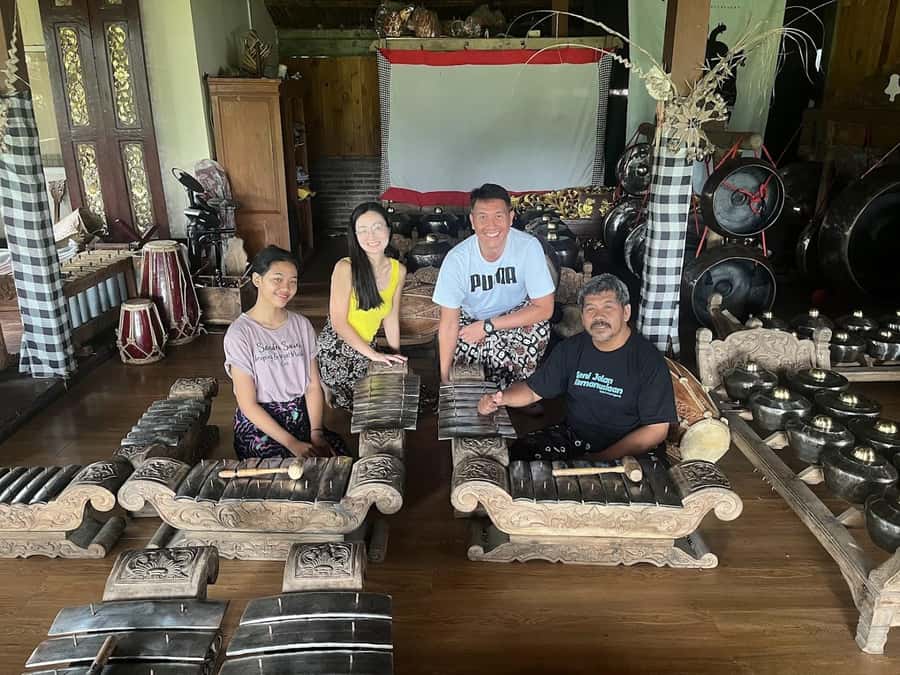
- Pak Pardiman teaching you directly in a private setting, not a rushed group demo
- No conductor concept made practical, with music flowing from shared awareness
- Instrument rotation so you play multiple parts of the ensemble
- Tea + cultural talks between playing, in a peaceful rice-field house
- A calm, meditative rhythm that’s more than learning notes
What Makes This Private Gamelan Session Worth Your Time in Yogyakarta
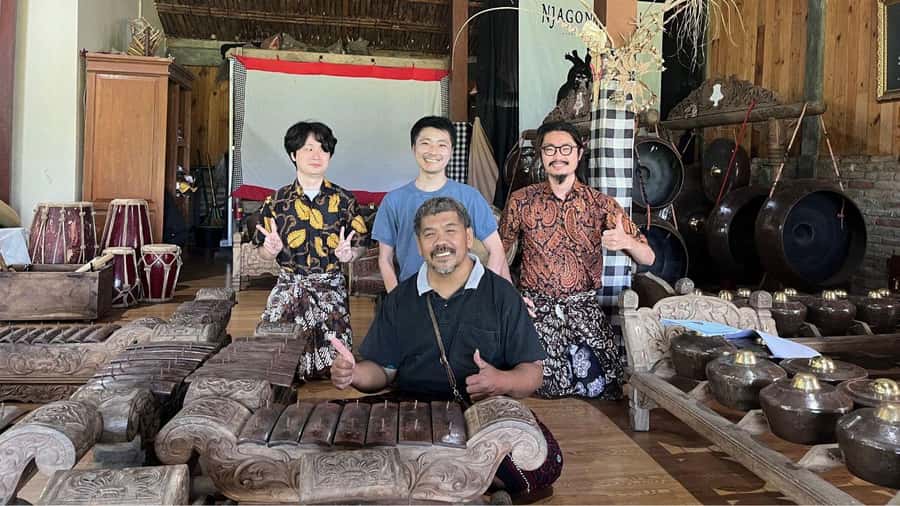
Yogyakarta has plenty of cultural shows. This isn’t that. This is slower, smaller, and more personal. You sit in a traditional wooden house with views of rice fields, then spend about 2.5 hours learning Javanese gamelan the way it works in real life: as a coordinated, listening-first community activity.
You get two big wins right away. First, the teaching is private, so you can ask the practical questions that you’d never get in a crowd. Second, the focus isn’t just technique. You’re guided through the philosophy of gamelan—why it matters in Javanese royal and spiritual traditions, and why the ensemble doesn’t run on a Western conductor.
The session also has an honest, grounding feel. You’re not being sold as a tourist who must perform. Instead, you’re invited to join. That changes how you experience the music, because you stop thinking about getting it perfect and start thinking about staying with the group rhythm.
You can also read our reviews of more tours and experiences in Indonesia.



Your Setting: A Wooden House, Tea, and Rice-Field Quiet
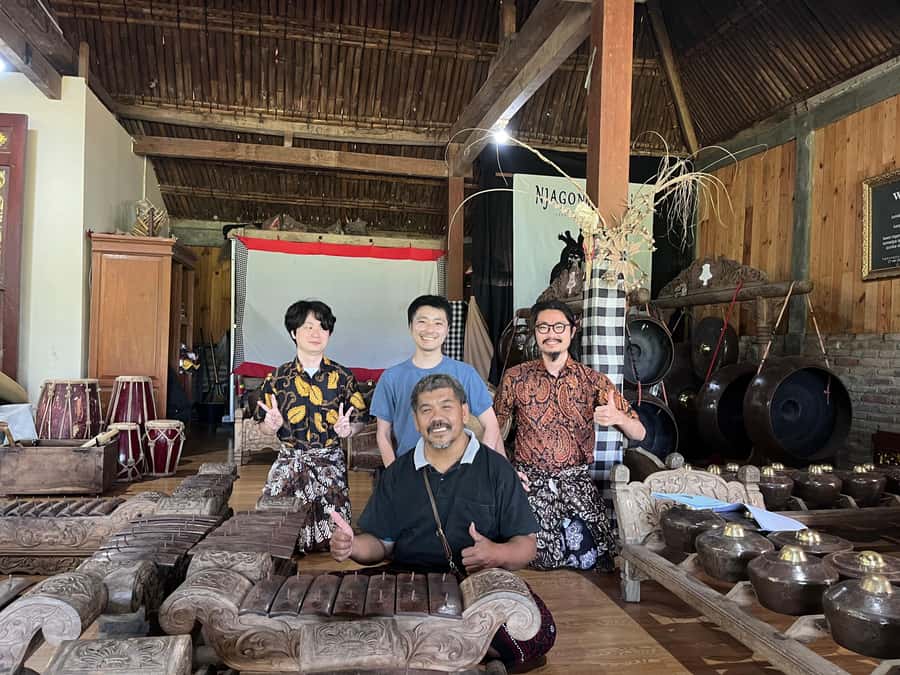
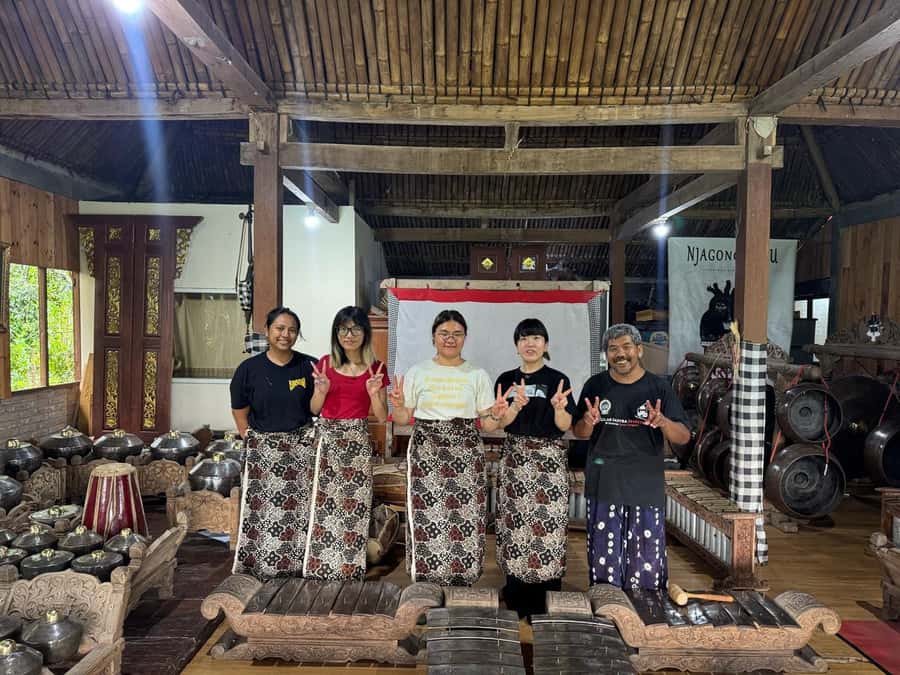
The experience takes place in a serene wooden house overlooking lush rice fields. This matters more than it sounds. When you’re learning percussion-like instruments, your body needs a steady environment. In a calm setting, the sounds land differently, and you’re more able to notice how the instruments interlock.
Before you start playing, you begin with local tea and you’re given a sarong. That’s not just costume dressing. It sets a tone: slower, respectful, and rooted in local custom. Then you settle in for instruction from Pak Pardiman, with English support and translation so you can follow both the music and the cultural meaning.
If you want one practical tip, it’s this: arrive in time to breathe for a minute before you start. The beauty of the setting can make you rush less, and the calm helps your ears adjust to gamelan’s layered texture.
Meeting Pak Pardiman: A Teaching Style Built for Understanding
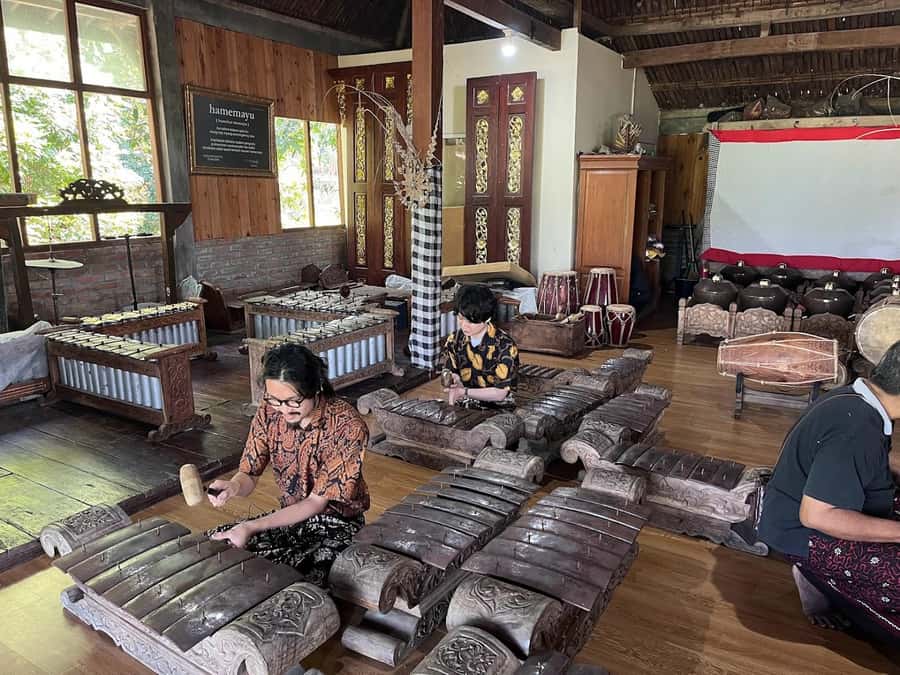
This workshop is led by Pak Pardiman, described as a respected Javanese gamelan master with a warm, calm way of teaching. That teaching style shows up in how the session is structured. You’re not thrown into “figure it out.” You’re guided step by step, with explanations that connect what you’re doing to why it exists in Javanese culture.
English instruction and a translator keep you from getting lost when the lesson shifts from technique to philosophy. In practical terms, this is huge: gamelan terms and cultural ideas can be confusing if you only get the musical side. Here, you’re supported enough to ask follow-up questions and keep your understanding intact.
One small note from the vibe of the experience: it’s not performance pressure. People describe the session as moving, thoughtful, and even meditative. That doesn’t mean it’s passive. You’ll play. But the pace makes room for learning.
How Gamelan Works Here: No Conductor, Just Shared Awareness
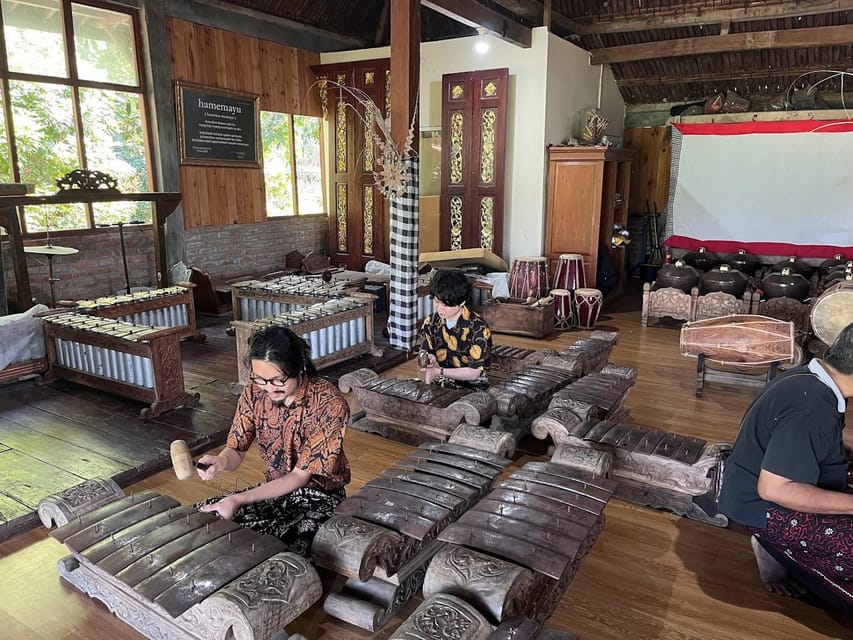
One of the most useful concepts you’ll hear is that gamelan has no conductor in the Western sense. Instead, the music flows from shared awareness among the players. That idea can sound abstract until you’re actually rotating between instruments and playing your part as the ensemble locks in.
In this workshop, you learn how pieces fit together by doing. As you move through different instruments, you start to feel the different roles: some parts guide the pulse, some fill in textures, some help create the overall shape of the piece. You’re learning the ensemble’s logic, not just a single line of notes.
That’s a big reason this class feels culturally meaningful. In many Western settings, you watch one person control tempo and entries. Here, your attention becomes part of the performance. You learn to listen for cues from other players, which is a different skill set and a different kind of musical confidence.
The Playing Part: Rotating Instruments and Learning 3–4 Pieces
You’ll play 3–4 traditional pieces during the session. The key detail is that you rotate between instruments as you go. That means you’re not stuck repeating one part for the whole workshop. You get the bigger picture of how the ensemble comes together.
This is also why the workshop feels fun even when it’s challenging. One participant describes it as challenging but great—because you’re actively switching roles. You’ll probably feel a learning curve at first. Your hands may not instantly match the rhythm, and your ears may take a few minutes to sort the layers.
But the rotation is what makes the workshop valuable. Instead of leaving with the memory of one instrument you tried once, you leave with multiple “I understand how this fits” moments.



What to expect with no musical experience
You don’t need prior gamelan experience. What you do need is rhythm sense and curiosity. If you can clap a steady beat, you’re already ahead of the curve. The instruments are not only about technical skill; they’re about timing, coordination, and participating in a group flow.
The Cultural Side: Conversations About Javanese Life and Spirituality
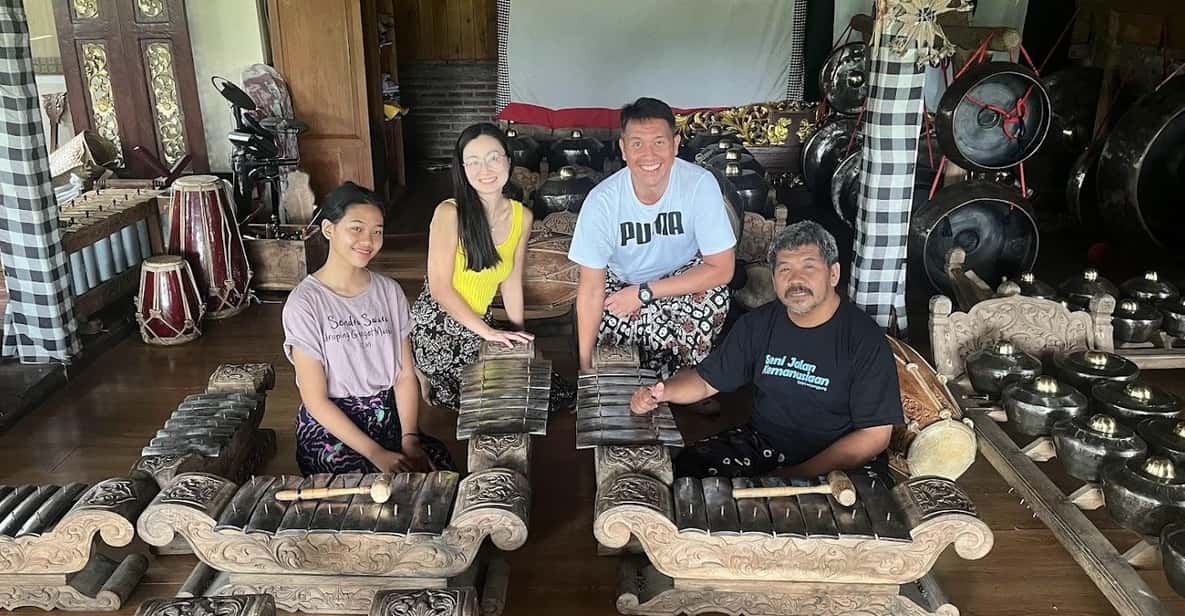
The workshop is not only about music mechanics. Between playing, you share tea and have meaningful discussions about Javanese culture and spirituality. You’ll talk about how gamelan relates to royal courts and spiritual life, and you’ll hear explanations of why this music carries meaning beyond entertainment.
This is where the private format helps again. When the conversation turns conceptual, you can ask questions that match your own interests. Want to know how it’s tied to court traditions? You can ask. Curious about the idea of music as communication with the divine? You can ask.
Some people describe the afternoon as particularly insightful and moving. A calm teaching voice plus time to sit together makes it easier to take the cultural ideas seriously, instead of treating them like trivia.
A gentle “extra” if you like: singing on the gender
One review mentions a special moment: asking Pak Pardiman to sing while playing the gender instrument. I can’t promise that will happen every time, but it’s a good signal of the human side of the experience. If it feels appropriate in the moment, you can ask if he’s willing to do it or explain what singing adds to the performance.
Price and Value: What You’re Really Paying For
At $53 per person for about 3 hours (with a private 2.5-hour session), the cost sits in a middle zone for Yogyakarta activities. The value comes from what you get, not just from the instruments.
You’re paying for:
- Private instruction from a gamelan master (not a big group workshop)
- Time to play multiple pieces and rotate instruments
- Cultural conversation that’s not rushed
- A calm setting with tea and sarong provided
If you compare this to generic “watch and take photos” culture stops, this feels like a trade-off in the best way. You’re spending more money than a museum ticket, but you’re spending it for hands-on participation plus guided meaning. That’s usually the sweet spot for travelers who want authenticity without turning it into a struggle.
Who Should Book This (and Who Might Skip It)
This workshop is a great fit if you want something:
- hands-on and participatory
- small and personal rather than a crowd experience
- focused on meaning, not just performance
It’s also ideal if you like learning through conversation. You’ll get guided discussion about how gamelan connects to everyday life, spirituality, and tradition.
You might think twice if you strongly prefer high-energy sightseeing all day. This is an afternoon that slows down on purpose. You’re not chasing a checklist of stops. You’re settling into one experience and letting it work on your attention.
Practical Logistics: Getting to Omah Cangkem on Your Own
There’s no pickup or drop-off. The meeting point is Omah Cangkem, and you can use Grab or Gojek to get there.
That’s straightforward, but plan for it. Keep a little buffer for traffic and getting from your hotel to the pickup spot. Once you arrive, you’ll be set for a calm start with tea and setup.
If you’re new to using ride-hailing apps in Yogyakarta, do a quick test check from your phone before you commit. It’s not hard, but it makes the day feel smoother.
What to Ask During the Workshop
You’ll learn most by asking smart, simple questions. A few good ones:
- How does the group know when to shift in a piece without a conductor?
- What role does each instrument play in the ensemble?
- Which part should I listen for first when I’m starting a new piece?
- If singing is part of the gender performance, is it something Pak Pardiman can demonstrate or explain?
These questions fit the workshop style. They keep you engaged with both technique and meaning.
Should You Book This Private Gamelan Experience?
If you want one of those rare travel experiences that feels like a conversation instead of a performance, book it. The combination of Pak Pardiman, private pacing, instrument rotation, and tea-fueled cultural discussion creates real value. Add the serene wooden house setting overlooking rice fields, and you get a day that’s not just educational, but also calming.
Skip it only if you prefer nonstop touring energy or you dislike structured cultural instruction. Otherwise, this is exactly the kind of Yogyakarta experience that leaves you with more than a photo.
FAQ
Do I need any musical experience to take this gamelan class?
No. You don’t need musical experience. The workshop is designed for beginners, and you’ll focus on rhythm and joining the ensemble with guidance.
How long is the private gamelan experience?
The activity is listed as 3 hours, with a 2.5-hour private session during that time.
Is pickup and drop-off included?
No. There is no pickup and drop-off. You’ll meet at Omah Cangkem and reach it using Grab or Gojek.
What’s included in the workshop besides playing music?
You’ll start with local tea, you’ll be provided a sarong, and you’ll have a translator to help everything run smoothly in English.
What language is instruction provided in?
The experience is available with English instruction and translation support.
Is the activity wheelchair accessible?
Yes, it is listed as wheelchair accessible.