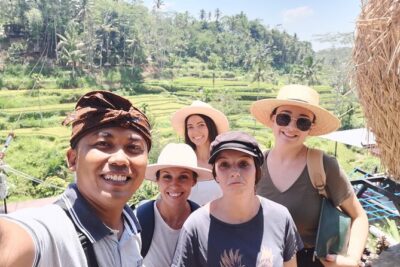
Kotagede feels like history on foot. You’ll wander Yogyakarta’s oldest neighborhood, spot Joglo old houses, and snack on very local treats while learning how the 16th-century Mataram Islam Kingdom shaped this area. The tradeoff is simple: you’re outside for about two hours, so plan for sun and walkable-but-not-perfect sidewalks.
What I like most is the human side. With your English-speaking guide (Luthfi Eviani leads this one), you’re not just staring at old places—you’re getting the context and asking questions as you pass neighbors and shopfronts. Another big win is value: for about $30 per person, you get site entry, a snack, mineral water, and a traditional cloth activity, not just a walk-and-wander.
One thing to consider: there are dress and behavior rules, and you’ll want comfortable shoes. If you show up in shorts, sleeveless tops, or high heels, you may not be able to join comfortably (or at all).
In This Review
- Key Things I Think You’ll Enjoy Most
- Kotagede’s Old Lanes: Why This Walking Tour Works
- Meet Luthfi Eviani and Get Set Up for a 2-Hour Stroll
- What You’ll See First: Joglo Houses in Real Neighborhood Streets
- Why this stop-style works
- Small drawback to plan for
- Snack Stops and Local Drinks: The Taste-First Part of Kotagede
- What’s included
- How to get the most out of the snack moment
- Historical Sites Linked to the 16th-Century Mataram Islam Kingdom
- What to expect at the sites
- Consideration
- The Traditional Cloth Experience (Hands-On, Not Just Looking)
- Why this inclusion is a smart value add
- Practical tip
- Interacting With Local People: The Part That Changes Everything
- A good way to help the guide help you
- Price and Value: Is $30 a Fair Deal?
- What to Bring (So You Don’t Feel Miserable in Kotagede)
- My practical take
- Logistics That Actually Matter Before You Go
- Who This Walk Is Best For
- Should You Book the Kotagede Old Neighborhood Walking Experience?
- FAQ
- FAQ
- Where does the tour take place?
- How long is the experience?
- What does the tour cost?
- Is there hotel pickup or drop-off included?
- What’s included in the ticket price?
- What language is the tour guide?
- How big is the group?
- Where do I meet the guide?
- What should I bring for the walk?
- What’s not allowed during the tour?
Key Things I Think You’ll Enjoy Most
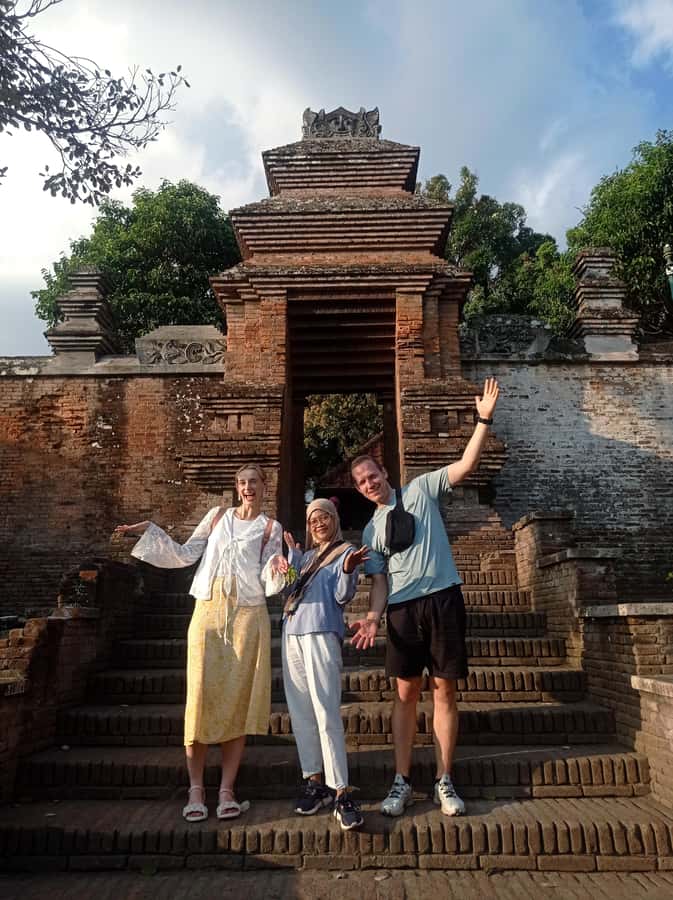
- Joglo house spotting while you stroll through Kotagede’s lanes
- Local snacks, desserts, and drinks (yes, you’ll get to taste, not just look)
- Guided conversations with locals, helped along by your guide
- Several historical sites tied to the Mataram Islam Kingdom in the 16th century
- A traditional cloth experience included in the tour
Kotagede’s Old Lanes: Why This Walking Tour Works
Kotagede is the kind of place where “tourist time” fades fast. In a neighborhood like this, you don’t just see buildings—you see daily life folded into centuries-old streets. That’s the main reason this walk is worth it: it’s short, but it’s designed to make you notice things you’d miss if you went solo.
The route centers on Kotagede as Yogyakarta’s oldest neighborhood. You’ll walk through the area with a local guide who connects what you see to the bigger story—especially the Mataram Islam Kingdom era from the 16th century. Instead of feeling like a museum lecture, it comes across as neighborhood history that you can physically experience one turn at a time.
And because the group is capped at 10 people, you’re more likely to actually talk with the guide instead of being one voice in a crowd. Based on the feedback you’re likely to hear, that’s one of the strongest points here: guides take time, answer questions, and adjust the pace to what the group wants to understand.
You can also read our reviews of more tours and experiences in Yogyakarta.



Meet Luthfi Eviani and Get Set Up for a 2-Hour Stroll
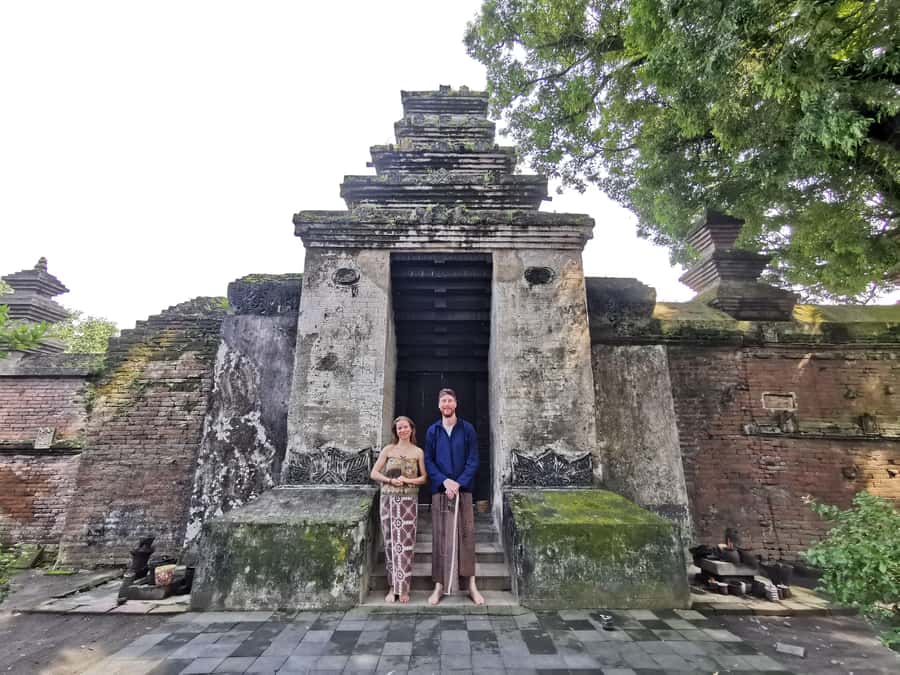
This experience runs for 2 hours, with English live guiding. Your guide will be waiting close to the huge tree at the parking area. That meeting point matters more than it sounds—because it helps you start calmly, with minimal searching in a neighborhood that doesn’t revolve around tourist signage.
The small-group format also changes how the tour feels. With fewer people, it’s easier for your guide to bring you into small conversations—either with shop owners, makers, or people you encounter while walking. It’s the kind of guided interaction that’s hard to recreate on your own, especially if you don’t speak enough local language to ask follow-up questions.
Here’s the practical reality: you’re walking, and it’s in the open. Come prepared with comfortable shoes, sunscreen, and a sun hat. The tour also recommends an umbrella, which is smart in Java—sun and sudden rain can both happen.
What You’ll See First: Joglo Houses in Real Neighborhood Streets
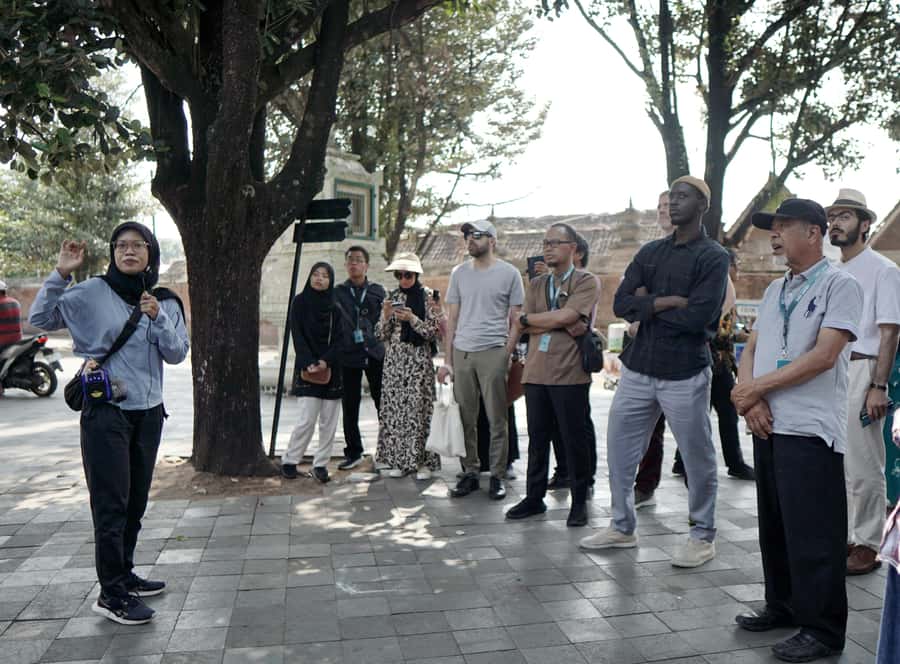
One of the most fun parts is learning to spot Joglo houses as you walk. These aren’t just decorative roof shapes. They’re part of a living architectural tradition, and Kotagede gives you a good chance to see them up close rather than as a photo-only landmark.
You’ll be moving through old residential lanes, so you’ll naturally notice contrasts: street views that feel ordinary next to details that feel carefully crafted. That’s the magic—history doesn’t show up as one big monument. It shows up in design choices you’d miss without a guide pointing them out.
Why this stop-style works
A lot of tours overwhelm you with “must-see” sites. This one works the other way: it teaches you what to look for while you’re still fresh, so the rest of the walk makes more sense.
Small drawback to plan for
Because you’re in neighborhood streets, some sections can feel tighter or less smooth than the sidewalks you might expect in a big city. If you’ve got fragile shoes, you’ll feel it. Bring footwear that won’t ruin your mood.





Snack Stops and Local Drinks: The Taste-First Part of Kotagede
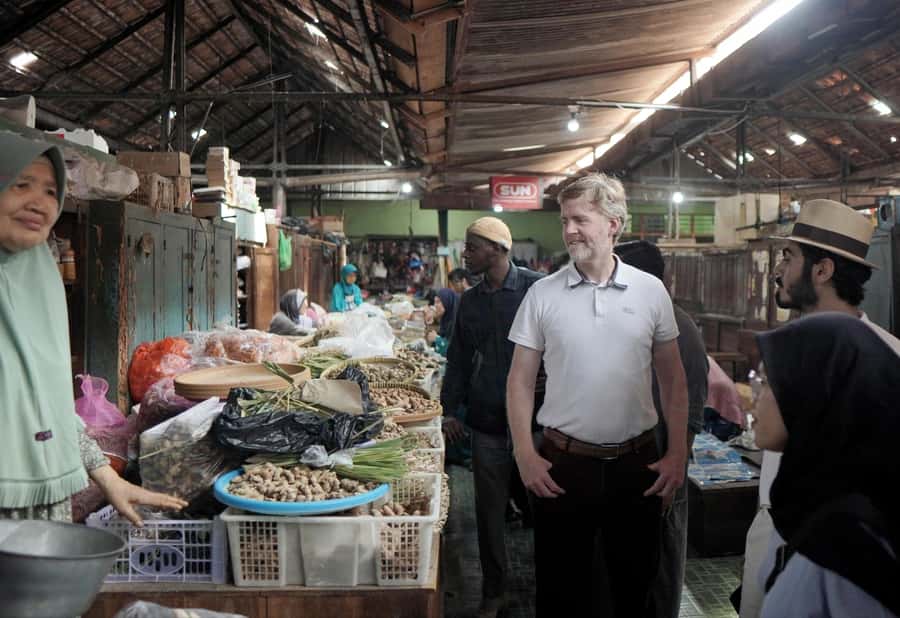
You’ll taste very local snacks, dessert, or drinks during the walk, and that’s not a random add-on. Food and drink are one of the fastest ways to understand a place you don’t yet have context for.
In particular, the route often includes a market-area moment, where you can try items like a special drink or juice. That kind of stop usually becomes a conversation tool too. When your guide knows what to ask and who to talk to, you don’t just taste—you learn why that snack exists here and how locals think about it.
What’s included
The tour includes a local snack and mineral water, so you’re not stuck hunting for something edible mid-walk. That’s especially helpful in a short 2-hour experience, where time gets tight.
How to get the most out of the snack moment
Go in with one simple mindset: ask small questions. Even if your tasting is the main event, the best learning often comes from follow-ups like where it’s made or what people eat it with.
Historical Sites Linked to the 16th-Century Mataram Islam Kingdom
This walking experience includes entry tickets for all sites and visits several historical places. The common thread is the area’s connection to the Mataram Islam Kingdom from the 16th century.
Rather than throwing dates at you, the guide helps you connect each stop to the bigger picture: this neighborhood isn’t old by accident. It’s tied to how power, culture, and community developed in Yogyakarta over time.
You’ll also experience impromptu things to see along the way—small surprises that pop up when you’re walking through real streets instead of moving by car from one fenced location to another. Those moments often become the memories you keep, because they feel accidental and real.
What to expect at the sites
You should expect short visits that help you understand why each location matters. With included entry tickets, you won’t be stuck paying extra or figuring out access rules on your own.
Consideration
Because it’s a 2-hour tour, you won’t get long, slow museum-style time inside every place. If you like deep, hour-by-hour reading, you might want to follow up later on your own. For a first exposure, though, this pace is strong.
The Traditional Cloth Experience (Hands-On, Not Just Looking)
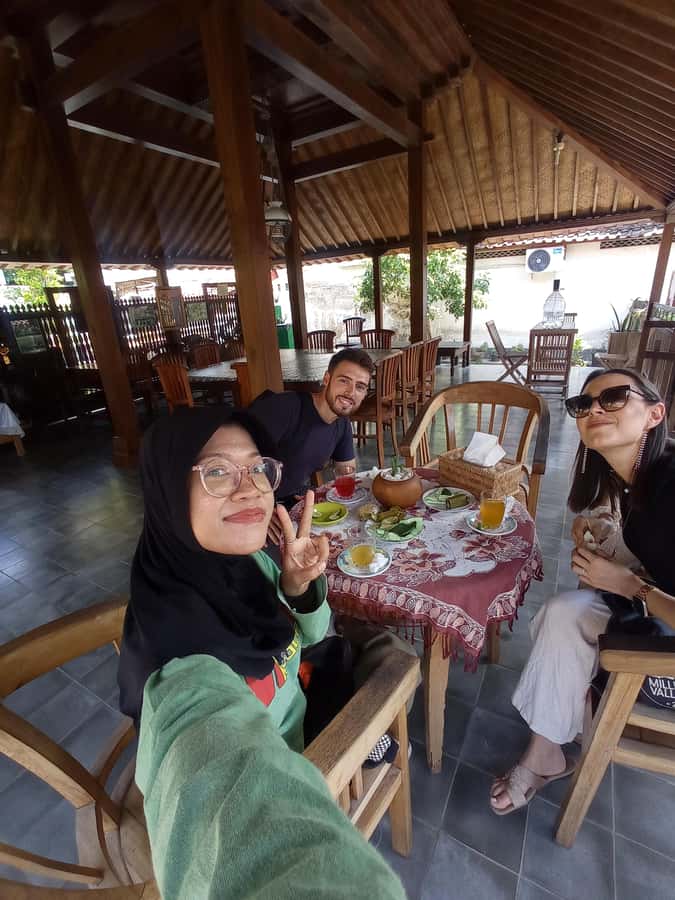
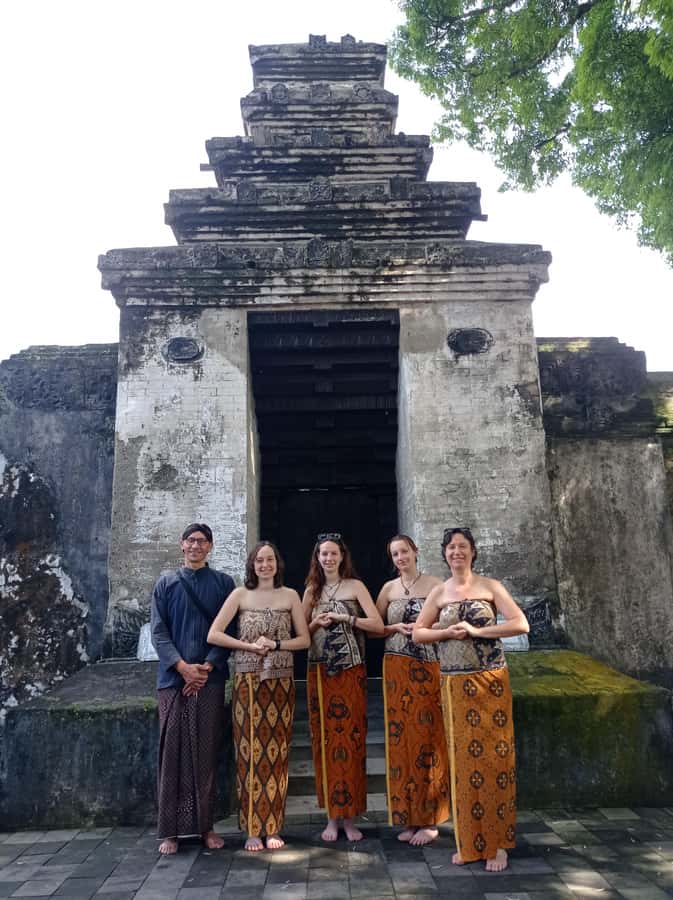
One of the included highlights is a traditional cloth experience. That’s valuable because it turns the tour from observation into participation.
Even without getting overly specific, the point is clear: you’re not only walking past culture—you’re doing a short activity tied to local textile traditions. That tends to make the history feel closer to everyday life, not frozen in the past.
Why this inclusion is a smart value add
At $30, the tour already includes entries and refreshments. The cloth experience is the kind of cultural stop that can easily cost extra in other formats. Here, it’s built into the price.
Practical tip
Wear comfortable clothes that you can move in. The activity is likely to involve handling or close interaction, so avoid anything too fussy.
Interacting With Local People: The Part That Changes Everything
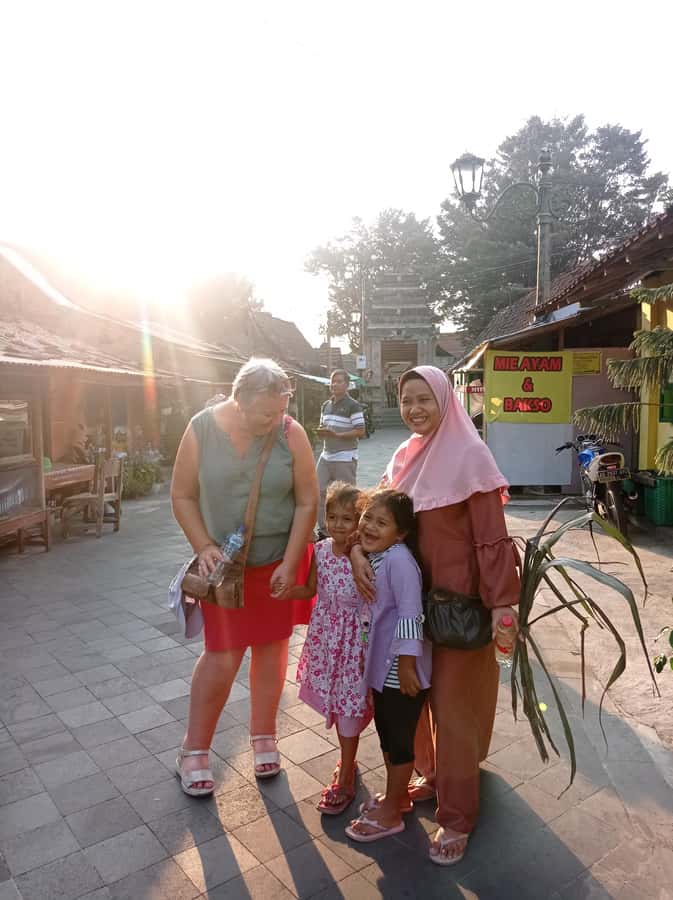
This is where the tour earns its best ratings. The experience is designed around interacting with local Javanese directly with your guide. That doesn’t mean you’ll be doing formal interviews. It means your guide helps you cross the “stranger barrier” in a way that feels natural.
With a friendly, engaged leader like Luthfi Eviani, the tour can feel welcoming rather than rushed. In the feedback, guests often highlight how much time the guide takes to answer questions and how easy it is to ask for explanations.
You also get a sense of the neighborhood economy and culture—not just the historical narrative. One of the guides’ strengths noted in the experience is connecting learning to practical everyday themes such as food, and even craft culture like silver.
A good way to help the guide help you
Come ready with two or three questions you actually care about, like:
- What should I notice in Joglo houses?
- How do locals relate to these historical sites?
- What’s the story behind the snacks or cloth?
Even basic curiosity goes a long way when your guide has the context.
Price and Value: Is $30 a Fair Deal?
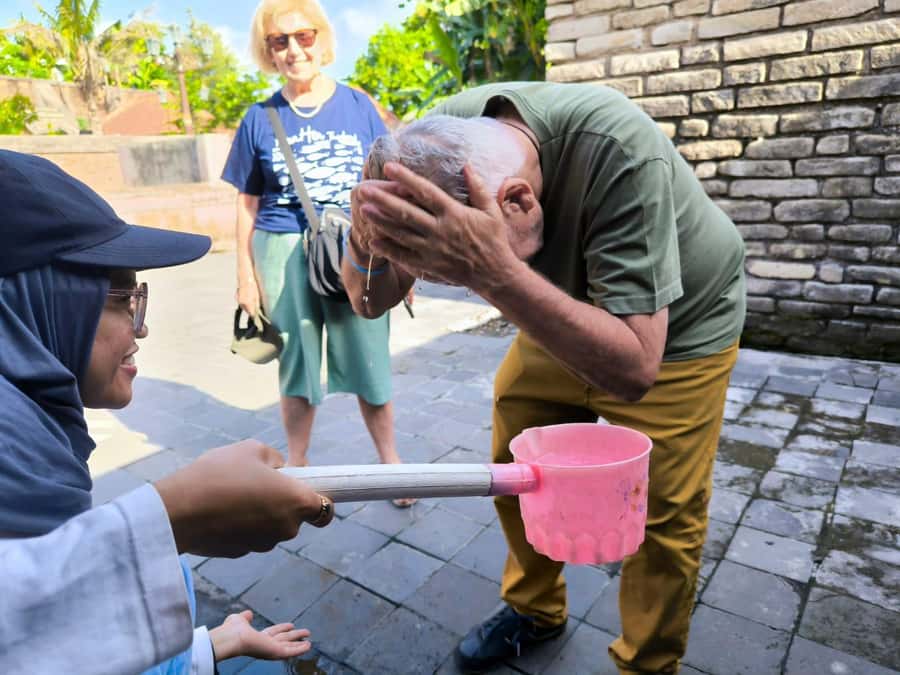
At $30 per person for about 2 hours, this doesn’t look like a bargain tour with hidden costs. The included items—entry tickets to sites, a snack, mineral water, and a traditional cloth experience—are the key to the value.
If you were to do this on your own, you’d likely spend time figuring out access, paying for entry, and still needing to pay for a guide to translate context and help you talk to locals. Here, you pay once, and your guide does the heavy lifting.
Also, small group size matters. A tour limited to 10 participants means more attention per person and better chance to ask questions without waiting your turn.
What to Bring (So You Don’t Feel Miserable in Kotagede)

The tour gives you a clear prep list, and you should follow it. You’ll thank yourself halfway through.
Bring:
- Comfortable shoes
- Sunglasses
- Sun hat
- Umbrella
- Sunscreen
- Comfortable clothes
Not allowed:
- High-heeled shoes
- Shorts and short skirts
- Drones
- Sleeveless shirts
- Alcohol and drugs
- Nudity
My practical take
Dress comfortably, but respect the local rules. The best day is the one where you don’t have to worry about whether your outfit is acceptable or whether your shoes will survive the walk.
Logistics That Actually Matter Before You Go
This tour does not include hotel pickup or drop-off, so you’ll want to plan how you’ll reach the meeting point near the huge tree at the parking area.
Starting times depend on availability, so check the schedule when you book. The tour runs in English, and it’s designed as a live guided small-group experience.
Free cancellation is offered up to 24 hours in advance for a full refund, so you can book with less pressure if your Yogyakarta plans are still moving around.
Who This Walk Is Best For
This is ideal if you want:
- A short, focused walking experience rather than a long day
- Authentic neighborhood vibes with local context
- A guide who makes history understandable through real places
- Food tastings and cultural interaction, not just photos
- A smaller group where questions get answered
It’s also a good match if you like learning by doing—spotting Joglo houses, tasting local snacks, and trying the traditional cloth experience.
If you want a guaranteed whirlwind of major monuments with lots of indoor time, this may feel too neighborhood-based. But if you want Kotagede the way it feels day to day, it’s a strong fit.
Should You Book the Kotagede Old Neighborhood Walking Experience?
I’d book it if you’re in Yogyakarta and you want something quieter, more local, and more conversation-driven than the usual highlights. The combination of Joglo house spotting, local snack tastings, several Mataram Islam Kingdom-linked sites, and the traditional cloth experience makes this better than a standard “see and move on” walk.
If your plan is tight and you don’t want to waste hours figuring things out, a guided small-group format is a smart choice. Go in prepared with comfortable shoes and clothing that fits the rules, and you’ll get a memorable 2 hours where the neighborhood feels like it’s explaining itself.
FAQ
FAQ
Where does the tour take place?
The tour takes place in Yogyakarta, Indonesia, in the Kotagede area on Java.
How long is the experience?
The duration is 2 hours.
What does the tour cost?
The price is $30 per person.
Is there hotel pickup or drop-off included?
No. Hotel pickup and drop-off are not included.
What’s included in the ticket price?
Included items are entry tickets to all sites, a local snack, mineral water, and a traditional cloth experience.
What language is the tour guide?
The tour is guided in English.
How big is the group?
It’s a small group, limited to 10 participants.
Where do I meet the guide?
Your guide will be waiting close to the huge tree at the parking area.
What should I bring for the walk?
Bring comfortable shoes, sunglasses, a sun hat, an umbrella, sunscreen, and comfortable clothes.
What’s not allowed during the tour?
High-heeled shoes, shorts, short skirts, drones, sleeveless shirts, alcohol and drugs, and nudity are not allowed.