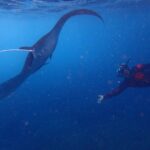
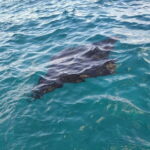
Manta sightings feel almost like a sure thing. If you’re certified for scuba, this 6-hour trip from Nusa Lembongan to Penida pairs manta rays with a proper boat lunch during your surface interval. There’s a catch: they can’t promise Manta Point every single day when conditions or scheduling don’t cooperate.
I also like that the group stays small—up to 8 people—so the team can keep briefings clear and help you feel settled underwater. In the staff mix, names like Sybille (on land) and guides such as Yao, Yap, Andy, Rai, and Katie show up again and again in the kind of stories you want to hear before paying for a manta day.
In This Review
- Key things I’d circle before you book
- Manta rays in Penida with confidence, not hype
- Getting on the water: the Lembongan schedule that keeps the day sane
- Your two-stop vs three-stop choice (and what changes in real life)
- Manta Point logistics: what’s included, what’s not, and the one important warning
- Crystal Bay and Gamat Bay: where the day gets more interesting than one spectacle
- Guides, gear, and the small-group touch that people actually notice
- Price and value: why $105 can be a fair deal (with two honest caveats)
- Weather, routing, and requests: how to think about flexibility
- Should you book this Nusa Lembongan manta package?
- FAQ
- How many underwater stops can I choose?
- Which sites are included?
- Are mantas guaranteed?
- Is lunch included, and when do we eat?
- What gear is included, and can I rent equipment?
- What do I need to join?
Key things I’d circle before you book
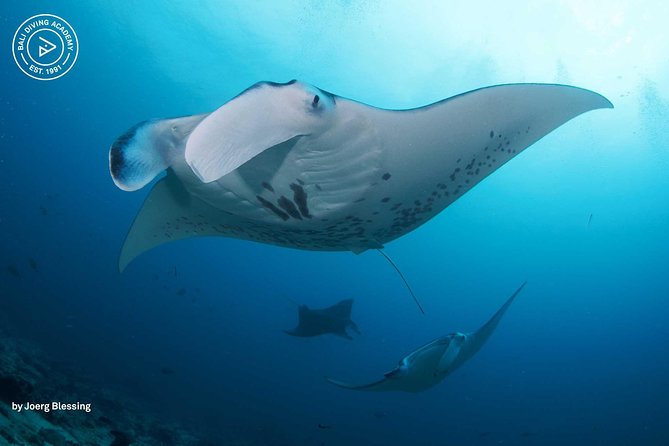
- Manta sightings are the main event, with sightings described as almost guaranteed.
- Mola mola season runs June to October, if conditions line up.
- Lunch happens on the boat during your surface interval (not as an afterthought).
- Max 8 people means less crowding and more hands-on attention.
- Staff names come up often, including Sybille, Yao, Yap, Andy, Rai, and Katie.
Manta rays in Penida with confidence, not hype
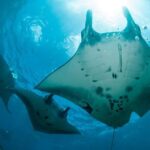
The selling point here is simple: Nusa Penida is famous for mantas, and this outing is built around that reality. You’ll spend time at sites that are regularly used for manta encounters, including Manta Point, plus other nearby stops that fit the day’s sea conditions and timing.
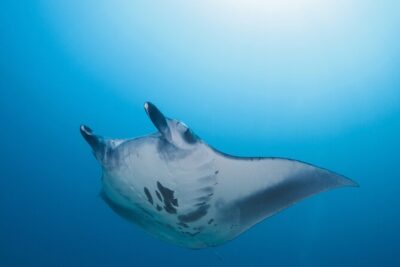
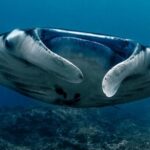
What I like is how the experience sets expectations without pretending it’s a magic wand. The info says sightings are almost guaranteed, and that matches the kind of manta behavior this region is known for—mantas cruising overhead around cleaning stations, and (when the season and conditions allow) social behavior like mating trains. That means even if your first encounter isn’t instant, you’re not just hoping and waiting in silence.
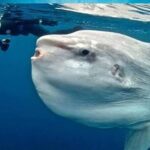
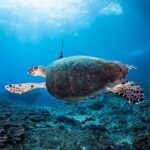
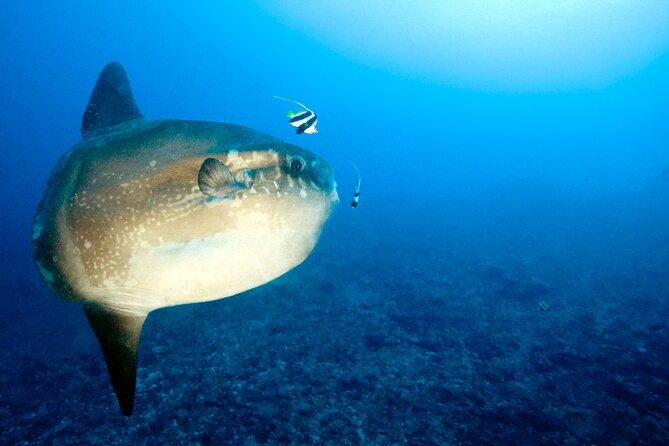
There’s also a seasonal bonus: from June to October, you might spot mola mola (sunfish). They’re described as elusive, which is exactly how you want it phrased. You’re not paying for a guaranteed sunfish checklist; you’re getting a realistic shot at something special when the calendar and water decide to cooperate.
You can also read our reviews of more tours and experiences in Nusa Lembongan.

Getting on the water: the Lembongan schedule that keeps the day sane
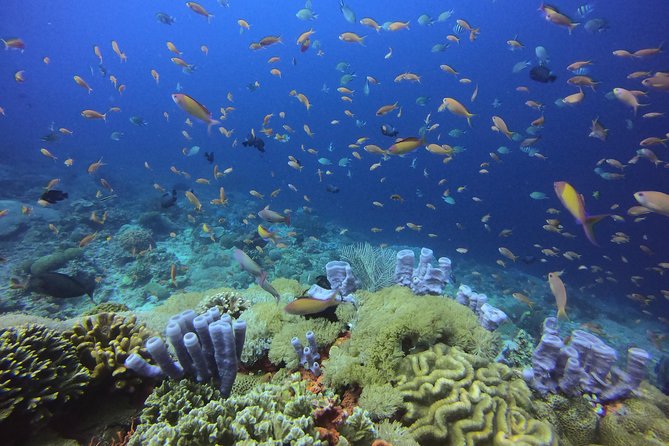
This runs as a half-day format, with a clear rhythm. You meet at 7:30am or 10:00am at the BDA scuba center in Jungut Batu (Nusa Lembongan). You’ll set up gear, get a briefing from the guide, and head out by boat at 8:00am or 10:30am.
After the first underwater stop, you have lunch on the boat during your surface interval. Then the return is typically around 2:30pm to 3:00pm, depending on which package you choose and how the day unfolds.
Why this matters for you: Nusa Penida and Lembongan trips can feel like a time squeeze if the schedule is fuzzy. Here, you have solid anchors: two potential start times, a planned lunch window, and a predictable return. Plus, the maximum of 8 participants keeps the day from turning into a long conveyor belt of equipment checks.
If you’re pairing this with a cruise or a short stay, this timing is also convenient. One-day options exist, and the longer 3-stop package fits travelers who want more time in the water without committing to a full multi-day program.
Your two-stop vs three-stop choice (and what changes in real life)
You can book either a 2-stop or 3-stop package. The standard sequence is built around:
- Stop 1: Manta Point
- Stop 2: Crystal Bay
- Stop 3: Gamat Bay (for the 3-stop option)
So the 2-stop version is best if you want the headliner with one additional site. The 3-stop version is for when you’re willing to spend a little more time on the water for more variety—especially if manta encounters are the goal but you also want a broader sample of the Penida/Lembongan underwater landscape in one day.
One practical point: the schedule can shift when conditions aren’t ideal. They also welcome requests for specific sites, but the day’s plan can change due to sea state or routing. That’s not a deal-breaker—it’s just how boats work in this part of the world—but it’s worth knowing so you don’t build your entire day around one single underwater location.
Manta Point logistics: what’s included, what’s not, and the one important warning
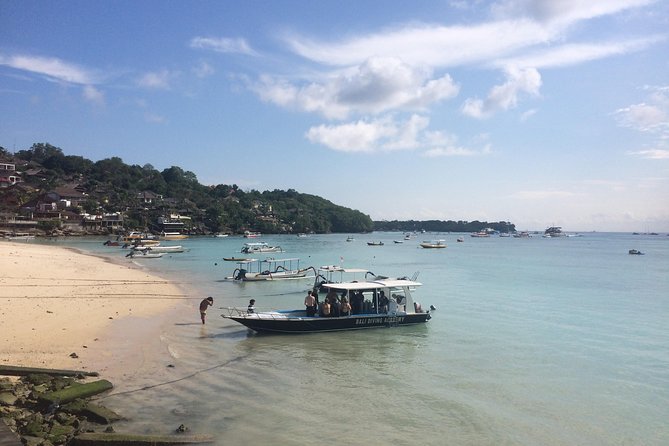
Manta Point is the star, and it’s listed as the first stop. But here’s the key consideration: they cannot guarantee going to Manta Point every day. That can happen for a few reasons like unfavorable sea conditions or scheduling.
They also note a Manta Point fuel surcharge paid on the spot. In other words, part of your cost isn’t fully wrapped into the online price. It’s a small detail, but it matters for budgeting if you like to travel with clear totals.
How I’d think about it: if you book this for mantas, you’re making a bet on two variables—seasonal manta activity and day-of-water conditions. The good news is the format is designed for mantas, and sightings are described as almost guaranteed. The less fun news is there’s still a real-world chance you won’t hit the exact manta location on that specific trip.
If your scuba confidence is solid and you’re okay with some flexibility, this trade often feels worth it. If you’re the type who needs one exact site on one exact date, you’ll want to treat this as a manta-focused attempt rather than a guaranteed bingo card.
Crystal Bay and Gamat Bay: where the day gets more interesting than one spectacle
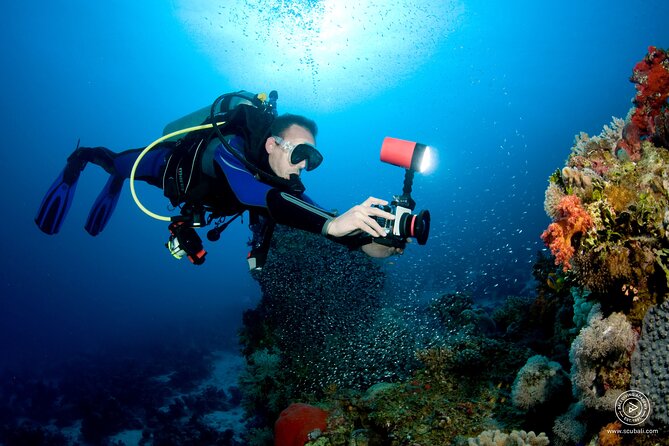
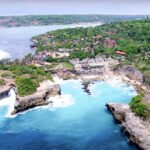
Crystal Bay is part of the standard route, listed as the second stop. It’s often the kind of site that balances the day: not just repeating the same experience, but giving you a different slice of what Penida is known for—strong marine life presence and a feeling of variety.
Gamat Bay is the add-on in the 3-stop package. Even without overpromising what you’ll see at any moment, adding a third location usually means fewer repeats and more chances to find the conditions that make an underwater session feel smooth and rewarding.
Also, don’t ignore the pacing: lunch on the boat happens after your first stop during the surface interval. That breaks the day up in a way that feels more relaxed than doing multiple long sessions back-to-back without a real reset.
One caution: the exact number of stops you get depends on your chosen package, and routing can change with weather and sea state. So plan this as your main underwater activity for the day, not something you tuck in between other commitments.

Guides, gear, and the small-group touch that people actually notice
The included experience is guide-led, and gear is handled in a practical way. The info says essential gear is included, while scuba computers and GoPros are available for rent. It also states that a full gear set with a computer can be rented, which is useful if you don’t want to travel with everything.
If you’re a tech person, the computer availability matters because it reduces the friction of bringing gear from home. If you want video, renting a GoPro is there without forcing you to travel with a housing and mounting setup.
What really stands out from the on-the-ground side is the human layer. On land, Sybille is repeatedly mentioned as kind and helpful with tips and a conversational vibe. In the water, guides like Yao, Yap, Andy, Sami, Ledo, Lino, Adi, and Rai are described as attentive and focused on comfort and clarity. One name that comes up with extra context is Katie, who’s described as a marine biologist—exactly the kind of guide detail that can turn a nice encounter into a better understanding of what you’re seeing.
Because the group is capped at 8, you’re more likely to get individualized attention—things like how you’re positioned in the water, how your briefing is paced, and how the guide manages the group’s timing.
Price and value: why $105 can be a fair deal (with two honest caveats)
The price is $105 per person for the experience (about 6 hours). That’s not cheap, but it’s also not unrealistic for a manta-focused day on Penida when you factor in what’s included.
Included items you should care about:
- Lunch on the boat: lunch box, plus coffee and tea
- Dive/scuba guide (included)
- All fees and taxes
- Community contribution
- Group discounts and a mobile ticket
Not included (so budget for it):
- GoPro rental (available, but not included)
- Scuba computer/full gear rental (available for rent)
- Private transportation
- Manta Point fuel surcharge paid on the spot
So the value question becomes: are you getting a lot of real underwater time with a solid guide setup, plus a proper meal break? Based on the structure—2 or 3 stops, planned lunch, and a small group—the answer is often yes.
Also worth noting: the overall rating shown is 4.9 with 96% recommended from 28 reviews. That doesn’t guarantee your own day will be perfect, but it does suggest the fundamentals—staff, organization, and overall satisfaction—are lining up for most people.
One more practical insight: booking is typically done about 13 days in advance on average. If your schedule is tight, that’s a clue to lock your slot earlier rather than waiting for the last minute.
Weather, routing, and requests: how to think about flexibility
This experience requires good weather. If it’s canceled due to poor weather, you’ll be offered a different date or a full refund. That matters because Penida conditions can change quickly, and the experience openly ties routing to sea conditions.
They also allow requests for specific sites, but with an honest note: scheduling or unfavorable sea conditions might prevent the exact plan you asked for. So you should treat requests as a way to guide the team’s thinking, not a guarantee.
If you’re trying to do this around other island plans, I’d keep that in mind. It’s usually smart to keep the rest of your day light, because the return time is dependent on how the boat days go—though it’s generally around 2:30pm to 3:00pm.
Should you book this Nusa Lembongan manta package?
Book it if:
- you’re certified for scuba and want a manta-focused day from Lembongan
- you like the idea of a boat lunch built into the surface interval
- you want small-group attention (up to 8 people)
- you’re traveling with flexibility on exact routing, because conditions can shift
Skip or reconsider if:
- you need Manta Point on a specific day with no uncertainty
- you’re not comfortable with the idea that weather and sea state can change plans
- you’re trying to pack too many activities into the same half-day window
My take: this is a smart value option when your priority is mantas and you want clear timing, a guided setup, and a day that’s run like a real operation—not a loose collection of promises.
FAQ
How many underwater stops can I choose?
You can choose either a 2-stop or 3-stop package.
Which sites are included?
The route lists Manta Point and Crystal Bay as stops, and Gamat Bay is added for the 3-stop option.
Are mantas guaranteed?
Manta sightings are described as almost guaranteed, but the provider notes they cannot guarantee going to Manta Point every day due to scheduling or sea conditions. The trip also depends on weather.
Is lunch included, and when do we eat?
Lunch is included and served on the boat after the first underwater stop during your surface interval. There’s also coffee and tea available on board.
What gear is included, and can I rent equipment?
Essential scuba gear is included. A GoPro can be rented, and scuba computers are also available for rent.
What do I need to join?
This activity is for people with scuba certification. Proof of certification is required.