Ubud in one long, well-paced day. This all-inclusive circuit strings together the big Ubud hits in about 10 hours, from Sacred Monkey Forest to Tirta Empul Temple, with a guide who talks through what you’re seeing. I also like that you get an easy flow of viewpoints plus breaks for food and coffee, so the day doesn’t feel like a nonstop sprint of photos.
I love the small-but-important value touches: pickup is offered, you use a mobile ticket, and the tour is set up for just your group (private by design). You also get lunch and a coffee plantation stop with coffee and herbal tea tasting, which turns the day from sightseeing into something you can actually remember.
One thing to consider: this plan leans on the weather. If conditions are poor, the tour can be canceled or moved, and parts of the day (waterfall time and the swing) depend on things being safe and accessible.
In This Review
- Key things to know before you go
- Price and logistics: does $39.77 make sense?
- The day’s route: how the stops fit together
- Stop 1: Tegalalang Rice Terrace views (and what to watch for)
- Stop 2: Sacred Monkey Forest Sanctuary (fun, but keep control)
- Stop 3: Tirta Empul Temple (spiritual place, not just a photo stop)
- Stop 4: Ulu Petanu Waterfall (often the highlight)
- The swing experience: fun factor versus comfort and safety
- Lunch and the coffee plantation: where the day slows down
- Your guide can make or break the day
- Private group feel: what changes when it’s only your group
- Timing and comfort tips for a 10-hour Ubud day
- Who this tour is best for
- So, should you book this Ubud day tour?
- FAQ
- How long is the Ubud tour?
- What’s included in the tour?
- Is pickup provided?
- Is the tour private?
- Is a mobile ticket used?
- Do you need good weather?
- What is the cancellation window for a full refund?
- How far in advance is it usually booked?
Key things to know before you go

- A tight 10-hour loop: multiple classic Ubud landmarks without you needing to piece together transport
- Private feel: it’s only your group, which usually makes questions and timing easier
- More than temples: rice terraces, waterfalls, monkey sanctuary, a swing, lunch, and coffee tasting are all included
- Guide focus shows up in the feedback: names like Wayan Surata and Gede Juni pop up in reviews for making the day smoother
- Weather matters: the operator notes good weather is required for the experience
Price and logistics: does $39.77 make sense?
At $39.77 per person for an approximately 10-hour guided day, this is priced like a practical “do the essentials” Ubud tour. You’re not just getting tickets to one site. You’re getting transport between several major stops plus time built into the day for lunch and a coffee break.
The value also comes from the structure. Ubud landmarks are close-ish but not next door to each other, especially when you want a meaningful order (terraces, temple, waterfall, then a slower food-and-coffee finish). This tour’s flow is built for that rhythm.
A couple logistics notes that matter to your comfort:
- Pickup is offered, so you’re less stuck trying to coordinate rides across Ubud.
- You’ll use a mobile ticket, which is usually easier than hunting for printed confirmations.
- The tour is listed as private (only your group), which can be a big deal if you don’t want to feel “sandwiched” between strangers.
You can also read our reviews of more tours and experiences in Ubud.


The day’s route: how the stops fit together
This is a full-day plan, so the real question isn’t whether you can visit everything. It’s whether the tour helps you make sense of it. The route hits:
- Tegalalang rice terraces (first stop)
- Sacred Monkey Forest sanctuary
- Tirta Empul Temple
- Ulu Petanu Waterfall
- Plus a swing experience, lunch, and a coffee plantation with tasting
That order matters because the day naturally shifts from scenery to culture to outdoor action and then to downtime. You start with one of Bali’s most iconic photo-and-walkable views, then move into the temple world, then spend time outdoors, and close with coffee and tea where you can slow down.
Stop 1: Tegalalang Rice Terrace views (and what to watch for)
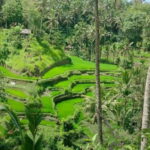
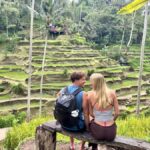
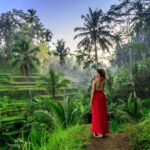
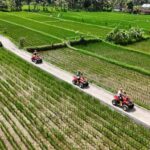
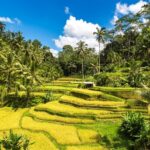
Tegalalang Rice Terrace is your opening act. Expect famous layered fields, plus the kind of viewpoints that make you stop and look long after you’ve taken the main photos. This is also the start of the day’s walking, so it’s smart to begin with comfy footwear.
Why this stop works early:
- You’re fresh and your eyes are still tuned to the scenery.
- It sets the tone for the rest of the trip, since Bali is all about how people live in harmony with land and water.
What to consider:
- This is a viewpoint-heavy area. If you’re not into short walks and stairs, you might want to pace yourself and focus on the best viewing spots your guide points out.
Stop 2: Sacred Monkey Forest Sanctuary (fun, but keep control)
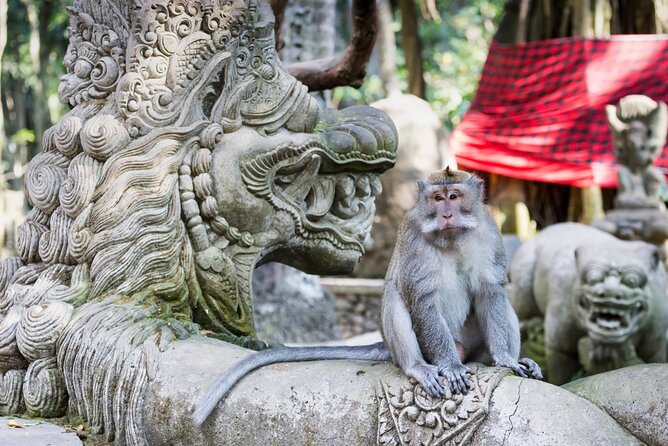
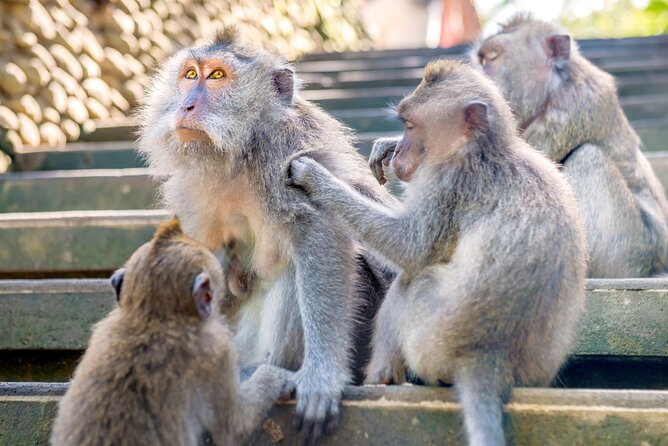
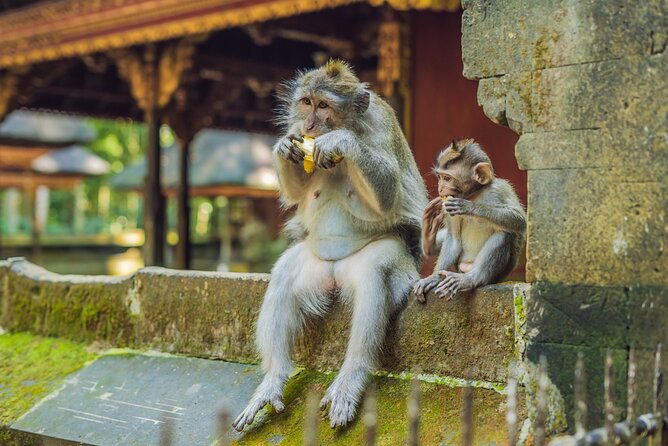
Then you’re at the Sacred Monkey Forest Sanctuary, where the attraction is obvious: playful monkeys in their natural habitat. It’s a lively stop, and it’s one that tends to be memorable because it’s not staged.
Here’s the practical part. Monkey areas can be unpredictable, even when they look safe and friendly. You’ll enjoy it more if you:
- Keep small items secure (phones, bags, anything dangling).
- Follow your guide’s directions on what to do and what not to do around the monkeys.
The upside is big. This isn’t just a “look from a distance” stop. The experience is about being close to wildlife behavior in an actual sanctuary setting.
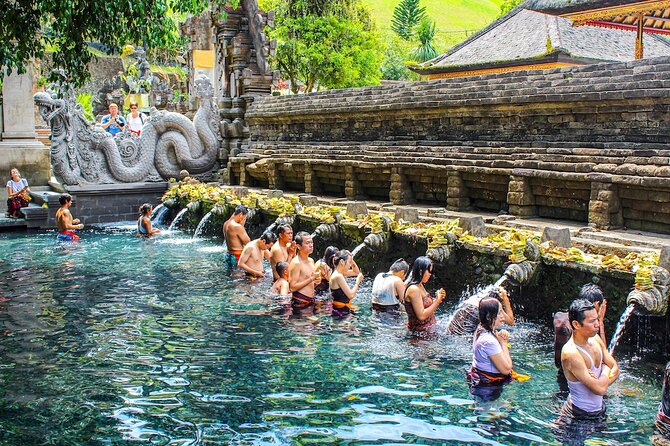
Stop 3: Tirta Empul Temple (spiritual place, not just a photo stop)
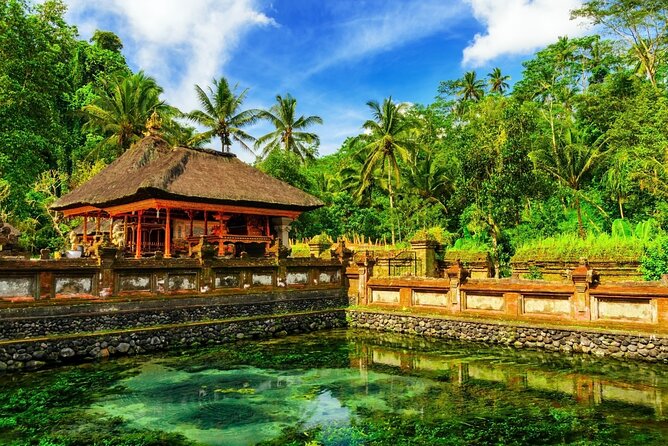
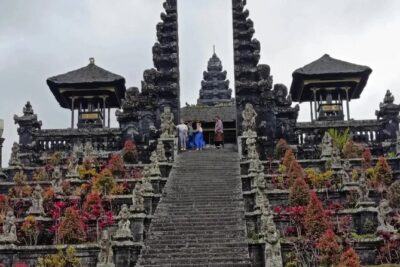
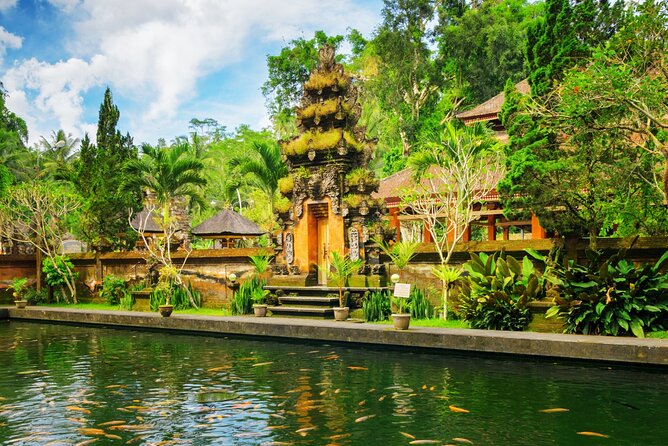
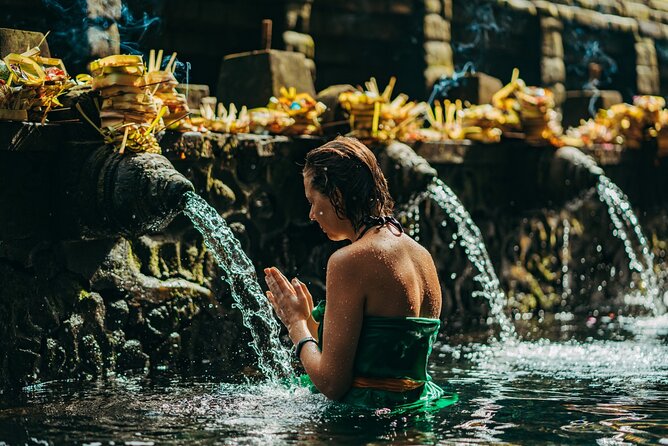
Next comes Tirta Empul Temple, a stop built for cultural and spiritual context. This is the kind of place where a guide makes a difference, because you want to understand what you’re seeing beyond architecture and scenery.
What you’ll likely feel here is a shift in the day. Instead of the energy of monkeys and outdoor views, Tirta Empul has a calmer, more focused mood. It’s also a strong counterpoint to the terraces—different setting, same theme of how Bali’s traditions shape daily life.
One consideration: temples usually come with rules. Dress and behavior matter. Your best move is to listen to your guide and follow their guidance on what’s appropriate as you move through the site.


Stop 4: Ulu Petanu Waterfall (often the highlight)
Ulu Petanu Waterfall is a key outdoor stop, and it’s often the moment people remember most. In the feedback, the waterfall comes through as a highlight, and that matches what this stop is for: a visual reset after temples and terraces.
Waterfalls are also a reality check. You’re dealing with mist, rocks, and sometimes slick paths depending on conditions. If you’re the type who hates wet shoes, plan for it mentally and wear footwear you can trust.
If the weather is questionable, this is also the part that may be most affected. The operator notes the experience requires good weather, and that makes sense when your itinerary includes both a waterfall and an outdoor swing.
The swing experience: fun factor versus comfort and safety
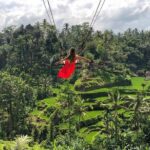
Between the major sightseeing stops, the plan includes a swing experience. The point here is simple: it’s a burst of adrenaline and scenery at once, tied to the jungle-style setting Ubud is known for.
Who this fits:
- People who like trying one activity that feels different from “walk and look.”
- Anyone who’s okay with a short, supervised thrill.
Who should think twice:
- If you’re sensitive to heights or motion, or if you’re worried about safety gear, ask your guide how the experience is handled before you commit.
- If it’s raining or damp, the outdoor conditions can change how comfortable the activity feels.
Lunch and the coffee plantation: where the day slows down
This is not just a sightseeing slog. Lunch is included, and it’s described as having a rice terraces view. That matters more than you might think. Midday in Bali can be warm and busy, and eating in a scenic setting turns the break into part of the experience instead of just a reset button.
After lunch, you finish with a coffee plantation stop, where you can taste Bali’s traditional coffee and herbal teas.
This ending has two benefits:
- It’s a calmer finale after temple and waterfall time.
- Coffee and tea tasting gives you something interactive that doesn’t require standing in crowds or chasing the best angle.
What to expect from the tasting side:
- You’ll be able to try different coffees and herbal teas.
- It’s a good moment to ask questions about local ingredients and how coffee culture works on the island.
Your guide can make or break the day
The best part of this tour, based on the strongest feedback, isn’t any single location. It’s how the day is guided.
Specific names show up:
- Mr. Wayan Surata is praised for doing a great job and making the experience enjoyable.
- Gede Juni gets called out as an excellent driver and someone considerate in the car.
- Another Wayan is mentioned for matching the pace and needs of the group and answering questions with positive energy.
Why this matters to you: Ubud can feel like a lot of stops with big visuals. A good guide helps you connect the dots—why these places matter, what to notice, and how to behave in each setting.
If you care about stories and practical context, this tour’s guide-led format is one of its strongest value points.
Private group feel: what changes when it’s only your group
Even though the tour is described as having group discounts as a feature, the setup is private: only your group participates. That “only us” detail can change how the day feels.
With private-style touring, you can usually expect:
- Less time spent waiting for strangers to catch up.
- More flexibility to ask questions when something sparks your interest.
- A better chance your guide can steer you toward the parts you actually care about (terraces versus temples versus waterfalls).
If you’re traveling with family, friends, or a mixed-age group, this private format can reduce stress. It’s also a smart choice if you don’t want to spend your day checking other people’s body language to guess when you’re supposed to move.
Timing and comfort tips for a 10-hour Ubud day
Because this is an approximately 10-hour plan, think of it as a full day with multiple activity types: walking, temple time, monkey area energy, and an outdoor waterfall plus swing.
A few practical moves that will make it easier:
- Wear shoes you’re comfortable getting a bit wet in for the waterfall stop.
- Bring a light layer if you run hot in the morning and cool off near water.
- Have your day plan mindset set to “several highlights,” not “one perfect stop.”
Also, since the tour requires good weather, check forecasts close to the day you go. If it’s been rainy, ask your guide how they’re handling waterfall and swing conditions.
Who this tour is best for
This all-in-one Ubud day fits best if you:
- Want to see the classic Ubud attractions without managing transport between sites.
- Like having a guide explain context as you go.
- Prefer a packed day with built-in breaks for lunch and coffee tasting.
- Are fine with a mix of culture and nature stops in one long itinerary.
It may not be ideal if you:
- Want a slow, unhurried day that stays in one neighborhood.
- Prefer to skip active or outdoor segments like the swing or waterfall time.
So, should you book this Ubud day tour?
Yes, if you want an efficient way to hit the main Ubud experiences—terraces, monkeys, a major temple, a waterfall, a swing, lunch, and coffee—without extra planning. The strongest reason to book is the combination of variety and guide-led context, backed by repeated mentions of strong guides and safe, considerate driving in the feedback.
Skip it or reconsider if you’re strongly weather-dependent on comfort (lots of outdoors) or if you dislike “full-day” pacing. If the forecast looks iffy, you’re taking on the trade-off that the operator can cancel or offer a different date when conditions aren’t right.
If your goal is a single, well-structured Ubud day that covers a lot of ground while still feeling like an actual experience (not just a checklist), this one fits.
FAQ
How long is the Ubud tour?
It runs for about 10 hours.
What’s included in the tour?
The tour includes stops at Tegalalang Rice Terrace, Sacred Monkey Forest Sanctuary, Tirta Empul Temple, Ulu Petanu Waterfall, a swing experience, lunch, and a coffee plantation with coffee and herbal tea tasting.
Is pickup provided?
Pickup is offered.
Is the tour private?
Yes. It’s listed as a private tour/activity, and only your group will participate.
Is a mobile ticket used?
Yes, a mobile ticket is part of the experience.
Do you need good weather?
Yes. The experience requires good weather, and if it’s canceled due to poor weather, you’ll be offered a different date or a full refund.
What is the cancellation window for a full refund?
You can cancel up to 24 hours in advance for a full refund. Changes made less than 24 hours before the start time aren’t accepted, and refunds won’t be available for cancellations within 24 hours of start time.
How far in advance is it usually booked?
On average, it’s booked 15 days in advance.