Cooking your way through Bali feels personal fast. This Paon Bali class is built around the practical side of Balinese food—shop first, cook next, then eat what you make. I especially like that the morning starts with a real market stop, not just a photo break, and that you get hands-on instruction in a small group setting.
My favorite part is how the class turns food into real skills. You’ll learn what to look for at the market, then cook a lineup of classic dishes like chicken in coconut curry and banana-leaf steamed fish, plus a sweet finish with banana in palm sugar syrup. The other thing I like is the focus on working together without turning into a production line—an assistant helps, and the setup is designed so people get individual attention.
One thing to think about: pickup is limited to Ubud Center only. If you’re staying elsewhere, there’s an extra charge for shuttle service, paid in cash on the day.
In This Review
- Key things to know before you go
- Why a market-and-cooking class beats another Ubud “tour day”
- Ubud Traditional Art Market: buying food like a local
- The cooking kitchen: from ingredient to plate
- Tasting, eating, and the relaxed group vibe
- Vegetarian vs non-vegetarian: choose your menu without stress
- Price and logistics: what $39 really covers
- What the 3.5 hours feel like (and how to plan your day)
- Who this cooking class suits best
- Should you book Paon Bali Cooking Class with Ubud shuttle?
- FAQ
- How long is the Paon Bali cooking class?
- Is hotel pickup included?
- What’s the extra pickup cost for areas outside Ubud Center?
- What dishes will I cook?
- Can I choose a vegetarian option?
- Where do I meet for the activity?
- How big is the group?
- What happens if weather is bad?
- Is the experience refundable if I cancel?
Key things to know before you go
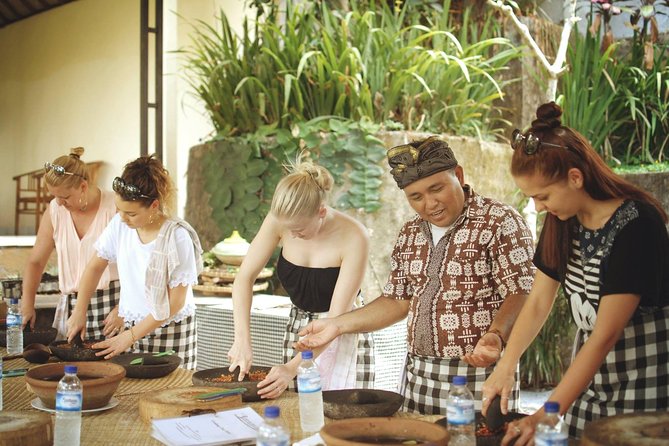
- Market first, cooking second: you shop early and learn how to pick ingredients before you start cooking
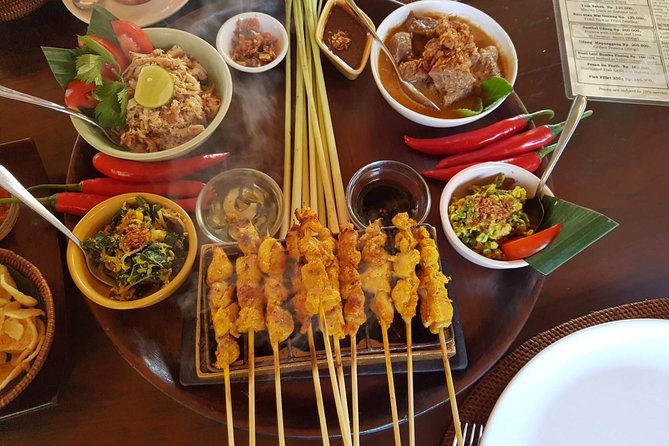
- Classic Balinese dishes: chicken in coconut curry, banana-leaf steamed fish, and banana in palm sugar syrup
- Vegetarian or non-vegetarian: you can choose your menu style
- Small-group feel: capped at 24 people, with an assistant on hand
- Ubud-center shuttle: included for Ubud Center pickup, with extra cost if you’re outside that zone
Why a market-and-cooking class beats another Ubud “tour day”
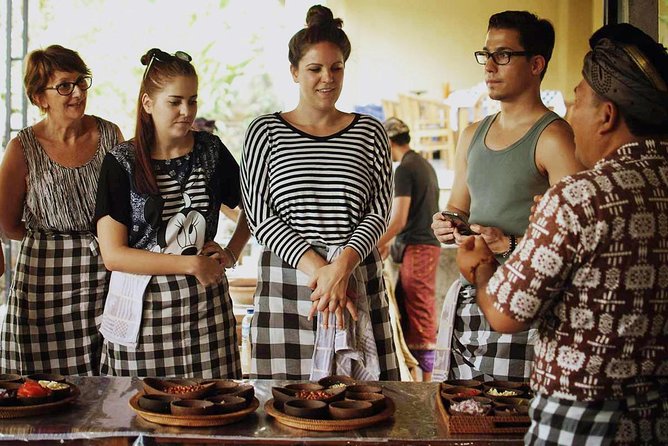
Ubud can feel like a buffet of activities: temples, viewpoints, coffee tastings, repeat. This class gives you a different kind of day. Instead of trying to see everything at once, you’re learning the logic behind what Balinese people cook and why certain flavors work together.
The structure matters. You start with shopping, so you know what you’re holding (and why it’s used). Then you cook those same ingredients. That order makes the class feel like a mini trade skill, not a one-time performance. And because it ends with eating what you make, you leave with both the taste memory and the basic “how-to.”
The biggest value for most people: you’re paying for instruction, ingredients, cookware, and transport all in one package. At $39 per person, the price feels most sensible when you’d otherwise spend time piecing together a market visit + a cooking workshop + a meal.
You can also read our reviews of more tours and experiences in Ubud.



Ubud Traditional Art Market: buying food like a local
The morning begins with a trip to the Ubud Traditional Art Market. The timing is intentional. Bali markets open early, and the whole point is to catch ingredients at their best—fresh produce, fish, and meats when selection is strongest.
Here’s what you’re really getting from the market portion:
You’re taught what Balinese tastes and customs look like in practice. The chef explains flavors and how local people think about ingredients. You also learn which items make sense for the dishes you’ll cook later in the class.
You’ll get a real sense of bargaining. This isn’t just a “fun cultural moment.” The market stop is used to teach you how to spot quality and negotiate based on what you need—not just what looks shiny. The class includes guidance on what to choose and what to reject, which is huge if you plan to cook Balinese-style food later at home (or even just want better instincts when buying produce on your trip).
One more underrated benefit: you’ll see how market shopping fits into daily life. It helps you connect Bali’s food culture to the rhythm of the island. If you like food experiences that actually explain the system, this portion is the foundation.
The cooking kitchen: from ingredient to plate
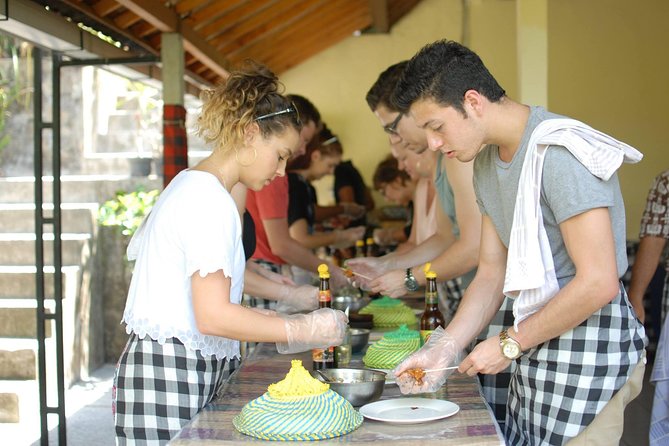
After the market stop, you move into cooking mode. The class includes cooking ware and cooking ingredients, so you’re not hunting for supplies or worrying about what’s provided. That matters because the kitchen time is where your learning happens—and you want that time to be focused.
The cooking lineup is classic Balinese, with flavors that make sense together:
- Chicken in coconut curry
This is where you’ll learn how creamy coconut ties into savory spice. It’s also a solid dish for beginners because it builds a recognizable flavor base.
- Balinese steamed fish in banana leaf
Banana leaves are more than decoration here. Cooking in leaf helps keep moisture in and adds fragrance. It’s a practical lesson in how Balinese cooking uses materials from the environment, not just spices.
- Boiled banana in palm sugar syrup
This is your sweet counterpoint to the savory dishes. You’ll see how palm sugar brings warmth and depth, without needing complicated techniques.
You’ll also cook additional dishes along with the main menu above, depending on how the class runs that day. The key is that you’re not just chopping and watching—you’re involved, and there’s support in the process.
The class is set up for individual attention. A chef leads, and there’s an assistant working alongside to keep everyone moving and help correct mistakes before they turn into ruined food. In a group size capped at 24, that kind of structure makes a big difference. You’re less likely to feel like you’re standing on the sidelines.
Tasting, eating, and the relaxed group vibe
One of the most satisfying parts is that the cooking isn’t just for show. Your dishes are cooked and eaten at the end of the class. That turns the workshop into an actual meal, not a “samples for photos” situation.
The class tone also seems intentionally social. People share space, chat, and enjoy the process. One review noted the vibe includes conversation over a Bintang during the class. Even if you’re not there for alcohol, it’s a good sign that the atmosphere isn’t stiff—more like a friendly cooking session than a rigid lesson.
For you, that changes how you learn. When you’re relaxed, you’re more likely to ask questions, remember steps, and pay attention to what the chef is correcting. Food skills stick better when you’re actively participating and not just following instructions under pressure.
Vegetarian vs non-vegetarian: choose your menu without stress
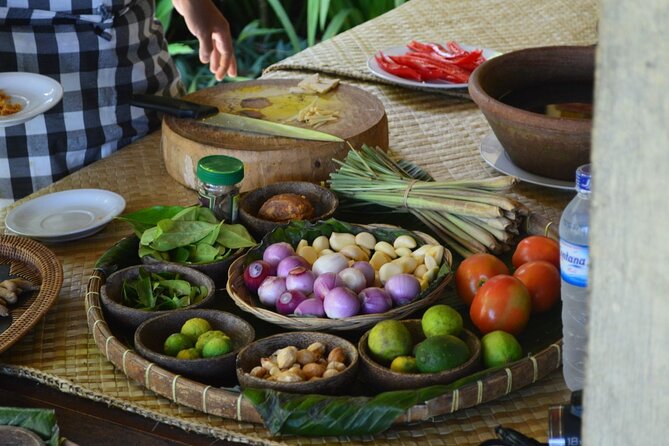
The class supports both non-vegetarian and vegetarian options. That’s a big deal if you have dietary preferences or if you’re traveling with someone who eats differently.
What’s helpful here is that the course isn’t framed as a separate “Plan B.” You’re choosing your option as part of the experience, so you can still expect the same hands-on format, just tailored to your menu style.
If you’re vegetarian, you can still get the market education and technique-focused cooking. If you choose non-vegetarian, you’ll still get the full Balinese flavor education through dishes like the coconut curry and banana-leaf fish.






Price and logistics: what $39 really covers
Let’s talk value plainly.
You’re paying $39 per person for a package that includes:
- pickup transfer for Ubud Center
- cooking ware and cooking ingredients
- the market tour (morning only)
- a guided class with chef leadership and assistant support
- vegetarian or non-vegetarian option
In other words, you’re not just buying a recipe. You’re buying the materials and the time built into a guided experience. That’s why the price feels fair, especially in a place like Ubud where standalone tours can stack up fast.
Now the logistics you should know:
- The class runs about 3 hours 30 minutes.
- Group size is limited to 24 travelers, so it’s not a chaotic mega-class.
- Pickup is included for Ubud Center only. Other areas cost an extra USD 35 per car, paid in cash on the day.
- You’ll start at Ubud Central Parking (Jl. Suweta No.18, Ubud).
If your hotel is outside Ubud Center, make sure you confirm whether you’ll be charged for the extra shuttle. That’s the main “hidden” variable in the whole experience.
Also worth noting: this activity is commonly booked around 10 days in advance, so if your dates are fixed, don’t wait until the last minute.
What the 3.5 hours feel like (and how to plan your day)
A class that runs 3 hours 30 minutes can fit into your Ubud schedule without turning your day into a scramble. The rhythm is usually:
1) early morning market visit
2) guided cooking time in the kitchen
3) tasting and eating at the end
4) return back to the starting meeting point
Because the start is early (markets open early), it’s best to plan an easier afternoon afterward. You’ll likely want time to digest, stroll a bit, or just relax. Also, since you’ll be doing both shopping and cooking, wear something comfortable. You’ll want practical footwear and clothes you don’t mind getting a little warm.
If your trip is busy with temples and day trips, this is the kind of activity that gives your brain a break. You’re learning by doing, which can feel more satisfying than bouncing between landmarks.
Who this cooking class suits best
This is a great match if you:
- want something more useful than another photo-focused sightseeing block
- like food experiences that teach techniques, not just flavors
- prefer small-group interaction where you can ask questions
- want a fun, social atmosphere, with a calm pace and hands-on work
- need either vegetarian or non-vegetarian options
It may be less ideal if you:
- are staying outside Ubud Center and don’t want the shuttle extra cost
- dislike early morning starts (market shopping is part of the point)
- are hoping for a totally private cooking lesson (the class is capped at 24 people)
Also, the experience is weather-dependent. If conditions are poor, the activity can be rescheduled or refunded. That’s not a reason to skip it—it just means you should keep a flexible mindset.
Should you book Paon Bali Cooking Class with Ubud shuttle?
I think you should book it if you want a true “learn and eat” Bali experience that doesn’t cost a fortune. The market portion gives you context. The cooking part gives you technique and confidence. And you finish with food that’s actually cooked for you, not just a demo plate.
Book it especially if you’re visiting Ubud and want a break from the usual temple-and-view routine. The combination of early market buying, a classic Balinese menu (coconut curry, banana-leaf fish, palm sugar banana), and a small-group teaching setup is good value at $39.
Skip it only if the Ubud-center shuttle limitation affects your budget, or if early mornings and outdoor market time just aren’t your thing.
FAQ
How long is the Paon Bali cooking class?
It lasts about 3 hours and 30 minutes.
Is hotel pickup included?
Yes, pickup is included for Ubud Center only. If you’re outside that area, an extra charge applies.
What’s the extra pickup cost for areas outside Ubud Center?
Pickup from places like Nusa Dua, Jimbaran, Canggu, Kuta, and Sanur costs an extra USD 35 per car, paid in cash on the day.
What dishes will I cook?
The class includes making dishes such as chicken in coconut curry, Balinese steamed fish in banana leaf, and boiled banana in palm sugar syrup, plus additional dishes.
Can I choose a vegetarian option?
Yes. A vegetarian or non-vegetarian option is available.
Where do I meet for the activity?
The meeting point is Ubud Central Parking, Jl. Suweta No.18, Ubud, Kecamatan Ubud, Kabupaten Gianyar, Bali 80571, Indonesia.
How big is the group?
The maximum group size is 24 travelers.
What happens if weather is bad?
The experience requires good weather. If it’s canceled due to poor weather, you’ll be offered a different date or a full refund.
Is the experience refundable if I cancel?
No. It is non-refundable and cannot be changed for any reason.