Breath-hold training in Nusa Penida is a mix of calm skill work and awe. This 3-day Level 1 course turns a first-time fear of no breathing into a structured plan you can actually follow, with lots of instructor feedback and time in both a pool and the open ocean.
What I like most is the small group size (a maximum of 4 students per instructor). In practice, that means you don’t just watch from the edge—you get hands-on coaching and corrections fast, like the supportive style credited to instructors such as Artem and Seva. The second big plus: you get the equipment and certification included, plus digital learning materials and take-home underwater photos from your sessions, so you don’t need to build a shopping list before you arrive.
One thing to consider: it’s a full-day format (about 8:30 to 16:30 each day with a lunch break), and lunch plus private transportation are not included. If you’re hoping for a laid-back half-day outing, this isn’t that.
In This Review
- Key things to know before you go
- Why Nusa Penida is a smart classroom for Level 1 breath-hold
- Day-by-day rhythm: theory on land, 2 confined sessions, 3 ocean sessions
- Small-group coaching that actually speeds up learning
- What Level 1 teaches you (and what results are reasonable)
- Equipment, underwater photos, and what you don’t have to buy
- Price and value: is $450 fair for 3 full days?
- Who should do this Level 1 course on Nusa Penida?
- Should you book this 3-day Level 1 breath-hold course?
- FAQ
- How long is the 3-Day Level 1 course, and what are the daily times?
- Do I need prior experience to join Level 1?
- What is the maximum group size?
- What does the course include?
- Where do the practice sessions happen?
- What depth and breath-hold results can I expect?
- Can I cancel for a full refund?
Key things to know before you go
- Max 4 students per instructor: more time with feedback and safer practice pacing
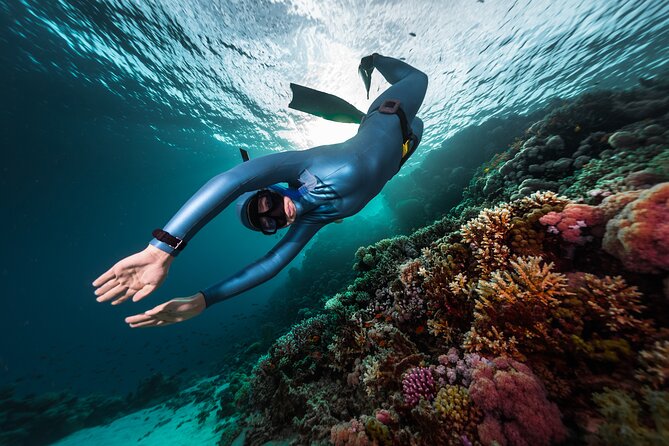
- Pool + open water sessions: you learn in confined water first, then apply the skills outside
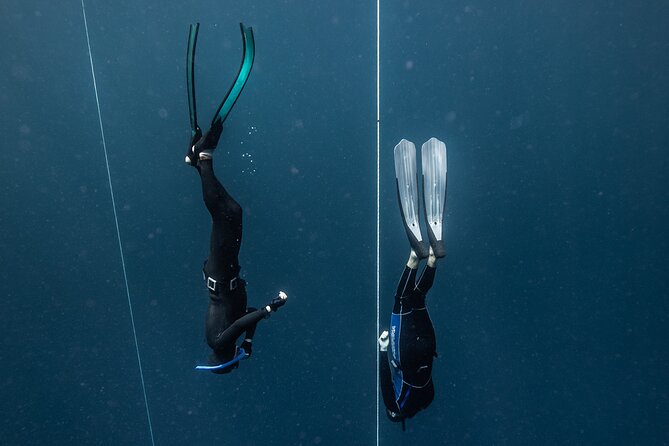
- Level 1 results are realistic: many students reach roughly 15–20 meters and 2+ minute breath-holds by the end
- Underwater photos included: you leave with images taken during your practice
- Everything essential is provided: equipment use is included, and you also get digital materials
- No prior experience required: you only need to be able to swim
Why Nusa Penida is a smart classroom for Level 1 breath-hold
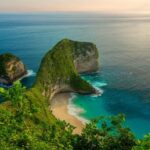
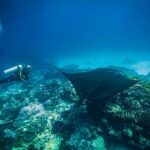
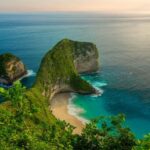
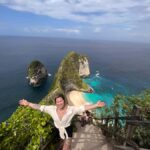
Nusa Penida is a classic choice for first breath-hold training because the setup is made for progression. You get a tropical open-water setting with coral and tropical fish, which helps turn the course from pure technique into motivation. When you can see what you’re working toward, the mental side of breath-hold training feels less like a chore.
Also, the course is designed around smooth repetition. That matters more than most people expect. Your first days are about building comfort: feeling steady, learning how to equalize safely, and getting used to being underwater without rushing. The structure gives you enough reps to improve without turning it into a long, exhausting scramble.
Finally, Bali is an easy place to pair this with other plans on the island. You’ll still have to arrange your own transport and accommodation, but the course itself is self-contained once you’re on Nusa Penida and at the school.
You can also read our reviews of more tours and experiences in Nusa Penida.
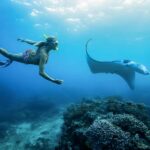
- ️Nusa Penida by Private Boat – Snorkeling 4 spots, Swim with Mantas + Land Tour
★ 5.0 · 6,424 reviews
Day-by-day rhythm: theory on land, 2 confined sessions, 3 ocean sessions
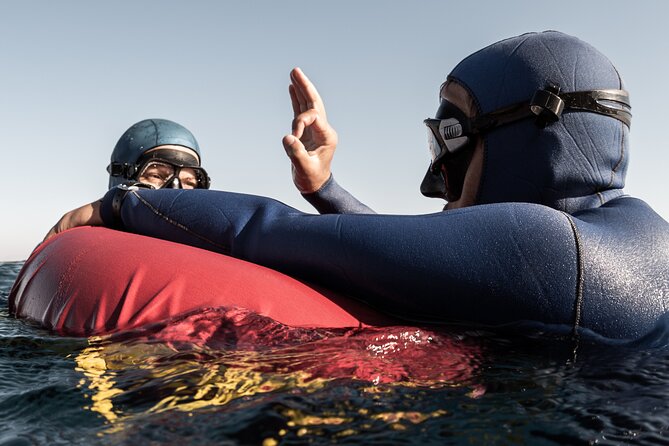
You’ll do three days of training, starting around 8:30 AM and running until 16:30 PM, with a lunch break in the middle. The pacing is important: it’s long enough to learn properly, but not so long that you’re trying to master everything while exhausted.
Here’s what the program format is built on:
- Land-based theory and practical guidance: you learn the rules of safe breath-hold training and the mechanics you’ll use in the water
- 2 confined water sessions: a pool or similarly controlled environment where you practice the core skills step-by-step
- 3 open water sessions: you apply what you learned outside, with more variables and real underwater scenery
What you should expect is a steady progression from simpler tasks to deeper goals. Many students end up descending in the range of 50–65 feet (15–20 meters) and holding their breath for more than 2 minutes by the end of the course. Those are the course targets for most people, not a guarantee for everyone, but they’re a good way to calibrate your expectations.
A practical note: because it’s a scheduled full day, you’ll want to plan your rest and meals carefully. Even small fatigue can affect comfort in breath-hold training, so I’d treat these days like a “training block,” not like a sightseeing marathon.
Small-group coaching that actually speeds up learning
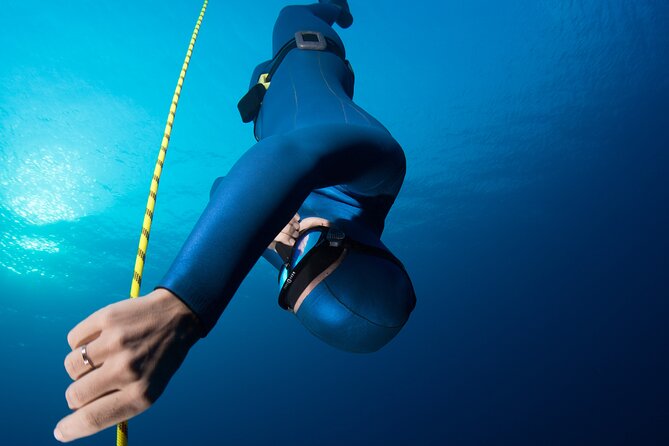
The standout detail here is the student-to-instructor ratio: maximum 4 students per instructor. In a discipline that’s partly mental, that ratio matters. You get more direct supervision, quicker corrections, and more individualized coaching on your timing and technique.
In the real world, that can look like instructors who are patient but still push you toward the right improvements. Several course experiences credited instructors for being supportive and attentive—the tone that balances confidence with challenge. Artem is described as considerate yet still moving people forward. Roberto is credited with being supportive for first-timers. Seva is noted as patient, kind, and even funny, which can be a big deal when you’re trying not to panic during early practice.
You’re also likely to feel the difference in how feedback lands. In a small group, an instructor can tell if you’re doing something slightly off—breathing rhythm, posture, or equalization timing—and correct it before it becomes a habit.
What Level 1 teaches you (and what results are reasonable)
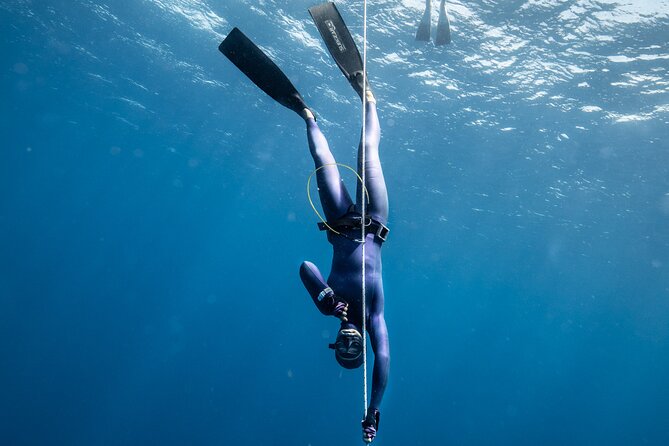
Level 1 is the smooth entry point to breath-hold training. The focus is safety, technique, and comfort—so you can keep improving without relying on adrenaline.
Based on the course description, this is what you’ll aim to master by the end:
- Breath control: build a reliable way to prepare, relax, and manage your breath-hold
- Comfort underwater: reduce fear through gradual exposure, not forcing the issue
- Going deeper safely: many students reach about 15–20 meters on a single breath-hold
- Breath-hold endurance: many students can hold for over 2 minutes by the course end
If you’re a beginner, the biggest “skill” isn’t just physical. It’s learning to stay calm while your body wants to argue. The best early progress usually comes from listening to the plan and trusting the coaching—especially during the transition from pool practice to open water.
You also only need to be able to swim. No previous water experience is required, but swimming ability is a baseline that lets you focus on breath-hold skills instead of basic comfort in the water.
Equipment, underwater photos, and what you don’t have to buy
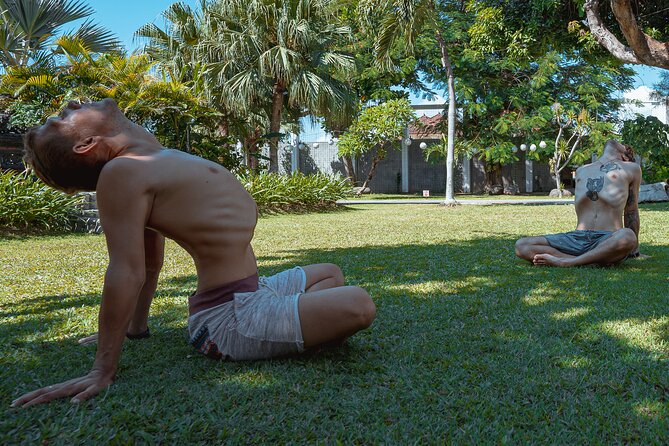
One of the most practical benefits: use of freediving equipment is included, and the course description says you don’t need to buy anything special. That’s a big value win if you’re traveling light or already have gear you don’t fully trust.
You’ll also get:
- Freediving certification (issued as part of the course)
- Digital learning materials for review
- Take-home underwater photos from your sessions
The photos part is more than a nice extra. For many beginners, it’s the first time they see themselves doing the movements correctly. That makes it easier to remember what to repeat later when you’re practicing on your own.
What’s not included is more about your day-to-day costs than gear. Lunch and private transportation aren’t included, and accommodation is on you. So while you won’t have to budget for snorkel-mask-adapter-type purchases, you will need to plan meals and how you’ll get to and from the school.
Price and value: is $450 fair for 3 full days?
At $450 per person for about 3 days, the price feels most fair when you look at what’s bundled in. You’re not just paying for “time in water.” You’re paying for:
- multiple coached sessions (land + 2 confined + 3 open water)
- equipment use
- certification
- digital materials
- and take-home underwater photos
That combination is usually where breath-hold courses swing from expensive to reasonable. If you were paying for gear rental, certification fees, and a lot of one-on-one time separately, the total would climb quickly.
Where the extra costs can show up:
- private transportation is not included
- accommodation is not included
- lunch is not included
So I’d treat the $450 as “course value” and then add your own island-day costs. If you already have a place to stay on Nusa Penida and you can manage simple meal planning, the overall value is strong.
Also, the max 4-person ratio adds another layer of value. You’re paying for focused coaching, not just access to open water.
Who should do this Level 1 course on Nusa Penida?
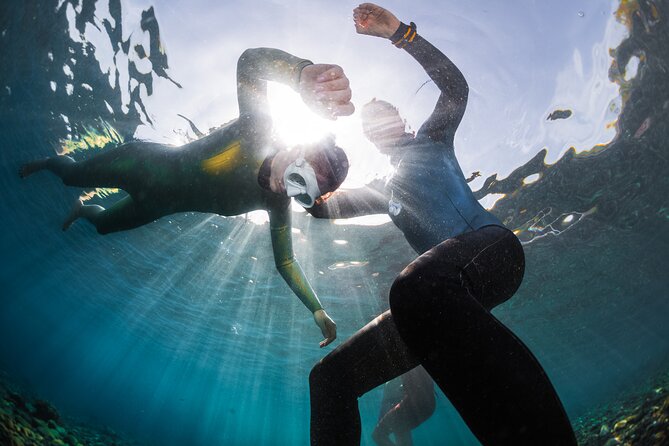
This course is a good fit if you want a structured start and you’re willing to put in consistent effort for three days. It’s also friendly to beginners because it welcomes first-timers and only requires swimming ability.
You’re especially likely to enjoy it if:
- you want safety-first progression rather than guessing
- you like clear theory plus hands-on practice
- you enjoy feedback and want to improve fast
- you want a training pathway with certification, not just a one-day tryout
A word of caution if you’re deciding: the description calls for moderate physical fitness. If you’re recovering from an injury or you know you struggle with sustained breath-hold tasks, it’s worth thinking carefully about whether Level 1 is the right timing.
Should you book this 3-day Level 1 breath-hold course?
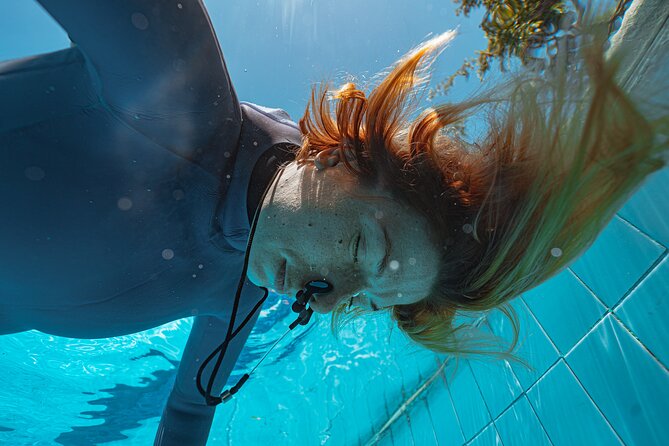
Yes—if you want a real start, not a casual outing. The course stands out for three reasons: the maximum 4-student ratio, the mix of pool practice plus open-water application, and the fact that equipment, certification, and learning materials are included with take-home underwater photos.
Before you book, do two quick checks:
- Can you commit to a full 8:30–16:30 training day for three days?
- Have you planned for lunch and transport since they aren’t included?
If those two are fine, this is the kind of Level 1 course that can turn fear into control—and give you a foundation you can build on after Nusa Penida.
FAQ
How long is the 3-Day Level 1 course, and what are the daily times?
The course runs for about 3 days. Training days run from 8:30 AM to 4:30 PM, with a lunch break included in that schedule.
Do I need prior experience to join Level 1?
No prior experience is required. You can take the course even if it’s your first time with water activities, and you only need to be able to swim.
What is the maximum group size?
The program has a maximum of 4 travelers per course. That matches the stated maximum of four students per instructor for a safe, intensive experience.
What does the course include?
It includes use of equipment, all fees and taxes, certification, and digital learning materials. It also includes underwater photos taken during your sessions.
Where do the practice sessions happen?
You’ll have theory and practical sessions on land, 2 confined water sessions, and 3 open water sessions. The course focuses on practice in both a controlled environment and the ocean.
What depth and breath-hold results can I expect?
The course description says most students can descend to about 50–65 feet (15–20 meters) and hold their breath for more than 2 minutes by the end.
Can I cancel for a full refund?
Yes. You can cancel up to 24 hours in advance for a full refund. If you cancel less than 24 hours before the start time, the amount paid is not refunded.
You Might Also Enjoy
More Tour Reviews in Nusa Penida
- ️Nusa Penida by Private Boat – Snorkeling 4 spots, Swim with Mantas + Land Tour
★ 5.0 · 6,424 reviews