Batik at Prambanan makes art feel hands-on. In this 3-hour class, you trace a pattern, outline it with melted wax using a traditional canting, and dye it in sequence, all in a peaceful studio near the temple area. I especially like the one-on-one instruction and the snacks with coffee and tea while you work. One catch: your take-home piece may still be damp when you leave, because the final soaking/rinsing and drying steps happen right before pickup.
The workshop is led by a master batik craftsperson in the Prambanan area, and the group stays small (up to 30 people). That matters because batik is detail work. If you’re not into strict arts-and-crafts, you can still relax—there’s encouragement and a clear, practical approach to using the tools.
You’ll pair the class with temple time: Prambanan Temples and Sojiwan Temple, then you’re done back at the meeting point. It’s a nice way to turn a single day around Prambanan into both culture and a souvenir you actually made.
In This Review
- Key things to know before you make wax-and-color
- Prambanan Temple Stops and Why They Pair With Batik
- The Studio Workflow: From Pattern Tracing to Wax Outlines
- Dyeing in Sequence and the Finishing Steps Before Take-Home
- Snacks, Coffee, and Teaching That Works for Beginners
- Price, Timing, and How to Transport Your Final Piece
- Who Should Book and Who Might Skip
- Should you book this Batik Master Class near Prambanan?
- FAQ
- How long does the batik master class last?
- Where do I meet for the experience, and where does it end?
- What size batik piece can I make?
- Will I learn the full batik process or just watch?
- Are snacks and drinks included?
- Is there a temple visit included with the workshop?
- Is the ticket digital?
- What if the weather is bad or I need to cancel?
Key things to know before you make wax-and-color

- Canting first, then wax: you learn the tool and tracing basics before you start laying down resist wax
- Dye is done in steps: you color in sequence so earlier work shows through later layers
- Snacks and drinks included: you’ll eat local snacks with coffee and tea during the process
- Handkerchief or tote option: you can make a smaller piece or upgrade to a tote bag for extra cost
- Small-group feel: the class caps at 30, which helps you get personal help
Prambanan Temple Stops and Why They Pair With Batik
This is built as a batik day around the Prambanan area, not as a stand-alone craft session. You meet at Pasar Prambanan (Ps. Prambanan, Jl. Merpati No.60, Klurak Baru, Bokoharjo, Kec. Prambanan, Kabupaten Sleman, Daerah Istimewa Yogyakarta 55572, Indonesia), and the experience ends back there too.
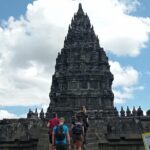
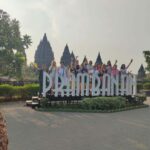
The best part is that you don’t feel rushed out of the cultural zone. You start with Prambanan Temples, then add Sojiwan Temple, which sets the tone for why batik matters in Central Java. After that, the workshop location feels like a calm reset—quiet enough that you can concentrate on the craft instead of constantly moving.
If you’re doing a temple-focused itinerary already, batik works as the payoff. Temples give you visual scale and symbolism; batik gives you the texture of making—wax, patterns, patience, and color layering. And since the workshop is near Prambanan, you’re not planning a half-day detour to chase a souvenir.
You can also read our reviews of more tours and experiences in Yogyakarta.



The Studio Workflow: From Pattern Tracing to Wax Outlines
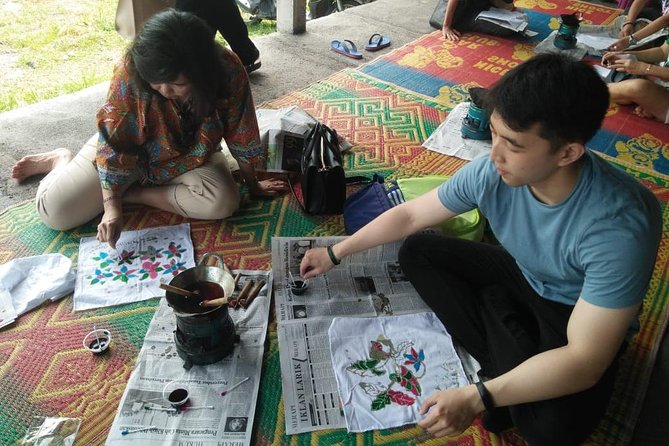
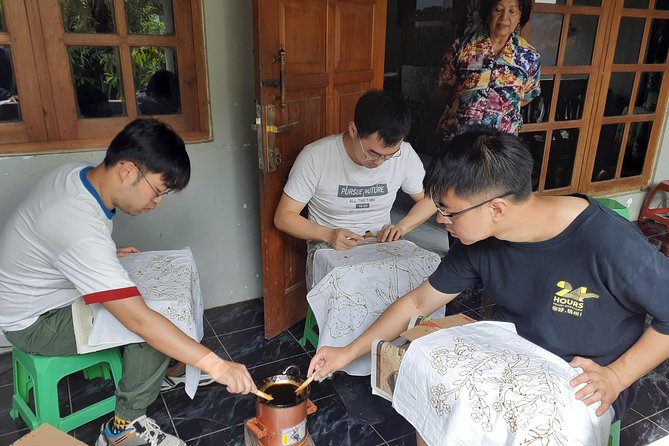
Your class starts with a straightforward introduction to batik and the tools you’ll use. Expect to learn what the wax does (it resists dye), and how to handle the canting tool without fighting it. This is the stage where you’ll likely see the biggest difference between “I watched a demo” and “I can actually do it.”
Then you’ll get into the hands-on portion:
- trace your pattern
- outline the design with melted wax using the canting
- keep working through the steps until your piece is ready to finish
The instruction is practical and patient, which is exactly what you want for a first attempt. Even if your lines aren’t perfect, the teacher’s approach is about helping you understand what you’re controlling: placement, pressure, and consistency while you work the wax.
I also like that you’re not just copying a picture. You’re learning the logic behind the process. Once you understand that wax blocks dye, the colors you end up with feel earned, not decorative.
Dyeing in Sequence and the Finishing Steps Before Take-Home
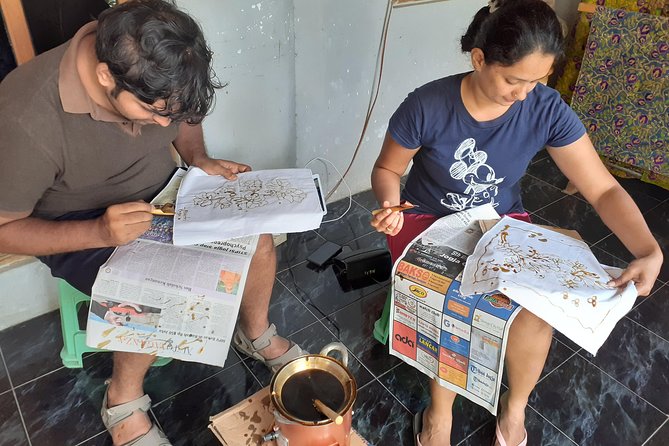
The magic of batik is the color sequence. You dye in stages so each layer affects the final look, and the wax-resist pattern shows up as you go. In a classroom setting, that’s handled in a way that’s realistic for beginners—you don’t need to be an expert to watch how the design builds.
After the dye work, there’s a finishing step before you take your art. One helpful detail: the process includes soaking in a chemical solution and then in water. That’s part of what makes the batik ready to be kept as a souvenir.
Because of that finishing stage, plan around timing for your pickup. Your piece is “ready” for home, but it may still be damp depending on where it is in the drying cycle when you collect it. I’d treat the first few hours after class like you’re transporting something handmade that needs a little patience, not like a shrink-wrapped product.
Snacks, Coffee, and Teaching That Works for Beginners
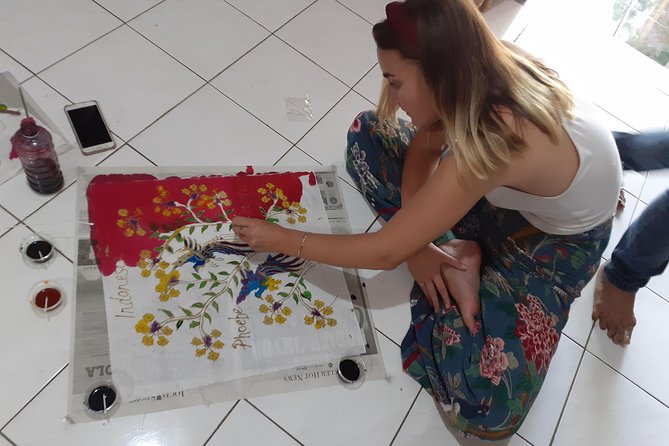
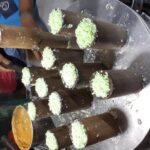
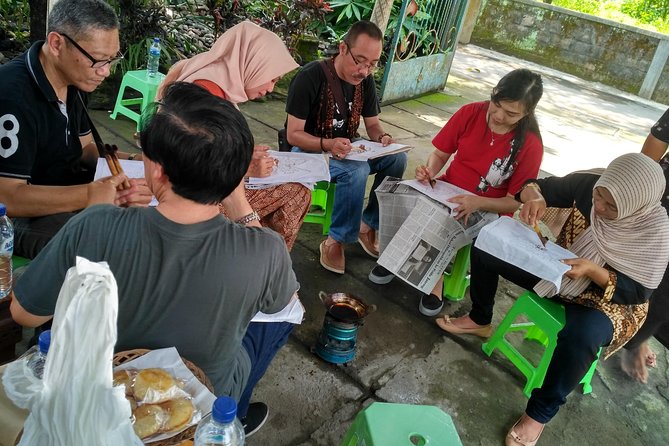
A batik workshop can either feel like a rushed factory or a relaxed art hour. This one leans toward the second option. You’ll nibble on authentic local snacks and sip coffee and tea while you work, which makes the full process feel less like a chore and more like time well spent.
What also helps: the class is led by a master batik craftsperson in the Prambanan area, and instruction is supportive. One-on-one help is a big theme here—especially helpful if you don’t have a steady hand for tracing or waxing. The tone is encouraging rather than judging. You’re learning how to make choices, and that makes it more fun than performance-focused classes.
Language support is another practical detail. The class explanation is handled in English, and if you need clarification, you should be able to ask questions as you go. That’s important because batik uses tools that are unfamiliar at first, and you don’t want to guess your way through wax.
This workshop is also great for families. Kids can get something out of it even when they’re not “craft people,” and the coloring stage tends to be the crowd-pleaser because it’s when patterns start becoming visible.
Price, Timing, and How to Transport Your Final Piece
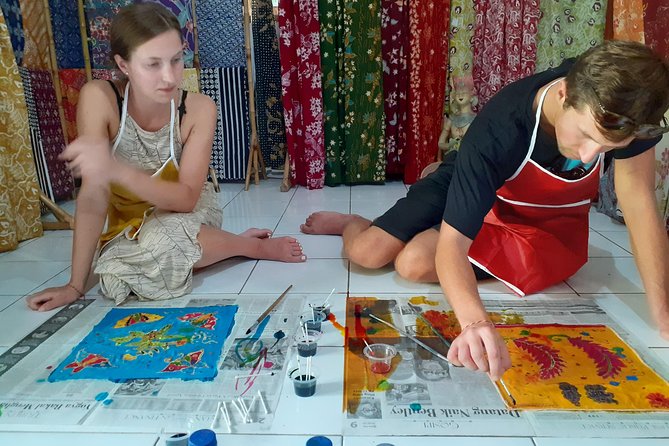
At $19.50 per person, this is one of those deals where the value comes from the full workflow, not just the end result. You’re paying for a guided process that covers the key stages: learning the tools, tracing and waxing the pattern, dyeing in sequence, and finishing steps that leave you with a take-home souvenir.
The timing is also clear: the experience runs about 3 hours. For planning, assume you’ll spend most of that time in actual making and finishing, not just watching. The temple stops are integrated into the experience flow, so it can fit neatly into a Prambanan day rather than stretching your schedule across the whole itinerary.
Two practical timing notes to keep in mind:
- The class ends back at the meeting point, so build your next plan around returning there.
- Your piece may still be wet when you leave, since soaking/rinsing and drying happen around pickup time.
Transport tip based on real-world pickup behavior: handle it gently and give it time to finish drying after you get to your car or hotel. Using newspaper to help absorb moisture is a smart move if your piece feels damp.
If you’re sensitive about schedule, remember the workshop requires good weather. If it’s canceled due to poor weather, you’ll be offered a different date or a full refund. That’s worth factoring if you’re juggling temples and timed plans.



Who Should Book and Who Might Skip
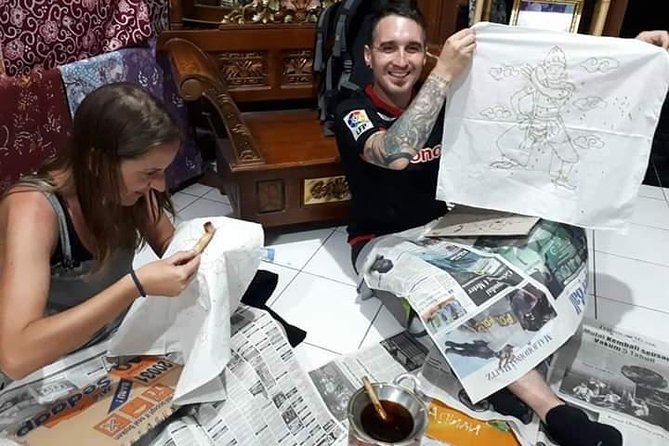
This class is a strong match for people who want a real souvenir, not a purchased one with a story tacked on later. If you like learning by doing—hands-on wax, dye, and patterns—this hits the sweet spot.
It’s especially good if:
- you’re visiting Yogyakarta and already plan to see Prambanan
- you want a small-group workshop (max 30)
- you’re traveling as a family and want a creative activity that’s not only sitting
It’s not a perfect match if you hate mess and uncertainty. Batik is process-driven, and wax-and-dye crafts naturally involve materials that can stain or require drying time. If the idea of a damp souvenir makes you uneasy, plan to transport it carefully and allow it to dry back home.
The workshop also asks for moderate physical fitness. That doesn’t sound like a strenuous hike, but it does suggest you’ll be standing and working at a table for a while.
Should you book this Batik Master Class near Prambanan?
Yes, if you want a batik souvenir you made yourself and you’re already in the Prambanan orbit. At $19.50, you’re getting the full process, snacks, and a guided learning structure, all with the practical benefit of a small group near the temples.
I’d book it even if you’re a total beginner. The instruction is patient, the tools are taught step-by-step, and the outcome is something you can keep. If you’re very tight on timing or you hate the idea of a slightly damp item when you leave, plan for careful transport and extra drying time.
FAQ
How long does the batik master class last?
It runs about 3 hours (approx.).
Where do I meet for the experience, and where does it end?
You start at Pasar Prambanan (Ps. Prambanan, Jl. Merpati No.60, Klurak Baru, Bokoharjo, Kec. Prambanan, Kabupaten Sleman, Daerah Istimewa Yogyakarta 55572, Indonesia) and the activity ends back at the meeting point.
What size batik piece can I make?
You can make a handkerchief-size piece. You can also make a tote bag, with a bit of extra cost.
Will I learn the full batik process or just watch?
You’ll learn and work through the process, including introducing batik and tools, tracing the pattern, outlining with wax using a canting tool, and dyeing in sequence. After the drying/finishing process, you take your work home.
Are snacks and drinks included?
Yes. The experience includes authentic local snacks plus coffee and tea while you work.
Is there a temple visit included with the workshop?
Yes. The experience includes a stop at Prambanan Temples and also a stop at Sojiwan Temple.
Is the ticket digital?
Yes. The experience uses a mobile ticket, and you receive confirmation at booking.
What if the weather is bad or I need to cancel?
The experience requires good weather. If it’s canceled due to poor weather, you’ll be offered a different date or a full refund. You can cancel for free up to 24 hours in advance for a full refund.