Two days on Rinjani feels like a lifetime. This group trek starts at Sembalun (1,156m), climbs to a crater-rim camp at 2,639m for sunset, then pushes to 3,726m for sunrise views. The one big consideration: it’s physically demanding, and the night camp can feel cold once you’re up at the crater rim.
I like how the experience is built around real mountain logistics: a certified-feeling guide and porters carry the cooking gear and camping equipment, so you’re mainly focused on the climb. In the guide staff you’ll see names like Reno, Jourdi, Nas, and Surya paired with the same idea—stay organized, keep everyone moving, and make sure you’re eating. With food and water handled on the route (including 3 litre mineral water per person per day), the whole thing feels less chaotic and more like you’re being looked after.
You also get the value of a tight timeframe: 2 days / 1 night is perfect if you don’t want a long haul of multi-day trekking. You’ll start with hotel pickup in Senaru or Sembalun, register at the Rinjani Information Centre, and you’ll sleep in provided camp setup (tent, sleeping bag, mattress). Still, it’s not for kids under 16 or anyone over 70, and you’ll want to bring a few key items that aren’t included.
In This Review
- Key things I think you’ll care about
- Rinjani by the Sembalun route: why the 2D/1N plan works
- Day 1: registering in Sembalun and trekking through open grasslands
- Night one at the crater rim: Lake Segara Anak sunset, then camp reality
- Day 2: the 3am summit push to 3,726m for sunrise
- Group dynamics and the guide/porter team that makes it feel manageable
- Gear checklist: what to bring vs. what they provide
- Price and value: what the $141 covers and what costs extra
- Who should book this Rinjani trek (and who should skip it)
- Should you book Mount Rinjani with Lombok Trekking Info?
- FAQ
- How long is the Mount Rinjani trekking experience?
- What are the key elevations on this trek?
- Where do you sleep during the night?
- What time does the summit climb start on day two?
- What food and water are included?
- Are the guides and porters English-speaking?
- What extra fee do I need to pay for entry?
- What trekking gear do I need to bring?
- What gear is not included that I should not forget?
- Who is this trek not suitable for?
Key things I think you’ll care about
- Sembalun savanna to crater rim: Open grasslands on the way up, then you step into volcano territory fast.
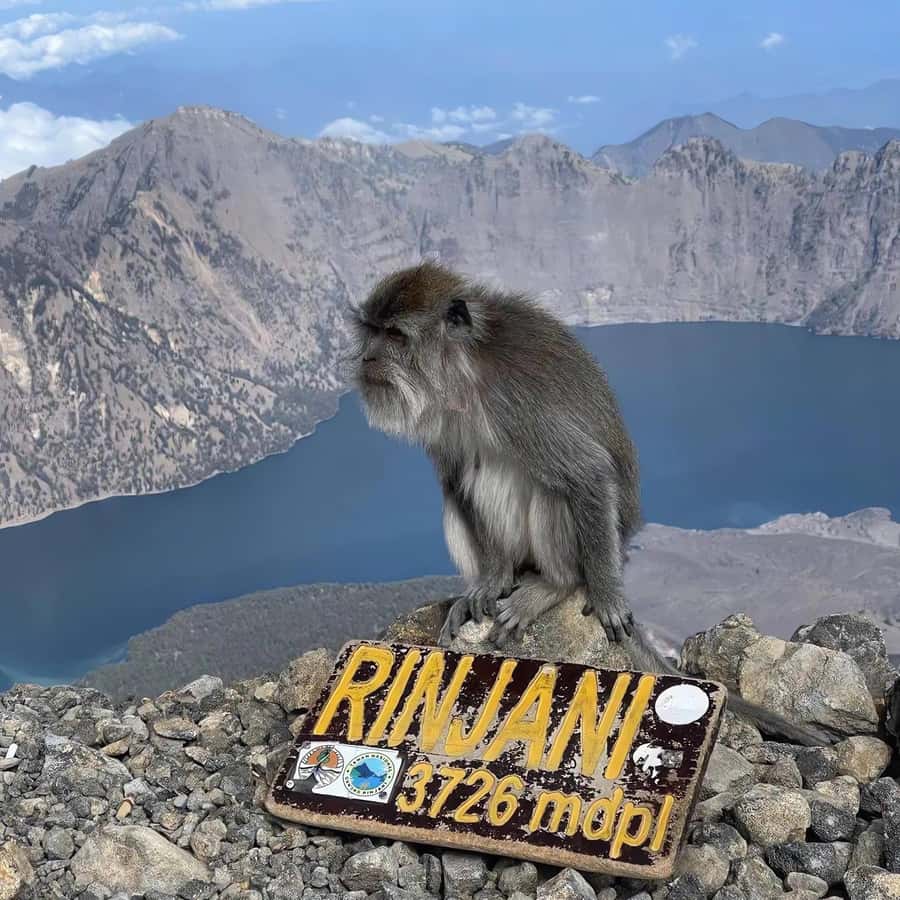
- Lake Segara Anak sunset: That crater viewpoint is the main photo moment on night one.
- 3am summit climb: You start in the dark so you can reach the top in time for sunrise.
- English-speaking guides with strong porter support: Guides run the show; porters handle cooking/camp gear.
- Food, water, and hot breaks: You’re fed at planned stops, not only at the beginning and end.
- Gear gaps to plan for: Headlamp/hand torch, shoes, and small day pack aren’t included.
Rinjani by the Sembalun route: why the 2D/1N plan works
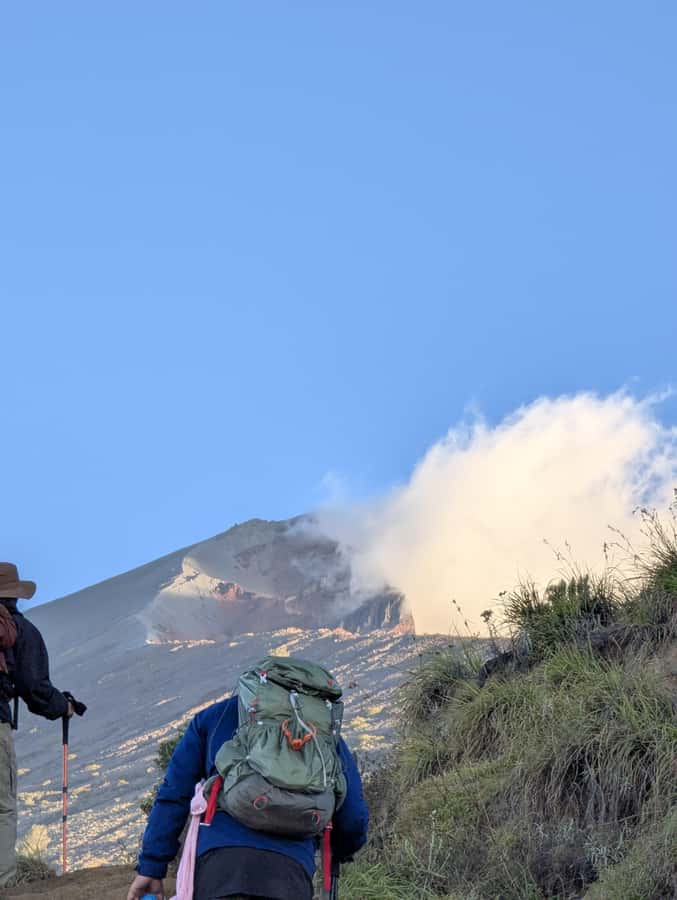
This trek is designed for travelers with limited time who still want the real Rinjani payoff. Starting in Sembalun means you begin at 1,156m and gain elevation in a focused two-day rhythm, rather than spreading the climb across many days. You camp at the Sembalun Crater Rim (2,639m) on night one, so you don’t just “pass through” the volcano—you get a crater viewpoint, sunset, and Lake Segara Anak all in the same night.
The best part of this route is timing. Day one sets you up high enough to see dramatic evening light over the crater, the lake, and even distant parts of Lombok. Day two starts at 3am, which is early enough to reach the summit (3,726m) before sunrise. That means you’re not waiting around for views—you’re earning them while the weather and light are at their most rewarding.
One more value point: it’s a group tour, and that matters on a mountain. You get an experienced English-speaking guide and professional porters, plus a schedule with breaks and meals at the planned positions on the trail. That reduces decision fatigue when your legs are already doing the negotiating.
You can also read our reviews of more tours and experiences in Senaru.
Day 1: registering in Sembalun and trekking through open grasslands
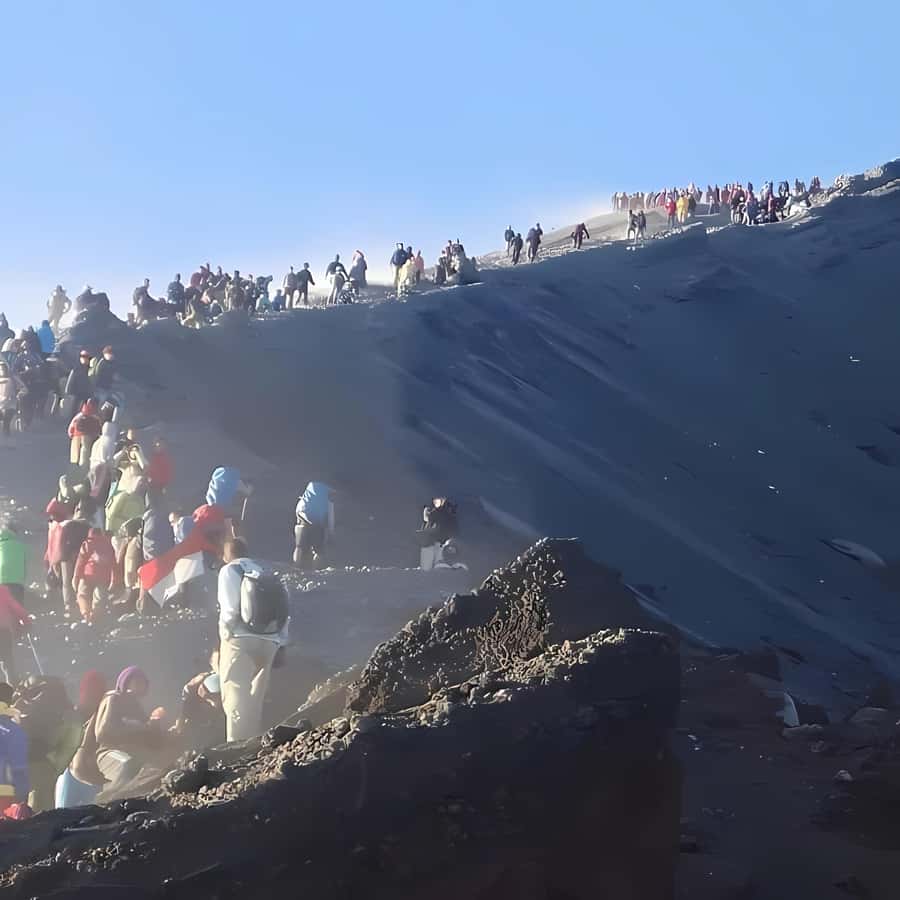
Your day begins with hotel pickup in Senaru or Sembalun, then travel by 4WD to Sembalun. You register at the Rinjani Information Centre in Sembalun before you start walking. This helps the whole thing feel official and organized, especially because Rinjani trekking is all about timing and trail conditions.
The climb starts with undulating open grasslands. Think big air, open views, and a route that gradually tightens into steeper sections. This is also where the Sembalun character shows—grand views over the eastern entrance, with wide savanna-style scenery before the volcanic walls start dominating your horizon.
On the trail, you make several stop-and-reset points. You’ll pause at Pos 1 and Pos 2 for rest breaks and snacks, which is important because altitude makes small efforts feel bigger. Then you reach Pos 3 at 1,800m, where lunch happens after a longer break. I like this structure: you get real food before the day turns steep.
After lunch, the trail transitions into the steeper crater-rim ascent. That’s when the walking becomes more about steady pace than speed. By the end of day one, you arrive at the campsite at the crater rim (2,639m), which is your home base for the sunset and the night.
Night one at the crater rim: Lake Segara Anak sunset, then camp reality
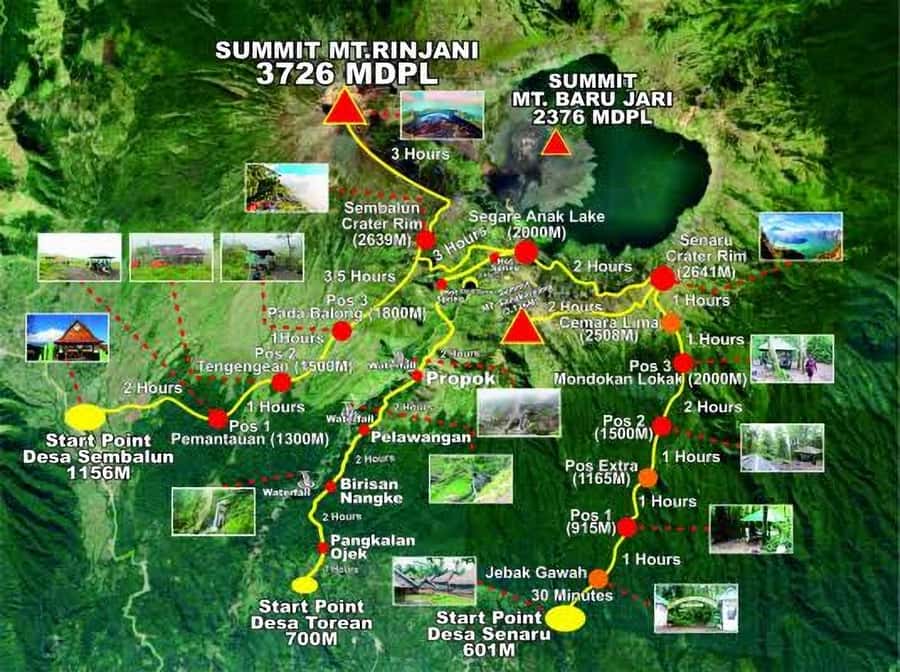
Camping at the crater rim is the reason many people choose this exact 2D/1N setup. At 2,639m, the views are immediate and sweeping: Lake Segara Anak inside the volcano’s crater, the summit area, and northern Lombok in the distance. Sunset here isn’t just pretty—it’s practical, because it’s your best chance to enjoy the crater in comfortable daylight before you head into the early start next morning.
Once sunset hits, the day’s work is done, but your body still feels it. This is a good time to do simple things well: eat your provided meal, drink what you can, and get your warm layers sorted. You’ll sleep in a provided tent, with sleeping bag and mattress included. Still, don’t assume it’ll feel like a warm hostel bed—night temps at altitude can surprise you.
A couple of small comfort notes from the experience setup: you get tent, toilet tent, paper, and sleeping gear, but camping chairs/tables aren’t included in the package details you’re given. That means plan for sitting on the camp floor or using the mat that comes with the sleeping setup. It’s not a deal-breaker, just don’t expect lounge-chair life.
Day 2: the 3am summit push to 3,726m for sunrise
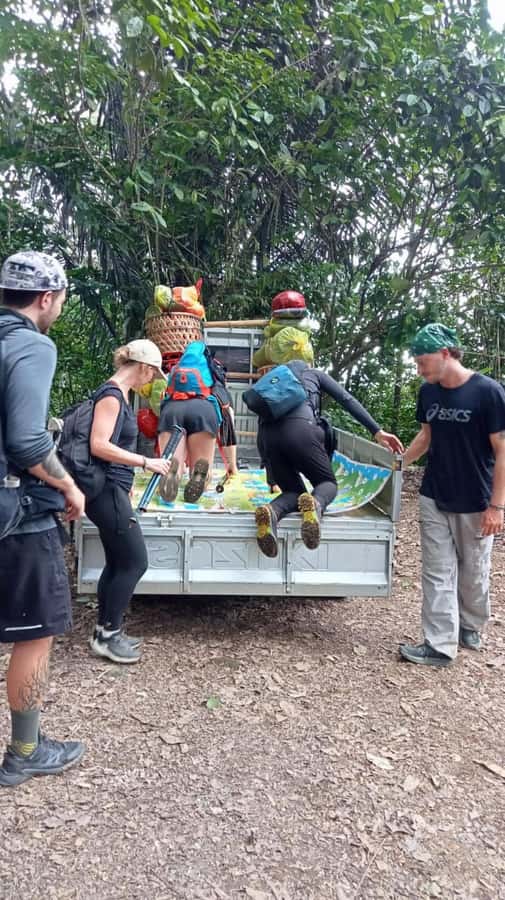
Day two starts at 3am, with a light breakfast before you begin the challenging climb toward the summit at 3,726m. The timing is the whole point: you’re on the trail early enough to reach the viewpoint in time for sunrise. This is what you came for if you love that crisp moment when clouds clear and the world looks suddenly more real.
The summit climb is described as challenging, and the elevation gain is real. So you’ll want a calm rhythm: short steps, steady breathing, and trust the guide’s pace. Because this is a group trek, the guide’s job is to keep everyone moving safely, especially when some people are feeling the strain more than others.
Once you reach the summit area, you’re rewarded with the “best sunrise” moment plus wide views across the islands. Then you don’t linger too long—you return to the crater rim campsite. On the way back, you stop for a hot breakfast and a rest at the crater rim before starting your descent to Sembalun.
The return isn’t instant. You’ll pause again around Pos 2 or Pos 3 for lunch and then continue down until you arrive in Sembalun in the early afternoon. That afternoon finish is a hidden value: it gives you enough daylight to regroup and plan your onward travel, instead of stumbling back late at night.
Group dynamics and the guide/porter team that makes it feel manageable
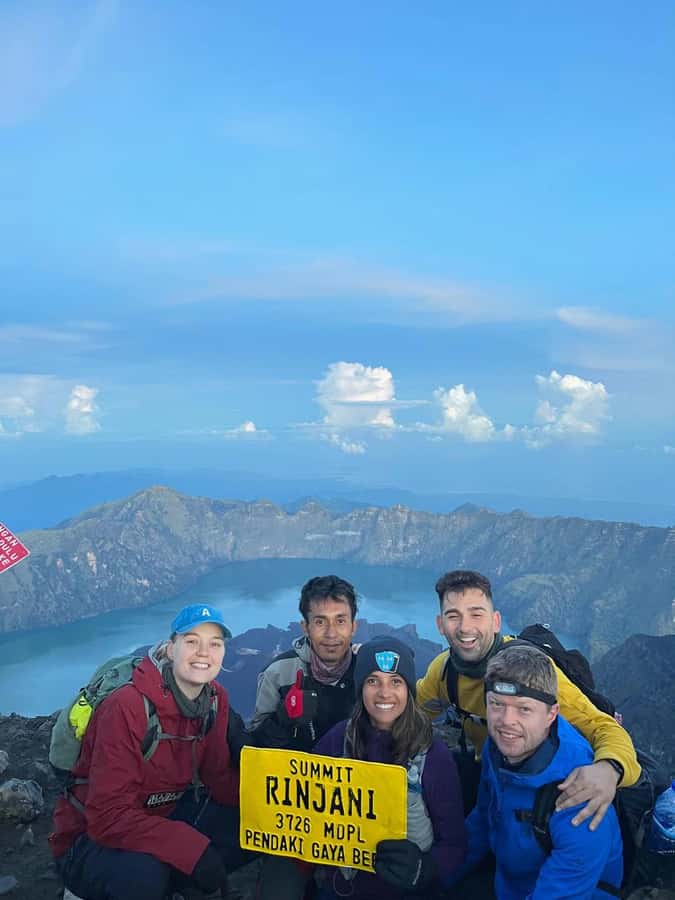
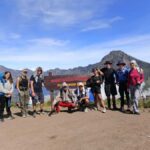
In mountain trekking, “group tour” can mean two very different things. Here, the group size is kept small, and the presence of both an experienced English-speaking guide and professional porters is what makes the trek feel coordinated rather than improvised.
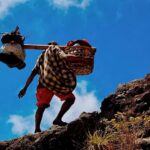
Porters carry the cooking gear and camping equipment, which is a big deal. It means you’re not hauling all the weight while you’re also trying to handle altitude fatigue. It also means you can count on the food setup happening on schedule at the trail stops—snacks early, lunch at Pos 3, then hot breakfast and lunch on day two.
Guide quality comes through in the names people associate with the trek—Reno, Jourdi, Nas, and Surya. The pattern is consistent: friendly, attentive, and focused on the group. That helps if you’re trekking solo too. If you book by yourself, you’ll still join a small group, and the guide/porter structure is what keeps the experience smooth instead of awkward.
One practical note: the tour includes trekking poles, which can help a lot on steep, uneven sections. Still, always check what you’re receiving before you start, because some people have mentioned gear mismatches in other contexts. If you’re missing basic items, it’s best to address it early with the team.
Gear checklist: what to bring vs. what they provide
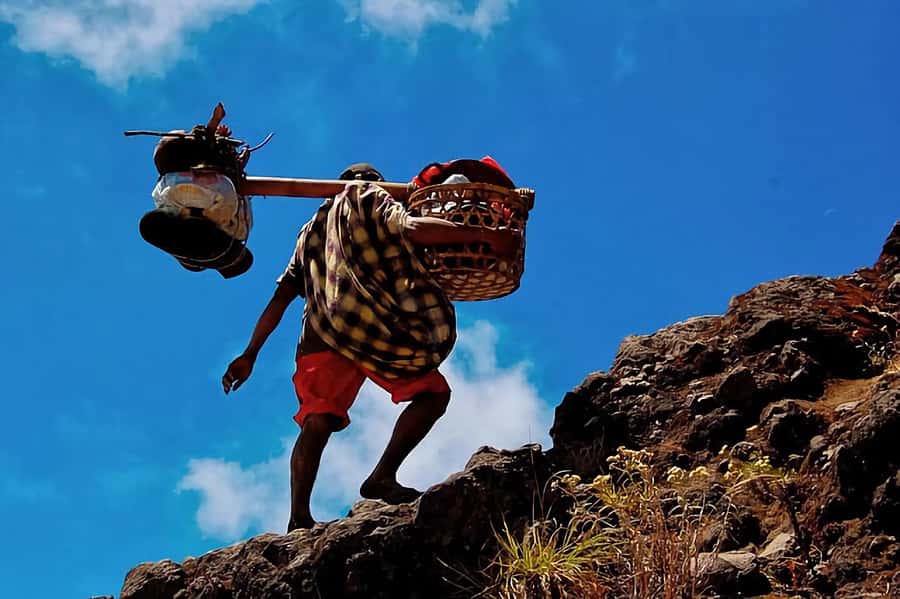
You’ll be given a lot of camp and trekking support, but you’re not fully kitted out. Here’s how I’d plan it so you don’t get stuck improvising.
Included gear and support (per the package details) generally covers:
- Tent, toilet tent, paper
- Sleeping bags and mattress
- Trekking poles and glove
- Food and drinking water on the trek (3 litre mineral water per day per person)
What you must bring:
- Passport
- Sunglasses
- Hat
- Camera
- Hiking shoes
- Flip-flops (useful for camp)
- Flashlight
- Hiking pants
What’s specifically not included (so don’t count on it):
- Head lamp/hand torch
- Small bag/daily pack
- Trekking shoes and long pants (so even if you think you’re prepared, check)
- Entrance fee to the national park (listed as Idr.200,000 per day per person)
- Extra porter for your own luggage
My simple rule: pack like you’ll need quick warmth and safe footing. Hiking shoes matter more than you expect when you’re descending. And bring a flashlight/headlamp solution so you’re not relying on others when you’re moving at 3am.
Price and value: what the $141 covers and what costs extra
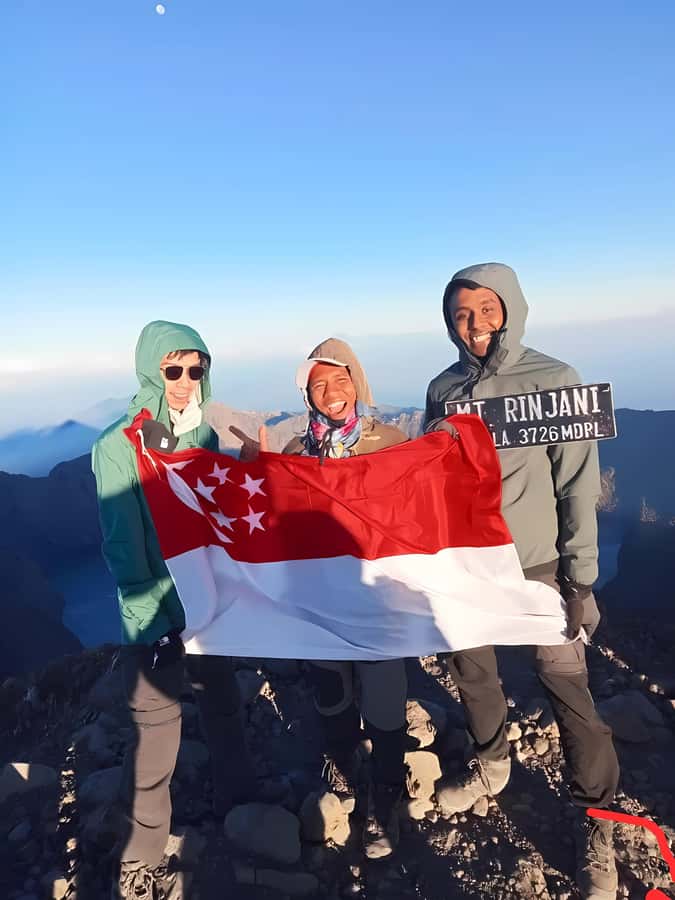
The headline price is $141 per person for a 2-day / 1-night group trek. That’s a reasonable amount given what you’re getting: pickup from Senaru or Sembalun, an English-speaking guide, porters, camping equipment, and meals plus 3 litre mineral water per day.
But two costs can catch people off guard:
- The national park entrance fee is IDR 200,000 per day per person, and it’s not included in the package price.
- Your personal gear upgrades aren’t included. If you don’t have hiking shoes, long pants, or a flashlight, you’ll need to buy or borrow them.
So the value story is this: you’re paying for coordination, safety, camp setup, and food/water. If you already own the essential gear, the trip is a good deal for what you experience—crater rim camping and sunrise from 3,726m without spending weeks on logistics. If you need to buy everything last-minute, the total cost climbs fast, and you’ll feel more annoyed than amazed.
Also, because it’s a small group, you’ll likely feel more supported than on mega-group departures. That’s worth something on a steep trek.
Who should book this Rinjani trek (and who should skip it)
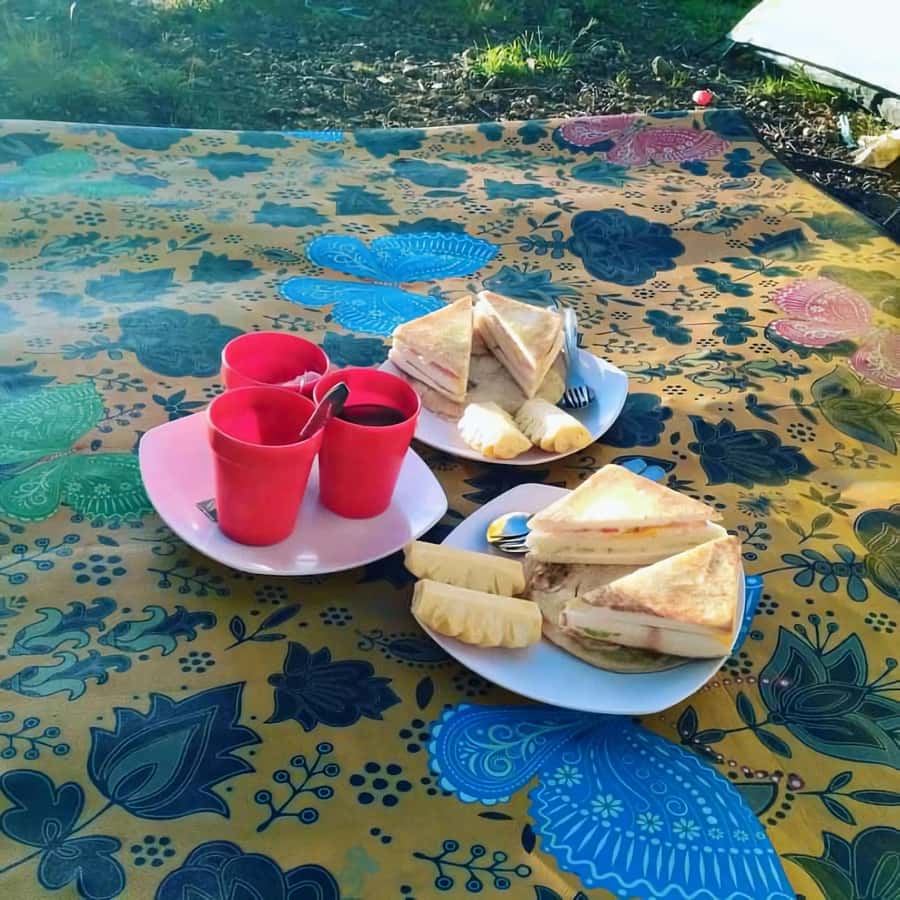
This trek suits you if you want a high-impact mountain experience in a short window. It’s especially good if you’re excited by:
- Sunset views from the crater rim at 2,639m
- Sunrise from the summit at 3,726m
- A route that runs from Sembalun and back to Sembalun, so you’re not dealing with long transfer complexity after
It’s also a solid choice if you don’t want to manage food and camp equipment yourself. Porters handle cooking gear and camping setup, and the guide keeps the pace and breaks structured.
But skip it if you’re outside the age guidance: it’s not suitable for children under 16 or people over 70. And if you have medical concerns, altitude sensitivity, or low mobility, you should be careful. The climb is described as strenuous and exhausting in the experience feedback, and the 3am summit timing demands you can handle early starts.
Finally, think about your comfort level with cold camp nights. The sleeping setup is included, but you still need warm clothing and basic cold-weather planning.
Should you book Mount Rinjani with Lombok Trekking Info?
If your goal is a fast, structured, high-reward trek—this one is worth serious consideration. You get the core Rinjani highlights in a tight 2 days: Sembalun grasslands, crater rim camping at 2,639m, Lake Segara Anak sunset, then the summit push to 3,726m for sunrise. Add in the support system (English-speaking guide, porters, included food/water, and trekking poles), and the trek feels achievable for people who plan for the effort.
I’d book it if:
- You’re ready for steep walking and an early 3am start
- You have (or will buy) hiking shoes and a flashlight
- You like group structure more than solo improvisation
I’d pause and plan harder if:
- You’re sensitive to cold nights
- You need extra cushioning for medical limitations
- You want a lighter, slow-paced nature walk (this isn’t that)
FAQ
How long is the Mount Rinjani trekking experience?
It’s a 2-day trek with 1 night of camping.
What are the key elevations on this trek?
You start in Sembalun at 1,156m, camp at the crater rim at 2,639m, and reach the summit at 3,726m.
Where do you sleep during the night?
You camp at the Sembalun Crater Rim at 2,639m.
What time does the summit climb start on day two?
You wake up at 3am for a light breakfast, then start the summit climb to reach sunrise.
What food and water are included?
Food and drinking water are included on the trek, with 3 litre mineral water per person per day.
Are the guides and porters English-speaking?
The tour includes an English live tour guide, and you’ll have trekking guide plus porters who support the trek with cooking and camp equipment.
What extra fee do I need to pay for entry?
Entrance fee to the national park is not included and is listed as IDR 200,000 per day per person.
What trekking gear do I need to bring?
You should bring hiking shoes, hiking pants, a flashlight, sunglasses, a hat, and a camera. A passport is also listed.
What gear is not included that I should not forget?
Head lamp/hand torch, a small bag/daily pack, and trekking shoes/long pants are not included, so plan those before you go.
Who is this trek not suitable for?
It’s not suitable for children under 16 and not suitable for people over 70.