Two days, one big volcano night. This Mount Rinjani summit tour is built for fast altitude thrills, with camping at the crater rim and a pre-dawn hike for wide views across Bali, Lombok, Sumbawa, and the Gilis. I love the crater-rim camping by Segara Anak, and I love how the guides keep you close and adapt to your pace—Réno and Han both stand out for that. The main drawback: Day 2 starts in the dark and the summit walk involves sand-and-gravel, so you’ll need real stamina and a flashlight.
You start and finish in Sembalun Village (East Lombok). The first day climbs to the crater rim (2,639 m) with planned breaks at key points, then you sleep near the views. The second day is an early wake-up (02:00), a summit push to 3,726 m for sunrise photos, then a downhill back to Sembalun.
In This Review
- Key things I’d focus on before you book
- Why the Sembalun Start Makes This Trek Feel Big
- Day 1: From RIC Check-In to the 2,639 m Crater Rim
- Night on the Rim: Sunset, Sunrise Timing, and Lake Segara Anak
- Day 2 Summit Push at 02:00: Dark Trek to 3,726 m Sunrise
- Guides and Porters: Why “Small-Group Feel” Helps on Rinjani
- Price and Logistics: Is $141 Good Value Here?
- What to Bring (and What Will Save You on Summit Night)
- Who This Tour Fits Best (and Who Should Skip It)
- Should You Book This Mount Rinjani Summit Tour?
- FAQ
- What town does the trek start and end in?
- What time do you start the summit trek on the second day?
- Is the national park entrance fee included?
- How long does it take to reach the summit?
- Do I need to bring a flashlight?
- What camping gear is included?
- How much water is provided?
- What should I bring for warmth and footwear?
Key things I’d focus on before you book
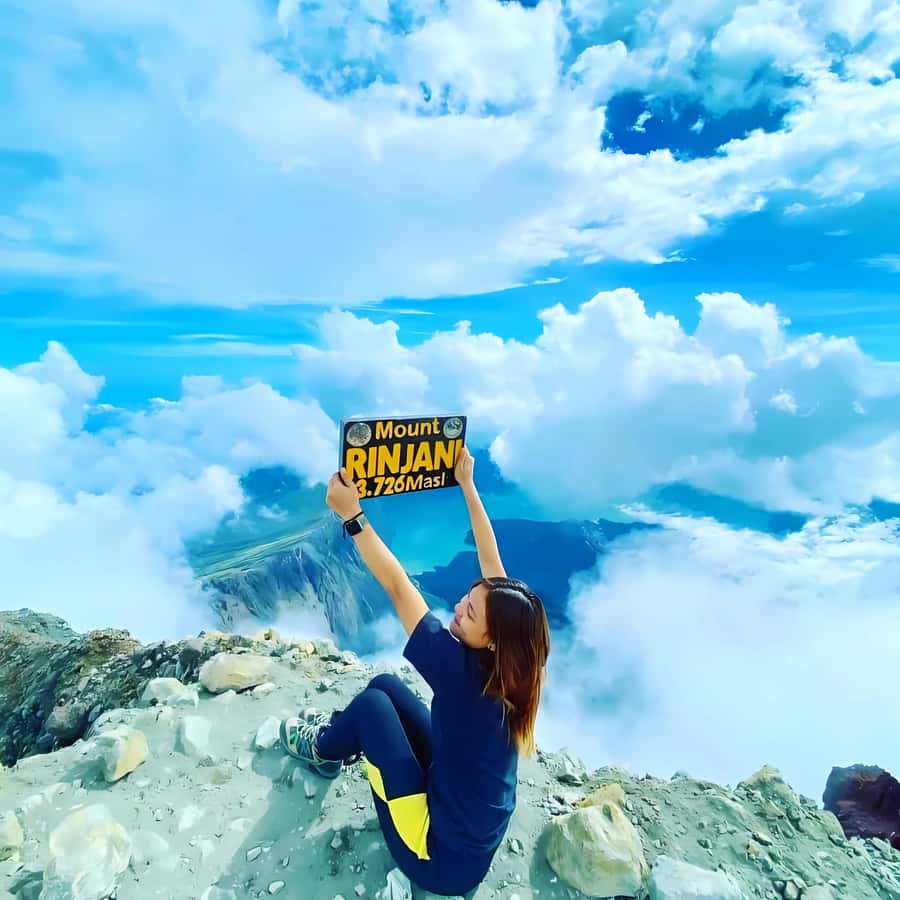
- Crater-rim basecamp at 2,639 m: Overnight views of Segara Anak and dramatic sky changes
- A short trek that still hits the summit: Two days total, with plenty of structure for your energy
- Pre-dawn Day 2 timing: Wake at 02:00 and hike in the dark to reach the top for sunrise
- Guide and porter support matters: English-speaking guides stay with you; porters handle cooking and gear
- Value depends on one missing cost: National park entrance fees are not included
Why the Sembalun Start Makes This Trek Feel Big
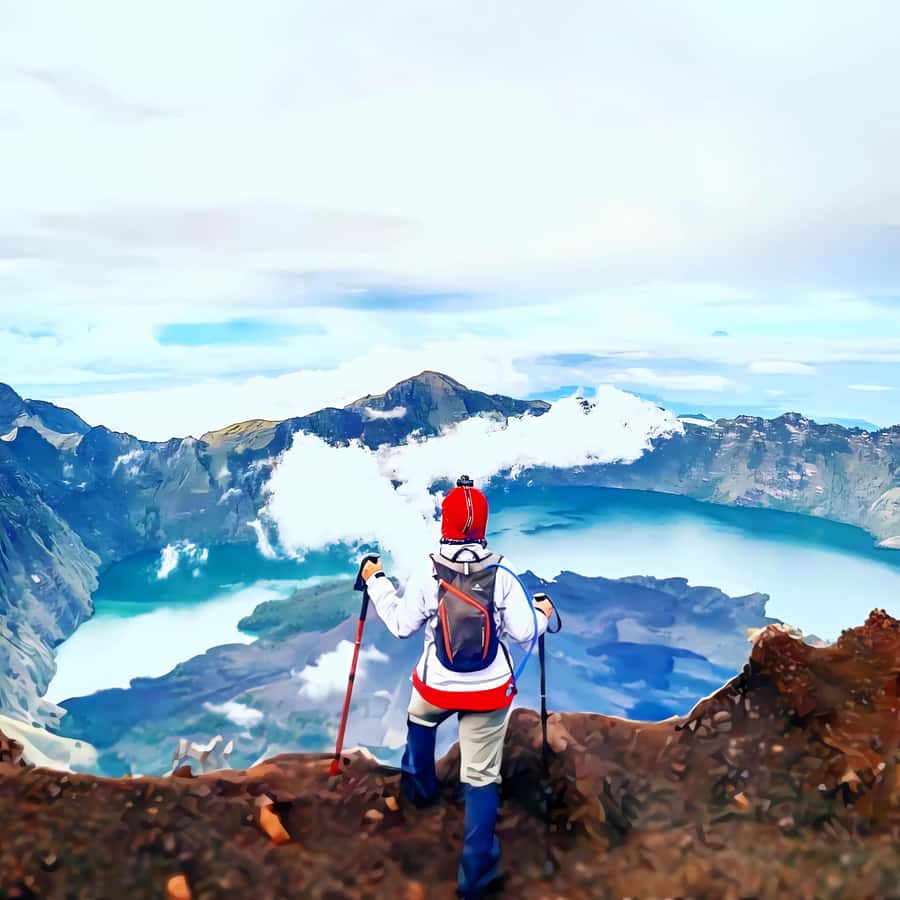
Mount Rinjani is a serious climb, but this version is designed to be efficient. You’re not spending a week building up slowly—you’re using a focused route that gets you to the rim and summit quickly, then sends you back to the island to keep exploring.
I like that the Sembalun trek route gives you grand, open views of the savanna as you move through the eastern entrance. That matters because you’re not trapped in constant jungle gloom. You get big-sky sightlines early, and that makes the climb feel like a journey, not just effort.
One more practical upside: the trek starts and ends in Sembalun Village, so you’re not scrambling with complex transfer logistics after days of hiking. Pickup is included from hotels in Senaru or Sembalun, and you also get drop-off later to several common areas like Senggigi and Mataram.
You can also read our reviews of more tours and experiences in Senaru.
Day 1: From RIC Check-In to the 2,639 m Crater Rim
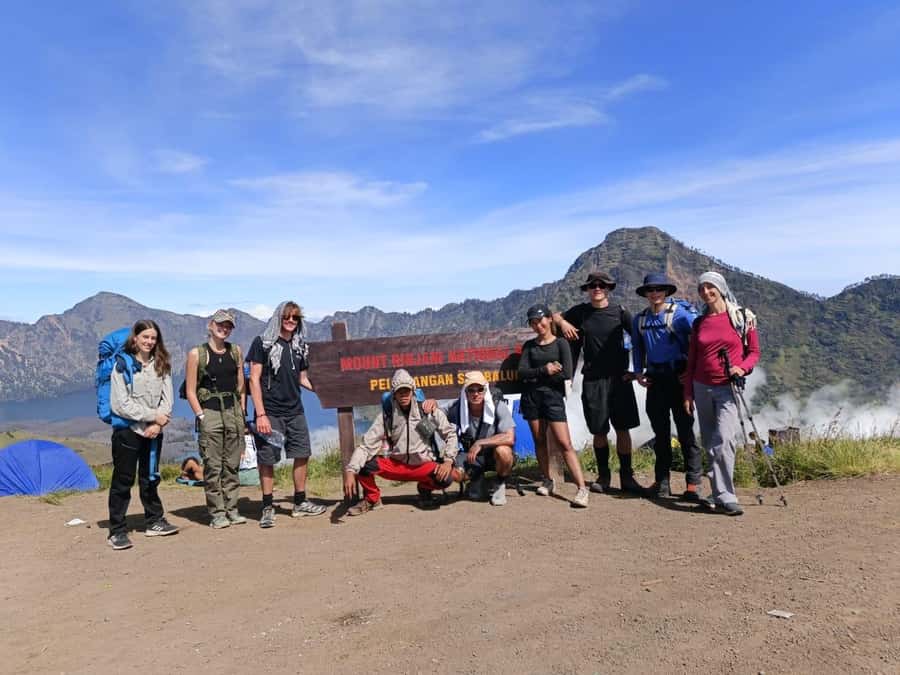
Day 1 is all about climbing smart, not sprinting. After you’re picked up and register at the Rinjani Information Center (RIC), you begin trekking toward POS-1 at about 1,300 m. The plan is paced with short stops and clear milestones.
Here’s how the day typically breaks down:
- POS-1 (1,300 m): About 2 hours from the start
- POS-2 (1,500 m): About 1 hour after a short rest
- POS-3 (1,800 m): About 1 more hour, then a longer rest
- Sembalun Crater Rim (2,639 m): Reach it in about 3 hours after lunch
At POS-3, you rest for around 2 hours, then you eat lunch with hot drinks (tea, coffee, hot chocolate, or lemon tea). I like this pause because it’s long enough to reset your legs before the final push. It also keeps you from burning out too early—important if you want to feel good enough for the rim overnight.
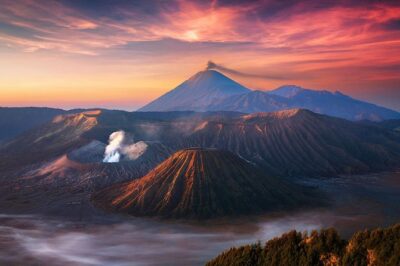
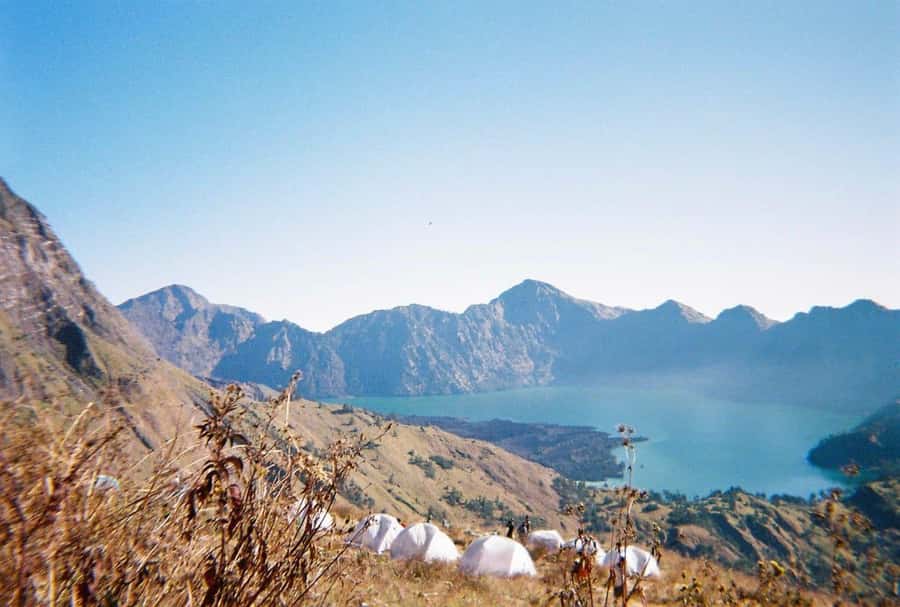
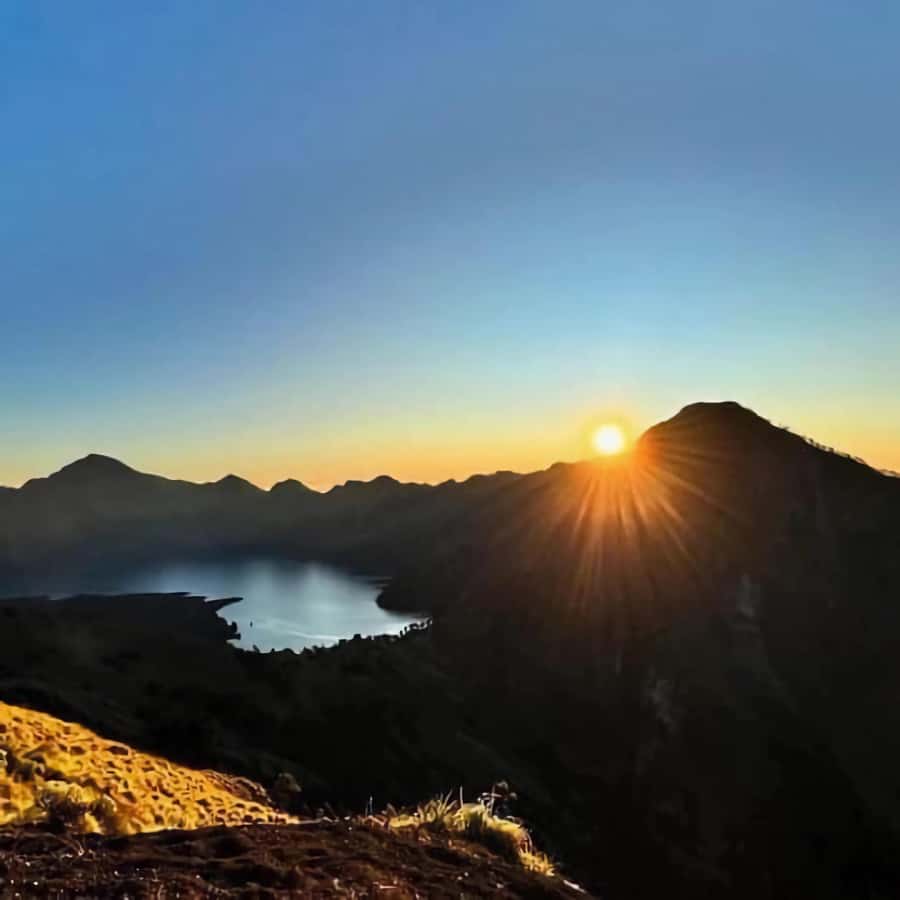
Once you reach the Sembalun Crater Rim, you’re not just there to sleep. This is your viewpoint platform. You’ll enjoy big crater views, with Lake Segara Anak below and scenery that can stretch toward much of North Lombok when the conditions are clear. You’ll get sunset, and you’ll also be close to sunrise again—without needing another early scramble right away.
Night on the Rim: Sunset, Sunrise Timing, and Lake Segara Anak
The night is where this trek stops being only physical and turns into a proper mountain moment.
You sleep at the rim campsite at 2,639 m. Conditions can feel cold at altitude, even if you start the day in warmer air, so plan for warmth. Your tour includes sleeping bags and a mattress, plus a tent and even a toilet tent (with paper). That’s the kind of comfort that prevents “roughing it” from becoming miserable.
The highlight here is the crater drama. Segara Anak sits inside the volcanic caldera, and when the light shifts, the whole view changes tone fast. I’d treat the first evening as photo-time and reset-time. You’re not hiking again that night—you’re watching weather and light do the work.
Day 2 Summit Push at 02:00: Dark Trek to 3,726 m Sunrise
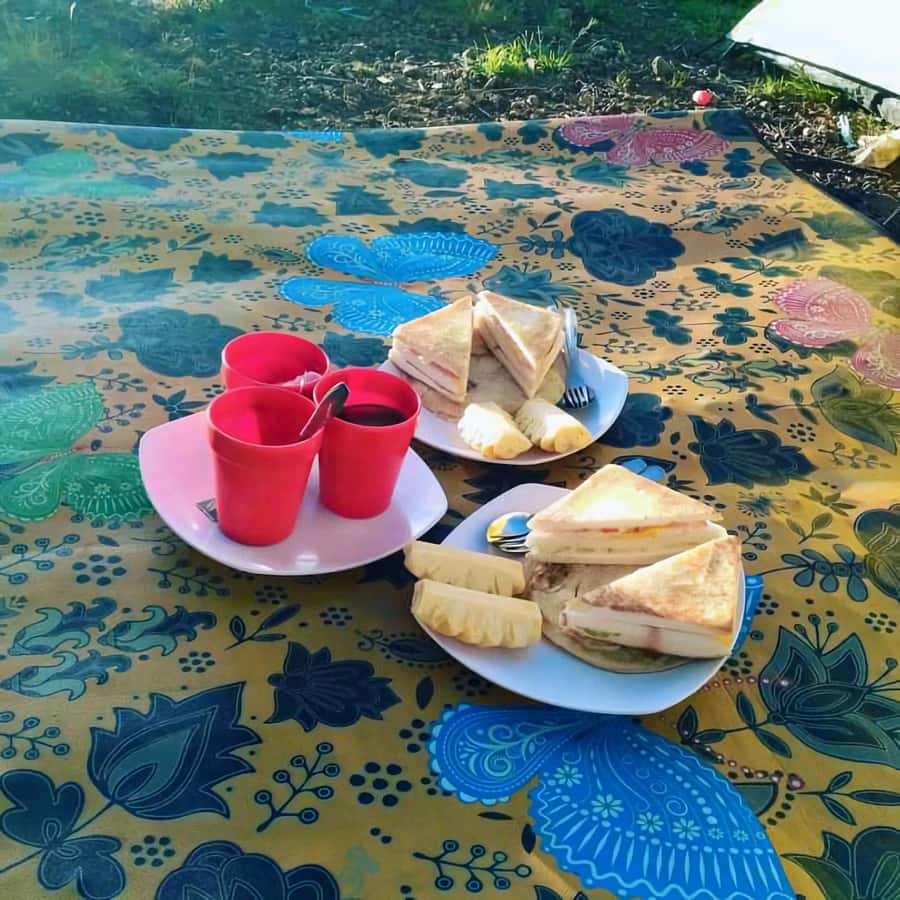
Day 2 begins early: you’re woken up at 02:00 with coffee or tea and a light breakfast. Then you start trekking toward the summit before sunrise.
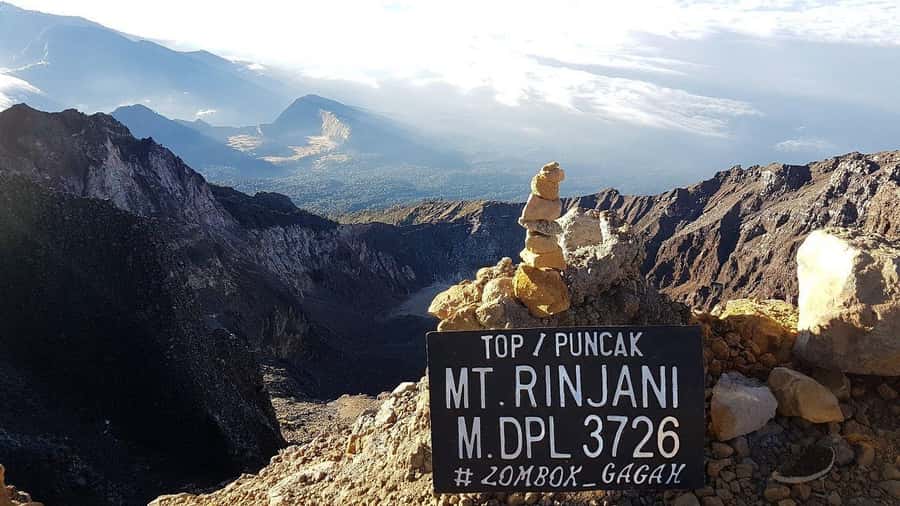
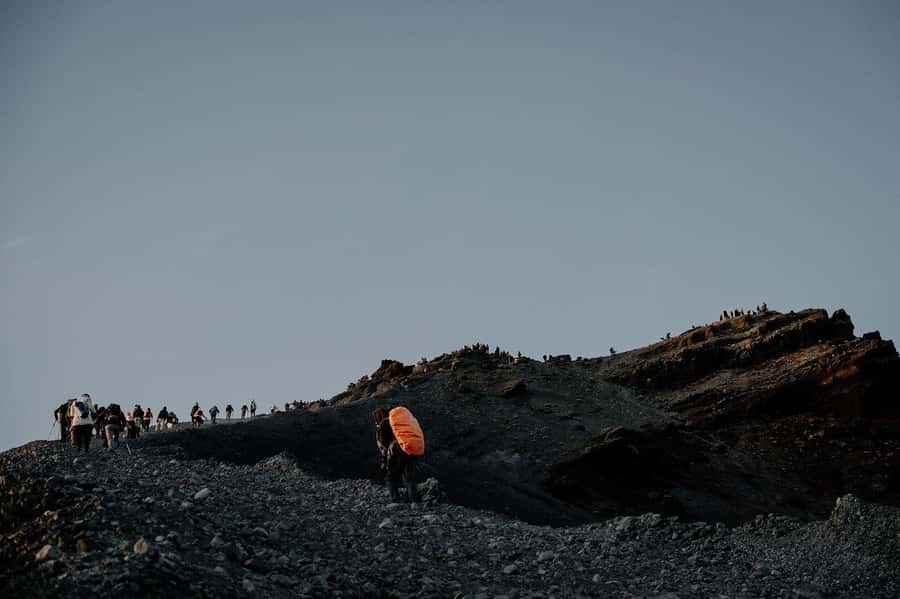
The climb to Mount Rinjani’s summit (3,726 m) usually takes about 3.5 hours, depending on your pace. The part that surprises most people is that you’re hiking in the dark. That’s why the tour explicitly requires a flashlight for this section.
The terrain is also a real workout: the summit push includes sand and gravel sections, some of the most tiring walking on the itinerary. Your guide and porters are with you throughout, which helps with pacing and morale. You’re not left alone to figure it out.
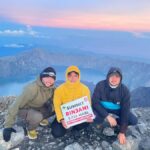
And then the payoff hits. Once you reach the top, you get panoramic views that can include Bali, Sumbawa, Lombok, and the Gilis. After reaching the summit, you’ll take a short break for photos, then you head back to the crater rim campsite.
This is where the support shows. Porters have breakfast prepared and waiting after you return from the summit. After that meal, you start the journey down toward Sembalun Village.
Guides and Porters: Why “Small-Group Feel” Helps on Rinjani
This trek works when the team keeps you moving and safe, without rushing. The program includes an experienced English-speaking guide and professional porters, and the group can be private or small depending on what you choose.
The reviews add color to what that support looks like in real life. I’m especially interested in the way guides like Han stayed close to clients the whole time, instead of drifting away. That kind of attention matters when you’re walking in darkness, stepping over loose ground, and trying not to waste energy.
You’ll also benefit from guide communication and morale. One guide named Réno is described as kind and able to adapt to needs, which is exactly what you want on an altitude day. Guides with strong language skills can also make the experience feel more personal—you may even learn quick local phrases while trekking.
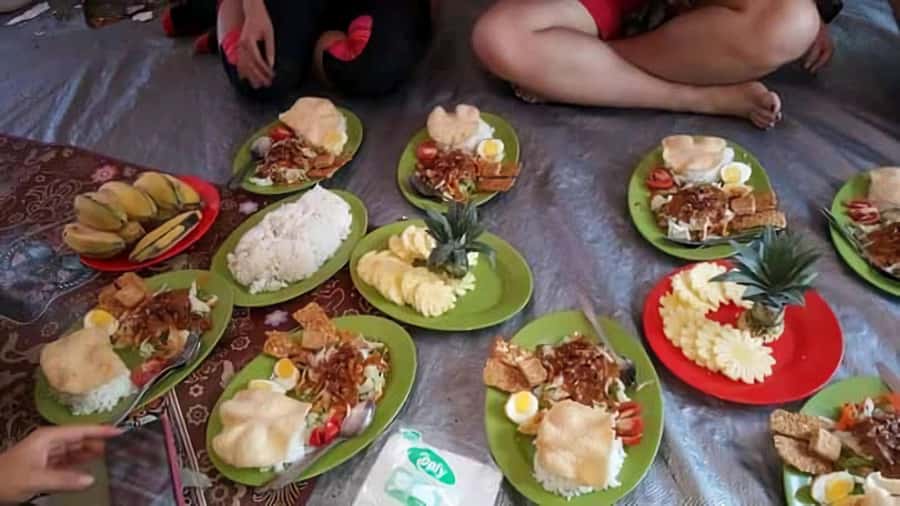
Porters deserve serious credit here. The setup is not just carrying gear; they also handle cooking. Meals are described as good, and there’s mention of snacks through the day. That kind of fueling can be the difference between “I survived” and “I enjoyed it.”
Price and Logistics: Is $141 Good Value Here?
At $141 per person for a 2-day, 1-night trek, the value is strong if you compare what’s actually included.
You get:
- Pickup from Senaru or Sembalun hotels
- Drop-off later to multiple areas (like Senggigi, Mataram, and Bangsal Harbour area)
- Camping equipment plus tent, toilet tent, and paper
- Sleeping bags and mattress
- An English-speaking guide and professional porters
- Food and drinking water on the trek, including 3 litres of mineral water per person per day
That’s a lot of logistics bundled in. Trekking gear rental, food planning, camp setup, and portering are all major costs if you do it yourself. Here, you’re paying for the full running of the climb.
Two costs to plan for:
- National park entrance fee: IDR 250,000 per day per person
- Personal gear gaps: trekking shoes are not included, and warm clothes are not included
If you already have hiking boots and you budget for the park fee, this is a fair price for a summit itinerary that still includes camping comforts and full support.
What to Bring (and What Will Save You on Summit Night)
You’ll climb high and hike early, so pack for cold, darkness, and tired feet. Your tour already expects you to bring key items; don’t skip them.
Bring:
- Flashlight (critical for the dark summit section)
- Hiking shoes / trekking shoes
- Warm layers: jacket, gloves, long pants
- Hat and sunglasses
- Sunscreen
- Camera and power bank
- Binoculars (if you like wide view hunting)
A good idea is bringing extra socks and a spare layer in a small daypack. The tour also notes a small backpack/daypack might be rented, but it’s safer to have your own system.
One more practical note: guides may provide helpful basics like gloves, walking sticks, flashlight, and a rain poncho as part of the gear handed out. Even so, I’d still carry your own flashlight if you can, and pack warmth like you mean it.
Who This Tour Fits Best (and Who Should Skip It)
This is built for adults who can handle altitude and early mornings. It’s not suitable for children under 7, and it’s not suitable for people over 70.
You’ll likely enjoy it most if:
- You want the summit experience without a long multi-day grind
- You’re comfortable hiking in the dark for a few hours
- You like structured itineraries with rest stops and real meals
You might rethink it if:
- You’re new to trekking and worried about loose sand and gravel
- You hate early wake-ups or cold nights
- You’re carrying extra luggage and don’t want to pay for an extra porter (the tour notes this is possible)
Should You Book This Mount Rinjani Summit Tour?
I think you should book if you want a tight, well-supported route with a clear payoff: crater-rim camping, a pre-dawn summit for sunrise views, and downhill back to Sembalun with energy left to explore Lombok.
I would pass or upgrade your planning if you don’t have hiking shoes and warmth sorted, or if hiking in the dark sounds like a deal-breaker. This tour is efficient, but it’s still a mountain climb with sand-and-gravel work on summit day.
If you match the pace and pack smart, this trek hits the sweet spot: a real summit story in just 2 days, with guides like Han and Réno focused on staying close, keeping you moving, and making the whole climb feel manageable.
FAQ
What town does the trek start and end in?
The trek starts and ends in Sembalun Village in East Lombok. Pickup is included from hotels in Senaru or Sembalun, and you’ll also get drop-off to several common areas afterward.
What time do you start the summit trek on the second day?
You’ll wake up at 02:00 on Day 2 for coffee or tea and a light breakfast, then you begin hiking to the summit for sunrise.
Is the national park entrance fee included?
No. The tour lists the national park entrance fee as IDR 250,000 per day per person.
How long does it take to reach the summit?
The hike to the summit typically takes around 3.5 hours, depending on how fast you go.
Do I need to bring a flashlight?
Yes. You’ll be trekking in the dark for the summit section, so a flashlight is important.
What camping gear is included?
Camping equipment is included, including a tent, toilet tent and paper, sleeping bags, and a mattress.
How much water is provided?
The tour includes drinking water on the trek, with 3 litres of mineral water per day per person.
What should I bring for warmth and footwear?
You should bring hiking shoes, a jacket, gloves, and warm clothes are not included. The cold at altitude and the early start make warmth worth packing seriously.