Rinjani in one day is no joke. This one-day climb from Senaru is built for people who want the high-volcano payoff fast, with steep hiking, a mid-day arrival at the crater rim, and views that can reach across to the Gili Islands and Bali’s Mount Agung.
What I like most is the clear, paced schedule (6:30 pickup, then back down by 5:00) and the practical support: you get a guide, meals/drinks, headlamp, and trekking poles.
One drawback to take seriously: it is physically demanding. It’s designed as a challenging trek, and it’s not suitable for people over 70, plus you’ll want real hiking fitness before you start.
In This Review
- Key things that make this Mount Rinjani one-day trek worth it
- Senaru pickup at 6:30 AM: how the one-day plan really works
- The steep climb to Senaru Crater Rim: what you’re signing up for
- Midday arrival and lunch at the crater rim: when the view becomes the point
- Guides, pacing, and the human details: what makes the hike feel easier
- What’s included (and what’s not): packing like a volcano hiker
- Price and value: is $138 fair for a one-day Rinjani climb?
- Who should book, and who should skip this one-day Rinjani trek
- Should you book this one-day trek to Rinjani’s crater rim?
- FAQ
- What time is pickup in Senaru?
- When do we reach the Senaru Crater Rim?
- How long is the trek?
- What’s included in the price?
- What should I bring?
- Is there a cancellation or flexible payment option?
Key things that make this Mount Rinjani one-day trek worth it
- Early Senaru pickup and a tight timeline so you still get a full day loop without overnight logistics
- Crater-rim lunch at the top at midday, which helps you actually enjoy the view instead of just surviving to it
- Included headlamp and poles that matter when you’re walking before sunrise and later down steep terrain
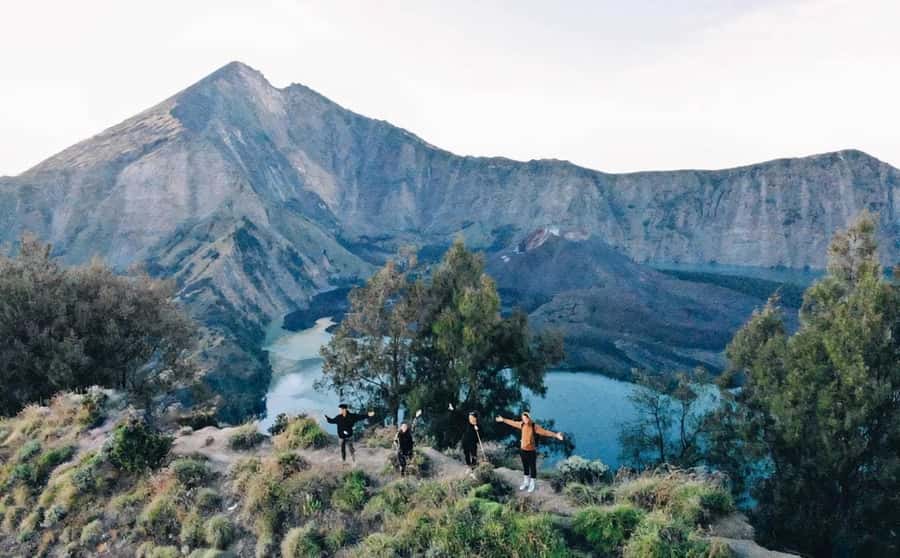
- Big viewpoint potential around the Sengkareng/Rinjani second-summit area (near 3000m) for that high-altitude perspective
- English live guide support and cooking, with the bonus that good guides share route tips and keep your pace steady
Senaru pickup at 6:30 AM: how the one-day plan really works
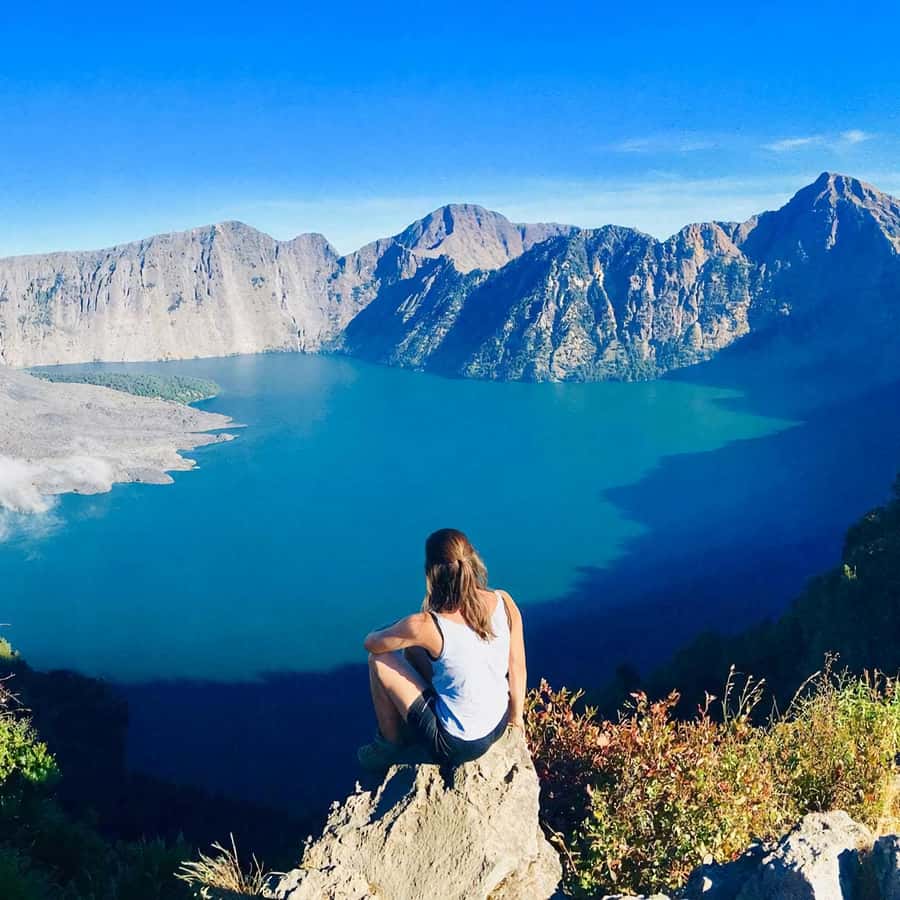
This trek runs on a single-day loop, starting with pickup in the Senaru area. You’ll typically get collected around 6:30 AM, then head to the starting area by 7:00 AM. The day is tight but realistic: the hike itself is about 7 hours, and you’re back down in Senaru by roughly 5:00 PM.
That timing is the whole point. If you’re in Lombok for a short time and you still want Rinjani scenery, this format keeps the trip intense but contained. You’ll spend your daylight where it counts: climbing toward the crater rim and then coming back before dark, instead of losing time to extra nights or long transfers.
One practical note I’d treat as non-negotiable: plan your arrival and rest in Senaru so you can handle a very early start. Even if you’re staying nearby, you’ll feel it once you’re off-trail and walking uphill from the get-go.
You can also read our reviews of more tours and experiences in Senaru.
The steep climb to Senaru Crater Rim: what you’re signing up for
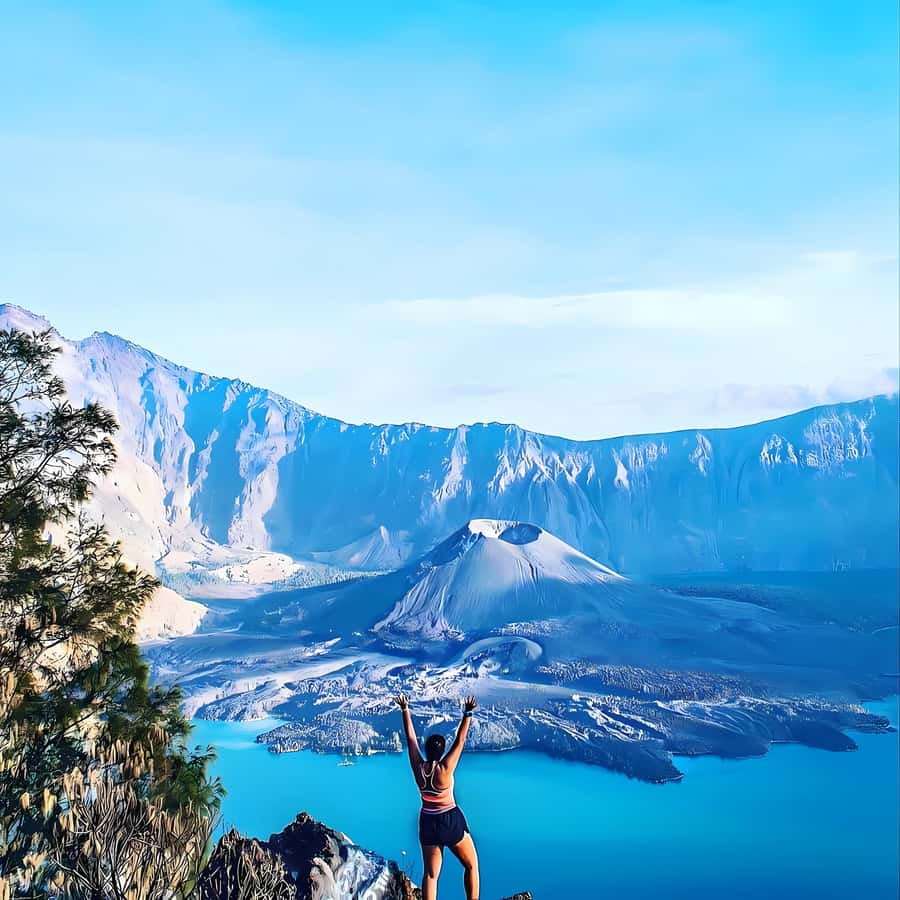
The route from Senaru to the crater rim is described as challenging, and the schedule reflects it. You’re looking at a long uphill push, starting in low light for early hikers and continuing into warmer daytime conditions.
In real hiking terms, this is where stability gear matters. You’ll get trekking poles included, and I’d use them from the first steep section. When the ground turns sandy or uneven, poles help you save your knees and keep your footing under control—especially on the way down later.
Also, you’ll want to be ready for how fast your body can fatigue when you gain elevation all at once. The program is built for hikers who can keep going for hours while still negotiating roots, rocky bits, and uneven ground. If you normally do easy day walks only, this one-day plan may feel like a shock.
And because it’s a volcano hike, you should expect changing conditions. You bring rain gear for a reason: sudden weather shifts happen, and a wet trail makes traction worse and effort harder.
Midday arrival and lunch at the crater rim: when the view becomes the point
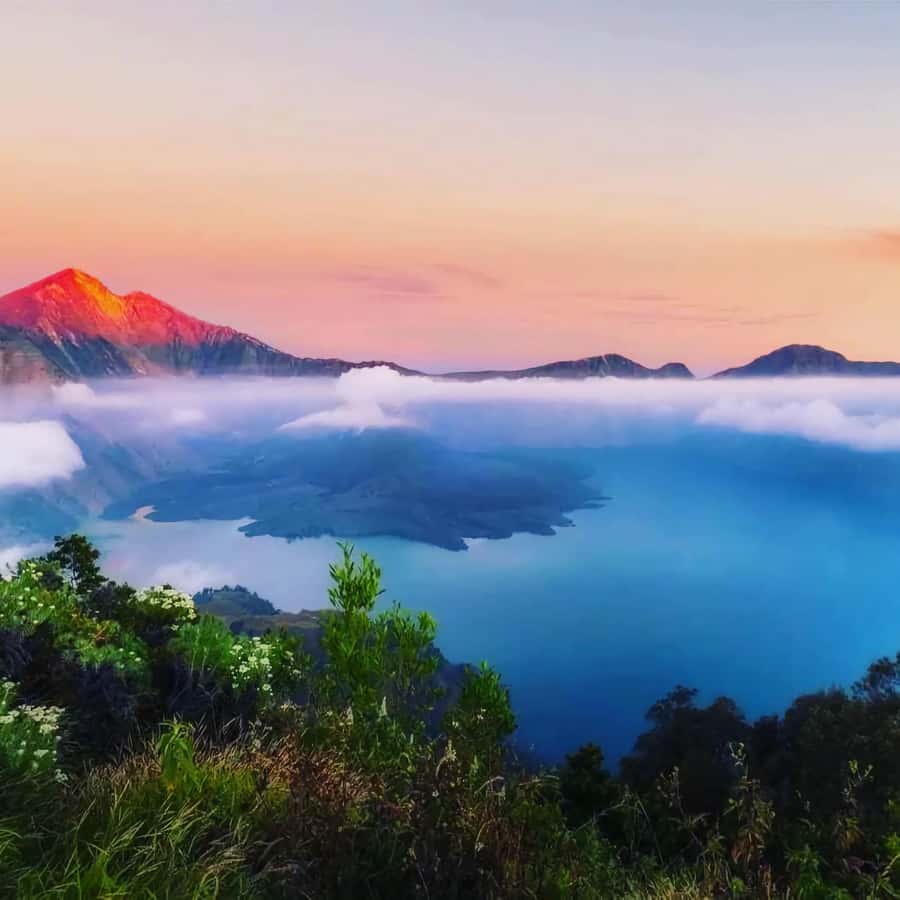
You reach the Senaru Crater Rim at around 12:00 PM. That timing is oddly perfect. Instead of pushing until you’re too exhausted to care, you get to the big viewpoint, then you eat.
Lunch is prepared by your guide at the rim. This is more than a convenience. Having a meal at elevation changes the whole vibe from survival mode to actual sightseeing. You can refuel, then take your time to look around.
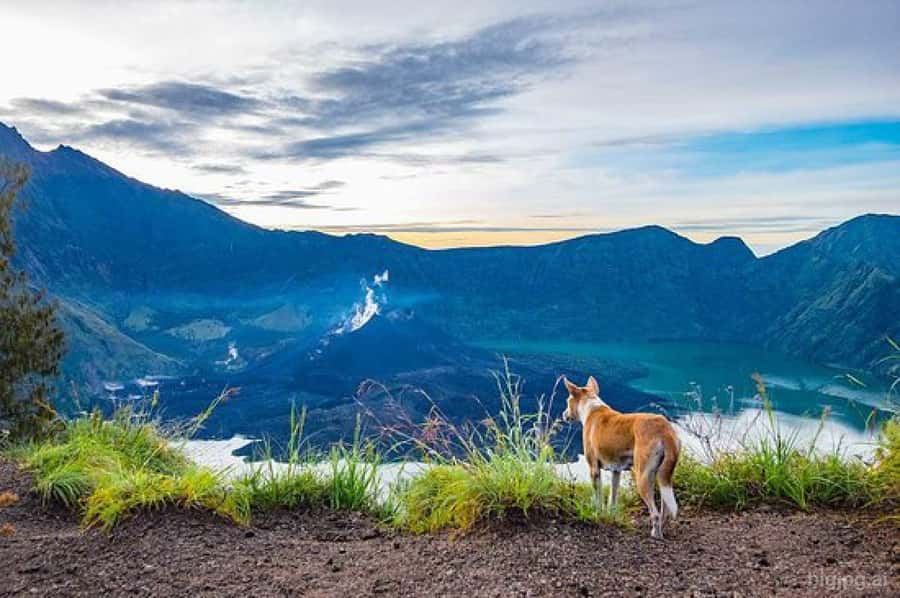
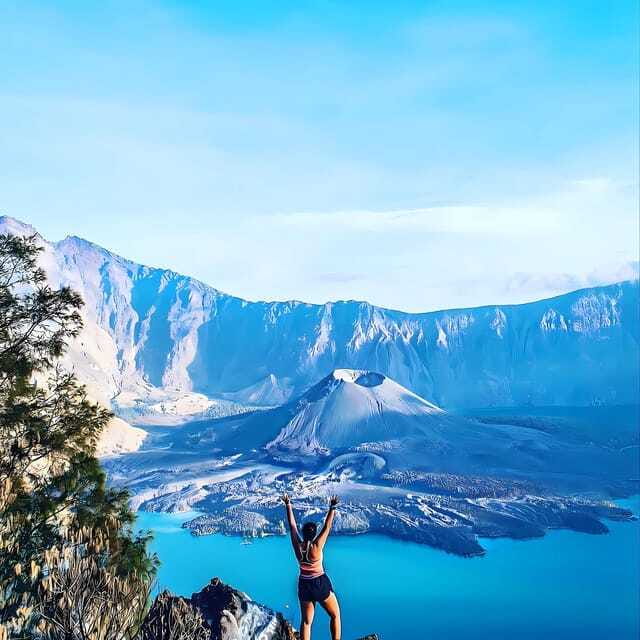
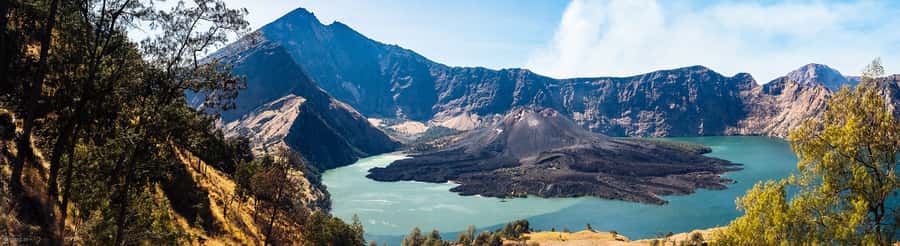
The highlight isn’t just one direction either. The views are described as spectacular from high points near the Rinjani area, with sights over the Gili Islands and Mount Agung in Bali on clear days. Depending on weather and visibility, you may also get a broader look over the lake and crater area from the rim.
A small reality check: volcanic viewpoints can be windy and cold when the sun drops behind clouds. Bring your camera, but also plan for comfort. If you didn’t pack a proper layer, you may regret it once you’re standing still.
Guides, pacing, and the human details: what makes the hike feel easier
You’ll travel with a live tour guide in English, and support is part of the package. Beyond just navigation, a good guide changes how hard the day feels.
Some guide styles stand out in the feedback you’ll likely hear: Fendi and Arid are noted for professionalism and also for adding storytelling that makes the climb feel less like a grind. Aiwan is highlighted for explaining the route and having the top lunch cooked there at the rim. Anton is praised for adapting to pace and letting hikers decide when to take pauses, which matters a lot when you’re tired later in the climb.
Here’s the practical takeaway for you: ask about pacing early. If your guide encourages you to match a sustainable rhythm, you’ll arrive better and recover faster on the descent. If you’re stubborn and try to force speed without checking in with your breath, you pay for it halfway up.
Also pay attention to how the guide handles the way down. The downhill is where fatigue turns into slip risk. In the best versions of this trek, the guide actively helps you move safely back toward Senaru.
What’s included (and what’s not): packing like a volcano hiker
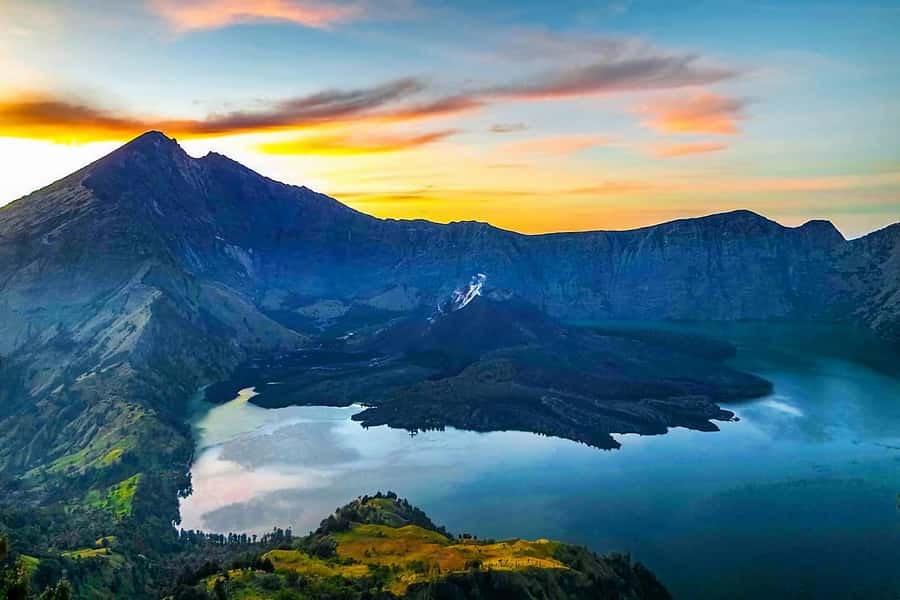
This trek includes the essentials that make early starts and steep walking more manageable:
- Headlamp flashlight (for early morning visibility)
- Tour guide
- Foods and drinking (plus lunch at the crater rim)
- Trekking poles
- Pickup and drop-off in the Senaru area
- Entrance fee to the national park
What you supply yourself is where people often get caught.
Not included:
- Trekking jacket
- Trekking shoes
- Small day pack
- One night accommodation in Senaru before the trek
My advice: don’t treat footwear as optional. Wear real hiking shoes with grip. Sandy and rocky sections punish cheap soles and flexible sneakers. And don’t rely on a thin rain poncho alone. A rain layer plus a warm layer is the sweet spot because crater-rim weather can swing fast.
You’re also asked to bring:
- Passport
- Camera
- Hiking shoes
- Rain gear
- Cash
Cash matters because it’s often the practical answer to on-the-ground extras or small purchases, even when the main cost is already covered. Bring it and keep it accessible.
Finally, remember this trek starts early and runs all day. A small day pack helps you keep your essentials dry and reachable without hauling a big bag.

Price and value: is $138 fair for a one-day Rinjani climb?
At $138 per person for one day, you’re paying for a lot more than the view. You’re getting the guide team, the national park entrance fee, meal support (including lunch at the crater rim), trekking poles, and transport between Senaru and the starting point.
If you try to DIY this, the big hidden costs tend to be guide time, permits/fees, and logistics—plus you still need the gear. With this program, you at least don’t have to figure out everything on your own to get to the rim.
Where value can slip is if you’re underprepared. If you show up with shoes that aren’t up to the terrain, or you don’t have a proper layer for crater-rim weather, you may end up spending extra just to make the day survivable. In other words, the price is only a good deal if you show up ready for a challenging hike.
So for me, this is good value if you:
- have limited time in Lombok,
- want a guided, timed itinerary,
- and can realistically handle a strenuous ascent and long descent.
Who should book, and who should skip this one-day Rinjani trek
This experience is best for hikers with at least basic endurance and comfort on steep terrain. Even the successful one-day versions still leave a lot of people sore, because the climb and descent are stacked into one day.
It is not suitable for people over 70. Beyond that official limit, I’d be cautious if you:
- rarely hike,
- have knee issues and don’t use trekking poles,
- or expect a relaxed walk with minimal physical strain.
If you’re a strong hiker but you know your body struggles with steep day hikes, you might consider longer options that give you more recovery time. Some hikers prefer an overnight approach higher up so the effort is spread out. If you’re choosing between formats, think about recovery as part of the trip, not just the hike.
On the other hand, if your schedule is tight and you still want to stand at a high volcanic rim with serious views, this one-day trek is exactly the kind of trip that can deliver the Rinjani moment without eating your whole vacation.
Should you book this one-day trek to Rinjani’s crater rim?
I’d book it if you want a focused, guided Rinjani day and you can handle a steep, long hike with early pickup. The included support—headlamp, poles, guide, and lunch at the rim—is what makes the day work instead of turning into chaos.
I would skip or seriously reconsider if you want something easy, you’re unsure about your endurance, or you’re traveling with limited hiking experience. This isn’t a “casual hike with scenery.” It’s a climb that asks for training and smart pacing.
If you do book, treat the packing list like part of the safety plan. Wear proper shoes, bring rain gear, and don’t underestimate how cold/windy it can feel once you stop moving at the rim.
FAQ
What time is pickup in Senaru?
Pickup is scheduled at 6:30 AM in the Senaru area.
When do we reach the Senaru Crater Rim?
You arrive at the Senaru Crater Rim around 12:00 PM.
How long is the trek?
The schedule lists a total walk time of about 7 hours, with the full day finishing back in Senaru by around 5:00 PM.
What’s included in the price?
The price includes a tour guide, foods and drinking, headlamp flashlight, trekking poles, pickup and drop-off in Senaru, and the national park entrance fee.
What should I bring?
Bring passport, camera, hiking shoes, rain gear, and cash.
Is there a cancellation or flexible payment option?
Yes. There is free cancellation up to 24 hours in advance for a full refund, and the option to reserve now and pay later is offered.