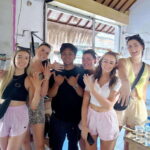
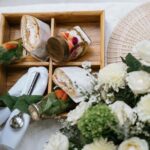
Nine dishes, one family kitchen in Ubud. I love the hands-on cooking with clear guidance from Wayan Aris, especially when you learn the Balinese spice paste that powers so many local flavors. You’ll also enjoy a sit-down meal where your own food becomes the dinner at the end.
One thing to plan around: this afternoon option is marked as having no market visit, even though some versions of the experience may include one. If you’re shopping for ingredients or want extras, bring cash and double-check pickup coverage if you’re outside Ubud.
In This Review
- Key things I’d put on your shortlist
- Why This Ubud Afternoon Cooking Class Works
- Meet Wayan Aris and Settle In With a Welcome Drink
- Canang Bali Offering: Culture Before the Cutting Board
- The Spice Paste Lesson That Powers Many Dishes
- Cooking Up to Nine Recipes: What the Flow Feels Like
- Lunch or Dinner at Home: Your Big Meal at the End
- Market Visit Confusion: Why Afternoon Might Feel Different
- Price and Value: Is $46 Fair for 5 Hours?
- Pickup, Timing, and Group Size: The Practical Stuff
- What You’ll Learn That Lasts Beyond Bali
- Who Should Book This (and Who Might Skip It)
- Quick decision: Should you book this cooking class?
- FAQ
- What time does the afternoon class start in Ubud?
- How long is the experience?
- How many dishes will I cook?
- Is pickup included from all parts of Ubud?
- Does the afternoon class include a market visit?
- What cultural activity is included besides cooking?
- What’s included with the meal?
- Is cancellation free if my plans change?
Key things I’d put on your shortlist
- Small-group feel (max 12) means you get real attention instead of hovering near the back.
- Canang Bali offering-making gives you more than cooking; it connects the meal to daily Balinese culture.
- Balinese spice paste training teaches a skill you can reuse, not just a one-off recipe.
- Up to nine dishes with tasting as you go, so you don’t wait until the end to enjoy what you made.
- Family-house dinner turns the class into an actual shared meal, not a rushed demo.
Why This Ubud Afternoon Cooking Class Works
If you want a Bali activity that’s not just a photo stop, this afternoon class is a strong choice. It’s built around doing real cooking, learning the building blocks (especially spice paste), and then eating the result with a family setup.
At a starting time of 2:00 pm and roughly 5 hours, it fits neatly between a late lunch and an evening plan. You’ll be busy enough to feel like you actually used your day, but not so long that it crushes your next itinerary step.
The vibe is also practical. You’re not expected to already know what a spice paste should look like or how Balinese cooking layers flavor. You get guided, you work, and you taste.
You can also read our reviews of more tours and experiences in Ubud.



Meet Wayan Aris and Settle In With a Welcome Drink
Your experience starts with pickup (for the Ubud center area) if you’re in that zone. Otherwise, you’ll meet at Ubud Palace (Jl. Raya Ubud No.8). Either way, the timing stays straightforward: you kick off at 2:00 pm and you’ll return to your end point after dinner.
Right away, you’ll get a welcome drink—cold ginger tea. It sounds simple, but it’s a nice touch in Bali heat. It also signals the day will feel like someone is hosting you, not just conducting a class.
Then you move into the family setting where you’ll cook with locals. This matters more than it sounds. Cooking at home (or a home-style setup) changes the feel. The kitchen rhythm is different from big tour-group studios, and you tend to learn how people actually cook, not how a stage wants it done.
Canang Bali Offering: Culture Before the Cutting Board
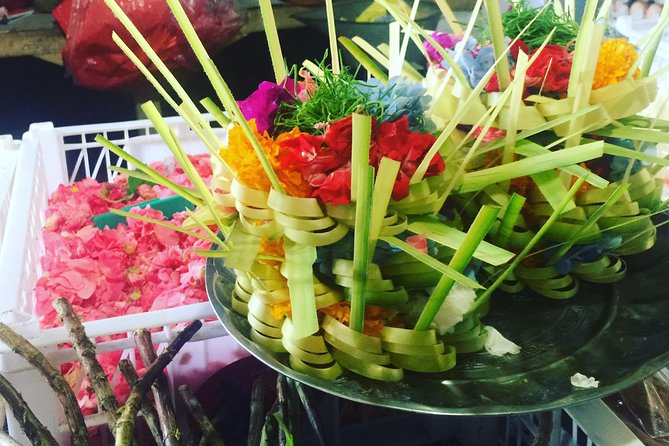
One of the most memorable parts of the itinerary is making a Canang Bali offering. This is not a random craft. It’s part of daily spiritual practice in Bali, and learning how to make it helps you understand why the meal is treated as something meaningful.
Expect to follow along with the host/family as you build the offering. You’ll get a step-by-step feel, and you’ll likely pick up small cultural cues along the way—how families treat food, gratitude, and everyday rituals.
If you’re the type who usually clicks through cultural activities quickly, this is a good one to slow down for. It gives you a story tied to the cooking, instead of having the cooking feel disconnected from Balinese life.
The Spice Paste Lesson That Powers Many Dishes
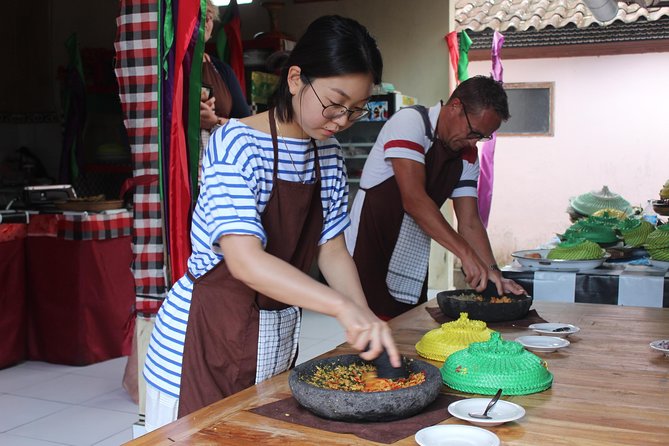
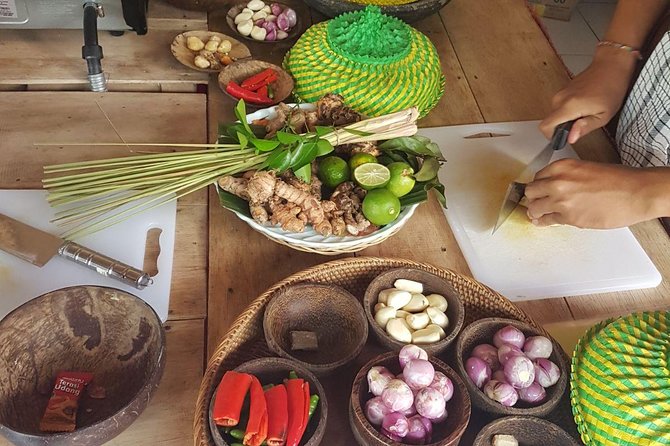
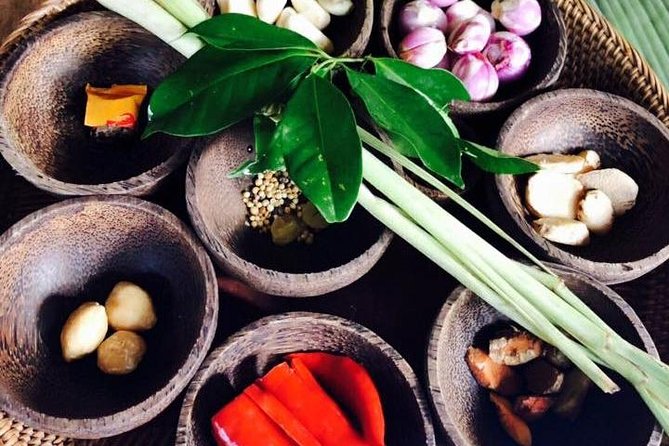
After the offering, you jump into the core skill: making Balinese spice paste. This paste is a base ingredient for many local dishes, so learning it is like grabbing the key to the whole flavor system.
This is where the class earns its value. If you only learn individual dishes, you forget them faster. If you learn the paste, you can recognize the flavors in other meals and recreate the idea later—even if you can’t replicate every local ingredient exactly.
Also, the pace tends to be friendly. Some prep is often already handled for you (like cutting vegetables or pre-cooking meat), so you can spend more of your time cooking and tasting. That keeps the class from turning into pure waiting.
Cooking Up to Nine Recipes: What the Flow Feels Like
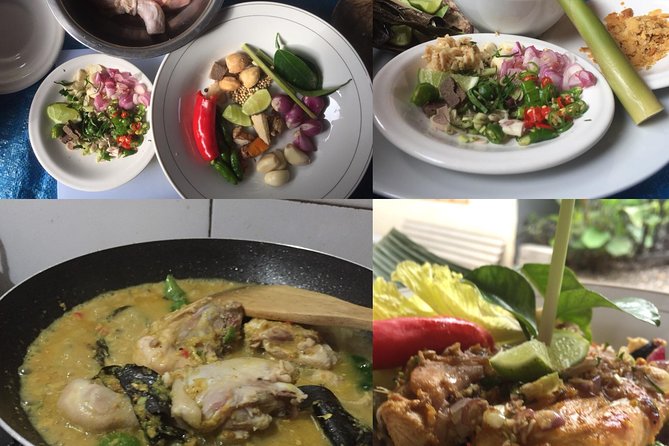
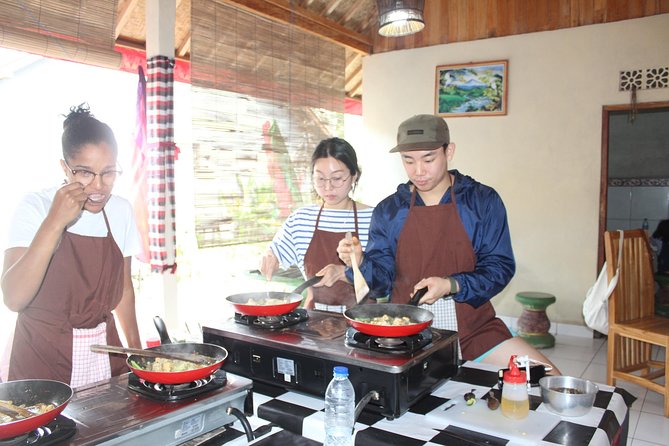
The itinerary centers on making up to nine Balinese recipes. You’ll start cooking step-by-step, and you’ll be able to taste along the way. That matters because it keeps you engaged, and it helps you adjust while you still have momentum.
A helpful expectation to set: you’re not just watching someone cook. You’re actively hands-on during the process. You’ll mix, cook, shape, and assemble, and you’ll learn what each dish needs beyond just ingredients—like texture and consistency.
One more practical note: the meal time is where you get to relax. You’ll enjoy your creations at the family house, and the goal is to eat what you made as a group. This is a dinner that feels earned, not a separate restaurant stop.
And yes, extra food might be possible to take along. The experience format is set up like a home meal, so packing leftovers is sometimes available depending on what’s left and how the hosts manage it.



Lunch or Dinner at Home: Your Big Meal at the End
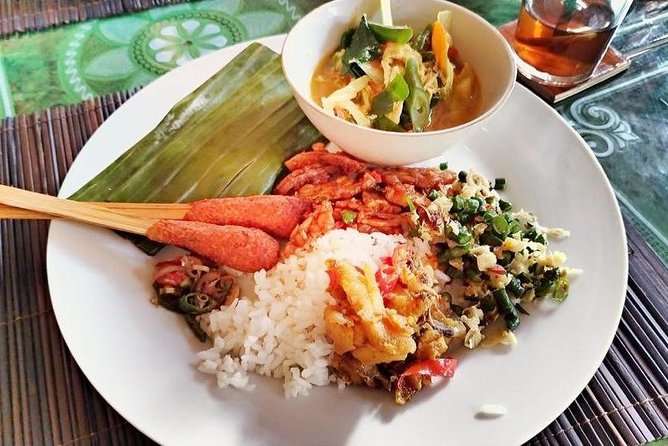
This experience ends with the big sit-down meal you cooked yourself. After making multiple dishes, you’ll finally get to slow down and taste everything together.
There are two strengths here:
- You eat what you made, so the flavors land differently.
- It’s a family table setup, which tends to feel warmer than a classroom lunch.
You’ll also get water—mineral water and bottled water—so you won’t be scrambling for drinks while you’re cooking or tasting.
If you’re planning the rest of your evening, remember you’re leaving after dinner. The activity ends back at the meeting point, and if you’re picked up in the Ubud center zone, you’ll generally be dropped back in that area too.
Market Visit Confusion: Why Afternoon Might Feel Different
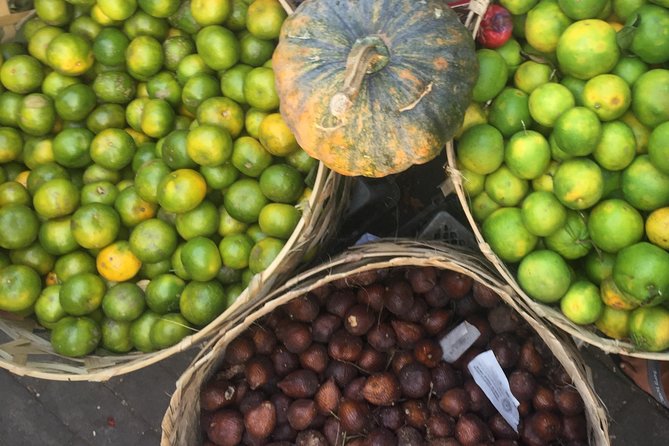
Here’s the key planning detail: for this afternoon class, it’s listed as having no market visit. That’s important because the general idea of the experience often includes shopping for ingredients in a market.
So what should you do with this information?
- If you mainly want market browsing and ingredient hunting, you’ll want to confirm which session includes that part.
- If you want cooking and cultural experiences (offering + spice paste + nine dishes), the afternoon format still covers the core skill-building.
In other words: don’t book the afternoon expecting a market walk as part of the main plan. If you want that, aim for a version that explicitly includes it.
Price and Value: Is $46 Fair for 5 Hours?
At $46 for about 5 hours, this is priced in the range where you’re paying for real instruction, home-style cooking, and transportation within Ubud.
Here’s what you’re getting for the money, based on what’s included:
- Local host cooking class
- Dinner
- Free pickup and drop for Ubud center area only
- Mineral water + bottled water
- Welcome cold ginger tea
- A PDF copy of the recipes (9 copies)
That combination is where the value comes from. You’re not just learning a single dish; you’re learning the spice paste base and cooking up to nine recipes, then eating them in a family-house setting. The recipe PDF is also useful if you want to recreate anything at home.
The main value “watch” is transportation outside Ubud center. If you’re beyond that zone, pickup may cost extra. And if you want to buy anything during the day, you’ll need cash.
Pickup, Timing, and Group Size: The Practical Stuff
This class is designed for easy logistics in Ubud, especially if you’re staying in the Ubud center area. Pickup is free only for that zone, and the activity notes that pickup outside Ubud requires a request and additional charges.
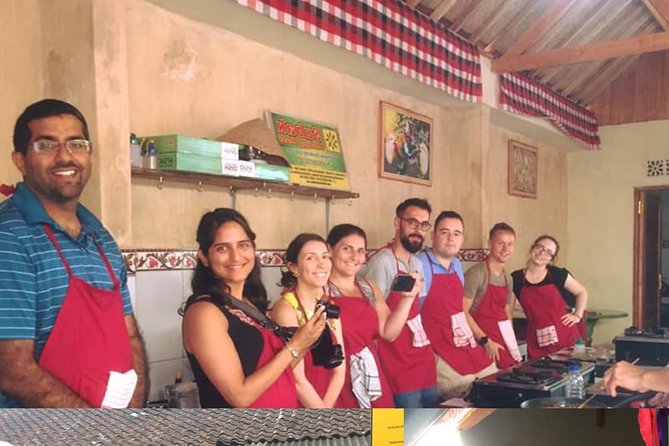
Group size is capped at 12 travelers. For a cooking class, that’s a good size. You can move through tasks without feeling like you’re in a factory line, and it’s easier for the host to check on your progress.
If you’re going solo, great—you’ll still be supported. If you’re traveling as a couple or small group, this is also a nice format because you cook together and then eat together.
If you’re the type who hates rigid schedules, the cooking flow will feel structured, but not overly formal. You’ll have clear steps (offering → spice paste → recipes → meal), and you’ll move at the kitchen’s pace.
What You’ll Learn That Lasts Beyond Bali
A good Bali cooking class teaches you more than a recipe list. This one focuses on skills and context, not only dish names.
The biggest lasting wins:
- Spice paste technique (a base you’ll recognize across multiple dishes)
- Balinese offering-making (a cultural anchor that explains how daily life frames food)
- Cooking by feel (tasting as you go helps you understand what “right” tastes like)
If you’re the kind of traveler who always forgets the details of what you ate two days later, that tasting-as-you-cook structure helps a lot. It also gives you confidence for ordering similar dishes back home.
Who Should Book This (and Who Might Skip It)
This class is a great match if you:
- Want a hands-on cooking day rather than a passive food tour
- Like learning the core technique behind multiple dishes
- Prefer smaller-group settings with personal attention
- Are staying in or near Ubud center so pickup is simple
It might be less ideal if you:
- Are specifically chasing a market walk (this afternoon option is marked as no market visit)
- Need heavy dietary accommodation details beyond what’s listed (the information provided doesn’t specify dietary handling)
- Want an all-day adventure with lots of sightseeing stops (this is mainly a kitchen-and-family experience)
Quick decision: Should you book this cooking class?
If your goal is a real Balinese cooking experience with cultural flavor, this is an easy yes for the afternoon slot—especially for the spice paste + Canang Bali offering + up to nine dishes combination.
I’d book it if you want value that comes from doing the work and then eating the result. I’d double-check your expectations if you care deeply about a market visit, since the afternoon format here is listed as not including it.
And if you’re staying in Ubud center, the free pickup/drop makes it even more practical.
FAQ
What time does the afternoon class start in Ubud?
It starts at 2:00 pm.
How long is the experience?
The duration is about 5 hours.
How many dishes will I cook?
You’ll learn to cook up to nine Balinese recipes.
Is pickup included from all parts of Ubud?
Pickup is free for Ubud center area. Pickup outside Ubud requires a request and additional charges.
Does the afternoon class include a market visit?
For the afternoon option, it’s marked as no market visit.
What cultural activity is included besides cooking?
You’ll make a Canang Bali offering before starting the cooking.
What’s included with the meal?
Dinner is included, along with mineral water and bottled water.
Is cancellation free if my plans change?
Yes—free cancellation is available up to 24 hours before the experience starts.
If you tell me your hotel area in Ubud (and whether you’re hoping for a market stop), I can help you decide if the afternoon timing fits your goals.