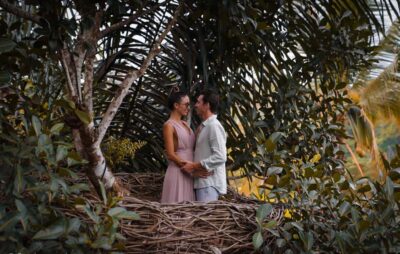
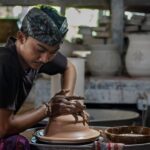
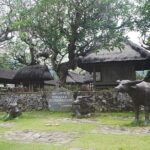
This Ubud day hits the classics hard. You’ll string together forest, temples, craft stops, rice-terrace views, a waterfall break, and a sacred water ritual, all with a local driver as a guide. Two anchors bookend the experience: the Sacred Monkey Forest Sanctuary and Tirta Empul’s holy springs.
I like two things most. First, the day is set up so you’re not constantly negotiating tickets or timing; lunch plus bottled water are included, along with all fees and taxes. Second, the guiding quality matters, and names like Nyoman and Gede Praja show up in real-world examples of kind, helpful, photo-ready service.
One possible drawback: the schedule packs a lot into about 8 hours, so if you want slow travel or extra time at a single spot, you might feel a bit rushed—especially around the swing and the rice terraces.
In This Review
- Key highlights worth knowing
- How This 8-Hour Ubud Plan Stays Efficient
- Sacred Monkey Forest Sanctuary: temples and macaques in the same walk
- Ubud Royal Palace and the Art Market: culture without the maze
- Happy Swing Bali: the view stop that earns its place
- Tegalalang Rice Terraces: where farming becomes a design
- Ulu Petanu Waterfall: cooling off without going off-route
- Tirta Empul Holy Spring Temple: how to handle a real purification ritual
- Price and what $128.62 buys you in real terms
- Who this private Ubud tour suits best
- Should you book this Ubud all-in-one day?
- FAQ
- How long is the Ubud tour?
- Is pickup included?
- What’s included in the price?
- Are entrance tickets included?
- Is this tour private?
- Do I get a mobile ticket?
- What should I budget for personal expenses?
- Can I cancel for free?
Key highlights worth knowing
- Monkey Forest Sanctuary: long-tailed macaques plus ancient temple ruins in a true jungle-style setting
- Ubud Royal Palace + Art Market: classic culture stops that keep your “city time” efficient
- Happy Swing Bali: the adrenaline jump timed for big views over rice terraces and river gorges
- Tegalalang Rice Terraces: learn how the subak irrigation system shapes the landscape
- Ulu Petanu Waterfall: a refreshing break with a calm pool and waterfall sound
- Tirta Empul Temple: a real purification ritual at the Holy Spring Temple
How This 8-Hour Ubud Plan Stays Efficient
Ubud can eat your whole day fast. Traffic, ticket lines, and figuring out which road to take can turn “one afternoon” into a blur. This format is built to keep momentum while still covering multiple sides of Bali: animals, royal-era architecture, crafts, farming landscapes, water, and spirituality.
You get private transportation in an air-conditioned vehicle, plus the practical benefit of a driver who’s also your guide. That usually means fewer gaps in your day—less waiting, and clearer context at each stop. You also get a mobile ticket, which makes it easier to check in on the fly.
The pacing is the main tradeoff. Each stop gets a focused block (most around 45 minutes), so it works best for people who like seeing several major sights in one go. If you’re the type who likes lingering, plan to treat this as a “best-of” day and save slow exploring for another trip.
You can also read our reviews of more tours and experiences in Ubud.


Sacred Monkey Forest Sanctuary: temples and macaques in the same walk
Your first stop is Sacred Monkey Forest Sanctuary, where long-tailed macaques live in a natural, jungle-like area. The setting isn’t just trees and trails; you also have ancient temple ruins woven into the greenery, so it feels historical and alive at the same time.
Spending about an hour here is a smart length. It gives time to walk the paths, pause for photos, and enjoy the temple elements without turning it into a half-day commitment. The main “experience” is the contrast: calm, shaded paths on one side; the animated macaques nearby on the other.
Practical tip: plan to keep small items secure and zipped away. Monkeys here are part of the ecosystem, so it helps to act like anything unattended might attract attention. Also, wear shoes with good grip—paths in tropical forests can get slick.
If you’re traveling with kids, this is a strong early win. Even if you don’t love wildlife, the combination of monkeys + temple ruins makes it more than a quick stop. Just be ready for a lively atmosphere right at the start of your day.
Ubud Royal Palace and the Art Market: culture without the maze
After the forest, you shift into Ubud’s cultural center with two quick hits.
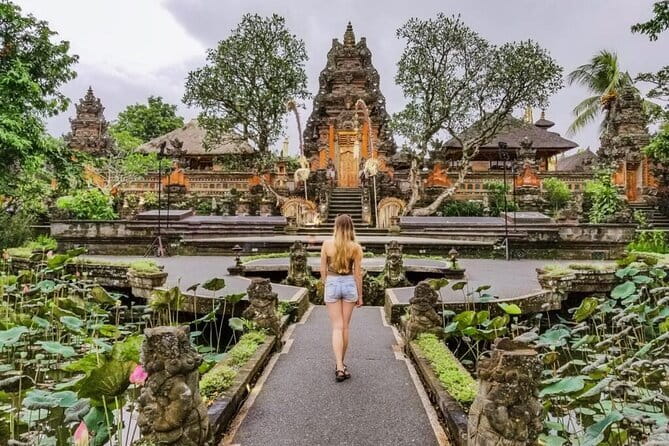
First is the Ubud Royal Palace, the historical residence of the royal family of Ubud. You’ll get to admire traditional Balinese architecture and nicely maintained gardens. The time here is about 30 minutes, which is enough to see the overall layout and appreciate details without feeling like you’re trapped inside a checklist.
Next comes the Ubud Traditional Art Market. This is where the mood changes from “heritage site” to “make-it-here” everyday craft. You’ll walk colorful stalls with handcrafted goods, including Balinese textiles, handmade jewelry, and sculptures. With about 45 minutes, it’s a good window to browse without turning it into a bargaining marathon.
One consideration: markets can tempt you into impulse buying. If you want value, set your intent before you start—pick one category you’ll actually take home (like a small textile or a single carved item). A guide can help you understand what you’re looking at, but it’s still on you to decide what’s worth carrying.
If you’re tired after the monkey forest, the palace and market time can feel like a gentle transition. You’re indoors-to-open-air, but not stuck on rough paths. It’s a nice way to reset mentally before the big outdoor views.
Happy Swing Bali: the view stop that earns its place
Then you get to Happy Swing Bali, the adrenaline moment people come to Ubud for. The idea is simple: you soar above lush rice terraces and river gorges, with views that feel wide and dramatic. The session is about 45 minutes, which is enough time for the experience without exhausting your whole energy for the rest of the day.
Here’s how I’d frame this stop for you: the swing is less about doing a sport and more about grabbing a safe, structured vantage point. Even if you’re not into thrill rides, the payoff is seeing the terrace-and-valley geography from above—something you can’t recreate from ground level.
A possible drawback is obvious: it’s height-based. If you’re nervous about swinging, heights, or holding poses in midair, this may not be your favorite part of the day. On the other hand, if you want one standout activity that’s more than a sightseeing photo, this is it.
Also, bring the attitude of a person taking photos of something happening, not just “standing somewhere pretty.” The swing creates motion, so you’ll want to be ready for quick moments when the scenery lines up.
Tegalalang Rice Terraces: where farming becomes a design

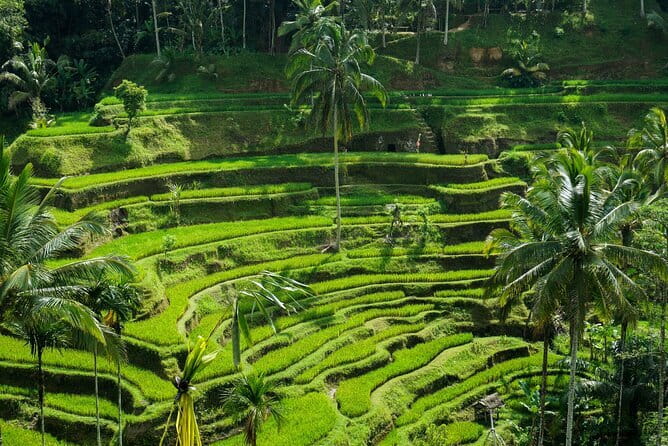
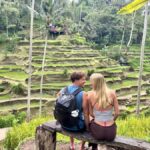
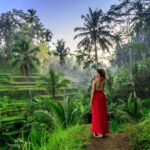
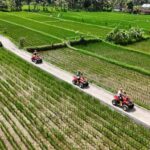
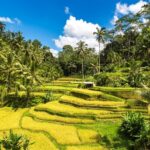
Next up is Tegalalang Rice Terrace, one of Bali’s most iconic views. You’ll spend about 45 minutes here, and what makes it special isn’t only the green geometry. It’s the fact that the terraces are engineered and actively managed.
Your guide can explain the ancient subak system, a traditional method of water management used by Balinese farmers. That detail changes how you see the terraces. Instead of thinking only about postcard lines, you start noticing how water flow and cooperative farming shaped the look of the landscape.
If you like photography, arrive mentally ready for changing light. Terraces look different as you move—closer to the edges, farther back, and at different angles. With a short time block, it helps to pick one or two viewpoints and then circle for a second perspective.
Wear something comfortable for uneven ground. Terrace edges can be slippery in spots, and you’ll likely walk on paths that don’t feel like a paved attraction area. This is where good shoes pay off again.
If you want a “Bali lesson” while still getting the famous view, this is the stop. The rice terrace is famous for a reason, but the subak context is what makes the time feel meaningful instead of just scenic.


Ulu Petanu Waterfall: cooling off without going off-route

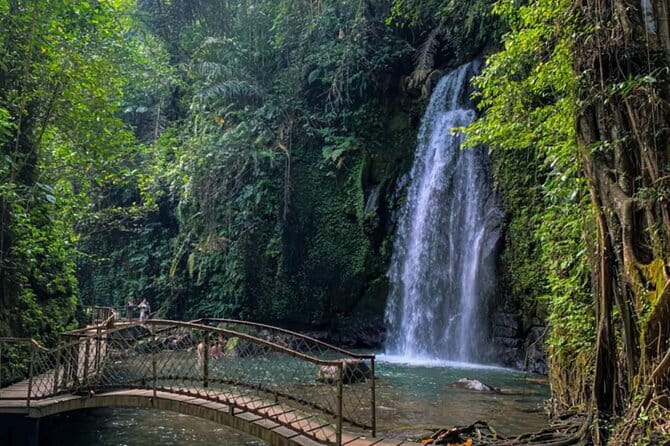
After the terraces, you head to Ulu Petanu Waterfall for a refreshing break. This stop is also about 45 minutes, and it’s designed for reset time: lush vegetation around the waterfall, the sound of water, and a crystal-clear pool area to enjoy.
I like this stop because it shifts you from viewing to feeling. In the rice terrace phase, you’re mostly looking and learning. At the waterfall, your senses catch up—cooler air, water noise, and a chance to relax your legs.
A practical note: waterfalls usually mean moisture on the ground. Again, grip matters. Even if you’re not planning to swim, you’ll likely approach the view points near the splash zone.
The “hidden” part here is that it’s quieter than the most famous roadside stops, so your time can feel more like breathing room. It’s a good contrast point right before Tirta Empul, where you switch again to a different kind of experience—spiritual and ritual-focused.
Tirta Empul Holy Spring Temple: how to handle a real purification ritual
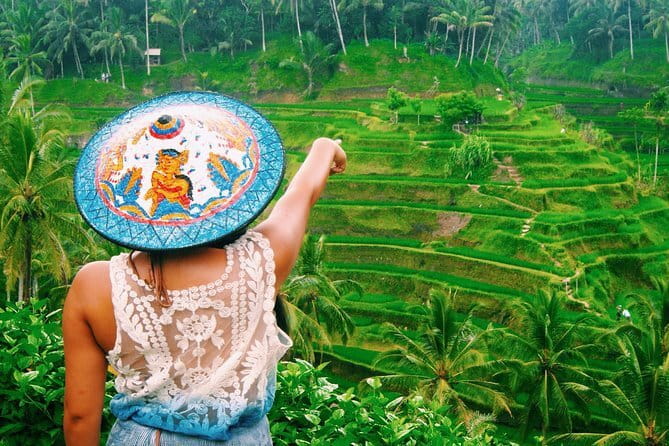
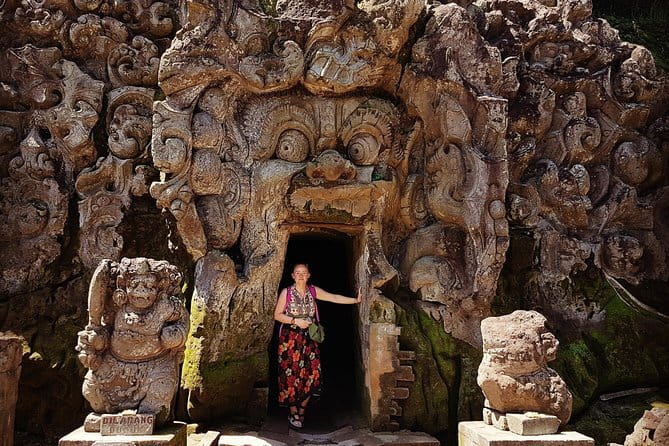
You finish at Tirta Empul Temple, known for its Holy Spring Temple purification ritual. You’ll spend about an hour here, and the key experience is the sacred springs where pilgrims cleanse themselves.
This is the part of the day that feels less like entertainment and more like participation in a living tradition. If you’re planning to join the cleansing, treat it like something earned through respect, not a performance. Watch what locals do first, and follow your guide’s cues so you’re not guessing.
Even if you don’t join the ritual, the atmosphere can be moving. You’re standing in a temple space where people come for a spiritual reason, and that changes the tone of your photos and your behavior. It’s one of those stops where quiet attention matters more than taking a hundred pictures.
A helpful way to think about Tirta Empul: it’s the “why” behind Bali spirituality. You’ve seen royal-era spaces and agricultural structure. Now you end with the element of cleansing and renewal, which gives the whole day a satisfying arc.
Price and what $128.62 buys you in real terms

At $128.62 per person for about 8 hours, the value depends on what you’d otherwise pay for. In this plan, you’re not just buying a ride—you’re getting private transport (air-conditioned), a driver as a guide, lunch and bottled water, and all fees and taxes. Several of the main admissions are covered, including Monkey Forest Sanctuary, Happy Swing Bali, Tegalalang Rice Terrace, Ulu Petanu Waterfall, and Tirta Empul.
So you’re paying for convenience plus interpretation. That’s what makes the price feel reasonable, especially if you hate the hassle of planning tickets across multiple sites. It’s also a good deal if you want a private experience without turning the day into a DIY logistics exercise.
Where the price might feel less attractive is if you’re purely chasing one or two attractions and you’d rather skip the rest. This itinerary is built as a bundle. If you like the full range—wildlife, culture, views, water, and ritual—you’ll likely feel you got your money’s worth.
One more value point: you’re not stuck with a fixed group schedule. It’s your group only, so the guide can adapt in a practical way, like taking extra photos when the light hits or adjusting small pacing moments.
Who this private Ubud tour suits best
This works well for people who want a big Ubud day without big travel stress.
- If you’re visiting for a short time and want the main hits in one run, the stop-by-stop rhythm is ideal.
- If you care about context—why the terraces are shaped the way they are, what Tirta Empul’s ritual means—having a guide in the car helps a lot.
- If you’re traveling as a family, the structure can be a plus. In at least one family experience, the service was described as organized with a child seat and clear communication, and the guide support made the day smoother.
It may not be the best fit if you want slow travel or long hangs. The time blocks are solid, but they’re not designed for “we’ll just stay here all afternoon.”
Also consider your comfort level with heights for the swing. If you’re unsure, you can still decide based on the rest of the day, because the itinerary has strong alternatives like Monkey Forest, Tegalalang, and Tirta Empul.
Should you book this Ubud all-in-one day?
If your goal is a well-rounded Ubud introduction—mixing forest wildlife, palace-and-market culture, rice-terrace views, a waterfall reset, and a sacred cleansing ritual—this is a strong choice. The biggest selling point is that it’s private, planned, and bundled with food and major admissions, so you spend your energy enjoying instead of coordinating.
I’d recommend booking if you:
- want a smooth, door-to-door day with fewer moving parts
- like having a guide to explain what you’re seeing
- are okay with a packed schedule and short stop windows
Skip it (or look for a slower option) if you:
- want lots of downtime or very long time at one sight
- dislike height-based activities like the jungle swing
Bottom line: this is a classic Ubud highlights route done in a practical, efficient way.
FAQ
How long is the Ubud tour?
The tour lasts about 8 hours.
Is pickup included?
Pickup is offered.
What’s included in the price?
All fees and taxes are included, along with lunch and bottled water. Private transportation in an air-conditioned vehicle is included, and the driver also acts as a guide.
Are entrance tickets included?
Yes. Admission tickets are included for several stops, including Sacred Monkey Forest Sanctuary, Happy Swing Bali, Tegalalang Rice Terrace, Ulu Petanu Waterfall, and Tirta Empul. Ubud Royal Palace and Ubud Traditional Art Market are listed as free admission stops.
Is this tour private?
Yes. It’s private, and only your group will participate.
Do I get a mobile ticket?
Yes, the tour includes a mobile ticket.
What should I budget for personal expenses?
Personal expenses are not included in the price.
Can I cancel for free?
Yes, free cancellation is available up to 24 hours in advance for a full refund.