One day in Ubud can feel like five different Bali trips rolled into one. This private 8-hour tour strings together the Bali Swing moment, the sacred rituals at Tirta Empul, and the classic landscape stops like Tegalalang rice terraces and Tegenungan Waterfall, with hotel pickup and drop-off handled for you. I especially like how the schedule mixes big-photo sights with cultural stops that feel grounded in daily Balinese life.
Two things I like a lot: you get a natural order to the sights (forest first, then rice views, then temples and waterfall), and the tour is private so you can match the pace to your energy. One drawback to consider: Tegenungan Waterfall and the Monkey Forest both bring you close to slippery rocks and active animals, so you’ll want solid shoes and a calm approach around monkeys.
In This Review
- Key things you’ll care about
- How the 8-Hour Ubud Day Actually Feels
- Monkey Forest: Close Encounters, Fast Rules
- Tegalalang Rice Terrace: A View That’s Worth the Walk
- Bali Swing in the Rice Fields: Fun, Not Just a Photo
- Tirta Empul: Where the Temple Is the Point
- Tegenungan Waterfall: Cooling Off in the Green
- Value and Price: What $84 Buys You (and What It Doesn’t)
- Your Guide Makes the Day: Eka, Agung, Adhi, Balon
- What to Bring So the Day Doesn’t Beat You
- Who This Tour Fits Best (and Who Might Want Another Plan)
- Should You Book This All Inclusive Ubud Private Day Tour?
- FAQ
- What’s the duration of the All Inclusive Ubud Private Day Tour?
- Where can I be picked up and dropped off?
- Is this tour private, and is the guide in English?
- What’s included in the price?
- Can I take a bath at Tegenungan Waterfall?
- Is Bali Swing included, and what should I bring?
Key things you’ll care about
- Private transport keeps transit from eating your whole day
- Bali Swing ticket included so you’re not hunting for extras
- Tirta Empul’s holy spring makes the temple stop more than just sightseeing
- Photo-friendly timing at Monkey Forest and Tegalalang helps you get better shots
- Your guide can adjust which stops you spend longer on
How the 8-Hour Ubud Day Actually Feels
This is a full, concentrated day that fits a lot without feeling like a frantic mash-up—mostly because it’s built around nearby Ubud-area highlights. You’ll start with pickup from your side of the Ubud region (options include Badung Regency, Ubud, and Gianyar) and finish back in the same general area with drop-off options at Ubud, Gianyar, or Badung Regency.
The “private” part matters more than you might think. In practice, it means you’re not stuck with someone else’s schedule. If you want more time for photos at Tegalalang Rice Terrace or you’d rather move a bit faster through the Monkey Forest, you can usually do that. The tour also runs with an English-speaking live guide, which makes a difference at places like Tirta Empul, where the meaning behind what you’re seeing is the point.
Weather is the other reality check. Bali can shift quickly—sun, clouds, and sudden rain—so build in a flexible attitude. The tour includes bottled water, but you’ll still want your own sun gear and a hat, because you’ll be outside for long stretches.
You can also read our reviews of more tours and experiences in Ubud.


Monkey Forest: Close Encounters, Fast Rules
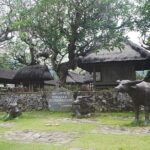
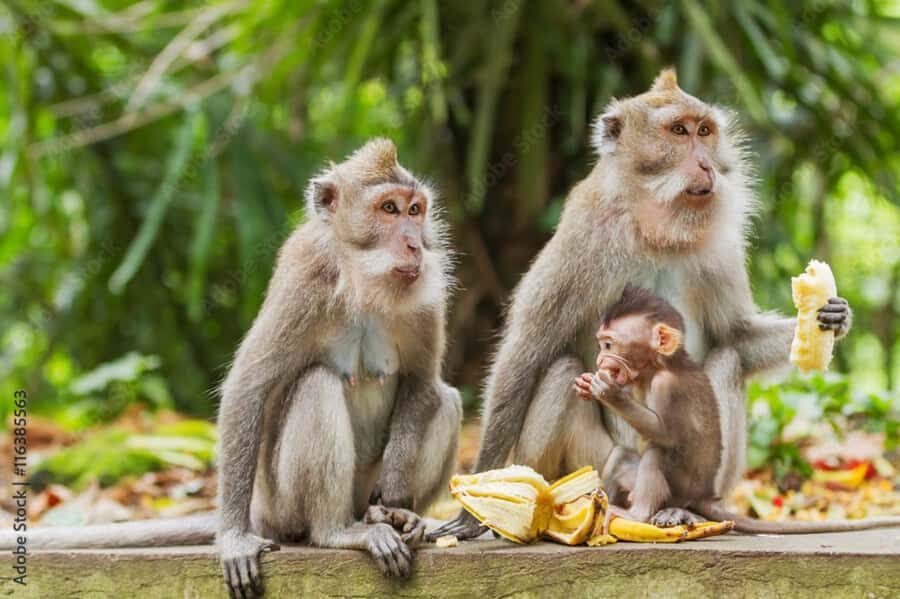
The day starts at the Ubud Monkey Forest Sanctuary, a small rainforest home to long-tailed macaques and other tropical animals. Expect the scene to feel alive right away: monkeys moving in trees overhead, others hanging out near paths, and people all trying to get the perfect shot.
Here’s the part I think you should take seriously: this is wildlife in an active habitat, not a zoo. Keep your eyes on where you place your hands and your bag. If you bring food or anything tempting, you’ll make the monkeys’ day easier than yours. Your guide will help you follow the local rules, and it’s worth listening closely before you start wandering.
You’ll get about an hour here. That’s enough time to see the main areas without turning it into a marathon. If you like photos, go slow at the start—early in the hour you usually get calmer moments before the crowd momentum grows.
Practical tip: wear shoes you trust. Paths can be slick, and your attention will split between watching monkeys and stepping carefully.
Tegalalang Rice Terrace: A View That’s Worth the Walk
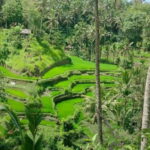
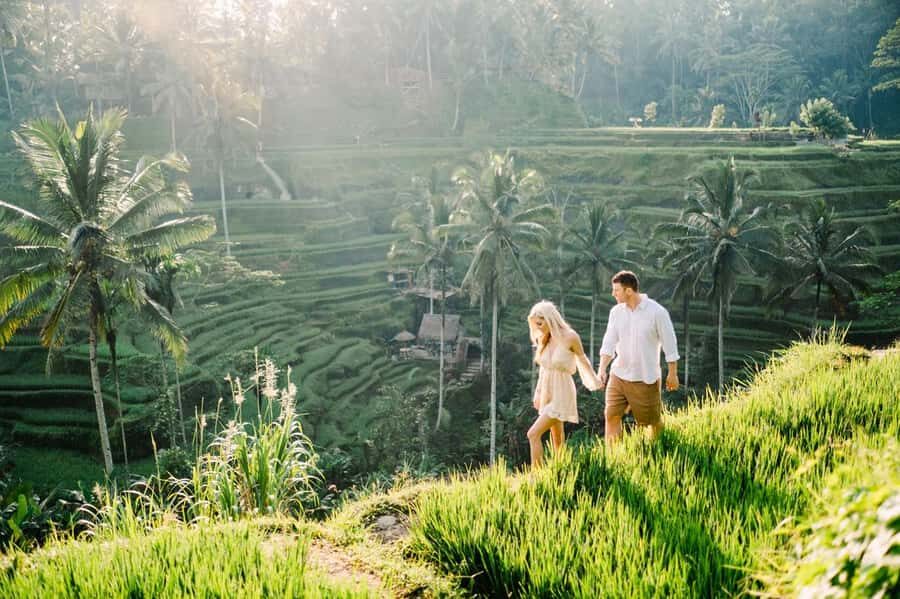
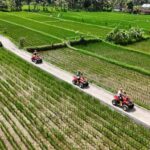
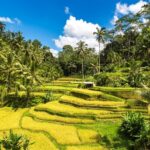
Next up is Tegalalang Rice Terrace, a UNESCO World Heritage Site and one of Bali’s most recognizable rice landscapes. This is the stop that tends to turn “I’ve seen photos of rice terraces” into “Okay, now I get why people come.”
You’ll have around an hour to explore. I like this time window because it lets you enjoy different viewpoints without feeling like you must race. The terraces create layers—so even if you don’t walk the farthest routes, you still get depth in your photos.
One practical note: the area is popular and the ground can be uneven. Bring a hat and sunscreen, because the views pull you into open sun. If the light turns flat due to clouds, don’t panic—rice fields still photograph well, and you’ll get better results by changing angles and waiting a minute rather than rushing.
This is also a great place for a calm “breather stop.” You’ll feel your brain slow down. Standing here makes it easier to understand why Ubud has long been associated with nature, craft, and spirituality.
Bali Swing in the Rice Fields: Fun, Not Just a Photo

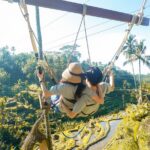
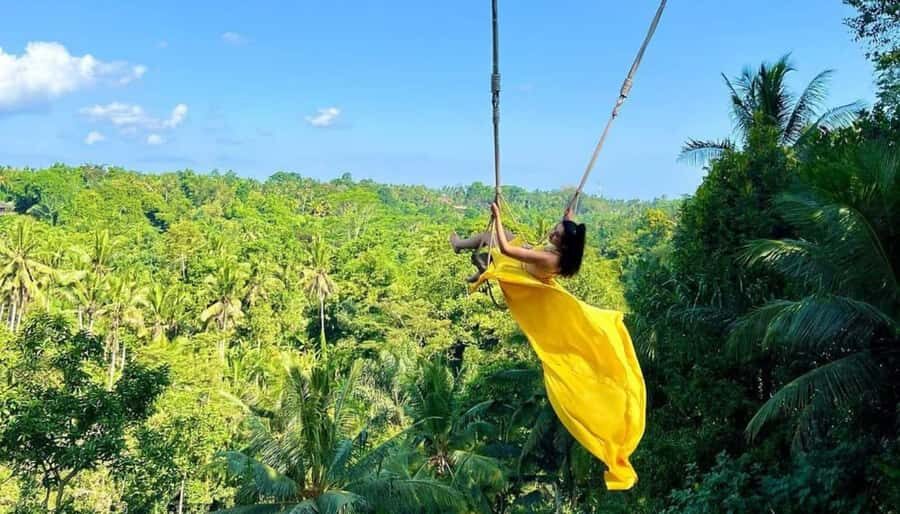
Then comes the Bali Swing—the classic swing-in-the-rice-fields moment that you might’ve seen online more times than you can count. The basic idea is simple: you get strapped into a swing and enjoy the view while the breeze moves through the area.
What makes it work on a real day is the setting. You’re swinging with the landscape in front of you and river sounds in the background, which makes it feel less like a studio prop and more like an actual break in the day.
The ticket for the swing is included, so you’re not adding another payment step once you arrive. That’s a real value point, because Bali days can add up fast with small “optional” extras.
You should still go in with a realistic mindset:
- Wear clothes/shoes that can handle a bit of outdoor mess.
- Expect to wait your turn if others are participating.
- Listen to safety instructions and don’t rush the process.
Also, this tour is not marketed for everyone physically. It’s listed as not suitable for people with back problems and not suitable for wheelchair users, and that matters especially for an activity like a swing where your body needs to bend and hold steady.
If you’re fine with heights and want the classic Ubud photo moment, this stop is usually money well spent.
Tirta Empul: Where the Temple Is the Point
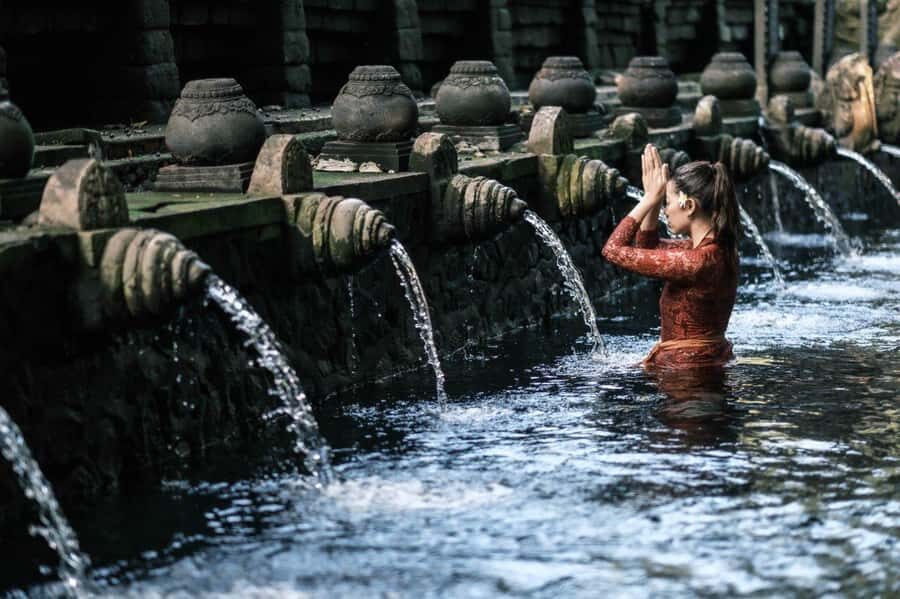
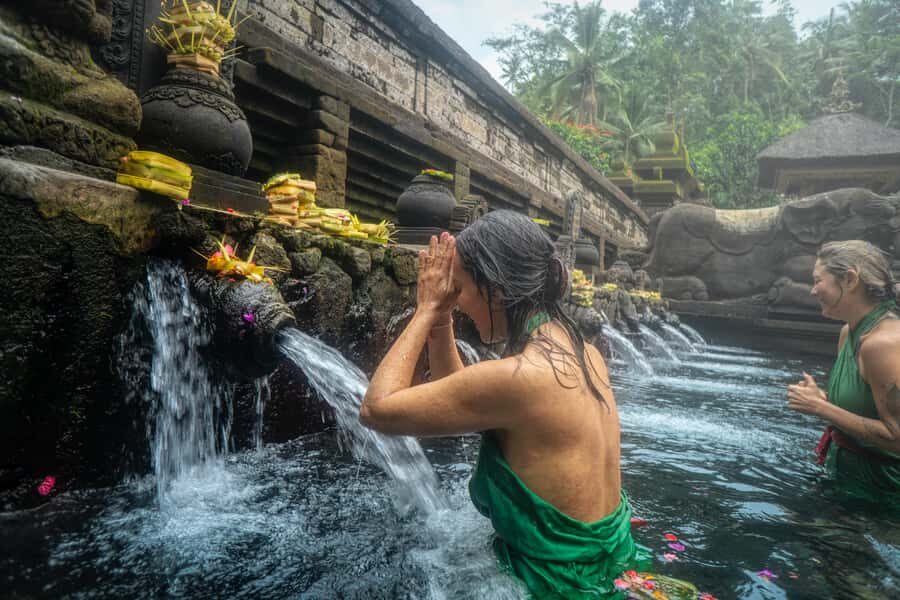
After the landscapes and the swing, you head to Tirta Empul Temple, built around a sacred spring at Tampak Siring. This is one of those places where you shouldn’t treat it like a quick photo stop, because the rituals are the story.
Tirta Empul is tied to Hindu tradition that stretches back more than a thousand years. The spring water is considered sacred and said to have curative properties, and people come for good health and prosperity. What you see there today continues the bathing-practice tradition at the temple’s two bathing places.
You’ll spend about an hour at the site. That’s enough time to understand what’s happening, watch respectfully, and take in the atmosphere without feeling rushed.
Cultural etiquette matters here. Keep your behavior calm, avoid blocking ritual areas, and follow your guide’s directions on where to stand and when it’s appropriate to move. If you’re curious about the meaning behind what people are doing, this is where the English-speaking guide really pays off.
If you want to feel that Ubud is more than scenery, this is the stop that tends to deliver.


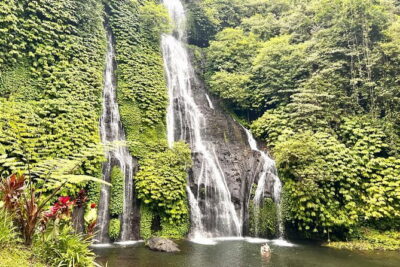
Tegenungan Waterfall: Cooling Off in the Green
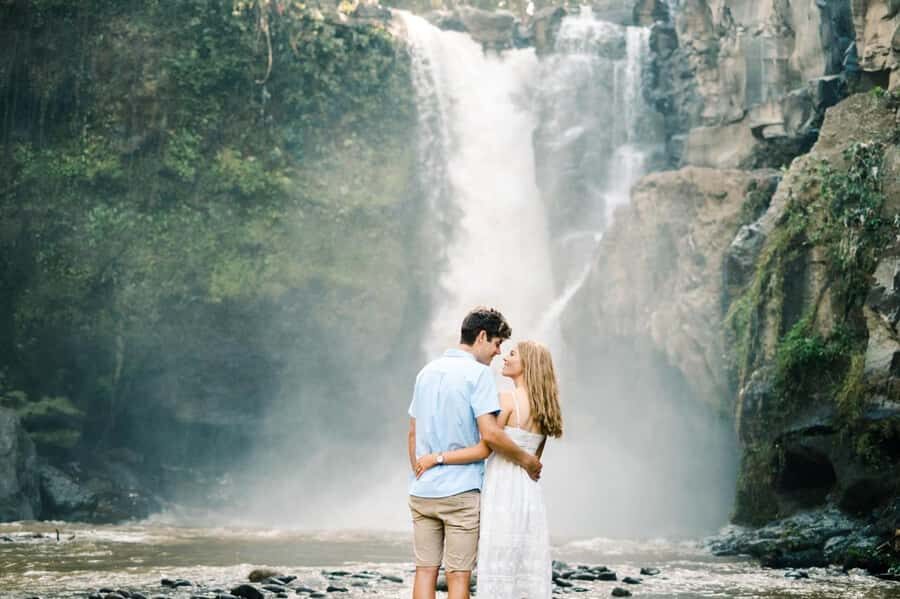
Finish the day at Tegenungan Waterfall, one of Bali’s waterfalls that isn’t positioned in the highlands or mountains. That detail matters because it tends to feel more accessible as a day-ender.
You’ll have time here for photos, and the tour notes that you can even take a bath. The practical version of that: be prepared for wet ground, spray, and the reality that stones can be slippery. If you’re not comfortable with that, enjoy the falls from safer viewing areas and just soak up the atmosphere with your camera.
This stop is also a natural reset. After temples and rice views, your body craves air and motion—and waterfall mist does that fast. The setting is lush and green, and the “soundtrack” of moving water makes it feel like your day actually ended on something memorable.
Wear shoes that handle water and traction. A hat helps too, because you’ll still be outside even if it’s damp.
Value and Price: What $84 Buys You (and What It Doesn’t)
At $84 per person for an 8-hour private day, the value comes from three things bundled together:
- Hotel pickup and drop-off
- Private transportation
- Entrance fees and the Bali Swing ticket
Many Bali day trips look cheap until you add swing tickets, temple entrance fees, and transport. Here, those key costs are handled up front. You also get bottled water, which is small, but in practice it saves you time and hassle.
What’s not included is personal spending—so if you want extra snacks, souvenirs, or optional upgrades, you’ll pay for those separately.
One more value angle: this is built as a private experience, which makes it easier to adjust the pacing. In the real world, that can be the difference between seeing everything briefly and actually enjoying the moments.
From the way the guides describe flexibility, it sounds like you can sometimes add extra stops if you want. One example mentioned is an added coffee plantation stop being worth it if you’re in the mood for something slow and local.
Your Guide Makes the Day: Eka, Agung, Adhi, Balon
The consistent theme in the guide feedback is not just friendliness—it’s real support and organization. Different guides show up (names you might see include Eka, Agung, Adhi, and Balon), but the style is similar: personable, prepared, and quick to adapt.
Here’s what I’d treat as a practical benefit:
- Guides like Agung and Adhi are described as sharing insights into Balinese culture and traditions in a way that keeps the day from feeling like a checklist.
- Adhi is specifically praised for photography skills, which matters if you’re doing a swing-and-terrace day where your best shots depend on timing.
- Balon is praised for prompt pickup and letting you tweak the itinerary—useful if you’d rather skip a stop or spend longer where you personally care.
If you care about understanding what you’re seeing (especially at Tirta Empul), choose a guide who explains as you go. If you mainly care about photos and timing, ask how they handle photo moments at Tegalalang and the swing setup.
This tour is English-guided, so if you don’t want to piece meaning together on your own, that’s a big plus.
What to Bring So the Day Doesn’t Beat You
This is an outdoor day. Even with private transport, you’ll still walk, stand, and move between attractions. Bring:
- Comfortable shoes (traction matters)
- Hat and sunscreen (rice terraces and waterfall areas can be bright)
- Camera (you’ll want it at Monkey Forest, Tegalalang, and the swing)
- Water (bottled water is included, but you’ll still appreciate extra capacity)
Also, plan for varying weather conditions. Bring a lightweight layer if you tend to get chilly when rain cools things off.
One rule to remember: smoking isn’t allowed during the tour.
Who This Tour Fits Best (and Who Might Want Another Plan)
This day works best if you want a one-stop overview of Ubud’s most famous nature-and-culture highlights. It’s especially good for:
- Couples and small groups who like private pacing
- People who want both the big-photo spots (swing, terraces, waterfall) and at least one spiritual anchor (Tirta Empul)
- Travelers who prefer having entrances, transport, and timing handled
It’s not suitable for:
- Pregnant women
- People with back problems
- Wheelchair users
That’s not me guessing—that’s clearly listed as a limitation. If any of those apply to you, you’ll be happier with a different plan that avoids physically demanding stops and uneven walking.
Should You Book This All Inclusive Ubud Private Day Tour?
If your goal is a classic Ubud day—Monkey Forest, Tegalalang, Bali Swing, Tirta Empul, and Tegenungan Waterfall—this is a solid choice. The price is reasonable for a private format, and the fact that entrance fees and the swing ticket are included keeps the day from turning into surprise add-ons.
I’d especially recommend booking if:
- You want an organized route without bouncing around on your own
- You care about cultural context at temples, not just photos
- You like the idea of being able to adjust the pace with your guide
I’d think twice if:
- You’re sensitive to heights or rough footing (the swing and waterfall can involve tricky ground)
- Your comfort needs make wildlife areas and outdoor walking stressful
If you want Ubud to feel like a full day with real variety—not just one or two crowded stops—this itinerary hits the right mix.
FAQ
What’s the duration of the All Inclusive Ubud Private Day Tour?
The tour lasts 8 hours.
Where can I be picked up and dropped off?
Pickup options include Badung Regency, Ubud, and Gianyar. Drop-off options include Ubud, Gianyar, and Badung Regency.
Is this tour private, and is the guide in English?
Yes, it’s a private group experience with a live tour guide in English.
What’s included in the price?
Hotel pickup and drop-off, private transportation, entrance fees, a jungle swing ticket, and bottled water are included.
Can I take a bath at Tegenungan Waterfall?
The tour description says you can take a bath at Tegenungan Waterfall.
Is Bali Swing included, and what should I bring?
The jungle swing ticket is included. Bring comfortable shoes, a hat, a camera, sunscreen, and water.