Balinese cooking can feel like a story you can taste. This class in Ubud blends farm-fresh ingredients with hands-on methods like lesung spice grinding, all in a small group setting. If you want food plus culture without a long, confusing day, this hits a sweet spot.
I love the practical pace and the clear food work: choosing your menu, then chopping and pounding spices the Balinese way. I also like the built-in cultural stops, including a visit to a typical home and, on the morning departure, a real market run to pick up spices.
One consideration: the experience requires good weather, and since you’ll be in the countryside area west of Ubud, you’ll want to bring a light layer and keep your plans flexible if conditions shift.
In This Review
- Key highlights you’ll remember
- West-side Ubud countryside: the setting that changes the day
- Morning market and spice buying: why it’s worth choosing the AM
- Visiting a typical Balinese home: culture beyond the kitchen
- Farm walk and spice harvesting: the ingredients get a head start
- Cooking lesson basics: lesung pounding, banana-leaf cooking, and menu choice
- What you actually handle
- Lunch is included: plan your appetite for real food work
- Transfers, timing, and small-group energy
- The people factor: names that come up in real feedback
- Price and value: what $49 buys you in Ubud
- Who should book this cooking class
- Should you book? My practical take
- FAQ
- Where does the cooking class take place?
- How long is the experience?
- Is pickup and drop-off included?
- What’s included in the price?
- Is there a vegetarian menu option?
- Do I get a recipe to take home?
- Is it a small group?
- What does the morning class include?
- Is mobile ticketing available?
- What if the weather is bad?
Key highlights you’ll remember
- Small group (max 15) means more attention during the cooking steps
- Morning market option adds spice shopping and a lively start
- Farm harvest so the ingredients you use aren’t just sitting in a kitchen
- Lesung (mortar and pestle) technique for grinding classic Balinese spice pastes
- Menu choice, including vegetarian so you can match the class to your preferences
- Recipe PDF to help you repeat dishes later at home
West-side Ubud countryside: the setting that changes the day
This cooking class is based on the west side of Ubud, in a countryside-style area surrounded by greenery. That matters more than you might think. Ubud can be traffic-heavy, and a lot of tours feel rushed right after pickup. Here, the route and the setting make it easier to slow down and focus on what you’re doing: learning cooking techniques, not just following steps.
Transfers are included for the Ubud area, and you’ll use an air-conditioned vehicle. If you’re staying outside Ubud, there are extra per-car fees listed for Sanur, Kuta/Seminyak/Canggu, Nusa Dua/Jimbaran, and Uluwatu. It’s not a deal-breaker, but it does affect value—so calculate it based on where you’re starting.
The class length is about 5 hours, which is a nice size for a hands-on activity. Long enough for a full menu, short enough that you still get your afternoon back to explore Ubud on your own.
You can also read our reviews of more tours and experiences in Ubud.



Morning market and spice buying: why it’s worth choosing the AM
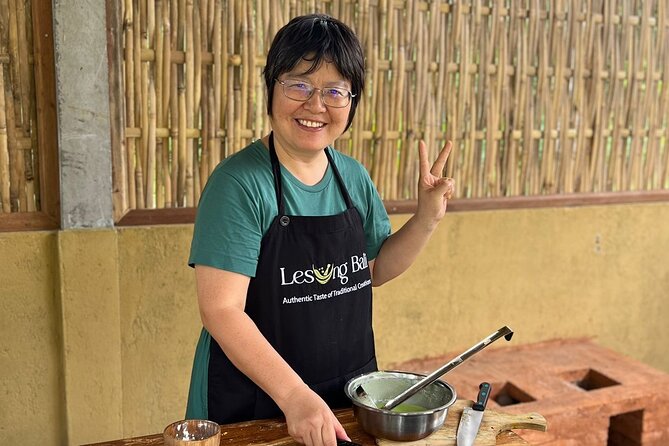
If you can book the morning class, it’s the more energetic option. Your day typically starts with a traditional market visit where you can buy spices from local stalls. This isn’t just a photo stop. It helps you connect the flavors you’ll cook with to what you actually see and smell at the source.
For first-time visitors, this is one of the easiest ways to understand Balinese cooking. You’ll notice that spices aren’t treated like a single ingredient. They’re a system—ground, blended, and repeated across different dishes. Seeing the spice world upfront makes the later “what goes where” part of the lesson easier.
If you’re the type who likes to return home with something practical, spice buying is a strong souvenir. You won’t just buy packaged flavor. You’ll understand the function of spices, so you can use them again later instead of letting them sit in a cupboard.
Visiting a typical Balinese home: culture beyond the kitchen
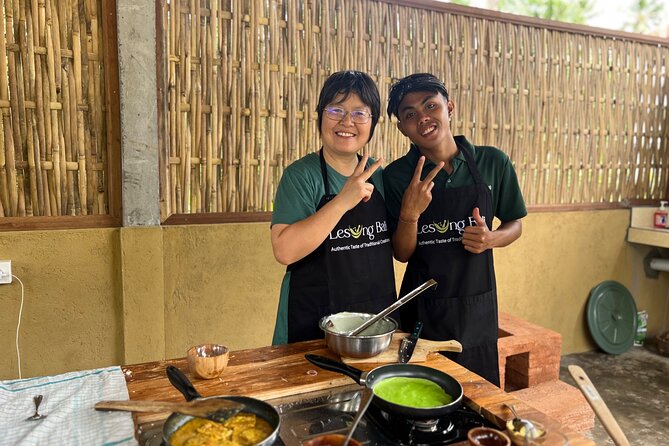
After the market (morning only), you’ll go to a local home to see and learn about Balinese culture and daily life, including how houses are placed. The home stop is more than a quick walk-through. You’re there to understand the setting and the way people live, not just to watch something staged for tourists.
One of the memorable elements from people’s experiences is that ceremonies can be happening on the day of the visit. In one case, the home visit coincided with a ceremony for Gusti’s baby’s one-month birthday according to the Balinese calendar. That’s a powerful reminder that Balinese life isn’t “background culture.” It’s active, lived, and scheduled around meaningful moments.
You should expect this portion to feel more personal and less scripted than some cultural stops. If you enjoy asking questions about everyday customs, this is a good moment for it.
Farm walk and spice harvesting: the ingredients get a head start
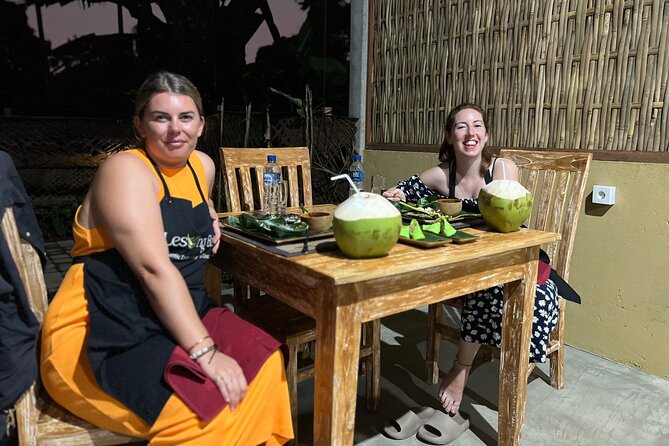
Next comes the farm, and this is where the class starts to feel truly hands-on. You’ll explore the farm and harvest the spices that you’ll use during the cooking lesson. That single step changes the entire tone of the activity. Instead of learning with store-bought spices already processed for you, you’re working with ingredients that are fresher and more directly connected to the dishes.
You’ll also pick up a better sense of how Balinese spice blends are built. Many cooking classes focus on the final dish. Here, you’re tracing flavor back to the raw materials, which makes the technique instruction more meaningful.
The farm section is also a great reset for your senses. It’s calmer than the market, and it gives you a break before the cooking gets practical with pounding, chopping, and assembling.
Cooking lesson basics: lesung pounding, banana-leaf cooking, and menu choice
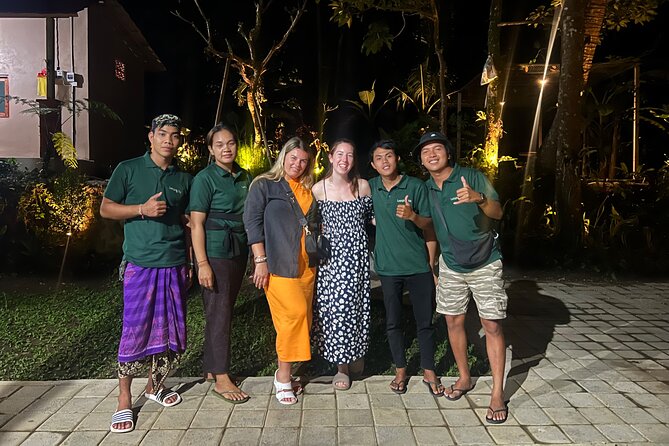
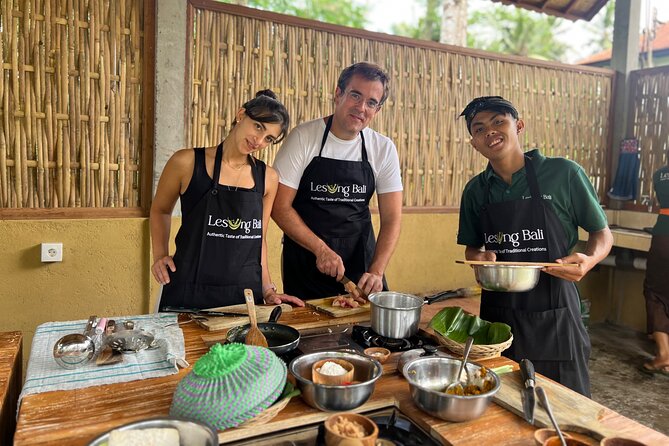
The cooking part is built around classic Balinese methods. You’ll learn techniques like chopping and pounding spices using lesung (mortar and pestle). This is where the class earns its name. If you’ve ever tried grinding spices in a blender at home, you know the texture won’t be the same. With lesung, you get a paste-like consistency that helps blends stick and cook evenly.
The chef also explains how to cook for your selected menu: what ingredients you’ll use and what else is needed to prepare the dishes. You’re not just watching a performance. You’re learning the workflow and the “why” behind the steps that matter.
Menu choice is part of the experience. The class offers variety, including vegetarian options as well as regular menu choices. You can usually choose during the class, so it’s easier to adapt if your preferences shift once you see what’s available.
You’ll also prepare food using banana leaves. That shows up in the way dishes are wrapped and handled. Again, it’s not just for aesthetics. Banana leaves influence how food is packaged and served, and they fit Balinese cooking traditions.



What you actually handle
To make this more than a sit-and-watch class, you get the tools and support you need:
- cooking utensils
- an apron
- cooking instruction from the Balinese chef
You’ll also get bottled water, and coffee and/or tea is included with the meal portion.
Lunch is included: plan your appetite for real food work
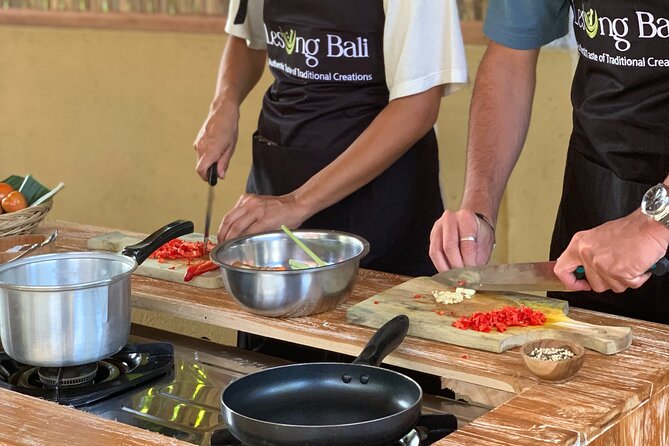
Lunch comes as part of the package, and that’s a big reason this class feels like good value. You’re using your hands for a full morning or late morning, so you’ll be ready to eat. And because you’ve helped prepare the food, lunch isn’t a separate, random restaurant experience.
Expect your meal to reflect the dishes from your chosen menu, not generic offerings. This is the point of the lesson. You cook, you taste, and you start connecting ingredient decisions to final results.
Also, ask for the recipe PDF when it’s time. Having a written guide matters if you want to recreate the dishes later. Many cooking classes provide recipes in passing. Here, the recipe (PDF) is included, which makes it easier to keep your notes organized.
Transfers, timing, and small-group energy
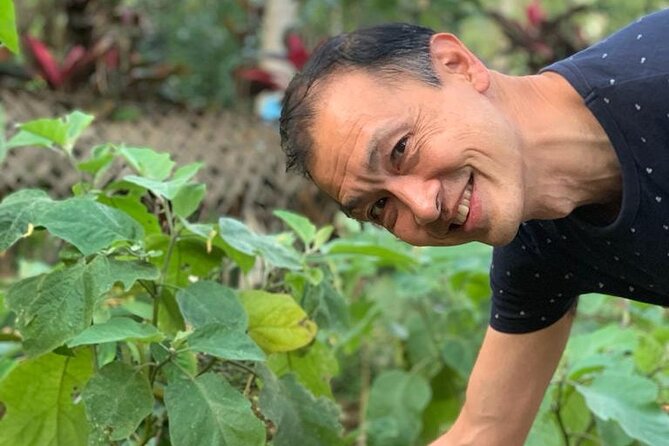
A lot of Bali tours try to squeeze too many people into one van. This one keeps the group capped at 15 travelers maximum. In practice, that usually means you get more attention during the steps that require careful handwork—especially spice grinding, portioning, and timing while cooking.
Pickup and drop-off are included for the Ubud area. That’s a quiet win. You don’t have to figure out transport logistics while also trying to shop, pack, and plan a day.
The class also offers choice of departure times, so you can fit it around your other Ubud plans. If you want to pair it with temple visits later, the morning slot works well. If you prefer a slower start, afternoon timing lets you grab breakfast first and still enjoy the full lesson.
The people factor: names that come up in real feedback
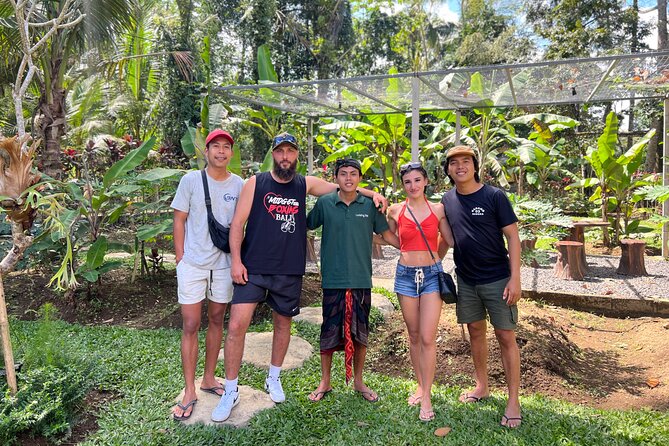
What makes this class feel personal is the human touch—especially the driver and chef/teacher.
In multiple experiences, teacher Putri is specifically praised for being a delight. That suggests the cooking instruction is warm, clear, and supportive, not rigid or rushed.
Drivers also stand out. One highlight is meeting Ron, described as the highlight of the visit for a birthday trip. Another account praises a driver who was pleasant, answered questions about local culture, and even made a stop at a request. That’s useful, because it turns transport into part of your experience rather than dead time.
If you care about communication—asking questions about daily life, food, or how Balinese routines work—this kind of driver/guide interaction adds real value.
Price and value: what $49 buys you in Ubud
At $49.00 per person for about 5 hours, the price becomes reasonable when you break down what’s included:
- pickup and drop-off in the Ubud area
- lunch
- bottled water
- coffee and/or tea
- air-conditioned vehicle
- recipe PDF
- cooking utensils and apron
A plain cooking class might charge similarly but leave out one of the big pieces: transport, a full meal, or a proper recipe. Here, you get the full package. The added cost is mainly if you’re outside the included pickup zone, since there are extra per-car fees for other areas like Sanur or Kuta/Seminyak/Canggu.
For most visitors in Ubud, it’s a solid deal because you’re paying for a complete learning day, not just instruction.
Group discounts are listed too, which can help if you’re traveling with friends or your family group wants to book the same class time.
Who should book this cooking class
This is a great fit if you:
- want a hands-on Balinese cooking experience, not a casual tasting
- like food plus culture, including a home visit and market stop
- enjoy learning spice techniques like lesung grinding
- want a vegetarian option without giving up the full class format
- prefer a small group (max 15) for better attention
It may be less ideal if you:
- hate countryside drives or don’t like being away from the main Ubud core for several hours
- need a completely weather-proof plan, since good weather is required
- are staying far outside Ubud and don’t want the extra transport fees
Should you book? My practical take
If you’re trying to choose one Balinese food activity, I’d lean toward booking this one. The combination of farm harvesting, a market option in the morning, and serious technique teaching makes the experience feel connected. You’re not just collecting dishes to try. You’re learning how the flavor system works.
Book it if you want to take home more than a souvenir plate. The recipe PDF, plus the spice technique training, gives you a real shot at repeating it later.
One final tip: if you’re booking, decide between the morning and later departures based on your energy. The morning class adds the market and usually feels busier in the best way. The later slot still gives you the farm harvest and cooking lesson, just with a calmer start.
FAQ
Where does the cooking class take place?
The class is located on the west side of Ubud, in an area surrounded by green, countryside atmosphere.
How long is the experience?
It runs for about 5 hours.
Is pickup and drop-off included?
Yes, pickup and drop-off are included for the Ubud area. Extra per-car fees apply for Sanur, Kuta/Seminyak/Canggu, Nusa Dua and Jimbaran, and Uluwatu.
What’s included in the price?
Included items are pick up and drop off in the Ubud area, lunch, bottled water, coffee and/or tea, air-conditioned vehicle, a recipe PDF, cooking utensils, and an apron.
Is there a vegetarian menu option?
Yes. There is variety, including both vegetarian and regular menu options, and you can choose during the class.
Do I get a recipe to take home?
Yes. You receive a recipe in PDF format.
Is it a small group?
Yes. The experience has a maximum of 15 travelers.
What does the morning class include?
The morning class includes a visit to a traditional market where you can buy spices, plus a visit to a local house and then the farm cooking activity.
Is mobile ticketing available?
Yes. The tour includes a mobile ticket.
What if the weather is bad?
The experience requires good weather. If it’s canceled due to poor weather, you’ll be offered a different date or a full refund.