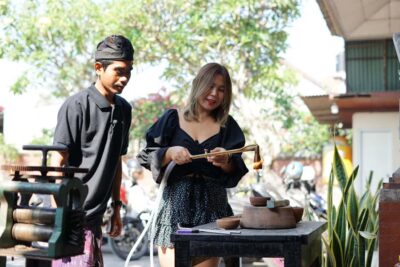
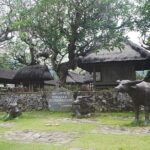
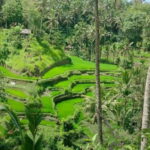
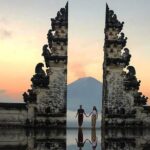
A ticket to ARMA in Ubud is a simple win. I like that you get guaranteed admission and don’t have to wait on a group schedule, so you can drift through Balinese and Indonesian art your way. The free hot drink (coffee or tea) is a nice little bonus when you’re working your way through an art-focused afternoon.
I also like that ARMA is more than static paintings behind glass. It’s a working visual and performing arts center, so you can catch art and culture in different formats—plus there’s a bookshop, library, and reading room to slow down. One thing to consider: this is mostly self-directed time inside the museum spaces, so if you’re looking for a guided “story from start to finish” experience, you may need to lean on what’s available on the day.
In This Review
- Key Things to Know Before You Go
- ARMA Museum in Ubud: Quick Entry, No Group Drag
- Why ARMA Feels Like a Cultural Center, Not a One-Room Museum
- What You’ll See: Batik Paintings to Contemporary Art
- How Long Should You Plan? 30 Minutes to 2 Hours That Actually Fits Ubud
- Performances, Classes, and Workshops: The Live Side of ARMA
- More Than Galleries: Bookshop, Library, and Reading Room
- The On-Site Restaurant: A Good Way to Extend the Afternoon
- Price and Value: What $9.38 Buys You (Plus Coffee or Tea)
- Who ARMA in Ubud Suits Best
- Should You Book ARMA Museum Tickets in Advance?
- FAQ
- How long does the ARMA museum visit take?
- Where is the ARMA museum located?
- How much does the admission cost?
- Is coffee or tea included?
- Can I explore at my own pace?
- What is not included with the ticket?
- Will I receive confirmation after booking?
- Is the experience run with a guide?
- How many people is the experience limited to?
- What is the cancellation policy?
Key Things to Know Before You Go
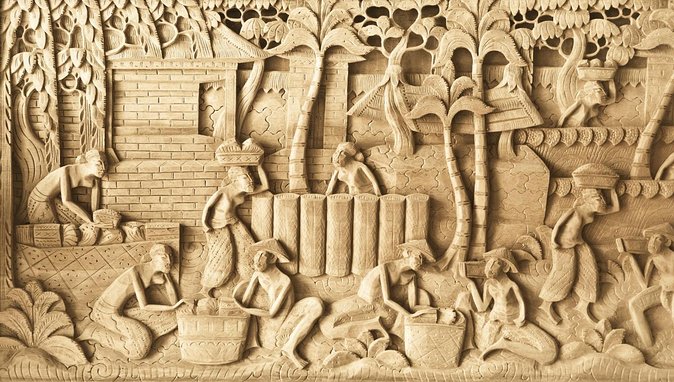
- Guaranteed entry means less line time and more art time in Ubud
- Self-paced visit so you can linger where you feel like lingering
- Coffee or tea included when you redeem your ticket
- More than a gallery: paintings, temporary exhibitions, and a cultural program area
- On-site cultural spaces like the bookshop, library, and reading room help you extend the visit
- Small-ish group cap (up to 100) keeps things from feeling totally chaotic
ARMA Museum in Ubud: Quick Entry, No Group Drag
The big practical value here is simple: you secure your admission ticket in advance, which helps you avoid the “stand around waiting” part of museum time. In Ubud, where your day can fill up fast, that matters. Instead of losing energy to lines, you can go straight into the museum atmosphere and start looking at art.
This experience is also designed for flexibility. Your visit can run from about 30 minutes to around 2 hours, depending on your pace and what catches your eye. That range is great if you’re doing Ubud in layers—maybe a morning temple stop, then art in the afternoon, then dinner.
Price-wise, $9.38 per person is pretty approachable for a museum ticket, especially with the included coffee or tea. I see this as a good “low-friction” cultural stop: you’re paying for entry plus time saved, not for a fancy add-on experience.
You can also read our reviews of more tours and experiences in Ubud.



Why ARMA Feels Like a Cultural Center, Not a One-Room Museum
I love the way ARMA is described as more than a museum, because the place functions like a broader arts hub. Yes, you’re there for art, but you’re also stepping into a venue that supports visual and performing arts as part of its mission.
The museum’s identity is tied to Balinese and Indonesian culture, with an international-minded goal. In plain terms: it’s not trying to feel like a generic art warehouse. It leans into local culture and the styles that grew in the region—so even if you’re not an art expert, you can still connect to what you see.
And if you’re the type who gets antsy when a museum is too quiet and too slow, this matters. ARMA includes spaces for cultural workshops and programs, plus it hosts performances and classes. Even when those activities aren’t happening at the exact moment you arrive, the structure of the place signals that this is an active arts environment.
What You’ll See: Batik Paintings to Contemporary Art
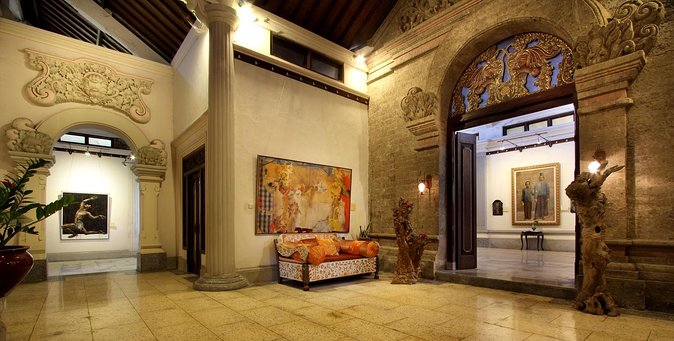
Your ticket gets you access to the permanent collection, which is where you’ll likely spend most of your time. The museum collection spans traditional Batik paintings and moves into contemporary works, so it’s not all one style.
That mix is a big deal for first-timers. If you only like one era or one look, it can be tough to choose a museum. ARMA gives you enough variety that you can match your mood on the day:
- Want something traditional and pattern-rich? Start with the Batik-related works.
- Want to understand how styles evolve? Look for contemporary pieces and notice the shifts in theme and technique.
- Want a balanced feel? Spend a little time in both and compare what changes.
There are also temporary exhibitions, which means your visit might include special displays alongside the permanent collection. That’s a nice reason to come even if you’ve seen other Indonesian art museums before—you’re not guaranteed the same exact mix every time.
How Long Should You Plan? 30 Minutes to 2 Hours That Actually Fits Ubud
The duration window—about 30 minutes up to roughly 2 hours—isn’t just a random estimate. It matches the way ARMA works. You can do it in a quick, focused pass, or you can slow way down and turn it into a whole mini-afternoon.
Here’s a practical way to think about it:
- If you only have 30–45 minutes: prioritize the permanent collection rooms first, then pop into any temporary exhibition areas that look easiest to reach.
- If you have 1–2 hours: add time for lingering. Take breaks. Read label text at a comfortable pace. And don’t ignore the museum spaces beyond the main display areas—ARMA has more going on than just paintings.
The key is to treat it like a choose-your-own-route museum. Because this is self-paced, you don’t have to worry about keeping up with anyone. You can go back to a piece you liked. You can skip a room if it doesn’t grab you. That freedom makes the time feel shorter—in a good way.
Performances, Classes, and Workshops: The Live Side of ARMA
ARMA isn’t only about art you look at; it’s also about art you experience. The site supports theatre performances, dance, music, and painting classes, plus cultural workshops and other training-style programs.
Now, a reality check: your ticket doesn’t guarantee that a specific performance or class will be happening at the exact time you walk in. But knowing ARMA operates in that “live arts” way helps you get more out of the visit. If you see any on-site activity running, it’s worth factoring that into your time.
If you’re an arts-minded traveler, I’d use the visit like this:
1) Do a base pass through the art galleries first.
2) Then, if you spot a program area with activity, shift your attention.
3) Let the museum’s schedule shape the ending.
This is also the kind of place where a short performance or workshop can change how you understand what you’re seeing. Watching or hearing the cultural side helps make the visual art feel less like an artifact and more like something alive.






More Than Galleries: Bookshop, Library, and Reading Room
I like museums that let you move at different speeds, and ARMA includes quiet spaces built for lingering. Beyond galleries, you’ll find a bookshop, a library, and a reading room.
That sounds small on paper, but it changes your experience. If you’re the type who likes to read a bit after you look, you can translate what you saw into context. If you’re traveling with someone who doesn’t want to spend two straight hours staring at art, these areas give you a calmer option inside the same ticket.
The reading room setup also makes ARMA feel less like a checklist stop. It can turn into a reset moment in the middle of a busy Ubud day—especially if you’ve been doing lots of walking and temples.
The On-Site Restaurant: A Good Way to Extend the Afternoon
One highlight from a top-rated comment is that ARMA isn’t just a museum—it also feels like a place with a restaurant you can enjoy. That matters in real life. You’re less likely to scramble for food right after you finish looking at art.
I treat this as an advantage for planning: you can pair your museum time with an easy meal without building an extra transport puzzle. It’s also a natural way to slow down your schedule and avoid the “rush from place to place” rhythm that drains the day.
And since the same comment notes the location is close to other nice things to do, you can use ARMA as either:
- an anchor stop in the middle of your Ubud loop, or
- a paired activity that sets up your next destination.
Price and Value: What $9.38 Buys You (Plus Coffee or Tea)
Let’s talk value like you’re making a decision, not buying a ticket number.
At $9.38 per person, you get:
- Admission to ARMA Museum
- The freedom to explore at your own pace
- A free hot drink (coffee and/or tea) with ticket redemption
For me, the key value isn’t only the art. It’s the combo of saved time and comfort. In Ubud, waiting around can kill the day. Advance admission reduces that friction. Then the included hot drink gives you a built-in break so you don’t feel rushed or searching for a café at the wrong moment.
Also, because the visit can be as short as 30 minutes, you’re not forced into a long time commitment. If you’re on a tight schedule, the ticket still makes sense.
Who ARMA in Ubud Suits Best
This works especially well if you fall into one of these buckets:
- Art lovers who want Southeast Asian art without the stress of a fixed group plan
- Cultural curious travelers who like when a museum shows the living side of arts (performances, classes, workshops)
- People who want flexibility—short visit or longer wander, your call
- Anyone pairing Ubud stops who needs a museum that doesn’t eat the whole day
If you’re the type who wants a full, scripted guided tour with a tight narrative and guaranteed performances, this might feel more self-directed than you expect. But for most visitors who want control over pacing, ARMA’s approach is a good match.
Should You Book ARMA Museum Tickets in Advance?
I’d book this ticket if you want the easiest path into one of Ubud’s best-known art stops, with time saved and a small comfort perk. The advance ticket angle helps you start earlier mentally and spend the day on looking, not waiting.
Book it especially if:
- you plan to fit multiple things into one Ubud day
- you like museums that offer a mix of styles (traditional Batik and contemporary works)
- you’d appreciate a break with coffee or tea included
If you only have a couple hours in Ubud and you want art plus room to breathe, ARMA is an easy “yes.” If you’re looking for a tightly guided, performance-heavy evening with guaranteed programming, you’ll want to check what’s running when you arrive.
FAQ
How long does the ARMA museum visit take?
The experience typically lasts from about 30 minutes up to around 2 hours.
Where is the ARMA museum located?
ARMA is in Ubud, Indonesia.
How much does the admission cost?
The price is $9.38 per person.
Is coffee or tea included?
Yes. Coffee and/or tea is included, and it’s provided as a free hot drink with your ticket redemption.
Can I explore at my own pace?
Yes. You can explore the museum at your own pace without waiting for a group.
What is not included with the ticket?
Lunch and other food and drinks are not included. Alcoholic drinks may be available to purchase.
Will I receive confirmation after booking?
Yes. Confirmation is received at the time of booking.
Is the experience run with a guide?
It may be operated by a multi-lingual guide.
How many people is the experience limited to?
The maximum number of travelers is 100.
What is the cancellation policy?
You can cancel for a full refund up to 24 hours before the experience’s start time (based on local time). If you cancel less than 24 hours before, the amount paid is not refunded.