One cooking class can change your whole Bali day. This all-inclusive Ubud trip links market-to-meal spices with a real hands-on cooking session, then strings in Monkey Forest and Tegenungan waterfall for a full day out; I like that lunch you cook is the payoff, not just a side dish. One thing to plan around: the day needs good weather since the waterfall stop depends on it.
I love how the class starts in the countryside on Ubud’s west side, so you get out of the main tourist drag fast. You’ll also get a small-group feel, plus the basics covered (air-conditioned vehicle, bottled water, entrance fees, and the cooking tools). It’s also flexible on food choices, with vegetarian and vegan options.
My one caution is timing and expectations: it’s a packed 8-hour loop. You’ll be moving through several stops, so if you prefer slow travel, this might feel like a lot on a single day—but it’s designed to keep a good pace.
Key highlights at a glance
- Morning traditional market tour (only on the morning class) so you buy spices with purpose
- Farm harvest + Lesung spice pounding using mortar and pestle the Balinese way
- Balinese coffee and traditional sweets during the day’s cultural stops
- Small group size (max 15) for a more personal cooking experience
- Sacred Monkey Forest + Tegenungan waterfall built into the same outing
- Vegetarian and vegan menu options alongside regular dishes
In This Review
- Why This Ubud Cooking Day Feels Less Tourist-Template
- Getting From Your Hotel: Pickup and an 8-Hour Realistic Schedule
- Spice Market Morning: What You Buy Shapes Your Cooking
- A Local House Visit: Balinese Culture You Can Actually See
- The Farm Side of Ubud: Harvesting What You’ll Cook
- Cooking Basics With Lesung: Chopping, Pounding, and Technique
- Choosing Your Menu: Vegan, Vegetarian, and Regular Options
- Lunch You Make: The Moment It All Clicks
- Sacred Monkey Forest in Ubud: Temples and Street-Safe Common Sense
- Tegenungan Waterfall: The Big Nature Finish
- Price and Value: What $59 Buys You in Real Terms
- Who This Tour Suits Best (And Who Might Skip It)
- What I’d Do to Get the Most Out of the Day
- Should You Book This All-Inclusive Cooking Day in Ubud?
- FAQ
- How long is the tour?
- Do they pick you up from your hotel?
- Is lunch included?
- Are vegetarian or vegan options available?
- Is the market tour included?
- What cooking supplies are provided?
- Are entrance fees included for the attractions?
- Does the tour include Monkey Forest and Tegenungan Waterfall?
- What happens if weather is bad?
Why This Ubud Cooking Day Feels Less Tourist-Template
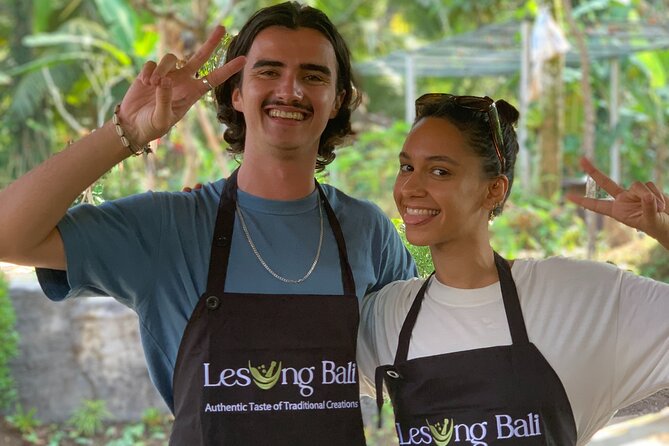
This isn’t only a cooking class with a quick photo at the end. It’s built like a proper day in Bali: you learn where ingredients come from, see how locals live, cook with fresh produce, then finish with two of Ubud’s most famous nature and temple sights.
The value is in the sequence. You start with spices on the move, then you harvest herbs and ingredients at a farm, then you cook them immediately. That makes the techniques stick—especially if you’re new to Balinese flavors.
And because it includes lunch (that you cook), it turns into a real skill-building moment. You don’t just watch; you chop, pound, stir, and learn how the recipe comes together.
Getting From Your Hotel: Pickup and an 8-Hour Realistic Schedule
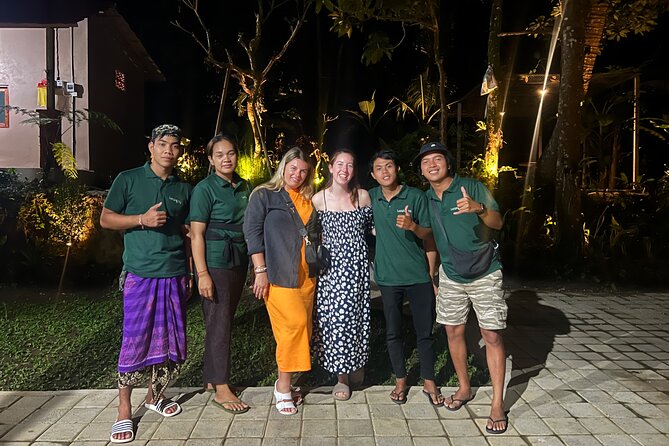
The day runs about 8 hours. That’s a sweet spot in Bali where you still get a lot done without feeling like you’ve been in a car all day.
Pickup is offered from many common bases: Ubud, Kuta, Seminyak, Sanur, Nusa Dua, Jimbaran, Canggu, and Legian. You’ll ride in an air-conditioned vehicle, and the tour ends back at your hotel with a private car. So you’re not stuck figuring out transport between sights.
Group size is capped at 15 travelers, which matters. In a class that involves a real cooking workflow, you don’t want a huge crowd slowing down the chef. Here, the limit helps you get time and attention when you’re working.
You can also read our reviews of more tours and experiences in Ubud.


Spice Market Morning: What You Buy Shapes Your Cooking
If you book the morning class, you’ll start with a traditional market tour. This is where you see spices and ingredient staples up close, then buy spices the local way. You’re not shopping for souvenirs—you’re collecting flavor building blocks.
A smart tip: bring a short list in your head of what you like (chili heat level, whether you prefer citrusy flavors or deeper, savory notes). Even if you don’t know the Balinese cooking names, you can still communicate your preferences while you’re shopping.
Why I like this part: the market walk makes the later cooking steps feel logical. When you harvest the same kinds of ingredients at the farm, you’ll recognize them instantly.
A Local House Visit: Balinese Culture You Can Actually See
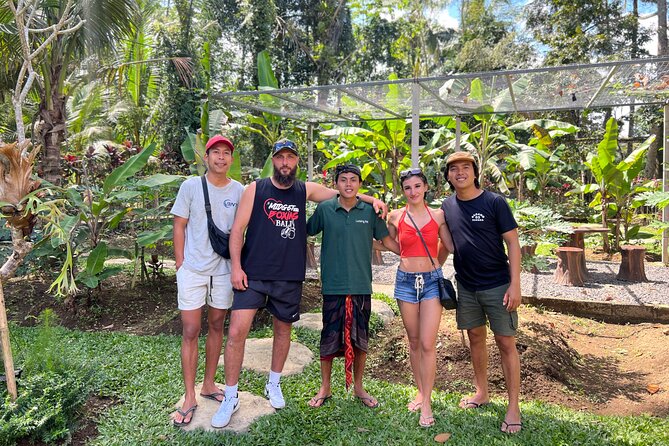
After the market, the tour takes you to a local house to understand Balinese culture and daily life. You’ll learn how people think about their homes—especially how space and building placement connect to religious beliefs in everyday living.
This is one of those stops that can easily get dry in a generic tour. Here, the value is in the “how it works in real life” angle—life style, not just landmarks.
What to watch for: household details often explain cooking and food culture too. You might notice patterns in how kitchens are set up, where herbs and ingredients tend to be stored, and how family life revolves around meal prep and offerings.
The Farm Side of Ubud: Harvesting What You’ll Cook
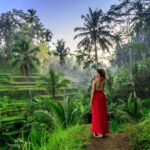
Next comes the farm, and this is where the day shifts from sightseeing into hands-on work. You’ll explore the farm and harvest spices and ingredients that match the menu you’ll cook.
The best cooking classes start with ingredient respect. This one gives you that. You’ll see fresh inputs—herbs, vegetables, and spice plants—then you’ll use them within the same day. That connection is why the final meal tastes like more than a lesson.
From a review standout: people really liked the time spent on herb and vegetable gardens and the overall countryside feel on Ubud’s west side. I agree with the logic here—when you can recognize ingredients visually, you’ll remember the techniques better when you try to recreate them later.
Cooking Basics With Lesung: Chopping, Pounding, and Technique
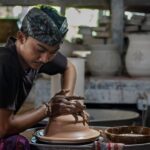
Now it’s chef time. You’ll cook with a Balinese chef who teaches the techniques, not just the steps. You’ll learn the Balinese approach to handling spices, including Lesung—the mortar and pestle method used to chop and pound spices.
This matters for two reasons:
- Texture changes flavor. When spices are pounded, the oils and aromatics release differently than when you just chop.
- You start cooking like a cook. You’re learning the why behind the motions.
During the class, the chef explains what ingredients you’ll use, based on the menu you selected. You’ll use the provided cooking utensils and wear an apron, which keeps things comfortable and prevents kitchen chaos.
If you’re thinking this is “sit and watch,” adjust your expectations. The lesson is hands-on, with real prep time and real cooking time.


Choosing Your Menu: Vegan, Vegetarian, and Regular Options
You can choose from different menu types: vegetarian and vegan options, plus regular menus. This is important if you’re traveling with dietary needs, because you can still join the same workflow without feeling sidelined.
A practical approach: pick your menu based on what you’re trying to learn. If you’re new, choose one dish that highlights spice pounding or a sauce process, and another element that looks different. That way you walk away with techniques, not only flavors.
Also remember: the day includes lunch, so your cooking outcome becomes your meal. No one wants to cook something they don’t actually want to eat at the end of a long day.
Lunch You Make: The Moment It All Clicks
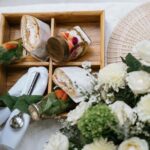
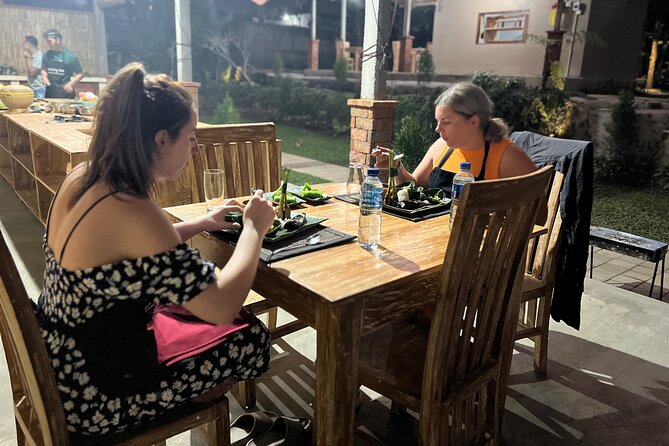
Lunch is included, and it’s included for a reason: it’s part of the learning. When you sit down and eat what you cooked, you can connect the “why” behind the steps to the final taste.
What I like about this structure is how it slows you down without wasting time. You’re not racing through recipes. You’re cooking while learning, then you’re rewarded with the final plate while the techniques are still fresh in your head.
One review highlight also mentioned Balinese coffee and traditional sweets as part of the cultural rhythm of the day. That’s a nice touch because it rounds out the meal with local tastes, not just coffee-for-tourists.
Sacred Monkey Forest in Ubud: Temples and Street-Safe Common Sense
After the kitchen work, the tour heads to Ubud Sacred Monkey Forest. This is a temple forest where gray macaques roam among Hindu temples.
You’ll get the cultural setting plus the animal encounter. But keep it practical: this is not a petting zoo. Use normal safety sense—don’t reach toward monkeys, keep your belongings secure, and follow your guide’s advice.
The nice thing about adding this after the cooking portion is pacing. You go from hands-on spice work to a different kind of sensory experience—shade, temple stone, and animal motion.
Tegenungan Waterfall: The Big Nature Finish
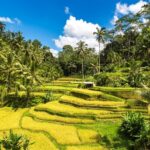
The last stop is Tegenungan waterfall, one of the most popular waterfalls in Bali. It’s not too far from the capital (so it’s typically reachable without an all-day bus ride), and it’s a great way to close a day with a strong nature payoff.
Since weather matters, treat this as your “best case” stop. If clouds roll in or rain comes down, expect changes. The tour notes that the experience requires good weather, and if it’s canceled due to poor weather, you’ll be offered a different date or a full refund.
When conditions are good, this is a satisfying final chapter: you’ve learned, cooked, walked a temple forest, and now you get the wide-open nature views.
Price and Value: What $59 Buys You in Real Terms
At $59 per person, the biggest value isn’t the cooking class alone—it’s what the day packages alongside it.
Here’s what’s included:
- Pickup and drop-off across key Bali areas
- Air-conditioned vehicle
- Cooking utensils and apron
- Bottled water, coffee/tea
- Lunch
- Entrance fees
- Private car for the return segment
- Entrance fee coverage
What’s not included: alcoholic beverages.
Why that’s a good deal in practice: many cooking experiences charge for the class, then you pay extra for transport, separate attractions, and entrance tickets. This one keeps those pieces together, and that saves time and decision fatigue.
Also, because group size tops out at 15, you’re not paying for a giant group experience. You’re paying for a full-day itinerary with enough structure to stay organized.
Who This Tour Suits Best (And Who Might Skip It)
This is a strong match if:
- You’re a first-time Bali visitor who wants a “most of the highlights, but with local food skills” day
- You like cooking classes that start with ingredients, not only recipes
- You want a cultural stop plus nature stops, without planning separate trips
- You have dietary needs and want vegetarian or vegan options
You might consider a different plan if:
- You hate moving between multiple locations in one day
- You prefer a slower pace with fewer stops and more free time
- You’re booking during a season when rain is likely and you really need a specific schedule nailed down (because the waterfall depends on conditions)
What I’d Do to Get the Most Out of the Day
If you want this day to feel fun instead of rushed, pack smart for comfort:
- Wear shoes you can walk in during garden and forest areas
- Bring a light layer if mornings or temple areas feel cool
- Keep your camera ready, but expect some moments where you’ll focus more on hands-on prep than photos
Most importantly, show up curious. The cooking portion works best when you’re willing to try techniques like Lesung pounding even if you’ve never done it before.
Should You Book This All-Inclusive Cooking Day in Ubud?
I’d book it if you want a single, organized day that teaches real Balinese cooking while also checking off Ubud Monkey Forest and a major waterfall. The best part is the pacing and the logic: market to farm to cooking to lunch, then temples and nature.
If you’re the type who likes authentic touches—like buying spices you’ll actually use, and learning how homes and gardens connect to culture—this hits the mark. Just go in knowing it’s an 8-hour loop, so plan to keep the rest of your day lighter.
FAQ
How long is the tour?
It lasts about 8 hours.
Do they pick you up from your hotel?
Yes. Pickup and drop-off are offered for Ubud, Kuta, Seminyak, Sanur, Nusa Dua, Jimbaran, Canggu, and Legian.
Is lunch included?
Yes. Lunch is included, and it’s part of what you cook during the class.
Are vegetarian or vegan options available?
Yes. You can choose vegetarian and vegan menu options, or a regular menu.
Is the market tour included?
Yes, but it’s morning class only. You’ll visit a traditional market and buy some spices.
What cooking supplies are provided?
You’ll get cooking utensils and an apron for the class.
Are entrance fees included for the attractions?
Yes. Entrance fee(s) are included.
Does the tour include Monkey Forest and Tegenungan Waterfall?
Yes. You’ll visit Ubud Sacred Monkey Forest and then stop at Tegenungan waterfall.
What happens if weather is bad?
The experience requires good weather. If it’s canceled due to poor weather, you’ll be offered a different date or a full refund. Alcoholic beverages are not included.