This 2-day private route in Bali is built for maximum sightseeing with a private air-conditioned car and pickup, so you spend less time figuring out logistics. You’ll hit East Bali icons like Lempuyang Temple and Virgin Beach, then swing back toward Ubud for Monkey Forest, rice terraces, and Tirta Empul.
What I like most is the way the plan compresses a lot of very different scenery into one trip—temples, water, village life, and viewpoints—so you don’t waste days bouncing around on your own. I also like that you’re not just dropped off; you can ask your guide questions while you’re traveling.
One thing to consider: entrance tickets are tricky on pricing. The tour includes admission only at a specific tier (Price A), while the per-stop tickets shown for each attraction are marked as not included, so you’ll likely need to budget extra unless your booking confirms everything you want is covered.
In This Review
- Quick Hits: What makes this 2-day Bali plan work
- Two Days, Two Regions: How Pickup and a Private Car Change Everything
- Day 1 Begins at Lempuyang Temple: The Gate of Heaven Views
- Tirta Gangga Water Palace: Statues with Hindu Epic Connections
- Tenganan Ancient Village: A Traditional Bali Aga Taste
- Virgin Beach (Perasi Beach): White Sand With a Quiet, Hidden Feeling
- Asah Hill: Sea Cliffs and a Sunset Option
- Day 2 Starts at Sacred Monkey Forest Sanctuary: Temple Meets Wild Mischief
- Ubud Art Market (Pasar Seni Ubud): Quick Shopping Near Puri Saren
- Tegalalang Rice Terrace: Tourist Photos, Still Worth Seeing
- Tirta Empul Temple: The Holy Spring and Ritual Purification
- Goa Gajah (Elephant Cave): Ancient Relics in Rice Paddies
- Tegenungan Waterfall: A 20-Meter Cascade With a Grotto
- Price and Logistics: What $65 Buys (and What to Budget For)
- The Driver Factor: On-Time Service Can Make or Break the Day
- Who Should Book This 2-Day Private Tour in Bali
- Should You Book It? My Honest Take
- FAQ
- How long is the Bali 2-day private tour?
- Where does the tour operate?
- Is this tour private?
- What attractions are included across the two days?
- Are the entrance tickets included in the price?
- What’s included besides transport?
- How far in advance is it usually booked?
- What happens if the weather is bad?
Quick Hits: What makes this 2-day Bali plan work
- Private, only-your-group transport with an air-conditioned vehicle and bottled water
- Two distinct areas: East Bali (Lempuyang, Tirta Gangga, Virgin Beach, Asah Hill) plus Central/Ubud-side sights (Monkey Forest, rice terraces, Tirta Empul)
- A guide you can question while you ride, not after you arrive
- A lot of stops packed in, which is great if you want variety and not great if you hate early starts
- Price clarity matters: included admissions may be limited to a ticket tier
Two Days, Two Regions: How Pickup and a Private Car Change Everything
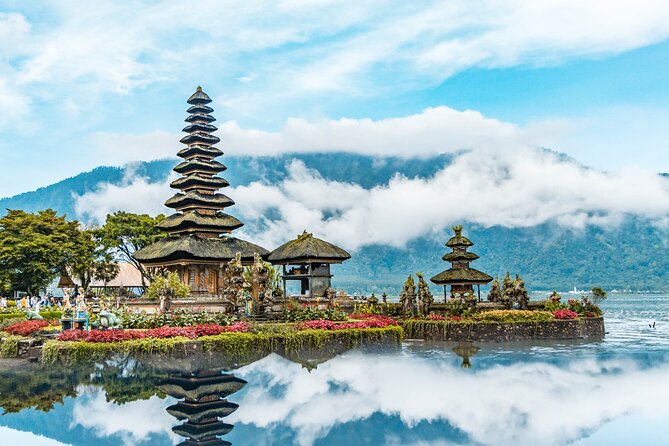
The biggest practical win here is pickup and return transfers. That means you’re not trying to coordinate separate rides for each attraction, and you avoid the constant question of who to call when you’re running late. With a private setup for just your group, the trip also feels calmer than doing the same sights in a long shared bus line.
The tour is designed as a “drive, see, drive, see” experience. That’s a style some people love and others don’t. If you want a slow, linger-all-day pace, two days with this many stops can feel like a sprint. If you want a strong overview of Bali’s top attractions and photo moments, the pace makes sense.
You’ll also feel the value in the way the route stitches together nearby clusters. Day 1 focuses on the eastern side around Karangasem. Day 2 shifts toward Ubud and central Bali, adding classic Ubud-area stops and a waterfall finish. Less backtracking means more time at sights.
One small tip: in Bali, getting to viewpoints and temples often depends on traffic and timing. This is where having a driver who can explain travel time helps you keep your schedule under control.
You can also read our reviews of more tours and experiences in Ubud.

Day 1 Begins at Lempuyang Temple: The Gate of Heaven Views
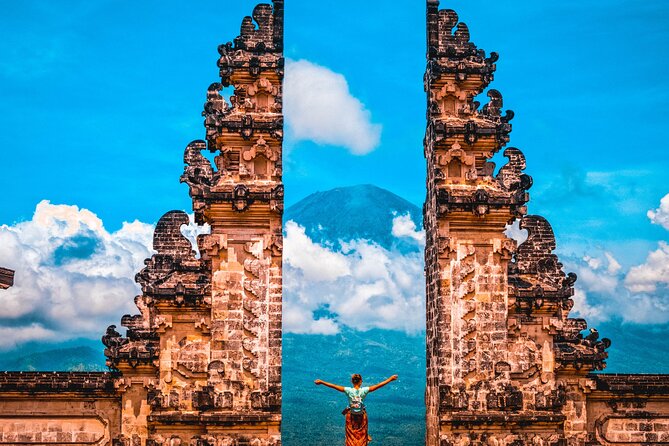
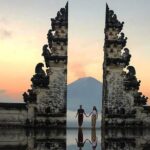
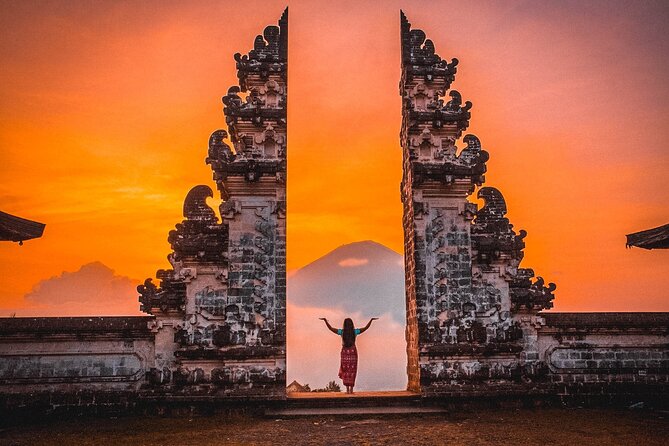
Your first big stop is Lempuyang Temple (Pura Lempuyang / Pura Lempuyang Luhur Karangasem), famous as the Gate of Heaven. This temple sits in Bali’s eastern position and is one of the Sad Kahyangan Temples, which makes it important in the island’s sacred geography.
What makes this stop special is the contrast: it’s both a holy site and a natural viewpoint. The area includes forested surroundings and you get dramatic sightlines over East Bali. It’s also one of Bali’s most Instagrammable spots, which matters because you’ll naturally spend time framing shots and looking across the scenery.
A practical consideration: because it’s famous, you might find crowds and photo waiting. The tour format still works, but it helps to stay patient with your timing and expectations. If you’re the kind of person who wants to linger quietly, aim for early energy so you can enjoy the atmosphere before it gets too busy.
Entrance note: the admission ticket listed for Lempuyang is IDR 100,000 and is shown as not included, even though the tour mentions admission included at Price A only. So I’d treat this as a likely add-on unless your confirmed package clearly covers it.
Tirta Gangga Water Palace: Statues with Hindu Epic Connections
Next comes Tirta Gangga Water Palace, a scenic spot in East Bali known for its water features and landscaped grounds. The main draw is the visual experience: you’re surrounded by gardens and small statues set into the stonework.
The interesting detail here is that many of the statues connect to Hindu epics like the Maha Bharata and Ramayana. If you like understanding symbolism while you travel, this is a good stop because you can ask your guide what you’re seeing and how it fits local storytelling.
Ticket note: Tirta Gangga is listed at IDR 40,000 and marked not included. Again, double-check what your booking includes under the Price A admission tier.
If you’re heat-sensitive, you may appreciate that this area is described as having a relatively cool climate. Either way, bring water (you get bottled water during the tour) and expect some walking over uneven palace grounds.
Tenganan Ancient Village: A Traditional Bali Aga Taste
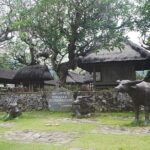
From the water palace, the itinerary shifts into village life with Tenganan Ancient Village, known as a Bali aga village. Bali aga communities are older, traditional groups in Bali, and the village setting is part of the attraction.
This stop feels different from the temples and beaches because you’re looking at everyday cultural space rather than a single monument. It’s also a place that has drawn international interest, so you may see visitors and photo activity depending on the day.
The ticket listed is IDR 10,000 for about an hour and marked not included. Even if you’re not a history buff, this is a good change of pace. It can help you understand Bali beyond temples and famous beaches.
Virgin Beach (Perasi Beach): White Sand With a Quiet, Hidden Feeling
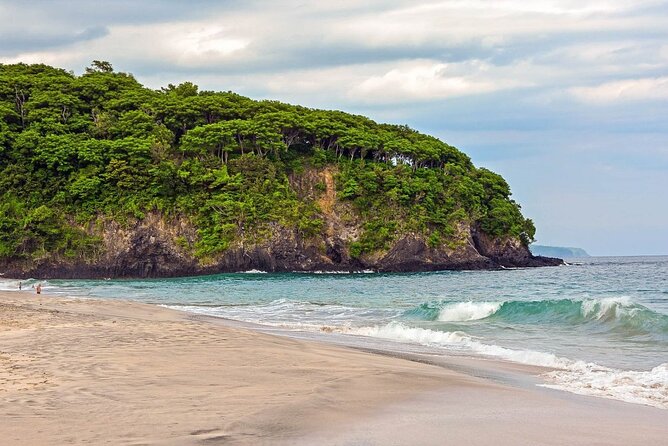
Then you go to Virgin Beach, also called Perasi Beach. The way this spot is described makes it sound more tucked away than Bali’s best-known beach names. You’re driving down toward the shoreline, then enjoying white sand, clear water, and a view that includes Pulau Paus, a small island you may be able to spot from the beach.
For me, the value of this stop is that it’s a beach break inside a packed day. Even if you only spend an hour, getting sand-and-sea time in between temple visits helps you reset.
Ticket note: Virgin Beach is listed at IDR 30,000 and marked not included. Plan for that extra cost.

Asah Hill: Sea Cliffs and a Sunset Option
Day 1 ends with Asah Hill in the Bugbug village area. This is another viewpoint-style stop: a hill that juts into the sea with high cliffs, and a white sand beach on the other side. The itinerary also mentions sunset viewing, which is the big reason this stop is worth making time for.
This is where the private car actually matters. Sunset timing is all about getting you into the right place without you hunting for a route. If you care about photos, you’ll probably appreciate having a driver who can position you correctly.
Ticket note: Asah Hill is listed at IDR 20,000 and marked not included.
Day 2 Starts at Sacred Monkey Forest Sanctuary: Temple Meets Wild Mischief
On Day 2, you’ll hit Sacred Monkey Forest Sanctuary. This isn’t just about monkeys; the stop includes carved artwork, sculptures, and a temple setting where the monkeys move freely.
The appeal is the contrast. You’re standing in a human religious and cultural space, while monkeys are doing their own thing. It can feel lively, but in a very Bali-specific way—less animal park, more sacred interaction.
Ticket note: Sacred Monkey Forest is listed at IDR 60,000 for about an hour and marked not included.
Practical caution (no drama, just smart planning): keep small items secured and watch how close you get to monkeys. The tour is short enough that you can enjoy the experience without turning it into a stress session.
Ubud Art Market (Pasar Seni Ubud): Quick Shopping Near Puri Saren
Next is Ubud Traditional Art Market, called Pasar Seni Ubud, open daily and located opposite Puri Saren Royal Ubud Palace.
This is a straightforward stop. If you want scarves and lightweight shirts, this is where you’ll browse. The value is convenience: you’re in Ubud, and the market is right in the center of things, so it’s an easy add-on rather than an extra transfer day.
This segment is brief—around 30 minutes—so treat it like a focused stop. If you want deeper shopping time, you can always extend after the tour, but the tour itself keeps it efficient.
Ticket note: the market stop is listed with no admission ticket.
Tegalalang Rice Terrace: Tourist Photos, Still Worth Seeing
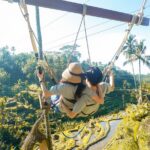
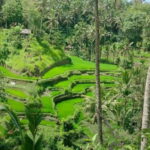
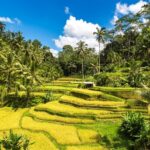
Then comes one of Bali’s most photographed scenes: Tegalalang Rice Terrace. Yes, it’s touristy and famous. But the key point is that it’s still described as stunning and worth visiting even with the attention it gets.
What makes rice terraces meaningful is how they change with the light and with your walking path. If you can take your time on the edges and not just grab one photo, the terrace pattern becomes the attraction.
The ticket listed is IDR 20,000 and marked not included for about 30 minutes. I’d treat this as a quick highlight stop. If you want a slower, deeper walk through terrace areas, you’ll need extra time beyond the tight tour schedule.
Tirta Empul Temple: The Holy Spring and Ritual Purification
After the rice terraces, the itinerary moves to Tirta Empul Temple (Pura Tirta Empul), near Tampaksiring in central Bali. The core concept is purification. The temple pond includes a spring that provides fresh water regularly, which Balinese Hindus consider holy.
This stop is valuable because it connects you to a living spiritual practice. Even if you’re just observing, you’ll notice how the water is part of a ritual process tied to cleansing and warding off evil, based on the description.
Ticket note: Tirta Empul is listed at IDR 60,000 for about an hour and marked not included.
If you’re sensitive to crowds or prefer quieter spaces, this can still be a manageable stop because the tour doesn’t specify you stay all day. But it’s still one of the more meaningful spiritual locations on the route.
Goa Gajah (Elephant Cave): Ancient Relics in Rice Paddies
The next stop is Elephant Cave, locally known as Goa Gajah. This place gets its nickname from proximity to the Elephant River. The description frames it as mysterious, with relics and ancient bathing pools set amid green rice paddies and a garden.
The “value” angle here is atmosphere. You’re not only seeing a building; you’re in a garden-and-water setting that feels tucked into Bali’s everyday countryside. It’s also a good mid-route change from temples and terraces.
Ticket note: Elephant Cave is listed at IDR 40,000 and marked not included, with about 30 minutes on the schedule.
Tegenungan Waterfall: A 20-Meter Cascade With a Grotto
To wrap up Day 2, you’ll visit Tegenungan Waterfall, not far from Ubud. The description is clear: a white cascade falls from black stone cliffs into a pool, about 20 meters high.
This stop gets better because it’s not just the main waterfall. The itinerary notes a charming grotto with a sacred spring, plus simple food stalls and even a smaller waterfall you may be able to spot.
Ticket note: Tegenungan Waterfall is listed at IDR 20,000 and marked not included, with about an hour.
This is also the kind of ending that helps your brain remember the whole trip. Temples on Day 2 are meaningful, but water at the end often gives you that final sensory payoff.
Price and Logistics: What $65 Buys (and What to Budget For)
At $65 per person for a two-day private tour, this is positioned as strong value because you’re buying two things at once: a driver and a route that strings together major sights. You’re also getting bottled water and the comfort of an air-conditioned vehicle.
Here’s the part you should check carefully before you commit: the tour includes admission tickets only at Price A, while the stop-by-stop ticket lines for many attractions are marked as not included (with specific IDR amounts listed). That means your final cost can vary depending on which ticket tier your booking covers.
So I’d budget extra for entrances, especially for the big-ticket names like:
- Lempuyang Temple (IDR 100,000)
- Sacred Monkey Forest Sanctuary (IDR 60,000)
- Tirta Empul Temple (IDR 60,000)
- Tirta Gangga (IDR 40,000)
- Elephant Cave (IDR 40,000)
You might pay less if your confirmed package truly bundles those under Price A, but the safe move is to confirm what’s included in your exact booking.
The other logistics piece is timing. With lots of stops, your day length depends on driving time and how much you linger at each stop. This style works best if you’re flexible and happy to go from site to site.
The Driver Factor: On-Time Service Can Make or Break the Day
The reviews you can use as a guide here point to something important: the tour experience depends heavily on who’s driving and explaining. One guide named Widi is praised for being on time, explaining where you’re going, how long it will take, and sharing history and current celebrations in Bali. Another guide, Ketut, is described as friendly, helpful for Instagram setups, and insightful about traditional customs at each location. Gusti is described as professional, patient, reliable, and always on time, with suggestions for best places.
That’s the upside: strong communication makes a multi-stop tour feel smooth.
The downside shows up too. In one case, a driver went to the wrong hotel, arrived 25 minutes late, and drove in a way the reviewer described as risky to make a boat on time for a separate excursion. I’m not saying this will happen to you, but it does highlight a practical rule: confirm your pickup details and location the day before, and keep a phone contact ready so you’re not waiting in the wrong place.
Who Should Book This 2-Day Private Tour in Bali
This works best if you want:
- A heavy hit of Bali highlights in a short time
- A private setup with pickup so you don’t manage transport all day
- An itinerary with a mix of temples, water, beaches, village culture, and viewpoints
It might not be ideal if you:
- Want a slow travel pace and long, unhurried time at each site
- Hate paying extra for entrances and prefer everything fully packaged
If you’re staying in or around Ubud, the geography makes sense. The route naturally blends East Bali day sights with Ubud-side favorites.
Should You Book It? My Honest Take
I’d book this if you’re the type who likes seeing a lot and making the trip count. For $65, the value is in the private transport and the fact that the route covers major stops across two regions, not just a cluster of one kind of attraction.
I’d be cautious and double-check your booking details on admission coverage (Price A) versus the listed tickets per stop. If you’re clear on what you’ll pay at each site, the rest is straightforward: you’ll ride in comfort, follow a guided plan, and come away with a solid feel for what Bali offers.
One last practical nudge: this tour is often booked about 20 days in advance, so if your dates are fixed, it’s smarter to reserve sooner rather than later.
FAQ
How long is the Bali 2-day private tour?
It runs for about 2 days.
Where does the tour operate?
It’s based in Ubud, Indonesia, with pickup and return transfers to your accommodation.
Is this tour private?
Yes. It’s a private tour/activity with only your group participating.
What attractions are included across the two days?
You’ll visit Lempuyang Temple, Tirta Gangga, Tenganan Ancient Village, Virgin Beach, and Asah Hill on Day 1. On Day 2, the tour includes Sacred Monkey Forest Sanctuary, Ubud Traditional Art Market, Tegalalang Rice Terrace, Tirta Empul Temple, Elephant Cave, and Tegenungan Waterfall.
Are the entrance tickets included in the price?
Admission is included only at the Price A tier. Entrance tickets for multiple attractions are also listed as not included, so you may need to pay additional fees depending on your booking.
What’s included besides transport?
Hotel pickup and return transfers, private transportation with an air-conditioned vehicle, bottled water, and admission tickets at the Price A tier.
How far in advance is it usually booked?
On average, it’s booked about 20 days in advance.
What happens if the weather is bad?
This experience requires good weather. If it’s canceled due to poor weather, you’ll be offered a different date or a full refund.