This day has water and volcano views. It’s an 8 to 9 hour plan that pairs Ayung River rafting with scenic stops around Kintamani—so you’re not just doing one thing. I also like that it’s organized for real pacing: a long rafting block in the morning, then viewpoints and temples afterward, with lunch included after you finish the river.
Two things stand out right away for me: professional rafting guides during the high-energy Ayung run, and the chance to see Mount Batur with Lake Batur from the Penelokan area. One thing to consider is simple: you need moderate fitness, and it’s not set up for kids under 7, since you’ll be on the move for most of the day.
In This Review
- Key highlights at a glance
- How the full-day rhythm works (so you don’t feel rushed)
- Ayung River rafting in Ubud: the 3-hour adrenaline and technique
- What you should plan for on the river
- Lunch after rafting: the practical reset at the rafting company
- Kintamani and Penelokan: Mount Batur and Lake Batur in one big look
- What could affect your view
- Tegallalang Rice Terrace: a famous stop that still feels worth it
- Tirta Empul Holy Spring Temple: seeing purification in action
- A calm ending after a fast day
- Getting there and back: pickup, private group, and mobile tickets
- Price and value: why $110 can make sense here
- Where the value really shows
- Who should book this rafting plus Kintamani day
- Should you book this Bali Golden Tour day?
- FAQ
- What time does the tour start?
- How long is the full experience?
- How long do I spend on Ayung River rafting?
- Where do the sightseeing stops happen after rafting?
- Does the tour include lunch?
- Is the tour private?
- What fitness level is required?
- What is the minimum age?
- FAQ
- Is free cancellation available?
- How soon do I need to cancel to get a refund?
Key highlights at a glance
- Ayung River rafting (about 3 hours) with rapids that make it feel like a real adventure, not a slow float
- Penelokan in Kintamani for views of the active Mount Batur and Lake Batur
- Tegallalang Rice Terrace stop with a famous viewpoint near the main road and river valley scenery
- Tirta Empul Holy Spring Temple where holy water is used for purification rituals
- Private-group day with pickup offered and a schedule that moves efficiently across Ubud and north Bali
How the full-day rhythm works (so you don’t feel rushed)
This tour is built like a classic Bali “big day” itinerary: start in the morning from Ubud, hit the river first, then switch to sightseeing for the hill-country views. The total time is about 8 to 9 hours, which is long enough that you’ll want to think about comfort: sun, timing, and water breaks all matter.
The key idea is that rafting and sightseeing are handled as separate phases. You get your main active experience up front, then you shift gears to lookouts, terraces, and a temple. That’s a smart flow because it reduces decision fatigue. You’re not constantly rechecking plans or wondering what comes next.
Because it’s a private tour/activity, the experience is more focused on your group rather than a free-for-all. In real life, that can mean less waiting around and a smoother day, even if you’re still traveling between areas. You’ll also get a mobile ticket, which is convenient when you’re moving from pickup to attractions.
You can also read our reviews of more tours and experiences in Ubud.

Ayung River rafting in Ubud: the 3-hour adrenaline and technique
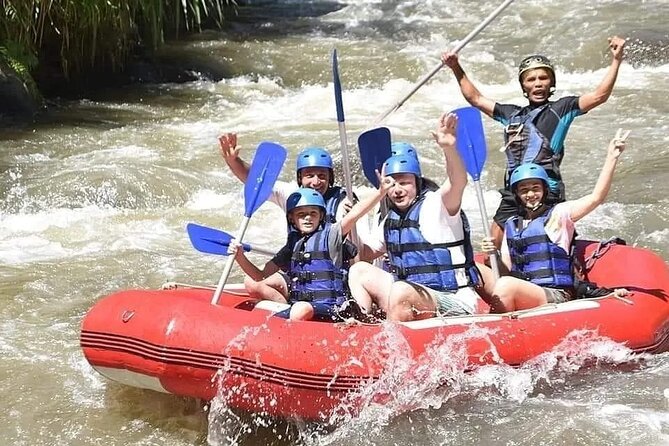
The star activity is Ayung River rafting, one of the best-known rafting runs around northern Ubud. The river setting gets described with a mix of nature and challenge: high riverbanks, rapids with enough intensity to feel exciting, and a route that keeps you working with the water instead of just watching it.
What makes this outing feel worthwhile is the way it’s handled with professional rafting guides. That matters more than people expect. With white-water rafting, you want guidance that keeps you safe and helps you enjoy the ride without guessing what’s coming next. This tour’s setup is built around that, and the day is timed for a proper chunk of time on the river at about 3 hours.
From what I’ve seen in past experiences connected to this route, guides often show up ready to get going and keep small details under control. For example, Oka has been mentioned as a guide who showed up early and worked hard to keep guests comfortable. That kind of attention tends to make the difference between feeling nervous and feeling in good hands.
What you should plan for on the river
Rafting days are physical even when you’re not “training.” You’ll likely do things like:
- brace yourself for splashes and sudden movements
- follow instructions quickly while you’re on the raft
- manage wet conditions for the rest of the morning
If you have any health concerns, this is the moment to be realistic. The tour is marked as not suitable for child below 7 years, and it calls for moderate physical fitness. In plain terms: it’s not about extreme endurance, but it’s not a sit-and-watch tour either.
Lunch after rafting: the practical reset at the rafting company
Once you finish the river, the plan includes lunch at the rafting company. This is a practical inclusion, and it’s one of the reasons this whole day holds together well. Instead of searching for food while you’re tired and damp, lunch is handled in the same area where the rafting wraps up.
It also helps your pacing for the sightseeing portion. Kintamani and Tirta Empul are both calm by comparison, but they still take time. Having a scheduled lunch means you can concentrate on views and temple stops instead of managing hunger and transport stress.
In terms of expectations, treat lunch as part of the flow, not a destination meal. You’re there to refuel after water time, then you head out again.
Kintamani and Penelokan: Mount Batur and Lake Batur in one big look
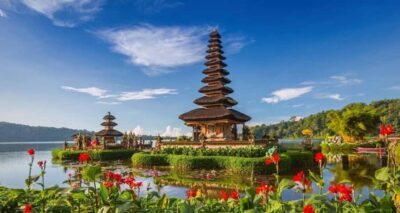
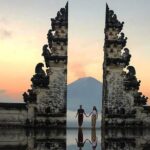
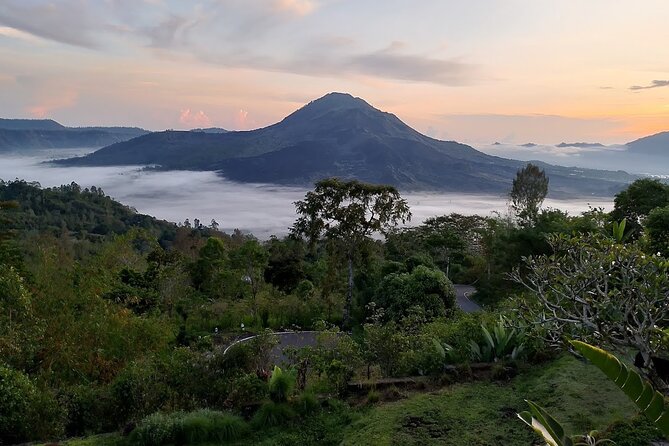
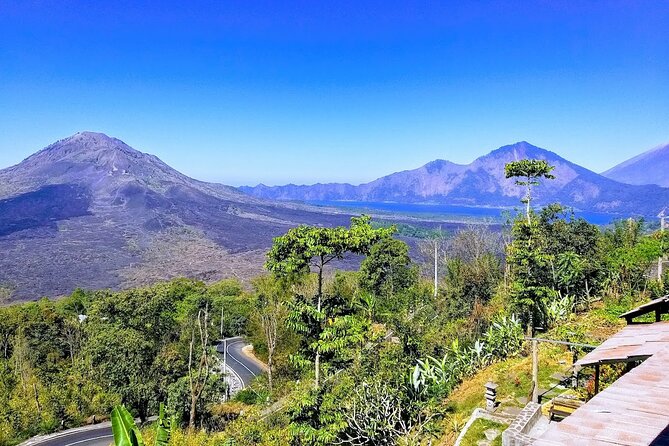
After lunch, the day moves into Kintamani Village, and the viewing focus is Penelokan—named as the best spot for the amazing view of Mount Batur and Lake Batur. This is one of the reasons people book this combo: you trade the river’s motion for a wide, still panorama.
Kintamani itself is described as countryside in the hills, with the scenery built around the volcano outlook. The time for this portion is about 1 hour, so it’s not meant to turn into an all-day hike or long wandering session. Instead, you get enough time to reach the viewpoint area, take photos, and enjoy the moment.
One good way to think about this stop: it’s the emotional payoff. Rafting gives you energy. Penelokan gives you perspective.


What could affect your view
The tour description is clear that Penelokan is the place for Mount Batur and Lake Batur. What it doesn’t promise is weather, and in Bali, that can change the clarity of distant views. If the sky is hazy, the volcano might look softer. If it’s clearer, you’ll likely get the sharper, more dramatic payoff people imagine when they picture this area.
Tegallalang Rice Terrace: a famous stop that still feels worth it
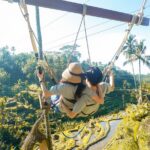
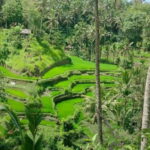
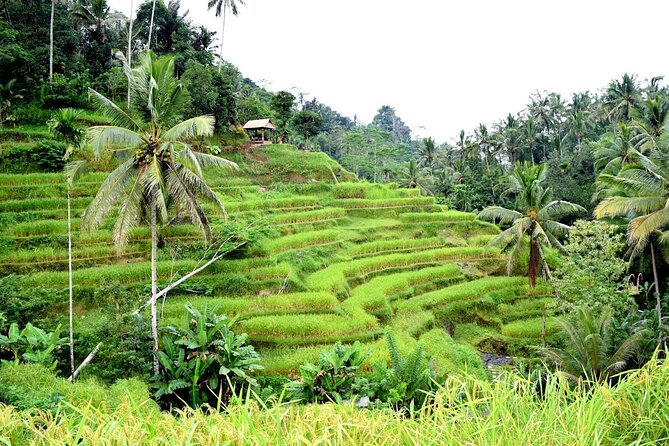
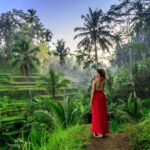
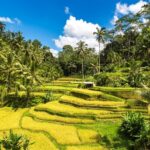
Next comes Tegallalang Rice Terrace, located in Tegallalang Village in northern Ubud. The detail I like here is the practical one: it’s right beside the main street leading toward Kintamani. That matters because it makes the stop easy to reach without extra detours.
The terrace area is known for rice greenery and the sense of depth created by the valley beside the road. Even if you’ve seen rice terraces before, Tegallalang tends to feel different because of how it layers the viewing angles. Your time here is about 1 hour, which is a good length for this kind of stop: long enough to walk around and find a view, not so long that it becomes tiring.
There’s also something to like about pacing. After volcanic viewpoints, you’re shifted back to agriculture and everyday Bali scenery. It’s a nice change of mood before the more spiritual stop at Tirta Empul.
Tirta Empul Holy Spring Temple: seeing purification in action
The final cultural highlight is Tirta Empul Holy Spring Temple in Tampak Siring. This temple is described as having holy spring water that Balinese worshippers have used for thousands of years to purify the body from negative things.
That phrasing matters because it explains the point of the water—not just decoration, and not just sightseeing. You’re witnessing a ritual practice connected to beliefs about cleansing and purification. If you want Bali beyond temples with photo backdrops, this stop can deliver that feeling.
The tour assigns about 2 hours here, which is generous for a temple stop. It gives enough time to observe the holy spring areas, take in the atmosphere, and slow down after the earlier movement-heavy segments of the day.
A calm ending after a fast day
After rafting, rice terraces, and volcano views, Tirta Empul can be a satisfying wind-down. The day’s pace changes from adrenaline and wide outdoor scenery into something more grounded and ritual-focused.
As always with temples, be respectful and ready for a different kind of environment than the viewpoints you saw earlier. I’d also expect you might get wet in and around the holy-water areas, depending on what’s happening during your visit, so plan your comfort around that.
Getting there and back: pickup, private group, and mobile tickets
This tour includes pickup offered, and it’s structured as private for your group. That combination is worth attention because it affects how much energy you spend before you even reach the river or the viewpoints.
A start time of 8:00 am keeps the day moving and helps you get the best chance at clear visibility for the volcano stop later. Morning timing often makes a difference in how the day feels, especially when you’re outdoors for multiple hours.
You also get a mobile ticket, which is handy for digital check-in and reduces paperwork hassles while you’re changing locations.
If you’re booking for a group, note that group discounts are mentioned. If you’re traveling with friends or family, this is one of the ways you might get more value from the same itinerary.
Price and value: why $110 can make sense here
At $110 per person, this day isn’t the cheapest way to see Bali. But it may be good value because you’re stacking several things into one planned schedule:
- a full rafting block (about 3 hours on the Ayung River, with ticket included)
- lunch included after rafting
- Kintamani viewpoint time (about 1 hour)
- Tegallalang Rice Terrace (about 1 hour, ticket included)
- Tirta Empul Temple (about 2 hours, ticket included)
So you’re not paying just for transportation and time. You’re paying for a guided, organized combo that bundles major experiences across Ubud and north Bali.
Where the value really shows
The best value isn’t the math. It’s the reduced friction. When an itinerary lines up like this, you avoid the common Bali problem: spending half your day coordinating rides and entry stops instead of experiencing things.
It’s also built for convenience with pickup and a single day plan that ends back at your hotel. That can matter a lot if you want an easy itinerary without constantly re-planning.
Who should book this rafting plus Kintamani day
This is a great fit if you:
- want one day with real action plus scenery
- like guided experiences and want help with timing between stops
- can handle moderate fitness demands
- are traveling with friends or family and prefer a private setup
It’s also a solid choice if you’ve already seen Bali’s most basic highlights and want a more satisfying mix: white-water rafting, a volcano viewpoint, a famous terrace, and a temple tied to purification.
It may not be ideal if:
- you’re bringing young kids (it’s not suitable for children below 7)
- you strongly prefer slow, unstructured travel with lots of free time
And if you’re the type who hates being out for 8 to 9 hours, this tour could feel like a full push. It’s not an all-day sprint the whole time, but it is a long, active day.
Should you book this Bali Golden Tour day?
I’d recommend booking if you want a well-paced blend of Ayung rafting and Kintamani/volcano views without the hassle of stitching the day together yourself. The structure is practical: morning rafting, lunch reset, then viewpoints and temples with clear time blocks.
If you’re on the fence, use one question to decide: do you want a day that feels like two experiences in one—adrenaline early, and calm, scenic payoff after? If yes, this tour style fits well.
If you’d rather spend less time driving and stop-hopping, then you might prefer a single-focus day (only rafting, or only Kintamani). But if you’re craving variety in one outing, this plan is set up to deliver.
FAQ
What time does the tour start?
The tour starts at 8:00 am.
How long is the full experience?
It runs for about 8 to 9 hours.
How long do I spend on Ayung River rafting?
The rafting portion is listed as about 3 hours, and the admission ticket is included.
Where do the sightseeing stops happen after rafting?
After lunch, the tour goes to Kintamani (Penelokan) for Mount Batur and Lake Batur views, then Tegallalang Rice Terrace, and finally Tirta Empul Holy Spring Temple.
Does the tour include lunch?
Yes. After finishing rafting, the plan includes lunch at the rafting company.
Is the tour private?
Yes. It’s described as a private tour/activity, meaning only your group participates.
What fitness level is required?
The tour is recommended for travelers with moderate physical fitness.
What is the minimum age?
It’s not suitable for children below 7 years.
FAQ
Is free cancellation available?
Yes. You can cancel for a full refund up to 24 hours in advance of the experience start time.
How soon do I need to cancel to get a refund?
To get a full refund, cancel at least 24 hours before the experience’s start time. If you cancel within 24 hours, you won’t receive a refund.