Holy water and ancient stone in one day. What makes this Bali spiritual journey special is the mix of classic temple sites and a real purification ceremony at Tirta Empul, guided by an English-speaking driver who explains what you’re seeing.
I also love the private format. You get a cleaner pace, time for questions, and help with photos and video so the day feels meaningful instead of rushed.
One thing to consider: temple access can have rules. If you’re a woman and menstruating, you may not be permitted to enter certain temples, so plan accordingly—and keep your day flexible.
In This Review
- Key things you’ll remember about this Bali spiritual journey
- How the 7–8 hour timeline actually works (pickup to last stop)
- Goa Gajah and the Elephant Cave: start with carvings and calm
- Gunung Kawi cliff shrines: the kind of temple that demands slowing down
- Tirta Empul purification: what the Holy Water ritual feels like
- Bali coffee plantation: see Luwak processing the practical way
- Private guide perks that make a spiritual day work
- Price and value: is $36 per person worth it?
- Who this Bali spiritual journey fits best
- Smart tips to get more from Goa Gajah, Tirta Empul, and the coffee stop
- Should you book this Bali spiritual purification tour?
- FAQ
- How long is the Bali spiritual journey?
- What is included in the tour price?
- Are meals included?
- What language is the guide or driver?
- Is this a private tour?
- Is the Tirta Empul purification ceremony included?
- Are there any restrictions for temple entry?
Key things you’ll remember about this Bali spiritual journey
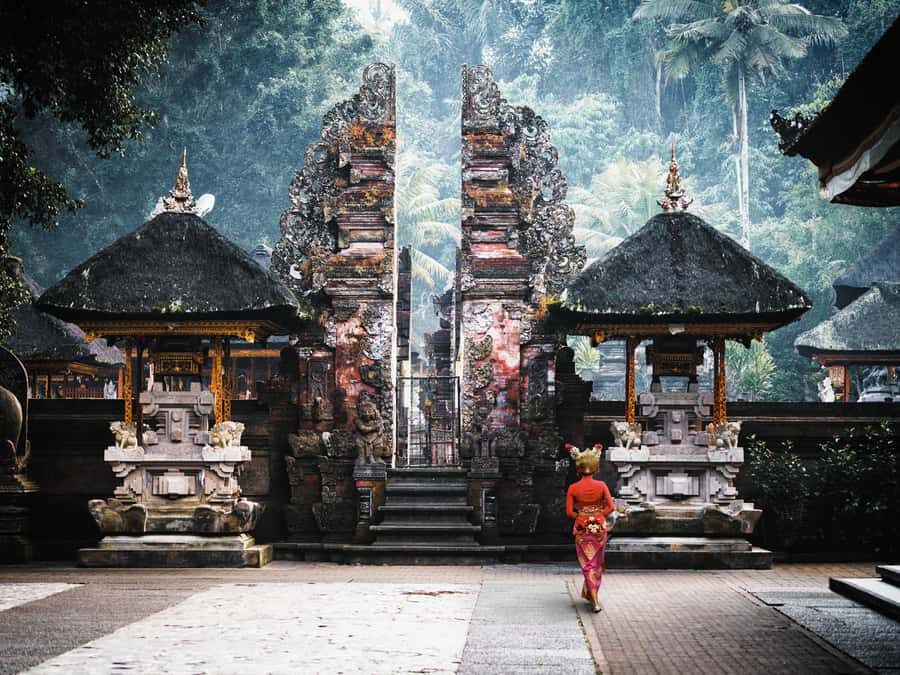
- Tirta Empul purification ritual at the Holy Water Temple, with participation in the ceremony
- Private guide attention with English explanations and time for your questions
- Goa Gajah and Gunung Kawi for a strong start and a dramatic, cliffside follow-up
- Coffee plantation visit focused on how Luwak coffee is processed
- Photo-friendly support including opportunities for pictures and video, plus bottled refreshments
How the 7–8 hour timeline actually works (pickup to last stop)
This is a full day that typically runs 7 to 8 hours, so it’s long enough to feel like you got a real slice of Bali—without turning into a two-day production. Pickup and drop-off are included, and you’ll want to be ready about 15 minutes before the scheduled start time so the driver can keep things smooth.
Because it’s a private group with a dedicated driver, you’re not stuck waiting on crowds for the next move. That matters on temple days, where small timing changes can save you from the worst rush. If you prefer a steady pace and a guide who can slow down when you have questions, this format fits well.
You’ll also get bottled water and refreshments during the tour, and the cars are consistently described as clean and comfortable. In plain terms: you can spend the day thinking, looking, and listening, not just surviving the heat and logistics.
You can also read our reviews of more tours and experiences in Ubud.


Goa Gajah and the Elephant Cave: start with carvings and calm
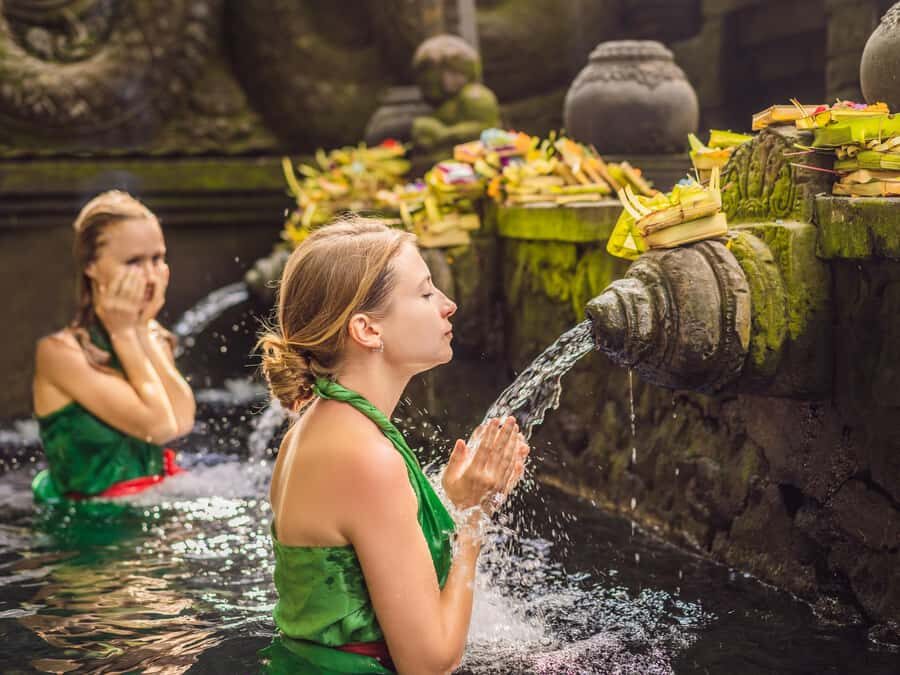
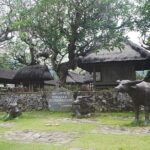
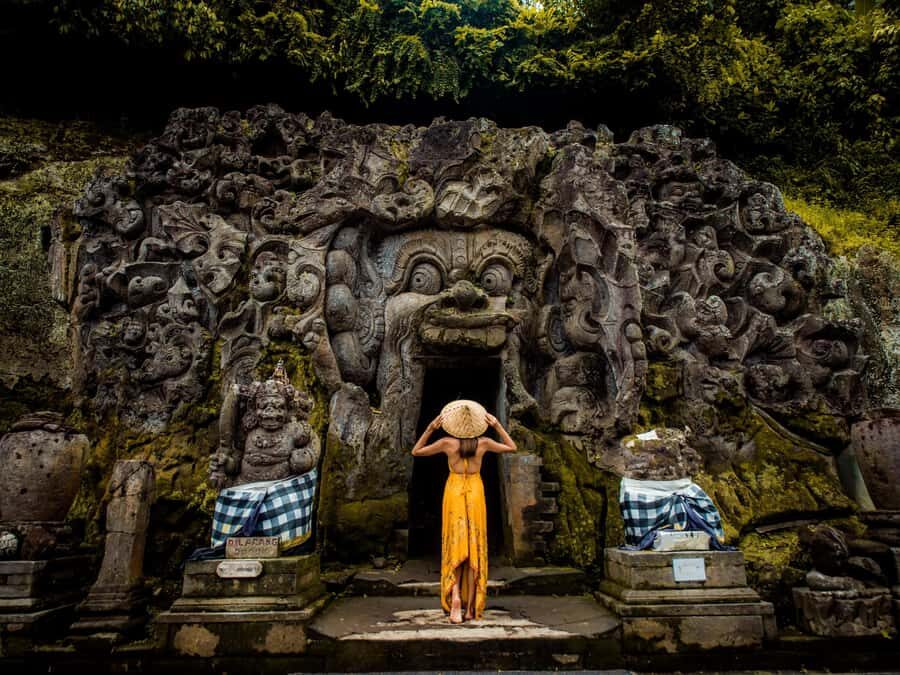
The day begins at Goa Gajah—also known as the Elephant Cave—where stone carvings carry stories from the past. The setting feels built for attention: you’re not just passing by a monument, you’re stepping into a place that’s clearly meant for reflection.
From the way the stops are described, this first site works like a warm-up for the rest of the day. You get that early sense that Bali spirituality isn’t only about big ceremonies. It’s also about atmosphere—stone, symbolism, and small details you’ll start noticing more once your guide frames them.
A practical upside: since the tour is private, your guide can point out what to look for at your own speed. If you like taking photos, you’ll have chances throughout the day, and guides often help with video and picture moments during active parts of the visit.
Gunung Kawi cliff shrines: the kind of temple that demands slowing down
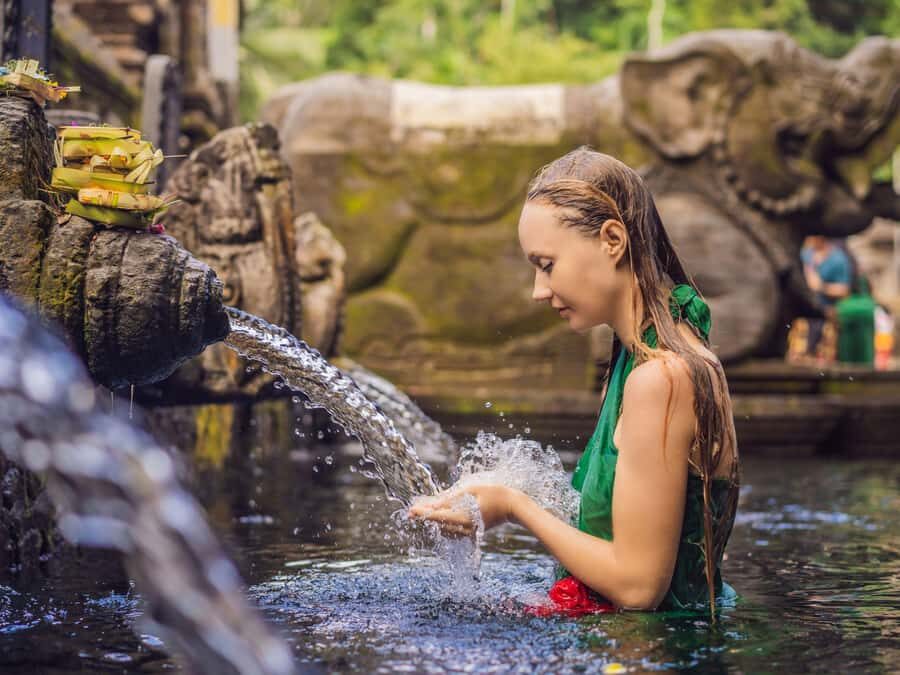
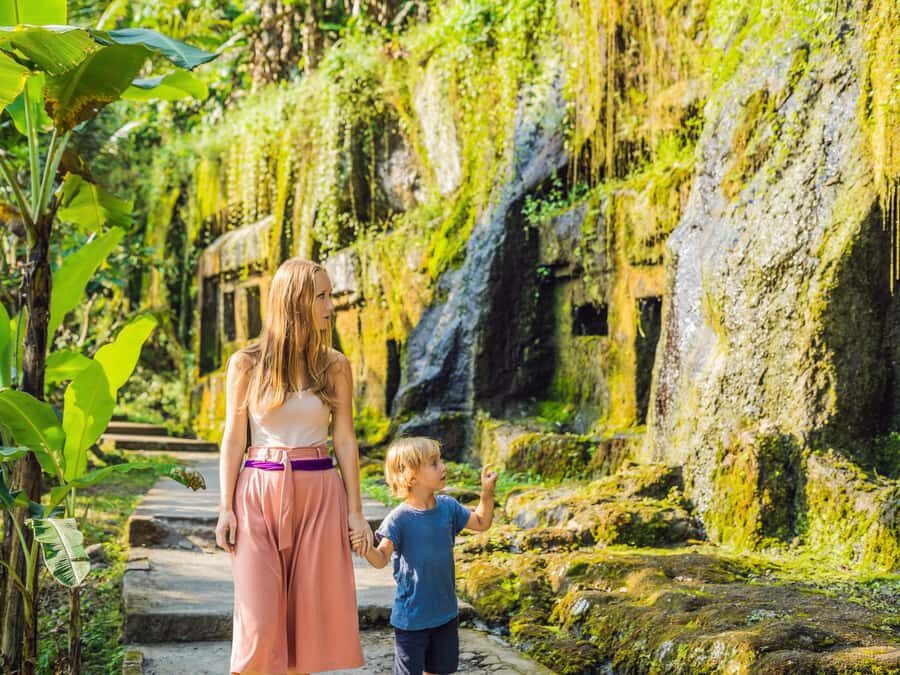
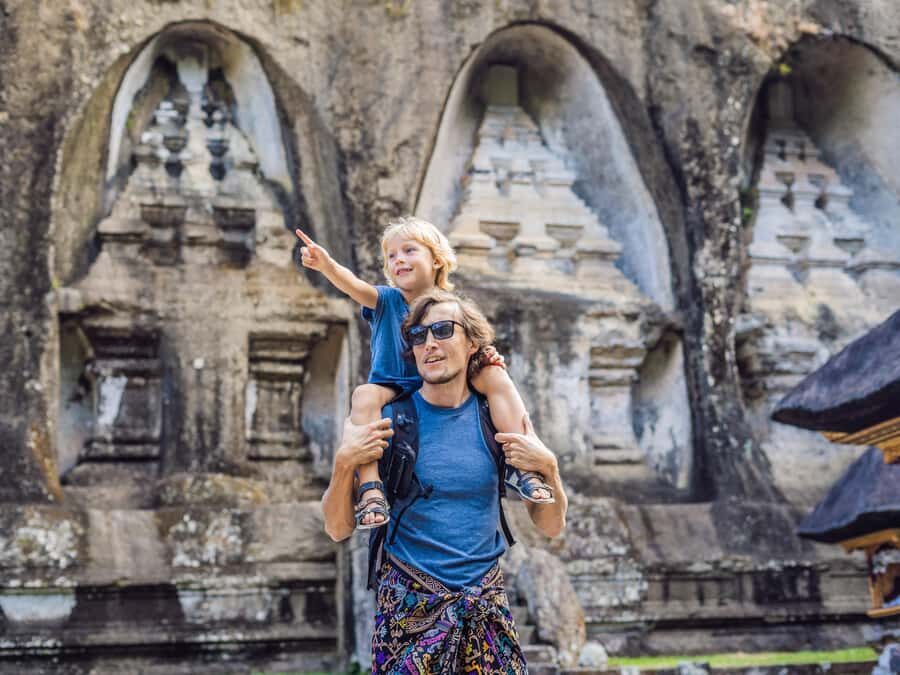
After Goa Gajah, you head to Gunung Kawi, known for cliffside shrines. This place has a different energy than a ground-level temple complex. The shrines feel carved into the rock like quiet sentinels, and you get a sense of how geography shapes worship here.
What I like about adding Gunung Kawi to this itinerary is the contrast. You go from cave stone to steep cliff shrines, which keeps your brain switched on. It also gives your guide a lot to explain beyond names—how the sites are read, why they’re placed where they are, and how people approach sacred places in Bali.
If you’re the type who enjoys learning the meaning behind what you see, this stop is a strong match. Guides with long careers in hospitality and tourism often bring a clear, calm delivery to these explanations, and you’ll likely feel like you’re seeing the site with better context instead of just snapping photos.
Tirta Empul purification: what the Holy Water ritual feels like
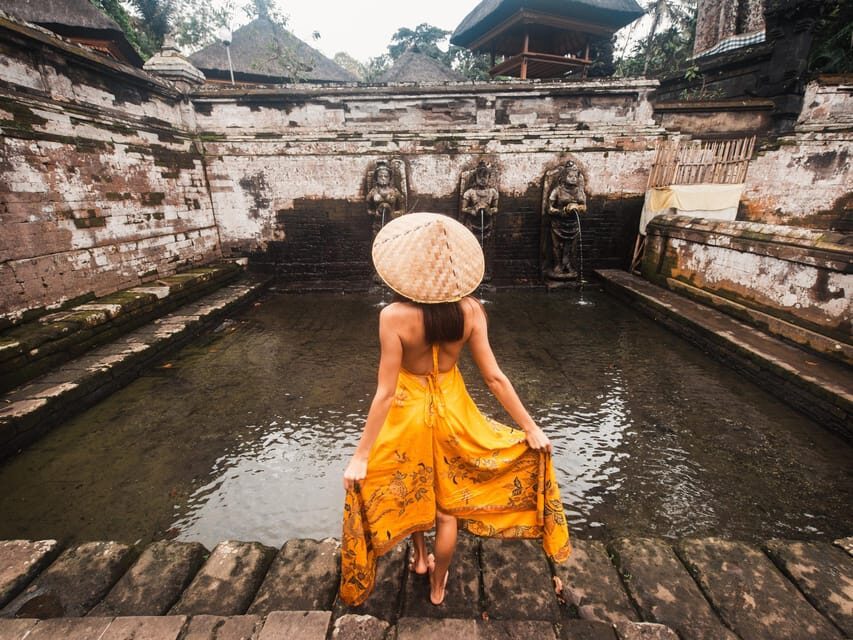
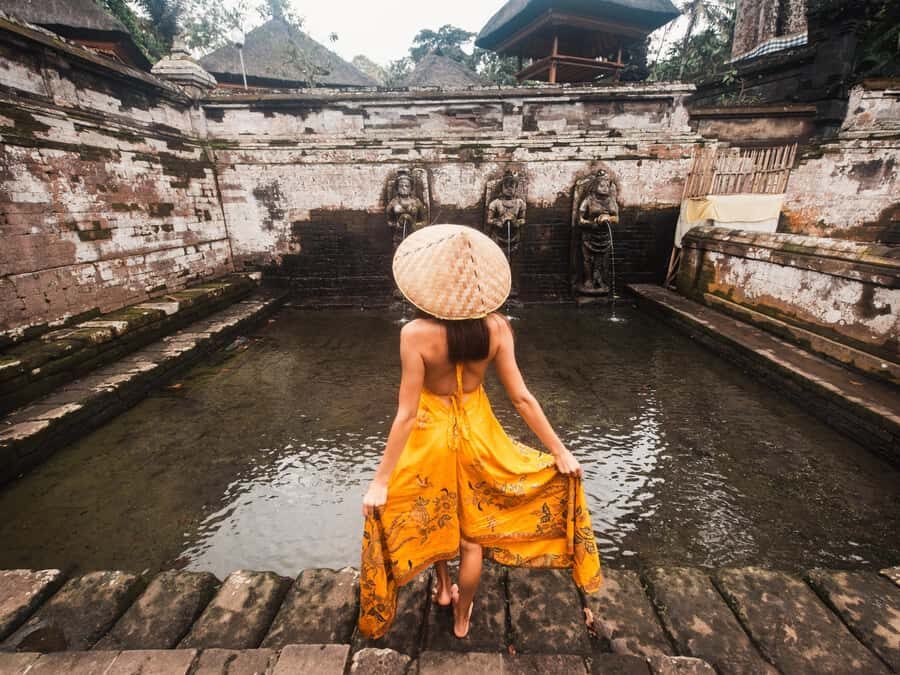
The highlight is Tirta Empul Temple, Bali’s Holy Water Temple, where you participate in a purification ceremony. This is where the day turns from sightseeing into something more personal.
The ceremony centers on sacred springs. You experience the ritual steps using the holy water, and many descriptions focus on the water feeling cool as it touches your skin—like a physical reminder that the ritual is real, not just a performance for tourists.
It’s also a stop where your guide’s role matters. Some guides go beyond pointing things out—they help make the experience smoother and more respectful, including offering guidance during the ceremony and helping with photography at key moments. In one account, the guide mentioned special preparations for the offerings made by a family member early that morning, which signals how seriously these rituals are treated.
Important consideration: if you’re visiting as a woman and you’re menstruating, the tour notes that you may not be permitted to enter certain temples. That’s not something to ignore. If this applies to you, contact the provider ahead of time and be ready with a plan B for how you’ll participate in the day.
Bali coffee plantation: see Luwak processing the practical way
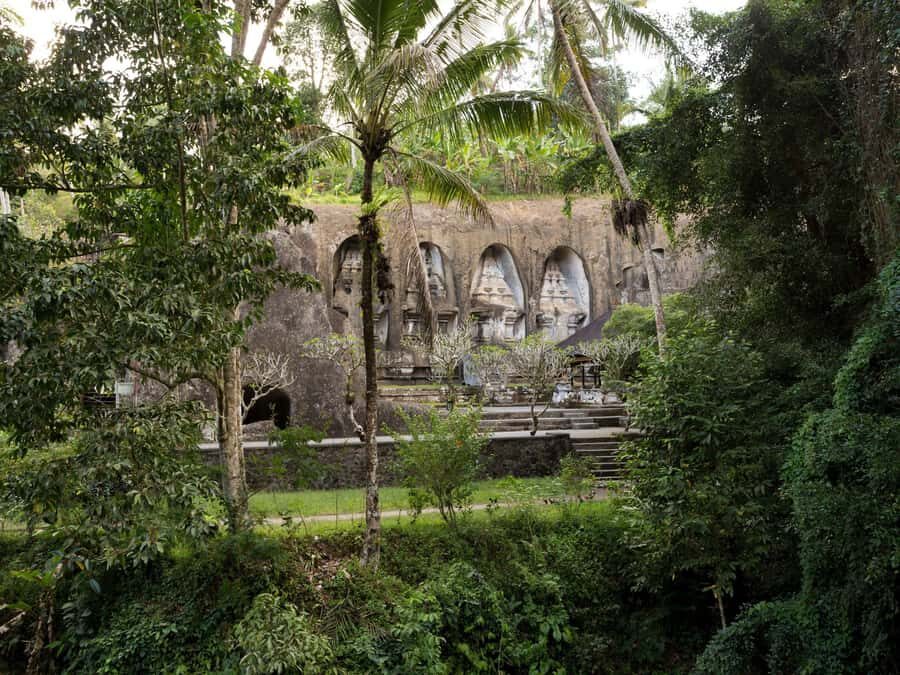
After the spiritual sites, you’ll visit a Bali coffee plantation to learn how Balinese coffee Luwak is processed. This stop adds variety to the day, and it’s a good way to get out of temple mode without losing the cultural connection.
What you’re likely to take away here is the process: how the coffee is handled from plant to final product, and why Luwak coffee has its reputation. Guides often describe the plants and the method clearly, and you’ll usually get time for questions while smelling the aromas from the grounds and roasting process.
This is also where I think the private tour format pays off. If you don’t want a long sales pitch, you can usually keep your focus on learning the method and what makes the process different. And if you do want to sample or buy, you’ll have the time—without feeling pressured while your guide is juggling a bigger group.


Private guide perks that make a spiritual day work
A private tour isn’t just about comfort. It changes the whole vibe of the day.
You’ll be with an English-speaking driver/guide, and the best part is how often guides are praised for explaining sites clearly and answering questions directly. Names that came up again and again include Wayan Agus, Wayan Kantra, Putu, Dewa, and Pande, plus other drivers like Darma. Different personalities, same result: you’re not left guessing what you’re looking at.
Another big win: photo and video help. Several accounts mention that guides help capture moments during temple visits and active parts of the day. That matters at Tirta Empul, where you want pictures but also don’t want to struggle with your camera while staying aware of what’s happening.
And it’s not only temple theory. Guides are also described as practical—keeping the day comfortable with mineral water, and even helping with umbrellas when rain hits. Small stuff like that makes a cultural day feel cared for.
Price and value: is $36 per person worth it?
At $36 per person for a 7–8 hour private tour, this is priced in the value range—especially because a private day in Bali can easily cost much more once you add transport and multiple stops.
Here’s what your money covers:
- Pickup and drop-off from your Bali accommodation
- Transportation during the day
- Participation in the Tirta Empul purification rituals
- Refreshments and bottled water
- Entrance fees only if you choose the all-inclusive option
- A private setup with opportunities to explore and take photos
What isn’t included:
- Meals
- Personal expenses and souvenirs
So the value equation is simple. If you want multiple sacred sites plus the purification ritual plus transport, you’re paying for convenience and guidance, not just admission tickets. The only true “watch out” is that you’ll still need to plan for food since meals aren’t included. Bring a plan for lunch or snacks so you don’t lose momentum after Tirta Empul.
Also, the tour notes consistently strong transport ratings—100% of reviewers gave it a perfect score. That matters because a long day with a dependable driver reduces stress fast.
Who this Bali spiritual journey fits best
This is a strong choice if you want:
- A spiritual-focused Bali day, not just a checklist of temples
- A private experience with time for explanations
- A guide who can tie together culture, religion, and what you’re seeing in each site
- First-time Bali visitors who want context before and during Tirta Empul
It’s also a good fit for couples or solo travelers who like learning from someone who can switch between storytelling and practical help. Several accounts highlight how guides talk through Balinese customs and answer questions clearly, which is exactly what you want when you’re not sure what’s symbolic and what’s practical.
The main mismatch is if temple access restrictions are a concern for you. The tour explicitly notes possible limitations for women who are menstruating. If that applies, plan ahead so your day doesn’t end up frustrating.
Smart tips to get more from Goa Gajah, Tirta Empul, and the coffee stop
These are grounded in the facts of the tour and what you’ll be doing:
- Start the day with a question list. Since your guide is English-speaking and attentive, you’ll get more out of the sites if you ask.
- Plan your timing around the pickup window. Being ready before the start helps the driver keep you on track.
- If you’re doing the purification ritual at Tirta Empul, expect water and prioritize comfort. You’ll be participating in a ritual that involves sacred spring water.
- Don’t forget the non-temple stop. The coffee plantation is part of the value here, so use it for questions about Luwak processing rather than only shopping.
- If rain happens, you’re in good hands. Guides are described as ready to help with umbrellas, which can save your day.
Should you book this Bali spiritual purification tour?
I’d book it if you want a single-day spiritual journey that feels guided, respectful, and practical—especially around Tirta Empul. The combination of Goa Gajah, Gunung Kawi, the Holy Water ritual, and the coffee plantation gives you variety without losing the thread of Bali culture.
I’d also book it if you like structure but not chaos. Private transport, English explanations, bottled water, and photo help mean you’re not stuck figuring things out by yourself.
If you’re sensitive to temple access rules, check the menstruation note early. And if you hate long days with water-based rituals, be honest with yourself before choosing a purification experience.
For most people seeking a real cultural day in Bali at a reasonable price, this one is hard to beat.
FAQ
How long is the Bali spiritual journey?
The tour lasts 7–8 hours, depending on the starting time available.
What is included in the tour price?
It includes hassle-free pickup and drop-off, transportation, refreshments and bottled water, and participation in the purification rituals at Tirta Empul Temple. Entrance fees may be included if you select the all-inclusive option.
Are meals included?
No. Meals are not included, so plan for lunch or snacks separately.
What language is the guide or driver?
The driver/guide provides English support.
Is this a private tour?
Yes. It’s a private group experience.
Is the Tirta Empul purification ceremony included?
Yes. You’ll have participation in the purification rituals at Tirta Empul Temple.
Are there any restrictions for temple entry?
The tour notes that for women, if you are menstruating, you may not be permitted to enter certain temples. Plan your visit accordingly.