Jakarta can feel like a blur of noise and traffic, so this walk slows you down and gives the story behind the scenery. You get documentary-style explanations of Indonesia’s social and political shifts, tied to what you can actually see on the streets. I love how it covers both the big picture and the lived reality, and I also like that the tone stays balanced and non-biased so you can form your own view. One possible drawback: the route can feel a bit loose, since at least one guest noted the guide didn’t always follow a tight plan.
Indonesia is huge, young, and changing fast, with more than half the population under 30 and a mix of ethnicities, cultures, and languages. That’s the point of the tour: to help you understand why Indonesia’s future matters socially, politically, and economically, even when daily life on the ground looks wildly uneven. If you want a simple sightseeing loop, this won’t be that. If you’re curious about politics and want first-hand context in real public spaces, it’s a smart use of 2.5 hours.
Book it if you like questions, street-level context, and clear links between history and today. The guides—many praised Mar’ie for strong English and answering questions—keep the experience moving through monuments and areas with political meaning, not just random photo stops.
In This Review
- Key highlights you should care about
- Why a social and political walk works in Jakarta
- Lapangan Banteng meeting point: where the walk starts
- Monuments and political meaning: reading the city in real time
- The independence-to-today storyline: state-building explained without the fluff
- Inequality on the ground: the contrast that shapes Indonesia’s politics
- Asking questions with Mar’ie: where the experience really shines
- How long is 2.5 hours, and what that means for your schedule
- Who this tour fits best (and who should skip it)
- Value and what you actually take away in 2.5 hours
- Should you book the Jakarta Social and Political Walk?
Key highlights you should care about
- Documentary-style storytelling that mixes social commentary with political history
- Street exploration that connects ideas to visible landmarks and public spaces
- Balanced, non-biased perspective designed to help you decide your own stance
- Ask-anything conversation led by an English-speaking guide like Mar’ie
- Indonesia’s “two realities” theme: modern cities vs. areas with basic infrastructure gaps
Why a social and political walk works in Jakarta
Jakarta isn’t just a place you pass through. It’s one of the best stages in Indonesia for understanding how policy, power, and everyday life collide. This walk leans into that. Instead of treating politics as distant news coverage, you treat it like something written into the city—through monuments, public institutions, and the way people move through space.
Indonesia is also the kind of country where the details change your interpretation. It’s the most populous Muslim country in the world, and it’s an archipelago of more than 250 million people spread across different cultures and languages. Yet the tour doesn’t stop at diversity as a fun fact. It points you toward the hard part: major social inequality, where some people live in tech-forward urban life while others may not even have access to electricity.
If you’re the type who likes to understand cause and effect, you’ll appreciate the tour’s structure. It’s built to feel like a documentary that you can walk alongside—historical background, current events, then the question: what does all that mean for ordinary people?
You can also read our reviews of more tours and experiences in Jakarta.



Lapangan Banteng meeting point: where the walk starts
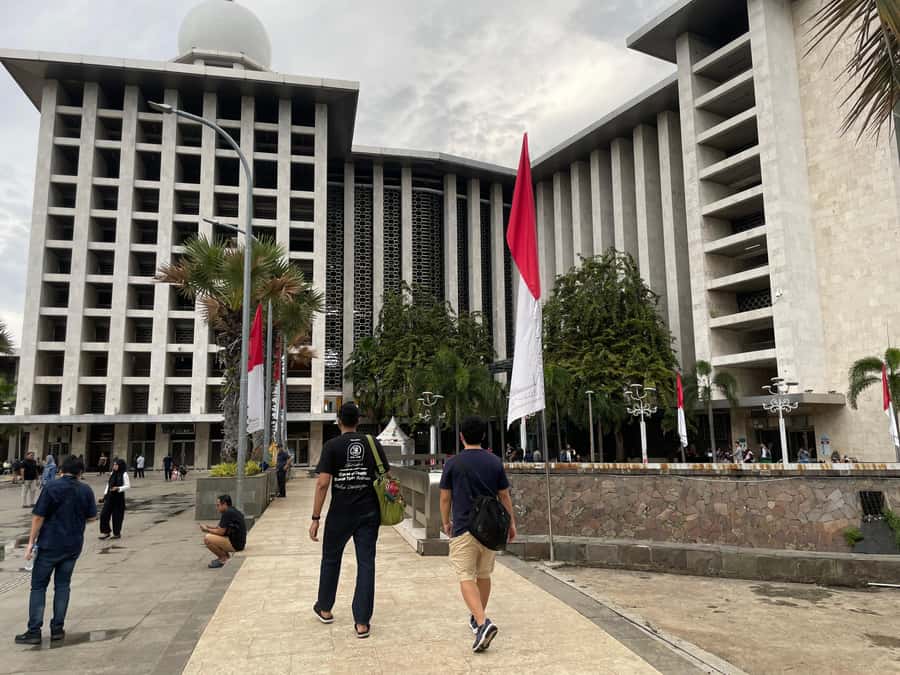
You meet next to the Jakarta Bookhive inside Lapangan Banteng. The coordinates are -6.170995235443115, 106.83494567871094. This matters because it anchors the experience in a real civic space, not a hotel lobby. You start already in the rhythm of the city—people circulating, public space doing its job, and conversation about politics feeling less abstract.
I like that the meeting point is easy to visualize on the map: you’re in central Jakarta, ready to walk, and you’re not forced into a long ride just to begin. For many visitors, the fastest way to feel oriented is to start where locals already hang out and where public life is visible. That’s what Lapangan Banteng gives you.
Practical tip: arrive a few minutes early. You’re going to want a calm start so you can jump into the first round of context without rushing.
Monuments and political meaning: reading the city in real time
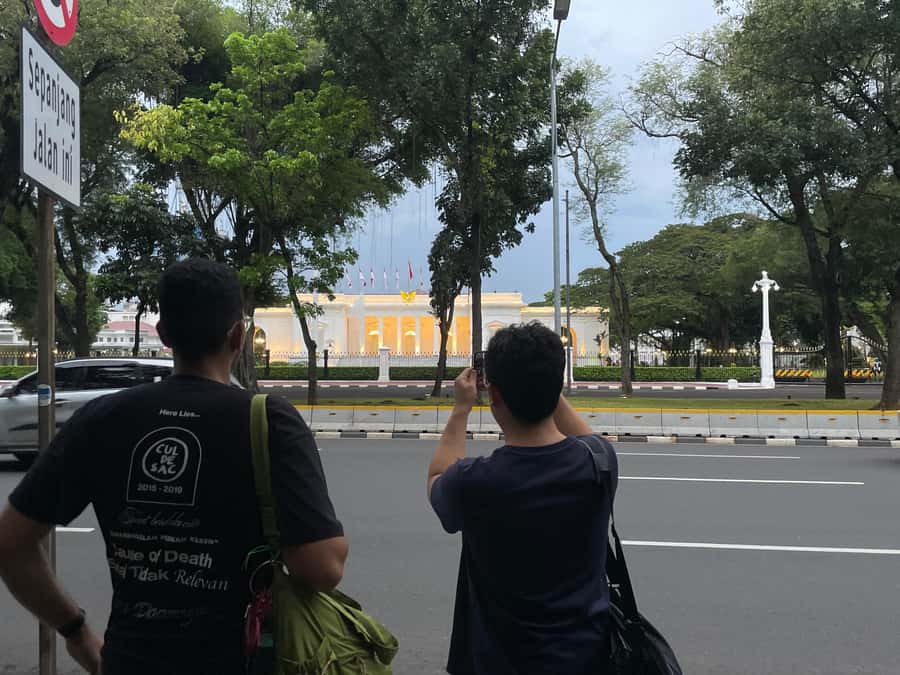
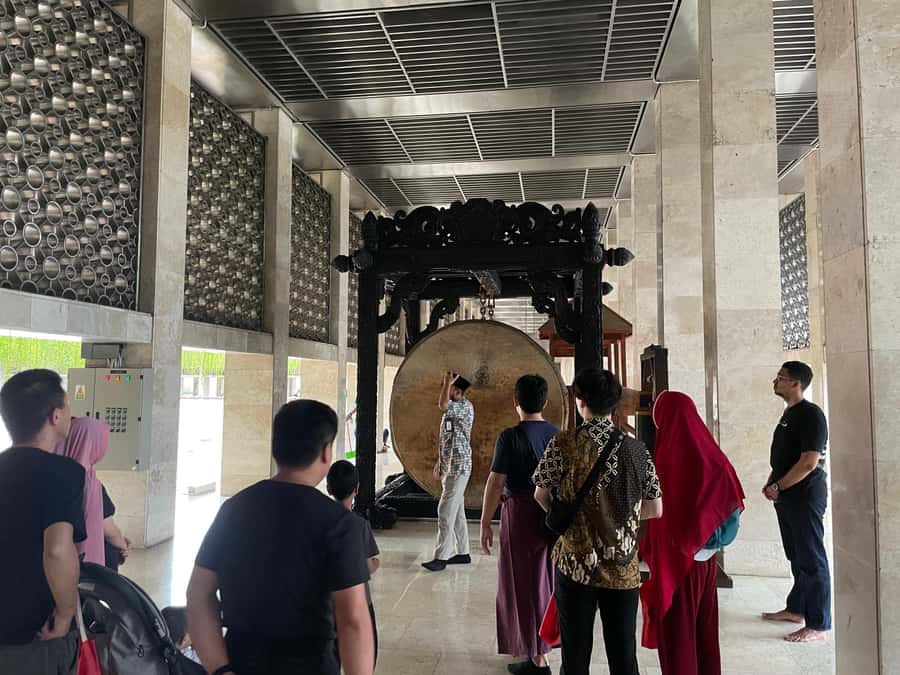
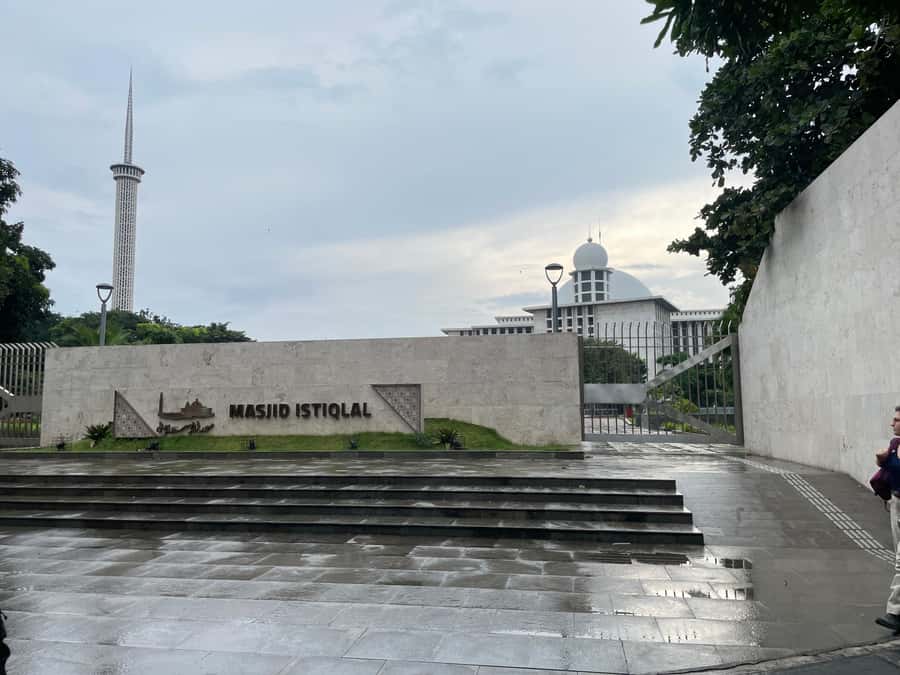
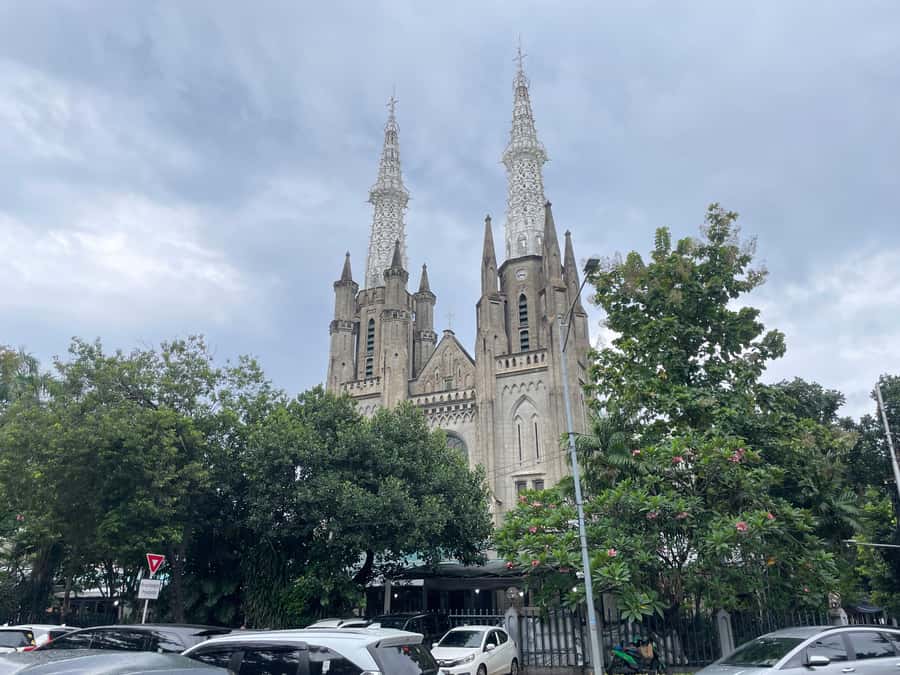
This tour is built around a simple idea: when you see political history in place, you remember it. The guide takes you across different monuments and areas of political significance, then connects what you’re looking at to the larger story of Indonesia.
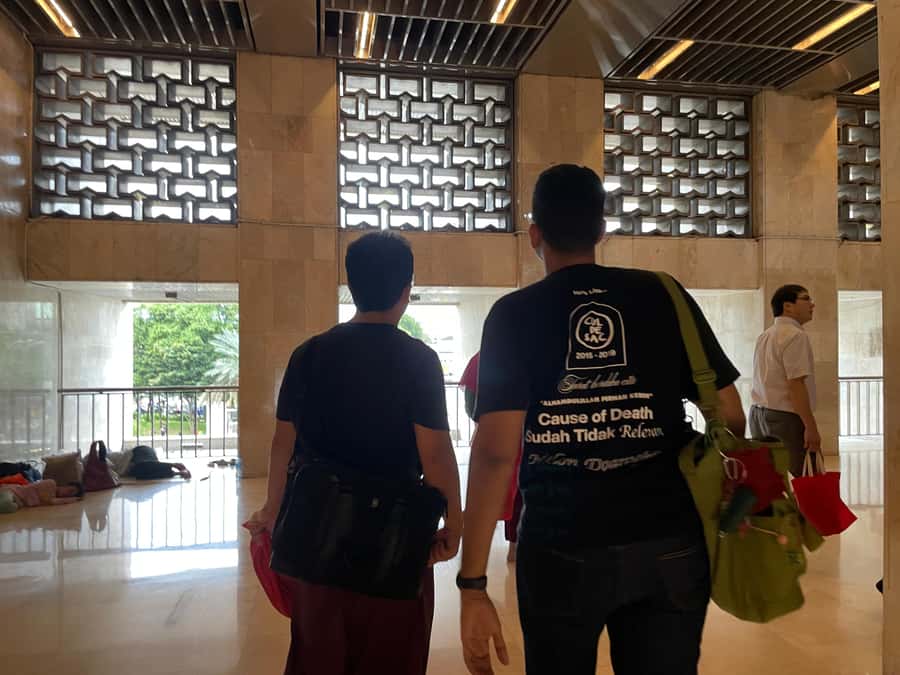
That style is one reason the walk works so well for an English-speaking visitor. You’re not left to interpret everything yourself from plaques or captions. Instead, you’re getting a running explanation—almost like you’re watching a documentary on foot, where the scenes keep changing.
From the review feedback, I’d expect the walk to include stops where the symbolism is obvious and stops where the meaning is less straightforward. Some monuments and civic areas are easy to read at a glance. Others become clearer once you understand the political purpose behind them—state-building, public identity, and the shifting role of government over time.
What you should watch for: don’t just take photos. Look at how the space is used. Where do people gather? How does the city frame authority? Those small observations help the guide’s narrative stick, and they turn this into more than a narration exercise.
The independence-to-today storyline: state-building explained without the fluff
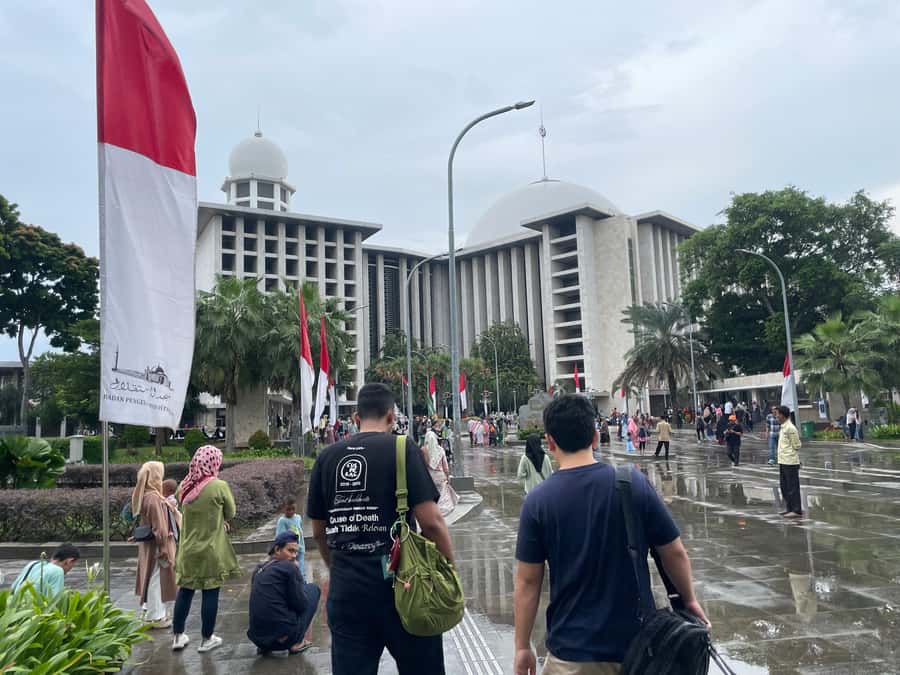
One of the strongest promises of this experience is that it follows Indonesia’s social and political arc—from the creation of the Indonesian state through modern times. That’s a big sweep, and the tour tries to keep it understandable by sticking to a few core themes and then showing how they repeat in different forms.
You’ll get historical context, then you’ll bring that context to current events. This matters because politics in Indonesia isn’t just about one election or one policy. It’s also about how a young nation negotiates identity, governance, and legitimacy across a huge archipelago.
The tour’s tone helps here. It’s described as balanced and non-biased, which means it’s not trying to steer you toward a single moral verdict. Instead, you’re nudged to compare the mechanisms of change: laws vs. lived experience, national narratives vs. local realities.
If you care about politics beyond headlines, you’ll probably enjoy this structure. It gives you a mental framework you can use after the walk—so you can read the news and actually recognize the underlying tensions.
Inequality on the ground: the contrast that shapes Indonesia’s politics
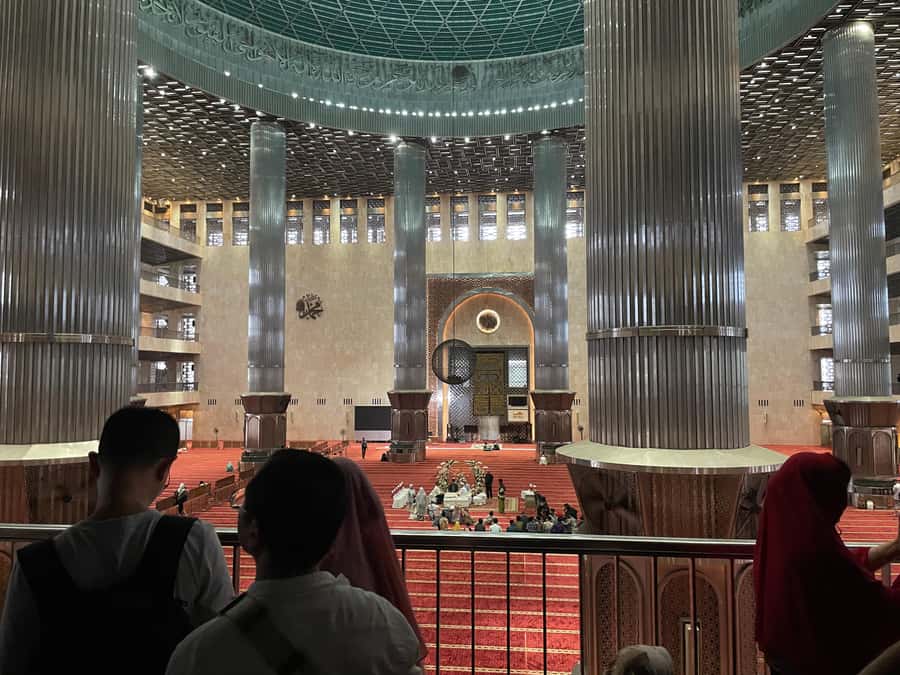
A theme that shows up clearly in the tour description is inequality—how the country can look hyper-modern in some places and still struggle with basic services in others. The tour points out a stark contrast: some citizens live in tech-savvy cities, while others may not have access to electricity.
This isn’t just a depressing side note. It’s politically relevant. When inequality is structural, it affects education, health, opportunity, and trust in institutions. That’s the kind of connection that can be hard to see if you only visit the most polished areas of Jakarta.
During the walk, the aim is to connect those realities to social and political discussion. You’re meant to leave with a clearer sense of why debates about governance, development, and rights can be so intense in a place where life experiences vary wildly by neighborhood.
I like this angle because it makes the tour feel grounded. You’re not collecting abstract facts—you’re building a model for what drives politics in a country with uneven development.





Asking questions with Mar’ie: where the experience really shines
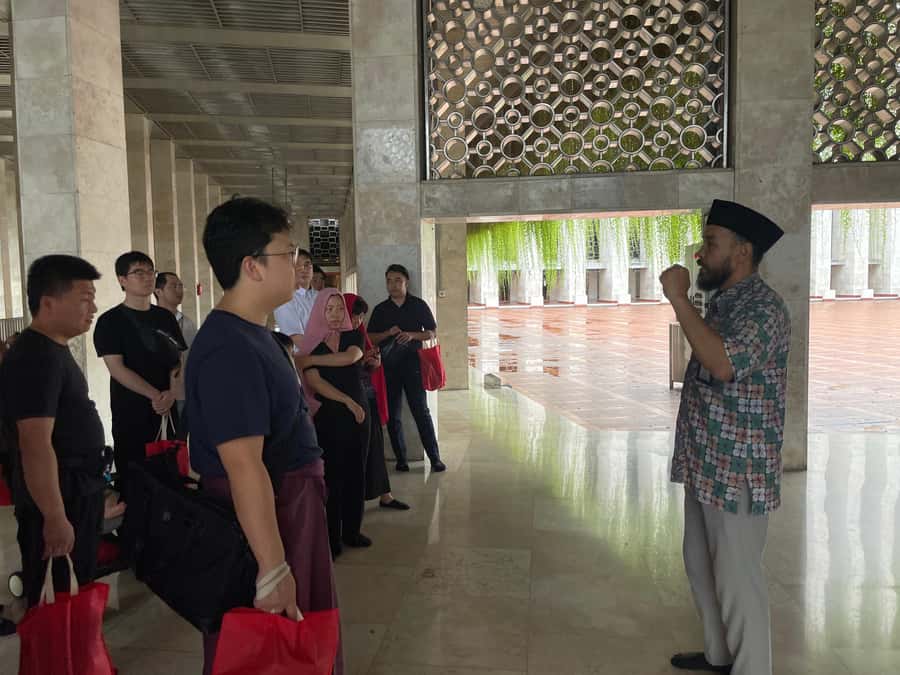
A major reason this walk earns a high rating is the guide experience. Multiple reviewers singled out Mar’ie by name. One person praised his exceptional explanations of Indonesia’s politics and society, plus strong communication and English that made the experience easy to follow. Another reviewer said Mar’ie answered questions beyond expectations and had perfect English.
That’s big, because “politics on foot” can get messy if your guide can’t translate ideas into clear street-level language. Here, the feedback suggests the guide can do exactly that. You’re not stuck with vague talking points. You’re getting answers that keep the conversation going.
At the same time, you should note the one caution from the Canada review: the guide didn’t really have a plan, so the discussion could drift across social commentary and political history. That doesn’t automatically mean it’s bad—sometimes a spontaneous chat is what makes it feel human. But if you prefer tight structure and predictable stops, you might find the flow slightly less controlled.
My advice: treat this as a discussion-led walk. If you arrive ready to ask questions, you’ll likely get more out of it than someone who expects a rigid checklist.
How long is 2.5 hours, and what that means for your schedule
The duration is 2.5 hours, which is a good sweet spot for a tour like this. Long enough to connect multiple themes—history plus modern issues—without burning a whole afternoon. Short enough that you can pair it with other Jakarta plans afterward.
For most visitors, a half-day block works best when you’re balancing context-heavy experiences with lighter ones. After a walk like this, you’ll often enjoy a museum visit, a casual meal, or even more street wandering with sharper instincts.
Walking-wise, this is a tour described as a street exploration experience, so plan to be comfortable on foot for around two hours with some time for stops and conversation. If you’re visiting from a place with very different heat and humidity, take water seriously and wear shoes you don’t regret.
Who this tour fits best (and who should skip it)
This is aimed at people with a genuine interest in politics and those who want to understand Indonesia’s situation through first-hand research. That phrase matters. The walk isn’t just lecture-style sightseeing. It’s interactive storytelling that pushes you to test what you think you already know.
You’ll likely enjoy it if:
- you like history, but you also want it connected to today
- you read news about Indonesia and want a better mental map
- you prefer guides who answer questions directly, not just recite slides
You might skip it if:
- you want a simple cultural highlights route
- you get uncomfortable with politics and social inequality topics
- you expect every stop to be tightly choreographed with fixed commentary
Value and what you actually take away in 2.5 hours
I can’t quote price here because none was provided, but I can tell you how the tour earns its value. You’re paying for three things in a short window:
1) an English live guide
2) documentary-style analysis that links social issues to political history
3) street exploration across monuments and politically meaningful areas
The best value comes from the conversation element. When a guide can keep answering questions and explain the why behind the what, you leave with something you can use—new context for future reading and future conversations.
Also, the tour’s promise of being balanced and non-biased is worth real consideration. Politics can feel like propaganda from any side. A guide who stays centered and helps you weigh evidence can be more useful than a guide who only repeats a single viewpoint.
One more practical note: there’s free cancellation up to 24 hours in advance and a reserve & pay later option. That makes it easier to commit without locking your whole trip, especially if Jakarta weather and timing are still uncertain.
Should you book the Jakarta Social and Political Walk?
If you’re curious about Indonesia beyond tourist basics, I think it’s a strong pick. The walk is designed for people who want context, not just sights. You’ll connect independence-era state-building to modern social and political tensions, and you’ll do it while looking at the city’s public space instead of staring at a screen.
Book it if:
- you want a politics-focused walk that still feels street-level
- you like question-and-answer guidance (Mar’ie seems to deliver here)
- you’re interested in how inequality shapes real political debates
Skip it if:
- you want tightly scheduled stops and a rigid script
- you’re only in Jakarta for quick photo moments
- politics and social inequality feel like too much for your travel mood
If you do book it, go in with one or two questions you genuinely want answered. This is the kind of experience where your curiosity becomes part of the route.