There’s no better excuse for an early morning. This full-day Bali photography tour from Ubud lines up Mount Agung sunrise with rural scenes and practical temple-light practice, and it keeps things personal with a max group size of 4. The main drawback? You’ll need to be comfortable starting at 5:30am, and the whole day depends on good weather.
What I like most is the mix of serious viewing with real coaching. You can bring an iPhone, a digital SLR, or even a drone and get tips for how to get stronger shots. You’ll also eat a delicious Balinese home-cooked meal with a local family and spend part of the day supporting village life instead of bouncing only between viewpoints.
In This Review
- What’s It Like When Your Day Starts at 5:30am?
- Mount Agung Sunrise: Rice Fields, Rural Motion, and Better Framing
- Tirta Empul Temple: Purification Scenes With Photo-Respect
- The Balinese Home-Cooked Lunch That Makes the Day Feel Real
- Photo Coaching That Works for Phones, Cameras, and Drones
- Price and Value: Is $246.16 Worth It?
- Community Support: 10% Goes Toward Education and Dance
- Timing, Weather, and the One Thing You Can’t Control
- Who This Tour Fits Best—and Who Might Skip It
- Should You Book This Bali Full Day Photography Tour?
- FAQ
- What time does the Bali Full Day Photography Tour start?
- How long is the tour?
- Where is the tour based?
- Is pickup included?
- What’s included in the price?
- Is camera equipment provided?
- How big is the group?
- What if the weather is bad?
What’s It Like When Your Day Starts at 5:30am?
Starting at 5:30am in Ubud is not subtle, but it’s also where the best light happens in Bali. The early start is built around sunrise photography, which means you’re working with softer colors and longer shadows, not midday glare. If you’re used to sleeping in on vacations, plan for a slower night before—this tour asks for a little respect for the clock.
Another thing that shapes your experience is pacing. This is an 8-hour tour, but it’s not “rush to 10 stops.” It’s built around fewer, higher-impact moments—sunrise with landscape views and one strong cultural/photography stop at Tirta Empul. In a small group (up to 4), you also tend to get more individual help with where to stand and how to frame.
Logistics-wise, pickup is offered, and the tour notes that it’s near public transportation. You’ll also use a mobile ticket. If you’re thinking, great, I can show up casually—don’t. Sunrise days reward those who show up ready.
Mount Agung Sunrise: Rice Fields, Rural Motion, and Better Framing
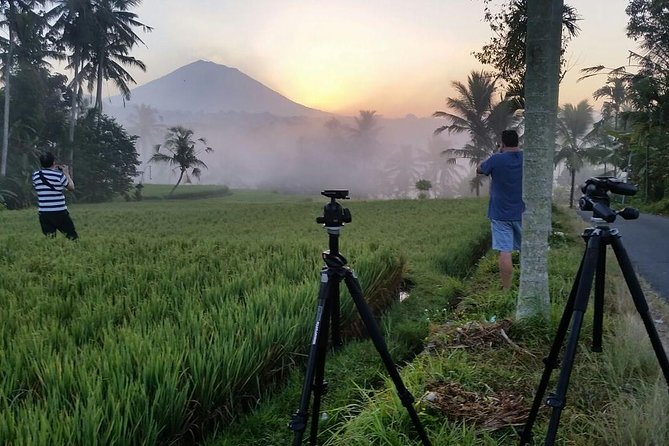
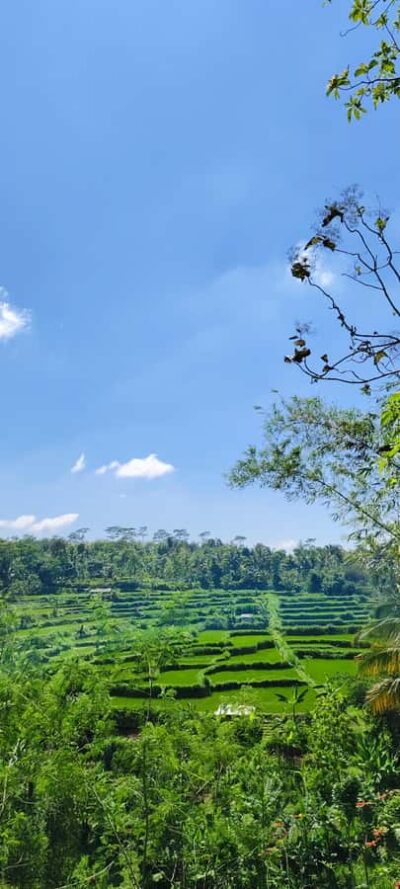
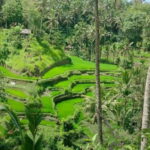
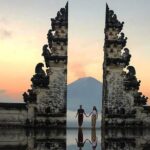
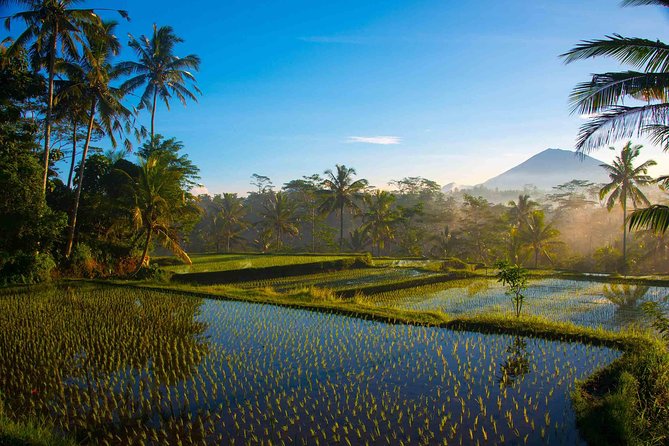
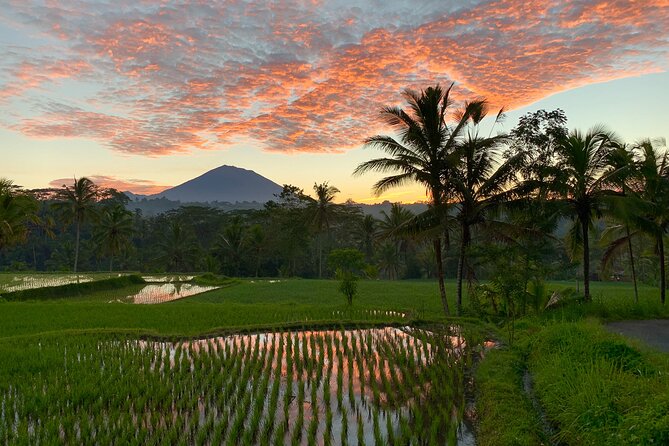
Stop 1 is Mount Agung, timed for sunrise. The promise here is more than a postcard view: you get sunrise over Mount Agung plus rice-field surroundings and rural life activity. That combination matters for photos because it gives you layers—foreground textures (rice and vegetation), mid-ground movement (people and daily routines), and the mountain as the visual anchor.
You’re allotted 1 hour 30 minutes, which is a healthy window. That extra time helps you do the two most useful things in sunrise photography:
- Wait for the light to change. The color and contrast can swing quickly.
- Test angles without feeling rushed. Different viewpoints on a single morning can produce totally different compositions.
One practical consideration: sunrise photography usually means cooler temps and damp air, even if the sun is coming fast. You’ll want to wear something warm enough for early minutes, and keep your hands comfortable so you can adjust settings or hold your device steadily.
Also, this is a working rural area. You’ll get better results when you slow down, watch how locals move, and frame respectfully. The tour’s theme—working with local communities—fits that mindset.
You can also read our reviews of more tours and experiences in Ubud.

Tirta Empul Temple: Purification Scenes With Photo-Respect
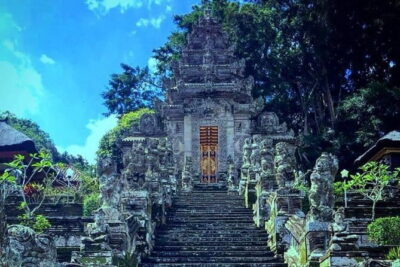
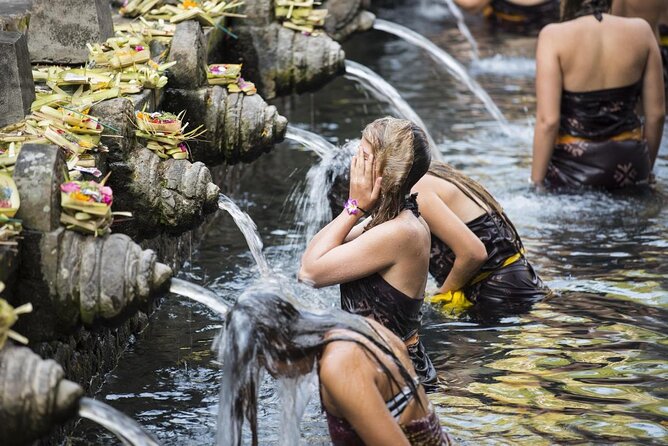
Next up is Tirta Empul Temple, with 1 hour on-site. The focus isn’t just architecture. It’s people doing purification there, and that changes how you should think about your camera.
Purification scenes are powerful because they show rhythm: water, gestures, and expressions. But it’s also a cultural moment, not a performance for your lens. You’ll get better photos if you treat it like you’re observing a ceremony—standing back when you need to, and moving only when it doesn’t interrupt the flow.
From a photography standpoint, Tirta Empul can be challenging in a good way. Water introduces reflections and bright highlights, so you’ll want to pay attention to exposure and your angle relative to the light. The tour’s coaching component helps here: whether you’re using an iPhone or a digital camera, you should be able to get practical guidance on how to frame in a changing lighting situation.
If you’re shooting people in action, the small group matters. With fewer people competing for space, you’re more likely to find a position that works without constant repositioning. That’s how you get photos that feel human, not chaotic.
The Balinese Home-Cooked Lunch That Makes the Day Feel Real
For the full-day format, you’re included in a Balinese home-cooked meal in the homes of Balinese families. That’s one of the best parts of the tour’s concept, because it’s not just food—it’s context. You step into village rhythms rather than eating at a tourist stop where everyone orders the same thing and moves on.
This kind of lunch also tends to change your photo approach for the rest of the day. Once you’ve spent real time with locals, you start seeing small details differently—how people work, how spaces are arranged, and how everyday life becomes part of the visual story.
There’s also an important cultural respect angle. When you’re invited into someone’s home space, you’re part of a social moment. You’ll get the best experience if you go in with a calm attitude, ask before photographing if the moment feels sensitive, and treat the meal as part of the visit—not a break you rush through.
One detail from a recent experience: the day included time to visit a local food market to meet locals. That’s not something I’d assume is always identical, but it fits the tour’s overall theme of community connection.
Photo Coaching That Works for Phones, Cameras, and Drones
The tour’s photography promise is practical: the guide helps you improve your photos regardless of gear. The emphasis is on getting shots that come from good angles, light, and time of day, and on understanding how to use your device—whether it’s an iPhone, an SLR, or a drone.
Two things stand out in how the coaching is framed:
- It’s not only for photographers. The tour explicitly welcomes partners who want the scenery and culture even if they don’t shoot professionally.
- You get device-specific help. The tour mentions support for phones, SLR cameras, and drones, which suggests you won’t be left with generic advice.
Even if you don’t own advanced gear, you can still benefit. In practice, sunrise and temple stops are where small technique changes matter: where you place the horizon, how you handle bright skies, how you shoot motion, and how you avoid flat-looking compositions.
Important note: camera equipment isn’t included. That’s common, but it changes what you should pack. Bring what you need to shoot comfortably—chargers, spare battery if you use a camera, and anything required for your device setup. If you’re bringing a drone, you’ll want to be ready with your drone kit, but the tour data doesn’t specify any rules or permits, so follow local guidance on the day.
If you want a personal touch, there’s also an option for a private photo tour designed for your needs. Private formats often work well when you’re returning to Bali, already know your camera basics, or want more time at one type of scene.
Price and Value: Is $246.16 Worth It?
At $246.16 per person for about 8 hours, the cost can feel steep at first glance. But when you break down what’s included, it starts to make more sense.
What’s built in:
- Pickup offered
- A delicious Balinese home-cooked lunch
- Admission tickets for both Mount Agung sunrise and Tirta Empul
What you’re paying for isn’t only travel. You’re paying for sunrise timing, photo guidance, and the effort to place you in community-centered settings. The small group size (maximum 4) also matters here. In larger groups, you often get “stand here, shoot quickly, next.” Here, you have more chance to refine your shots and get real help.
So the value question becomes: do you care about photography enough to use the coaching, and are you excited about early morning sunrise rather than sleeping in? If yes, this price can be easier to justify. If you only want a casual scenic ride, you might find better value elsewhere.

Community Support: 10% Goes Toward Education and Dance
One of the tour’s clearer “why” points is community support. The tour states that 10% of what you pay goes to education and dance teaching programs in the villages.
That’s more than a feel-good tagline because it aligns with the day’s structure:
- Sunrise in rural areas instead of only viewpoint hopping
- A cultural temple stop centered on local purification practice
- Lunch hosted in Balinese homes, which supports real village life
It also explains the tour’s tone about working with local communities. If you like travel that gives something back without being preachy, this model tends to land well. Even if you’re mostly there for photos, your ticket helps fund local activities tied to education and dance teaching.
Timing, Weather, and the One Thing You Can’t Control
The tour requires good weather. That’s not a minor detail—sunrise photography can fall apart if clouds roll in or visibility drops. The plan is weather-dependent, and the tour notes that if it’s canceled due to poor weather, you’ll be offered a different date or a full refund.
So your decision isn’t only about the tour. It’s about your flexibility. If your Bali trip has no wiggle room at all, this is a risk. If you can shift dates, you’ll likely have a smoother experience.
Also, remember the emotional reality of an early start. Even if the weather is great, the day starts with morning wakefulness. Bring a water bottle, expect a long day, and don’t over-schedule the night before.
Who This Tour Fits Best—and Who Might Skip It
This tour fits best if you want at least one of these things:
- Sunrise photography that’s timed for light, not just crowds
- Real coaching for phone or camera settings
- A cultural day that includes a Balinese home meal and village support
- A smaller group experience (max 4) where you can actually get help
It might be less ideal if:
- You hate very early starts and can’t handle starting before sunrise
- You’re only looking for casual sightseeing without any interest in photo tips
- Your schedule is locked with no date flexibility for weather changes
A smart middle ground: if you’re a partner who isn’t a “camera person,” you’ll still get value from the scenery and cultural access. The tour explicitly welcomes non-photography partners.
Should You Book This Bali Full Day Photography Tour?
If you want better photos and a more human Bali day, I think this is a strong booking. You get sunrise timing for Mount Agung, a cultural photography stop at Tirta Empul, a lunch hosted with Balinese families, and coaching that’s meant for real devices—not just a general lecture. The small group size makes it easier to get direction when you’re dealing with tricky light.
I’d hold off only if the idea of a 5:30am start sounds like punishment, or if your trip dates are too fixed to handle a weather-based reschedule.
If you’re the type who wants to leave with photos that actually look intentional—this tour is built for you.
FAQ
What time does the Bali Full Day Photography Tour start?
The start time is 5:30am.
How long is the tour?
It runs for approximately 8 hours.
Where is the tour based?
The tour is based in Ubud, Indonesia.
Is pickup included?
Pickup is offered.
What’s included in the price?
Included items are lunch, and admission tickets for Mount Agung and Tirta Empul.
Is camera equipment provided?
No. Camera equipment is not included.
How big is the group?
The tour has a maximum of 4 travelers.
What if the weather is bad?
This experience requires good weather. If it’s canceled due to poor weather, you’ll be offered a different date or a full refund.