One day, three worlds: water, rock, and old stone. This tour pairs the famous Beji Guwang Hidden Canyon swim-and-trek adventure with standout Bali temples like Goa Gajah and Gunung Kawi, all in a tight group of 5.
What I like most is how the day stays varied without feeling like a checklist, plus how the canyon portion is handled with real safety care from guides such as Komang, Depik, and Dewa. One drawback to think about: you’ll be in water and on uneven steps, so it’s not ideal if you’re not a confident swimmer.
The temples side is also a big win. You get UNESCO sites with different vibes—Elephant Cave’s carvings and root-filled scenes, then Gunung Kawi’s carved cliff feel—plus terraced rice fields along the way. The trade-off is that you should expect walking, including a lot of steps at the waterfall, and the day can feel more active than some Ubud-only temple tours.
In This Review
- Key Points at a Glance
- Why This Day Blends Hidden Canyon Fun and UNESCO Temples
- Small-Group Advantage: Pickup, Van Time, and Staying on Schedule
- Beji Guwang Hidden Canyon: Swim, Climb, and the Safety Mindset That Makes It Work
- What makes it special
- What to prepare for
- Tegenungan Waterfall: 100+ Steps, Big Views, and Crowd Reality
- The smart way to handle it
- Goa Gajah (Elephant Cave): Root-Caught Carvings and a Rain-Plan
- Gunung Kawi Temple: Cliff-Temple Stillness and Terraced Rice-Field Views
- Lunch Break and the Best Way to Refuel for a Step-Heavy Afternoon
- What to Bring (and Why): Water Shoes, Sarong, and a Wet-Day Kit
- Price and Value: What $73 Really Covers (and What You Must Budget)
- Who This Tour Fits Best (and Who Should Skip It)
- Should You Book This Bali Hidden Canyon & Temples Tour?
- FAQ
- What’s the main activity on this Bali tour?
- Do I need to be a confident swimmer?
- How big is the group?
- Which temples are visited, and are they UNESCO sites?
- Are entrance tickets included?
- How much are the entrance fees for the included sights?
- Is lunch included?
- What should I bring for the canyon and temples?
Key Points at a Glance
- Max 5 people keeps the pace human and gives your guide room to help with photos and timing
- Beji Guwang Hidden Canyon is real water adventure: swim, climb, and move through rock channels
- Tegenungan Waterfall means big views, plus over 100 steps to get up close
- UNESCO temples: Goa Gajah and Gunung Kawi bring history you can actually see and walk around
- Plan for entrance fees and swim gear since not everything is included in the base package
- Guides often go above the basics with pacing and on-the-spot problem solving when weather shifts
Why This Day Blends Hidden Canyon Fun and UNESCO Temples
This is the kind of Bali day that feels like two vacations stitched together. In the morning, you’re ankle-deep to chest-deep in a canyon system at Beji Guwang—fresh, slippery, and fast-moving in spots—then the afternoon shifts to temple history and quiet stone atmosphere.
I like that it doesn’t force you to choose between nature and culture. You get both, and they connect. The canyon area highlights how Bali treats water as something alive and useful, while the temples show how Bali treats stone and nature as connected storytelling—like the carvings, the tree roots, and the terraced scenery you pass on the way to Gunung Kawi.
The group size matters here. With up to 5 people, you’re not stuck waiting for a crowd. Guides in this tour line (you’ll hear names like Komang, Depik, Wayan, Dewa, and Putu) often spend time getting photos and keeping you from feeling rushed.
You can also read our reviews of more tours and experiences in Bali.

Small-Group Advantage: Pickup, Van Time, and Staying on Schedule
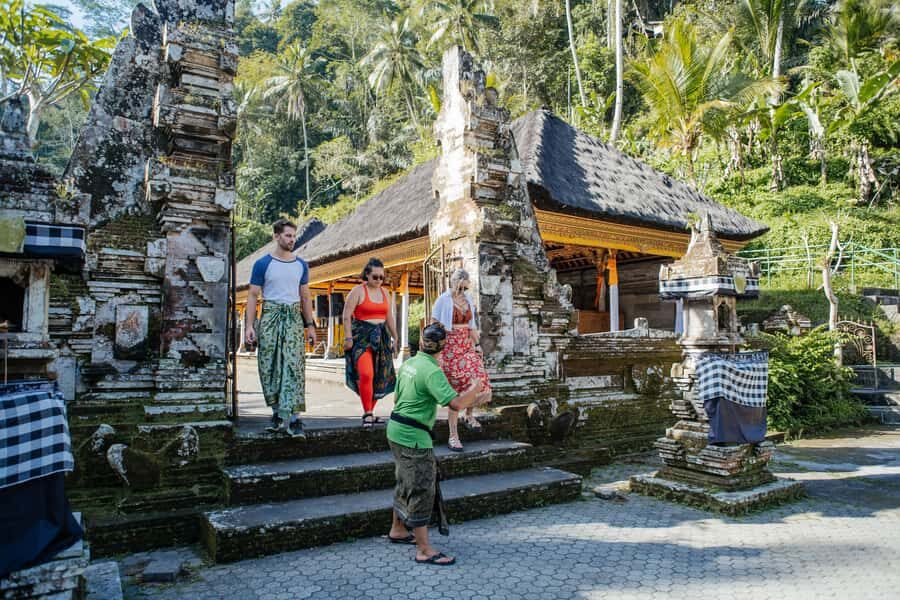
Your day starts with a hotel pickup from a long list of areas across Bali—places like Seminyak, Uluwatu, Kuta, Ubud, Denpasar, and more. The exact pickup time depends on where you’re staying, and the driver contacts you the evening before to confirm.
Once you’re in the van, you’ll be traveling between zones around Ubud. The schedule is built for a full day (about 510 minutes total), with guided stops that don’t drag. Transport is air-conditioned, and the tour is rated very strongly for smooth logistics—most people love that the rides feel organized rather than chaotic.
A small but important detail: since this is a group tour, van time will exist. If you’re the type who wants maximum minutes on-site and minimal riding, focus your expectations on the canyon and temple windows. The van is the connector, not the attraction.
Beji Guwang Hidden Canyon: Swim, Climb, and the Safety Mindset That Makes It Work
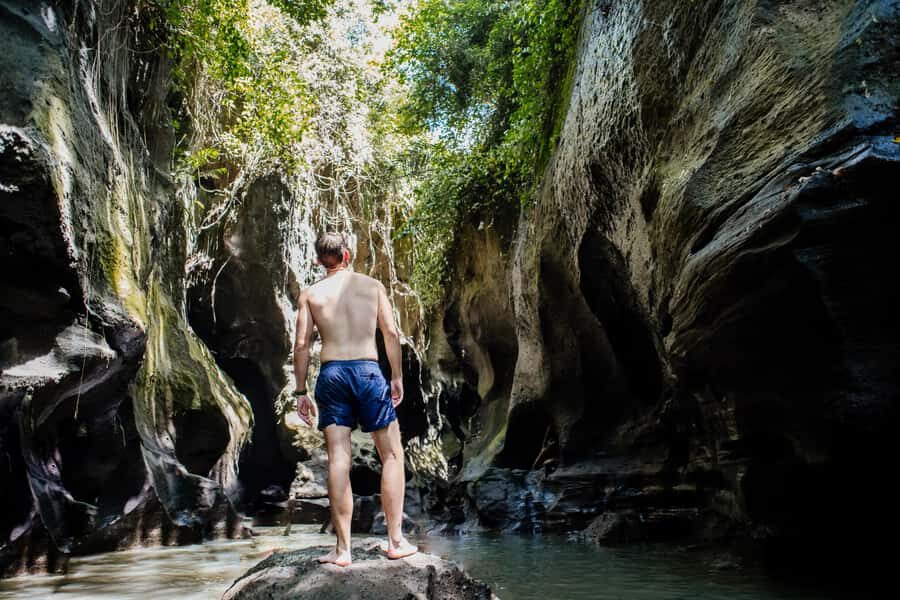
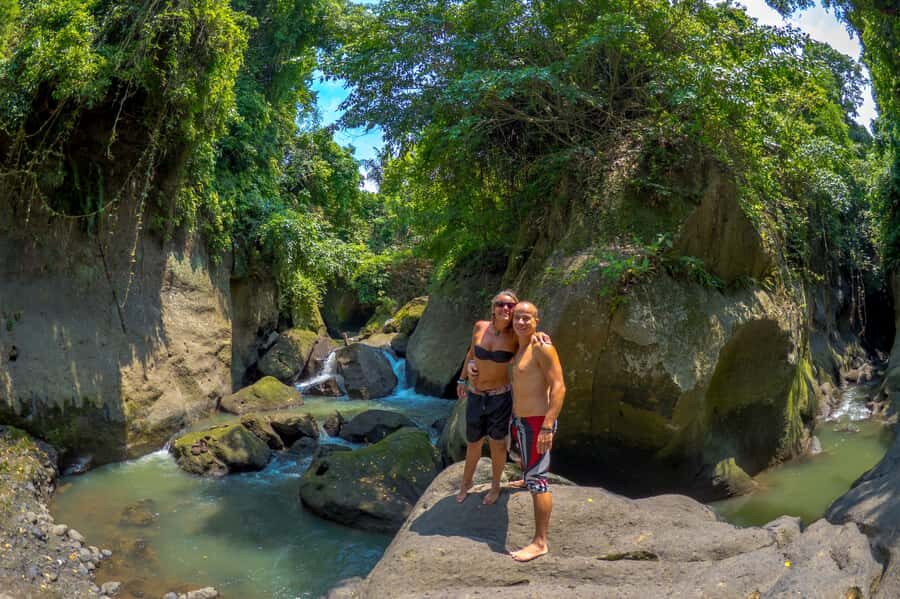
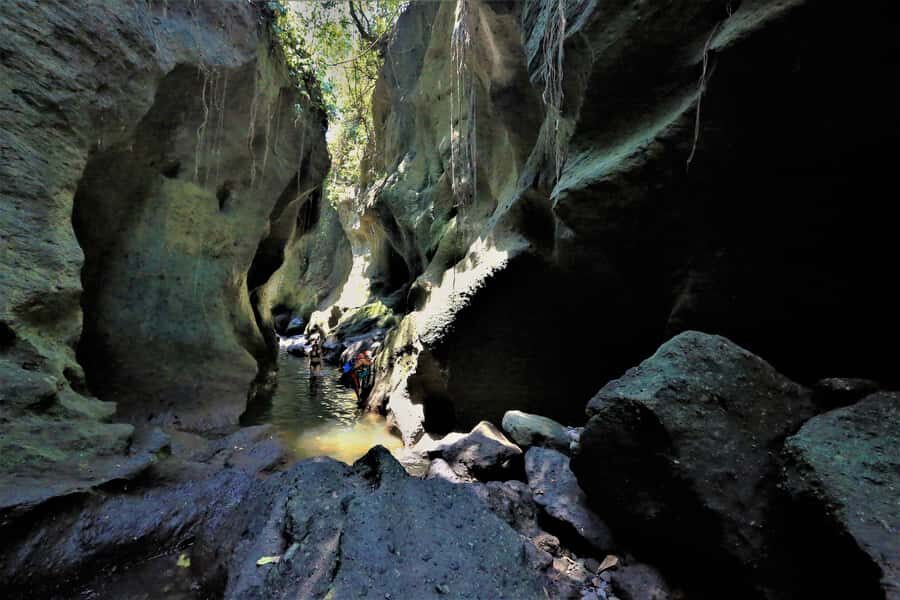
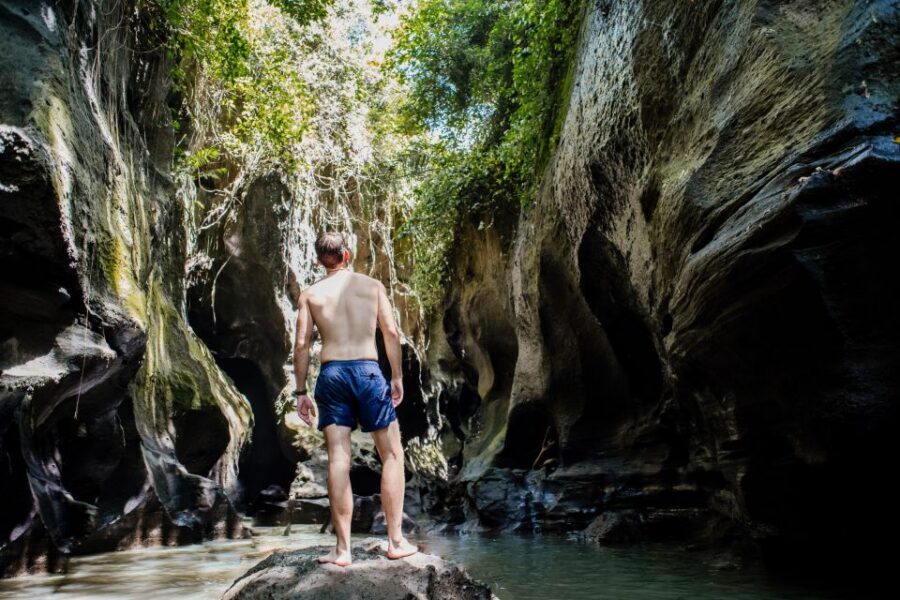
Beji Guwang Hidden Canyon is the headline. This part is not a “stand and look” experience. You trek and move through the canyon channels, and you’ll swim in sections—often with water flow that can surprise you if you’re used to calm pools.
The tour is set up as a guided adventure (about 2.5 hours on-site), so you’re not wandering around hoping for the best. Guides from these trips—people like Komang, Depik, and Anom show up repeatedly in feedback—tend to focus on pacing and practical safety: where it’s safe to step, where currents can be stronger, and how to avoid slipping on rocks.
What makes it special
- It’s hands-on nature: you’re in the canyon, not above it
- You get a guide rhythm: you stop, move, regroup, and keep moving without feeling lost
- Photos are a real part of the experience: many guides help you get shots because they know the angles and timing
What to prepare for
- You’ll likely climb through water and over stones
- Water conditions matter: currents can be strong in places, so confidence helps
- Water shoes are worth it: multiple guides explicitly suggest water shoes because the footing can be slick and spiky
Even when the canyon portion is the most intense thing on the itinerary, the best experiences happen when you come ready. Bring your swimwear, plan for wet clothes, and pack like you’re going to a water sport—not a museum.




Tegenungan Waterfall: 100+ Steps, Big Views, and Crowd Reality
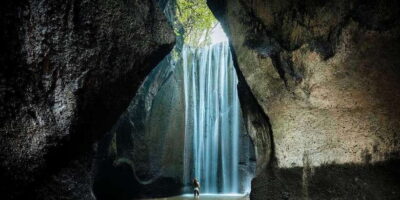
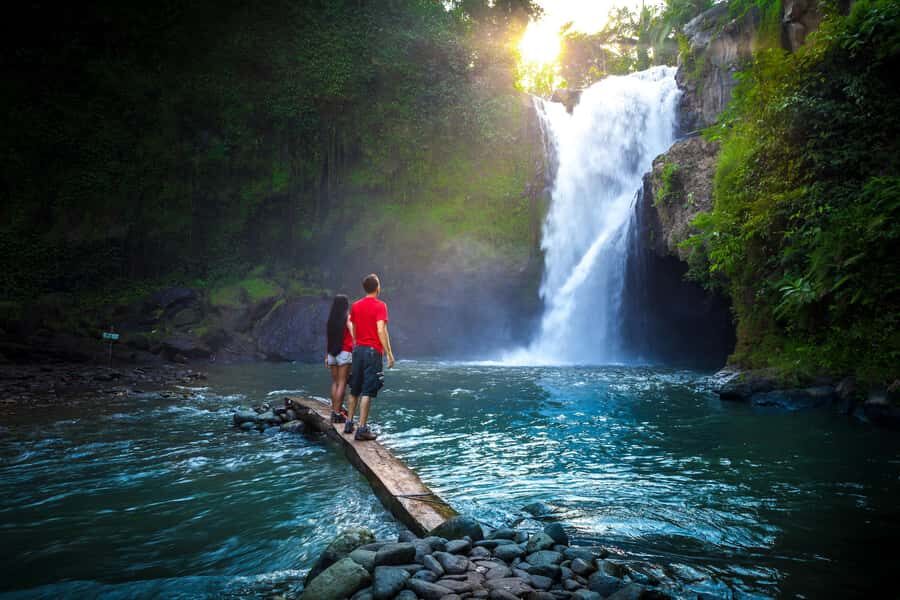
After the canyon, the day moves to Tegenungan Waterfall. It’s one of Bali’s well-known waterfalls, and that reputation shows up in the experience: it’s beautiful, but it can be crowded.
You’ll visit with a guided format (about 1.5 hours) and get the classic waterfall look, plus time to settle into the view. The tour also mentions that reaching the best close-up spots involves more than 100 steps—so even if you’re fit, treat it as “active walking,” not sightseeing.
The smart way to handle it
- Wear shoes you can handle on stone (or follow the water-shoe logic if your feet are sensitive)
- Take breaks as needed; the steps add up when you’re already coming off canyon walking
- Keep your camera ready, but don’t rush the climb—views are worth the effort
If heavy rain has been part of the weather pattern, the waterfall situation can shift in a way that affects swimming or comfort. The tour is still worth it for the scenery and photo moments, but come in with the mindset that water conditions can change.
Goa Gajah (Elephant Cave): Root-Caught Carvings and a Rain-Plan
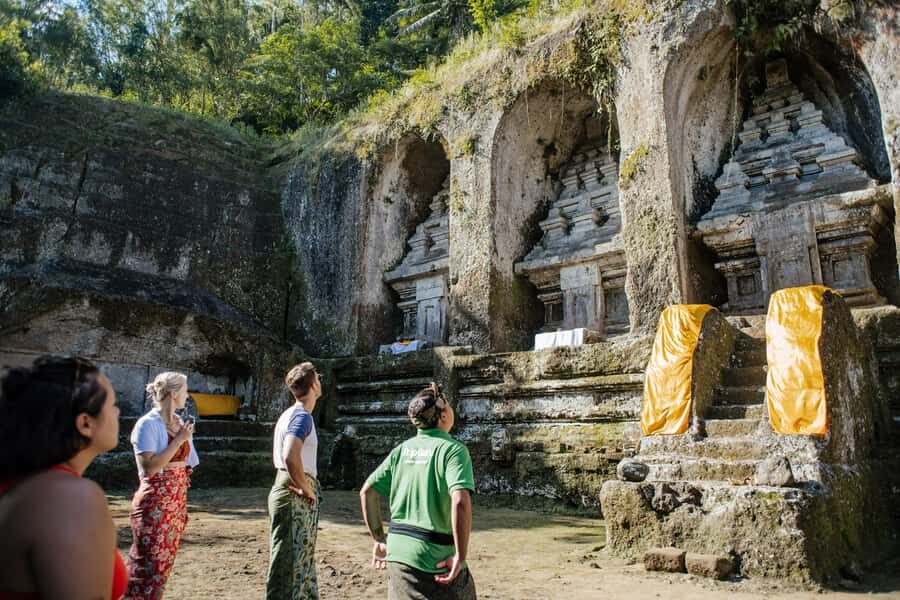
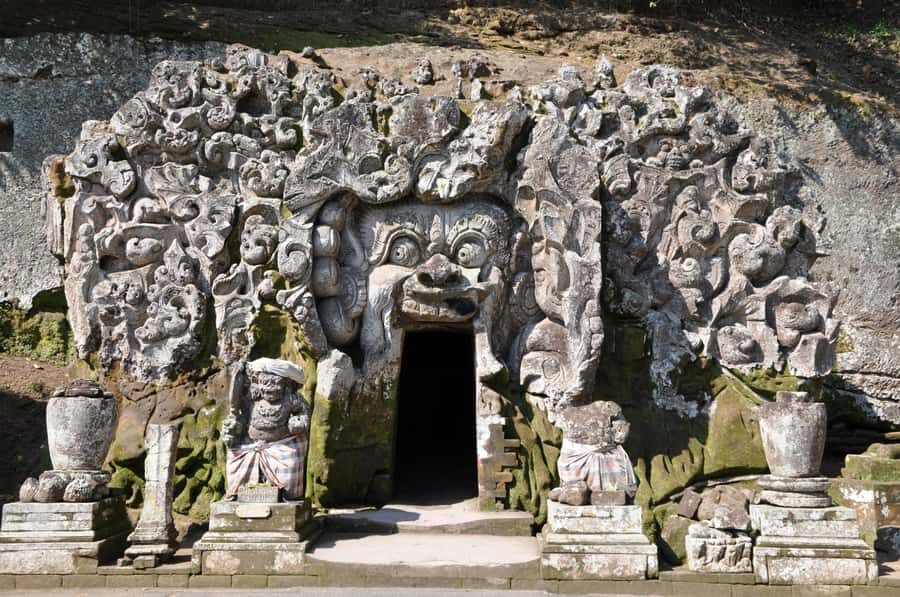
Goa Gajah, also called Elephant Cave, is where the day adds temple atmosphere. You’ll spend about 1.5 hours with a guided visit that’s built around the carvings and the setting.
This is the temple that many people remember for its otherworldly look—decorations that feel carved for another era, plus tree roots that have taken over parts of the scene. It’s a mix of human craft and nature reclaiming, and it tends to feel more “alive” than temples that look untouched.
Practical note: because Goa Gajah can involve wet outdoor conditions, be ready for rain. One reason guides stand out on this route is that they often help solve real-time problems—like getting umbrellas when weather turns. If you’re the type who hates being cold and damp for long, bring a change of clothes in a bag you can close.
Entrance fee here is listed separately (IDR 50K). If you’re on a package where tickets are included, great—if not, plan cash so you don’t lose time hunting for payment.
Gunung Kawi Temple: Cliff-Temple Stillness and Terraced Rice-Field Views
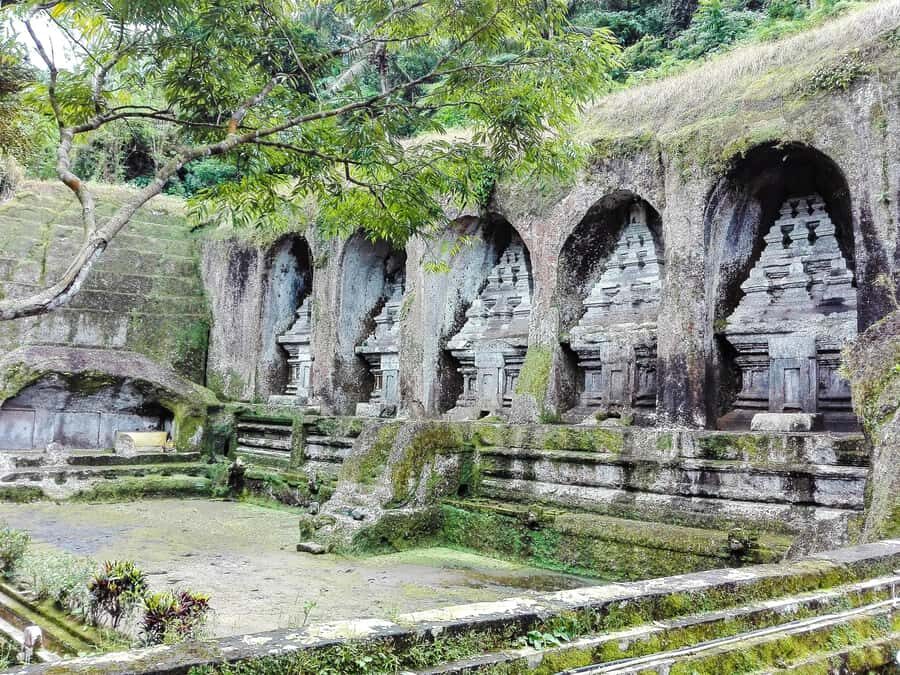
Gunung Kawi Temple brings a different feel from Goa Gajah. This is one of Bali’s oldest monument sites, and it’s also UNESCO-listed, with a setting that feels made for slow looking.
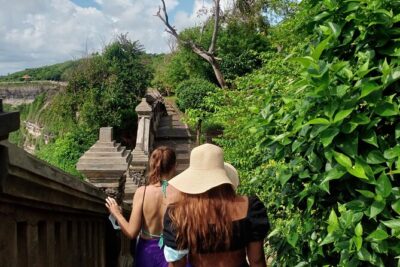
The tour includes a scenic approach through Bali’s terraced rice fields, and that matters because it changes how the temple lands. You’re not just transported from one site to another—you’re moving through scenery that explains why people shaped the island the way they did.
You’ll visit with a guided format (about 1.5 hours). Expect more walking. Even when the temple is the calm part of the day, the terrain isn’t flat, and the rice-field section is a reminder that this area is built on layers.
Entrance fee is listed separately here too (IDR 50K). If you’re budgeting the full day, treat tickets as a line item, not an afterthought.
Lunch Break and the Best Way to Refuel for a Step-Heavy Afternoon
There’s a local restaurant stop built into the plan (about 1.5 hours). Meals aren’t included in the Standard small-group option, so you’ll want cash ready if you plan to order lunch.
The good news: you’re not forced to eat fast and vanish. The break is timed so you can reset before the temples. After canyon time and a waterfall climb, this is the part of the day you’ll appreciate most if you listen to your body—eat something filling, drink water, and give your feet time to cool down.
I also suggest you use this stop to check your gear. If your towel or clothes are damp, get them into a manageable state before the next outdoor segment.
What to Bring (and Why): Water Shoes, Sarong, and a Wet-Day Kit

The tour is clear about what you should pack, and it’s not overkill. This day is built around slipping, stepping, sun, and water.
Here’s the kit that actually changes comfort:
- Water shoes (strongly recommended for the canyon)
- Swimwear + change of clothes (because you’ll get wet)
- Towel and sunscreen
- Sunglasses + hat for the bright outdoor stretches
- Insect repellent for time outside
- Sarong (it’s specifically listed, and temples commonly require it)
- Camera for both temple scenes and canyon action
Also bring comfortable shorts and a T-shirt. The tour notes that this kind of clothing is advisable, and that it helps you feel less exposed when you’re around sharp rocks and uneven ground.
A final practical tip: oversize luggage isn’t allowed. If you’re bringing bags, keep them minimal so the day stays easy.
Price and Value: What $73 Really Covers (and What You Must Budget)
At about $73 per person for roughly 8.5 hours, the big value is not just the places you’ll see. It’s how much movement and guided time you get in one day: hotel pickup and drop-off, van transport, a guide, and time in multiple major attractions.
But here’s the key part for your budget: entrance tickets and lunch aren’t included in the Standard small-group tour. You should plan cash.
The listed entrance fees include:
- Hidden Canyon entry fee: IDR 300K (and the guide notes it separately)
- Tegunungan / Tegenungan Waterfall: IDR 20K
- Goa Gajah: IDR 50K
- Gunung Kawi: IDR 50K
So the real cost picture is $73 plus your on-site spending depending on which option you choose (some packages include entry and lunch; the Standard one does not).
If you compare this to doing canyon activity plus separate temple tickets and private transport, this small-group format often feels fair. Where value really shows up is in the guide’s ability to keep the day flowing and help you navigate the steps and water parts.
Who This Tour Fits Best (and Who Should Skip It)
This day is a good match if you want a hands-on Bali experience: you’re curious, you like active sightseeing, and you don’t mind that water adventures can be a little intense.
It’s especially worth considering if:
- you’re visiting Bali for the first time and want a concentrated mix near Ubud
- you like canyon walking/swimming and want a guided version of it
- you want UNESCO temples without the hassle of organizing transport between them
- you prefer a small group atmosphere (max 5)
It’s not suitable if you’re dealing with mobility limits or medical risk factors listed by the operator, including pregnancy, mobility impairments, heart problems, or respiratory issues. Also, participants must be aged 7+.
One more reality check: the canyon portion is for confident swimmers. The tour experience can be safe with a good guide, but strong currents and wet rock movement are part of the deal.
Should You Book This Bali Hidden Canyon & Temples Tour?
Book it if you want your Bali day to include actual action. The Beji Guwang Hidden Canyon is the main reason, and the best experiences on this route tend to pair that adrenaline with a guide who manages safety, pacing, and photos well. Guides like Komang, Depik, and Dewa show up repeatedly in feedback for keeping things fun and not rushed.
Skip it (or choose a gentler alternative) if your ideal day is mostly flat, dry, and slow. This is step-heavy, water-heavy, and sun-exposed. If you’re okay with that—and you bring water shoes and a wet-day kit—this tour can be a standout day that feels like it captures Bali’s nature and culture in one tight loop.
FAQ
What’s the main activity on this Bali tour?
The main activity is the Beji Guwang Hidden Canyon experience, where you trek and swim through the canyon with a guide.
Do I need to be a confident swimmer?
Yes. The canyon includes swimming in sections, and some areas can have stronger currents, so confidence in the water matters.
How big is the group?
The tour is a small group limited to a maximum of 5 participants.
Which temples are visited, and are they UNESCO sites?
The tour includes two UNESCO World Heritage temples: Goa Gajah and Gunung Kawi.
Are entrance tickets included?
Entrance tickets are included only if you select an option that includes them. In the Standard small group tour, entrance fees are not included, so you should bring cash.
How much are the entrance fees for the included sights?
The listed entrance fees are: Hidden Canyon entry fee (IDR 300K), Tegenungan Waterfall (IDR 20K), Goa Gajah (IDR 50K), and Gunung Kawi (IDR 50K).
Is lunch included?
Meals are not included in the Standard small group tour. There is a local restaurant break built into the day, and you’ll need cash for lunch.
What should I bring for the canyon and temples?
Bring swimwear, a towel, and water shoes for the canyon. Also pack sunscreen, hat, sunglasses, insect repellent, a sarong, comfortable shoes, and a change of clothes.