Monkey Forest and rice terraces hit different. This private-style day trip strings together Ubud’s top sights with cultural stops, from craft villages to a real Balinese compound layout. I especially like the way you get big-picture context fast: why the subak irrigation system matters, and how artisans and farmers think about their work.
My favorite part is how the day feels guided, not rushed. You see the Tegallalang paddies from proper viewpoints, then shift to the Sacred Monkey Forest and a coffee plantation where you learn the steps behind Bali’s famous luwak brew. The main drawback to plan for is simple: it’s a long day (about 8–10 hours), and the food isn’t included.
In This Review
- Key things to know before you go
- Tegallalang Rice Terraces and subak views (cool, scenic, and practical)
- Sacred Monkey Forest: what “God’s Guard” looks like in real life
- Coffee plantation + luwak process: the steps behind the famous cup
- Ubud Royal Palace (Puri Saren Ubud): architecture, gardens, and a big banyan
- Balinese compound architecture + craft villages: see how daily life is built
- Market time in central Ubud: flexible, low-pressure walking
- Price and logistics: how $44 can make sense for one full day
- The guide makes it: names you’ll want to watch for
- Who should book this Ubud day trip (and who might skip it)
- Should you book the Ubud Monkey Forest and Rice Terrace Private Tour?
- FAQ
- How long is the Ubud Monkey Forest and Rice Terrace tour?
- What’s included in the tour price?
- Is food included?
- Where does hotel pickup happen?
- What languages does the guide speak?
- Is this tour suitable for everyone?
Key things to know before you go
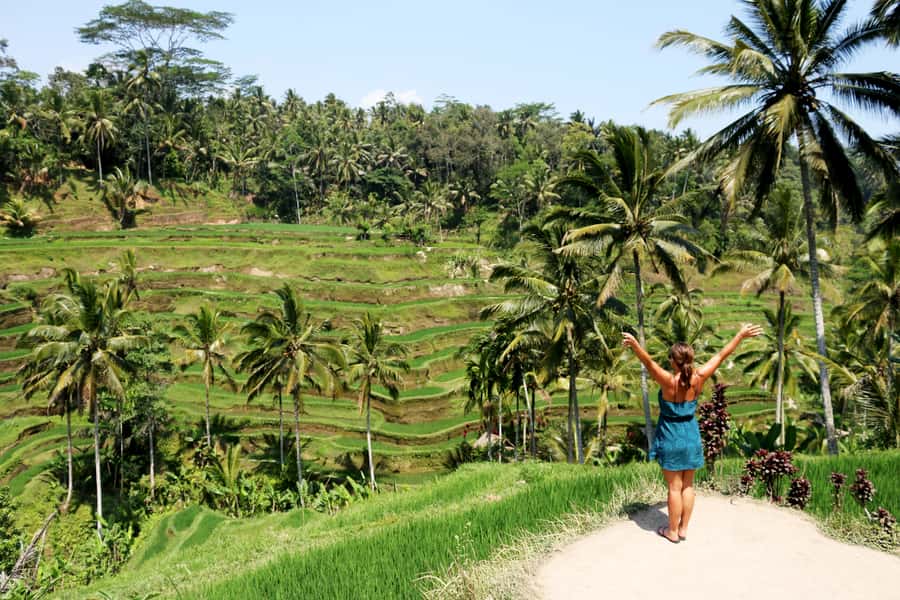
- Tegallalang rice terraces + subak system views: You’re not just looking at greenery; you learn how the irrigation heritage shapes the paddies.
- Sacred Monkey Forest has around 200 macaques: Expect resident long-tailed macaques all over the grounds and nearby roads.
- Coffee stop includes the luak process: You’ll hear how beans are collected, cleaned, roasted, and ground after being processed by palm civets.
- Ubud Royal Palace gardens and banyan shade: The palace visit adds calm, greenery, and traditional architecture.
- Craft villages and Balinese home compounds: You’ll see how local design and daily life connect, not just shop for souvenirs.
- Small group feel with hotel pickup: With an air-conditioned vehicle and an English or Korean guide, you can move efficiently.
Tegallalang Rice Terraces and subak views (cool, scenic, and practical)
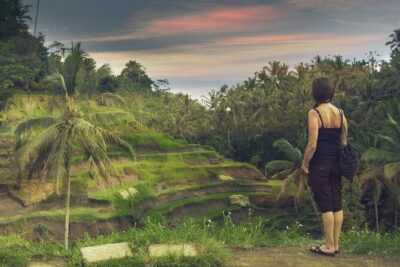
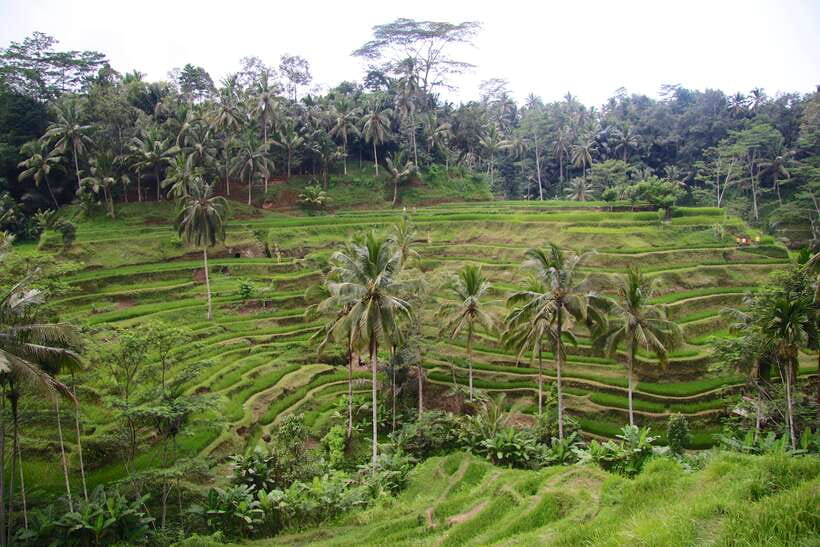
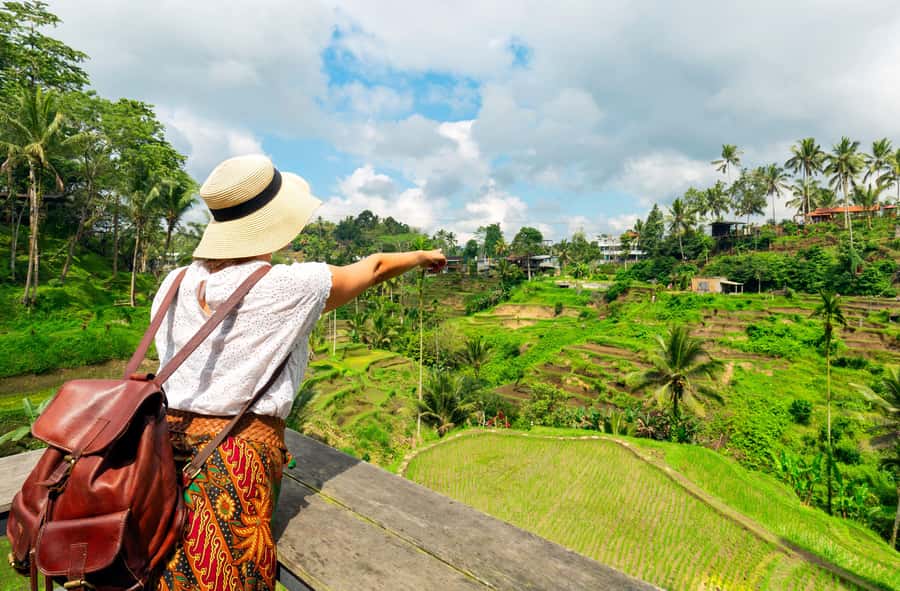
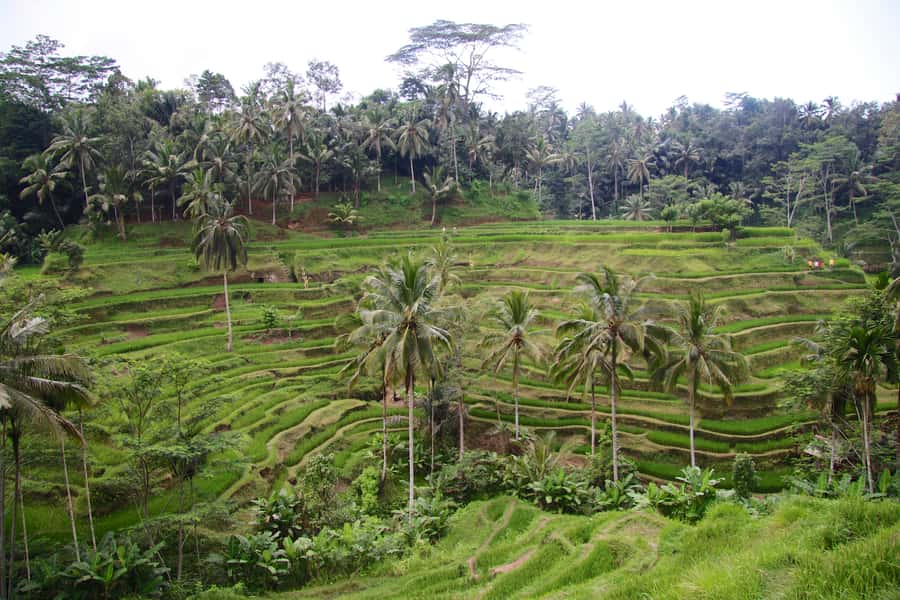
The day starts with a hotel pickup and a drive into Ubud’s world of hills, valleys, and working farms. One of the first “wow” stops is the Tegallalang rice fields area, famous for those iconic terraced slopes. What I like here is that you get to see the paddies from viewpoints that show depth across the valley, so it actually makes sense why people take photos from the same angles again and again.
The guide also explains the subak irrigation system, the traditional water-management method that helps coordinate planting and water flow across the region. That turns the rice terraces from a pretty backdrop into something more meaningful: you’re seeing a living system. When you walk around, keep an eye out for how terracing follows the land’s contours, not an artificial design plan.
This stop is also where the weather can be your friend. Even though Bali can be hot, Ubud’s hills often feel cooler and breezier, which makes a long day of walking more doable. Bring sun protection anyway, but you’ll likely appreciate that break from the direct heat.
Practical note: viewpoints can get busy. You’ll get the best experience when you slow down, look across layers, and let the guide point out what to notice.
You can also read our reviews of more tours and experiences in Bali.


Sacred Monkey Forest: what “God’s Guard” looks like in real life
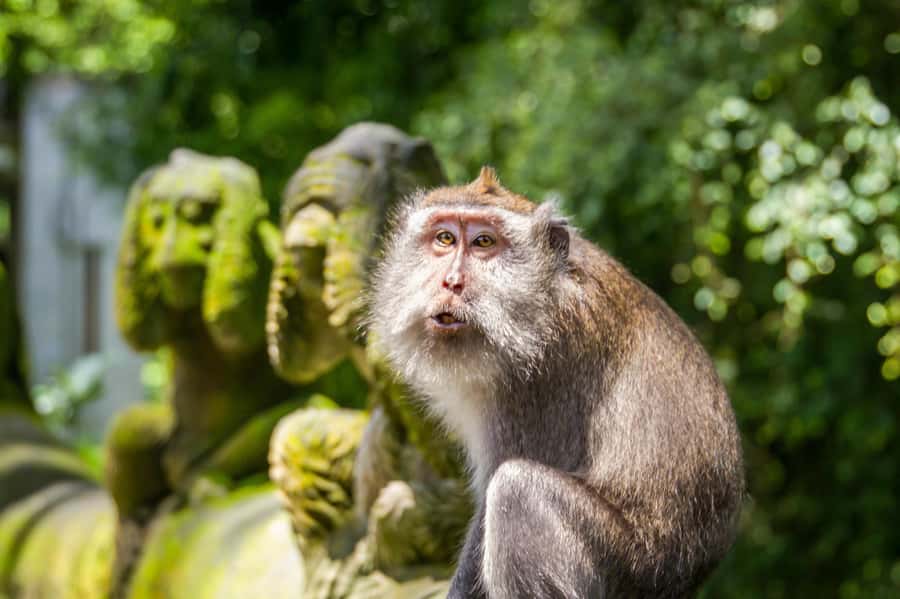
Next you head to Sacred Monkey Forest, home to around 200 long-tailed macaques. This is the kind of place where the name is literal: monkeys are part of how you experience the grounds, not a side attraction behind a fence.
The local story matters here. The macaques are believed to be God’s Guard of the Dalem Agung Temple, which adds a cultural reason for why people tolerate and respect them. While you’re walking, you’ll see that these monkeys are not staged like a zoo exhibit. They roam across certain areas and can often be seen on the roads around the forest zone.
What you should do is manage expectations. You’re not visiting a quiet nature walk. You’re visiting a living habitat with temple-adjacent spirituality and real animal behavior. That’s why it’s fun for many people and unnerving for a few.
If you’re traveling with kids, it can be a big hit. I’ve seen this tour praised for how guides keep the day enjoyable even with families. If you prefer calmer experiences, plan to spend your time watching from a distance and letting the guide steer you through the busiest pockets.
Coffee plantation + luwak process: the steps behind the famous cup
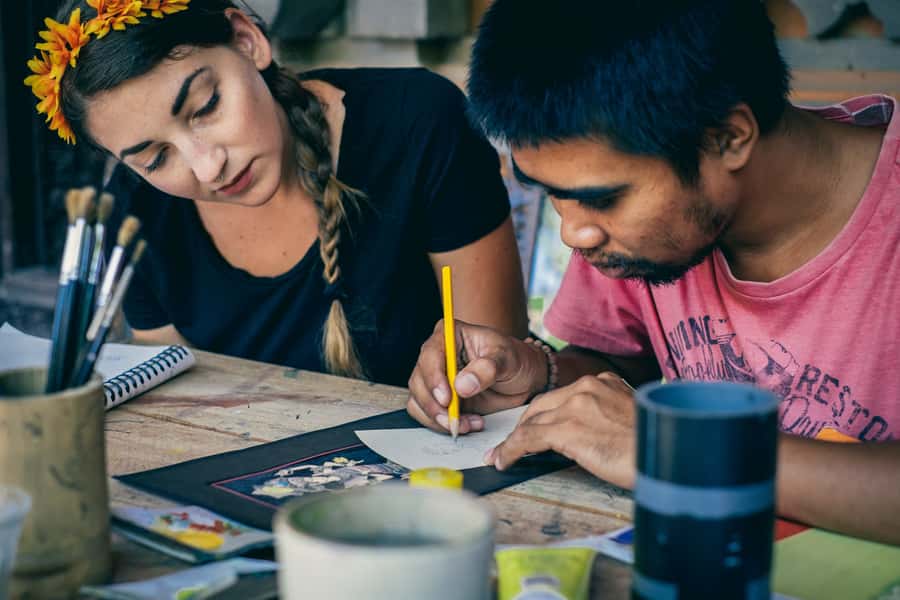
After the rice terraces, you switch from scenery to a hands-on food-and-farm story at a coffee plantation. This is where the tour earns its keep for coffee lovers and curious snackers.
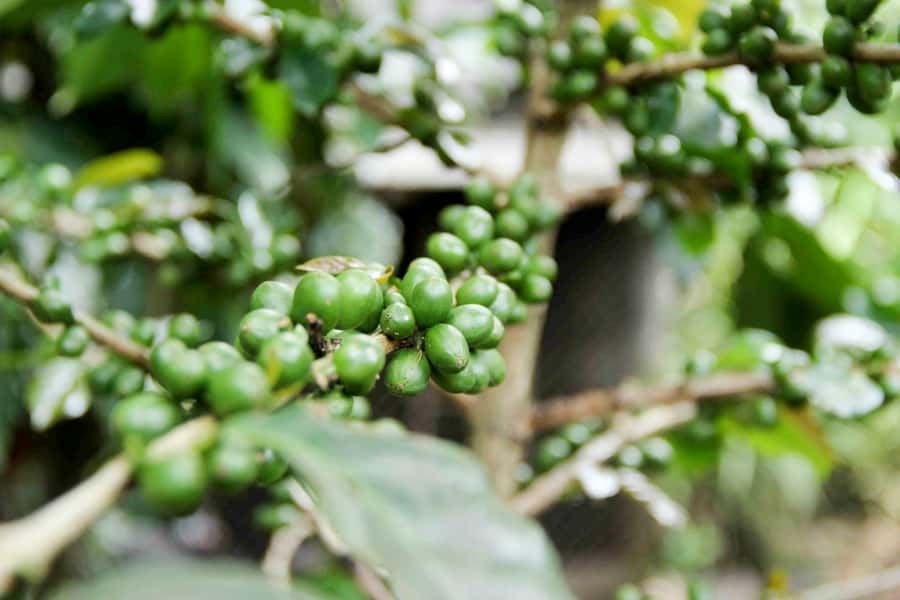
You’ll learn how farmers collect the beans from the forest floor, then how the beans go through cleaning, roasting, and grinding. The key cultural hook is the luwak story: the beans are part digested by palm civets, then processed into the unusual brew. Whether you’re already a coffee geek or just want to understand what you’re tasting, this is the kind of stop that turns a name you’ve heard into an actual process you can picture.
There’s usually time to try other options too, not only the famous coffee. Expect chances to sample different coffees, plus tea and cocoa drinks. Even if you don’t buy anything, it’s a nice change of pace from temples and outdoor walking.
One practical thought: this stop can be a sensory one. Smells from roasting and grinding are strong, and taste sessions can move quickly when you’re in a shared day itinerary. If you want to slow down, ask your guide for what to start with and which drinks are easiest for first-timers.
Ubud Royal Palace (Puri Saren Ubud): architecture, gardens, and a big banyan
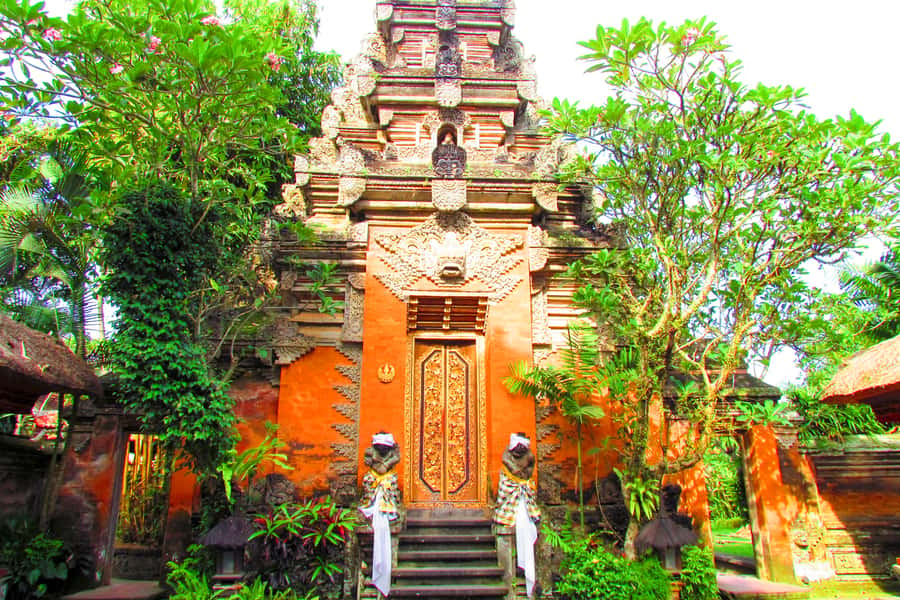
The itinerary also includes a stop at the Ubud Royal Palace, known as Puri Saren Ubud. This is one of those sites that works best when you stop treating it like a photo checklist and start treating it like a window into traditional Balinese design.
The palace is constructed in traditional Balinese style and has been well-preserved by the heirs of Ida Tjokorda Putu Kandel. You’ll have time to look around, including the palace gardens and a large banyan tree that provides shade from the heat. That shade part matters more than you’d think on a long day. It gives you a breather between outdoor stops.
If you’re the type who likes to connect details, watch how buildings sit within compounds and gardens. The guide can tie the architecture to everyday life and spiritual priorities, which makes the palace feel less like an isolated monument and more like a living cultural space.
Balinese compound architecture + craft villages: see how daily life is built
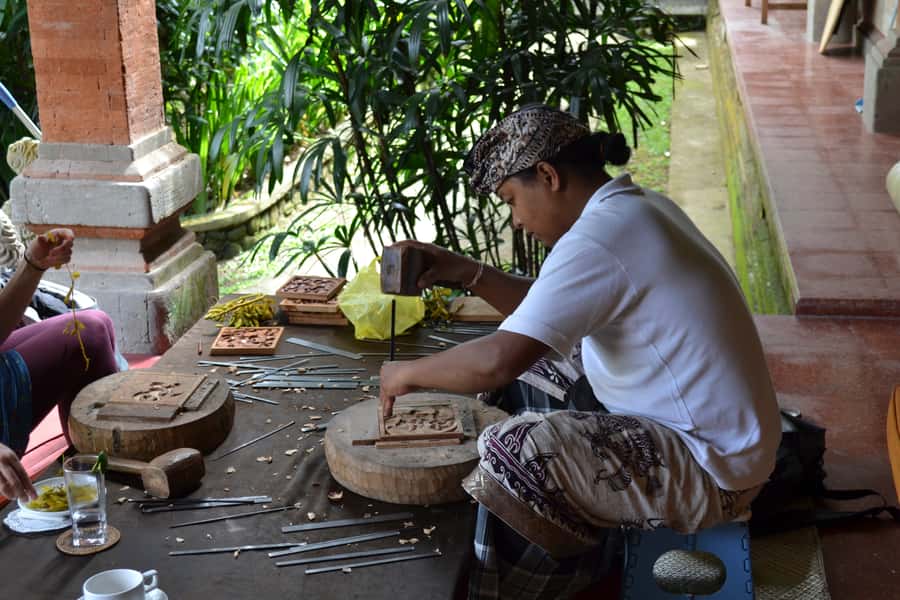
Before you hit the rice paddies, you visit a local home stop and admire Balinese architecture. You’re looking at a compound with several buildings, and the guide explains the importance of different areas within the compound. This is a smart early stop because it gives you a framework for what you’ll see later in Ubud.
After that, the day shifts into craft villages and artisan work. The tour is designed to show you how locals create and how art fits into the rhythm of the island. It’s a good mix of watching practical skills in motion and understanding why certain crafts exist in the region.
I like that this keeps things grounded. Instead of only seeing performance-style culture, you’re watching culture in production. You can also buy souvenirs if you want, but it feels more like an informed purchase than a random impulse.
A small caution: craft stops can involve sales. If you like browsing, fine. If you’d rather keep control, set a plan with your guide early on. Ask them what to see, how long to spend, and what prices feel fair in that particular place. Good guides will help you avoid getting rushed.


Market time in central Ubud: flexible, low-pressure walking
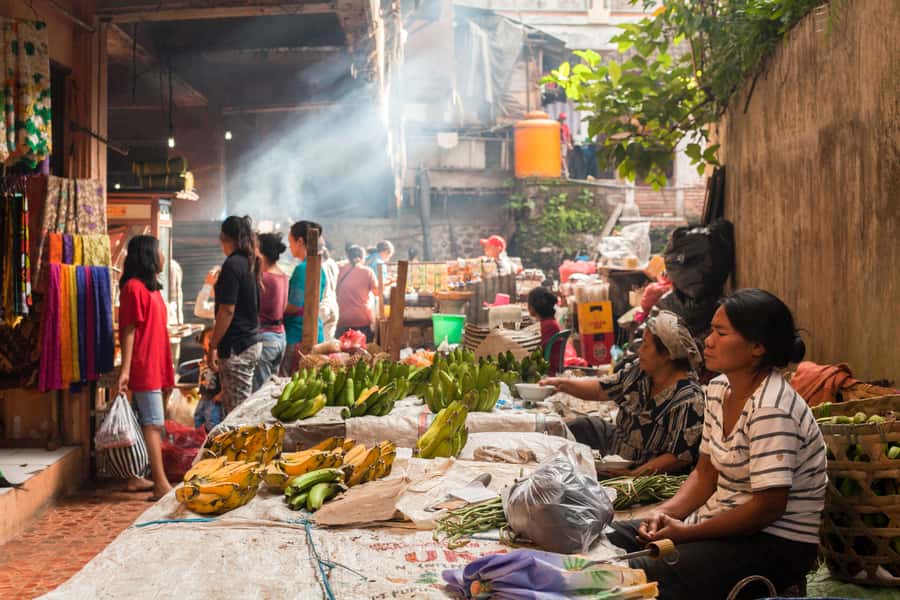
Toward the later part of the day, the tour includes time for walking around central Ubud, including market areas. This is the part where you get to pick your own pace: snack, browse, people-watch, or just soak up the streets after temple and plantation stops.
This portion is also useful if you want to buy small items you didn’t notice earlier in craft villages. Since the tour ends with a drop-off back to your accommodation, you’re not stuck with a long return trip after buying things.
If you’re sensitive to crowds, pick a calmer spot first and treat the market as optional wandering. The guide will typically help you find a route that works.
Price and logistics: how $44 can make sense for one full day
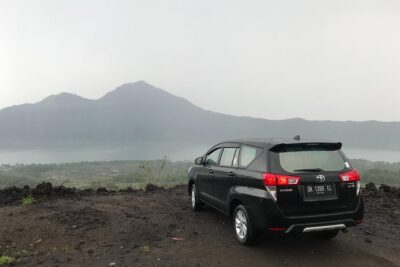
At $44 per person, the value here comes from what’s bundled. You’re paying for more than a driver. The tour includes hotel pickup and drop-off in several areas (Ubud, Sanur, Kuta, Nusa Dua, Jimbaran, Seminyak, and Canggu), transportation by air-conditioned vehicle, a guide, a driver, and all entrance fees.
That matters on Bali, where time and cost can balloon quickly if you try to build this day yourself with separate tickets and transfers. With an organized itinerary, you also avoid the awkward timing gaps between sites that normally happen when you’re guessing bus or taxi schedules.
The main trade-off is that it’s still a 8–10 hour day. You’ll be on the move. If you hate long road stretches, this is the kind of tour you’ll either love for efficiency or find tiring.
Also, food and drinks aren’t included. That doesn’t ruin the value, but it means you should budget for lunch or snacks during the day. If you know you’ll want a proper meal, plan ahead so you’re not hunting while everyone else is moving on.
The guide makes it: names you’ll want to watch for
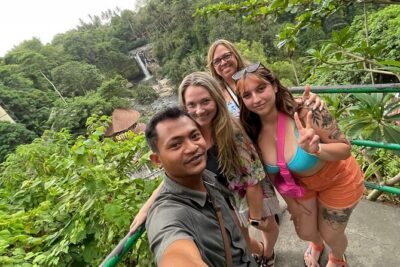
A big theme in the best experiences is the guide quality. People praise guides for punctuality, professionalism, patience with questions, and the ability to keep the day smooth even when traffic or crowds shift plans.
In particular, names like Pande, Edi, Cok, and Nyoman come up often with strong feedback about cultural explanations and personal care. Some guides are also noted for being great photo helpers, which is a bonus if you want better shots without asking strangers to help.
If you book and you have preferences (more time at rice terraces, less rushing at monkey forest, a specific lunch style), a good guide will treat that as normal. This kind of tour works best when you communicate early.
Who should book this Ubud day trip (and who might skip it)
This tour suits you if:
- You want Ubud highlights in one day without planning tickets or transport.
- You like culture plus nature, especially when the guide explains how systems work (like subak irrigation).
- You want a coffee experience with a story behind the tasting, not just a drink stand.
You might skip or choose a different format if:
- You dislike long days and lots of transfers.
- You need accessibility features; the tour isn’t suitable for wheelchair users.
- You’re pregnant, since it’s listed as not suitable for pregnant women.
- You’re traveling with pets (not allowed).
Should you book the Ubud Monkey Forest and Rice Terrace Private Tour?
If your goal is a high-value, structured day in Ubud with real cultural stops, I think this is an easy yes. The combination of Tegallalang views, Sacred Monkey Forest, the Ubud Royal Palace, and a coffee plantation process gives you variety without losing the thread of Balinese life.
Book it if you want efficiency and clear guidance. Consider passing if you’re chasing a slow, quiet trip or you’re not comfortable with time on the road. Either way, pick a day where you can enjoy the long itinerary rather than treating it like a chore.
FAQ
How long is the Ubud Monkey Forest and Rice Terrace tour?
The tour runs about 8 to 10 hours, depending on the starting time available.
What’s included in the tour price?
It includes hotel pickup and drop-off (selected areas), transportation in an air-conditioned vehicle, a guide, a driver, and all entrance fees.
Is food included?
No. Food and drinks are not included, so you’ll want to budget for meals on your own.
Where does hotel pickup happen?
Pickup is included from Ubud, Sanur, Kuta, Nusa Dua, Jimbaran, Seminyak, and Canggu.
What languages does the guide speak?
The live tour guide is available in English and Korean.
Is this tour suitable for everyone?
It is not suitable for wheelchair users or pregnant women, and pets are not allowed.