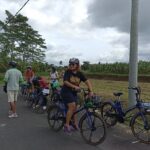
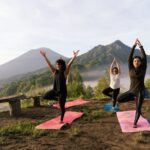
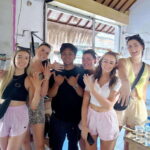
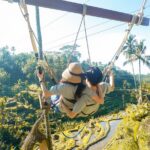
Gate of Heaven means early crowds and big views. This full-day Bali route stitches together the Lempuyang Temple gates, the peaceful Tirta Gangga water palace, the cave-born Tukad Cepung waterfall, and a finish at rice terraces with a swing.
Two things I really like: first, the timing and photo-handling. Guides factor in line flow and photo order, and I’ve seen examples where an early start meant a better sequence at the Gates of Heaven. Second, you get hands-on help for photos and comfort. In multiple experiences, guides like Nengah Simon, Kadek, Ryan, Roy, and Dearim helped with positioning, timing, and even practical bits like umbrellas, carrying bags, and making sure you’re not stuck in the wrong spot too long.
The one real drawback is physical. This day adds up: stairs and uphill paths at Lempuyang, plus wet, slippery footing at Tukad Cepung. Add in the rule that menstruating women can’t enter the temple area, and the tour isn’t suitable for pregnant people, wheelchair users, or anyone with back problems.
In This Review
- Key things to know before you go
- A 10–12 hour Bali loop that actually feels efficient
- Lempuyang Temple Gate of Heaven: the photo, the stairs, and Mount Agung views
- Tirta Gangga water palace: fountains, gardens, and a calmer pace
- Tukad Cepung waterfall in a cave: light beams and wet footing
- Sari Timbul rice terraces and swing ride: the payoff after stairs and spray
- Price and value: what $59 covers and what you still need to budget
- What to pack: shoes, sun protection, camera, and a rain backup
- Who this Bali tour is best for (and who should skip it)
- Guides make the difference: what I’d look for on your day
- Should you book this tour?
- FAQ
- How long is the Bali Gate of Heaven, waterfall, and Ubud tour?
- Where are the pickup and drop-off locations?
- What’s included in the price?
- Are meals included?
- What should I bring and wear?
- Are there any restrictions for temples or activities?
- What is the cancellation policy?
Key things to know before you go
- Early Lempuyang timing helps your photo: arriving around 6:30 a.m. has still meant a long wait, so start early anyway.
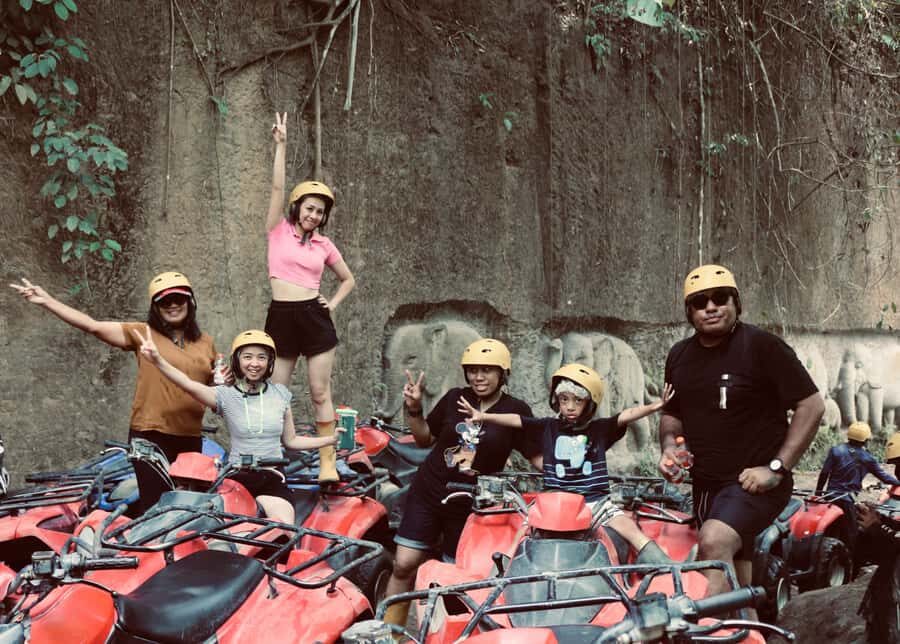
- Guides actively help with pictures: several guides focused on photo spots, poses, and line management.
- Tukad Cepung is cave-water and humidity: expect to get wet; quick-dry footwear helps.
- Rice terraces include swing time: it’s a fun payoff after the temple and waterfall stretch.
- Entrance fees and transport are included: your day runs without extra ticket hassles.
- Not for everyone physically: lots of steps, uneven paths, and cave terrain.
A 10–12 hour Bali loop that actually feels efficient
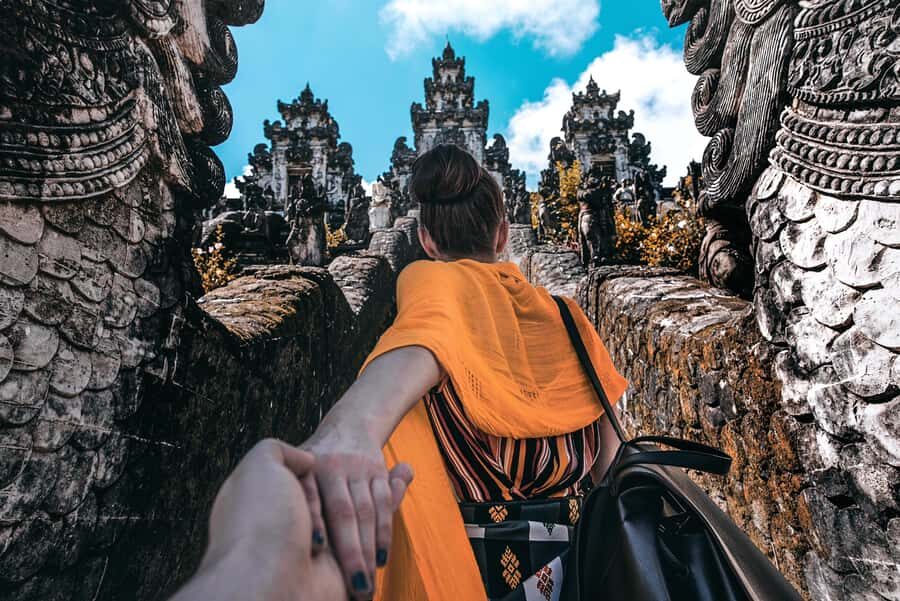
This is a full-day tour (10–12 hours) built around four major stops, plus rice terraces and a swing. The structure matters. You’re not spending half your day in “maybe we’ll get there” chaos. You’re driving between focused locations where your time is spent looking, walking, and getting photos done.
You ride in an air-conditioned van with a live English-speaking (and Indonesian-speaking) guide, plus hotel pickup and drop-off. Pickup options are Gianyar, Tegalalang, Ubud, and Denpasar, and you’ll be dropped back at Ubud, Tegalalang, Denpasar, or Gianyar. Bottled water is included, which is a small thing that keeps the schedule smooth in Bali heat.
Meals aren’t included. That’s the main budget note. If you’re the type who needs a planned lunch, you’ll want to eat before the tour starts or be ready to grab food on your own later.
This is also described as a private group experience. That usually means less waiting around for random pairs of strangers and more flexibility with your pacing, especially at photo-heavy stops.
You can also read our reviews of more tours and experiences in Ubud.

Lempuyang Temple Gate of Heaven: the photo, the stairs, and Mount Agung views
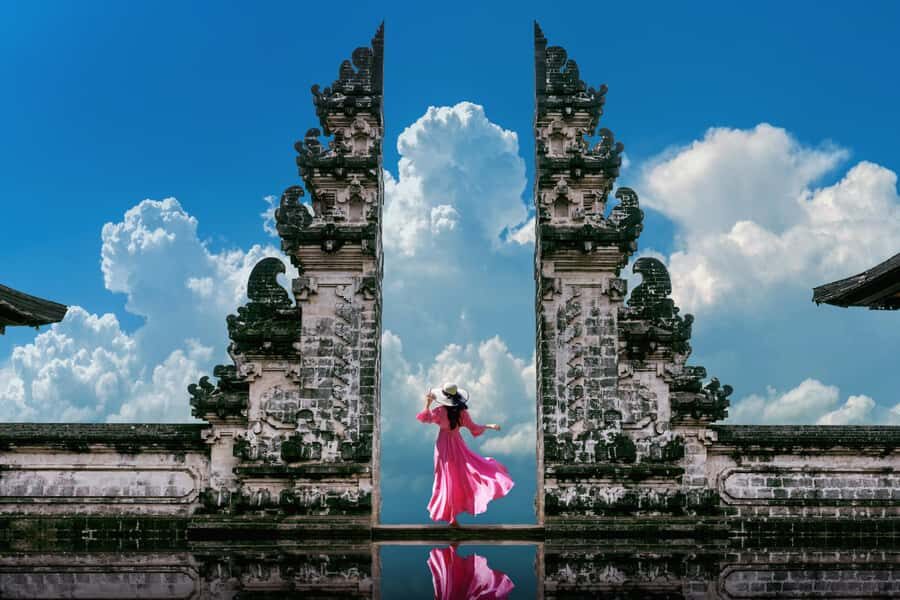
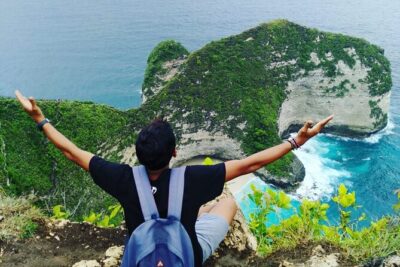
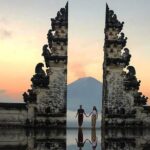
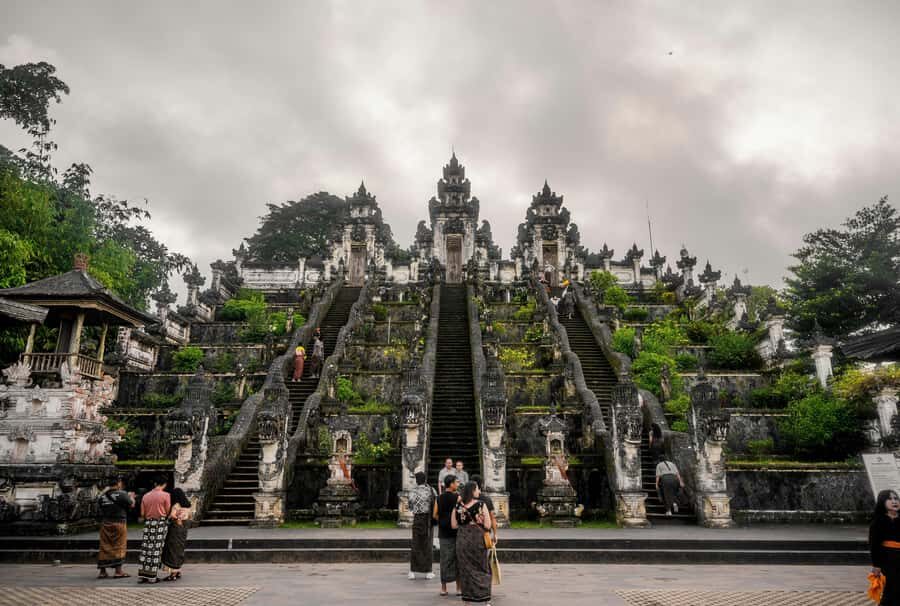
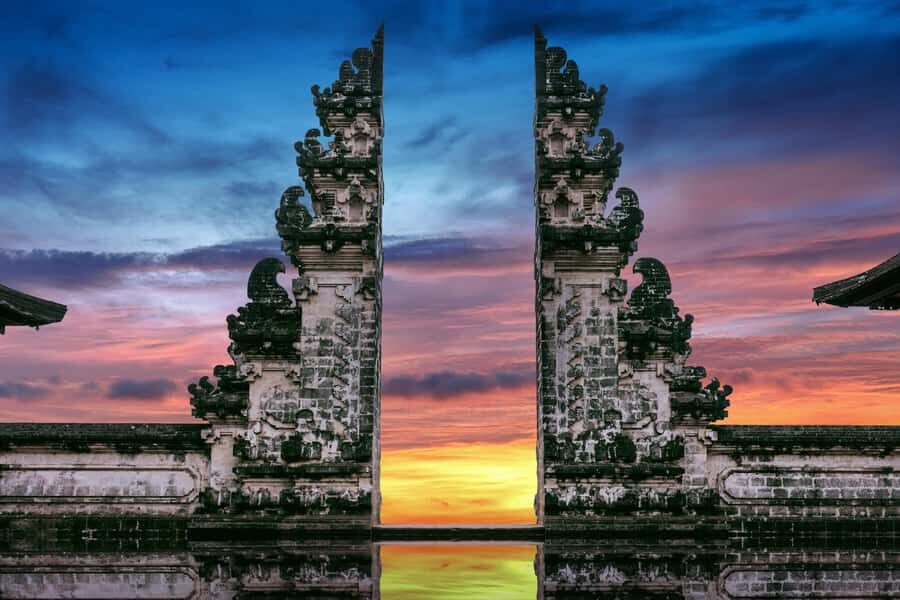
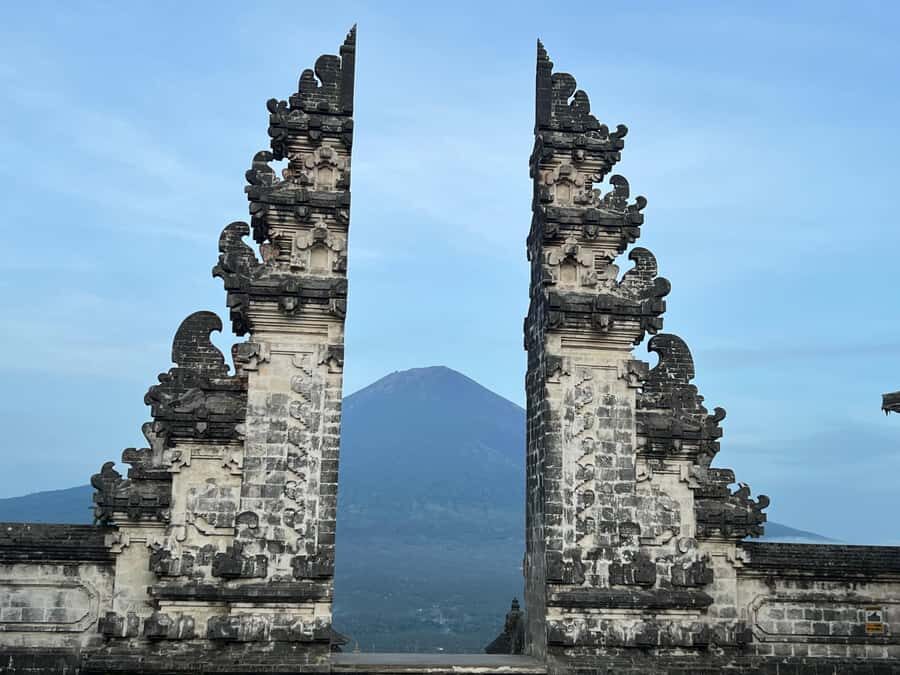
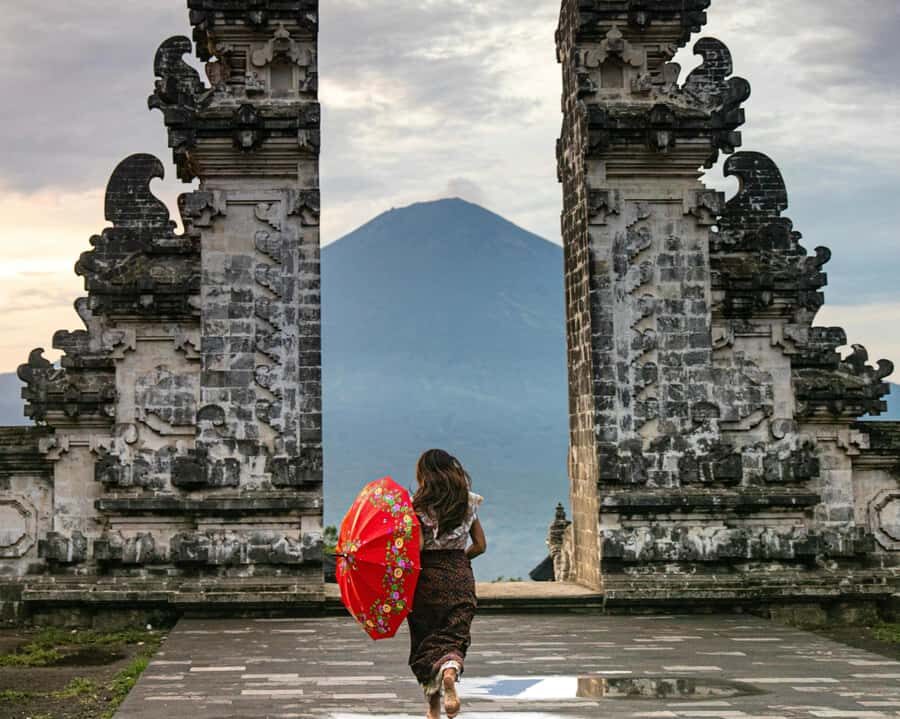
Lempuyang Temple is why so many people come to Bali. It’s the place people call the Gate of Heaven, and the whole area is designed for framed views. The temple gates create that iconic “standing between” composition, and on clear days you’ll get Mount Agung in the background.
Here’s the practical part: Lempuyang takes effort. There are lots of stairs and uphill paths. One real example shows how the wait can stretch even with an early arrival. Someone arrived around 6:30 a.m. and still waited until about 8:50 a.m. to get the famous gate photo. That tells you two things: go early, and don’t plan your whole morning like it’s a quick stop.
The good news is the guides know how to manage your route. In one experience, the guide adjusted the path to make it easier for the group. That flexibility can be the difference between a painful slog and a manageable climb.
Also note the cultural rules. Women who are still in their menstruation period are disallowed to go to the temple. Plan accordingly.
If you want your best odds at a smooth gate photo, aim for early pickup and a calm mindset. You’ll still likely wait, but you’ll be working against the crowds rather than into them.
Tirta Gangga water palace: fountains, gardens, and a calmer pace
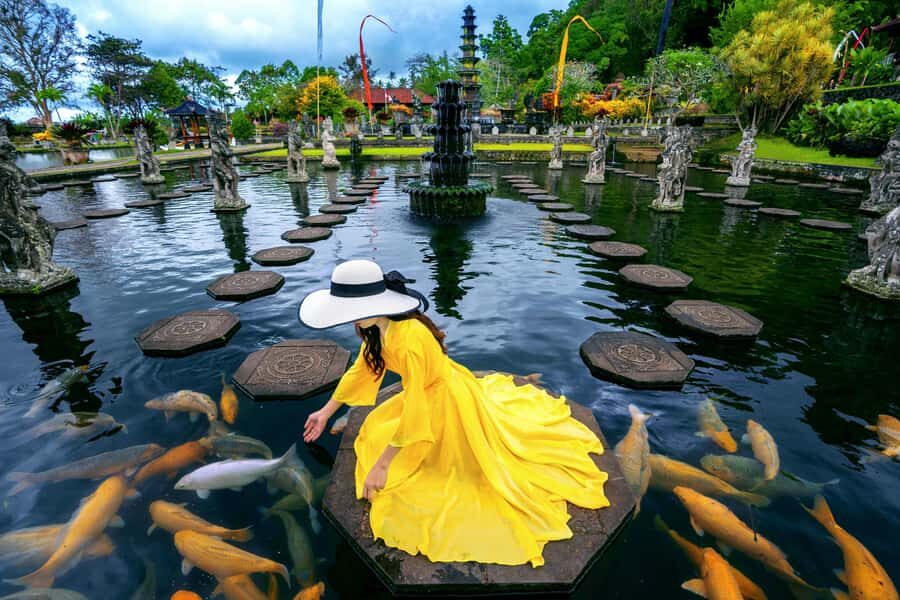
After Lempuyang, Tirta Gangga feels like a breather. This is the royal water palace: intricate fountains, crystal-clear pools, and gardens that are easy to slow down in. The visit time is about 30 minutes, which is just enough to walk the pathways, take photos, and enjoy a little quiet before the next push.
Tirta Gangga is less about lining up for a single perfect frame and more about wandering. You’ll want to take your time here, because the lighting and reflections can change fast as the sun moves and clouds roll through.
The only consideration is tempo. Thirty minutes can feel short if you’re a careful photographer who likes to test angles. Still, it’s a smart stop in the middle of a packed day: you reset your eyes and your energy before you go into the cave waterfall.
Tukad Cepung waterfall in a cave: light beams and wet footing
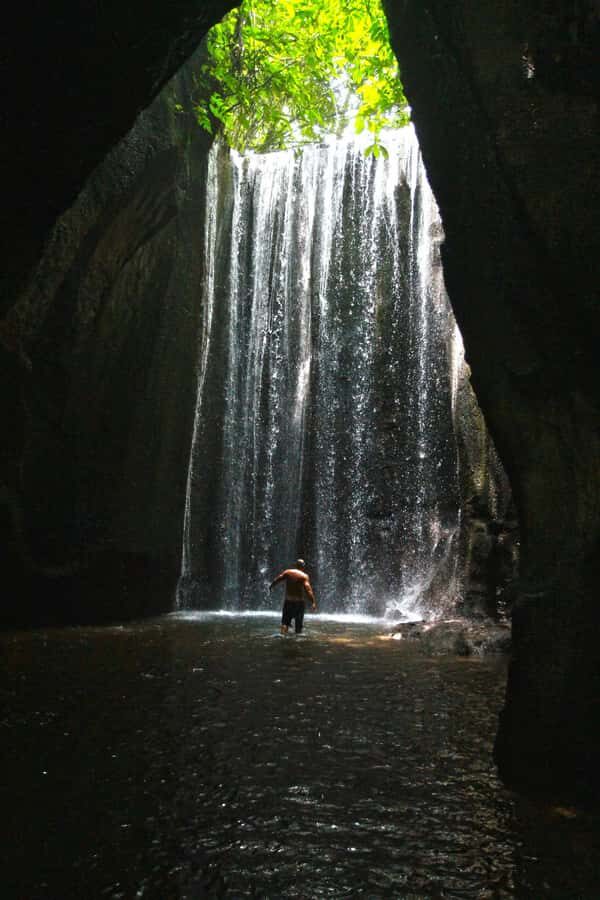
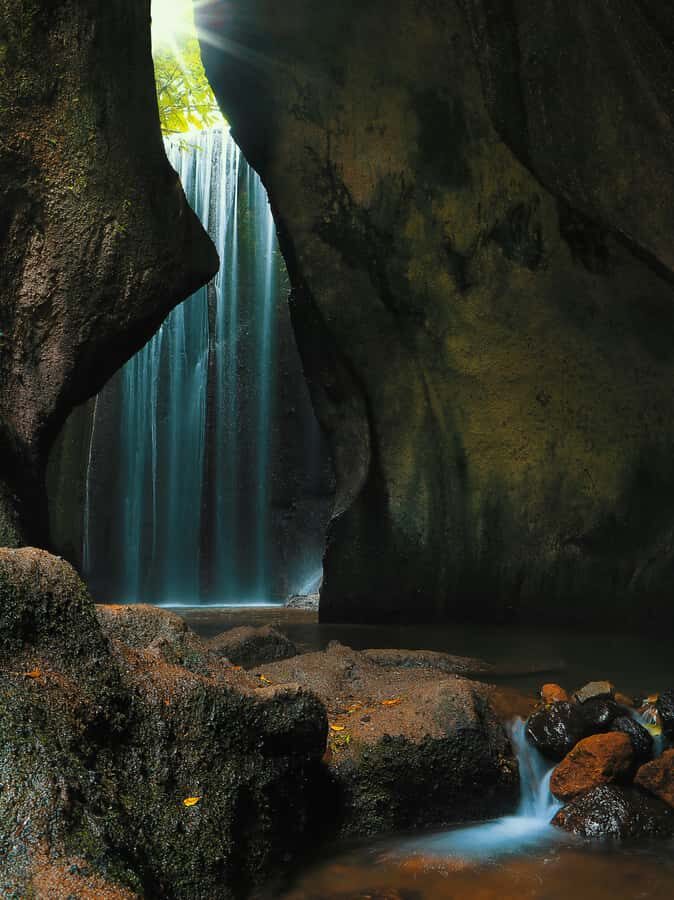
Tukad Cepung is the one that surprises people. The waterfall sits inside a cave, so the experience feels different from any outdoor waterfall stop. Sunlight beams filter through openings above, and that mix of shadow and spray is exactly why photos look so dramatic.
The plan here is a photo stop plus a guided visit around 1 hour. That hour matters. A guide helps you find the right viewing angles inside the cave and keeps the group moving without turning it into a frantic line.
Now, the part you can’t skip: you will get wet. One practical tip from a guide/expert experience is to use resistant flip-flop shoes because you may be walking in the water with a strong stream, and humidity is intense. In other words, bring footwear you don’t mind getting soaked.
Your best strategy: pack footwear that drains and dries fast, and expect cold-to-wet air near the cave entrance. If you hate slippery surfaces, slow down. Everyone wants the “perfect beam of light” photo, but rushing just increases slips.
Sari Timbul rice terraces and swing ride: the payoff after stairs and spray
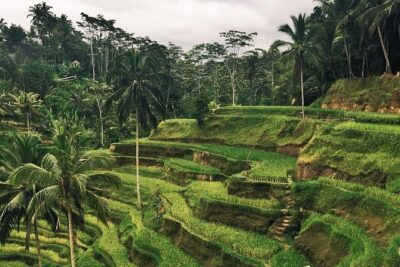
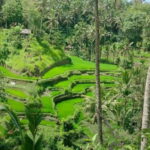
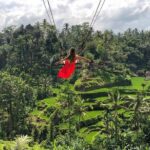
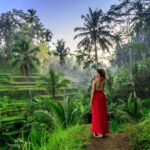
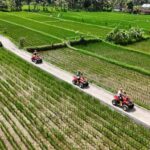
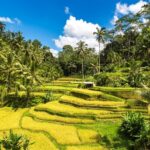
After cave waterfall time, rice terraces feel like a reward. The tour includes rice terraces, plus a swing ride above the terraces. That’s a classic Bali moment, but here’s why it works well on this particular day: by the time you reach the terraces, you’ve already built up your appetite for scenic views and calm walking.
One thing I like about this approach is pacing. Lempuyang and Tukad Cepung are intense. Rice terraces let you slow your breathing, stretch your legs on gentler ground, and take photos that feel less about one landmark and more about the whole view.
Sari Timbul is also included as a peaceful, photogenic stop. It’s described as a calm waters spot, which often means fewer “rush now” logistics and more time to find angles without feeling like you’re fighting a crowd.
The swing ride can be a little line-y depending on timing, and one guide tip shows up in the real world: when the line was long, the guide suggested another location that turned out to be better. That’s another reason you want a guide who thinks on their feet.

Price and value: what $59 covers and what you still need to budget
At $59 per person for a full day, the value depends on what you get without thinking. Here’s what’s included:
- Air-conditioned van transportation
- Hotel pickup and drop-off
- English-speaking guide (with Indonesian)
- Entrance fees to all sites
- Bottled water
That entrance-fee inclusion is more important than it sounds. On Bali day tours, the biggest frustrations often come from ticket lines and last-minute payment runs. This package removes that hassle, so your time stays focused on the sights.
What’s not included: meals. That’s it on the official list. Still, budget for small extras that pop up in real life—like water beyond the included bottle, snacks, and possible purchases (like hats or souvenirs). Some guides in real experiences also helped with practical shopping moments, including helping someone haggle for a hat.
Also consider that your day runs 10–12 hours. That means you’re essentially paying to avoid the mental load of planning a route through multiple distant sites. For many people, that mental ease is the real value.
What to pack: shoes, sun protection, camera, and a rain backup
If you’re going to enjoy this tour (and not just survive it), pack like you’re doing both a hike and a swim-ready day.
Bring:
- Comfortable shoes
- Sandals (useful for breaks and lighter areas)
- Camera (or phone with storage)
- Sunscreen
- Water bottle (hydration is emphasized for a reason)
- Hat
And for weather: Bali can shift. Bring a raincoat or umbrella if needed. Sun protection matters because Lempuyang and the terrace areas can be bright and exposed.
Footwear deserves extra attention. At Tukad Cepung, you may walk in water. At Lempuyang, you’ll climb. So aim for something that works for both: grippy, quick-dry, and not a “cute but fragile” pair of sandals.
Who this Bali tour is best for (and who should skip it)
This tour is a strong match if you:
- Love iconic Bali photos and want multiple big-name viewpoints in one day
- Prefer a guide who helps with photo timing and positioning
- Are comfortable with a long day and active walking
- Want a mix of temples, gardens, a cave waterfall, and rice terraces
It’s less suitable if you:
- Are pregnant
- Have back problems
- Use a wheelchair
- Can’t follow the temple rule about menstruation status
Also, consider your tolerance for humidity and wet terrain. Tukad Cepung can mean you come out damp, and you should plan for that rather than pretending you won’t get wet.
Guides make the difference: what I’d look for on your day
One of the most consistently praised aspects is the human part: guides who stay positive, help with pictures, and handle problems fast.
In real experiences, guides like Nengah Simon and Kadek showed up as true day-managers—helping with photo spots, helping guests stay comfortable, and even carrying bags. Others like Ryan and Roy were highlighted for friendliness and support.
One standout example: when a car broke down mid-trip, the guide handled it calmly and got the rest of the day back on track. That kind of competence matters more than people think, especially on a day with fixed waiting times at photo locations.
So if you’re booking, keep an eye on guide assignments when you can. A good guide turns a tough walking day into a confident day.
Should you book this tour?
I’d book it if your top priority is a packed-but-managed Bali day with the major hits: Lempuyang Temple, Tirta Gangga, Tukad Cepung, and rice terraces with a swing. The price is reasonable for what’s included—especially entrance fees and hotel transport—so you spend less time organizing and more time actually seeing.
I wouldn’t book it if you’re sensitive to stairs, wet cave conditions, or long walking days. Lempuyang in particular requires effort, and Tukad Cepung is not a dry, casual stroll.
If you do book, go in prepared: start early, wear grippy footwear, protect your skin with sunscreen and a hat, and expect the day to run long. That’s the formula that makes this one of those Bali tours you remember for the sights, not for the stress.
FAQ
How long is the Bali Gate of Heaven, waterfall, and Ubud tour?
It runs about 10 to 12 hours.
Where are the pickup and drop-off locations?
Pickup options include Gianyar, Tegalalang, Ubud, and Denpasar. Drop-off locations include Ubud, Tegalalang, Denpasar, and Gianyar.
What’s included in the price?
The tour includes air-conditioned van transportation, hotel pickup and drop-off, an English-speaking guide, entrance fees to all sites, and bottled water.
Are meals included?
No, meals are not included.
What should I bring and wear?
Bring comfortable shoes, sandals, a camera, sunscreen, and a water bottle. Also consider packing a hat and a raincoat or umbrella for changing weather.
Are there any restrictions for temples or activities?
Smoking is not allowed. Also, women who are still in their menstruation period are disallowed to go to the temple. The tour is not suitable for pregnant women, people with back problems, or wheelchair users.
What is the cancellation policy?
You can cancel up to 24 hours in advance for a full refund.